Attractions and Places To See around Bulau - Top 12
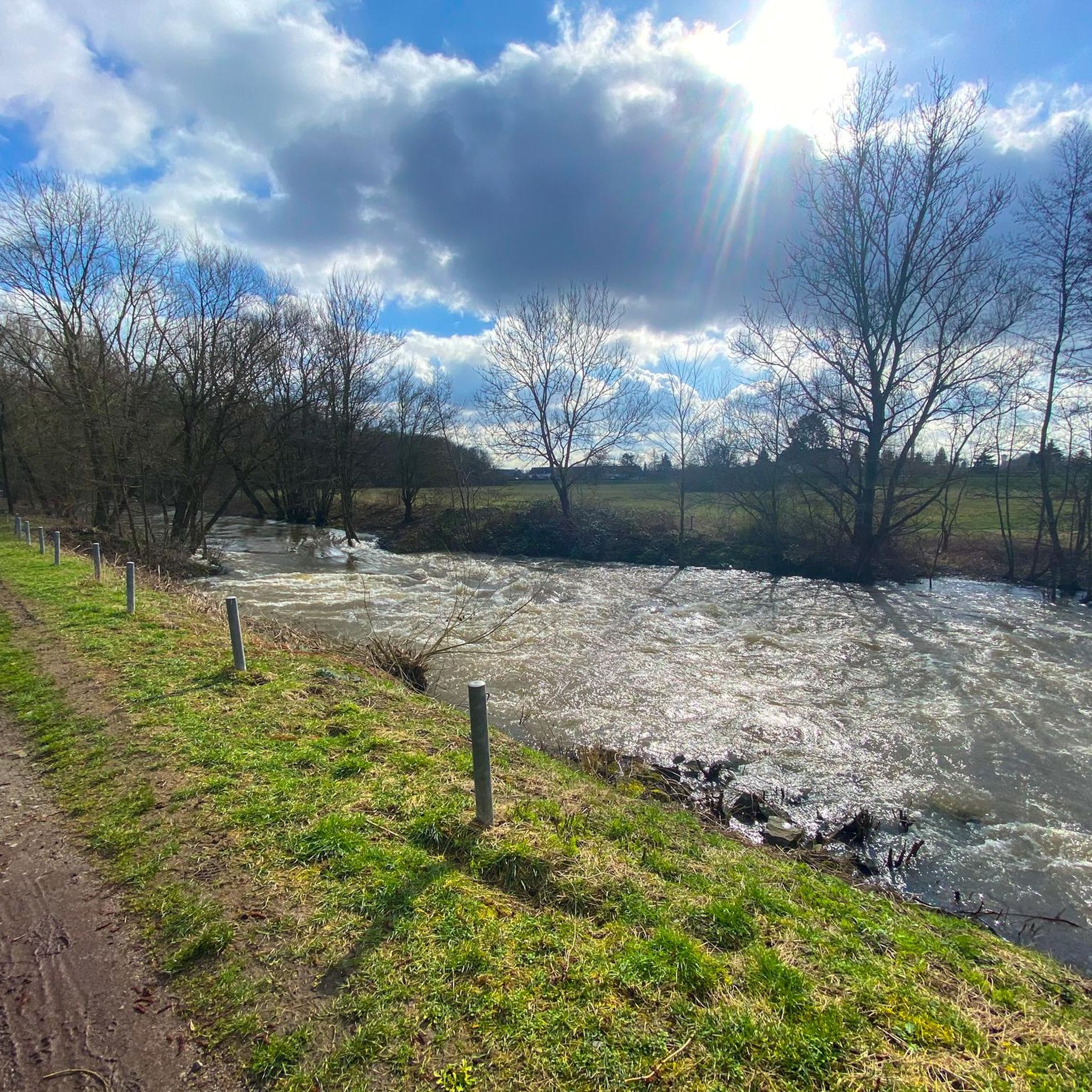
Attractions and places to see around Bulau are primarily characterized by the Kinzig river and its surrounding near-natural meadow landscapes. This region, located within the Main-Kinzig district of Hesse, offers a variety of outdoor experiences. It is recognized for its protected natural areas and extensive trail networks, providing opportunities for exploration along the riverbanks.
Best attractions and places to see around Bulau
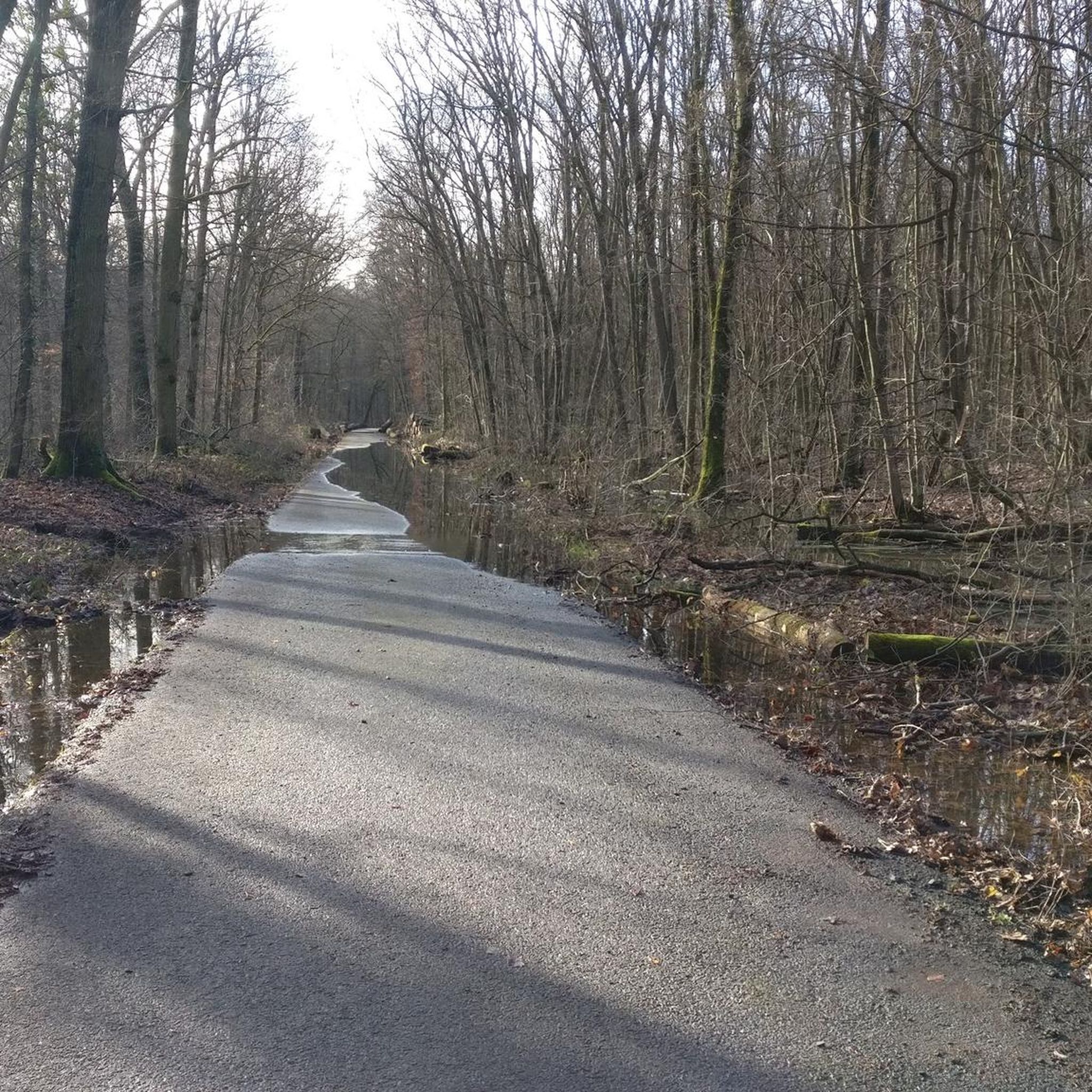
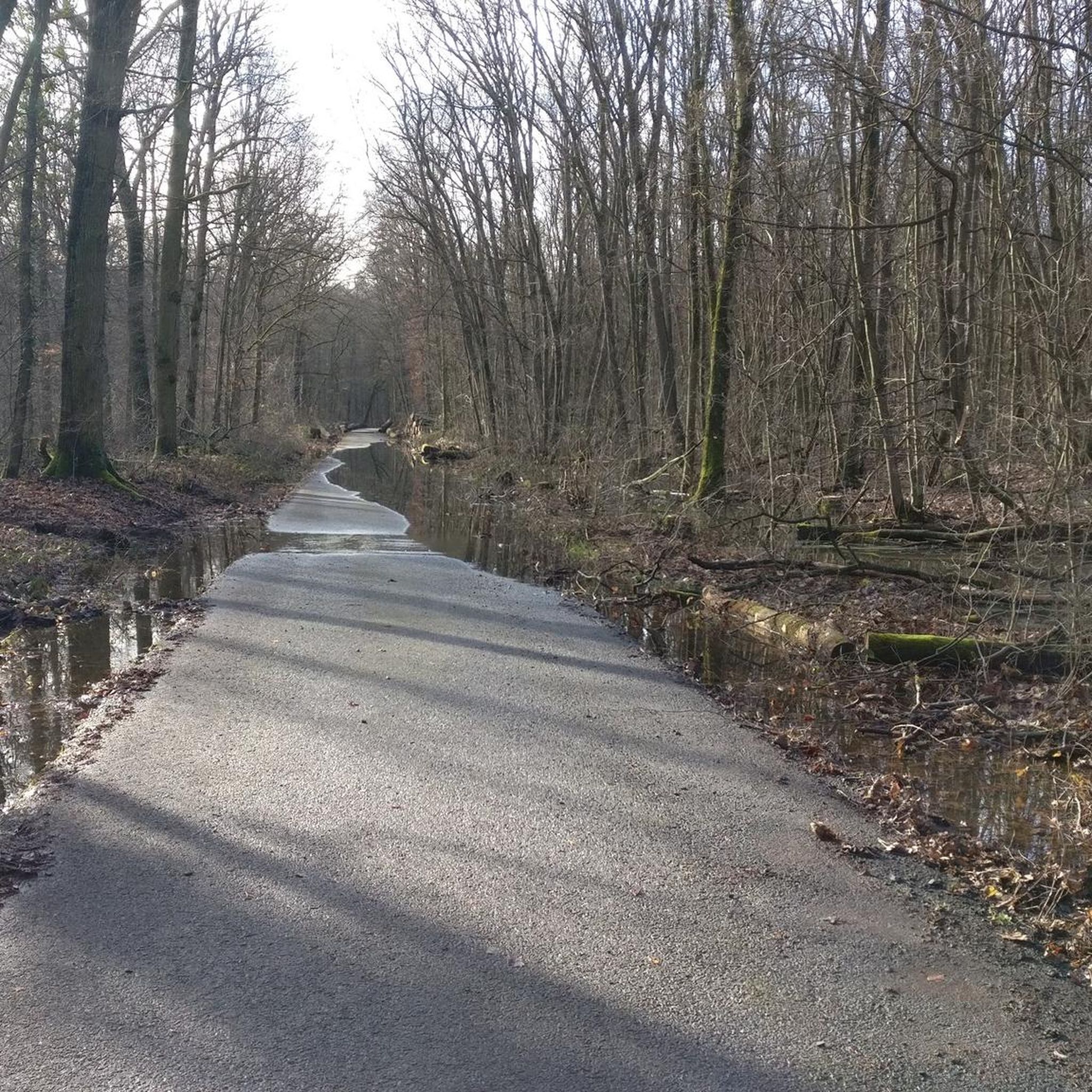
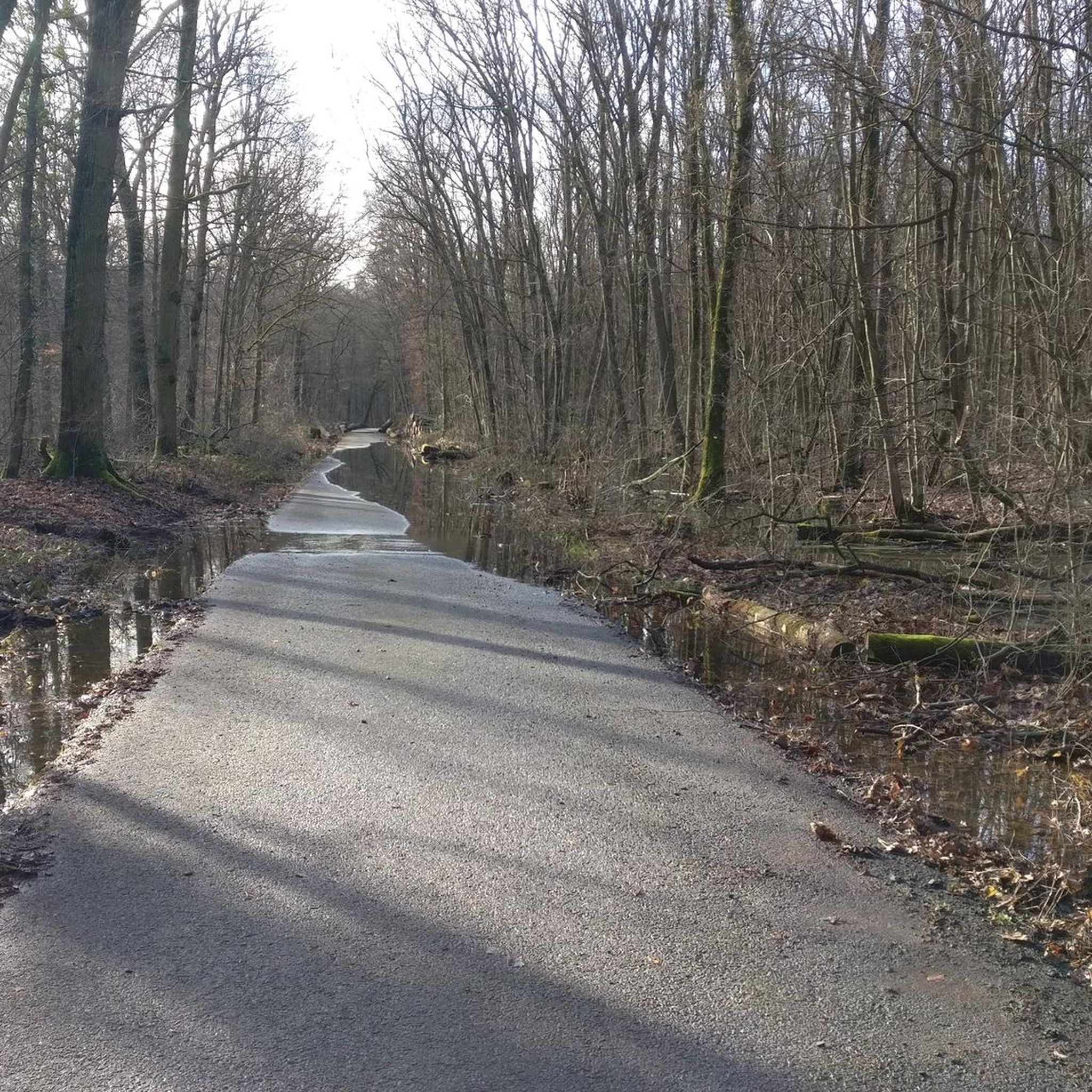
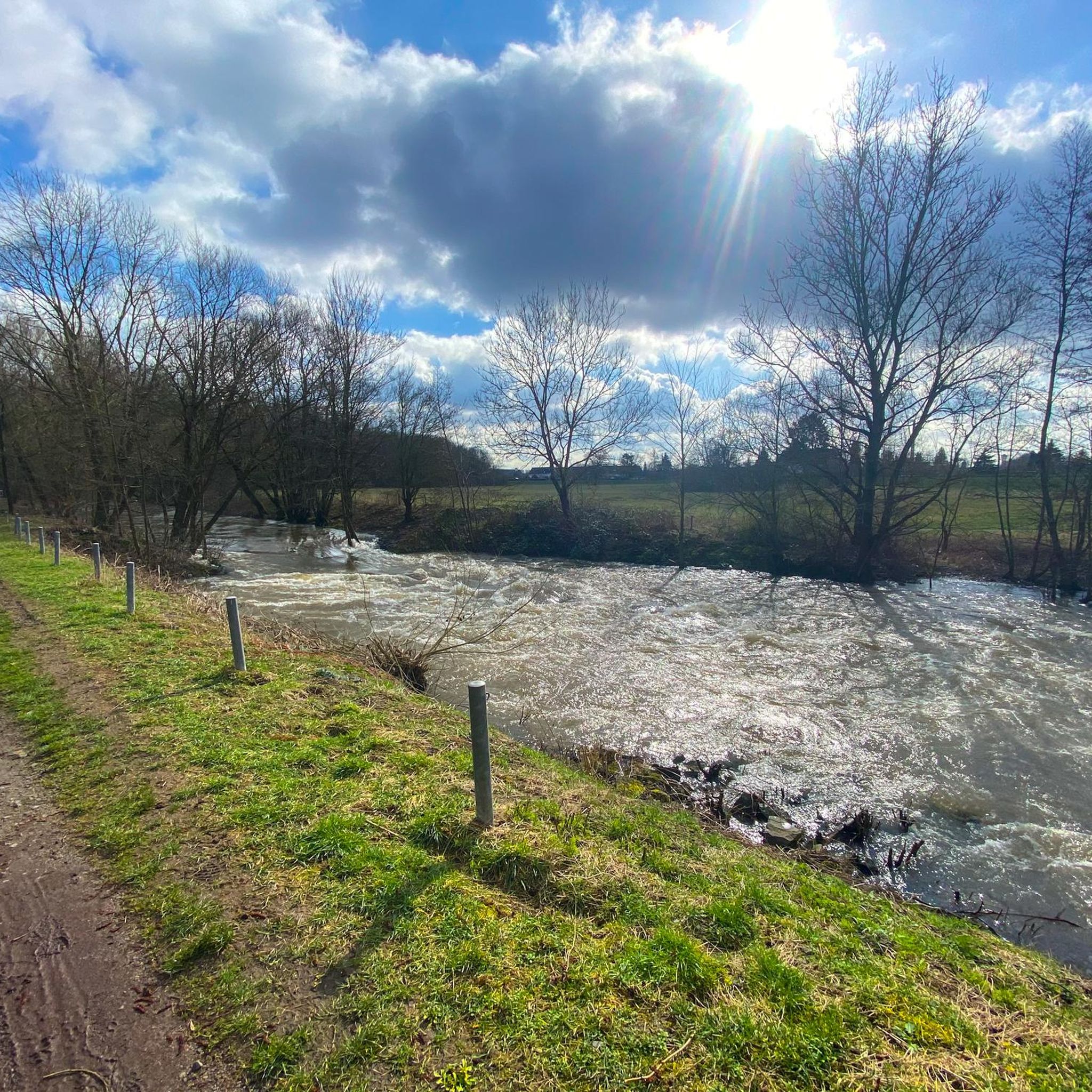
- The most popular attractions is Bulau Riverside Trail along the Kinzig, a trail that runs through a near-natural meadow landscape. This area is protected as a Natura2000 site and connects Hanau and Erlensee.
- Another must-see spot is Trail Along the Kinzig, a trail suitable for both cycling and hiking. Visitors can expect a flowing path along the Kinzig river, offering a pleasant experience for various activity levels.
- Visitors also love Water Gauge House on the Kinzig, an other man-made structure situated along a scenic path. This spot is special for its beautiful natural surroundings along the Kinzig, ideal for walking or cycling.
- Bulau is known for its diverse trails, natural monuments, and river landscapes. The region offers a mix of natural beauty and accessible paths for outdoor enthusiasts to see and explore.
- The attractions around Bulau are appreciated by the komoot community, with more than 400 upvotes and 94 photos shared.
Last updated: June 22, 2026
Trail Along the Kinzig
Highlight • Trail
Translated by Google •
Tip by

Bulau Riverside Trail along the Kinzig
Highlight (Segment) • Trail
Translated by Google •
Tip by

Sign up now to discover places like this
Get recommendations on the best single tracks, peaks, & plenty of other exciting outdoor places.
Sign up for free
Water Gauge House on the Kinzig
Highlight • Structure
It's just beautiful.
Translated by Google •
Tip by
Kinzig Riverside Trail
Highlight • Trail
Lots of green and that in the city.
Translated by Google •
Tip by

Kinzig River in the Bulau
Highlight • River
Translated by Google •
Tip by

Sign up for free to discover even more attractions around Bulau.
Sign up for free
Already have an account?
Start today with a free account
Your next adventure awaits.
Login or Signup
Tips from the Community

it's beautifully rustic here
0
0
Here you can switch off well while hiking or cycling
0
0

Wild garlic also grows here in large areas.
1
0
In previous years, I wondered what the purpose of this building was.
1
0

Beautiful path along the Kinzig river.
0
0

The Kinzig is a river approximately 86 kilometers long. It rises in Sterbfritz, flows southwest through the Main-Kinzig district of Hesse, and flows into the Main from the right in Hanau. The Kinzig is a second-order river in low mountain ranges. It overcomes an elevation of 301 meters and has a bed gradient of 3.5 per thousand. The Kinzig's catchment area covers 1,058 square kilometers, and the calculated mean discharge (MQ) at the mouth of the Kinzig is 10.97 cubic meters per second. The Kinzig was first documented in 796 as "iuxta fluvium Kincihen." In 815, the name was written as "Chinzicha," around 900 as "Kincicha"/"Kinzicham," in 1364 as "Kinzige," in 1584 as "Kintzig," in 1607 as "Bintz," in 1681 as "Kintz," in 1716 as "Kins," in 1769 as "Kinzing," and in 1802 as "Kinzig." In the river's headwaters, there was the now-defunct village of Kinzig, mentioned in 815 as "Chirizichheimero." The village and river were often confused by monastery scribes at that time with "Chizzicha" (now Bad Kissingen), both of which were described as being located in the Saalegau. The name presumably derives from the ancient Celtic *ku̯anti̯o- meaning "flat hill, valley." The name was therefore derived from the mountainous region from which the Kinzig flows. Source: Wikipedia
1
1
The Kinzig is a river approximately 86 kilometers long. It rises in Sterbfritz, flows southwest through the Main-Kinzig district of Hesse, and flows into the Main from the right in Hanau. The Kinzig is a second-order river in low mountain ranges. It overcomes an elevation of 301 meters and has a bed gradient of 3.5 per thousand. The Kinzig's catchment area covers 1,058 square kilometers, and the calculated mean discharge (MQ) at the mouth of the Kinzig is 10.97 cubic meters per second. The Kinzig was first documented in 796 as "iuxta fluvium Kincihen." In 815, the name was written as "Chinzicha," around 900 as "Kincicha"/"Kinzicham," in 1364 as "Kinzige," in 1584 as "Kintzig," in 1607 as "Bintz," in 1681 as "Kintz," in 1716 as "Kins," in 1769 as "Kinzing," and in 1802 as "Kinzig." In the river's headwaters, there was the now-defunct village of Kinzig, mentioned in 815 as "Chirizichheimero." The village and river were often confused by monastery scribes at that time with "Chizzicha" (now Bad Kissingen), both of which were described as being located in the Saalegau. The name presumably derives from the ancient Celtic *ku̯anti̯o- meaning "flat hill, valley." The name was therefore derived from the mountainous region from which the Kinzig flows. Source: Wikipedia
1
0
The Kinzig is a river approximately 86 kilometers long. It rises in Sterbfritz, flows southwest through the Main-Kinzig district of Hesse, and flows into the Main from the right in Hanau. The Kinzig is a second-order river in low mountain ranges. It overcomes an elevation of 301 meters and has a bed gradient of 3.5 per thousand. The Kinzig's catchment area covers 1,058 square kilometers, and the calculated mean discharge (MQ) at the mouth of the Kinzig is 10.97 cubic meters per second. The Kinzig was first documented in 796 as "iuxta fluvium Kincihen." In 815, the name was written as "Chinzicha," around 900 as "Kincicha"/"Kinzicham," in 1364 as "Kinzige," in 1584 as "Kintzig," in 1607 as "Bintz," in 1681 as "Kintz," in 1716 as "Kins," in 1769 as "Kinzing," and in 1802 as "Kinzig." In the river's headwaters, there was the now-defunct village of Kinzig, mentioned in 815 as "Chirizichheimero." The village and river were often confused by monastery scribes at that time with "Chizzicha" (now Bad Kissingen), both of which were described as being located in the Saalegau. The name presumably derives from the ancient Celtic *ku̯anti̯o- meaning "flat hill, valley." The name was therefore derived from the mountainous region from which the Kinzig flows. Source: Wikipedia
1
0
Frequently Asked Questions
What kind of natural features can I explore around Bulau?
Bulau is primarily known for its beautiful river landscapes and near-natural meadow areas along the Kinzig. You can explore the Kinzig River in the Bulau, which offers idyllic hiking experiences and many scenic spots. The region also features the Kinzigauen Nature Reserve (East Hanau), a species-rich area with mixed oak forests and diverse flora and fauna, especially beautiful in spring when wild garlic blossoms.
Are there family-friendly activities or trails in Bulau?
Yes, several attractions and trails around Bulau are suitable for families. The Trail Along the Kinzig is a pleasant path for both cycling and hiking, suitable for various activity levels. The Water Gauge House on the Kinzig is situated along a scenic path that is ideal for walking or cycling with family. The Kinzig River in the Bulau and the Kinzigauen Nature Reserve also offer family-friendly trails.
What are the best options for hiking around Bulau?
Bulau offers an extensive network of trails, particularly along the Kinzig river. Popular choices include the Bulau Riverside Trail along the Kinzig, which runs through a protected Natura2000 meadow landscape connecting Hanau and Erlensee. For easy hikes, you can explore routes like the "Kinzigsteg Bridge – Kinzig River in the Bulau loop" or the "Tiefgarten Park at Kinzigdamm – Riederwald Open-Air Bath loop." You can find more easy hiking options in the Easy hikes around Bulau guide.
Can I go cycling near Bulau's attractions?
Absolutely! The region around Bulau is excellent for cycling. The Trail Along the Kinzig is specifically mentioned as suitable for cycling, offering a flowing path along the river. The Water Gauge House on the Kinzig is also on a path ideal for cycling. For more adventurous cyclists, there are gravel biking routes available, such as the "Main Cycle Path (Mainradweg) – Seligenstadt Old Town loop." Discover more cycling routes in the Gravel biking around Bulau guide.
What do visitors enjoy most about the attractions in Bulau?
Visitors particularly appreciate the natural beauty and tranquility of the Kinzig river landscapes. Many enjoy the well-maintained trails that are suitable for both walking and cycling, often described as "unexpectedly beautiful" and offering "idyllic hiking experiences." The near-natural meadow landscapes and the diverse flora and fauna, especially in areas like the Kinzigauen Nature Reserve, are also highly valued.
Are there any specific natural monuments to see?
Yes, the Bulau Riverside Trail along the Kinzig runs through a near-natural meadow landscape that is protected as a Natura2000 site (FFH) throughout Europe, making it a significant natural monument. Additionally, the Kinzigauen Nature Reserve (East Hanau) is a natural forest reserve known for its rich biodiversity and species-rich area for many animal groups.
What is the terrain like for outdoor activities in Bulau?
The terrain around Bulau is generally characterized by near-natural meadow landscapes and riverbanks, offering mostly flowing and relatively flat paths. This makes many trails suitable for various activity levels, including easy cycling and walking. While some sections might be unpaved, they are typically manageable for city bikes and casual hikers, providing a pleasant outdoor experience.
Are there running trails available in Bulau?
Yes, Bulau offers several running trails. You can find moderate routes like the "Kinzigdamm Pathway – Lamboybrücke loop" or the "Kinzigsteg Bridge – Kinzigsteg Bulau loop." These trails provide good opportunities for jogging along the river and through the natural surroundings. More options are available in the Running Trails around Bulau guide.
What is the best time of year to visit Bulau for outdoor attractions?
While Bulau's outdoor attractions can be enjoyed year-round, spring is particularly recommended. During April and May, the wild garlic blossoms extensively along the riverbanks, coloring the shore areas green and white, which is described as a beautiful experience, especially in the Kinzigauen Nature Reserve. The pleasant weather also makes it ideal for hiking and cycling.
Are there any man-made structures of interest along the trails?
Yes, one notable man-made structure is the Water Gauge House on the Kinzig. It's situated along a scenic path and is appreciated for its beautiful natural surroundings, making it a pleasant stop during a walk or bike ride along the Kinzig.
Are the trails around Bulau suitable for dogs?
Many of the trails along the Kinzig river and through the meadow landscapes are generally dog-friendly, offering open spaces and natural environments for walks. However, it's always advisable to keep dogs on a leash, especially in protected areas like the Natura2000 site along the Bulau Riverside Trail, to protect local wildlife and flora.
How long does it typically take to visit the main attractions?
The time required can vary depending on your chosen activity. For instance, a leisurely walk or bike ride along the Trail Along the Kinzig or to the Water Gauge House could take anywhere from 1 to 3 hours. Exploring the Kinzigauen Nature Reserve might involve a longer hike, potentially half a day, to fully appreciate its biodiversity. Many routes are flexible, allowing you to tailor the duration to your preference.
Most popular routes around Bulau

Get inspired with the komoot mobile app


Explore more
Still not found the Highlight you’re looking for? See guides of the top attractions in other regions:
