The best walks and hikes around Bulau
4.6
(7694)
32,599
hikers
1,462
hikes
Hiking around Bulau is characterized by extensive forest landscapes within the Main-Kinzig-Kreis. The region features numerous trails that primarily follow the Kinzig River and its forest streams. These Bulau hiking trails typically present minimal elevation changes, making them accessible for various activity levels. The terrain consists mainly of wooded paths and riverside routes.
Best hiking trails around Bulau
- The most popular hiking route is Kinzig River in the Bulau – Forest Stream in the Bulau loop from Lamboy, a…
Last updated: July 1, 2026
4.4
(51)
130
hikers
Moderate hike. Good fitness required. Easily-accessible paths. Suitable for all skill levels.
4.7
(11)
42
hikers
4.36km
01:06
10m
10m
Easy hike. Great for any fitness level. Easily-accessible paths. Suitable for all skill levels.

Sign up for free
4.3
(3)
58
hikers
Easy hike. Great for any fitness level. Easily-accessible paths. Suitable for all skill levels.
4.3
(6)
20
hikers
Easy hike. Great for any fitness level. Easily-accessible paths. Suitable for all skill levels.
4.4
(5)
15
hikers
Easy hike. Great for any fitness level. Easily-accessible paths. Suitable for all skill levels.
Get access to more routes and recommendations from other explorers.
Sign up for free
Already have an account?
Our route recommendations are based on thousands of hikes, rides, and runs completed by other people on komoot.
Start today with a free account
Your next adventure awaits.
Login or Signup
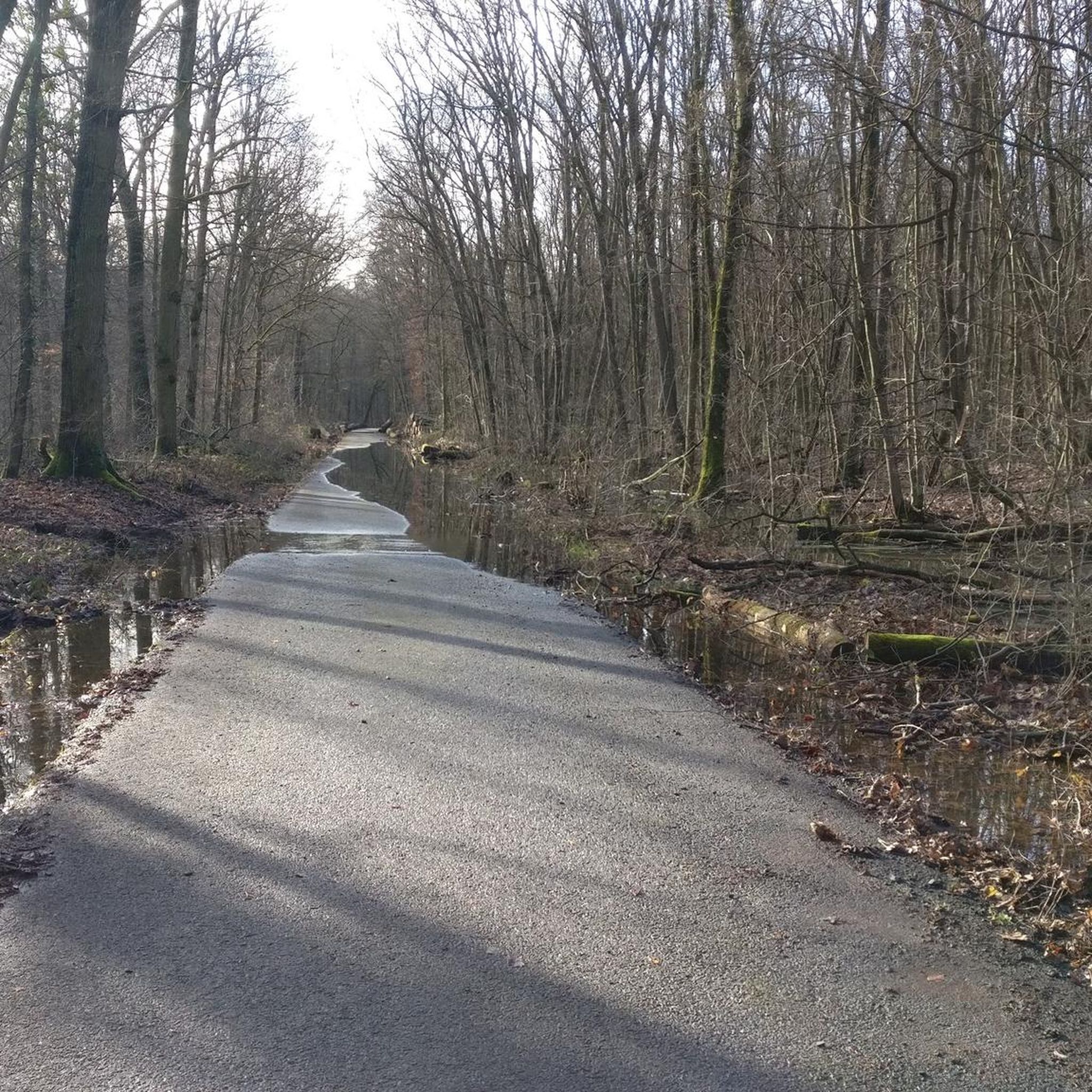
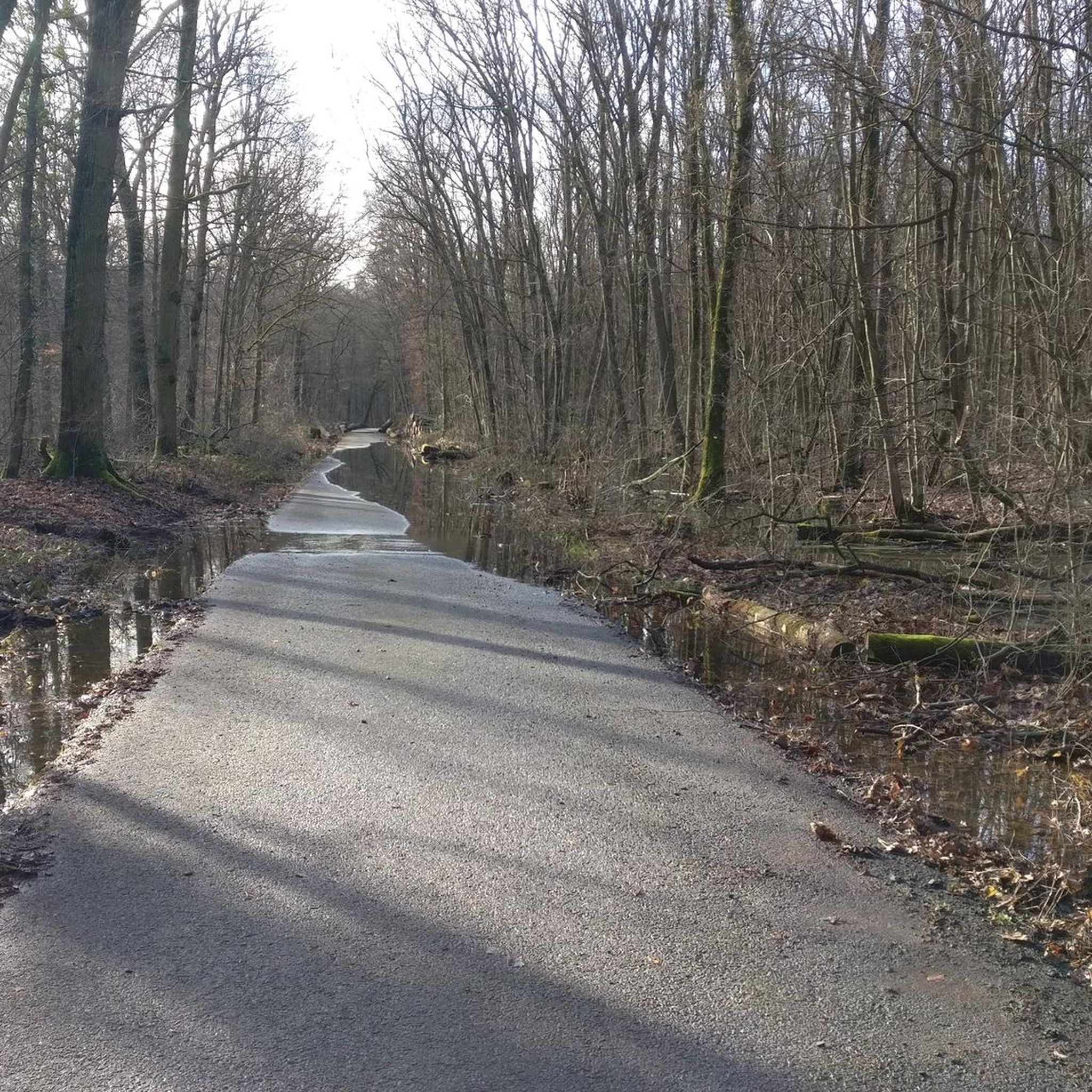
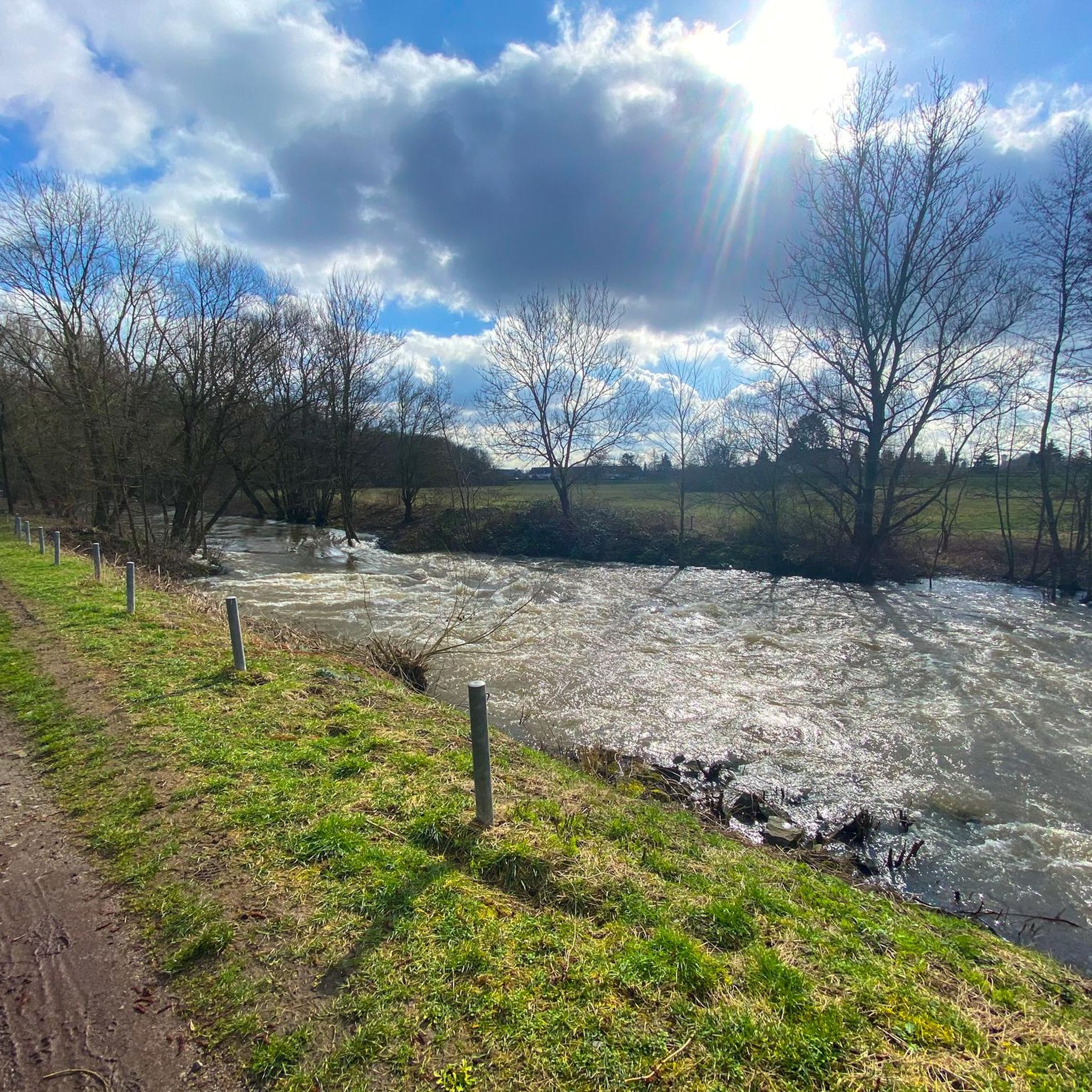
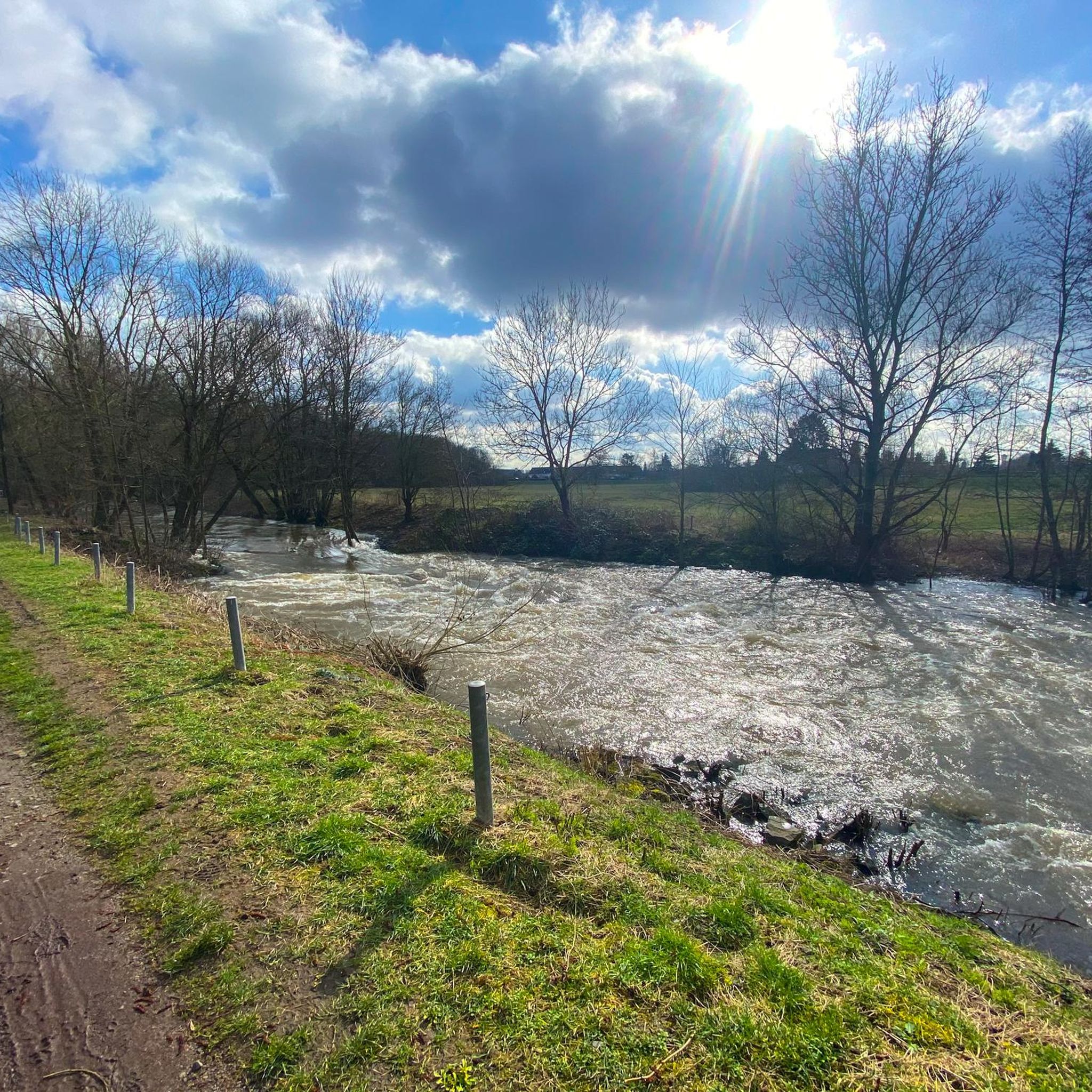
Tips from the Community

it's beautifully rustic here
0
0
Here you can switch off well while hiking or cycling
0
0

Directly at the Rückinger Brücke over the Kinzig, a rest area with a table and benches has been set up.
1
0
Wild garlic also grows here in large areas.
1
0
In previous years, I wondered what the purpose of this building was.
1
0

Beautiful circular trail in Hanau.
0
0
At the entrance to Horbach.
0
0

Beautiful path along the Kinzig river.
0
0
Frequently Asked Questions
How many hiking trails are available in Bulau?
Bulau offers a wide selection of hiking opportunities, with over 1400 trails recorded on komoot. This includes more than 1000 easy routes and over 400 moderate options, catering to various fitness levels.
What kind of terrain can I expect on Bulau's hiking trails?
The hiking trails in Bulau are primarily characterized by extensive forest landscapes and routes that follow the Kinzig River and its forest streams. You can expect mostly wooded paths and riverside routes with minimal elevation changes, making them generally accessible.
Are there any easy, short hikes suitable for beginners or a quick stroll?
Yes, Bulau has many easy and short trails. For example, the Beaver Bank Trail – Tiefgarten Park at Kinzigdamm loop from Südost is an easy 3.8 km (2.4 miles) route. Another option is the Kinzig Riverside Trail – Kinzigsteg Bridge loop from Hanau, which is 3.1 km (1.9 miles) and also rated easy.
What do other hikers enjoy most about Bulau?
The area is highly rated by the komoot community, with an average score of 4.6 stars from over 7000 reviews. Hikers often praise the peaceful forest paths, the scenic riverside routes along the Kinzig, and the generally flat, accessible terrain suitable for various activity levels.
Are there any circular hiking routes in Bulau?
Many of Bulau's trails are designed as circular routes, allowing you to start and end at the same point. Examples include the popular Kinzigsteg Bridge – Kinzig River in the Bulau loop from Hanau, an easy 4.4 km (2.7 miles) path, or the slightly longer Kinzig River in the Bulau – Forest Stream in the Bulau loop from Lamboy, which is 13.6 km (8.5 miles) and moderate.
What interesting sights or landmarks can I see along the trails in Bulau?
Along Bulau's trails, you can explore various points of interest related to the Kinzig River. Highlights include the Trail Along the Kinzig, the Bulau Riverside Trail along the Kinzig, and the Water Gauge House on the Kinzig. The river itself, known as Kinzig River in the Bulau, is a central feature of the landscape.
Are the hiking trails in Bulau suitable for families with children?
Yes, many of the trails in Bulau are well-suited for families due to their minimal elevation changes and generally easy terrain. The numerous riverside paths and wooded routes offer a pleasant environment for walks with children. Look for routes marked as 'easy' for the most family-friendly options.
Is Bulau a good destination for winter hiking?
Bulau's trails, with their predominantly flat and wooded nature, can be suitable for winter hiking, provided conditions are safe. Always check the local weather forecast before heading out and ensure you wear appropriate warm, waterproof clothing and sturdy footwear for potentially icy or snowy paths.
Are there any viewpoints or scenic spots on the Bulau trails?
While Bulau is characterized by its flat forest and riverside landscapes, the scenic beauty comes from the tranquil wooded areas and the meandering Kinzig River. The various riverside trails, such as the Kinzig Riverside Trail, offer pleasant views of the water and surrounding nature.
What is the best time of year to hike in Bulau?
Bulau's trails can be enjoyed throughout the year. Spring brings fresh greenery, summer offers shaded forest walks, and autumn provides beautiful foliage. Even in winter, the flat terrain can be suitable for hiking, though conditions should be checked. The minimal elevation changes make it accessible in most seasons.
Are there any longer, moderate trails for more experienced hikers?
Yes, for those looking for a longer, moderate challenge, the Kinzig River in the Bulau – Forest Stream in the Bulau loop from Lamboy is a good option. This route spans 13.6 km (8.5 miles) and takes approximately 3 hours 27 minutes to complete, offering a mix of riverside and forest trails.
Most popular routes around Bulau
Most popular attractions around Bulau

Get inspired with the komoot mobile app


Explore more
Browse the best Hikes in other regions.
