Attractions and Places To See around Howden Reservoir - Top 5
Best attractions and places to see around Howden Reservoir are found within the Upper Derwent Valley of the Peak District National Park. This area is known for its natural landscape, historical significance, and impressive early 20th-century engineering. As the highest of the three Derwent Valley reservoirs, it offers a blend of natural beauty and cultural sites. The reservoir is fed by the River Derwent and River Westend, providing a distinctive Y-shaped body of water.
Best attractions and places to see…
Last updated: July 7, 2026
Derwent and Howden Reservoirs — Gravel Trail
Highlight (Segment) • Forest
Tip by

Howden Reservoir
Highlight • Structure
Tip by

Sign up now to discover places like this
Get recommendations on the best single tracks, peaks, & plenty of other exciting outdoor places.
Sign up for free
Forest Stream and Gravel Path
Highlight (Segment) • Forest
Tip by

Start today with a free account
Your next adventure awaits.
Login or Signup

Tips from the Community

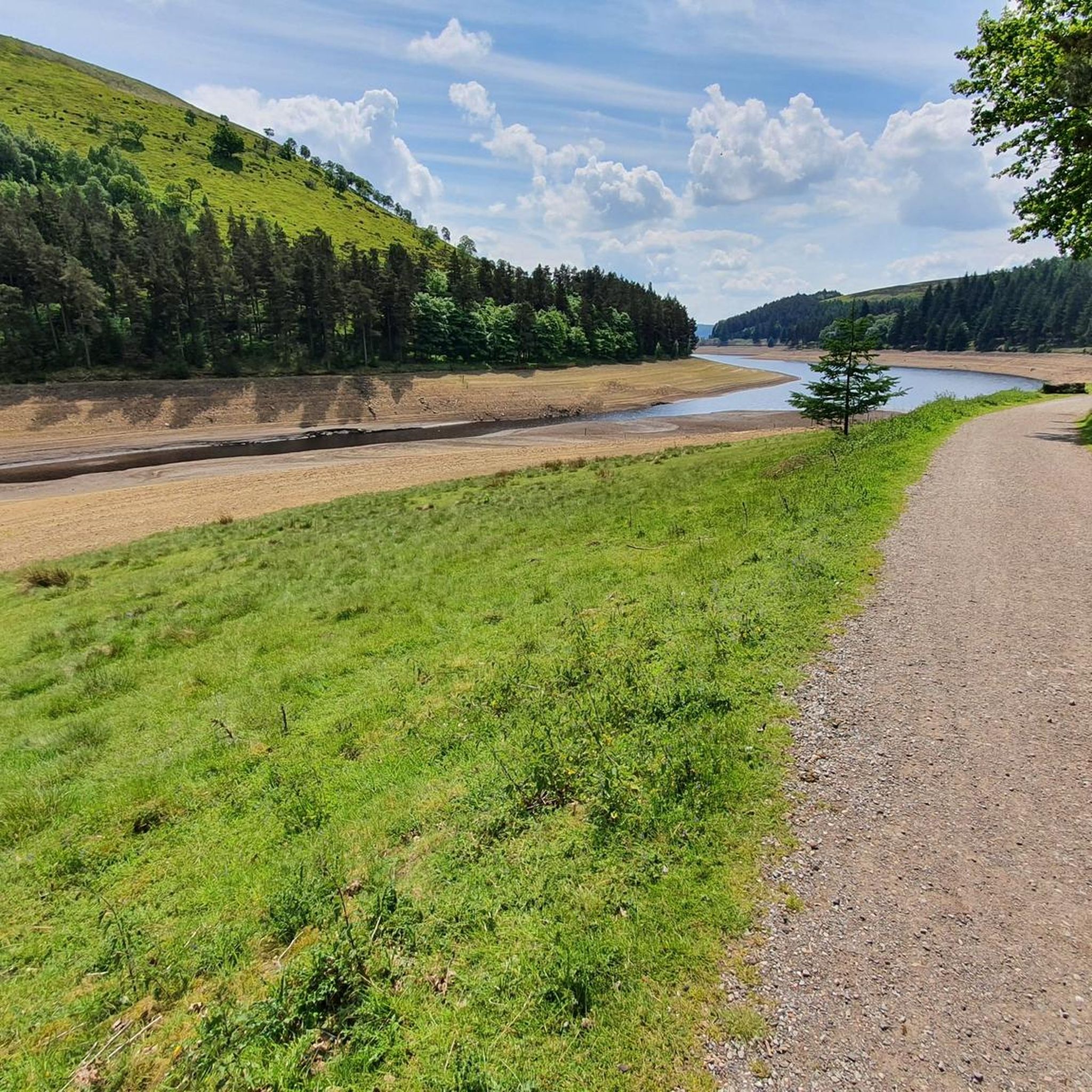
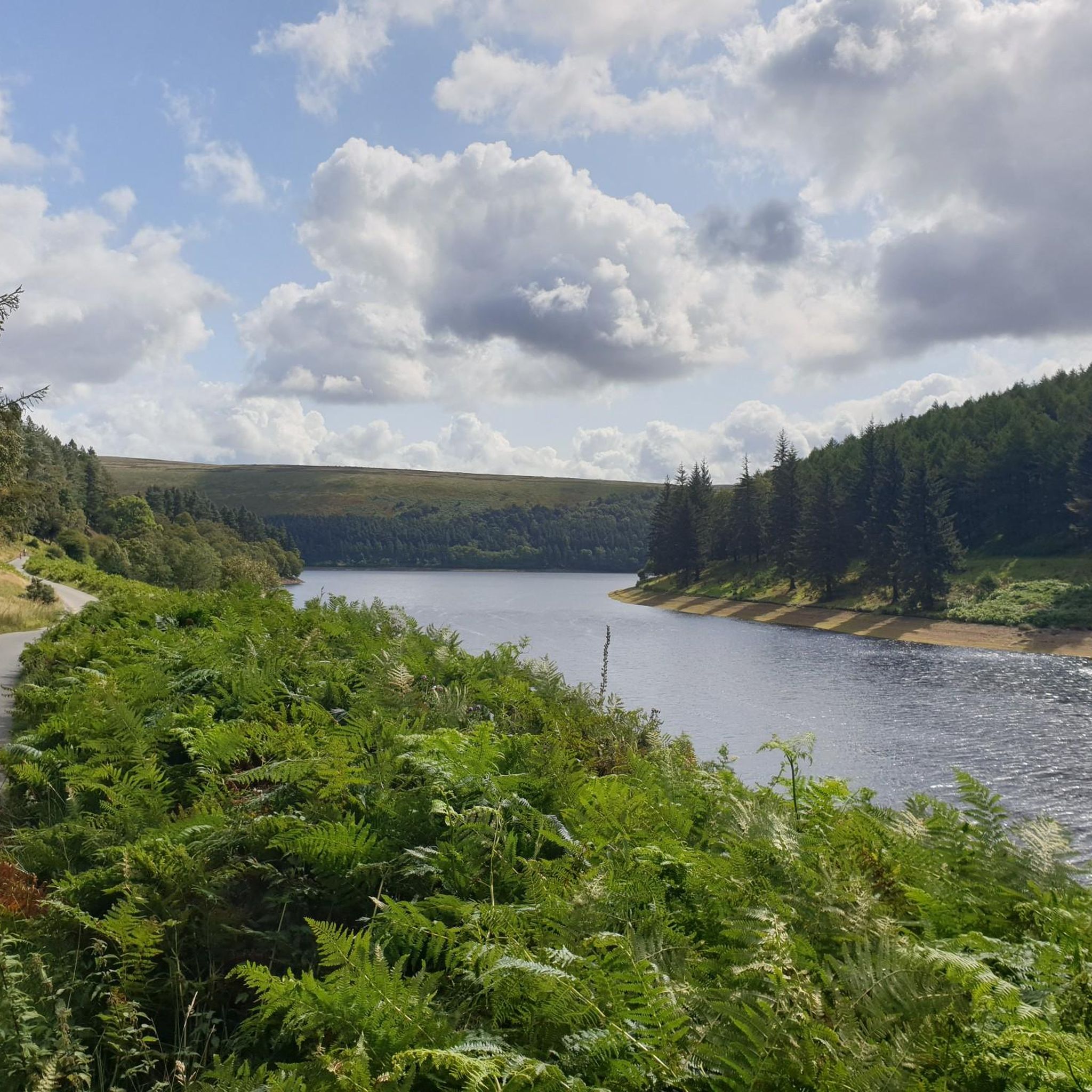
This lovely section of gravel takes you along Derwent and Howden reservoirs and ascends to Slippery Stones. It links with the gravel trail around Ladybower to the south and then onto the MTB classic Cut Gate in the north. The scenery is spellbinding along this section and beyond.
1
0

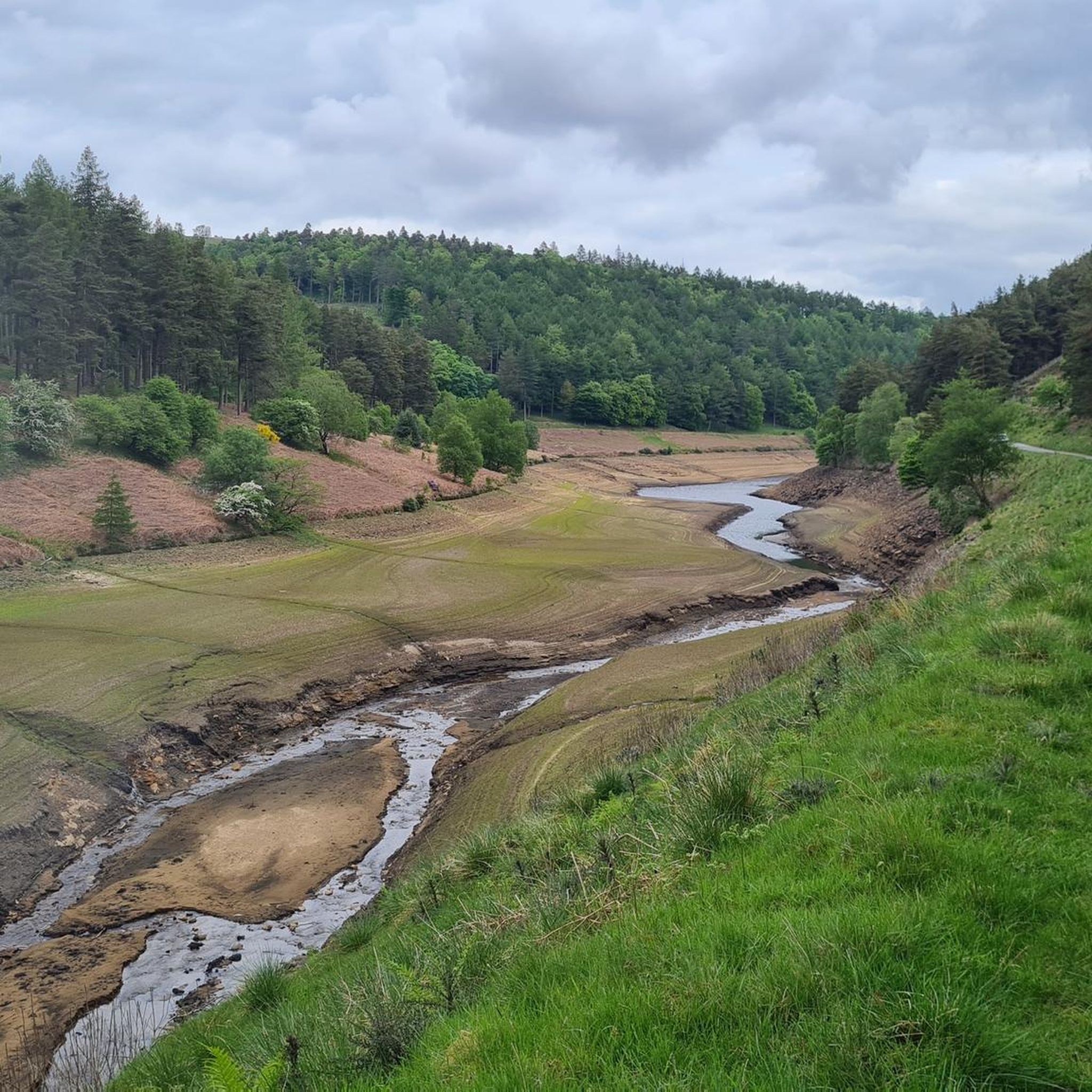
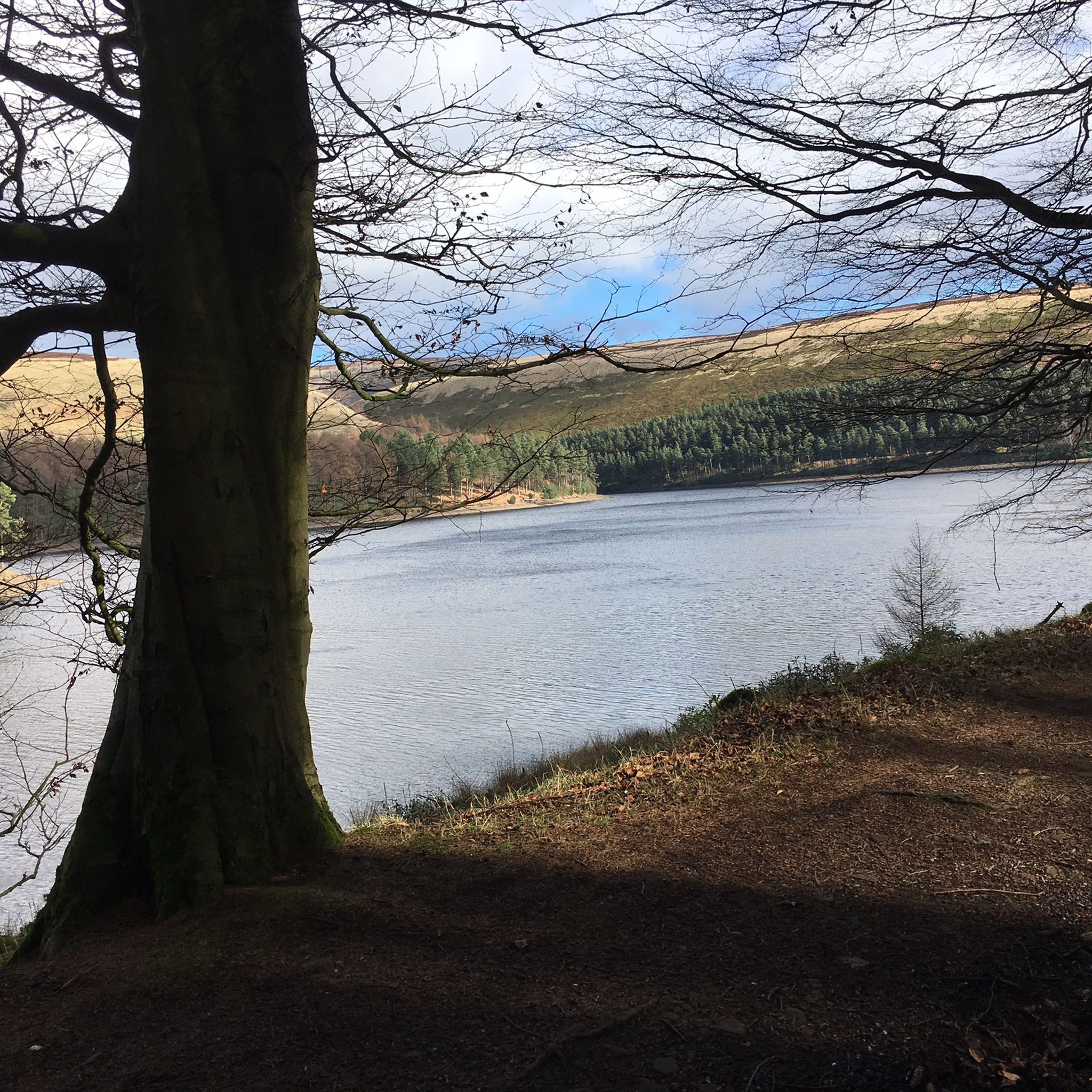
Howden Reservoir was completed in 1912. It's the highest of the three Derwent Reservoirs. The River Derwent flows into the northern arm and the River Westend flows into the western arm. After the Howden Dam the Derwent flows almost directly into the Derwent Reservoir and from there into the Ladybower Reservoir. You can walk most of the way around the reservoir but you can't cross the Howden Dam so to create a circular walk you need to loop Derwent Reservoir as well.
1
0

An incredibly enjoyable gravel ride across pine forests and fantastic scenery. Worth the trip.
1
0

Fantastic gravel section along the east side of Derwent and Howden reservoirs
0
0

Great place to stop and have a refreshments by the waterside.
1
0

Long stretch of mainly unsurfaced gravel road that starts at the turn-off from the A57 and steadily climbs up the eastern bank of all three reservoirs - Ladybower, Derwent and Howden. It crosses the bridge over the river Derwent at Slippery Stones and continues for a short distance on the opposite side until it eventually joins up with the tarmac road that runs along the western bank of the reservoirs and back down to the A57. It's undulating but not too challenging (by Peak district standards). For the most part it's a good surface so a great place to try out gravel riding if you're new to it. The bumpiest section is at the northern end just before Slippery Stones. The whole circuit is lovely but I prefer to climb up the gravel side and go back down on the road, stopping for a cuppa at Fairholmes kiosk. The surface is fine for touring bikes too.
5
0

This is a beautiful trail, good spur off for a quieter lunch spot but quickly turns into unridable territory. If you enjoy hike a bike, and i mean HIKE A BIKE you can continue along this trail and it will bring you out up from slippery stones. I was on a gravel bike probably more doable on a mountain bike.
1
0
Frequently Asked Questions
What natural features can I explore around Howden Reservoir?
The area around Howden Reservoir is rich in natural beauty. You can enjoy the expansive waters of Howden Reservoir itself, which is fed by the River Derwent and River Westend. The Upper Derwent Valley offers breathtaking vistas of forested hills, particularly vibrant in autumn. You can also find the charming Slippery Stones Packhorse Bridge, nestled by the River Derwent, a popular spot for observing local wildlife.
What historical sites are there to visit near Howden Reservoir?
The region boasts significant historical interest. The Howden Reservoir and its dam are impressive examples of early 20th-century engineering, completed in 1912. Downstream, the Derwent Dam is historically important as a training ground for the 'Dambusters' of World War II, with a museum in its west tower. The Slippery Stones Packhorse Bridge itself is a 17th-century structure, meticulously relocated from the submerged Derwent Village during the reservoir's construction.
Are there good walking and hiking opportunities around Howden Reservoir?
Yes, the area offers an extensive network of walking and hiking trails. A popular choice is the Derwent and Howden Reservoirs — Gravel Trail, which provides views of Ladybower, Derwent, and Howden Reservoirs. You can also find easy hikes, such as those leading to Slippery Stones Packhorse Bridge. For more options, explore the Easy hikes around Howden Reservoir guide.
Can I go cycling around Howden Reservoir?
Absolutely! The trails are well-suited for cycling, ranging from leisurely rides to more challenging paths. The Derwent and Howden Reservoirs — Gravel Trail is excellent for gravel riding and touring bikes. Bicycles can be rented at the Fairholmes Visitor Centre, and a popular circular route takes cyclists around the reservoirs. For more detailed routes, check out the Gravel biking around Howden Reservoir guide.
What do visitors enjoy most about the attractions around Howden Reservoir?
Visitors frequently praise the stunning scenery and the well-maintained trails. Many enjoy the long stretches of unsurfaced gravel roads that offer beautiful views of the reservoirs, perfect for cycling or walking. The historic Slippery Stones Packhorse Bridge is a beloved spot for picnics and observing wildlife. The overall serene and secluded experience, combined with access to natural beauty and impressive engineering, is highly appreciated.
Are there family-friendly activities or attractions near Howden Reservoir?
Yes, the area is very family-friendly. The trails around the reservoirs are suitable for walks with children, and the Fairholmes Visitor Centre offers facilities like restrooms and a café. The Howden Reservoir itself is listed as family-friendly, offering gentle paths and scenic views. Picnics by the Slippery Stones Packhorse Bridge are also a popular family activity.
Where can I find visitor facilities like parking and cafes?
The Fairholmes Visitor Centre, located near Ladybower Reservoir, serves as a central hub for visitors. It provides essential facilities including information, maps, parking, restrooms, and a café. It's an ideal starting point for exploring the Upper Derwent Valley.
What is the best time of year to visit Howden Reservoir?
The Upper Derwent Valley, including Howden Reservoir, is particularly vibrant during the autumn months when the forested hills display stunning colors. However, the area offers beauty year-round, with spring bringing new growth, summer providing pleasant conditions for outdoor activities, and winter offering a serene, often snowy, landscape.
How long does it take to walk around Howden Reservoir?
A full circuit encompassing both Derwent and Howden Reservoirs spans approximately 10 miles. While you can walk most of the way around Howden Reservoir, you cannot cross the Howden Dam to complete a circular walk solely around it. To create a full loop, you typically need to include Derwent Reservoir as well.
Can I go running near Howden Reservoir?
Yes, there are several running trails available. You can find routes like the 'Howden Reservoir – Slippery Stones Bridge loop' or the 'Howden Dam – Derwent Reservoir loop'. For a comprehensive list of options, refer to the Running Trails around Howden Reservoir guide.
Is wild swimming permitted in the area?
The River Derwent, particularly in the area around Slippery Stones Packhorse Bridge, provides an opportunity for wild swimming. However, always exercise caution, be aware of water conditions, and adhere to any local signage or regulations regarding swimming.
Are there accessible routes for visitors with mobility needs?
While specific accessible routes are not detailed for Howden Reservoir itself, the Fairholmes Visitor Centre is generally well-equipped. Many of the main paths around the reservoirs are wide and relatively flat, making them suitable for a range of abilities. It's advisable to check specific trail conditions or contact the visitor centre for the most up-to-date accessibility information.
What should I wear when visiting Howden Reservoir in winter?
In winter, it's crucial to dress in layers. Waterproof and windproof outer layers are recommended, along with warm base layers. Sturdy, waterproof hiking boots with good grip are essential, as paths can be muddy, icy, or snowy. Don't forget a hat, gloves, and a scarf to protect against the cold.
Most popular routes around Howden Reservoir
Most popular attractions around Howden Reservoir

Get inspired with the komoot mobile app


Explore more
Still not found the Highlight you’re looking for? See guides of the top attractions in other regions:
