Attractions and Places To See around Zwischenahner Meer - Top 20
Best attractions and places to see around Zwischenahner Meer include a diverse range of natural beauty and cultural points of interest. As the third-largest lake in Lower Saxony, it spans 550 hectares with a maximum depth of 6 meters. The lake is bordered by towns like Bad Zwischenahn, Rostrup, and Dreibergen, offering various exploration opportunities. The region provides a blend of natural landscapes and historical sites for visitors.
Best attractions and places to see around Zwischenahner Meer
- The most popular…
Last updated: July 6, 2026
Lake Zwischenahn
Highlight • Lake
Translated by Google •
Tip by

View of the Zwischenahner Meer
Highlight • Viewpoint
Translated by Google •
Tip by

Sign up now to discover places like this
Get recommendations on the best single tracks, peaks, & plenty of other exciting outdoor places.
Sign up for free
Windmill at the Bad Zwischenahn Open-Air Museum
Highlight • Monument
Translated by Google •
Tip by

Wooden boardwalk in Kurpark, Bad Zwischenahn
Highlight (Segment) • Structure
Translated by Google •
Tip by

Boardwalk at Lake Zwischenahn
Highlight (Segment) • Trail
Translated by Google •
Tip by
Sign up for free to discover even more attractions around Zwischenahner Meer.
Sign up for free
Already have an account?
Start today with a free account
Your next adventure awaits.
Login or Signup
Popular around Zwischenahner Meer
The Jade Trail in Ammerland – Hiking in Northern Germany
33 lakes for sunny weekends
The best swimming lakes in Lower Saxony
Cycling around Zwischenahner Meer
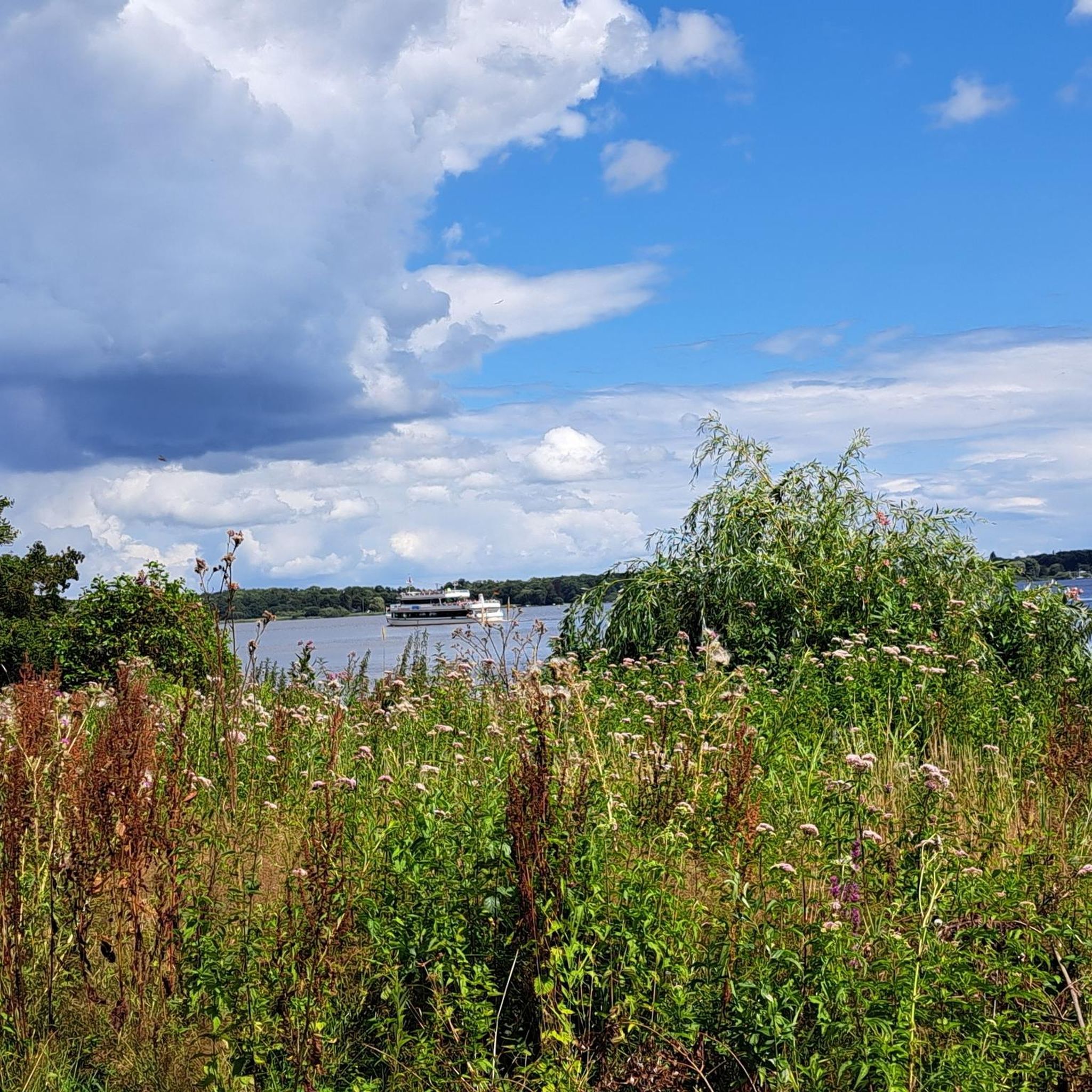
Hiking around Zwischenahner Meer
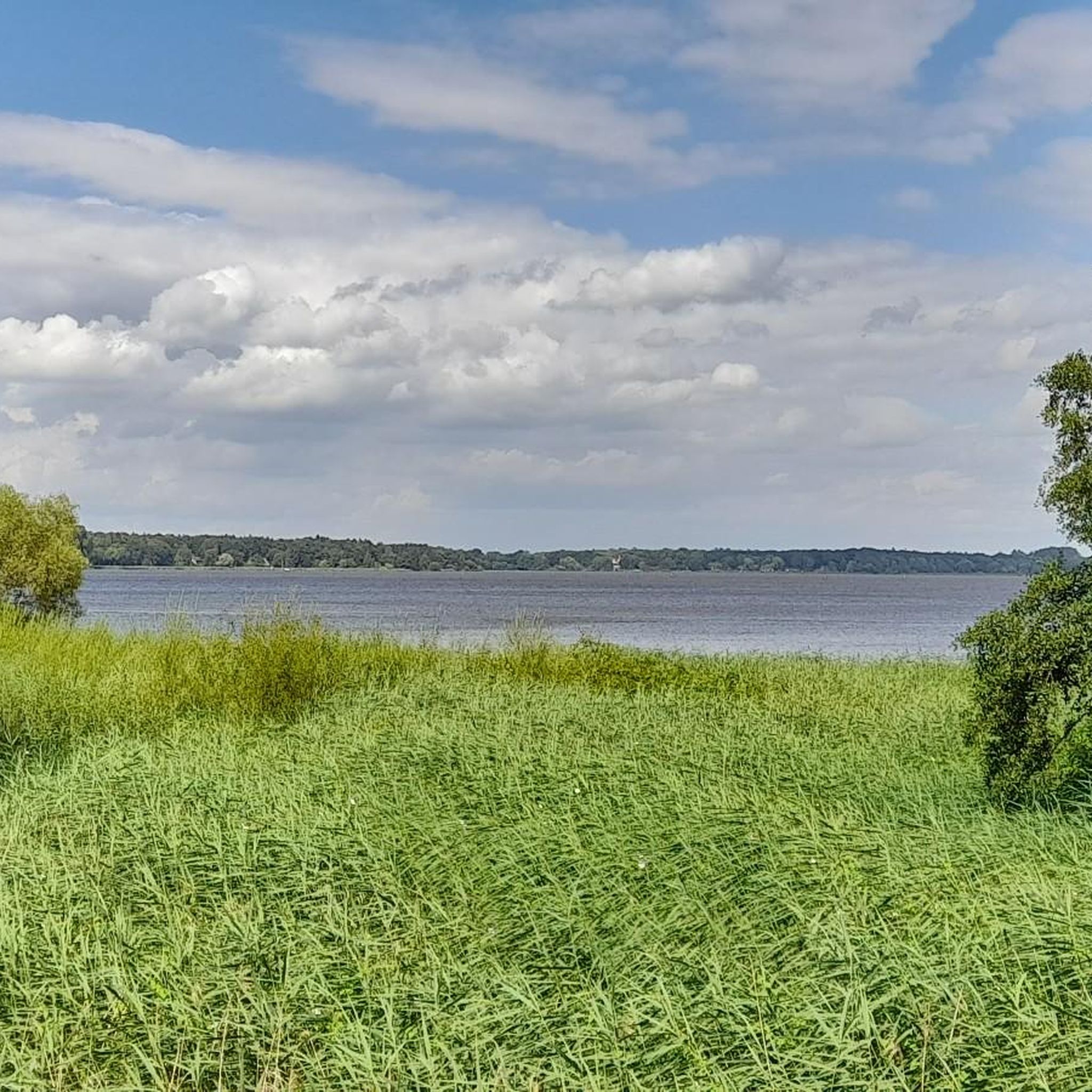
Running Trails around Zwischenahner Meer
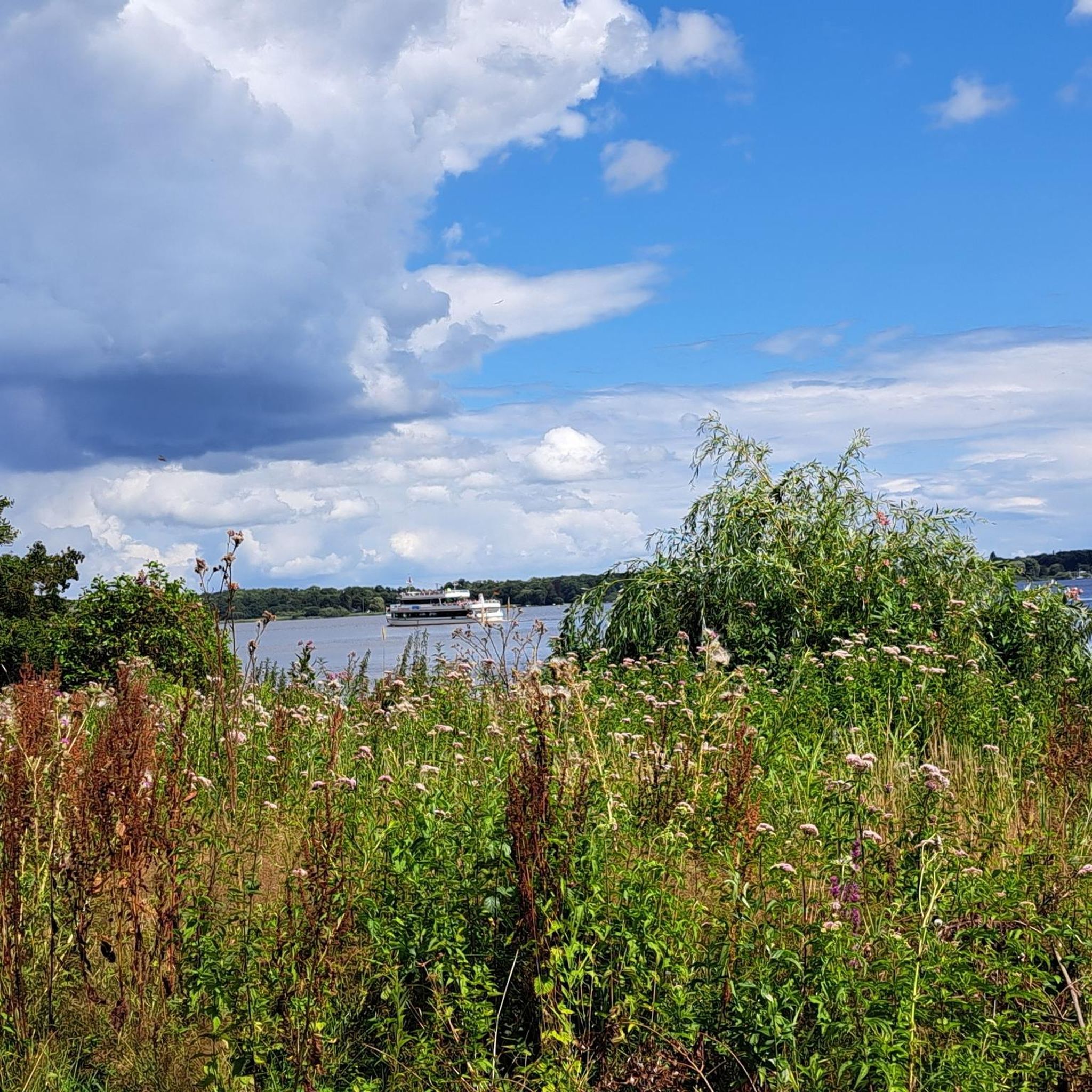
Road Cycling Routes around Zwischenahner Meer
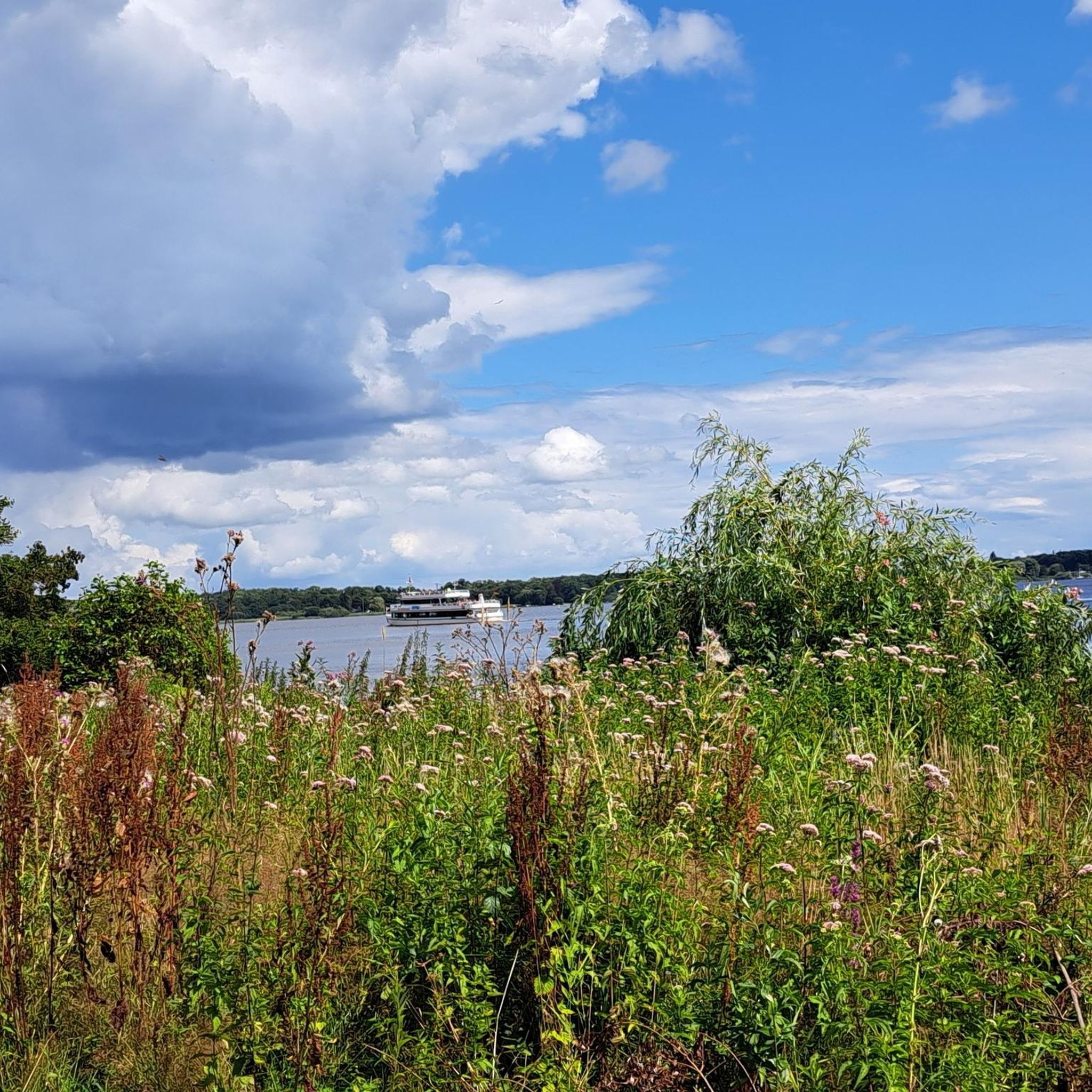
MTB Trails around Zwischenahner Meer
Gravel biking around Zwischenahner Meer


Tips from the Community

A beautiful section of the sea route.
11
0

In the middle of nature: a dream
11
1

There are several of them on a trip around Lake Zwischenahner. They are well made and fun to ride, but be careful when they are wet!
11
0

Beware of pedestrians... Drive moderately.
10
0

The wooden walkways lead beautifully through the forest on the lake shore.
3
0

The windmill in the open-air museum in Bad Zwischenahn is a two-storey gallery windmill. The windmill in the open-air museum in Bad Zwischenahn is a two-storey gallery windmill. It dates from 1811 and was initially built in neighboring Westerstede. After several changes of ownership, its last location was in Hüllstede near Westerstede. After it was shut down in 1958, it was in danger of falling into disrepair and was moved to the open-air museum in Bad Zwischenahn in 1960 to be saved. The mill has a functioning grinding mill for crushing and a pan mill that is used to produce oil. The blades of the mill are 11.20 meters long, and the total height of the mill up to the first cap is 21 meters.
9
1
History In Old Low German, damp depressions were called Ros (or Rotz, Roetz). The name Rostrup (Rosthorpe, Rostorp) is derived from this. Like Ekern, Rostrup was built as Eschdorf. The oldest mention of the village can be found in the Oldenburg charter book in 1240. In 1428, eight farms were recorded here, five belonged to the Count of Oldenburg and one farm to the Rastede monastery, two others were Junker farms. In 1474, the village was burned down by soldiers of Bishop Heinrich von Münster. The Eyhausen estate lies directly on the Zwischenahner Meer on the border with the Zwischenahn farming community. As a free noble estate, the estate changed hands several times over the centuries. It was first mentioned in the Oldenburg charter book in 1331 as Edinchusen. The meaning of the name is probably derived from the term Edelinghusen, which was used around 1428 and refers to a "dwelling" of noblemen.
4
0
Rostrup is a district of the municipality of Bad Zwischenahn in the Ammerland district of Lower Saxony. The farming community consists of Rostrup I, which lies directly on the western shore of the Zwischenahner Meer, and Rostrup II, which is further west and also includes the village of Deepenfurth, which lies on the town border with Westerstede. The villages are separated by the Elmendorfer Landstrasse. In terms of population, Rostrup is the third largest district in the municipality after Bad Zwischenahn itself and Petersfehn.
8
1
Frequently Asked Questions
What outdoor activities can I enjoy around Zwischenahner Meer?
The Zwischenahner Meer is ideal for various outdoor activities. You can enjoy water sports like swimming, sailing, surfing, and stand-up paddling. The region also offers an extensive network of cycling and hiking trails. For specific routes, explore the Road Cycling Routes around Zwischenahner Meer, Gravel biking around Zwischenahner Meer, and Easy hikes around Zwischenahner Meer guides.
Are there family-friendly attractions around Zwischenahner Meer?
Yes, many attractions are suitable for families. The Lake Zwischenahn itself offers water sports and scenic walks. The Windmill at the Bad Zwischenahn Open-Air Museum provides a glimpse into history, and the Wooden boardwalk in Kurpark, Bad Zwischenahn and Boardwalk through the floodplain at Zwischenahner Meer are fun for all ages to explore. The Rostrup Ferry Pier is also a great spot with lake views.
What historical and cultural sites can I visit in the area?
The region boasts several historical and cultural sites. The Windmill at the Bad Zwischenahn Open-Air Museum, dating from 1811, showcases traditional milling. The Ammerländer Bauernhaus (Open-Air Museum Ammerland Farmhouse) offers insights into rural life around 1700. St. Johannes Kirche is the oldest landmark in Bad Zwischenahn, with records from 1124.
Are there any accessible paths or attractions for wheelchairs?
Yes, the Boardwalk through the floodplain at Zwischenahner Meer is noted as wheelchair accessible, offering a unique way to experience the natural landscape. The Rostrup Ferry Pier is also listed as wheelchair accessible, providing beautiful lake views.
What is the best time of year to visit Zwischenahner Meer?
The Zwischenahner Meer is beautiful year-round, but spring and summer offer distinct advantages. In spring, the Kurpark Bad Zwischenahn is particularly lovely with its flowers in full bloom. Summer is ideal for water sports on the lake and enjoying cultural events that often take place directly at the Zwischenahner Meer.
Where can I find scenic views of the lake?
For stunning views of the lake, visit the Wooden boardwalk in Kurpark, Bad Zwischenahn, which offers unique perspectives. The Rostrup Ferry Pier is another excellent spot for panoramic views, especially at sunset. You can also climb the Water Tower Bad Zwischenahn for a unique aerial perspective of the entire area.
What are some unique natural features to explore?
Beyond the Lake Zwischenahn itself, which is the third-largest in Lower Saxony, you can explore the Kurpark Bad Zwischenahn with its beautiful gardens and wooden boardwalks. The Park der Gärten, Germany's largest model garden complex, showcases over 2,000 rhododendron species and diverse garden designs. There's also a nature trail (Naturlehrpfad) winding through forests and meadows.
What do visitors enjoy most about the attractions around Zwischenahner Meer?
Visitors frequently praise the beautiful natural landscape and the well-maintained cycling and hiking trails. Many appreciate the unique experience of the wooden boardwalks, like the Wooden boardwalk in Kurpark, Bad Zwischenahn, and the scenic views from spots like the Rostrup Ferry Pier. The blend of natural beauty with cultural insights from places like the Open-Air Museum is also highly valued.
Are there any specific culinary specialties in the region?
Yes, the local cuisine is renowned, and a culinary highlight is the famous "Zwischenahner Rauchaal" (smoked eel). Many local restaurants and eateries around the lake offer this specialty.
Can I take a boat trip on Zwischenahner Meer?
Yes, regular ferry services are operated by the "White Fleet" since 1987. These ferries connect various piers around the lake, including Bad Zwischenahn, Rostrup, and Dreibergen, offering a pleasant way to experience the lake from the water.
Where can I learn about the region's traditional culture?
To delve into the region's traditional culture, visit the Ammerländer Bauernhaus (Open-Air Museum Ammerland Farmhouse), which features 14 historical buildings showcasing rural life. The Moor and Fen Museum Elisabethfehn also provides insights into the traditional moor culture of the area.
Most popular routes around Zwischenahner Meer
Most popular attractions around Zwischenahner Meer

Get inspired with the komoot mobile app


Explore more
Still not found the Highlight you’re looking for? See guides of the top attractions in other regions:
