The 2 Most Amazing Peaks around Lake Lucerne
Best mountain peaks around Lake Lucerne are part of a region characterized by its prominent mountains, deep blue lakes, and historical significance. The area is defined by its diverse natural landscape, featuring a mix of rugged peaks and serene waters. It serves as a central point for exploring the Swiss Alps and offers a blend of natural beauty and cultural landmarks.
Best mountain peaks around Lake Lucerne
- The most popular mountain peaks include Lake Lucerne Promenade, a trail that…
Last updated: May 10, 2026
Main entrance of Lucerne railway station
Highlight • Monument
The first Lucerne station in 1856 was built from wood and used as the terminus of a …
Translated by Google •
Tip by

Culture and Convention Center Lucerne
Highlight • Monument
Showing Translation
Tip by

Sign up now to discover places like this
Get recommendations on the best single tracks, peaks, & plenty of other exciting outdoor places.
Sign up for free
Lake Lucerne Promenade
Highlight • Trail
Translated by Google •
Tip by

Flüelen Promenade and Reuss Delta Nature Reserve
Highlight • Natural
Translated by Google •
Tip by

View of Hergiswil and Mount Pilatus from Kastanienbaum
Highlight • Viewpoint
Translated by Google •
Tip by

Start today with a free account
Your next adventure awaits.
Login or Signup
Popular around Lake Lucerne
A summer of backdoor adventures in the Voralpen
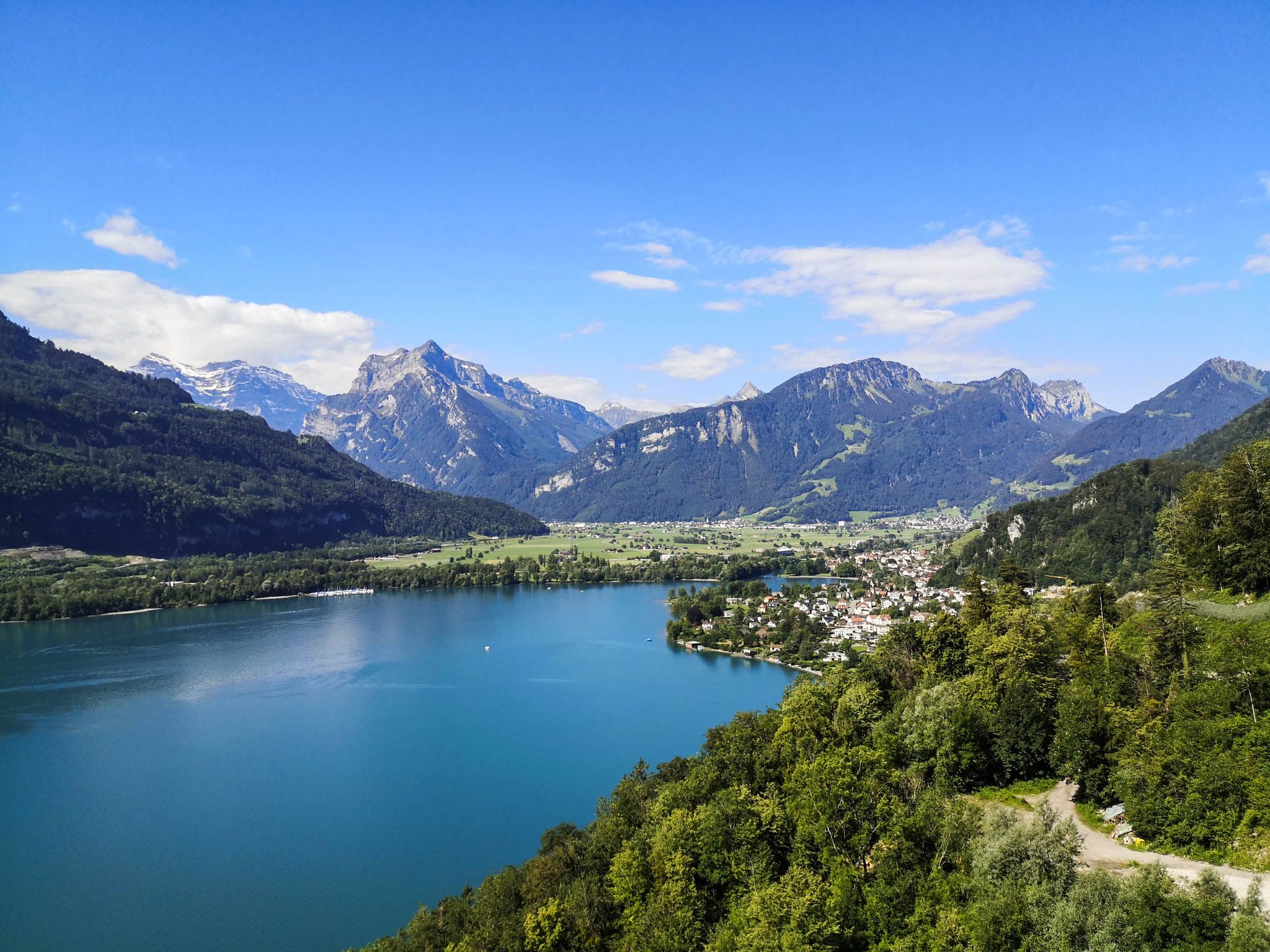
Alpine Panorama Trail in Switzerland – Keep your eyes on the mountains
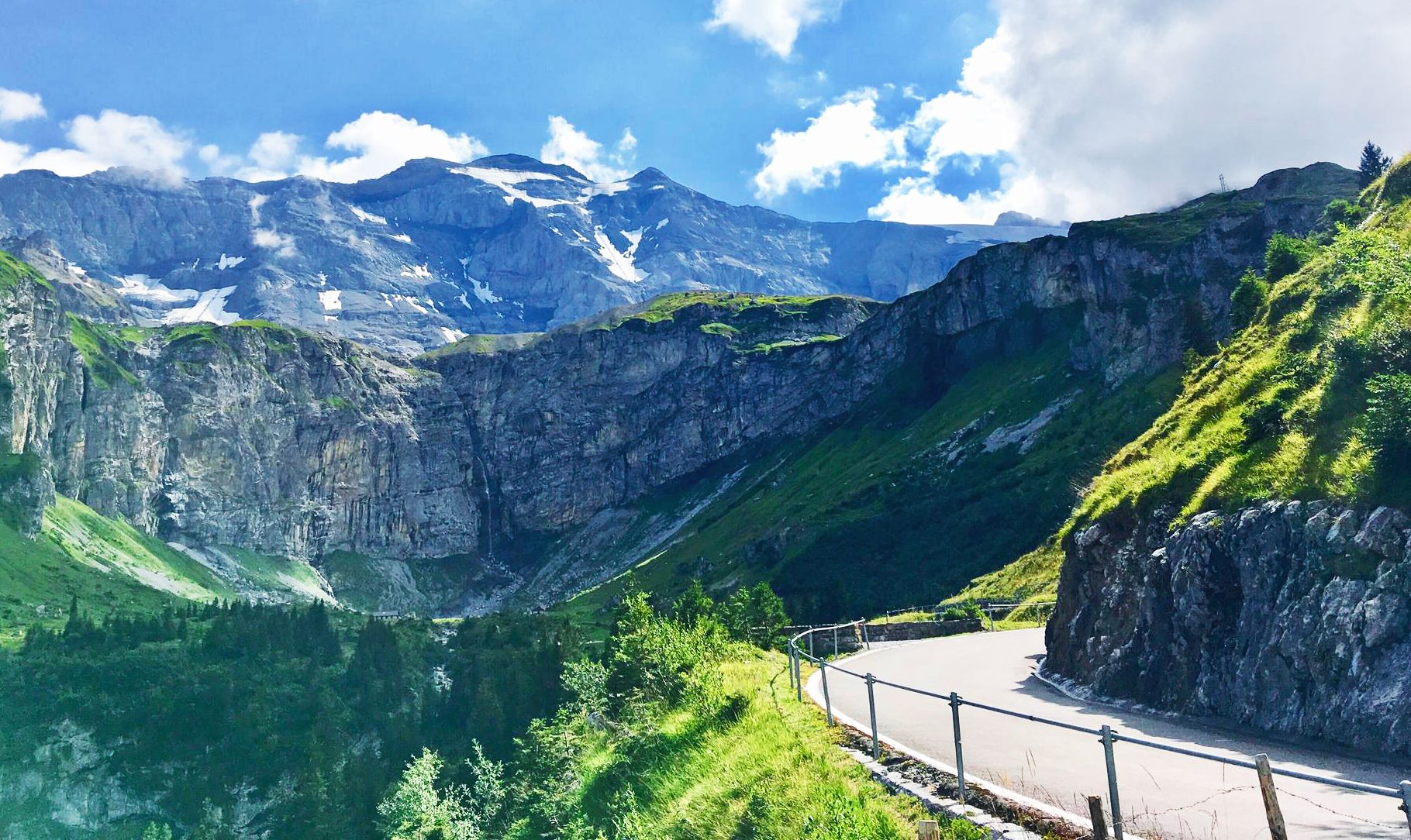
Alpine Panorama Route — 8 stages through the foothills of the Alps
Every cycling trip is a little holiday – bike to work Challenge 2026
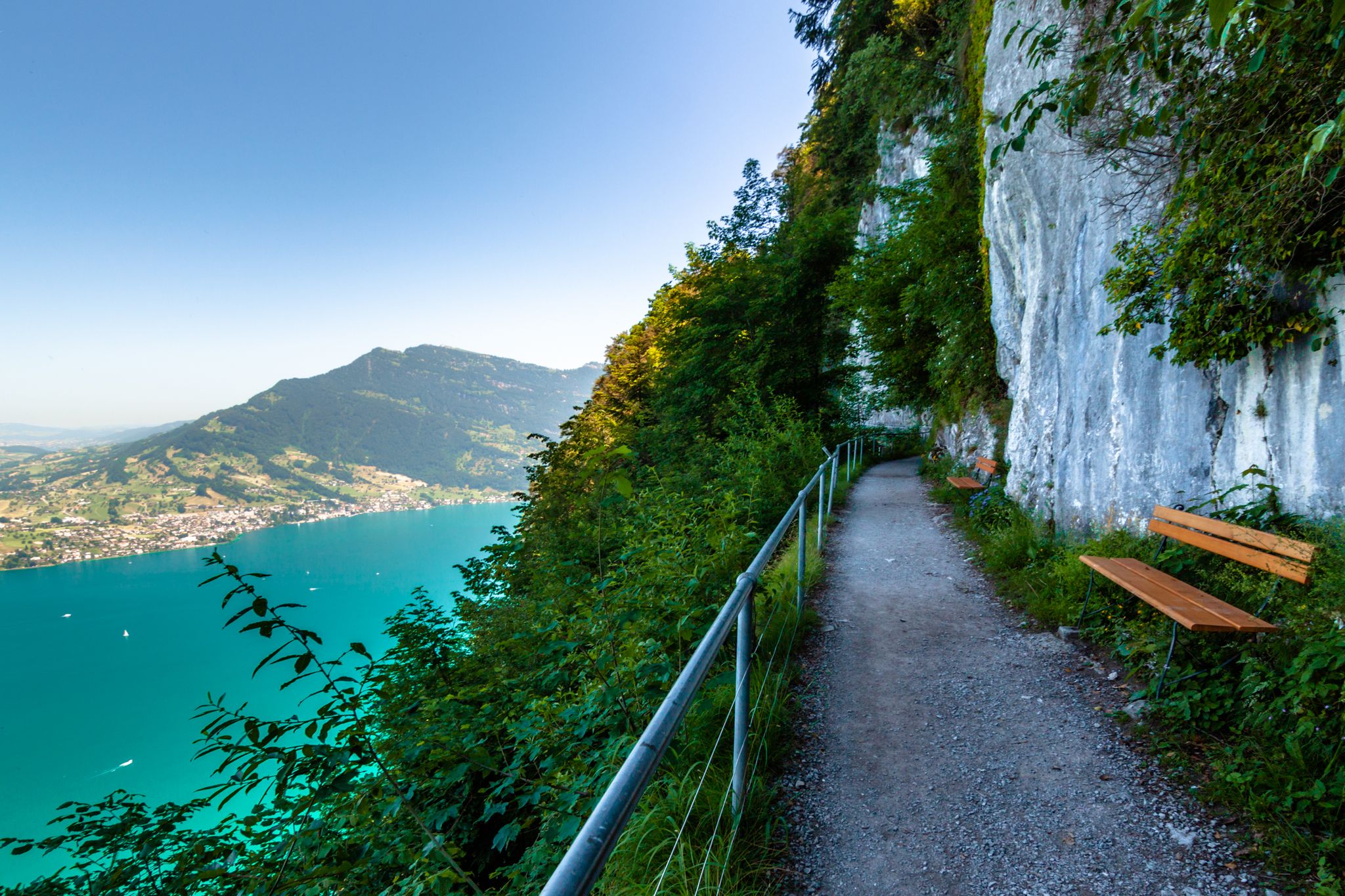
Utterly refreshing – 9 watery hikes in Nidwalden
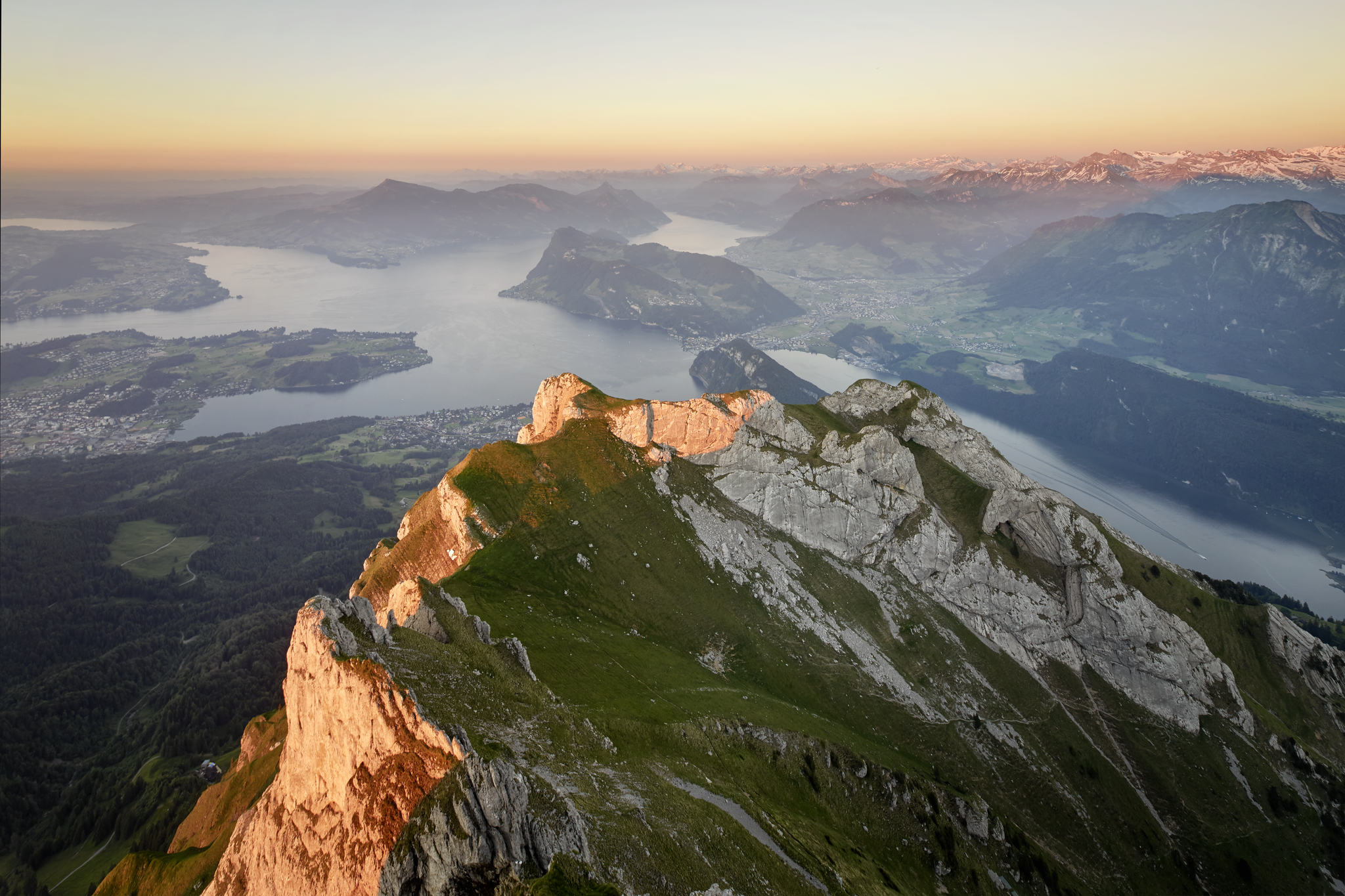
On the Tell Trail over the Big 6 of Central Switzerland
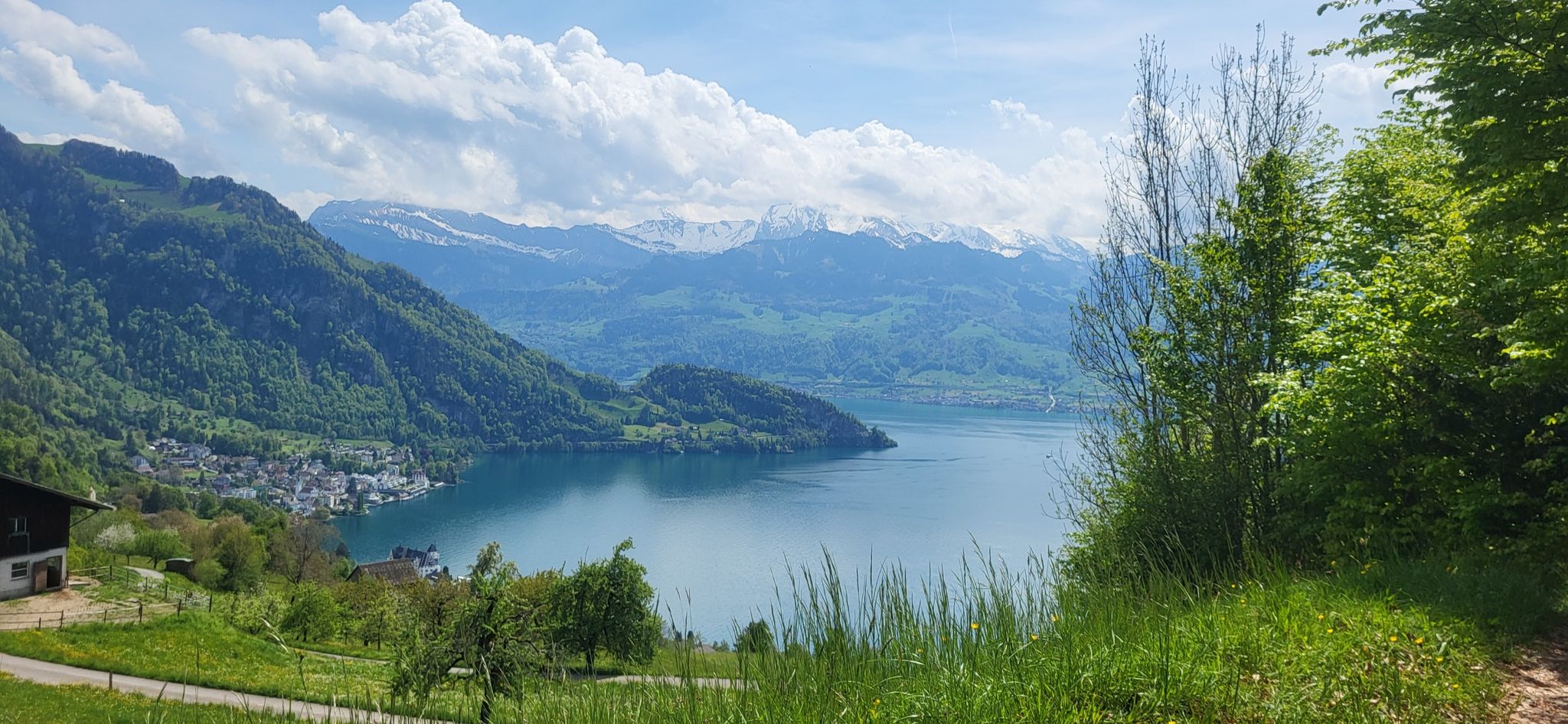
Waldstätterweg – On Route 98 around Lake Lucerne
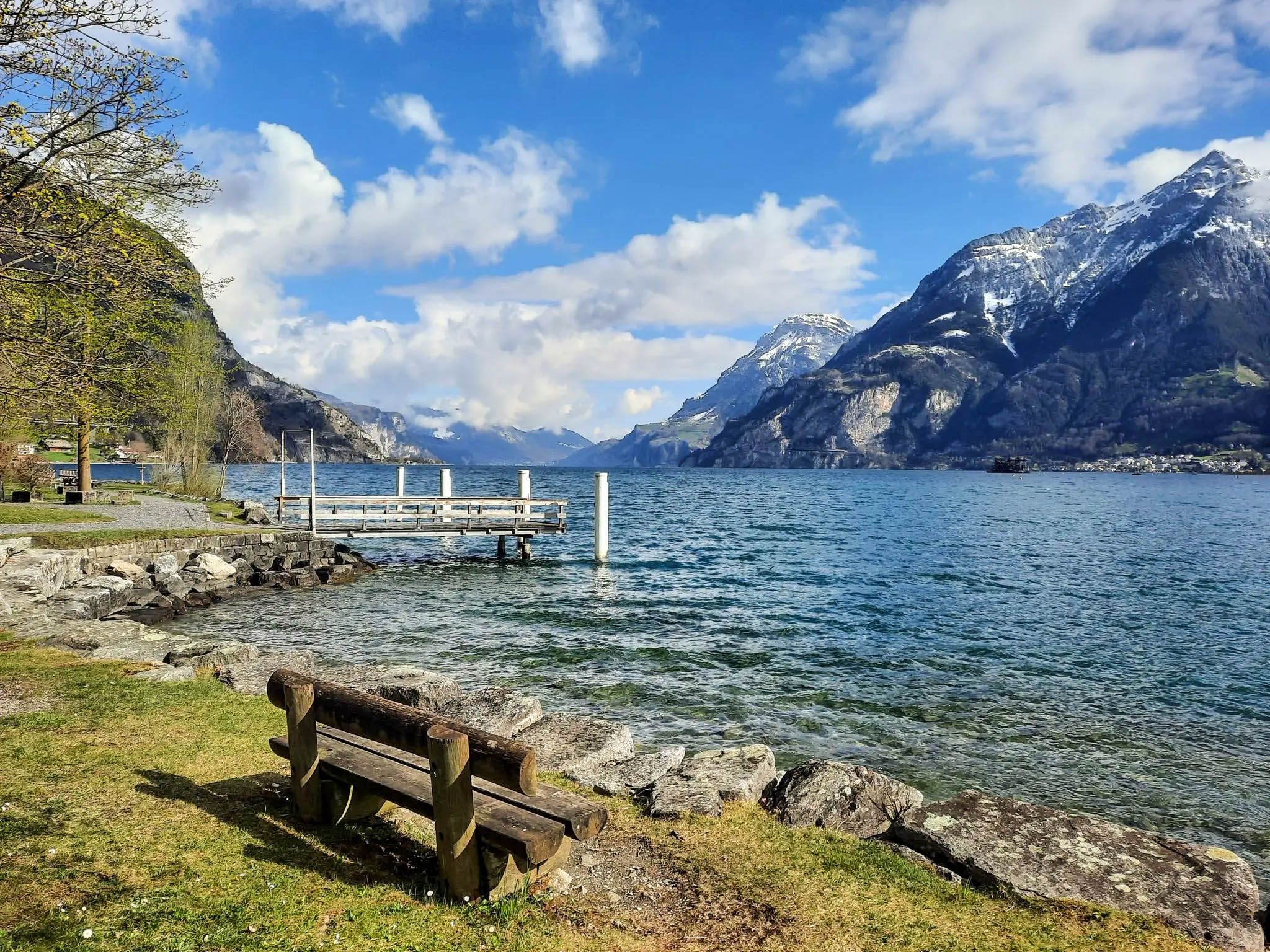
Hike amid the history of the Swiss Confederation – Swiss Path
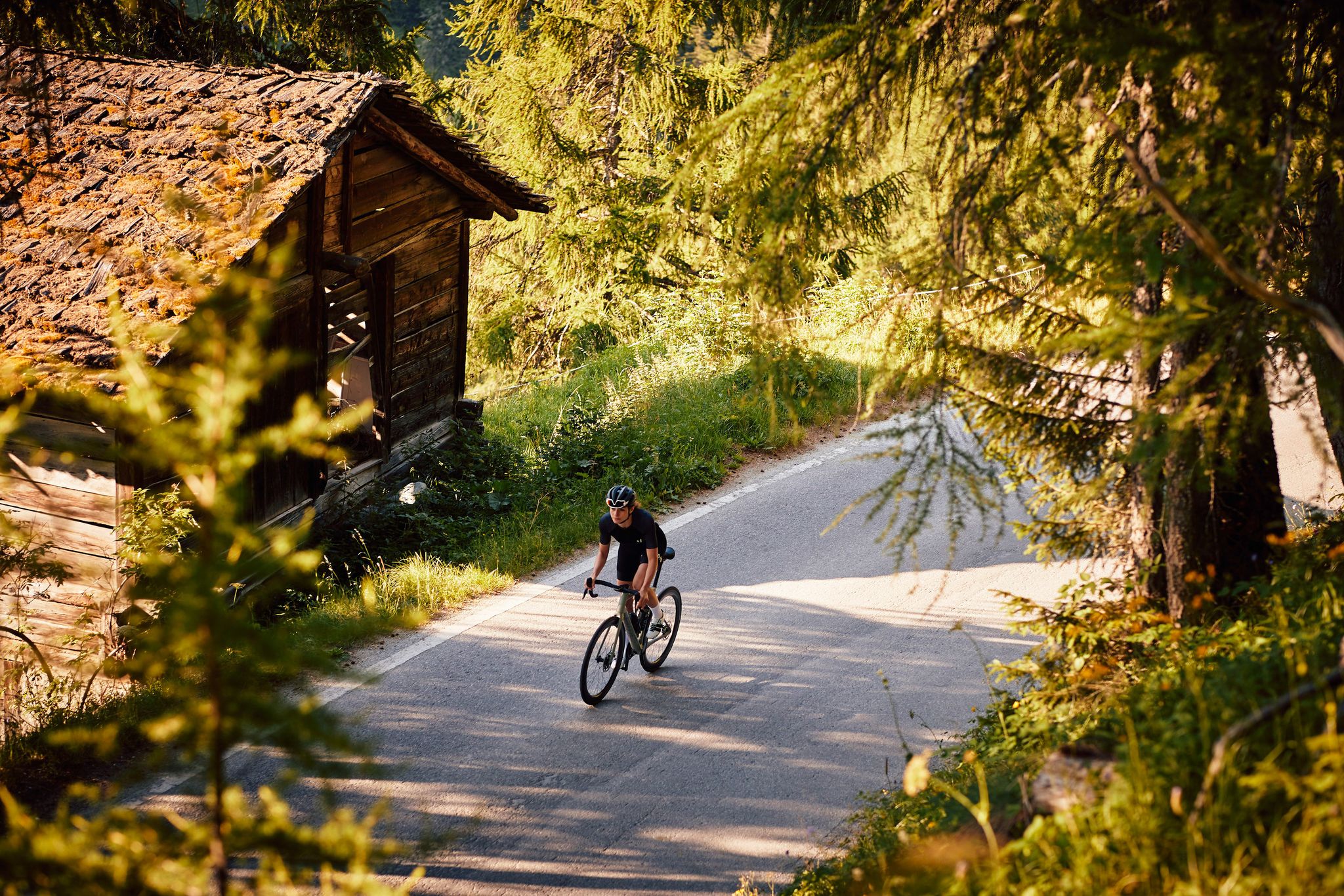
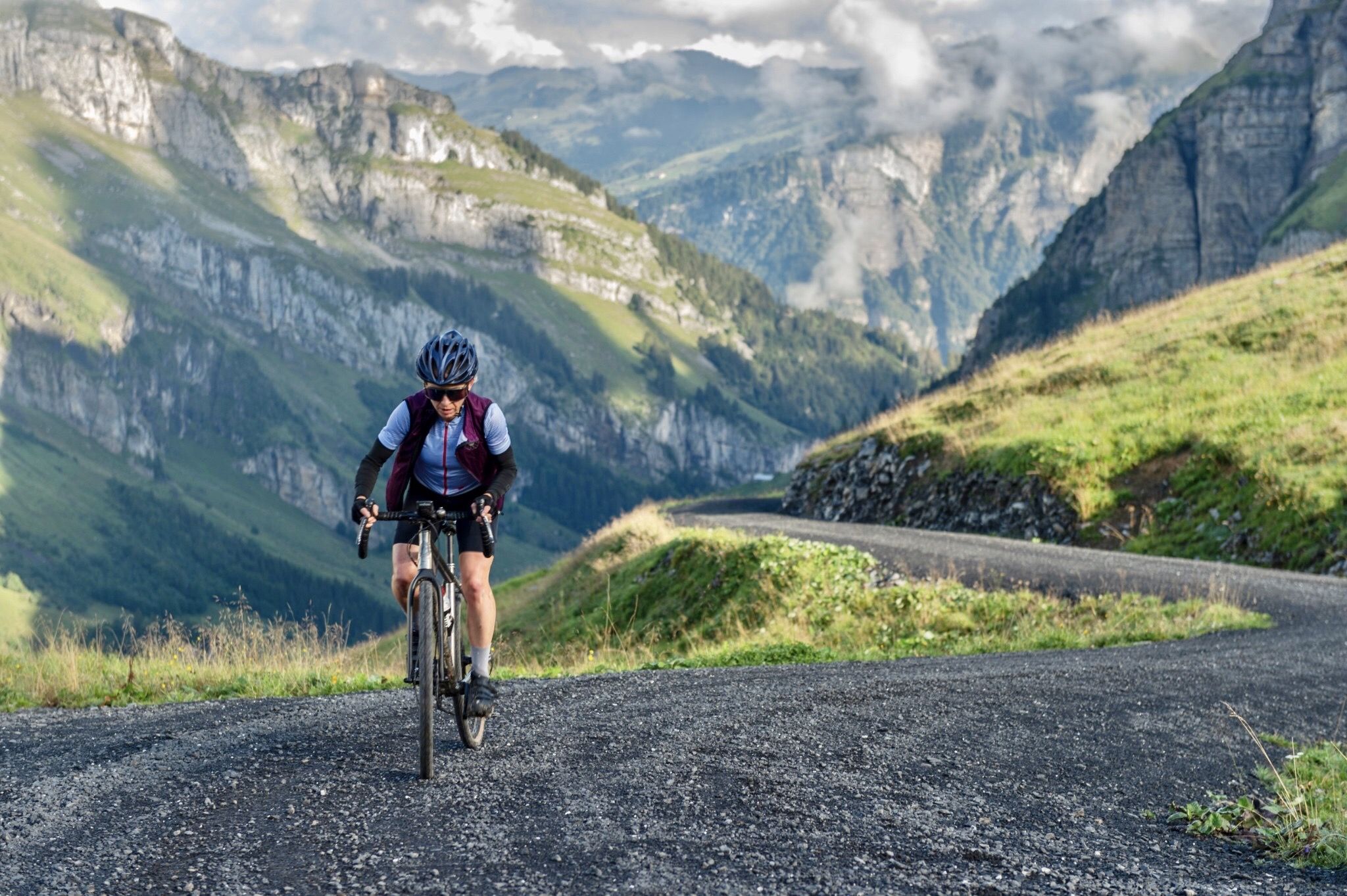
100% women – gravel for female adventurers
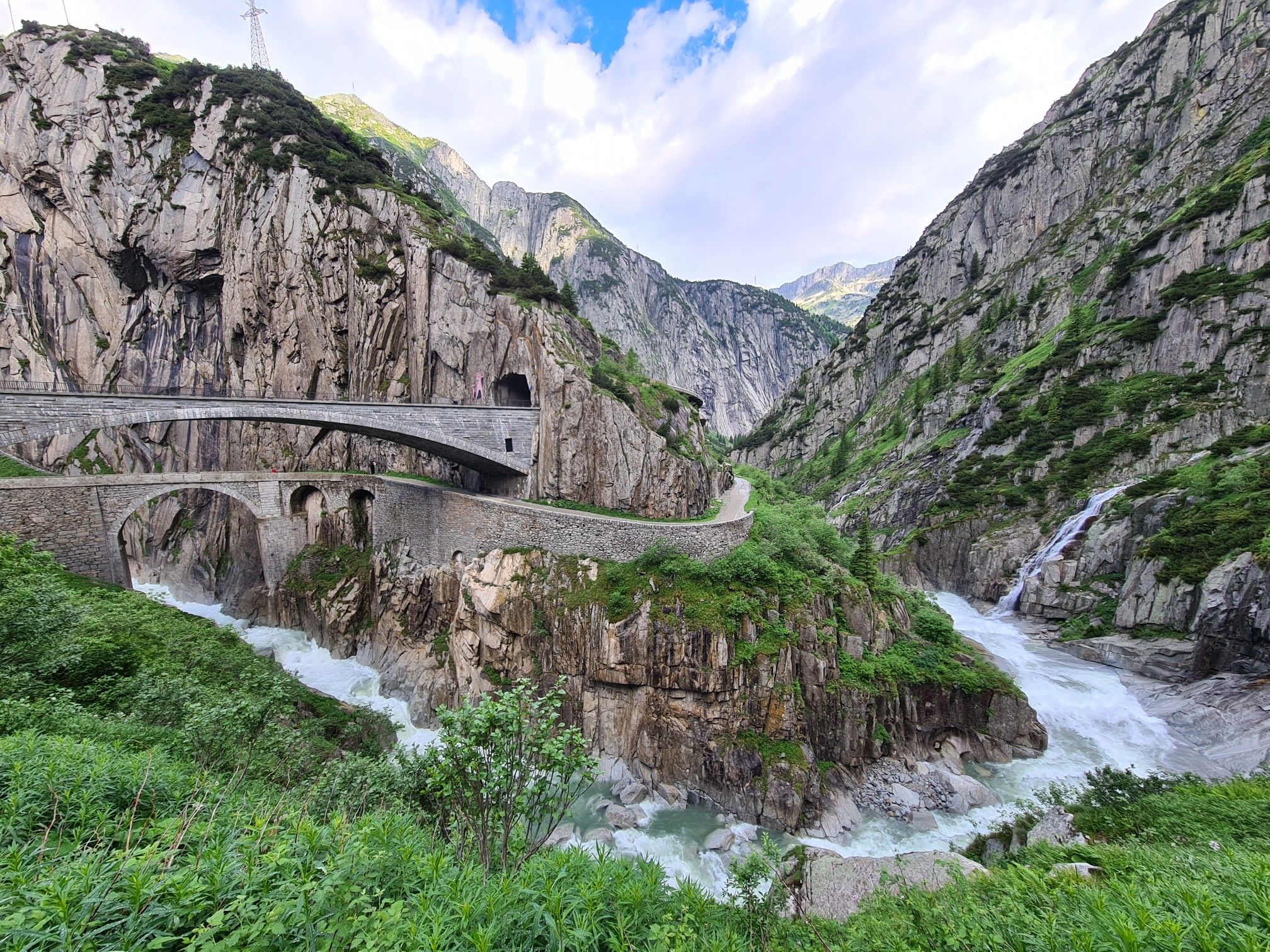
Crossing the Alps to Switzerland – North-South Route
Other adventures around Lake Lucerne


Tips from the Community

Whether for a leisurely stroll, jogging, or cycling – the promenade is perfect for anyone who wants to be active yet relaxed. 🚶♂️🏃♀️🚴♂️
0
0

Well suited for walks, even when there are many people around.
0
0


KKL Luzern Concert Hall History 1998-present On August 18, 1998, the concert hall was opened with the Lucerne Symphony Orchestra, the Lucerne Trumpet Ensemble, and the then Federal President Flavio Cotti. The opening concert of the International Music Festival Lucerne (now Lucerne Festival) with conductor Claudio Abado and the Berlin Philharmonic took place the following day. In March 2000, wings A and B were also opened, and in June, the Kunstmuseum Luzern. In 2004, the RED and World Café restaurants followed. In 2016 - or more than 17 years after opening - the KKL Luzern exceeded the billion mark in terms of value creation for the first time. Each year, the KKL Luzern generates around 75 million Swiss francs in value creation for the city and region of Lucerne, as calculated by the University of St. Gallen in the 2011 value creation study. Philipp Keller has been CEO of KKL Luzern Management AG since 2017. The current president of the supporting foundation, Markus Moll, and the chairman of the board of directors, Felix Howald, have both been in office since 2019. In 2020, the Le Piaf and Lucide restaurants were opened. The Lucide restaurant has been awarded 16 Gault Millau points and a Michelin star. The Corona pandemic hit the KKL Luzern hard. For almost two years, events were only possible to a limited extent or not at all. The gastronomy had to be partially or completely closed again and again. In February 2022, almost all measures were lifted and operations could be resumed in all business areas. The year 2023, the year of the 25th anniversary, was the first in which full operation was restored and a very successful result was achieved. Text / Source: KKL Luzern Management AG, Europaplatz 1, Lucerne https://www.kkl-luzern.ch/uber-uns/geschichte
12
0
The current station, inaugurated in 1991, is the third in an eventful history. The first Lucerne station in 1856 was built from wood and used as the terminus of a main line of the Swiss Central Railway Company. This line carried rail traffic from France and Germany via Basel and Olten into Switzerland and as far as Lucerne. The station was served along what is now Pilatusstrasse. Designed as a terminus station, it was located directly on the lake at the landing stage of the Lake Lucerne Shipping Company. The second Lucerne station in 1896 was completely rebuilt. A building with an impressive glass dome was created. Fire Unfortunately, the Lucerne station, inaugurated in 1896, fell victim to a fire on February 5, 1971. Only the iron structure of the platform hall could withstand the blazing embers. But the station's landmark, the striking glass dome from the 19th century, collapsed and disappeared from the cityscape. The cause of the fire is said to have been a blowtorch that was being used for roof work. Only a makeshift repair of the system was able to ensure continued operation. New building Reconstruction was not attempted and instead a comprehensive redesign of the station area began. In 1980, the SBB (Swiss Federal Railways) and the PTT (state authority for postal, telephone and fax services) together with the city and canton of Lucerne launched an architectural competition for a redesign of Lucerne station. The architects Hans-Peter Ammann and Peter Baumann were awarded the contract. The famous Spanish-Swiss architect, civil engineer and artist Santiago Calatrava, who was working for Ammann and Baumann at the time, is responsible for the bold and generously designed station hall made of glass and concrete. Inauguration The new Lucerne station was officially inaugurated in 1991. The historic entrance gate, which was rebuilt towards the lake, is reminiscent of the station that opened in 1896 with its 42-meter-high dome. This archway is crowned by the sculpture "Zeitgeist" by the most famous Swiss sculptor of the time, Richard Kissling. Text / Source: Luzern Tourismus AG (LTAG), Zentralstrasse 5, Luzern https://www.luzern.com/de/poi/bahnhof-luzern#:~:text=The%20first%20Lucerne%20train%20station%20from%201856%20was%20built%20from%20Olten%20in%20Switzerland%20to%20Lucerne.
14
1


is hard to miss
3
0

Quite manageable promenade without glamour.
0
0
Frequently Asked Questions
What are some of the most popular mountain peaks to visit around Lake Lucerne?
The Lake Lucerne region is home to several iconic mountain peaks. Among the most popular are Mount Pilatus, known for its dramatic views and the world's steepest cogwheel railway; Rigi, often called the "Queen of the Mountains" with Europe's oldest mountain railway; and Stanserhorn, offering a unique open-air cable car experience. Each provides distinct experiences and breathtaking panoramas of the surrounding landscape.
Which mountain peaks offer unique transport experiences?
For unique transport, Mount Pilatus features the world's steepest cogwheel railway. Rigi boasts Europe's first mountain railway, providing a nostalgic journey. Stanserhorn offers a two-part ascent with a historic funicular and the world's first open-air, double-decker "CabriO" cable car. Additionally, Bürgenstock is accessible via a scenic boat trip across Lake Lucerne followed by a nostalgic funicular ride, and features Europe's highest outdoor elevator, the Hammetschwand Lift.
Are there family-friendly mountain peaks around Lake Lucerne?
Yes, several peaks offer family-friendly activities. Mount Pilatus has an adventure park and the "Dragon World" experience. Stanserhorn employs rangers who share information about local flora and fauna, and visitors can observe marmots. The Lake Lucerne Promenade and the Flüelen Promenade and Reuss Delta Nature Reserve are also great for families, offering easy walks and natural beauty near the lake.
What kind of views can I expect from the mountain peaks?
From the peaks around Lake Lucerne, you can expect spectacular panoramic views. For instance, Mount Pilatus offers vistas of over 70 Alpine peaks and Lake Lucerne. Rigi Kulm provides breathtaking 360-degree views of 620 Alpine peaks and 13 lakes. Stanserhorn gives wide views of Mount Pilatus, Lake Lucerne, ten other Swiss lakes, and approximately 100 km of the alpine chain. The View of Hergiswil and Mount Pilatus from Kastanienbaum also offers a beautiful perspective of the lake and mountains.
What outdoor activities can I do near these mountain peaks?
Beyond summit visits, the region offers diverse outdoor activities. Rigi is a hiking paradise with over 120 km of trails. Mount Pilatus provides extensive hiking trails, an adventure park, and a summer toboggan run. For cycling enthusiasts, there are various routes available, such as those found in the Gravel biking around Lake Lucerne guide and the Traffic-free bike rides around Lake Lucerne guide.
Are there historical or cultural landmarks near the mountain peaks?
While the peaks themselves are natural wonders, the surrounding area of Lucerne is rich in history and culture. The Main entrance of Lucerne railway station has a fascinating history, including its rebuilding after a fire. The Culture and Convention Center Lucerne (KKL) is a modern architectural landmark by Jean Nouvel, hosting numerous events. Bürgenstock also has historical significance as a retreat for celebrities.
What is the best time to visit the mountain peaks around Lake Lucerne?
The best time to visit largely depends on the activities you plan. Summer (June to September) is ideal for hiking and enjoying the full range of outdoor activities, with lush landscapes and clear views. Spring and autumn offer beautiful colors and fewer crowds, though some higher trails might still have snow in spring or close in late autumn. Winter transforms the region into a snowy wonderland, with opportunities for winter hiking and snow activities, though access and available activities may vary.
How accessible are the mountain peaks by public transport?
The mountain peaks around Lake Lucerne are generally very accessible by public transport. For example, Mount Pilatus is easily reached from Lucerne via boat, cogwheel railway, or aerial cableways. Rigi has multiple public transport options, including cogwheel railways from Arth-Goldau and Vitznau, and aerial cableways from Weggis, often starting with a scenic boat ride. Stanserhorn is reached by a combination of funicular and cable car from Stans, which is well-connected by train.
Are there options for dining or accommodation on the mountain peaks?
Yes, several peaks offer dining and accommodation. Mount Pilatus has hotels and restaurants at Pilatus Kulm. Rigi features various mountain restaurants and hotels, including the Mineral Baths & Spa in Rigi Kaltbad. Stanserhorn boasts the Rondorama revolving restaurant at its summit, offering 360-degree views. Bürgenstock is home to the luxurious Bürgenstock Resort, which includes multiple hotels, gourmet restaurants, and extensive wellness facilities.
What natural attractions, besides the peaks themselves, can I find nearby?
Beyond the majestic peaks, the region offers beautiful natural attractions. The Flüelen Promenade and Reuss Delta Nature Reserve is a significant natural area with rich biodiversity. Lake Lucerne itself is a central feature, offering scenic boat trips and lakeside promenades like the Lake Lucerne Promenade. Many hiking trails on the mountains also lead through diverse natural landscapes, from forests to alpine meadows.
Most popular routes around Lake Lucerne
Most popular attractions around Lake Lucerne

Get inspired with the komoot mobile app


Explore more
See even more amazing summits around Lake Lucerne with these guides:
