Top 3 Caves in Komárom-Esztergom
Caves in Komárom-Esztergom County, Hungary, offer diverse geological formations and historical insights. This region features notable cave systems, some with unique thermal water formations and others with archaeological significance. Visitors can explore various underground landscapes, from large caverns to intricate niche systems. The area's natural features provide opportunities for exploration and discovery.
Best caves in Komárom-Esztergom
- The most popular caves is Szelim Cave and Turul Monument, a cave that features a large interior space with two ceiling openings and…
Last updated: October 11, 2026
Szelim Cave and Turul Monument
Highlight • Cave
Similarly, the large …
Translated by Google •
Tip by

Tündérkapu and the Strázsa Hill Cave
Highlight • Cave
Showing Translation
Tip by

Sign up now to discover places like this
Get recommendations on the best single tracks, peaks, & plenty of other exciting outdoor places.
Pes-kő Cave and the Gyilokjáró
Highlight • Cave
Showing Translation
Tip by
Jankovich Cave
Highlight • Cave
Tip by

Förtési Csontos Cave
Highlight • Natural
Showing Translation
Tip by
Gorba-tető Cave (pothole)
Highlight • Cave
Showing Translation
Tip by
Sátorkőpuszta Cave
Highlight • Cave
Showing Translation
Tip by
Cave ('Hell') in the English Garden
Highlight • Cave
Showing Translation
Tip by

Várgesztes - Lourdes Grotto
Highlight • Religious Site
Showing Translation
Tip by
Start today with a free account
Your next adventure awaits.
Popular around Komárom-Esztergom
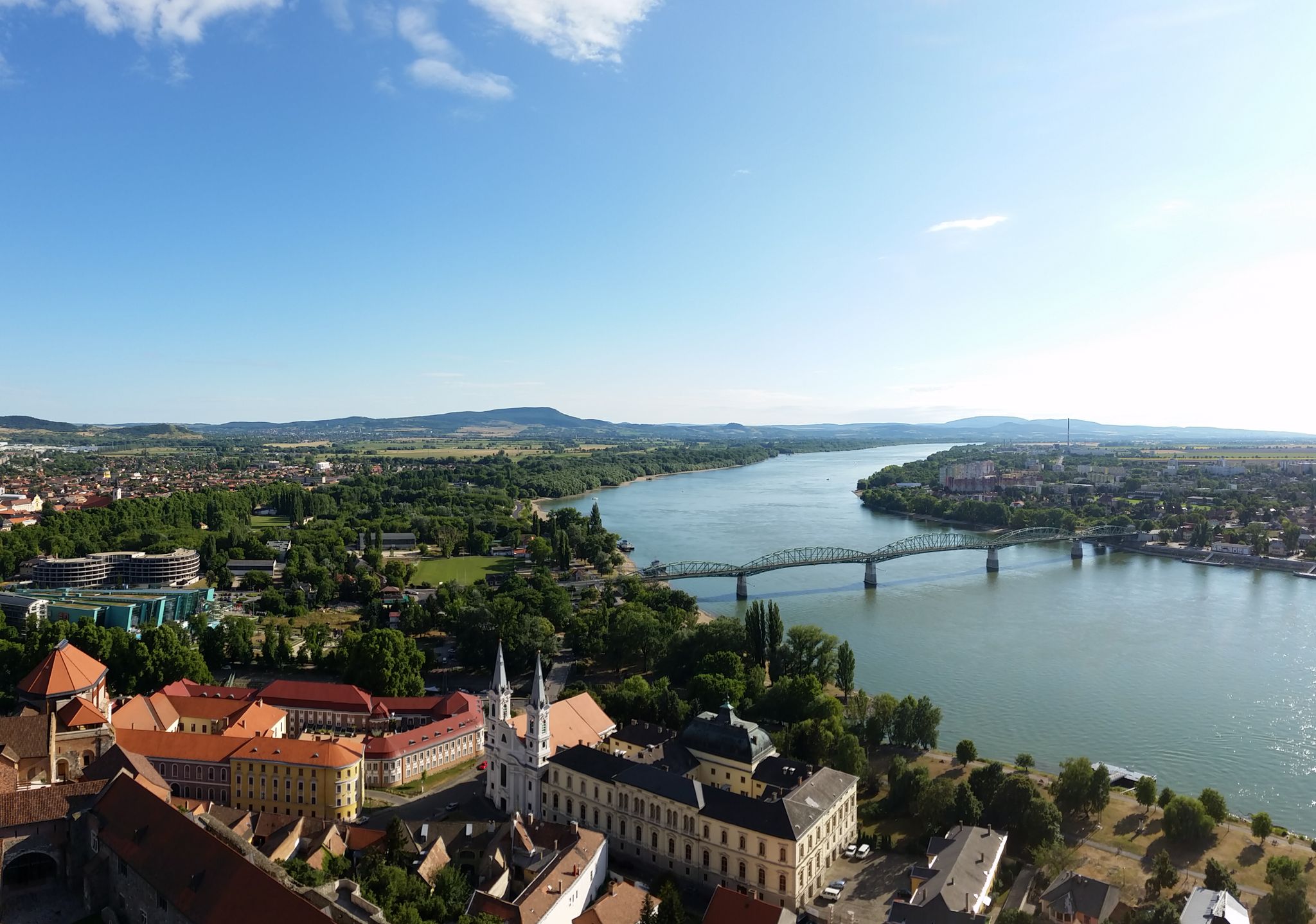
The Danube Cycle Path – From Donaueschingen to Budapest

Riding two Koppels through five countries
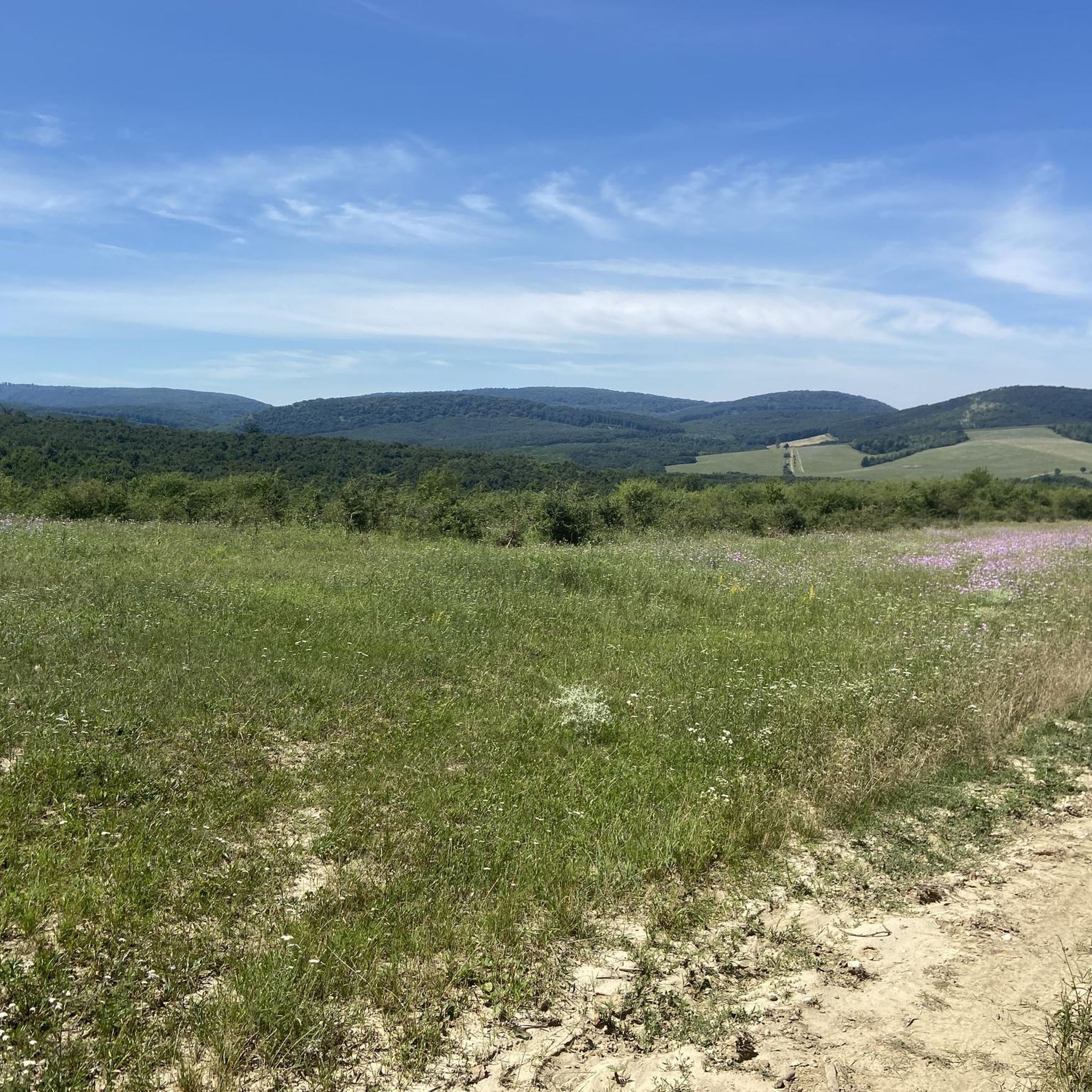
Hiking in Komárom-Esztergom
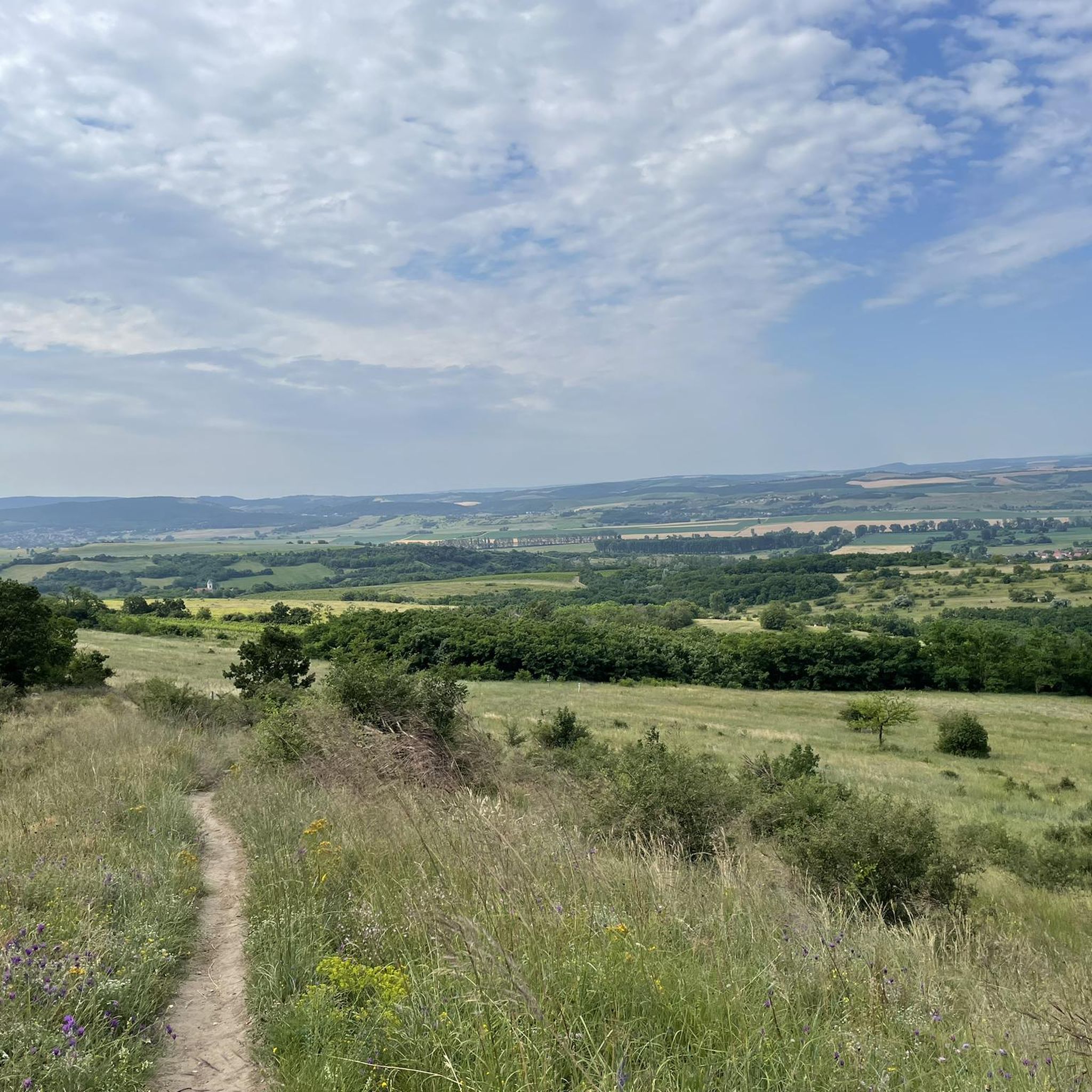
Cycling in Komárom-Esztergom
Road Cycling Routes in Komárom-Esztergom
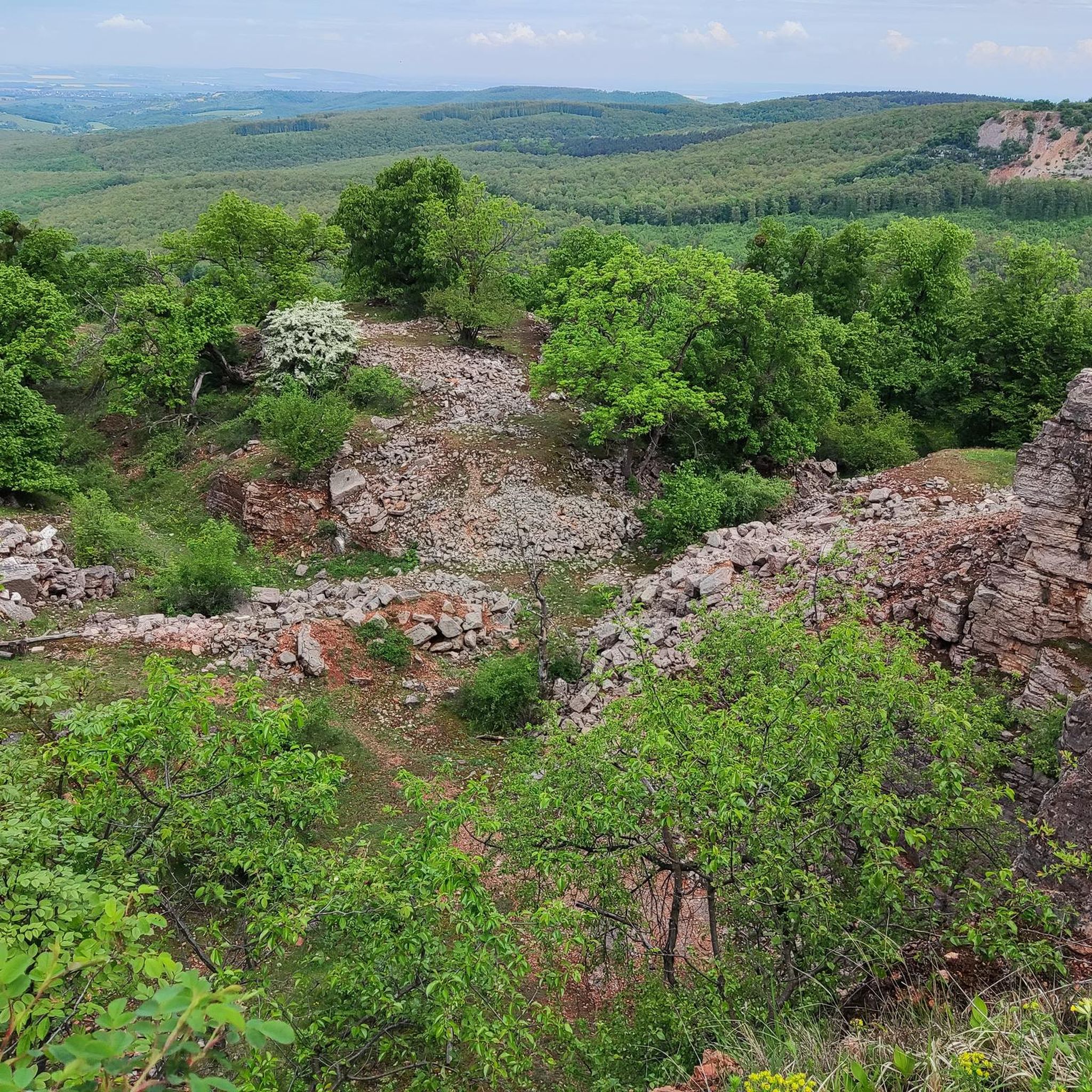
Running Trails in Komárom-Esztergom
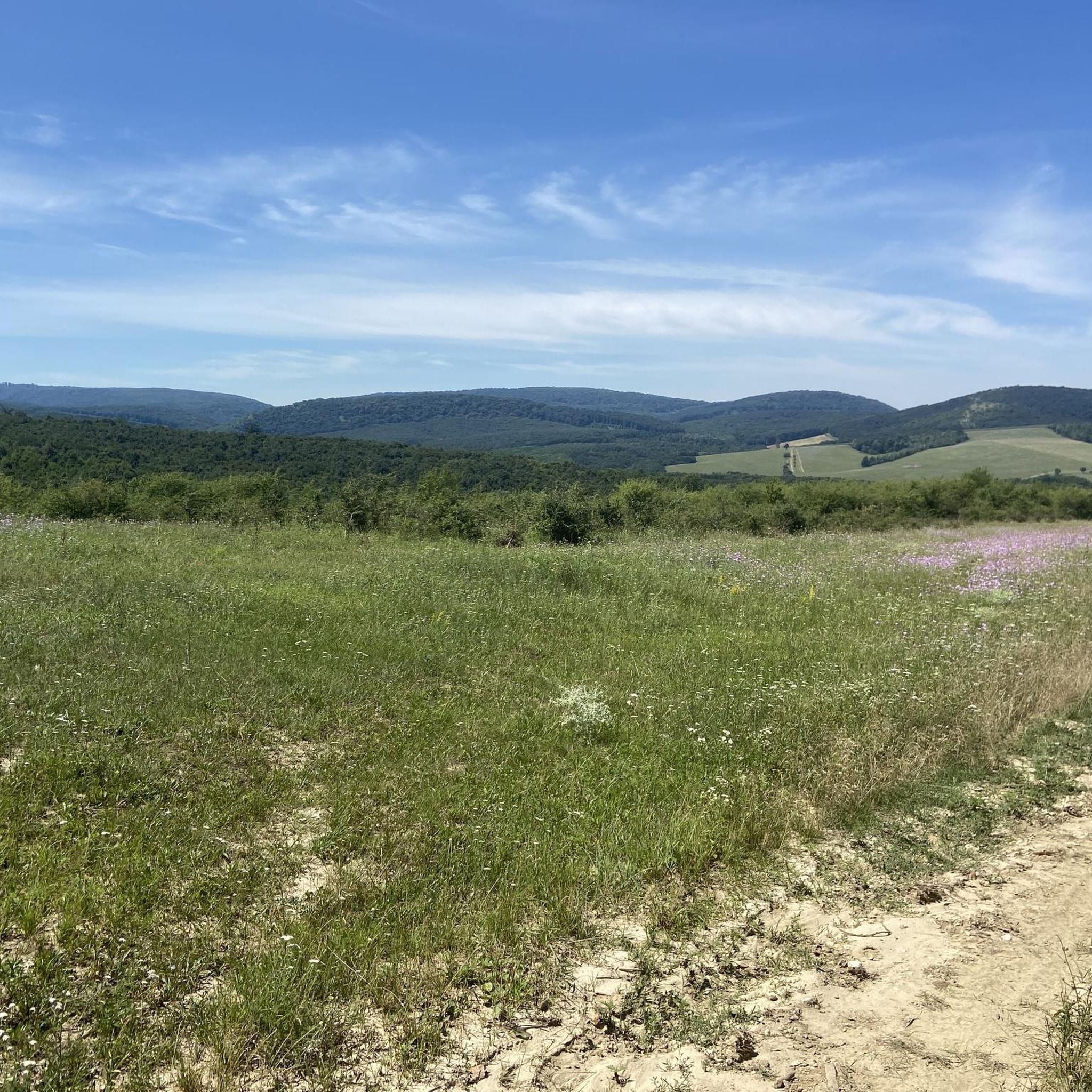
MTB Trails in Komárom-Esztergom
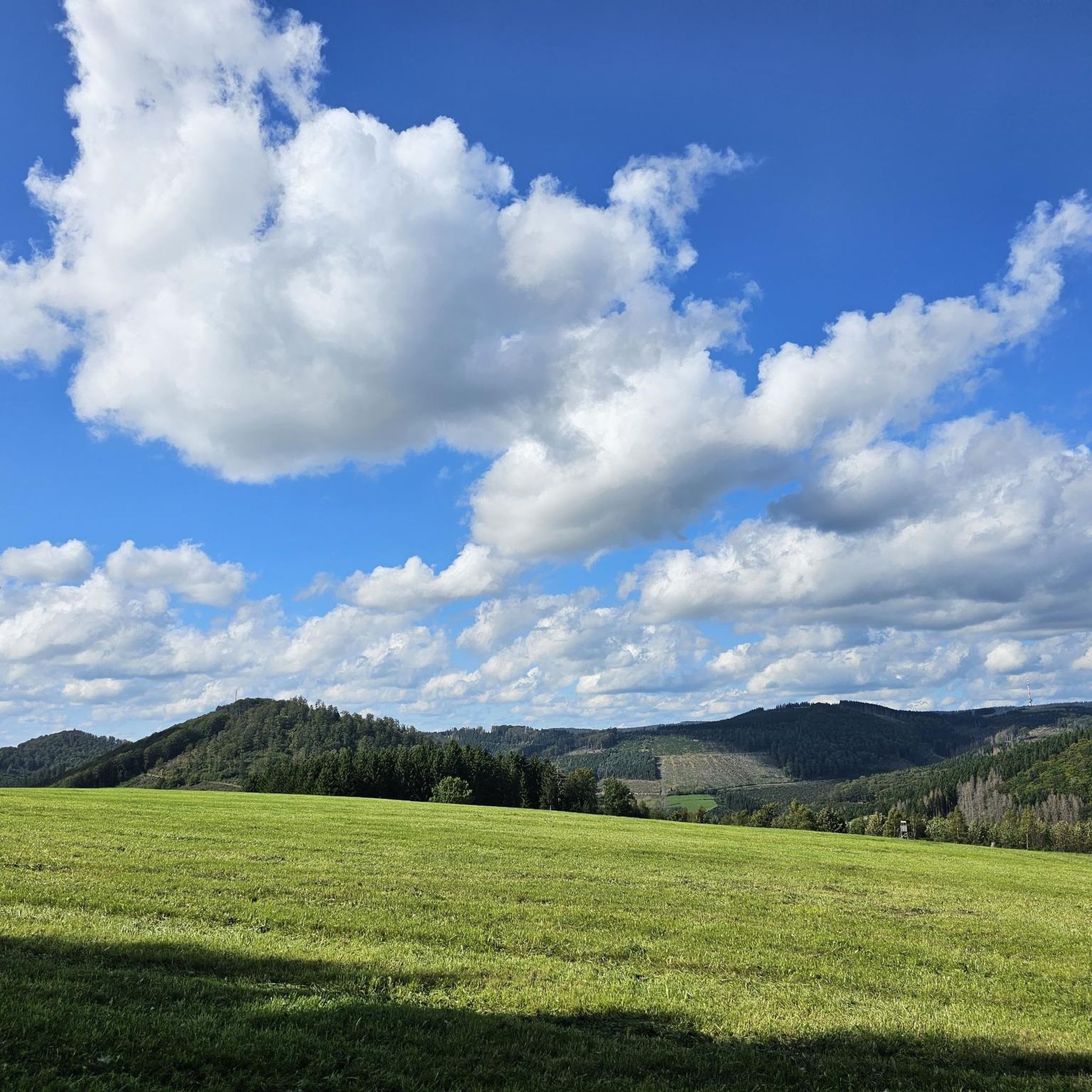
Gravel biking in Komárom-Esztergom
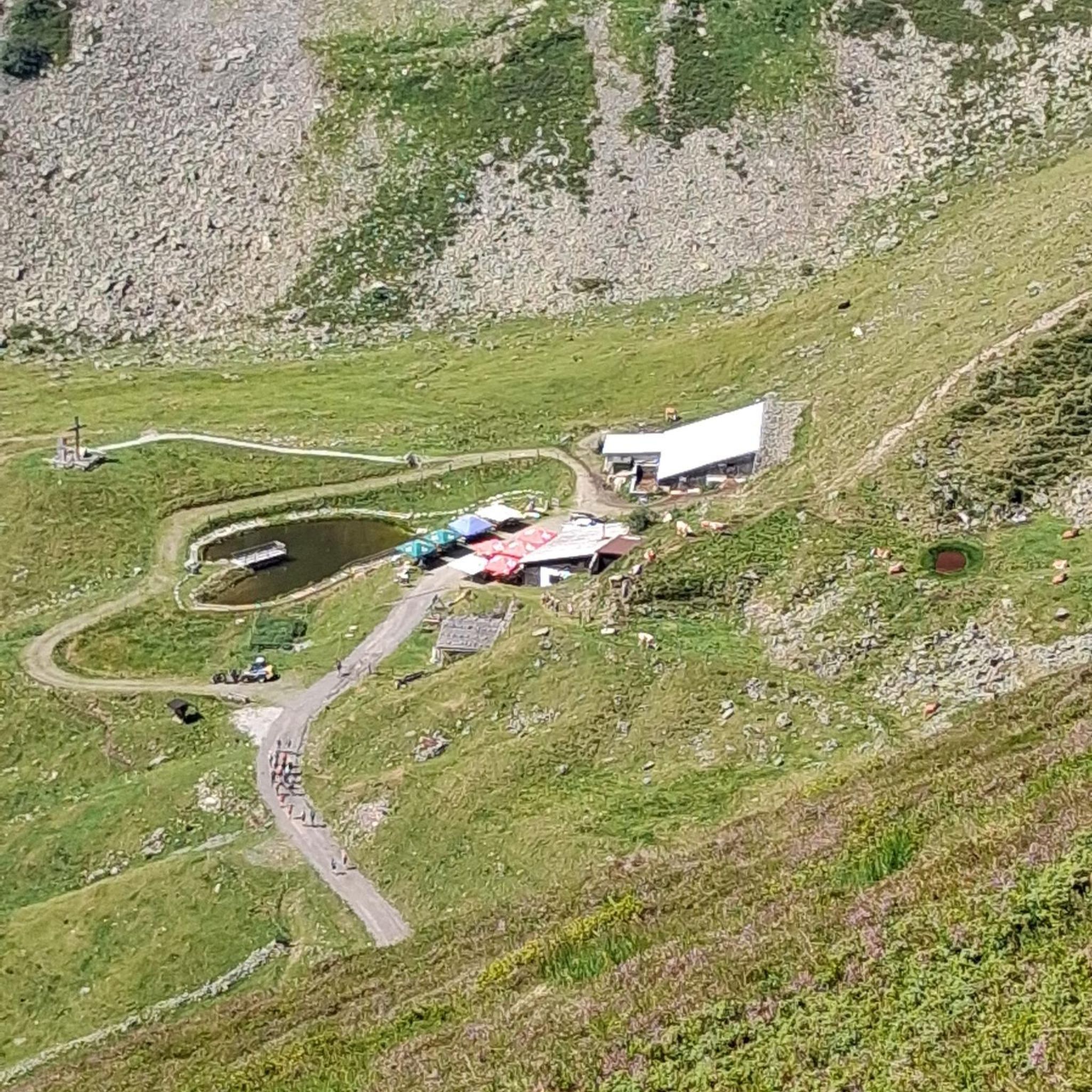
Mountain Hikes in Komárom-Esztergom


Tips from the Community

Life-threatening! Both the approach and the iron bridge that has remained from the middle of the last century. It's a disgrace! The area around the cave is not only not cordoned off, but not even signposted! Whoever is here at night and doesn't notice is done for.... They will fly about 30m in free fall. I don't know much about the cave, but it's certain that nobody takes care of it.
0
0
The name is not accidental: the "gyilokjáró" was a section of walkway on the walls of bastions that served for the defense of medieval castles. This name is perfectly suited to this natural rocky edge, through which we can reach the Pes-Kő cave. It is a section about 100 m long. The cave also has a rather large opening, it can be about 15 meters deep, and we can easily walk in. The view is spectacular. And the very feeling that our ancestors (?) once lived in such places. However, the limestone cliff and the cave are not fenced, there is no protective railing or anything. Oh, and the tourist sign is also missing. You cannot go down safely by bike, because, I repeat: the whole thing is incredibly precipitous....! But the experience is great!
0
0
Cave that can be visited with a guide, approx. 150m long. Next to its entrance, a small mine cart "adorns" the site, which was a tool for miners and speleologists when the cave was explored. The cave is famous for its gypsum crystal formations. It is very close to another nearby cave, the one on Nagy-Strázsa hill.
0
0
Let me clear up a small confusion: The Sátorkőpusztai Cave, famous for its crystals, has a separate entrance further down, at the foot of the mountain - meaning we are talking about two separate caves within a few meters of each other. The Strázsa Hill Cave, which is the highlight: Its entrance is the "Fairy Gate" (Tündérkapu), which requires climbing up a rather steep "path" towards the rocks. Upon reaching here, we arrive at the open hall section, at the end of which a gate closes the cave entrance. The cave is 65m long, formed by geysers, limestone. Outside the "Fairy Gate", there are a few other cavities, but they are much less significant than the rock formation, from which the view is also brilliant.
0
0

Already at the time of its creation, the English Garden was a popular place for strollers to enjoy its shade and coolness in the summer heat.
0
0
On the asphalt road below the Castle, a sign and benches mark the shrine cave, which is accessed by stairs. It is steep, and we can only reach it on foot. The Sanctuary is an area closed off by gates, with a resting bench in front. The name Lourdes essentially commemorates a Marian apparition.
0
0

Jankovich Cave is a remarkable prehistoric cave on the cliffs of Öreg-kő. Its giant chamber is naturally lit by a circular skylight in the ceiling, creating one of the most unique cave interiors in Hungary. Access is easy from the Blue Trail: at the Öreg-kő resting area, follow the blue Ω marker and climb the stairs to the cave entrance.
0
0
Actually a doline, or perhaps a collapsed sinkhole, and right next to each other 2. It's not that dangerous to "walk" around in the vicinity, obviously don't step into the "pit"! Sometime in the past, you could also discover a wall remnant made by human hands, but this won't be the highlight that draws many people here. Much more important is that we don't collapse! There are no warnings or prohibition signs indicating this, you can step into it unsuspecting. Oh, and no opening is visible, so this cave hasn't been a cave for a long time :-)
0
0
Frequently Asked Questions
Which caves in Komárom-Esztergom are suitable for families?
The Szelim Cave and Turul Monument near Tatabánya is an excellent choice for families. It's a large, easily accessible cavern with a wide opening that offers panoramic views. Its entrance is also close to the impressive Turul Monument, making it a combined attraction. The Sátorkőpuszta Cave also offers guided tours, which can be a structured and educational experience for families.
What are the historical highlights of the caves in Komárom-Esztergom?
Both the Szelim Cave and Jankovich Cave hold significant historical value. The Szelim Cave is known for its archaeological findings, including the mortal remains of prehistoric humans. The Jankovich Cave is also recognized as a remarkable prehistoric cave, located on the cliffs of Öreg-kő.
Are there guided tours available for the caves in the region?
Yes, the Sátorkőpuszta Cave, located near Esztergom, offers guided tours. Since 1993, it has been accessible to the public with experienced guides leading visitors through its intricate passages and showcasing its unique gypsum and calcite crystal formations. For more details, you might check the official Esztergom tourism site.
What unique natural features can I expect to see in these caves?
The Szelim Cave is notable for its vast interior and two openings in the ceiling that provide natural light, along with a large entrance offering panoramic views. The Jankovich Cave features a giant chamber naturally lit by a circular skylight, creating one of Hungary's most unique cave interiors. The Sátorkőpuszta Cave is renowned for its intricate niche system formed by thermal waters, adorned with rich gypsum and calcite crystals.
What outdoor activities can I do near the caves in Komárom-Esztergom?
The region offers various outdoor activities. Near the caves, you can find excellent opportunities for mountain hikes, including routes like the 'Turul Statue loop from Tatabánya' which is a difficult 1.2 km trail. For cycling enthusiasts, there are traffic-free bike rides, such as the 'Service point for cyclists – Shelter loop from Tatabánya'. If you prefer running, explore running trails around Old Lake (Öreg-tó) in Tata.
Is there parking available near the Szelim Cave?
Yes, according to visitor tips, parking in the newly renovated park near the Szelim Cave and Turul Monument is free.
What is the accessibility like for the Jankovich Cave?
Access to Jankovich Cave is considered easy from the Blue Trail. Visitors can follow the blue Ω marker at the Öreg-kő resting area and climb stairs to reach the cave entrance.
Are there any caves that are more of a geological curiosity than a traditional cave experience?
Yes, the Förtési Csontos Cave is described as more of a doline or collapsed sinkhole rather than a typical cave with an opening. It's an interesting natural formation where you can observe the geological processes of the area, but it's not a cave you would enter in the traditional sense.
What is the best time to visit the caves in Komárom-Esztergom?
Generally, caves maintain a relatively constant temperature year-round, making them suitable for visits in most seasons. However, for caves with open entrances or those requiring a hike to reach, like the Szelim Cave or Jankovich Cave, spring and autumn offer pleasant weather for outdoor exploration and hiking to the sites. Guided caves like Sátorkőpuszta Cave may have specific operating hours that vary by season, so it's advisable to check in advance.
Can I find viewpoints near the caves?
Absolutely. The Szelim Cave is famous for its large opening that provides a fantastic panoramic view of the ancient city of Tatabánya. This makes it a popular spot for both cave exploration and enjoying scenic vistas.
Most popular routes in Komárom-Esztergom
Most popular attractions in Komárom-Esztergom

Get inspired with the komoot mobile app


Explore more
Extend your search for the best caves by checking out these guides of the top ones in Komárom-Esztergom:
