Attractions and Places To See around Canal de Alfonso XIII - Top 12
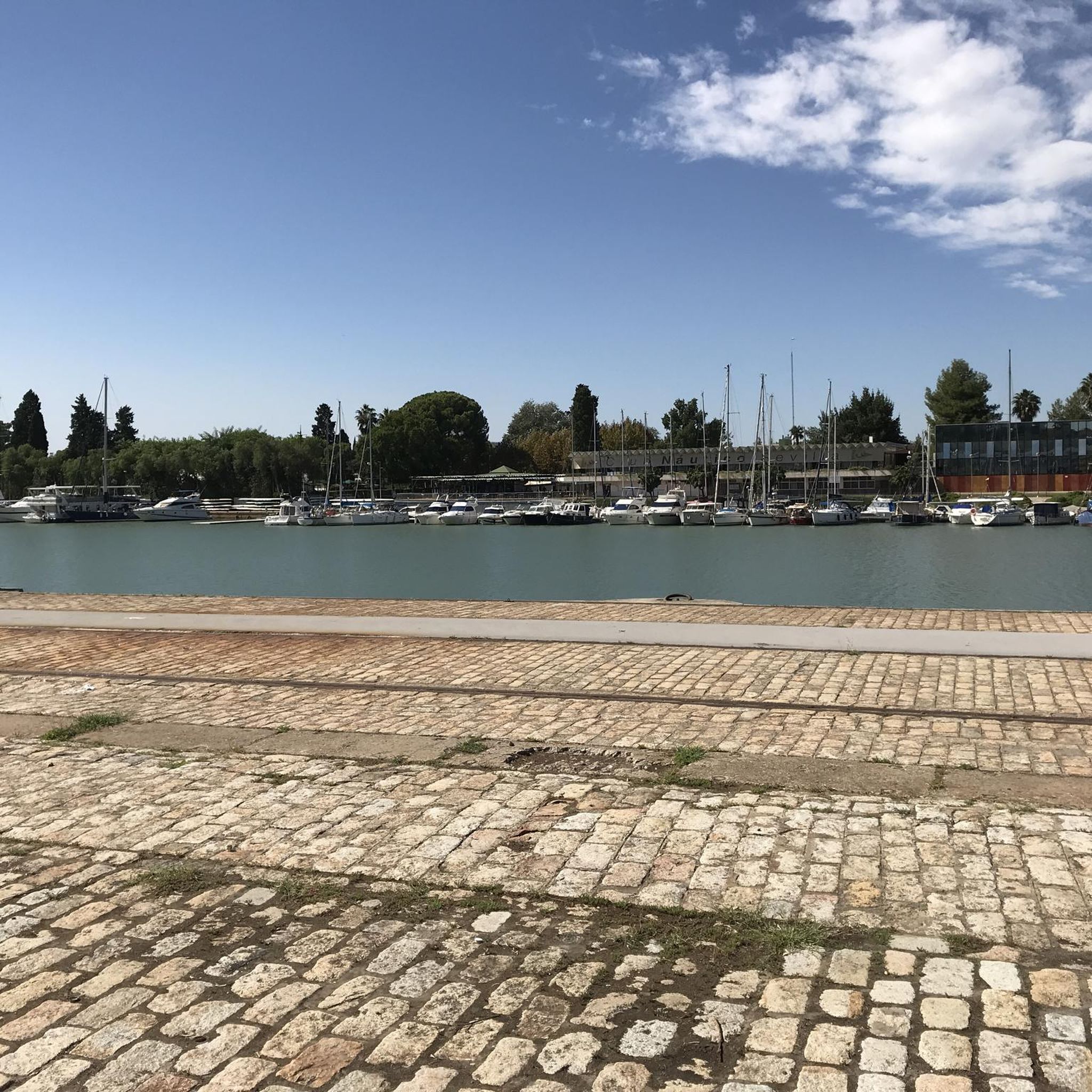
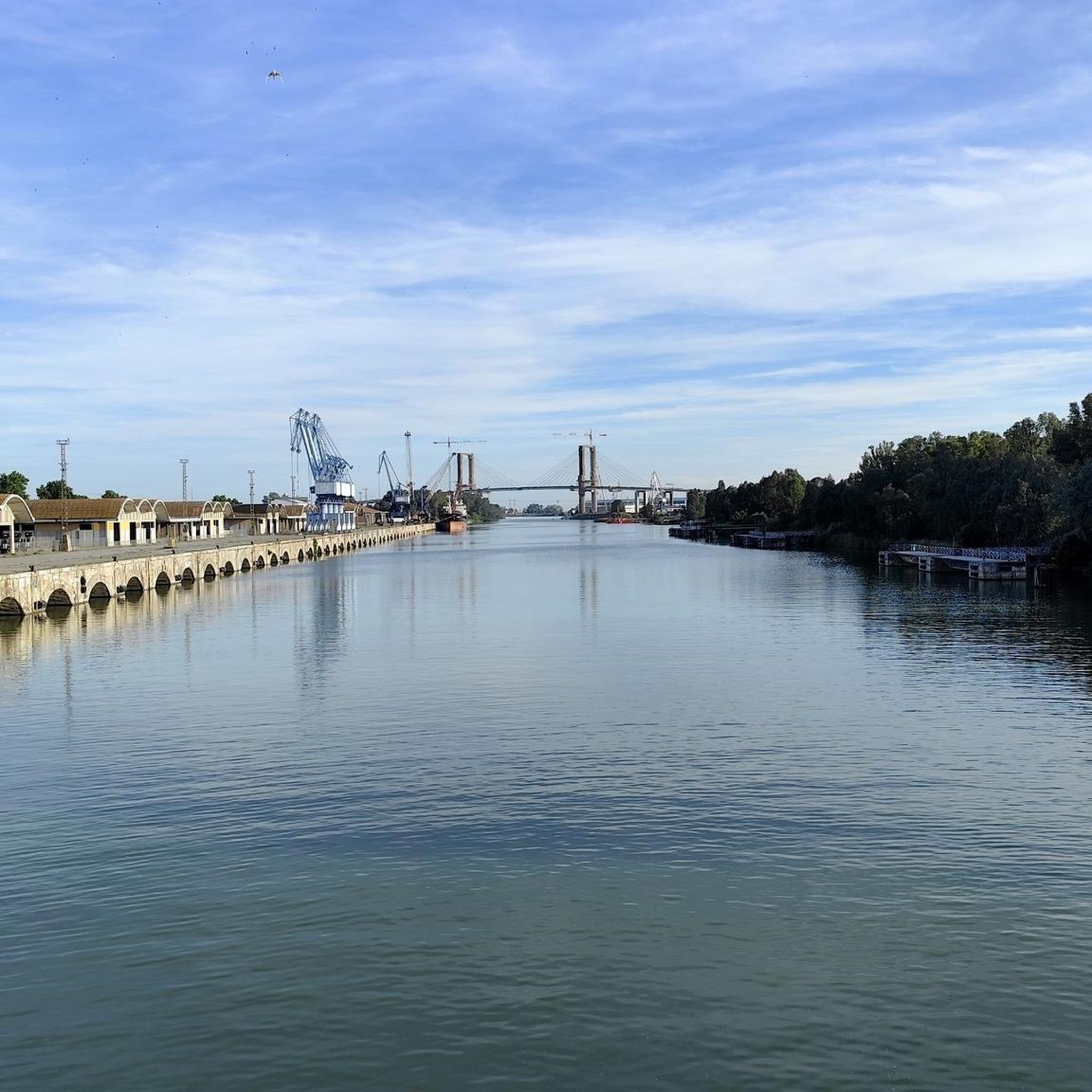
Best attractions and places to see around Canal de Alfonso XIII. This significant waterway in Seville, Spain, serves as an active urban corridor, offering a blend of historical landmarks, recreational activities, and cultural points of interest. Originally the old course of the Guadalquivir River, the canal was constructed to prevent flooding and improve navigability. It is an integral part of Seville's urban landscape, providing both practical functions and a picturesque setting.
Best attractions and places to see around Canal de…
Last updated: July 2, 2026
Torre del Oro
Highlight • Monument
Translated by Google •
Tip by

San Telmo Palace
Highlight • Historical Site
Translated by Google •
Tip by
Sign up now to discover places like this
Get recommendations on the best single tracks, peaks, & plenty of other exciting outdoor places.
Sign up for free
Costurero de la Reina
Highlight • Monument
Translated by Google •
Tip by

Monument to Juan Sebastián Elcano
Highlight • Monument
Translated by Google •
Tip by
Replica of the Nao Victoria (Seville)
Highlight • Monument
Translated by Google •
Tip by

Sign up for free to discover even more attractions around Canal de Alfonso XIII.
Sign up for free
Already have an account?
Start today with a free account
Your next adventure awaits.
Login or Signup

Tips from the Community

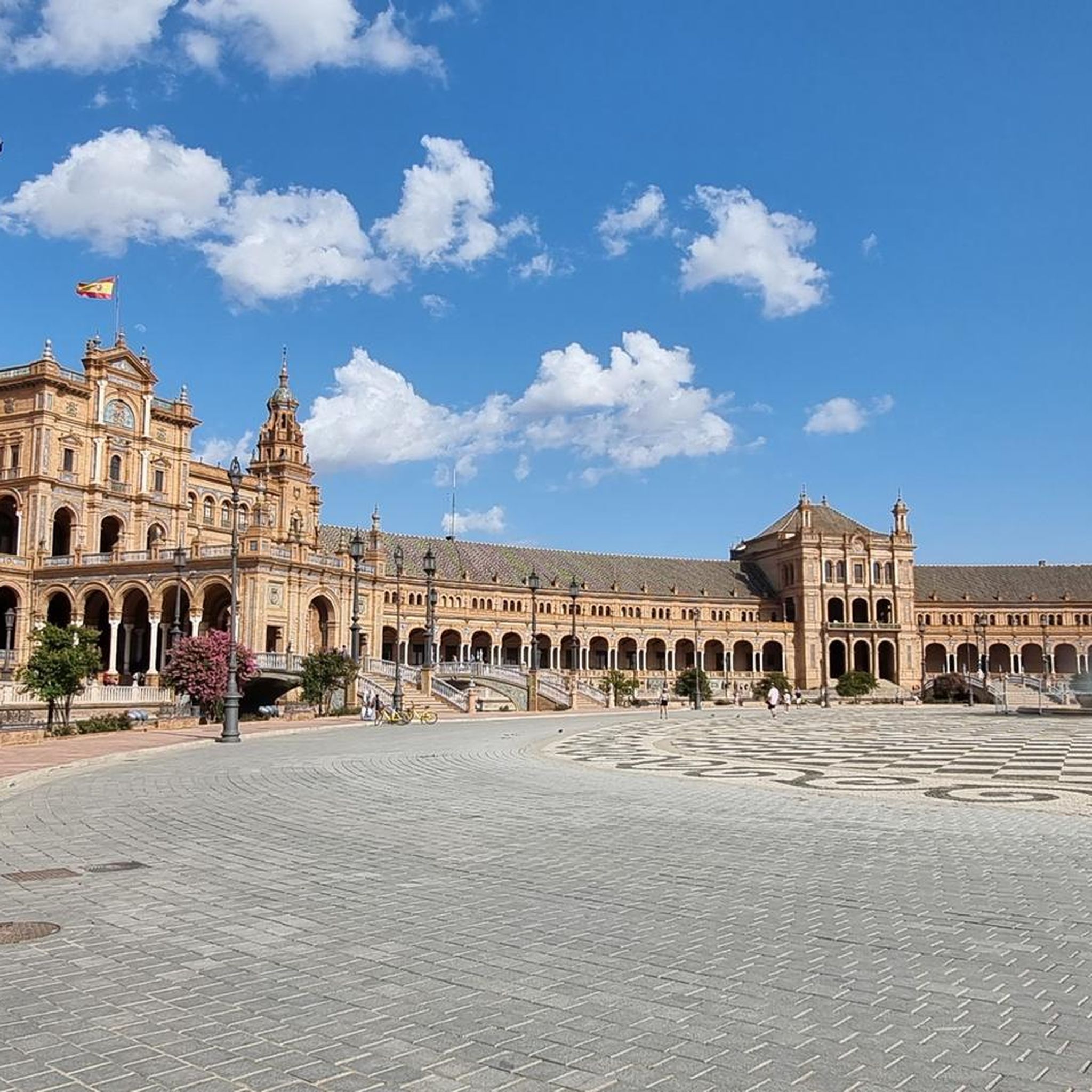
The building was constructed in 1682 outside the city walls of that time. Initially, the building served as a maritime school for the training of orphans (Universidad de Mareantes).
2
0

Tourist Office The Costurero de la Reina (Queen's Sewing Machine) is a charming neo-Mudéjar building in the Parque de María Luisa in Seville. It was built in 1893 by Juan Talavera y de la Vega as a small tower for the guardhouse of the Palacio de San Telmo. The building, which is shaped like a small hexagonal castle, is famous for the fact that, according to legend, María de las Mercedes, the future wife of King Alfonso XII, spent much of her time there sewing. Today, the Costurero de la Reina serves as Seville's Tourist Information Office.
8
0

a very beautiful and large building.
1
0
The Monumento a Juan Sebastián de Elcano is an impressive monument located in the Glorieta de los Marineros. The monument was built to commemorate the first circumnavigation of the world, which was completed on September 8, 1522 with the return of the Nao Victoria under the command of Juan Sebastián de Elcano. The monument, created by the artist Antonio Cano in 1973, consists of several parts, including a pond with water jets that symbolize the sea and its movements, a wall with a world map and a bronze statue of Elcano. It commemorates the 250 men who set out from Seville on August 10, 1519 to travel around the world.
1
1
The Palacio de San Telmo is a beautiful Baroque building, built between 1682 and 1796. It was originally built as a school for whalers and orphans, and later served as a royal palace for the Count of Montpensier and his wife, the Infanta María Luisa. Today it is the seat of the Junta de Andalucía, the regional government of Andalusia. The building is an example of impressive Baroque architecture with a beautiful façade, Ionic columns and rich decoration. The palace is surrounded by a beautiful park and offers beautiful views of the Guadalquivir River.
9
0
The Costurero de la Reina (Queen's Sewing Machine) is a charming neo-Mudéjar building in the Parque de María Luisa in Seville. It was built in 1893 by Juan Talavera y de la Vega as a small tower for the guard post of the Palacio de San Telmo. The building, which is shaped like a small hexagonal castle, is famous for the fact that, according to legend, María de las Mercedes, the future wife of King Alfonso XII, spent much of her time there sewing. Today, the Costurero de la Reina serves as Seville's Tourist Information Office.
2
1

Visually a very beautiful building
3
0

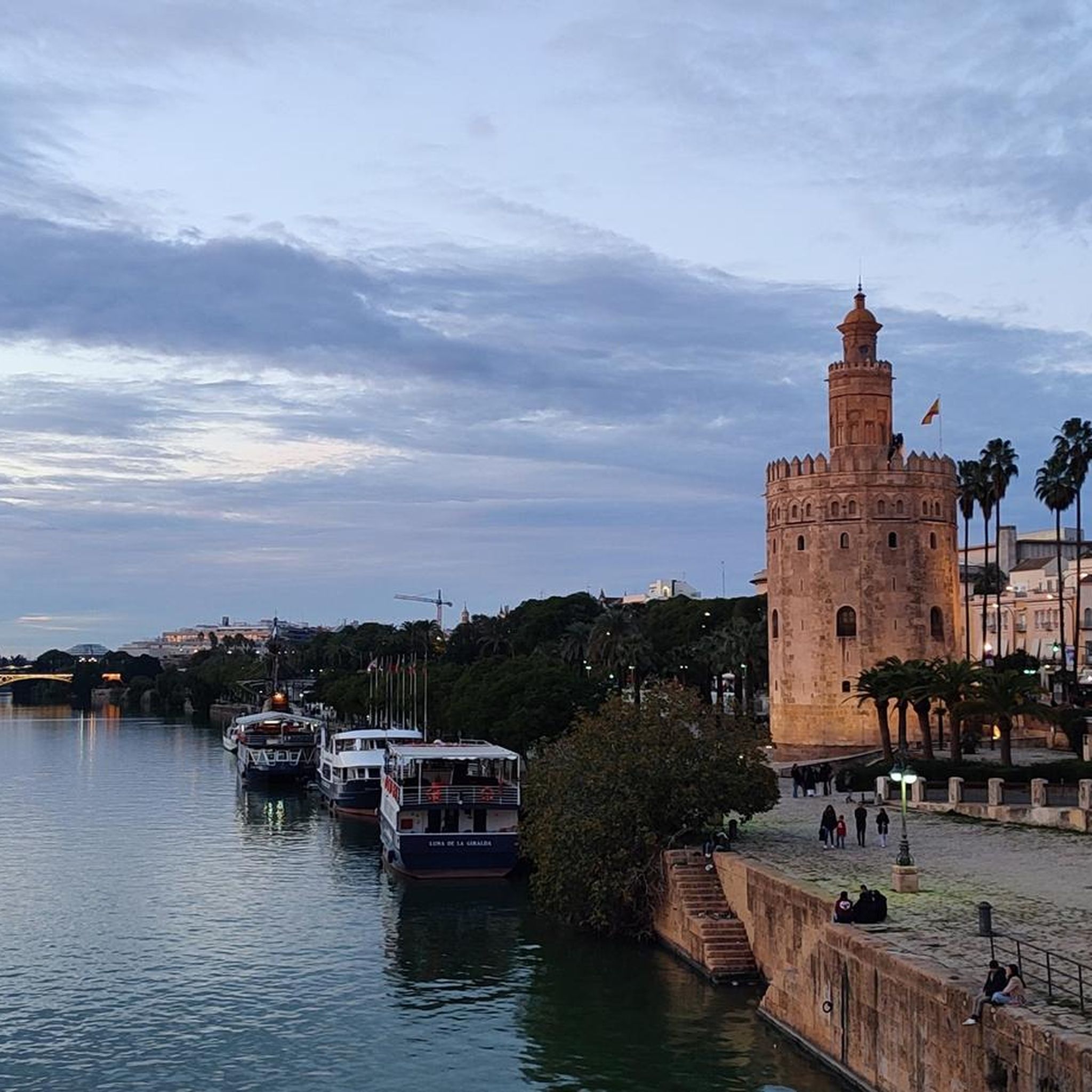
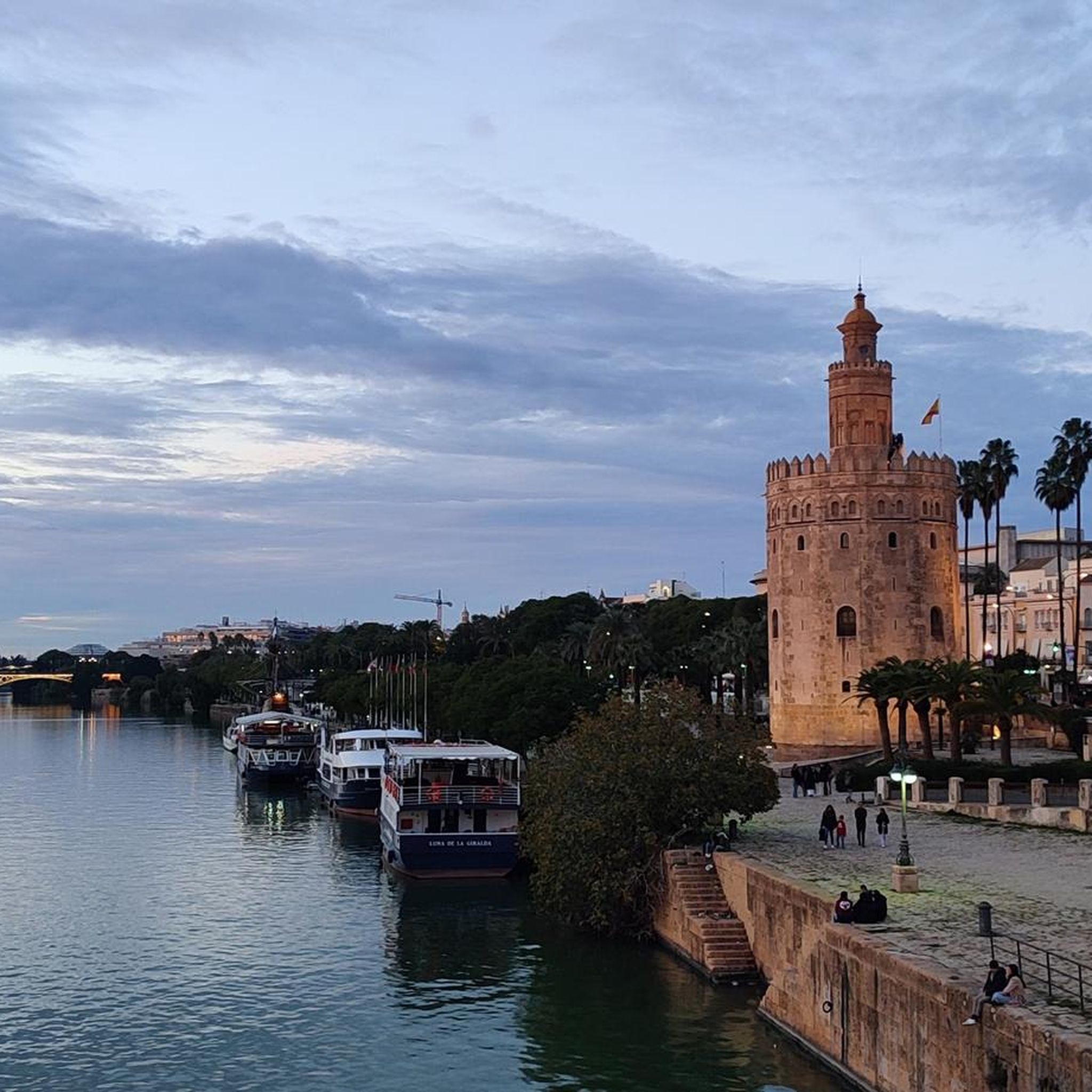
The Torre del Oro in Seville is an iconic historical monument that houses the Maritime Museum. This 13th-century defensive tower, located on the banks of the Guadalquivir River, was built by the Almohads and has had various uses over the centuries, including a chapel, prison and gunpowder store.
18
0
Frequently Asked Questions
What historical landmarks can I explore along the Canal de Alfonso XIII?
The Canal de Alfonso XIII is rich in history. You can visit the iconic Tower of Gold, a 13th-century military watchtower that now houses a Maritime Museum. Another significant site is the San Telmo Palace, a beautiful Baroque building that serves as the seat of the regional government. Don't miss the charming Costurero de la Reina, a neo-Mudéjar building that functions as Seville's Tourist Information Office.
Are there any monuments commemorating significant historical events near the canal?
Yes, you can find the impressive Monument to Juan Sebastián Elcano in the Glorieta de los Marineros. This monument commemorates the first circumnavigation of the world, completed by Elcano in 1522. Additionally, the Diana the Huntress Statue is a notable monument located on the New York Pier along the river.
What kind of recreational activities can I do on or along the Canal de Alfonso XIII?
The canal is a vibrant hub for recreation. You can enjoy walking, running, or cycling along the riverside promenade, which features lush planting and seating areas. For water sports enthusiasts, the canal is popular for rowing, paddle surfing, and canoeing, even hosting Olympic training. Boat rides are also available, offering unique city views.
Are there family-friendly attractions or activities around the Canal de Alfonso XIII?
Many attractions along the canal are suitable for families. The Tower of Gold, San Telmo Palace, and Diana the Huntress Statue are all marked as family-friendly. The riverside promenade is also great for family strolls, and boat rides offer an engaging experience for all ages.
What are the options for walking or hiking near the Canal de Alfonso XIII?
The area offers several easy walking and hiking routes. For example, you can take the 'Los Remedios Bridge – Nao Victoria replica loop from Seville' or the 'Costurero de la Reina – San Telmo Palace loop'. These routes provide a great way to explore the canal's surroundings. You can find more details on these and other easy hikes in the Easy hikes around Canal de Alfonso XIII guide.
Can I go running along the Canal de Alfonso XIII?
Absolutely! The banks of the Canal de Alfonso XIII are a popular spot for runners. There are various running trails available, such as the 'Paseo Marqués de Contadero loop from Puerta de Jerez' or the 'Barqueta Bridge – Seville Tower loop'. For more options and detailed routes, check out the Running Trails around Canal de Alfonso XIII guide.
Are there cycling routes near the Canal de Alfonso XIII?
Yes, the area around the Canal de Alfonso XIII is suitable for cycling, including gravel biking. Routes like the 'Tower of Gold – Guadalquivir River loop' offer scenic rides. You can discover more cycling opportunities in the Gravel biking around Canal de Alfonso XIII guide.
What kind of natural surroundings or green spaces are accessible from the canal?
While the canal itself is a man-made waterway, it runs alongside and provides access to several green spaces. Notably, it flows near the Parque de María Luisa, which offers beautiful parkland for relaxation and is home to the Costurero de la Reina.
Is the Canal de Alfonso XIII area wheelchair accessible?
Yes, several points of interest along the canal are noted as wheelchair accessible. The Costurero de la Reina and the Monument to Juan Sebastián Elcano are specifically highlighted as such. The riverside promenades generally offer flat surfaces suitable for wheelchairs.
What is the best time of year to visit the Canal de Alfonso XIII?
Seville experiences hot summers, so spring (March to May) and autumn (September to November) are generally the most pleasant times to visit. During these seasons, the weather is milder, making it ideal for walking, cycling, and enjoying outdoor activities along the canal without the intense summer heat.
What do visitors enjoy most about the attractions around Canal de Alfonso XIII?
Visitors frequently appreciate the blend of historical significance and recreational opportunities. The Tower of Gold is particularly loved for its golden glow on the river and its historical context. The beautiful Baroque architecture of San Telmo Palace also receives high praise. The entire area is valued for its picturesque setting and active urban corridor.
Are there places to eat or drink along the Canal de Alfonso XIII?
Yes, the canal is an active urban corridor, and you'll find various cafes, pubs, and restaurants in the surrounding neighborhoods, particularly as you venture into the city center and the vibrant Triana neighborhood, which is connected by the Puente de Isabel II.
Most popular routes around Canal de Alfonso XIII

Get inspired with the komoot mobile app


Explore more
Still not found the Highlight you’re looking for? See guides of the top attractions in other regions:
