The best gravel rides around Canal de Alfonso XIII
4.3
(27)
775
riders
159
rides
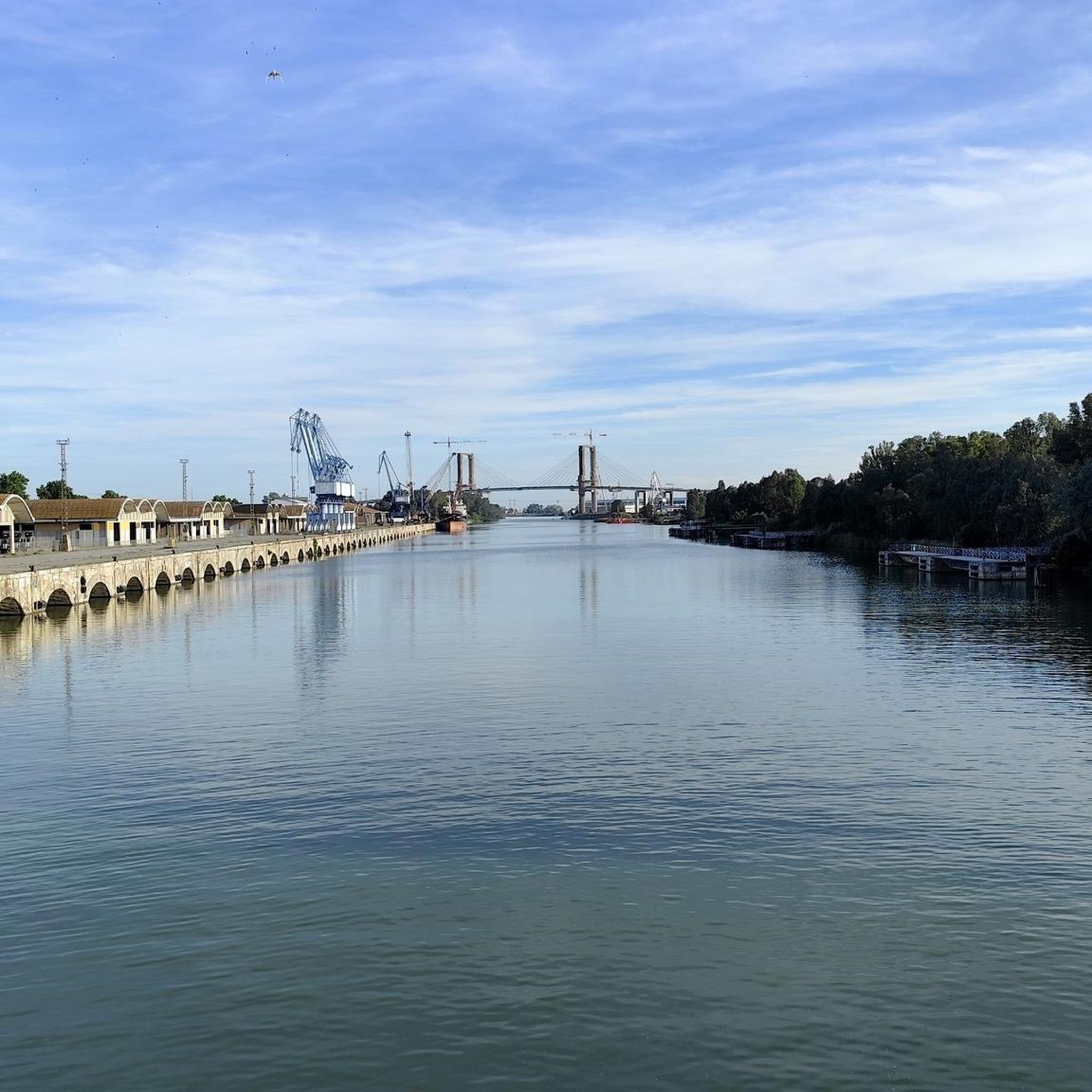
Gravel biking around Canal de Alfonso XIII offers routes primarily along the Guadalquivir River, characterized by flat terrain and minimal elevation changes. The area features a mix of urban riverside paths and stretches leading towards more open, natural landscapes. Key landmarks like the Tower of Gold and Alamillo Bridge define sections of these routes.
Best gravel bike trails around Canal de Alfonso XIII
- The most popular gravel bike trail is Vía de la Plata – Guadalquivir River loop from Puerta…
Last updated: July 8, 2026
5.0
(1)
50
riders
44.0km
03:09
100m
100m
Moderate gravel ride. Good fitness required. Mostly paved surfaces. Suitable for all skill levels.
5.0
(1)
26
riders
35.9km
02:40
180m
180m
Moderate gravel ride. Good fitness required. Mostly paved surfaces. Suitable for all skill levels.

Sign up for free
4.5
(2)
20
riders
55.7km
03:30
160m
160m
Moderate gravel ride. Good fitness required. Mostly paved surfaces. Suitable for all skill levels.
4
riders
38.9km
02:44
210m
210m
Moderate gravel ride. Good fitness required. Mostly paved surfaces. Suitable for all skill levels.
3.5
(2)
17
riders
51.2km
03:16
220m
220m
Moderate gravel ride. Good fitness required. Mostly paved surfaces. Suitable for all skill levels.
Get access to more routes and recommendations from other explorers.
Sign up for free
Already have an account?
Our route recommendations are based on thousands of hikes, rides, and runs completed by other people on komoot.
Start today with a free account
Your next adventure awaits.
Login or Signup
Tips from the Community

The Barqueta Bridge spans the Guadalquivir River. It is one of the main access routes to the northern part of Isla de la Cartuja and is located near the Science and Technology Park, as well as the Isla Mágica theme park. It connects La Cartuja with La Resolana and with the old town near the Monastery of San Clemente.
1
0
The building was constructed in 1682 outside the city walls of that time. Initially, the building served as a maritime school for the training of orphans (Universidad de Mareantes).
2
0
The Seville City Hall is located in the old town. Its 16th-century Plateresque facade faces San Francisco Square.
1
0

Impressive building, beautiful surroundings
1
0

Seville Cathedral, also known as the Cathedral of Saint Mary of the See, is one of the largest Gothic cathedrals in the world. Built on the site of a former mosque, its construction began in 1401 and was completed in 1507. Some highlights include: La Giralda: The bell tower, originally a minaret of the mosque, is one of Seville's most recognizable symbols. Royal Chapel: Houses the remains of several monarchs, including Ferdinand III of Castile. Main Altarpiece: Considered one of the largest altarpieces in Christendom, with an impressive collection of sculptures and reliefs. The cathedral also houses a rich art collection, including works by Murillo and Goya.
13
0

The Torre Sevilla, formerly known as Torre Pelli, is a modern skyscraper in Seville and, at 180.5 metres, the tallest building in Andalusia. Its distinctive design, consisting of oval floors that widen towards the top, dominates the city's skyline. In addition to offices and a hotel, the tower also houses a viewing platform with panoramic views of Seville and the surrounding region, making it a popular tourist attraction. The tower's construction was controversial due to its impact on the historic cityscape, but it is now an iconic element of modern Seville.
8
0
View of the Edificio Torretriana, an administrative building of the Junta de Andalucia, built in 1993. It is known for its unique circular shape and color (a yellow tint).
9
0

very nice and pretty
0
1
Frequently Asked Questions
What is the general difficulty level of gravel biking trails around Canal de Alfonso XIII?
The gravel biking trails around Canal de Alfonso XIII primarily feature flat terrain with minimal elevation changes, making many routes accessible. While there are 12 easy and 88 moderate routes, more challenging options also exist, with 27 difficult trails available for experienced riders.
Are there suitable gravel bike trails for beginners in this area?
Yes, beginners will find several suitable gravel bike trails. The flat terrain along the Guadalquivir River is ideal for those new to gravel biking. Routes like the Vía de la Plata – Guadalquivir River loop from Puerta de Jerez, while rated moderate, offers a relatively gentle introduction to the area's riverside paths.
Are there any challenging gravel routes for experienced riders?
Experienced riders looking for a challenge can explore more demanding routes. For instance, the Torre del Oro – Camping Aznalcázar loop from Plaza de Cuba is rated difficult, covering 53.7 miles (86.5 km) and leading through urban areas towards more natural settings, often taking over 7 hours to complete.
Can I find circular gravel bike routes around Canal de Alfonso XIII?
Yes, many of the gravel bike routes in the area are designed as loops, allowing you to start and finish at the same point. Examples include the Tower of Gold – Alamillo Bridge loop from Plaza de Cuba and the Alamillo Park – Alamillo Bridge loop from Plaza de Cuba, both offering scenic circular journeys.
Are there family-friendly gravel bike routes near Canal de Alfonso XIII?
Given the predominantly flat terrain and riverside paths, many routes are suitable for families. The urban riverside sections, in particular, offer a safe and enjoyable environment for riders of all ages. Look for routes with lower difficulty ratings and shorter distances for the best family experience.
What landmarks or points of interest can I see along the gravel bike trails?
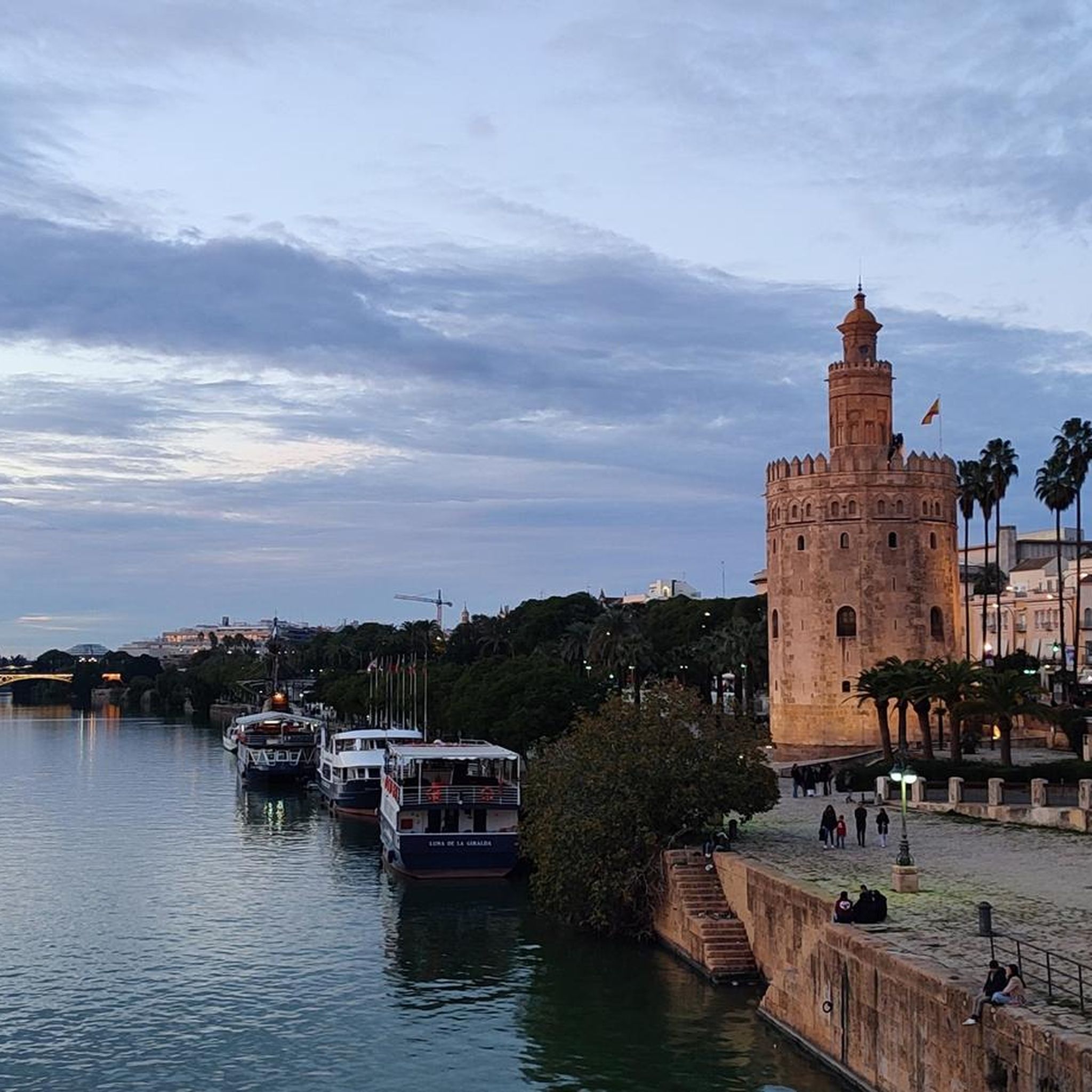
The trails often pass by significant landmarks. You can expect to see the iconic Tower of Gold, the grand San Telmo Palace, and the distinctive Costurero de la Reina. Other notable sights include the Monument to Juan Sebastián Elcano and the Diana the Huntress Statue, offering cultural and historical points of interest during your ride.
When is the best time of year to go gravel biking around Canal de Alfonso XIII?
The best time for gravel biking around Canal de Alfonso XIII is typically during the spring (March to May) and autumn (September to November). During these seasons, the weather is mild and pleasant, avoiding the intense heat of summer and the cooler, potentially wetter conditions of winter.
What are the conditions like for gravel biking in winter?
Winter in Canal de Alfonso XIII generally brings cooler temperatures and a higher chance of rain, though heavy snowfall is rare. The flat, riverside paths are usually rideable, but some unpaved sections might become muddy after rainfall. It's advisable to check local weather forecasts and trail conditions before heading out.
Where can I find parking for gravel biking near Canal de Alfonso XIII?
Many routes start from central locations like Puerta de Jerez or Plaza de Cuba, which are well-connected within Seville. Public parking garages are available in these urban areas, though they may incur a fee. For routes extending further out, look for designated parking areas near parks or residential zones adjacent to the river.
Are there specific trailheads or starting points for these routes?
Yes, common starting points for gravel bike routes in this area include Puerta de Jerez and Plaza de Cuba in Seville. These locations offer convenient access to the riverside paths and are often where many popular loops begin, such as the Tower of Gold – Guadalquivir River loop from Puerta de Jerez.
What do other gravel bikers enjoy the most about gravel biking in Canal de Alfonso XIII?
The area is highly rated by the komoot community, with an average score of 4.1 stars from over 20 reviews. Reviewers often praise the accessibility of the flat riverside paths, the scenic views of urban landmarks like the Tower of Gold, and the opportunity to combine city exploration with natural landscapes along the Guadalquivir.
Are there cafes or places to stop for refreshments along the gravel trails?
Given the urban and semi-urban nature of many routes along the Canal de Alfonso XIII and Guadalquivir River, you'll find numerous cafes, bars, and restaurants, especially in the sections passing through Seville. These offer convenient spots for refreshments and breaks during your ride.
Most popular routes around Canal de Alfonso XIII
Most popular attractions around Canal de Alfonso XIII

Get inspired with the komoot mobile app


Explore more
Browse the best Gravel rides in other regions.
