The best traffic-free bike rides around La Palma Del Condado
5.0
(1)
30
riders
3
rides
No traffic gravel bike trails around La Palma Del Condado traverse a landscape characterized by agricultural plains, pine forests, and gentle rolling hills. The region offers routes that wind through rural tracks, providing views of vineyards and traditional Andalusian scenery. The terrain typically features moderate elevation changes, making it suitable for a range of gravel biking experiences.
Best no traffic gravel bike trails around La Palma Del Condado
- The most popular no traffic gravel bike trail is Puerta del Buey…
Last updated: July 11, 2026
10
riders
Moderate gravel ride. Good fitness required. Mostly paved surfaces. Suitable for all skill levels.
2
riders
25.3km
01:48
150m
150m
Moderate gravel ride. Good fitness required. Mostly paved surfaces. Suitable for all skill levels.

Sign up for free
2
riders
18.7km
01:23
150m
150m
Moderate gravel ride. Good fitness required. Mostly paved surfaces. Suitable for all skill levels.
2
riders
Moderate gravel ride. Good fitness required. Mostly paved surfaces. Suitable for all skill levels.
Our route recommendations are based on thousands of hikes, rides, and runs completed by other people on komoot.
Start today with a free account
Your next adventure awaits.
Login or Signup
Popular around La Palma Del Condado

Tips from the Community

Origin: Built during the Almohad period (12th-13th centuries), as part of Niebla's defensive system. Legend of the name: During the siege by Alfonso X the Wise (1262), the last Muslim king of Niebla, Aben-Mafot, sent a fattened ox out through this gate to create the illusion of abundant provisions and discourage the Christian troops. The stratagem failed, and the city was conquered.
1
0
The Puerta del Buey (Ox Gate) is one of the most emblematic entrances to the walled town of Niebla (Huelva), with great historical and architectural value. It is located on Avenida Puerta del Buey, next to the Tinto River, and forms part of the Almohad wall that surrounds the town.
1
0
The church was built on the site of Niebla's main mosque (11th century), which itself stood on the site of an ancient Roman temple. After the Reconquista (13th century), it was transformed into a Christian church in the Gothic-Mudéjar style. It preserves Roman, Visigothic, Islamic, and Christian elements, such as: A Muslim mihrab and minaret tower. An ornamental panel and Visigothic episcopal chair. Roman columns. A Mudéjar apse and a Gothic presbytery with star vaults.
2
0
The Plaza de Santa María de la Granada in Niebla (Huelva) is home to the Church of Santa María de la Granada, one of the town's most emblematic monuments. The church was built on the site of Niebla's main mosque (11th century), which itself stood on the site of an ancient Roman temple. After the Reconquista (13th century), it was transformed into a Christian church in the Gothic-Mudéjar style.
1
0
The Plaza de España in La Palma del Condado is an iconic and central location in this charming town in the province of Huelva. Surrounded by historic buildings and with a vibrant atmosphere, it's a popular meeting point for locals and visitors alike.
1
0

Place from which to start many gravel and mountain biking routes
0
0

The Parish Church of Santa María de la Purificación, due to its volumetric force and its location in an elevated part of the town, becomes the most representative architectural landmark. Despite being initially located away from the urban center, it is a remarkable example of a Sevillian church, in which the Mudejar and Baroque styles converge, following a very characteristic approach to 18th-century construction practice in the area. Built according to Mudejar principles in its original construction, which appears to date from the 15th century, it would later be practically rebuilt after the damage caused by the 1755 earthquake, conforming to the Baroque guidelines prevailing in the second half of the 17th century. A reconstruction in which Pedro de Silva, Antonio Matías de Figueroa, and José Álvarez participated. Among them, Antonio Matías de Figueroa stands out for the significance of his intervention in the complex. His work on the Manzanilla church can therefore be considered one of the last examples of this family's distinctive style—the so-called triumphal baroque—and one of the first signs of the change of direction demanded by the changing times, in their preference for the primacy of Rococo lines over Baroque masses. The appearance of neoclassical elements (the Gospel nave portal), derived from the presence of José Alvarez (1782–1783) as director of the works, also speaks to the formal evolution of the style toward the last quarter of the century. Finally, the tower (1760-1779) stands out, attributed to Lucas Cintora and Francisco Díaz Pinto, and one of the most beautiful examples in the province. It perfectly fits one of the two characteristic typologies of 18th-century Andalusia, originating from the Giralda in Seville. It forms part of a unique group of towers in Huelva, along with that of the Temple of San Pedro in Huelva and that of the Church of San Juan Bautista (La Palma del Condado), all of which follow a very similar model. This building represents another example of the intense religious construction activity that characterized 18th-century Huelva architecture, motivated by a fortunate combination of economic, demographic, and natural circumstances (earthquakes), and which has come to be known as its Golden Age.
0
0
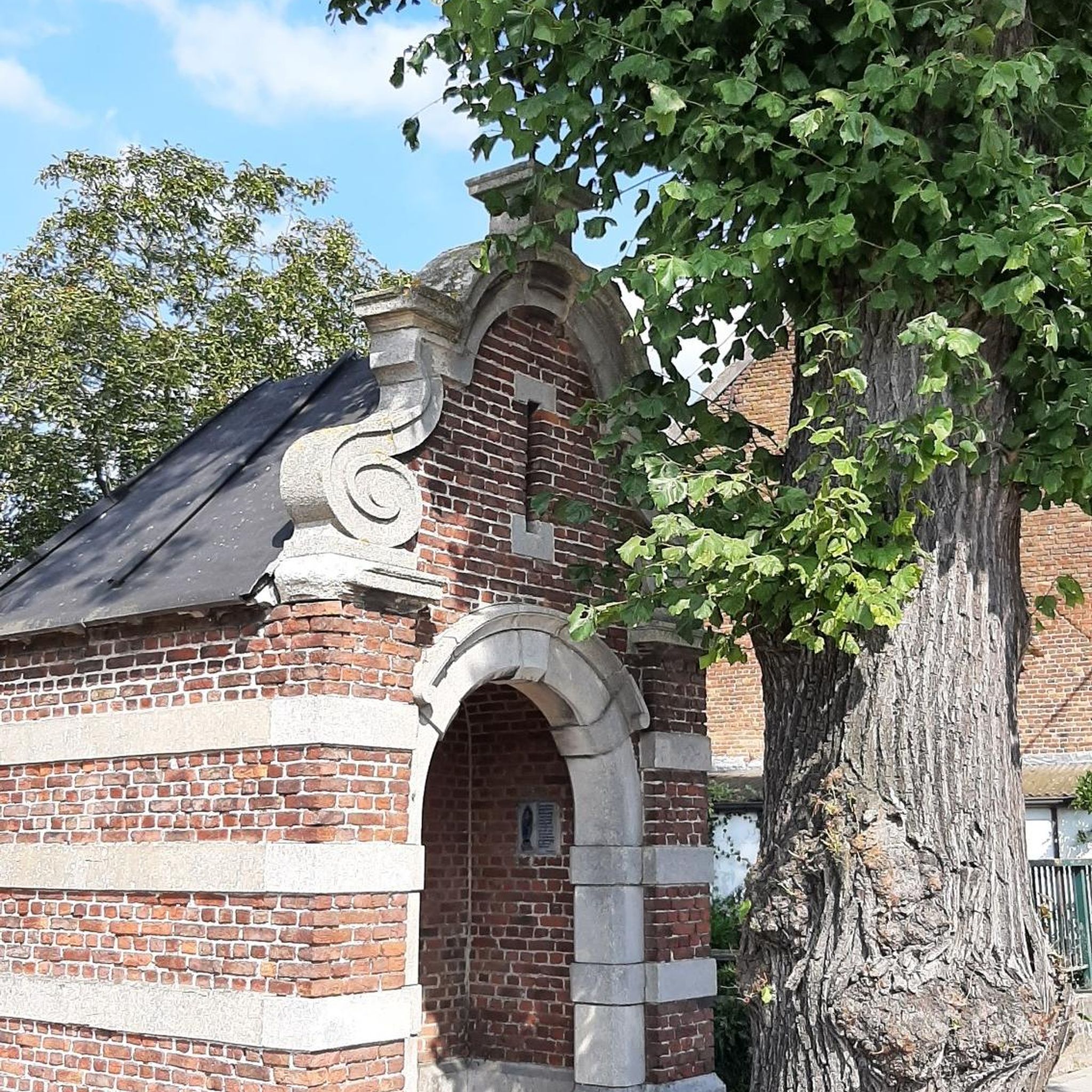
The Plaza de Andalucía is located in the center of the town. Surrounding it are the Town Hall (Manzanilla City Hall), the Market, and stately homes representative of the town. Villalba, Hermanos Álvarez Quintero, Santo Cristo, Alférez Galiano Camacho, and Benafique streets converge in the square. It forms the nerve center of Manzanilla. It is a square plaza surrounded by plants and benches. Its two fronts are flanked by the Market and the Town Hall. Of note is a central pavilion called Morabito, made of brick and ceramic, which is an old font.
0
0
Frequently Asked Questions
How many no-traffic gravel bike trails are available around La Palma Del Condado?
There are several dedicated no-traffic gravel bike trails around La Palma Del Condado, offering a peaceful cycling experience away from roads. This guide features 3 such routes, all rated as moderate difficulty, perfect for exploring the local landscape.
Are there any family-friendly no-traffic gravel routes in La Palma Del Condado?
The no-traffic gravel routes around La Palma Del Condado are generally suitable for families with some cycling experience, as they are rated moderate in difficulty. For example, the Ermita de El Rocío loop from Bollullos Par del Condado is a 25 km route that offers a pleasant ride through the countryside, ideal for a family outing.
What is the best time of year for gravel biking in La Palma Del Condado?
The best time for gravel biking in La Palma Del Condado is typically during the spring (March to May) and autumn (September to November) months. During these periods, the weather is generally mild and pleasant, avoiding the intense heat of summer and the cooler, potentially wetter days of winter. This ensures comfortable riding conditions on the trails.
Are there any circular or loop gravel bike routes available?
Yes, all the no-traffic gravel bike trails featured in this guide are circular routes, allowing you to start and end your ride in the same location without needing to arrange transport back. Examples include the Puerta del Buey – Hay Bales Near Trigueros loop from Niebla-Puerta del Buey and the Church of Saint Bartholomew – Manzanilla loop from Villalba del Alcor.
What kind of attractions can I see along the no-traffic gravel bike trails?
While riding the no-traffic gravel trails, you can discover various historical and cultural attractions in the vicinity. Notable sights include the impressive Niebla Castle and the ancient Roman Bridge 🌉 Niebla. The trails often pass through scenic countryside, offering glimpses of traditional Spanish architecture and landscapes.
Are there options for longer distance no-traffic gravel routes?
For those seeking a longer ride, the Puerta del Buey – Hay Bales Near Trigueros loop from Niebla-Puerta del Buey is the longest no-traffic gravel route featured, spanning approximately 52 kilometers. It offers a substantial ride through varied terrain, perfect for a full day's adventure.
What do other gravel bikers enjoy most about gravel biking in La Palma Del Condado?
The komoot community highly rates the gravel biking experience in La Palma Del Condado, with an average score of 5.0 stars. Riders often praise the tranquility of the no-traffic routes, the scenic rural landscapes, and the opportunity to explore the region's cultural heritage away from busy roads.
Are there any viewpoints or scenic spots along the gravel trails?
The gravel trails around La Palma Del Condado offer numerous scenic spots as they wind through the agricultural landscapes and natural areas. While specific named viewpoints are less common, the open countryside provides expansive views, especially on routes like the Plaza del Rocío – St. John the Baptist Church loop from Bollullos Par del Condado, where you can enjoy the peaceful rural vistas.
Where can I find parking for these gravel bike trails?
Many of the no-traffic gravel routes start from towns or villages like Niebla, Bollullos Par del Condado, or Villalba del Alcor. These locations typically offer public parking facilities, making it convenient to access the trailheads. It's advisable to check local parking options in your chosen starting point before your ride.
Are there any cafes or places to stop for refreshments along the routes?
While the no-traffic gravel trails themselves are often in rural areas, many routes begin or pass near towns and villages such as Bollullos Par del Condado or Villalba del Alcor. These places offer opportunities to find cafes, restaurants, or shops for refreshments before or after your ride, or for a mid-ride break if the route passes through. It's always a good idea to carry sufficient water and snacks.
What is the difficulty level of the no-traffic gravel bike trails?
All the no-traffic gravel bike trails featured in this guide are rated as moderate difficulty. This means they are suitable for riders with some experience, featuring varied terrain that may include gentle climbs and descents, and surfaces that range from smooth gravel to more uneven tracks. They are generally accessible but offer a good workout.
Most popular routes around La Palma Del Condado
Most popular attractions around La Palma Del Condado

Get inspired with the komoot mobile app


Explore more
Browse the best Gravel rides in other regions.
