The best walks and hikes around La Palma Del Condado
4.0
(16)
62
hikers
20
hikes
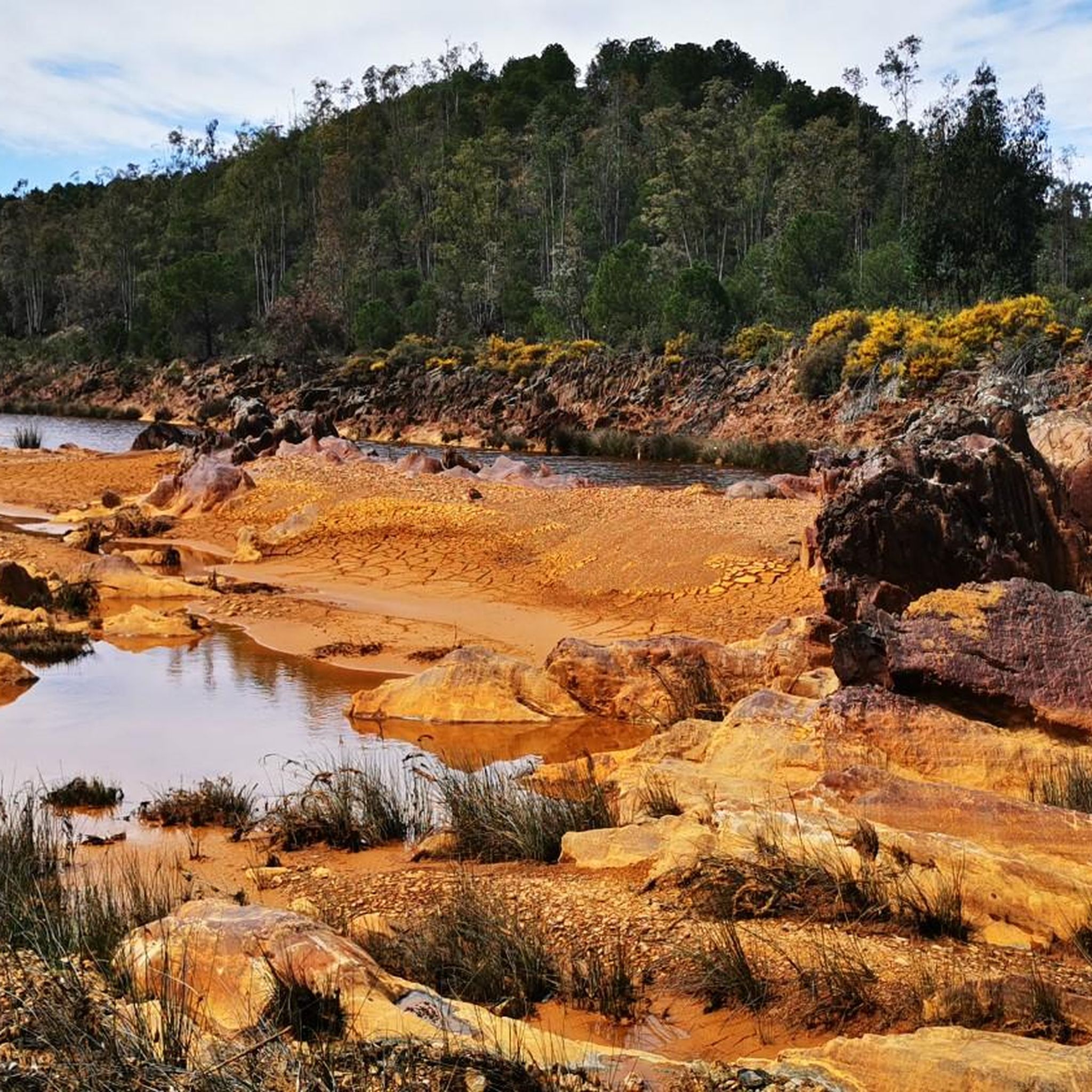
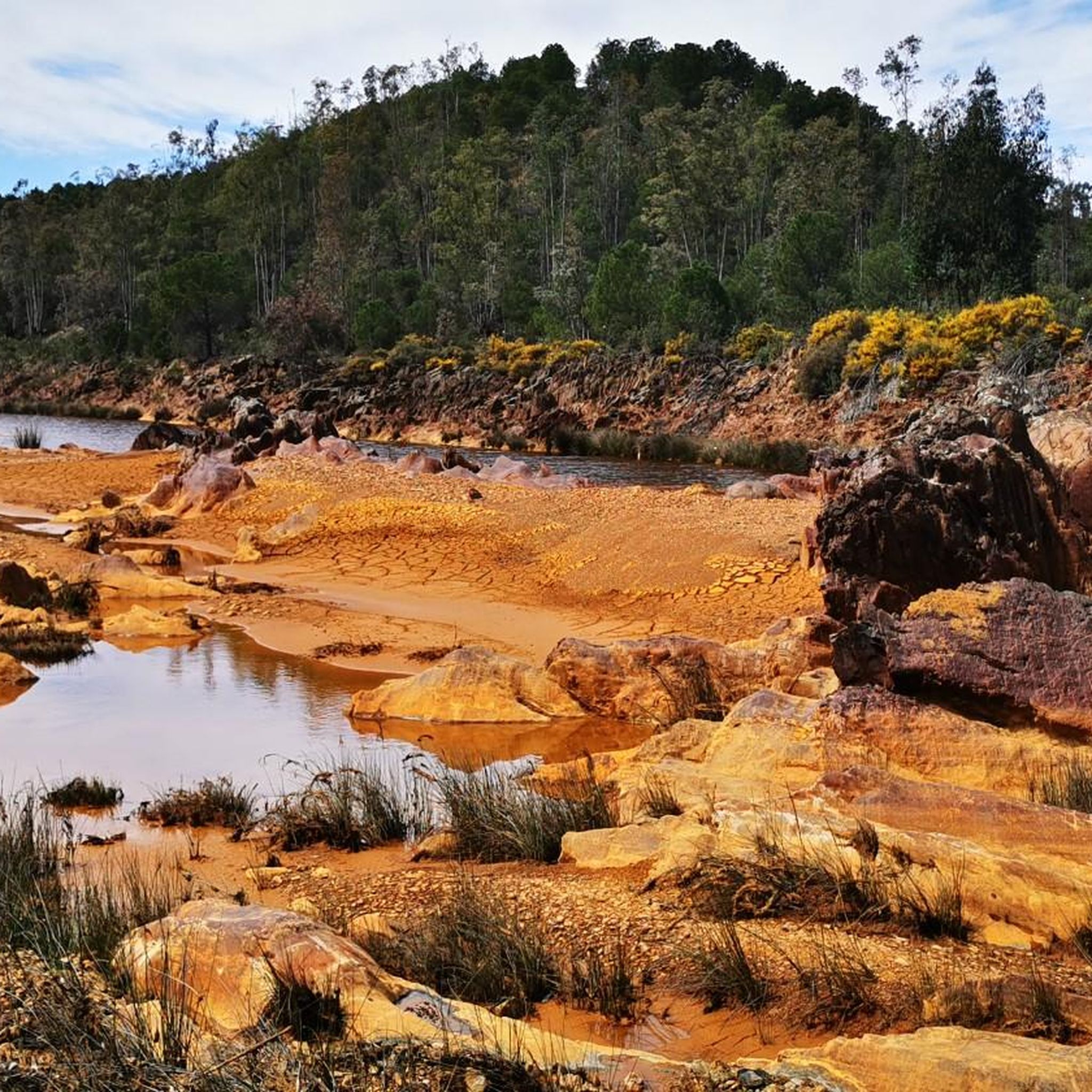
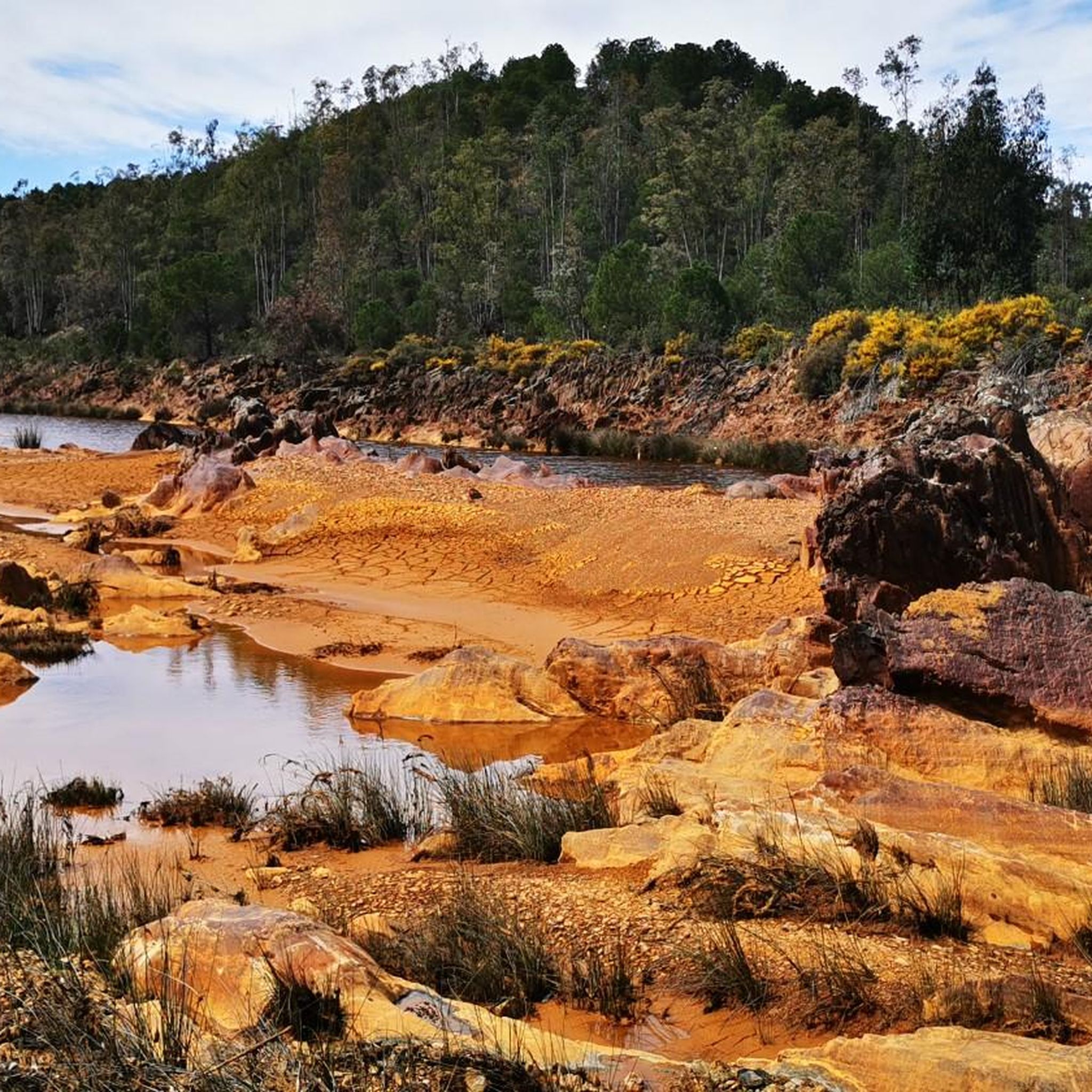
Hiking around La Palma Del Condado, located in the Huelva province of Andalusia, Spain, offers routes through agricultural landscapes and distinctive natural features. The region is characterized by extensive olive groves and vineyards, contributing to the "Condado de Huelva" wine denomination. A notable feature is the Río Tinto, known for its unique red and brown hues resulting from mineral weathering. The landscape also includes the Corumbel Reservoir, providing additional natural areas for exploration.
Best hiking trails around La Palma Del Condado
- The most popular hiking route is Villarrasa - Gadea Bridge over the Tinto River, a 6.3 miles (10.1 km) trail that takes 2 hours 37 minutes to complete. This moderate route leads to the distinctive red waters of the Tinto River.
- Another top favourite among local hikers is La Palma del Condado - Villalba del Alcor – circular route, a difficult 12.5 miles (20.1 km) path. This route traverses agricultural lands and offers views of the surrounding countryside.
- Local hikers also love the Pantano del Corumbel from Villalba del Alcor, a 11.9 miles (19.1 km) trail leading through varied terrain to the Corumbel Reservoir, often completed in about 4 hours 57 minutes.
- Hiking around La Palma Del Condado is defined by agricultural lands, the unique Río Tinto landscape, and the Corumbel Reservoir. The network offers options for different ability levels, with 16 routes available.
- The routes in La Palma Del Condado are highly rated by the komoot community with an average score of 3.8 stars from over 10 reviews. More than 50 hikers have used komoot to explore La Palma Del Condado's varied terrain.
Last updated: June 30, 2026
2
hikers
10.1km
02:37
50m
50m
Moderate hike. Good fitness required. Easily-accessible paths. Suitable for all skill levels.
20.1km
05:14
130m
130m
Hard hike. Very good fitness required. Easily-accessible paths. Suitable for all skill levels.

Sign up for free
19.1km
04:57
110m
110m
Hiking the moderate 11.9-mile (19.1 km) trail from Villalba del Alcor to Pantano del Corumbel offers diverse scenery and reservoir views.
4.0
(5)
13
hikers
11.3km
02:59
100m
100m
Moderate hike. Good fitness required. Easily-accessible paths. Suitable for all skill levels.
4.8
(5)
9
hikers
Moderate hike. Good fitness required. Easily-accessible paths. Suitable for all skill levels.
Get access to more routes and recommendations from other explorers.
Sign up for free
Already have an account?
Our route recommendations are based on thousands of hikes, rides, and runs completed by other people on komoot.
Start today with a free account
Your next adventure awaits.
Login or Signup
Popular around La Palma Del Condado
Tips from the Community

The Plaza del Altozano in La Palma del Condado (Huelva) is a central and highly representative urban space in the town. It is located in the historic center, near the Church of San Juan Bautista, the Convent of Nuestra Señora del Carmen, and the Municipal Library. It is a recreational area and promenade, with benches, trees, and open spaces. It is surrounded by historic streets and emblematic buildings, making it an ideal starting point for exploring the town center.
1
0

The first reliable data on the history of Villalba del Alcor date back to the Late Bronze Age, some four millennia ago. Remains of nearby mining operations remain evident; these were scattered along the Corumbel River. From the Roman period, we find several important remains in this municipality, such as coins, vases, and so on. The most notable of these is found on the "Las Estaquillas" estate, two kilometers from the town center. It is a portrait of Agrippina, wife of the Emperor Claudius. Her hairstyle, characteristic of the Agrippinas (the use of small curls and the arrangement of her hair in side bands covering the ears), shed light on her identification. These remains suggest that, in the vicinity of the town center, and in the direction of Corumbel, there were several villas belonging to prominent families, who would have made a living from the mines and farming. Another finding that supports the hypothesis of Roman settlement in the region is the existence of a tombstone dedicated to Iuno Regina in 134 BC. It was found at the base of the bell tower of the Church of San Bartolomé, although it owes its origin to the town of Ostur, near Manzanilla. No other significant events are found from this period; the Dehesa de Purchena was continuously settled. Its name, of Roman origin, comes from Porcius plus the suffix -ana (indicative of ownership), which would mean Villa Porciana. This region was also inhabited by Muslims who established scattered farmsteads along the Giraldo stream. After these basic notions about its surroundings, we will focus on the evolution of the population center and the reasons that made Villalba a prominent town in the County of Huelva. The birth of Villalba del Alcor is due to its appeal as a border area for Christians and Muslims. Villalba's high strategic value led to the construction of a fortress, which also served as a mosque in its time, as was the case with La Rábida. It belonged to Niebla until 1253, when it was reconquered by Alfonso X the Wise. Later, in 1331, Villalba passed into the hands of the daughter of the Chief Constable of Niebla, Leonor Núñez. Around 1350, the town was purchased by Alvar Pérez de Guzmán, thus establishing this lineage, which would extend practically until the 15th century. The Pérez de Guzmán and Zúñiga lines were united in 1395 through marriage. It was then that Villalba passed into the hands of the Zúñiga family until the dissolution of the lordships in 1812. Villalba del Alcor, from the Late Middle Ages, became established. The place names "Villalba" and "Alcor" come from different origins: the former is of Christian origin, and the latter means "hill" and is of Muslim origin. On the social level, the rich and varied heritage reflects the economic strength of its inhabitants. In the 16th century, the town center and its population grew. Two Carmelite congregations were founded: the monastery of friars of Santa María de la Antigua in 1588, and the convent of shod nuns of San Juan Bautista in 1619. In 1642, it had 1,750 inhabitants; in the second half of the century, the country's demographic and economic crisis worsened. In the 18th century, Villalba experienced few demographic changes. To further expand on the data on these dates, we can refer to the Cadastre of the Marquis of Ensenada, which describes this situation in detail. Population growth and dependence on agriculture led, throughout the 19th century, to a widespread movement to clear new lands, nearly wiping out the vacant and municipal lands, and changing the forest landscape. Vineyards, the County's star crop, developed on these lands, along with a significant wine industry that eventually included numerous wineries and at least three brandy stills.
0
0
This green space is located near the Hogar del Pensionista community center and the Plaza de la Magdalena park. It is an ideal place to enjoy a quiet and relaxing walk, surrounded by nature and urban beauty. The plaza is located in a central and accessible area, making it a popular meeting point for residents and visitors. In addition, it is close to other places of interest such as the Church of San Juan Bautista and the Hermitage of Nuestra Señora del Valle.
2
0
The Plaza de España in La Palma del Condado is an emblematic and central place in this charming town in the province of Huelva. Surrounded by historic buildings and with a vibrant atmosphere, it is a popular meeting point for both locals and visitors. In this square, you can find the Parish Church of San Juan Bautista, one of the most representative churches of the 18th century Sevillian Baroque style. In addition, the square is close to other points of interest such as the Convent of Our Lady of Carmen and the Old Town Hall.
3
0

Nice little park with some nice murals
0
1

It is a route without many complications, it can be done as a family.
0
0

It is a church registered in an old Almohad fortress that was declared an Asset of Cultural Interest in 1931. It is undoubtedly the most outstanding monument in Villalba del Alcor.
1
0
Villarrasa is a place where a multitude of cultures have taken place. Carthaginians, Romans, Visigoths and Muslims have left their mark in their wake. There are numerous religious buildings, but the oldest is the hermitage of Nuestra Señora de las Angustias, in which Mudejar, Renaissance and Baroque elements coexist. There are also beautiful meadows and natural landscapes such as "Clarina", "Huerto del Hambre" and "Gadea", unique for the color that the waters of the Tinto River give it.
1
0
Frequently Asked Questions
How many hiking trails are available in La Palma Del Condado, and what are their difficulty levels?
There are over 15 hiking routes around La Palma Del Condado. These include 7 easy trails, 8 moderate routes, and 1 difficult option, providing choices for various fitness levels.
What unique natural features can I expect to see while hiking in La Palma Del Condado?
The region is most famous for the extraordinary Río Tinto, known for its striking red and brown waters due to mineral weathering, often compared to a Martian landscape. You'll also encounter extensive agricultural lands with olive groves and vineyards, and the scenic Corumbel Reservoir.
Are there any circular hiking routes in the area?
Yes, La Palma Del Condado offers several circular routes. A challenging option is the La Palma del Condado - Villalba del Alcor – circular route. For moderate walks, consider the Plaza del Rocío loop from La Palma del Condado or the Murals in Parque Villa Luisa – Plaza del Altozano loop from La Palma del Condado.
Can I hike to the Corumbel Reservoir?
Absolutely. The Pantano del Corumbel from Villalba del Alcor is a popular moderate route that leads through varied terrain directly to the Corumbel Reservoir, offering beautiful views and recreational opportunities.
What do other hikers enjoy most about hiking in La Palma Del Condado?
The area is highly rated by the komoot community, with an average score of 3.8 stars from over 10 reviews. Hikers often praise the unique landscapes, especially the distinctive colors of the Río Tinto, and the variety of routes that traverse agricultural lands and natural features.
Are there any historical or cultural landmarks to see near the hiking trails?
While the trails focus on natural beauty, the nearby town of Niebla offers significant historical sites. You can explore the impressive Niebla Castle, the Alcázar or Castle of the Guzmáns, and the ancient Roman Bridge and Roman Walls.
Is there a Vía Verde (Greenway) in the region, and what is it like for hiking?
Yes, the Vía Verde follows an abandoned railway line connecting La Palma Del Condado with Berrocal, passing through the stunning landscapes of the Río Tinto. Parts of this trail can be challenging, featuring tunnels that may require a flashlight and bridges where caution is advised, but it offers an immersive experience of the river's vibrant colors.
What is the best time of year to go hiking in La Palma Del Condado?
Given its location in Andalusia, Spain, spring (March to May) and autumn (September to November) generally offer the most pleasant temperatures for hiking. Summers can be very hot, while winters are mild but can be rainy.
Are the hiking trails in La Palma Del Condado suitable for families with children?
Yes, with 7 easy routes available, there are options suitable for families. These trails often traverse agricultural lands and offer gentle gradients, making them enjoyable for younger hikers. Always check the specific route details for distance and elevation to ensure it matches your family's ability.
Are dogs allowed on the hiking trails in La Palma Del Condado?
Generally, dogs are welcome on many trails in the region. However, it's always recommended to keep them on a leash, especially when passing through agricultural areas or near wildlife, and to clean up after them. Specific rules might apply in certain protected areas, so check local signage.
What kind of terrain can I expect on the trails around La Palma Del Condado?
The terrain is quite varied. You'll find paths winding through extensive agricultural lands, particularly olive groves and vineyards. Other routes explore the unique, mineral-rich landscapes around the Río Tinto, and some lead to the Corumbel Reservoir, offering a mix of natural and cultivated scenery.
Most popular routes around La Palma Del Condado
Most popular attractions around La Palma Del Condado

Get inspired with the komoot mobile app


Explore more
Browse the best Hikes in other regions.
