The best traffic-free bike rides around Patagonia
5.0
(15)
417
riders
7
rides
Gravel biking around Patagonia offers extensive networks of unpaved roads and trails across a vast and rugged landscape. The region is characterized by the towering Andes mountains, immense glacial fields, numerous clear lakes, and diverse ecosystems ranging from dry pampa to dense forests. This terrain provides varied surfaces for cycling, including sandy, loamy, and rocky stretches, with challenging climbs and exhilarating descents. The area's natural features create a backdrop for remote and adventurous gravel cycling experiences.
Best no traffic gravel…
Last updated: May 27, 2026
94
riders
94.0km
09:04
900m
900m
Hard gravel ride. Very good fitness required. Mostly paved surfaces. Suitable for all skill levels.
6
riders
124km
11:23
1,460m
1,460m
Hard gravel ride. Very good fitness required. Mostly paved surfaces. Suitable for all skill levels.

Sign up for free
5.0
(2)
43
riders
46.8km
02:54
660m
660m
Hard gravel ride. Very good fitness required. Mostly paved surfaces. Suitable for all skill levels.
5.0
(1)
20
riders
31.7km
01:43
260m
260m
Moderate gravel ride. Good fitness required. Mostly paved surfaces. Suitable for all skill levels.
5.0
(5)
17
riders
38.3km
02:13
400m
400m
Moderate gravel ride. Good fitness required. Mostly paved surfaces. Suitable for all skill levels.
Get access to more routes and recommendations from other explorers.
Sign up for free
Already have an account?
Our route recommendations are based on thousands of hikes, rides, and runs completed by other people on komoot.
Start today with a free account
Your next adventure awaits.
Login or Signup
Popular around Patagonia

Other adventures around Patagonia

Tips from the Community

Just past the ghost town of Harshaw, is the somewhat controversial Hermosa Mine Project. Although you are in a very rural part of the state, due to the mining operations here please be aware and cautious of mining trucks and other large vehicles and heavy machinery pulling in and out of here. Please be courteous and give way to these trucks on these narrow roads through the high desert and mountains.
0
0
Duquesne Road is a long, remote dirt and gravel road near the US-Mexico Border in way southern Arizona. This particular section of rural road passes through the San Rafael Natural Area and very, very close to the border. Although it is generally safe, be prepared to encounter Border Patrol and it is advisable to not be riding this road after dark.
0
0
Canelo Pass Road is a dirt road that takes from the ghost town of Canelo to the San Rafael Valley Road, an iconic gravel road through the open valley. This gravel road can be a bit rough at spots, but is generally well-maintained and well-graded. If completing on a road bike, make sure it can take wider tires; 35mm would be the minimum, 40mm+ would be more comfortable, and tubeless is a must. There are sharp rocks, the occasional cactus spike, and it's quite remote...
0
2
Canelo, AZ, is a small, ghost town in eastern Santa Cruz County. Nestled in the scenic Canelo Hills, the area is known for its beautiful landscapes and mountainous environment. The region is characterized by rolling grasslands, oak woodlands, and an abundance of wildlife, making it a prime spot for outdoor activities such as hiking, bird watching, and horseback riding. Canelo's proximity to the Coronado National Forest provides additional opportunities for nature enthusiasts to explore. Canelo holds historical significance with remnants of early homesteads, and remnants of ranching and mining activities, with several buildings listed on the National Register of Historic Places including a one-room schoolhouse and a United States Forest Service ranger station.
0
0
Harshaw, a ghost town in Santa Cruz County, southeastern Arizona, was settled in the 1870s as a mining community. Named after prospector David Tecumseh Harshaw, it thrived in the late 19th century, with the Hermosa mine producing $365,455 in bullion over four months in 1880. The town's fortunes fluctuated with silver prices, leading to cycles of growth and decline. By the 1960s, the mines closed permanently, and Harshaw was incorporated into the Coronado National Forest in 1953 and became a ghost town. Today, remnants include a few houses, building foundations, two small cemeteries, and decaying mine shafts, with most buildings demolished by locals or the Forest Service in the 1970s. Although there are no facilities here, it is still a somewhat popular destination for cyclists (Harshaw Road, which turns from pavement to gravel a bit north of here, is a main artery for many of the popular gravel rides in the area), hikers, and birdwatchers. In fact, Santa Cruz County is one of the premiere birdwatching destinations in the country in large part because it sits in the migratory path for many rare birds as they travel between the US and Mexico.
0
0
Apache Road is an amazing gravel road south of Patagonia and the ghost town Harshaw, AZ. This road is often a part of the Spirit World 100 course, a popular, challenging gravel race based out of Patagonia. Although this road is non-technical and generally well-graded, there can be some rough spots and due to the fact that it's quite far from any town, preparedness and self-reliance is a must. Although a dedicated gravel bike will make this road more comfortable, it is doable on a road bike with at least 35mm, if not 40mm+, tires. Tubeless tires is also highly recommended; its nice to be able to ride with lower tire pressures and there are sharp rocks, the occasional cactus spike, and this road is fairly remote, making it a less than ideal place to be having lots of mechanicals!
0
0
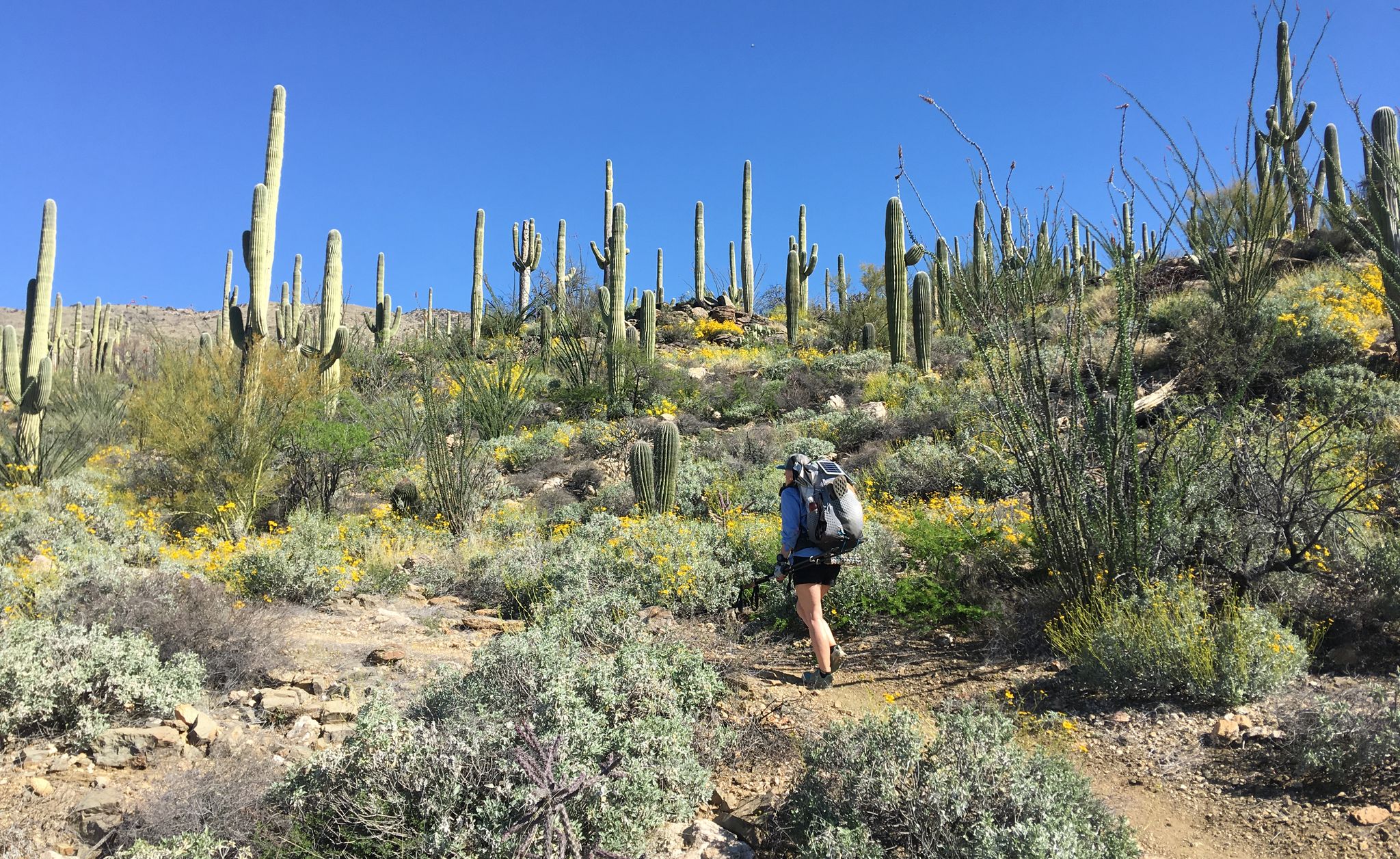
Harshaw Creek Road is one of the numerous, excellent gravel roads that is quickly transforming the small town of Patagonia, AZ, into a premiere gravel destination. This road takes you through a narrow, steep-walled valley with a season creek that feeds cottonwoods, willows, sycamores, and other plants. Although many of the gravel roads here can be quite rugged, this particular road is relatively tame. This wide, well-graded, smooth gravel road is usually in good condition, with no large rocks or overly loose stuff. It is a gravel road, however, and there are washboarded sections though so a dedicated gravel bike or a road bike that can take wider tires (~30mm+) is recommended.
1
0

There are many dispersed camping sites along this segment with grass, rock, and sand surfaces.
1
0
Frequently Asked Questions
What kind of terrain can I expect on no-traffic gravel bike trails in Patagonia?
Patagonia's gravel trails offer a diverse and often challenging experience. You'll encounter a mix of surfaces, including sandy, loamy, and rocky stretches, along with demanding climbs and exhilarating descents. The region's unpaved county and forest service roads wind through varied landscapes, from desert frontier areas to forested valleys and mountainous terrain, ensuring a true adventure.
Are there any family-friendly no-traffic gravel bike trails in Patagonia?
While many of Patagonia's gravel trails are rated as moderate to difficult, offering significant elevation gain and distance, there are options that can be adapted for families with older, experienced riders. For example, the Patagonia – Harshaw Road Trailhead loop from Patagonia is a moderate 31.7 km route that could be a good starting point for a family looking for a less intense challenge compared to longer, more difficult routes.
What are the best times of year to gravel bike in Patagonia to avoid traffic?
The shoulder seasons, typically spring (October to November) and autumn (March to April), often provide excellent conditions for gravel biking in Patagonia with fewer crowds. During these times, the weather can be more stable than winter, and you'll experience the region's vast landscapes in relative tranquility, making it ideal for no-traffic routes. Summer (December to February) is popular but can see more visitors, while winter (June to August) brings colder temperatures and potential snow, making many routes challenging or inaccessible.
What kind of natural features or landmarks can I see along these no-traffic gravel routes?
Patagonia is renowned for its dramatic natural beauty. Along these routes, you can expect to see towering Andean mountains, crystal-clear lakes, and diverse ecosystems ranging from dry pampa to dense forests. Specific highlights near some routes include the Harshaw Creek Road (Gravel) itself, which is a scenic cycleway, and the historic Harshaw Townsite. The region's vastness ensures stunning vistas and opportunities to immerse yourself in unspoiled nature.
Are there any particularly challenging no-traffic gravel bike routes for experienced riders?
Absolutely. Patagonia is a 'Mecca' for gravel riders seeking a challenge. Routes like the Patagonia to Canelo loop (Patagonia 80), spanning over 123 km with more than 1400 meters of elevation gain, or the Spirit World 50 Course loop, a 94 km route with over 900 meters of climbing, offer significant tests of endurance and skill. These routes traverse remote sections, requiring self-reliance and preparedness.
How long are the no-traffic gravel bike trails in Patagonia?
The no-traffic gravel bike trails in Patagonia vary significantly in length, catering to different levels of endurance. You can find routes ranging from moderate distances, such as the Patagonia – Alto loop from Patagonia at around 47 km, to much longer, more demanding adventures like the Patagonia to Canelo loop (Patagonia 80), which stretches over 123 km.
What do other gravel bikers enjoy most about the no-traffic routes in Patagonia?
The no-traffic gravel routes in Patagonia are highly rated by the komoot community, with an average score of 4.9 stars. Reviewers often praise the unparalleled sense of solitude and immersion in nature, the breathtaking and diverse landscapes, and the challenging yet rewarding terrain that truly tests a rider's capabilities. The absence of vehicular traffic allows for a deep connection with the region's wild beauty.
Are there any facilities like cafes or accommodation near the no-traffic gravel trails?
Given the remote nature of many no-traffic gravel trails in Patagonia, facilities like cafes and accommodation can be sparse directly along the routes. However, towns like Patagonia itself serve as excellent starting points and offer services. It's always recommended to plan your route carefully, carry sufficient supplies, and check for available services in nearby settlements before embarking on longer, more secluded rides.
Is public transport available to access these gravel biking trails in Patagonia?
Accessing the more remote no-traffic gravel trails in Patagonia often requires personal transportation, as public transport options are limited, especially to trailheads far from major towns. While some larger towns might have bus services, reaching specific, secluded starting points for gravel routes typically necessitates driving. Planning your logistics, including transport to and from the trail, is crucial for a smooth experience.
What should I be aware of regarding permits or regulations for gravel biking in Patagonia?
While general gravel biking on public roads and trails in Patagonia typically doesn't require specific permits, it's crucial to be aware of regulations if your route passes through national parks or protected areas like Torres del Paine or Los Glaciares. These areas may have specific entry fees, camping permits, or restrictions on certain trails. Always check the official websites of any national parks or reserves you plan to enter for the most up-to-date information on permits and rules to ensure a respectful and legal ride.
Are there any loop trails among the no-traffic gravel routes in Patagonia?
Yes, several excellent no-traffic gravel routes in Patagonia are designed as loops, allowing you to start and end at the same point without retracing your steps. Examples include the Spirit World 50 Course loop, the Patagonia to Canelo loop (Patagonia 80), and the Patagonia – Harshaw Creek Road (Gravel) loop from Patagonia. These loops offer a continuous journey through diverse landscapes.
Most popular attractions around Patagonia

Get inspired with the komoot mobile app


Explore more
Browse the best Gravel rides in other regions.
