The best traffic-free bike rides in Santa Fe National Forest
4.4
(7)
293
riders
61
rides
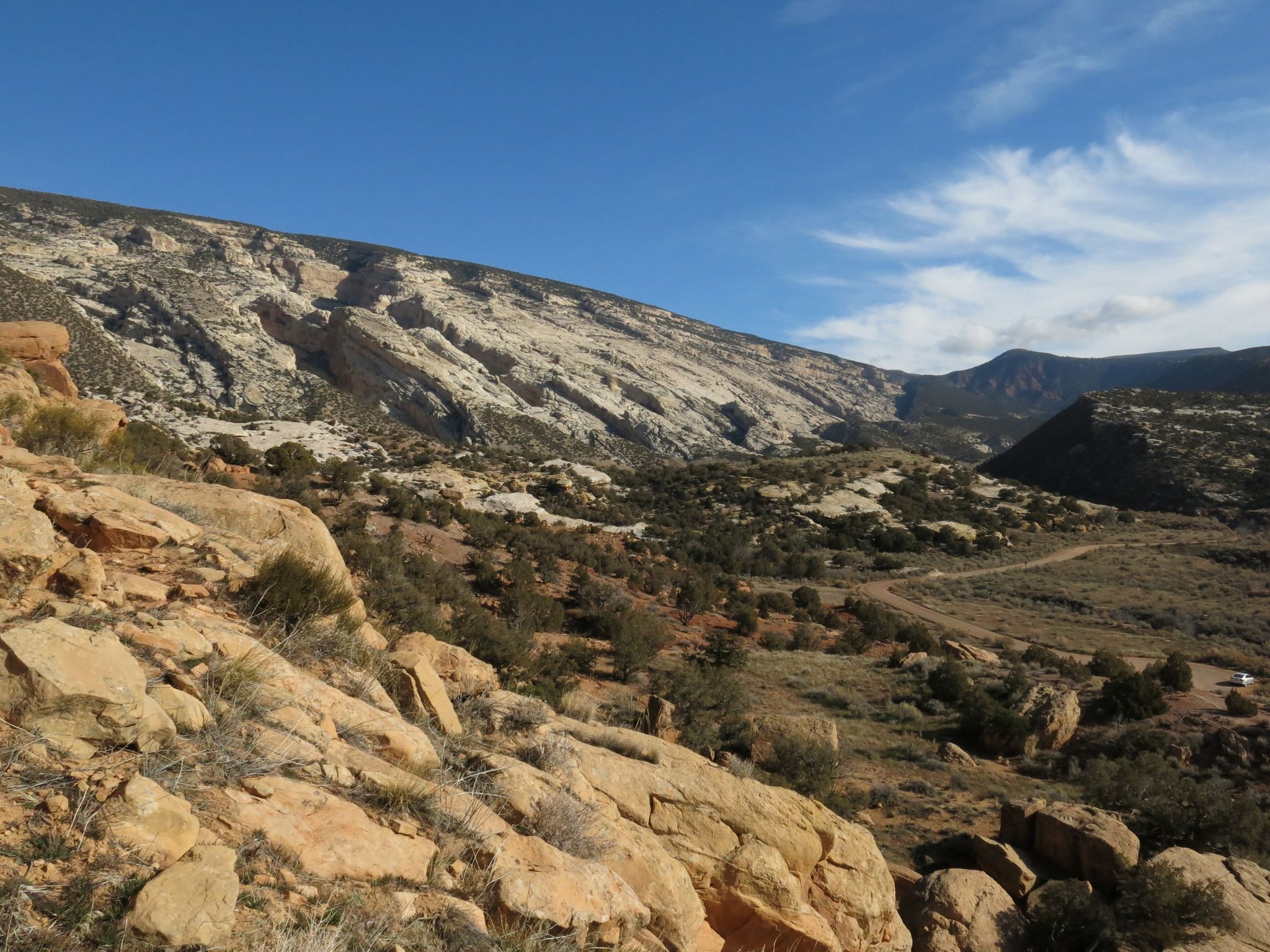
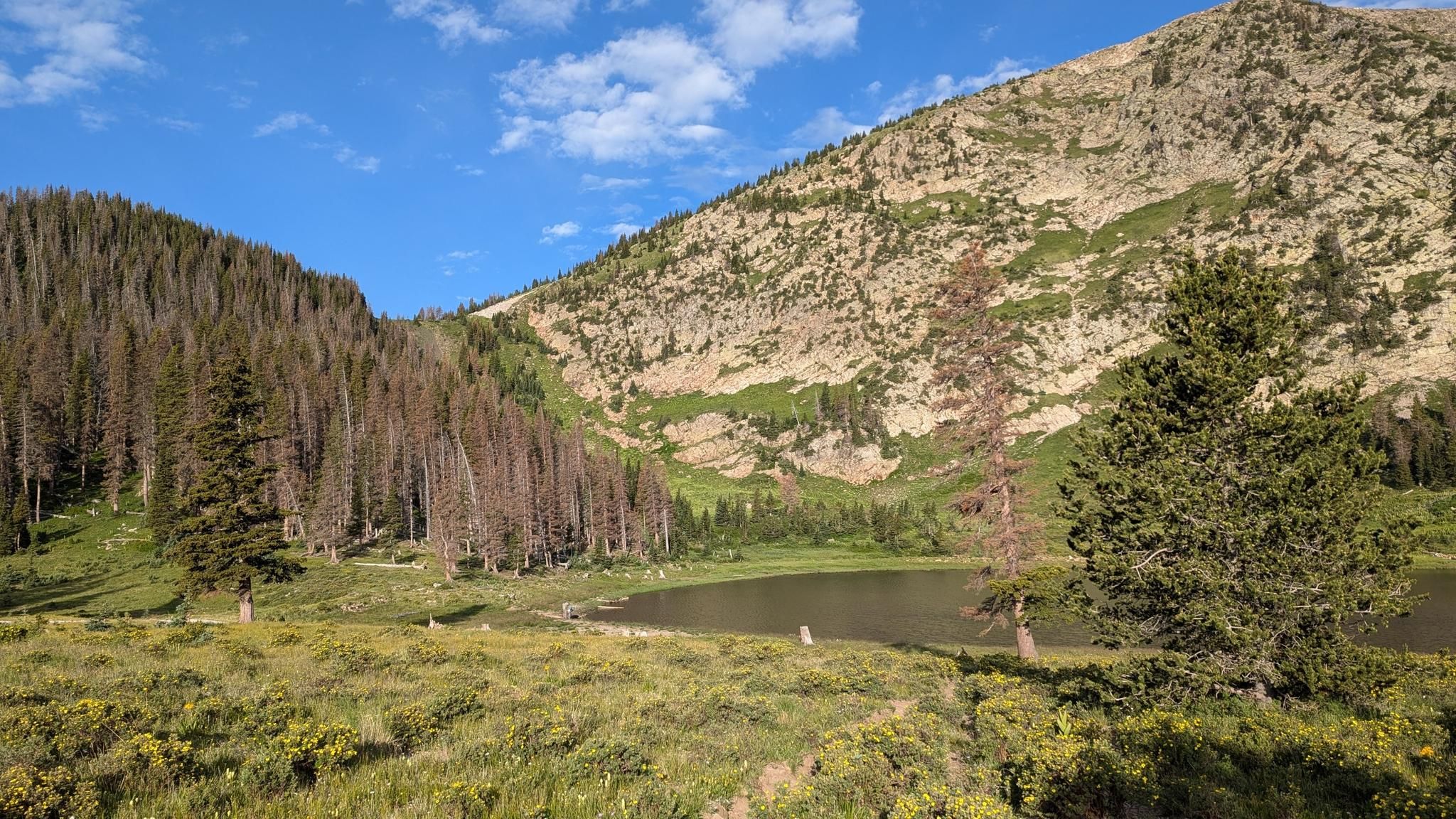
No traffic touring cycling routes in Santa Fe National Forest traverse a diverse landscape spanning 1.6 million acres with elevations ranging from 5,000 to 13,000 feet. The region is characterized by forested mountain slopes, valleys, and mesas, encompassing ecosystems from piñon-juniper high desert to ponderosa pine forests and alpine peaks. Headwaters of rivers like the Pecos, Jemez, and Gallinas are found here, alongside volcanic formations and deep river gorges.
Best no traffic touring cycling routes in Santa Fe National Forest
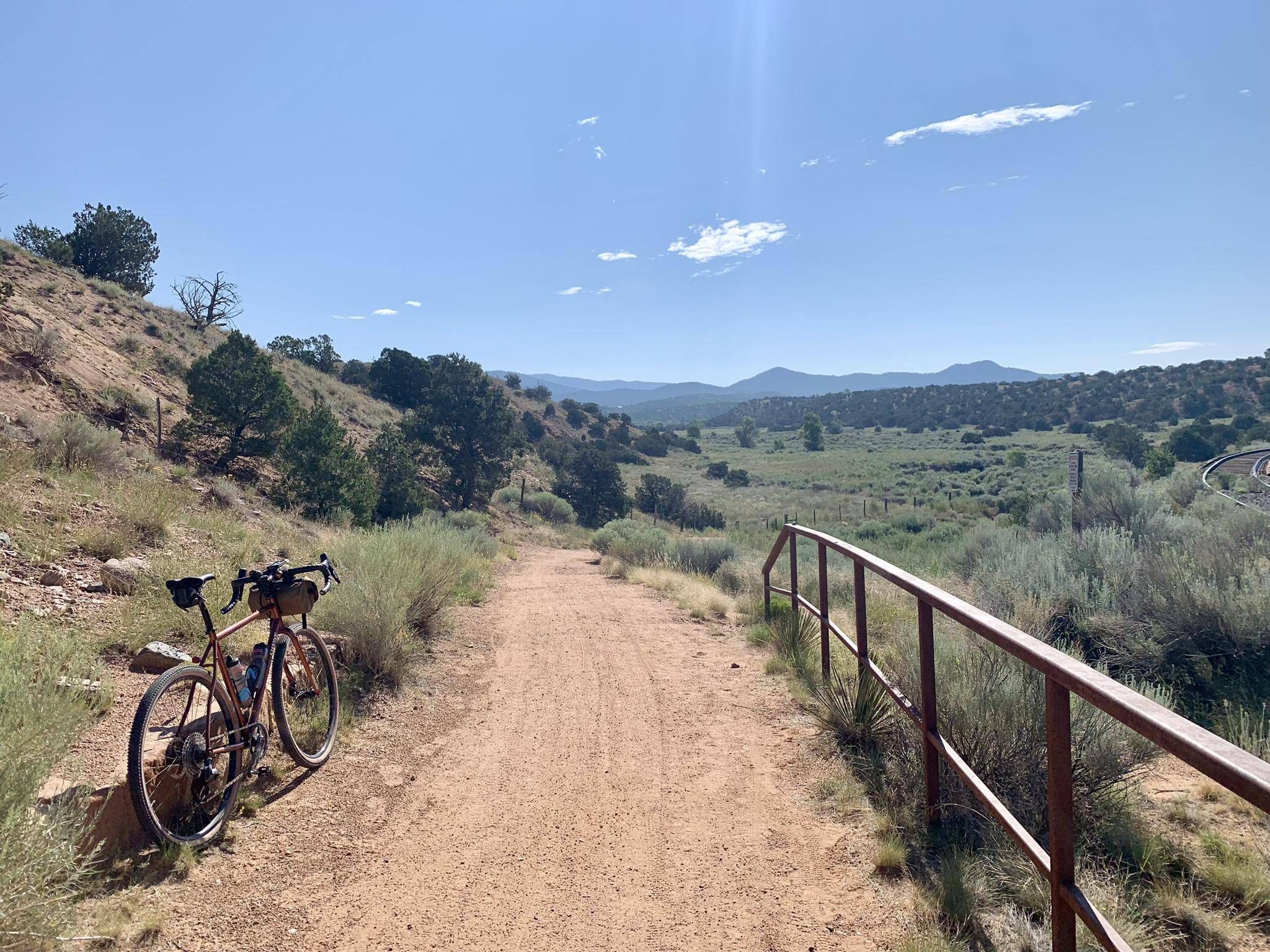
- The most popular no traffic touring cycling route is Santa Fe Plaza – Santa Fe Rail Trail loop from Zia Road, an easy 14.6 miles (23.6 km) trail that takes 1 hour 37 minutes to complete. This route offers a mix of paved and dirt surfaces through the high desert landscape.
- Another top favourite among local touring cyclists is Santa Fe Rail Trail – Old Santa Fe loop from La Loma Post Office, a moderate 21.6 miles (34.8 km) path. This route combines urban and natural scenery, featuring sections of the Santa Fe Rail Trail.
- Local touring cyclists also love the Tano Point – Old Santa Fe loop from Sierra del Norte Trailhead, a 32.1 miles (51.7 km) trail leading through varied terrain with significant elevation gain, often completed in about 3 hours 22 minutes.
- Touring cycling in Santa Fe National Forest is defined by forested mountain slopes, high desert landscapes, and river valleys. The network offers options for various ability levels, from easy loops to challenging multi-day routes.
- The routes in Santa Fe National Forest are highly rated by the komoot community with an average score of 4.2 stars from more than 9 reviews. More than 300 touring cyclists have used komoot to explore Santa Fe National Forest's varied terrain.
Last updated: May 27, 2026
3
riders
Hard bike ride. Very good fitness required. Mostly paved surfaces. Suitable for all skill levels.
5
riders
21.8km
02:07
440m
440m
Hard bike ride. Good fitness required. You may need to push your bike for some segments of this route.

Sign up for free
6
riders
51.1km
03:18
640m
640m
Hard bike ride. Very good fitness required. Mostly paved surfaces. Suitable for all skill levels.
4
riders
14.8km
00:56
140m
140m
Easy bike ride. Great for any fitness level. Mostly paved surfaces. Suitable for all skill levels.
14
riders
34.8km
02:28
250m
250m
Moderate bike ride. Good fitness required. Mostly paved surfaces. Suitable for all skill levels.
Get access to more routes and recommendations from other explorers.
Sign up for free
Already have an account?
Our route recommendations are based on thousands of hikes, rides, and runs completed by other people on komoot.
Start today with a free account
Your next adventure awaits.
Login or Signup
Popular around Santa Fe National Forest


Other adventures in Santa Fe National Forest


Tips from the Community

Santa Fe Plaza stands as the historic and cultural heart of Santa Fe. Founded in 1610, it’s one of the oldest continuously occupied public spaces in the United States. The Plaza was originally designed as the central square for the Spanish colonial Presidio, surrounded by residences, a chapel, and the seat of government. Over the centuries it evolved — welcoming trade caravans arriving along the historic Santa Fe Trail, serving as a gathering place for Indigenous, Spanish, Mexican, and later American communities, hosting centuries of civic, social, and cultural life. Today, the Plaza remains a lively public square ringed by adobe-style buildings, galleries, boutiques, and museums — including the Palace of the Governors, the oldest continuously occupied public building in the U.S. The plaza is also the official starting point for the Santa Fe to Taos thru-hike.
0
0

You get uninterrupted views across the red earth from the packed dirt path. Here the Santa Fe Rail Trail meets the Spur Trail.
0
0
Today the chapel is a wedding venue and museum, which you can visit for $5. It features a highly unique spiral staircase, which was built without a center pole such that the weight of all the stairs rests on the base step, and the staircase springs up and down like an accordion when faced with heavy vibrations. For the first ten years, it didn't even have a railing.
1
0
The Basilica was built in the late 1800s by Archbishop Jean Baptiste Lamy, 26 years before New Mexico even became a U.S. state. However the site is much older than that, as the current structure is built on the foundations of earlier churches dating all the way back to 1626.
1
0

Las Campanas is a community centered around a golf course, but the roads around it have been calling to cyclists since they were built. As such, this is a popular destination for road rides and the views around the loop are great.
0
0

Old Santa Fe is the historic downtown area. It's known for its mix of Naive Pueblo and Spanish Colonial styles of architecture and is an excellent mix of culture, history, shops, and views. It is also listed on the National Register of Historic Places.
0
0
This museum preserves and honors the legacy of one of the most significant artists of the 20th century, Georgia O'Keeffe. The museum includes work and personal items of Georgia O'Keeffe and rotates throughout the year.
0
0
Santa Fe is New Mexico's state capital and sits at almost 7,200 feet. The town is known for its' Pueblo-style architecture and its creative arts community. It's also one of the oldest cities in the USA, being founded in the early 1600's.
0
0
Frequently Asked Questions
How many no traffic touring cycling routes are available in Santa Fe National Forest?
Santa Fe National Forest offers over 60 dedicated no traffic touring cycling routes. These routes vary in difficulty, with 21 easy, 30 moderate, and 11 difficult options to explore.
What kind of terrain can I expect on no traffic touring cycling routes in Santa Fe National Forest?
You'll encounter a diverse range of terrain, from paved loops and gravel roads to multi-use trails. The forest spans elevations from 5,000 to 13,000 feet, offering routes through piñon- and juniper-studded high desert, ponderosa pine forests, and even alpine peaks with aspens. Some routes, like the Santa Fe Plaza – Santa Fe Rail Trail loop from Zia Road, feature a mix of paved and dirt surfaces.
Are there routes suitable for beginners or families looking for an easy ride?
Yes, there are 21 easy no traffic touring cycling routes in Santa Fe National Forest. These often include paved loops and less challenging trails. The Santa Fe Plaza – Santa Fe Rail Trail loop from Zia Road is an easy option, offering a pleasant ride with minimal elevation gain.
What is the best time of year for no traffic touring cycling in Santa Fe National Forest?
Spring and fall generally offer the most pleasant conditions for cycling, with mild temperatures and beautiful scenery. Summer can be warm, especially at lower elevations, but higher-altitude routes provide cooler escapes. Winter cycling is possible but requires appropriate gear due to snow and colder temperatures, particularly in the higher mountain ranges.
Are there any circular no traffic touring cycling routes?
Yes, many of the no traffic touring cycling routes in Santa Fe National Forest are designed as loops, allowing you to start and end at the same point. Examples include the Tano Point – Palace of the Governors loop from Archbishop Lamy's Chapel and the Pueblo Canyon view – Acid Canyon Trail loop from Los Alamos.
What natural features or landmarks can I see along no traffic touring cycling routes?
You can encounter a variety of natural and historical features. The forest is home to significant peaks, rivers like the Pecos and Jemez, and colorful volcanic formations. Highlights include McCauley Warm Spring, Ashley Pond Park, and Fenton Lake State Park. Historic routes like portions of the Santa Fe Trail also cross the forest.
Can I spot wildlife while cycling in Santa Fe National Forest?
Yes, the diverse ecosystems of Santa Fe National Forest provide opportunities to see wildlife. Cyclists might spot mule deer, elk, black bear, and various bird species, especially during quieter times of day or in less frequented areas. Always maintain a respectful distance and do not disturb animals.
Are there specific parking areas for these no traffic touring cycling routes?
Many routes have designated parking areas at their trailheads or starting points. For example, the Tano Point – Old Santa Fe loop starts from the Sierra del Norte Trailhead, which typically has parking available. It's always advisable to check specific route details for parking information before you go.
Are dogs allowed on the no traffic touring cycling routes?
Generally, dogs are allowed on trails within Santa Fe National Forest, but they must be kept on a leash. Always check specific trail regulations, especially in designated wilderness areas or sensitive wildlife habitats, as rules can vary. Please ensure you clean up after your pet.
Are there places to eat or find amenities near the routes?
While the routes themselves are often in natural settings, many are accessible from or pass near towns like Santa Fe or Los Alamos, where you can find cafes, restaurants, and other amenities. For instance, routes like the Santa Fe Rail Trail – Old Santa Fe loop are close to urban areas.
How long do these no traffic touring cycling routes typically take?
The duration varies significantly based on the route's distance and difficulty, as well as your cycling pace. Easy routes might take a couple of hours, while more challenging or longer routes, such as the 51 km Tano Point – Old Santa Fe loop, can take half a day or more. Always check the estimated duration provided for each specific route.
What do other touring cyclists enjoy about the no traffic routes in Santa Fe National Forest?
The area is highly rated by the komoot community, with an average score of 4.2 stars. Reviewers often praise the quiet, scenic beauty of the routes, the varied landscapes, and the opportunity to experience the natural environment away from vehicle traffic. The well-maintained trails and diverse options for all skill levels are also frequently highlighted.
Most popular routes in Santa Fe National Forest
Most popular attractions in Santa Fe National Forest

Get inspired with the komoot mobile app


Explore more
Browse the best Cycling routes in other regions.
