The best hikes from bus stations around Grado
4.4
(1044)
8,183
hikers
74
hikes
Hiking around Grado offers a diverse landscape, characterized by its unique position within the northernmost lagoon of the Adriatic Sea. The region features a blend of coastal paths, tranquil lagoon environments, and significant natural reserves such as the Riserva Naturale Regionale della Valle Cavanata. These areas provide varied terrain, from flat coastal walks and marshlands to woodlands, with views of the Adriatic Sea.
Best bus station hiking trails around Grado
- The most popular bus station hiking route is Guanga Waterfalls…
Last updated: June 23, 2026
4.8
(4)
22
hikers
10.5km
03:13
350m
340m
Moderate hike. Good fitness required. Easily-accessible paths. Suitable for all skill levels.
16
hikers
28.5km
08:20
720m
720m
Hard hike. Very good fitness required. Easily-accessible paths. Suitable for all skill levels.

Sign up for free
5.0
(1)
14
hikers
11.6km
03:39
460m
460m
Moderate hike. Good fitness required. Easily-accessible paths. Suitable for all skill levels.
1
hikers
15.4km
05:24
840m
840m
Hard hike. Very good fitness required. Easily-accessible paths. Suitable for all skill levels.
5.0
(1)
11
hikers
12.0km
03:16
180m
180m
Moderate hike. Good fitness required. Easily-accessible paths. Suitable for all skill levels.
Get access to more routes and recommendations from other explorers.
Sign up for free
Already have an account?
Our route recommendations are based on thousands of hikes, rides, and runs completed by other people on komoot.
Start today with a free account
Your next adventure awaits.
Login or Signup
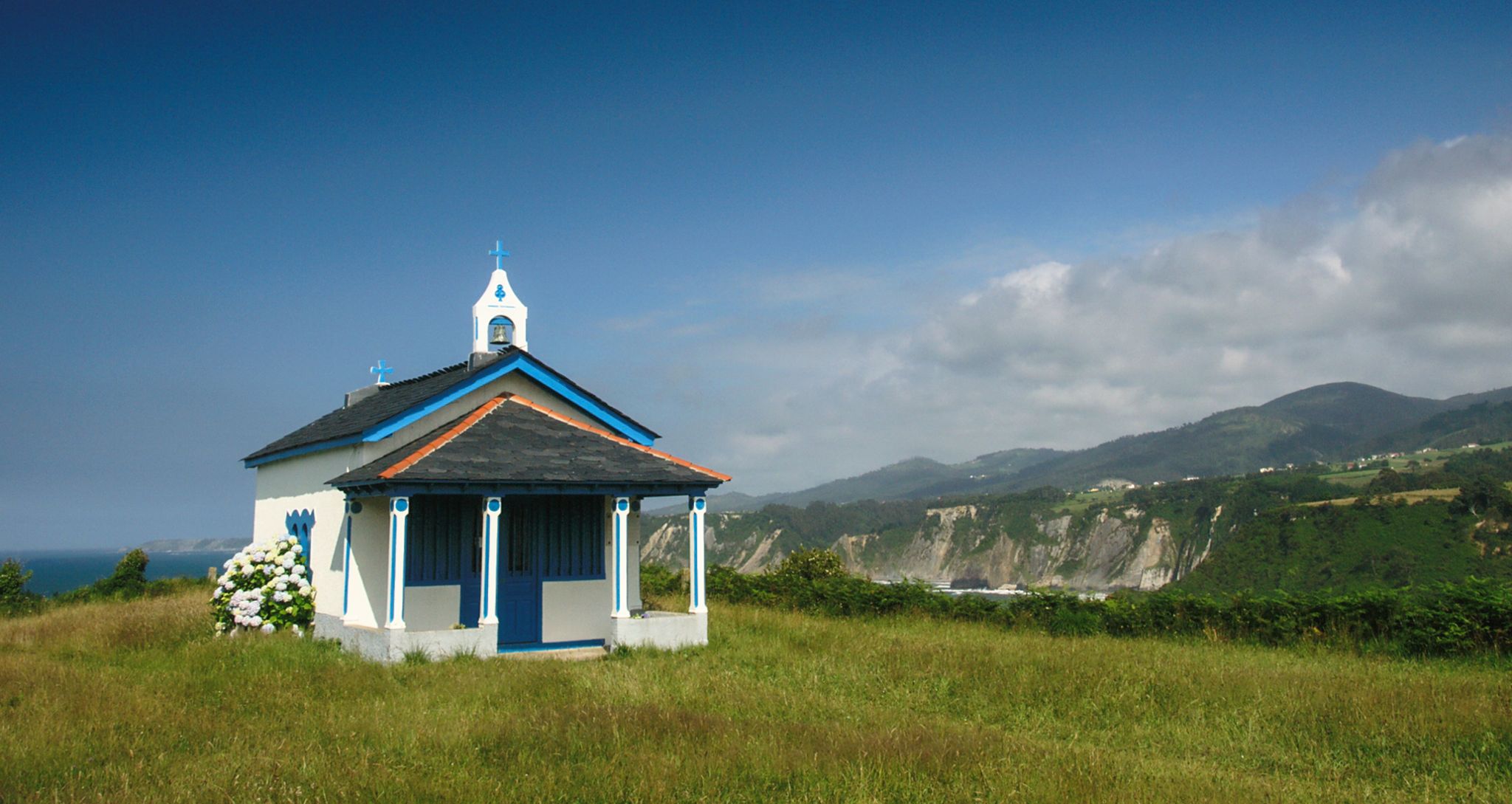
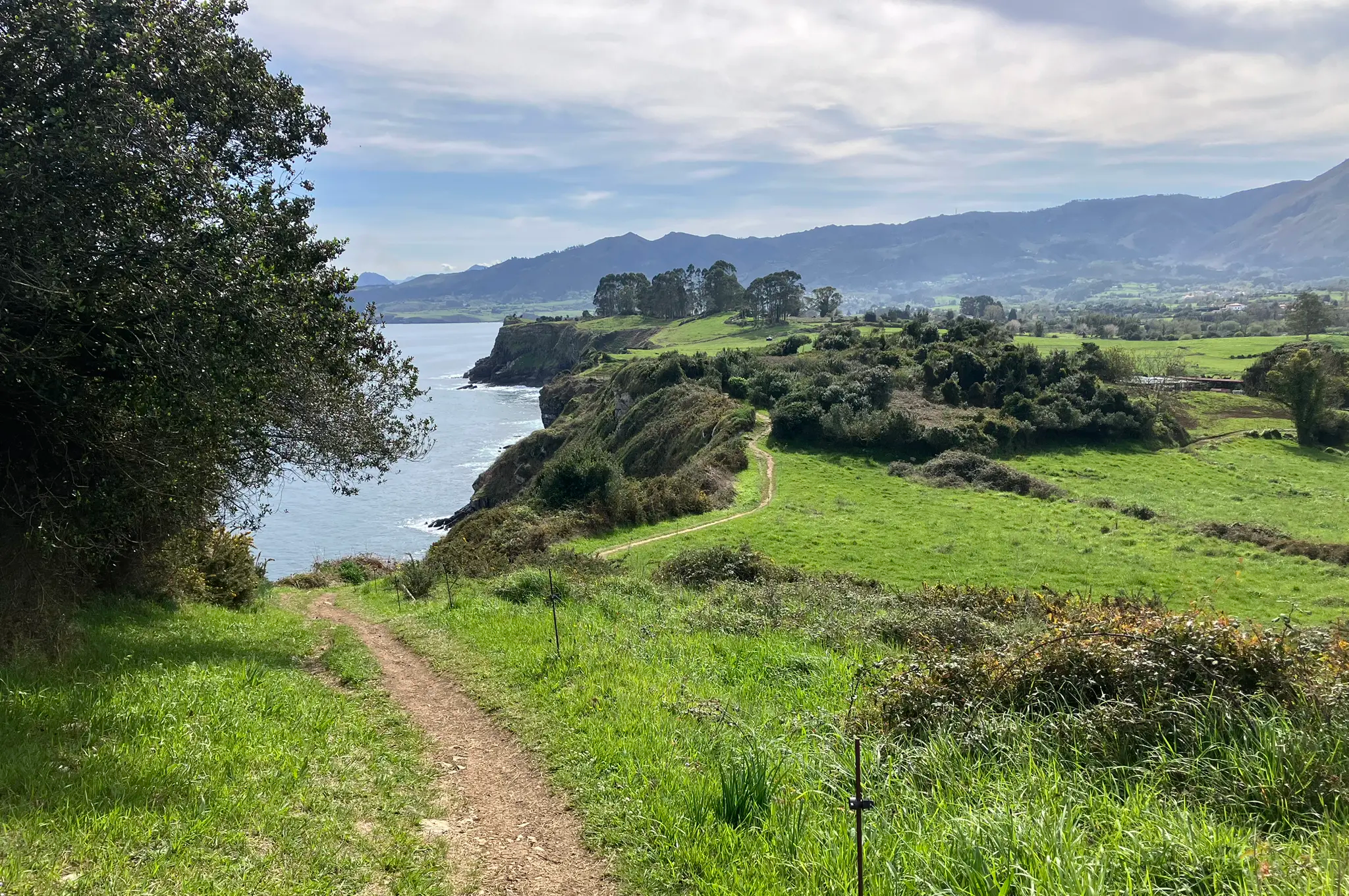
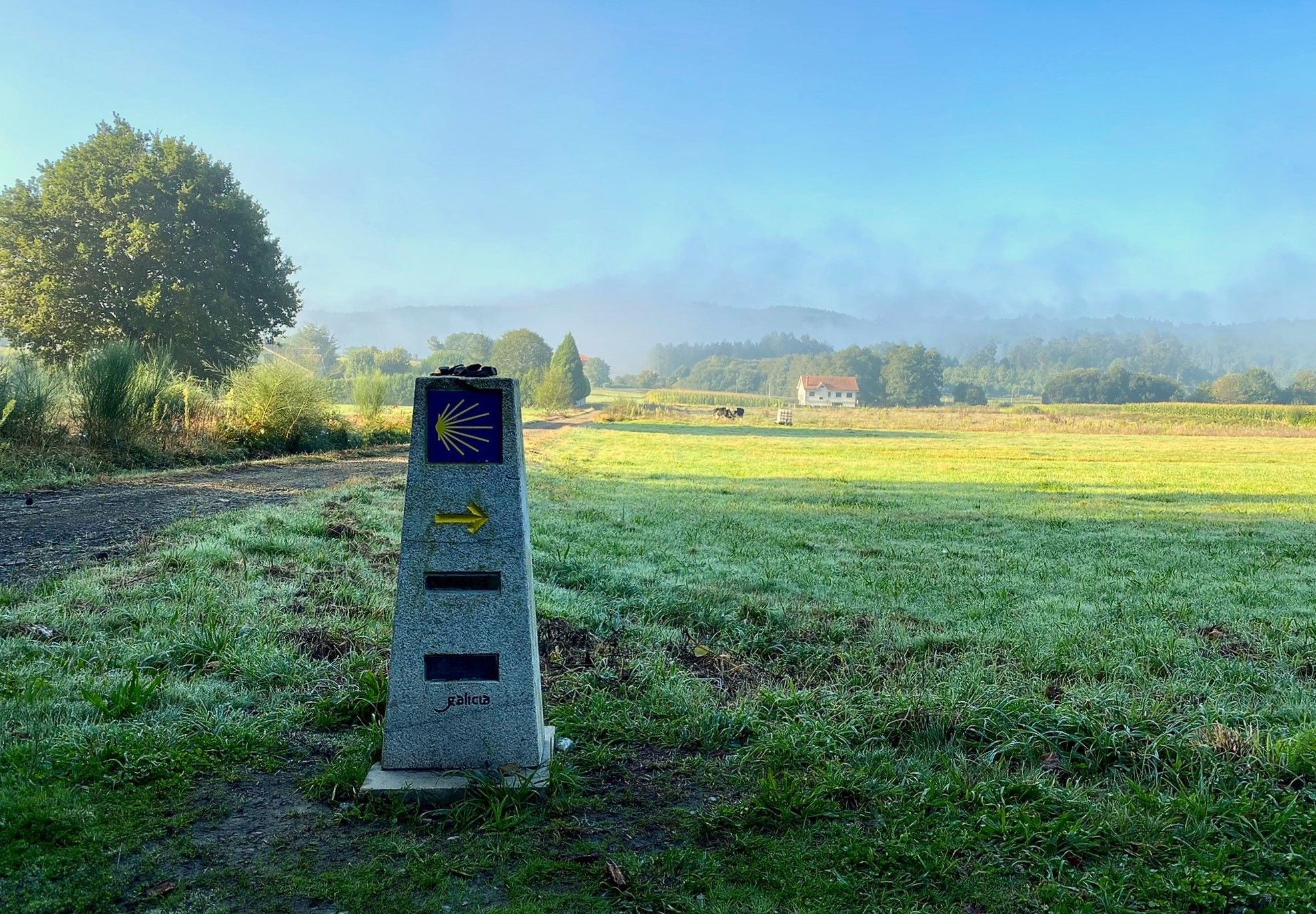
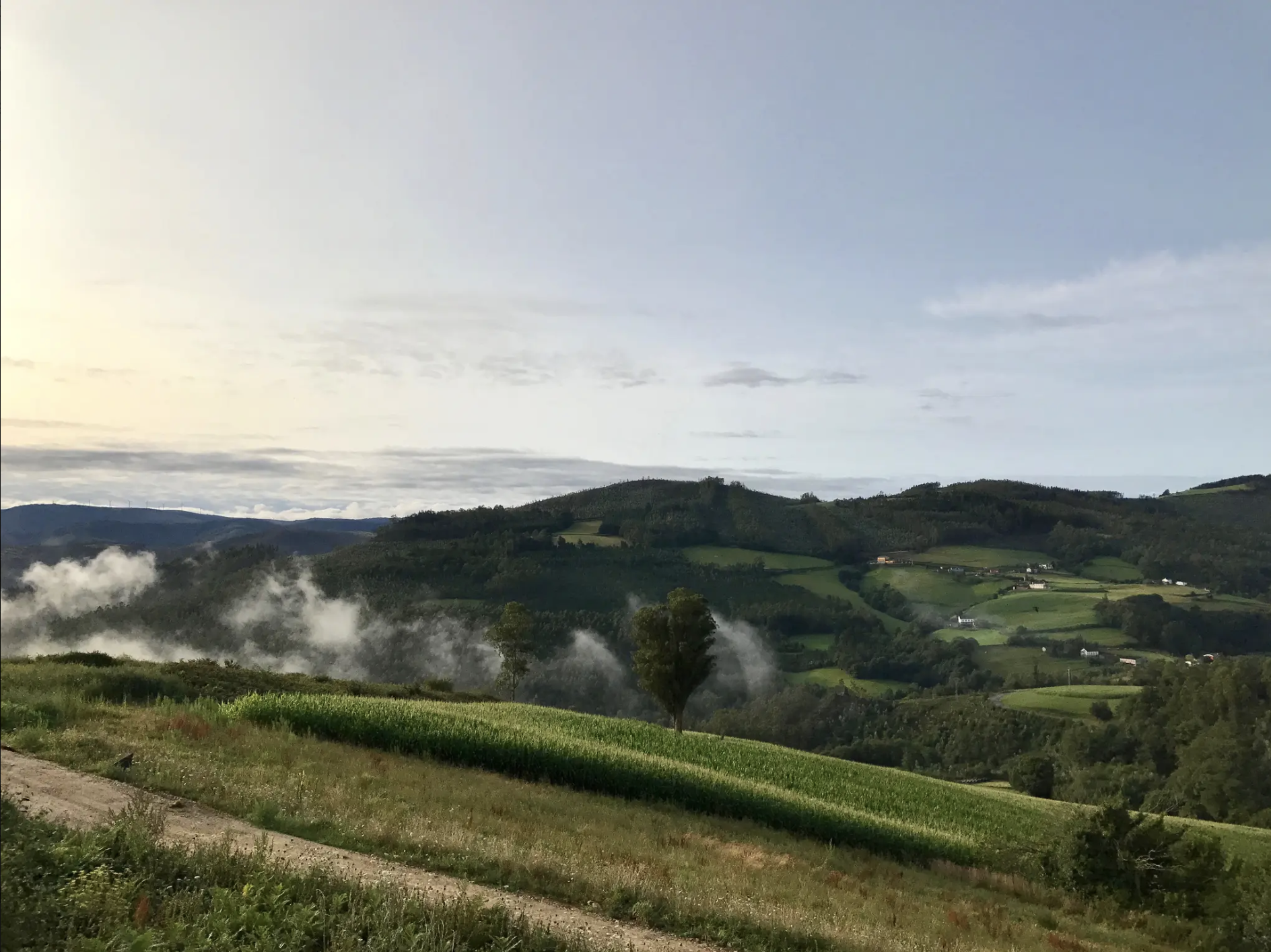
Other adventures around Grado


Tips from the Community

A very cute little place where you can fortify yourself with coffee, boccadillos and cold drinks.
0
0

You can park your car here if you're heading into the Las Xanas Gorge. Alternatively, you can continue uphill for another 500 meters and park there (there are 3-4 spaces), saving yourself 50 meters of ascent and descent. It's still steep enough!
0
0
The descent via Dosango (as an alternative to the path through the Las Xanas Gorge) has a steep gradient throughout and can be very slippery in wet weather.
0
1
From this point you can enjoy a beautiful view of Pedroveya from Dosango
2
0
Casa Generosa in Pedroveya is a rustic mountain inn where you can enjoy affordable local cuisine and cider. Closed on Wednesdays!
2
0
In reality, you can see the Trubia Valley from the Desfiladero de las Xanas
1
0
The mountain path along the edge of the "Nymphs' Gorge" (Desfiladero de las Xanas) leads through several tunnels. These represent preparatory work from the 1930s for a road that was ultimately never built.
2
0

I reached the summit during a long hike on the Camino del Norte. After a day of rain, the southeastern ascent was waterlogged almost all the way to the summit, so it's best to wear hiking boots rather than running shoes.
0
0
Frequently Asked Questions
How many bus station hiking trails are available around Grado?
There are over 70 hiking trails around Grado that are easily accessible from bus stations. These routes cater to various fitness levels, with 29 easy, 32 moderate, and 13 difficult options.
Are there easy bus-accessible hikes suitable for beginners or families in Grado?
Yes, Grado offers several easy bus-accessible hikes perfect for beginners or families. For a pleasant coastal experience, consider the Cudillero Tunnel – Cudillero loop from Cudillero, which is an easy 2.9 km route. The region's coastal paths and nature reserves like Valle Cavanata also provide gentle terrain and scenic views.
What kind of landscapes can I expect on bus-accessible hikes around Grado?
Hikes around Grado offer a diverse range of landscapes. You can explore coastal and lagoon environments with views of the Adriatic Sea, tranquil waterways, and traditional fishermen's houses. The region also features rich biodiversity within nature reserves like the Riserva Naturale Regionale della Valle Cavanata and the Riserva Naturale Regionale Foce dell'Isonzo, which include salt marshes, woodlands, and extensive wetlands.
Are there any circular bus-accessible routes in Grado?
Yes, many bus-accessible routes in Grado are circular, allowing you to start and end at the same point, often near a bus stop. An example of a moderate circular route is the View from Paradiella Summit loop from Arcayana, offering rewarding views.
Can I spot wildlife on bus-accessible trails near Grado?
Grado's nature reserves are excellent for wildlife spotting. The Riserva Naturale Regionale della Valle Cavanata and the Riserva Naturale Regionale Foce dell'Isonzo are internationally recognized birdwatching areas, home to species like gulls, ducks, sea swallows, and grey herons. You might even see Camargue horses roaming freely in the Foce dell'Isonzo Reserve. Observation hides are available along many trails to enhance your viewing experience.
What are some interesting landmarks or attractions I can see along bus-accessible hiking trails?
Along your bus-accessible hikes, you can discover various points of interest. Consider visiting historical sites like Castillo de San Martín or the Selgas Palace and the Jesús Nazareno Church‑Pantheon. For natural beauty, the Beach of Silence and the Vidio Lighthouse offer stunning coastal views.
Are there any trails with waterfalls accessible by bus in the Grado area?
Yes, you can find trails featuring waterfalls accessible by bus. For example, the Guanga Waterfalls loop from San Andrés is a moderate route that includes waterfall views. Another option is the more challenging Guanga Waterfalls – Guanga Waterfalls loop from San Andrés. Additionally, the Nonaya Waterfall is a notable natural monument in the region.
What do other hikers enjoy most about hiking from bus stations in Grado?
The komoot community highly rates hiking in Grado, with an average score of 4.4 stars from nearly 1000 ratings. Hikers often praise the region's diverse scenery, from tranquil lagoons to coastal paths, and the convenience of accessing trails directly from public transport. The well-maintained paths within the nature reserves and the abundant wildlife spotting opportunities are also frequently highlighted.
Are there any longer or more challenging bus-accessible hikes for experienced hikers?
Experienced hikers looking for a challenge will find options accessible by bus. The Pedroveya – View of Pedroveya from Dosango loop from Trubia is a difficult 28.5 km route with significant elevation gain. The region also serves as a starting point for the Cammino Celeste, a 210 km pilgrimage route that extends into the Julian Alps, offering diverse and demanding terrain.
What is the best time of year for bus-accessible hiking in Grado?
Grado offers pleasant hiking conditions for much of the year. Spring and autumn provide mild temperatures, ideal for exploring the coastal paths and nature reserves without the summer heat. Even in winter, the coastal and lagoon areas can be beautiful for walks, though some higher-elevation routes might require more preparation. Summer is great for early morning or late afternoon hikes to avoid the midday sun.
Are there any specific considerations for hiking in the Grado Lagoon area?
When hiking in the Grado Lagoon, be mindful of the unique environment. Paths often run along the coast or through wetlands, so appropriate footwear is recommended. The lagoon is a significant natural oasis, so respecting wildlife and staying on marked trails is important. Information centers at reserves like Valle Cavanata can provide local tips and maps.
Most popular routes around Grado
Most popular attractions around Grado

Get inspired with the komoot mobile app


Explore more
Browse the best Hikes in other regions.
