The best hikes from bus stations around Cuenca Pamplona
4.4
(1484)
10,413
hikers
344
hikes
Bus station hiking trails around Cuenca Pamplona traverse diverse landscapes, from the dramatic karstic formations and deep river gorges of Cuenca to the rolling hills and Pyrenean foothills surrounding Pamplona. The region features extensive natural parks with unique geological sites, dense forests, and river valleys. Hikers can explore areas characterized by limestone cliffs, semi-desert terrain, and lush beech and oak woodlands. This varied topography provides a range of environments for outdoor activities.
Best bus station hiking trails around Cuenca Pamplona
- The most popular bus station hiking route is Arnotegi Hermitage Loop from Puente la Reina, a 4.0 miles (6.4 km) trail that takes 1 hour 50 minutes to complete. This easy route offers views of the scenic countryside around Puente la Reina.
- Another top favourite among local hikers is Obanos-Puente la Reina – circular via the Camino Frances, an easy 4.1 miles (6.6 km) path. This trail follows historical pilgrimage routes, offering a blend of cultural and natural scenery.
- Local hikers also love the Muruzabal-Arnotegi – circular via the Camino Frances, a 6.3 miles (10.2 km) trail leading through rolling hills and rural landscapes, often completed in about 2 hours 53 minutes.
- Hiking around Cuenca Pamplona is defined by karstic formations, river gorges, and dense forests. The network offers options for different ability levels, from easy riverside paths to more challenging ascents.
- The routes in Cuenca Pamplona are highly rated by the komoot community with an average score of 4.4 stars from over 1,400 reviews. More than 10,000 hikers have used komoot to explore Cuenca Pamplona's varied terrain.
Last updated: May 26, 2026
4.3
(7)
18
hikers
6.36km
01:51
170m
170m
Hike the easy 3.9-mile Route of the Forts from Puente la Reina/Gares, exploring historical strongholds and enjoying panoramic views.
5.0
(3)
9
hikers
6.64km
01:47
90m
80m
Easy hike. Great for any fitness level. Easily-accessible paths. Suitable for all skill levels.

Sign up for free
1.0
(1)
8
hikers
10.2km
02:53
230m
230m
Moderate hike. Good fitness required. Mostly accessible paths. Sure-footedness required.
4.5
(25)
216
hikers
24.2km
06:50
520m
520m
Hard hike. Very good fitness required. Easily-accessible paths. Suitable for all skill levels.
4.6
(8)
100
hikers
19.8km
05:29
350m
350m
Hard hike. Very good fitness required. Easily-accessible paths. Suitable for all skill levels.
Get access to more routes and recommendations from other explorers.
Sign up for free
Already have an account?
Our route recommendations are based on thousands of hikes, rides, and runs completed by other people on komoot.
Start today with a free account
Your next adventure awaits.
Login or Signup
Popular around Cuenca Pamplona
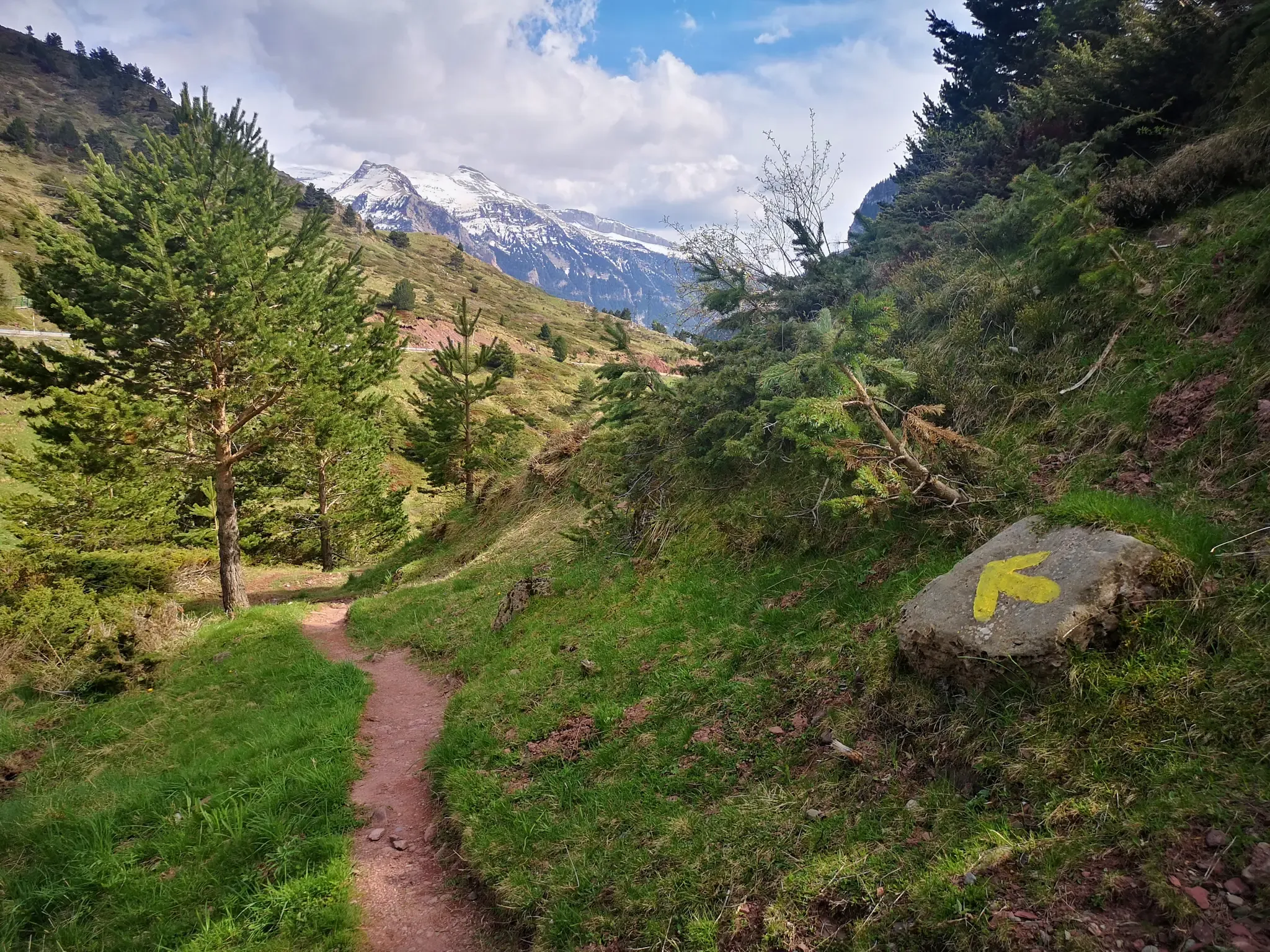
The great forgotten Jacobean pilgrimage – the Aragonese Way
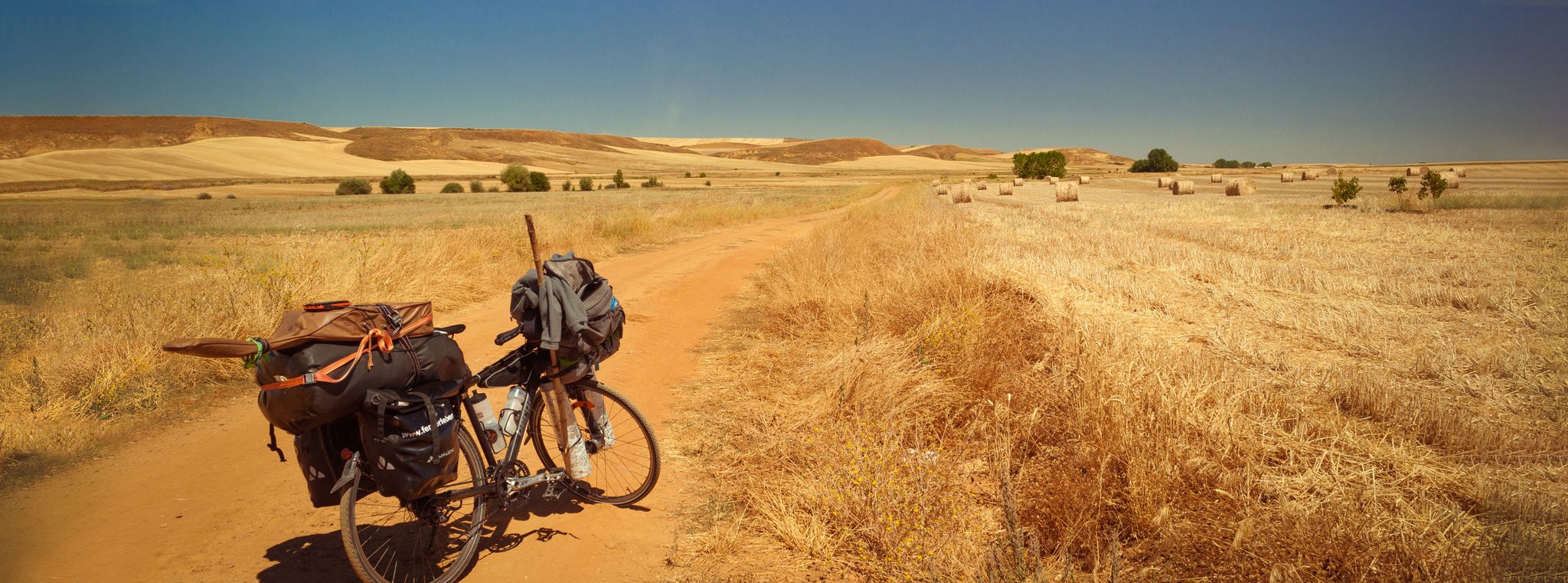
Camino Francés and Camino Finisterre – Cycling pilgrimages in Spain
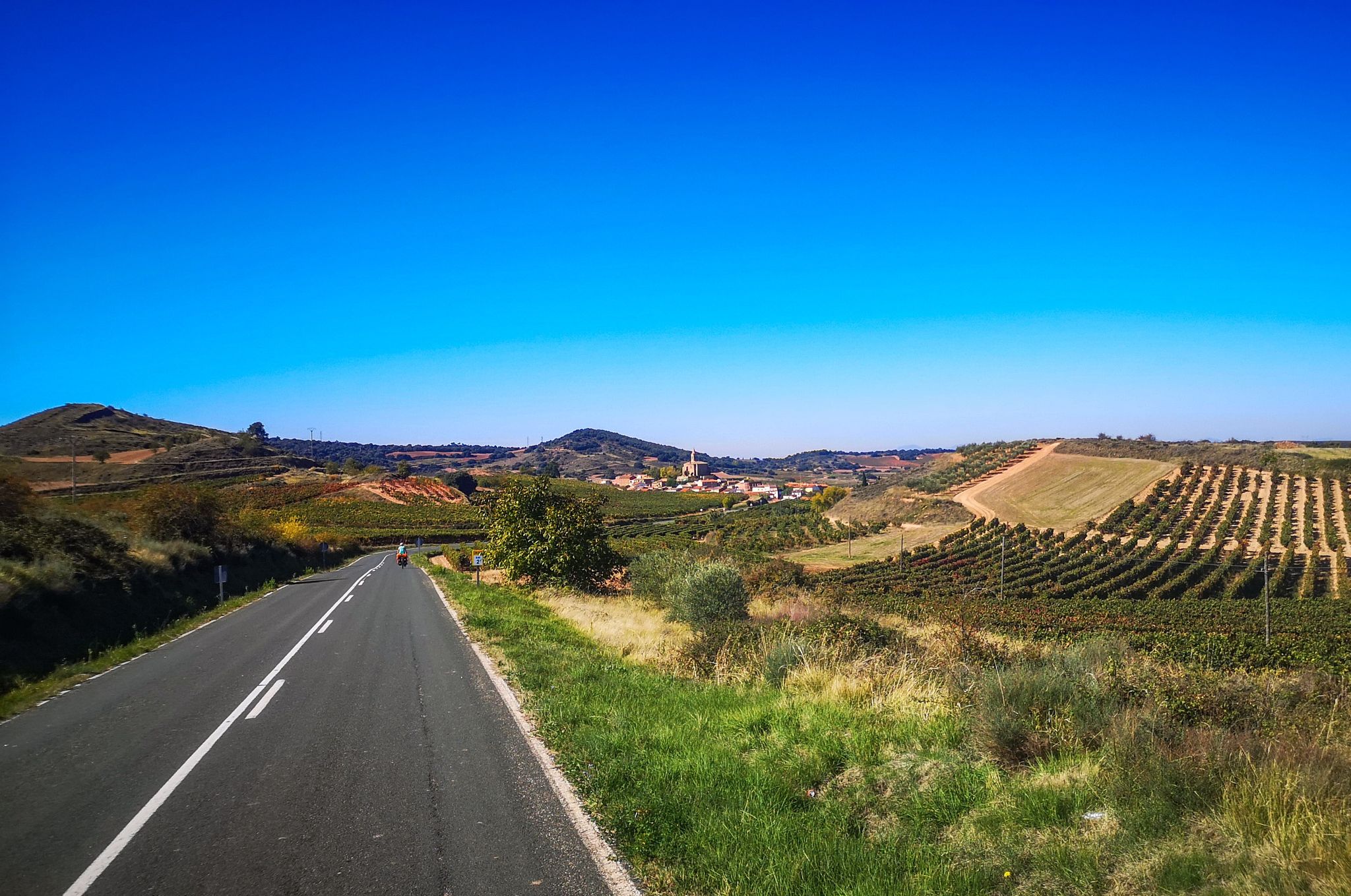
Santiago de Compostela – A journey through northern Spain (10 days)
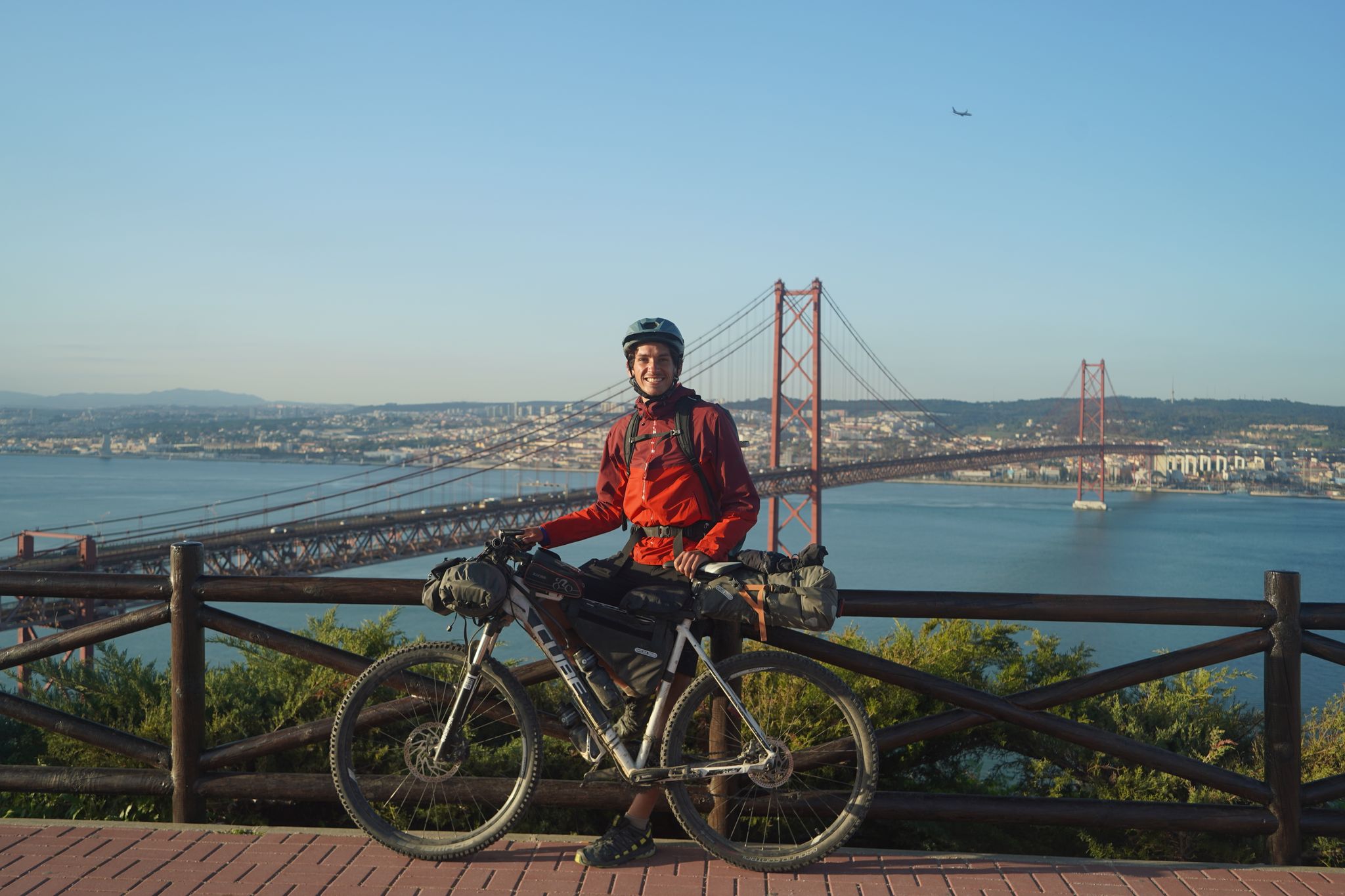
Road to Lisbon – bikepacking the Alps, Pyrenees and Picos de Europa
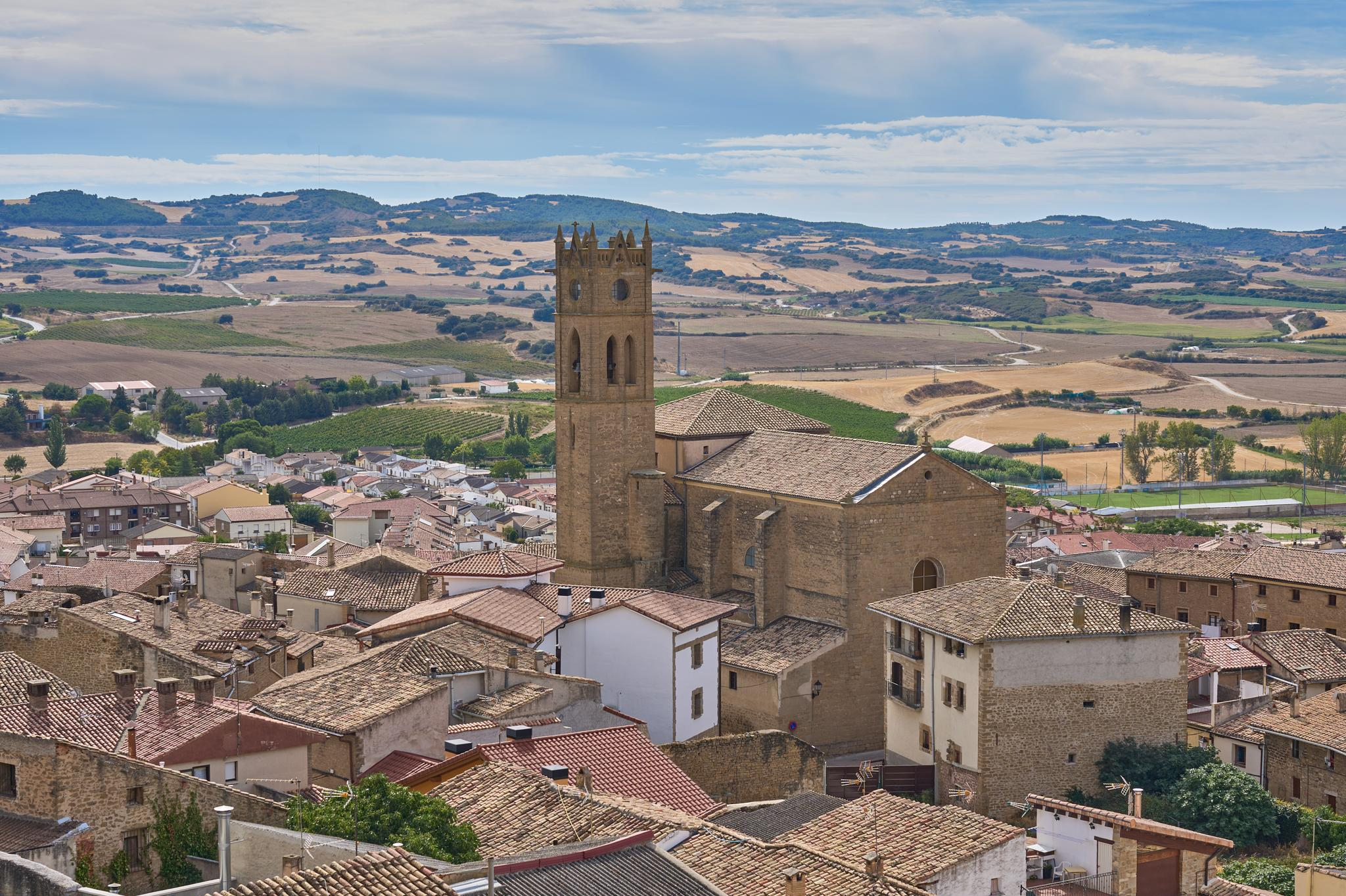
Path of the Templars — Path of the True Cross (GR 250)
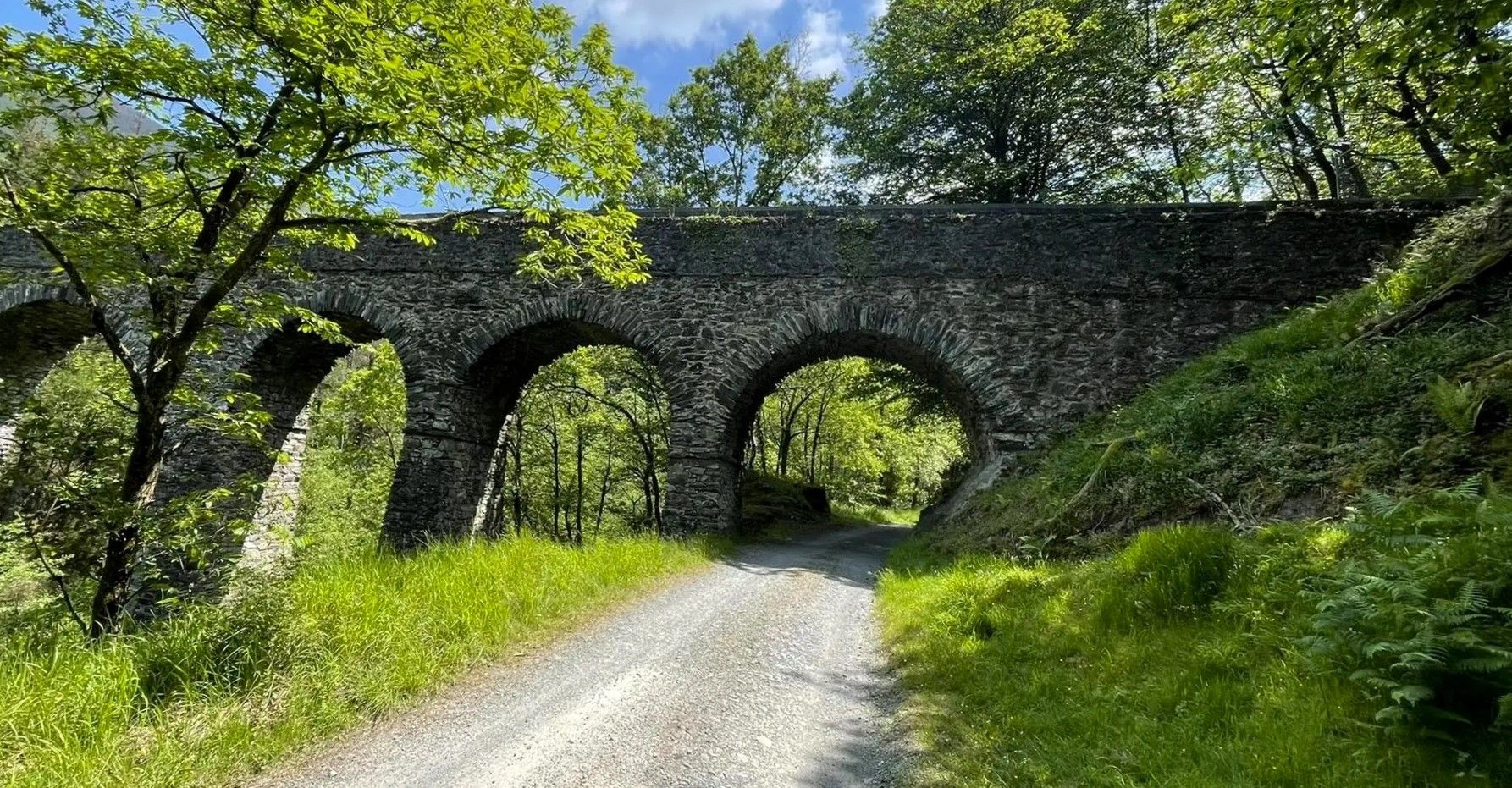
A magical bike Tour in Spain’s Basque Country – Plazaola Greenway
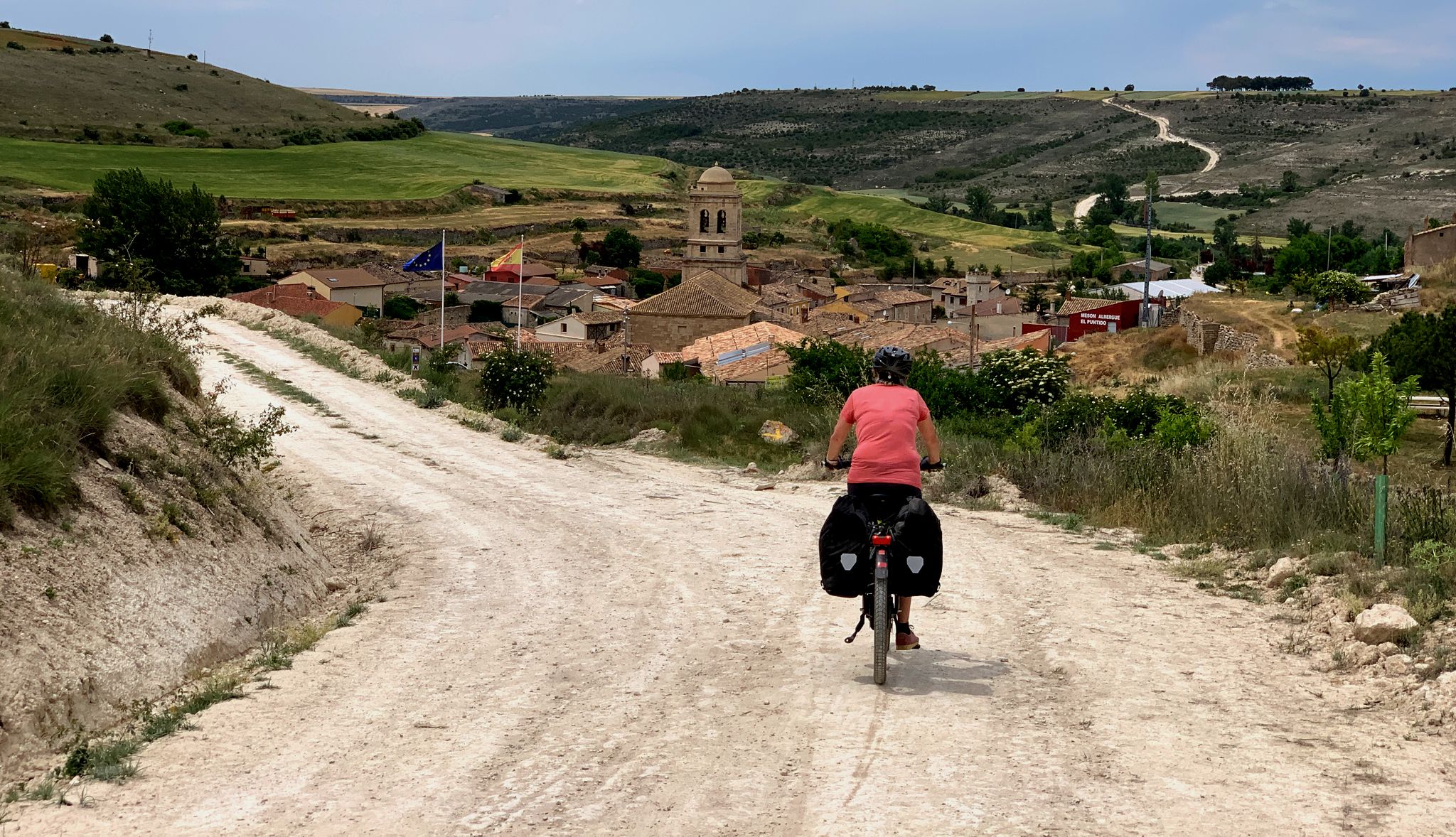
The Pilgrim Route — EuroVelo 3 through Spain
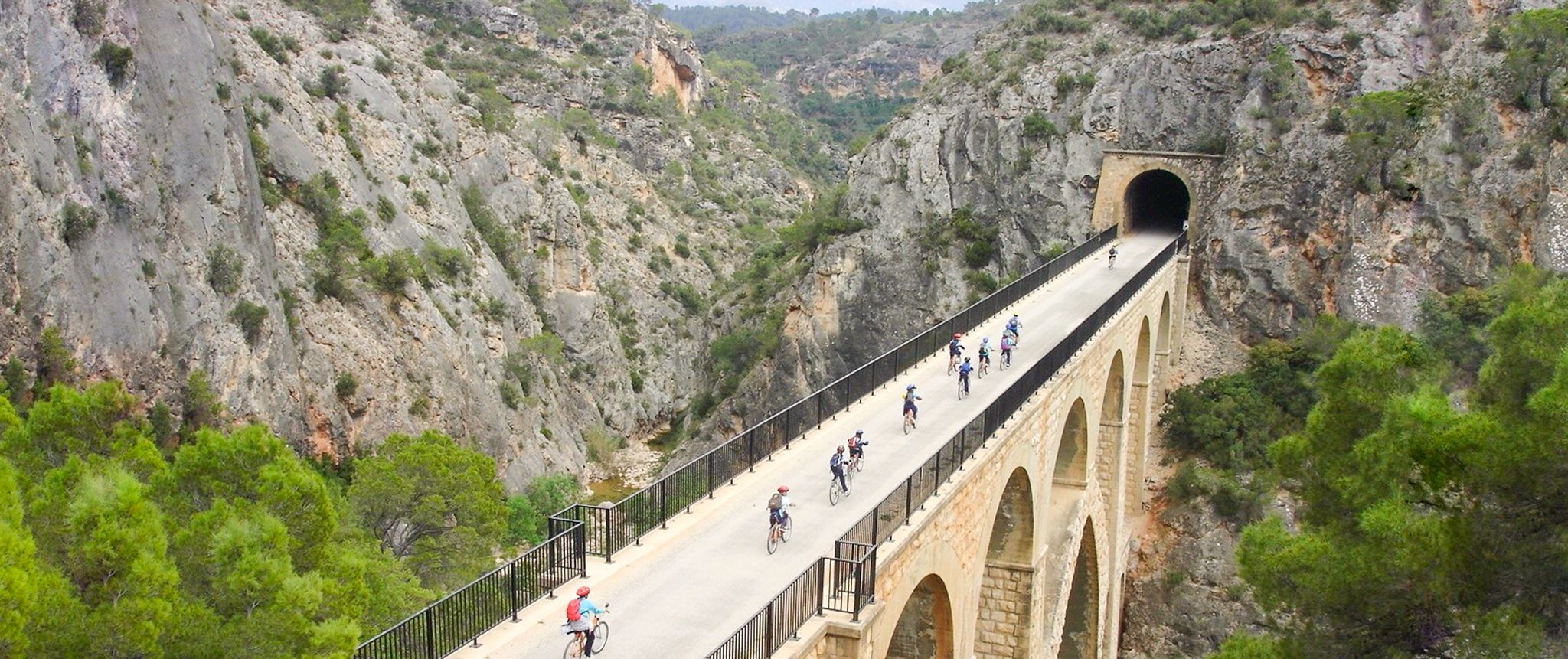
Vías Verdes – traffic-free cycling along railway history in Spain
Other adventures around Cuenca Pamplona


Tips from the Community

Rest area for pilgrims leaving Pamplona, in the town of Cendea de Galar. There are tables and benches, and a roof for shelter from the sun or rain. There is no water fountain.
0
0

The Church of Santiago is the main Catholic parish church of Punte la Reina in Navarre, Spain. It is a late Gothic building from the 16th century that preserves traces and elements of the original Romanesque temple from the 12th century.
0
0

The church of the Order of Malta. Looks like a knight's castle. Inside the church there are also several knight's flags. Nice view back to Pamplona
0
0

The parish church Iglesia de Santiago (see map) is the oldest church in the city, and construction began in the 12th century. Worth seeing is the wooden statue depicting Santiago as a pilgrim with a staff and scallop shell, as well as the Romanesque main portal, which shows scenes from the story of creation. There is also a beautiful wooden floor here that immediately caught my eye.
0
0

Santa María de Eunate is a Romanesque church on the Aragonese branch of the Way of St. James in Navarre. The church was built at the end of the 12th century in the Romanesque style with Mozarabic influences. The octagonal design is a reference to the Templars. There used to be a hospice here that belonged to the Order of St. John and today it is a hostel for pilgrims.
0
0

The Iglesia del Crucifijo in Puente la Reina is a fascinating historical monument deeply rooted in the history of the Camino de Santiago. Originally built in the 12th century by the Knights Templar, the church was later taken over by the Order of St. John of Jerusalem. The church consists of two different naves: a Romanesque one from the 12th century and a Gothic one that was added later. What makes this church really special is the impressive Gothic crucifix in the shape of a “Y”, one of the most remarkable Gothic sculptures in Spain.
2
0
The Church of San Juan Bautista in Obanos, located in the Plaza de los Fueros, is a beautiful example of neo-Gothic architecture. Built in 1912, this church exudes an impressive historical charm. The church’s façade features a portico and a square tower, which contribute to the building’s majestic appearance. Inside, the church exudes a serene and sacred atmosphere, with beautiful stained glass windows and detailed decorations that reflect the church’s rich history.
1
0

This room allows every pilgrim to write down intercessions and prayers to place at the Jesus statue or write them in the prayer book. A simple, beautiful room that has preserved much of the old spirituality. Pilgrim station.
1
1
Frequently Asked Questions
How many bus station accessible hiking trails are available around Cuenca Pamplona?
There are over 340 hiking trails accessible from bus stations around Cuenca Pamplona. These routes offer a wide range of experiences, from easy strolls to more challenging treks, catering to various fitness levels.
Are there easy hiking trails accessible by bus for beginners or families?
Yes, you'll find over 130 easy hiking trails that are perfect for beginners or families. A great option is the Arnotegi Hermitage Loop from Puente la Reina, which offers a pleasant walk with manageable elevation changes. Another family-friendly choice is the Obanos-Puente la Reina – circular via the Camino Frances, providing an accessible way to experience a section of the famous pilgrimage route.
What kind of landscapes can I expect on these bus-accessible hikes?
The region offers a diverse range of landscapes. Around Cuenca, you'll encounter dramatic karstic formations, deep river gorges like the Hoces del Júcar and Huécar, and lush areas such as the Source of the Cuervo River with its impressive waterfalls. Near Pamplona, trails often feature urban green spaces along the Arga River, rolling hills, and access to the foothills of the Pyrenees, including parts of the vast Irati Forest.
Are there any circular hiking routes available from bus stations?
Yes, many of the bus-accessible routes are circular, allowing you to start and end your hike at the same point, often conveniently near a bus stop. Examples include the Arnotegi Hermitage Loop from Puente la Reina and the Obanos-Puente la Reina – circular via the Camino Frances, both offering convenient loops.
What interesting landmarks or attractions can I see along these trails?
Many trails pass by significant landmarks. You can visit the Pilgrim Monument at Alto del Perdón, the historic Puente la Reina Romanesque Bridge, or the impressive Pamplona Cathedral and the Citadel. Other notable sights include the Portal de Francia and the beautiful Church of Saint John the Baptist in Obanos.
Are there any trails that offer great viewpoints?
Absolutely. The region is known for its stunning vistas. In Cuenca, the Ventano del Diablo offers breathtaking panoramic views of the Júcar River canyon. Near Pamplona, the St. Andrew's Church – Alto del Perdón Memorial Cross loop from Cizur and the Alto del Perdón Memorial Cross – St. Andrew's Church loop from Pamplona provide excellent opportunities to reach elevated points with expansive views of the surrounding landscapes.
Can I spot any wildlife while hiking near Cuenca Pamplona?
Yes, the natural parks and protected areas around both Cuenca and Pamplona are rich in wildlife. In the Serranía de Cuenca, you might spot griffon vultures, Iberian ibex, deer, and various bird species like golden eagles. The Irati Forest near Pamplona is home to diverse fauna, making it a great spot for nature observation.
What do other hikers enjoy most about hiking in Cuenca Pamplona?
The area is highly rated by the komoot community, with an average score of 4.4 stars. Reviewers often praise the diverse landscapes, from the unique karstic formations of Cuenca to the lush forests and river paths around Pamplona. The accessibility of trails from bus stations and the well-marked paths are also frequently highlighted.
Are there any trails that pass by lakes or waterfalls?
Yes, you can find trails that lead to beautiful water features. The Source of the Cuervo River near Cuenca is famous for its impressive waterfalls. Around Pamplona, you might encounter highlights like the Yamaguchi Park Waterfall and Pond, or tranquil spots like Ezkoriz Pond and Balsa de Ezkoriz (Balsa de Zolina).
Are there any challenging routes accessible by bus for experienced hikers?
For experienced hikers seeking a challenge, there are 17 difficult routes available. The St. Andrew's Church – Alto del Perdón Memorial Cross loop from Cizur is a demanding option, covering a significant distance and elevation. Another challenging route is the Alto del Perdón Memorial Cross – St. Andrew's Church loop from Pamplona, offering a strenuous but rewarding experience with panoramic views.
What is the best time of year to go hiking from bus stations in Cuenca Pamplona?
Spring and autumn are generally considered the best times for hiking in both Cuenca and Pamplona. The weather is milder, and the landscapes are vibrant with spring blooms or autumn colors. Summer can be hot, especially in Cuenca's more exposed areas, while winter can bring colder temperatures and occasional snow to higher elevations, particularly around Pamplona.
Most popular routes around Cuenca Pamplona
Most popular attractions around Cuenca Pamplona

Get inspired with the komoot mobile app


Explore more
Browse the best Hikes in other regions.
