The best hikes from bus stations around Duero Bajo
4.6
(26)
303
hikers
23
hikes
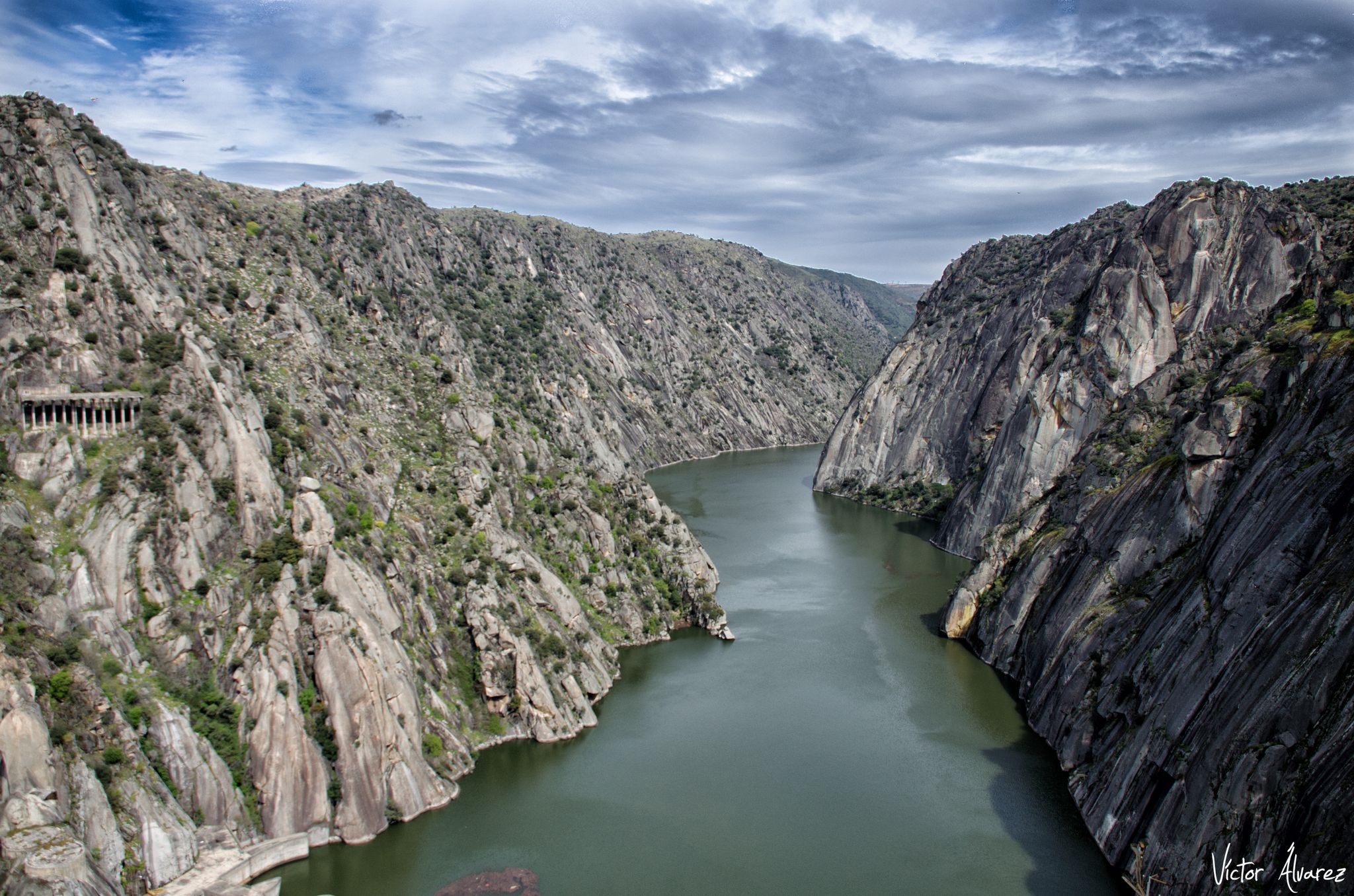
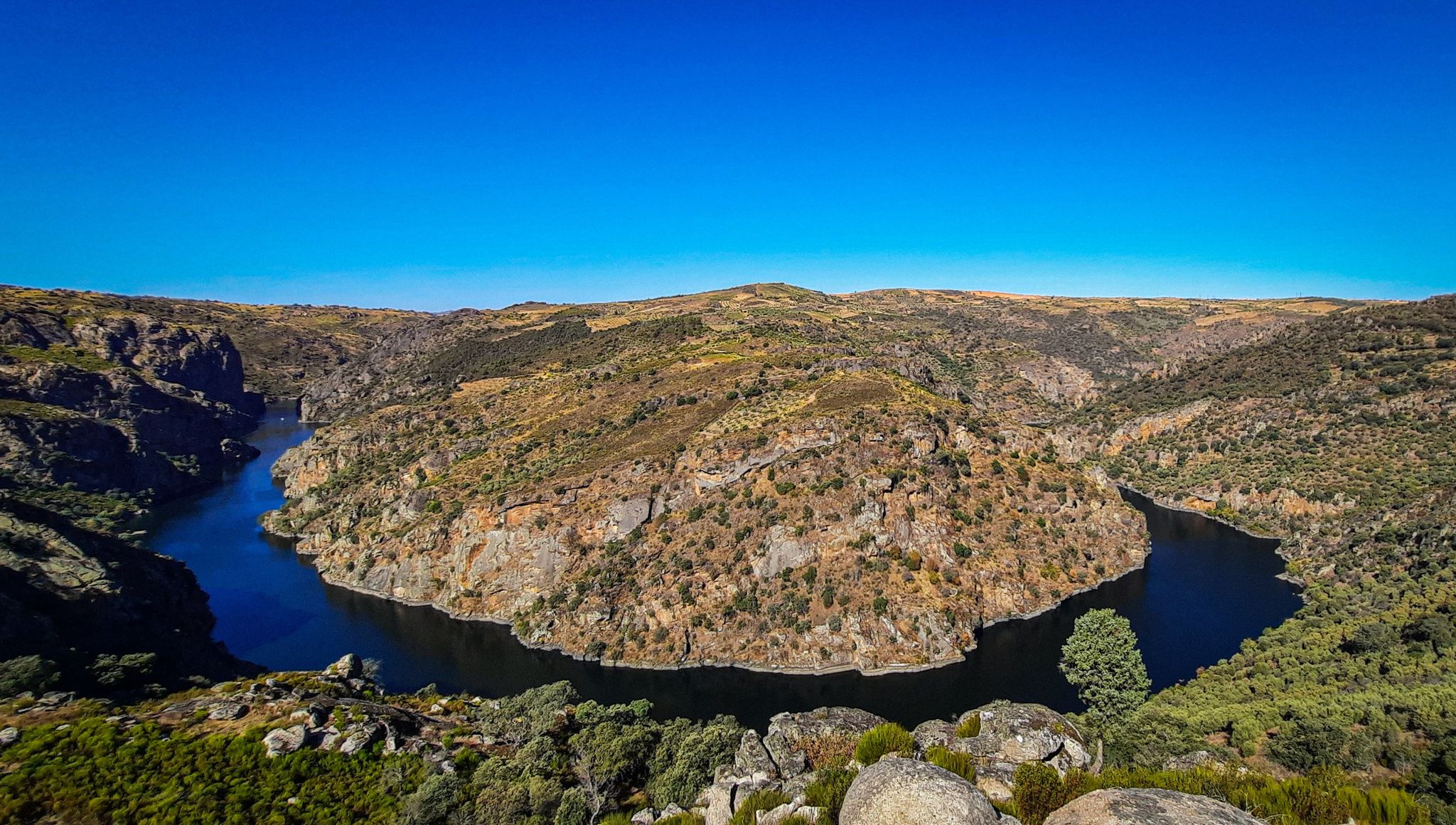
Hiking around Duero Bajo offers diverse terrain characterized by the dramatic canyons and gorges carved by the Duero River and its tributaries, known as "arribes." The region features a Mediterranean microclimate, supporting varied flora including olive, almond, and cherry trees, alongside scattered Pyrenean oak and juniper. Hikers can explore paths along the riverbanks, through valleys, and to numerous viewpoints overlooking the impressive rock formations and the river that forms the border between Spain and Portugal.
Best bus station hiking trails…
Last updated: July 7, 2026
5.0
(3)
38
hikers
9.18km
02:24
70m
70m
Moderate hike. Good fitness required. Easily-accessible paths. Suitable for all skill levels.
5.0
(1)
24
hikers
Easy hike. Great for any fitness level. Easily-accessible paths. Suitable for all skill levels.

Sign up for free
11
hikers
Easy hike. Great for any fitness level. Easily-accessible paths. Suitable for all skill levels.
5.0
(1)
13
hikers
Easy hike. Great for any fitness level. Easily-accessible paths. Suitable for all skill levels.
4.0
(1)
12
hikers
6.34km
01:39
40m
40m
Easy hike. Great for any fitness level. Easily-accessible paths. Suitable for all skill levels.
Get access to more routes and recommendations from other explorers.
Sign up for free
Already have an account?
Our route recommendations are based on thousands of hikes, rides, and runs completed by other people on komoot.
Start today with a free account
Your next adventure awaits.
Login or Signup
Other adventures around Duero Bajo


Tips from the Community

The Church of San Ildefonso, the second largest temple in Zamora after the Cathedral, stands out for housing the remains of San Atilano—patron saint of the city—and San Ildefonso of Toledo. Its imposing structure combines a Romanesque origin reflected in its majestic apses with a sober later neoclassical facade.
2
0

It spans the Duero River in Zamora (Castilla y León), connecting Avenida de Portugal (Pinilla neighborhood) with Calle de Salamanca in the city. The project began in 1882, with construction starting in 1892, under the direction of engineer Prudencio Guadalajara, to alleviate the overloading of the old Stone Bridge. Inaugurated in 1900, it represented a significant improvement in handling the growing traffic in the city. It was designed in steel, using a metal lattice structure of the St. Andrew's Cross type, typical of the late 19th century.
3
0

A beautiful square. It gets really busy from 8 p.m. onwards, when the Spanish nightlife begins.
3
0
Zamora Castle is a historic fortification located in the city of Zamora, in Castile and León. Built in the 11th century, the castle has witnessed numerous historical events and has undergone several modifications over the centuries. It has a rhomboidal plan and is surrounded by a deep moat. Its thick walls and the keep, which is the highest and served as the last defensive redoubt, stand out. The castle is a fascinating place to explore history and enjoy panoramic views of the city.
1
0
The Stone Bridge of Zamora, also known as Puente Nuevo in the Middle Ages, is one of the five bridges that cross the Duero River in Zamora, Castile and León. This Romanesque bridge was built in the early 13th century and has been renovated on several occasions.
3
1

Hospitaleros/ as are well informed about which hostels are open along the way
2
0
you can find almost everything here. Please note the opening times (siesta)
2
0
This hostel is exclusively for pilgrims on the Camino de Santiago and offers a comfortable stay with several facilities, including a kitchen, showers, heating and Wi-Fi. The hostel can accommodate 32 people and operates on a donation basis. It is open all year round and does not accept reservations, so it is necessary to arrive early to secure a place.
8
0
Frequently Asked Questions
How many hiking trails are accessible from bus stations in Duero Bajo?
There are 23 hiking routes in Duero Bajo that are easily accessible from bus stations, offering a convenient way to explore the region without a car.
What types of trails can I expect when hiking from bus stations in Duero Bajo?
The trails accessible from bus stations in Duero Bajo primarily consist of easy and moderate routes. You'll find 12 easy trails and 11 moderate trails, making it suitable for a wide range of hikers. There are no difficult routes in this selection.
Are there any easy, circular routes starting near bus stations in Duero Bajo?
Yes, several easy, circular routes are available. For example, the Castle of Zamora – Plaza Mayor, Zamora loop from Zamora is an easy option. Another great choice is the Hermitage of Peña de Francia – Puente de Hierro de Zamora loop from Zamora, which offers a pleasant walk.
What kind of scenery will I encounter on these bus-accessible hikes?
Duero Bajo is renowned for its dramatic river-carved canyons, known as 'arribes,' and the winding Duero River itself. You'll experience a unique Mediterranean microclimate, allowing for olive, almond, and cherry trees. The region is also a Biosphere Reserve, so keep an eye out for diverse flora and fauna, including various bird species.
Are there any specific landmarks or attractions I can visit along these trails?
Many routes pass by significant cultural and historical sites. For instance, you can explore the Collegiate Church of Santa María la Mayor (Toro) or the Plaza Mayor de Toro. Some trails also lead to the Monument of the Three Pilgrimage Routes.
What do other hikers say about the bus station accessible trails in Duero Bajo?
The komoot community rates these trails highly, with an average score of 4.5 stars. Hikers often praise the accessibility, the stunning natural landscapes of the Duero canyons, and the opportunity to discover charming towns and historical sites along the way.
Can I find moderate hiking options that start from a bus station?
Yes, there are several moderate options. The Calle Balborraz – Plaza Mayor, Zamora loop from Zamora is a good example of a moderate route that offers a bit more challenge while remaining accessible by public transport.
Are there any trails that offer views of the Duero River or its canyons?
Absolutely. The region is defined by the Duero River and its deep canyons. Many trails, especially those within the Arribes del Duero Natural Park, will provide spectacular panoramic views of these impressive geological formations. While specific routes are not listed here, look for trails starting from towns like Fermoselle or Aldeadávila de la Ribera for prime canyon views.
What is the best time of year to hike these bus-accessible trails in Duero Bajo?
Thanks to its unique Mediterranean microclimate, Duero Bajo is pleasant for hiking for much of the year. Spring is particularly beautiful when almond trees bloom and waterfalls like Pozo de los Humos are at their most spectacular. Autumn also offers vibrant colors and comfortable temperatures.
Are there any trails suitable for families with children?
Given the prevalence of easy and moderate routes, many of the bus-accessible trails are suitable for families. Look for the 'easy' graded routes, such as the Zamora Town Hall – Plaza Mayor, Zamora loop from Zamora or the Alcázar de Toro – Toro loop from Toro, which are generally shorter and have less elevation gain, making them ideal for a family outing.
Are there any specific trails that highlight the local agriculture or vineyards?
The Mediterranean microclimate in Duero Bajo supports olive groves, almond trees, and vineyards. While specific routes are not detailed here, many trails, especially those passing through the countryside around towns like Toro, will offer views of these agricultural landscapes, particularly beautiful during spring blooms or autumn harvests.
Most popular routes around Duero Bajo
Most popular attractions around Duero Bajo

Get inspired with the komoot mobile app


Explore more
Browse the best Hikes in other regions.
