The best gravel rides around Duero Bajo
5.0
(1)
15
riders
7
rides
Gravel biking around Duero Bajo offers diverse terrain along the Duero River, characterized by dramatic gorges, terraced vineyards, and rolling hills. The landscape transitions to include arid plains, agricultural lands, and pine forests, providing varied riding experiences. Routes often traverse picturesque Castilian towns and medieval villages with cobbled streets and historic castles. The region features quiet backroads, unpaved sections, and mixed surfaces suitable for gravel bikes.
Best gravel bike trails around Duero Bajo
- The most popular gravel bike trail is Monoliths of the Three Causeways – Zamora Stone Bridge loop from Zamora, a 29.3 miles (47.1 km) trail that takes 4 hours 0 minutes to complete. This moderate route features river views and historic landmarks.
- Another top favourite among local gravel bikers is Puente de Hierro de Zamora – Zamora Stone Bridge loop from Zamora, a moderate 25.2 miles (40.6 km) path. This route follows the Duero River, offering views of the surrounding landscape and historic bridges.
- Local gravel bikers also love the Palomares – Olivares Watermills loop from Zamora, a 37.9 miles (61.1 km) trail leading through varied terrain with significant elevation gain, often completed in about 4 hours 42 minutes.
- Gravel biking around Duero Bajo is defined by the Duero River, extensive vineyards, and historic villages. The network offers options for different ability levels, from moderate rides to more challenging paths.
- The guide includes highly-rated routes that showcase the best of the region's landscape. More than 9 gravel bikers have used komoot to explore Duero Bajo's varied terrain.
Last updated: July 10, 2026
5.0
(1)
5
riders
47.1km
03:13
320m
320m
Moderate gravel ride. Good fitness required. Mostly paved surfaces. Suitable for all skill levels.
1
riders
17.9km
01:13
180m
180m
Moderate gravel ride. Good fitness required. Mostly paved surfaces. Suitable for all skill levels.

Sign up for free
1
riders
25.9km
01:57
150m
150m
Easy gravel ride. Great for any fitness level. Mostly paved surfaces. Suitable for all skill levels.
2
riders
43.7km
03:08
270m
270m
Moderate gravel ride. Good fitness required. Mostly paved surfaces. Suitable for all skill levels.
3
riders
27.7km
01:37
180m
180m
Moderate gravel ride. Good fitness required. Mostly paved surfaces. Suitable for all skill levels.
1
riders
40.6km
02:28
290m
290m
Moderate gravel ride. Good fitness required. Mostly paved surfaces. Suitable for all skill levels.
2
riders
60.7km
03:55
570m
570m
Hard gravel ride. Very good fitness required. Mostly paved surfaces. Suitable for all skill levels.
Our route recommendations are based on thousands of hikes, rides, and runs completed by other people on komoot.
Start today with a free account
Your next adventure awaits.
Login or Signup
Popular around Duero Bajo
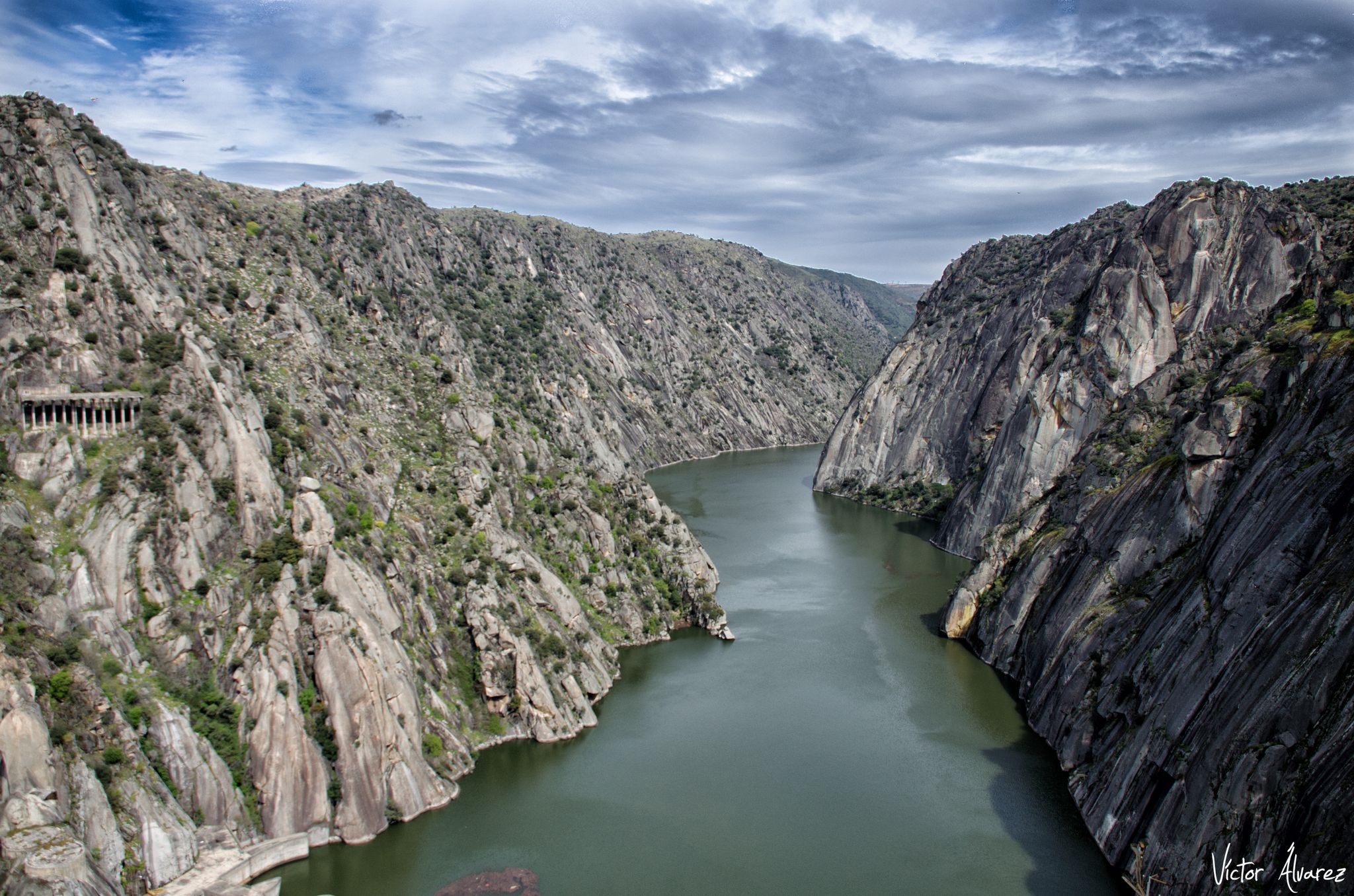
Downriver between Zamora and Salamanca – Western Duero Trail (GR 14)
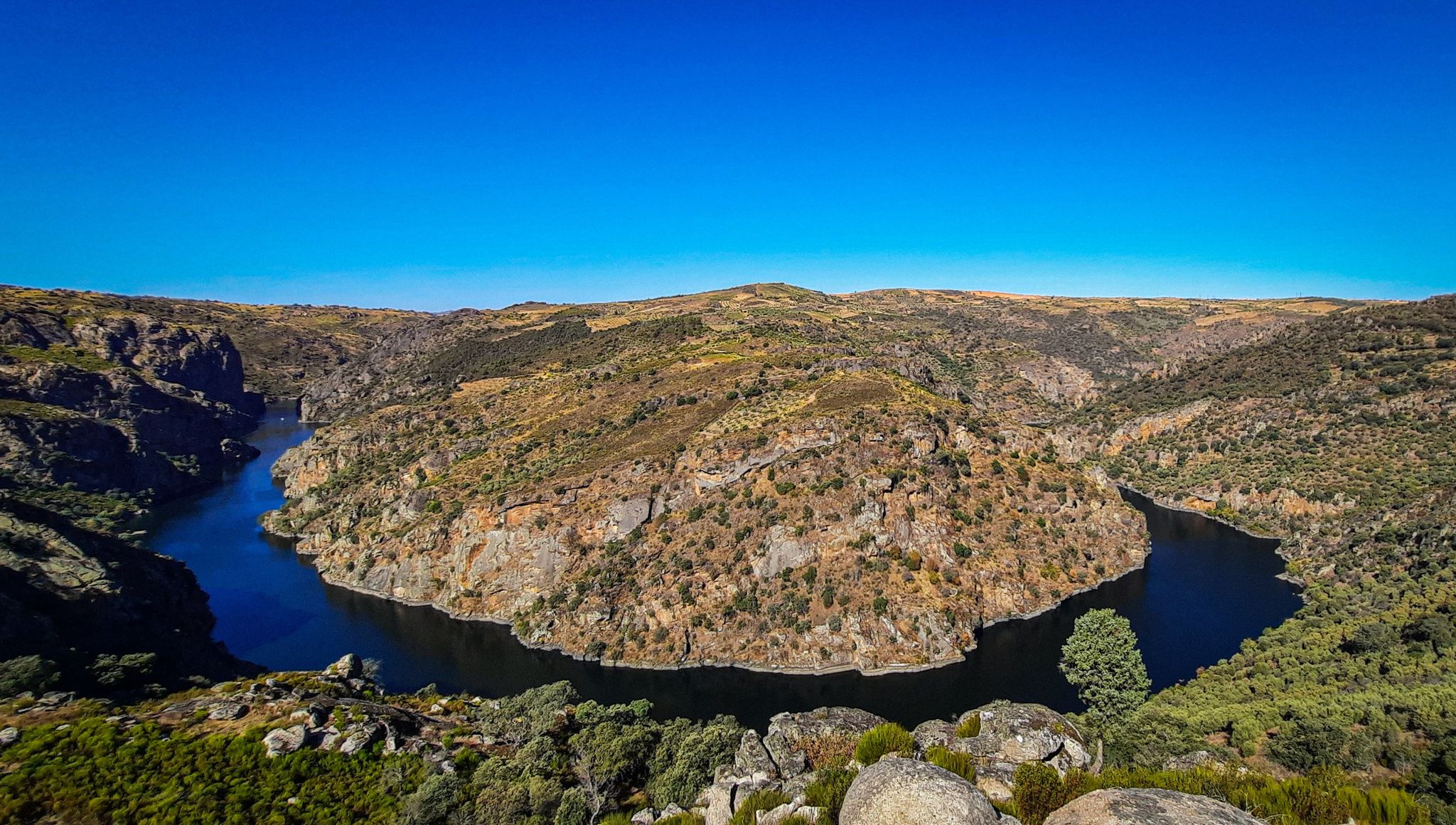
The Great Castilian River – Duero MTB Trail
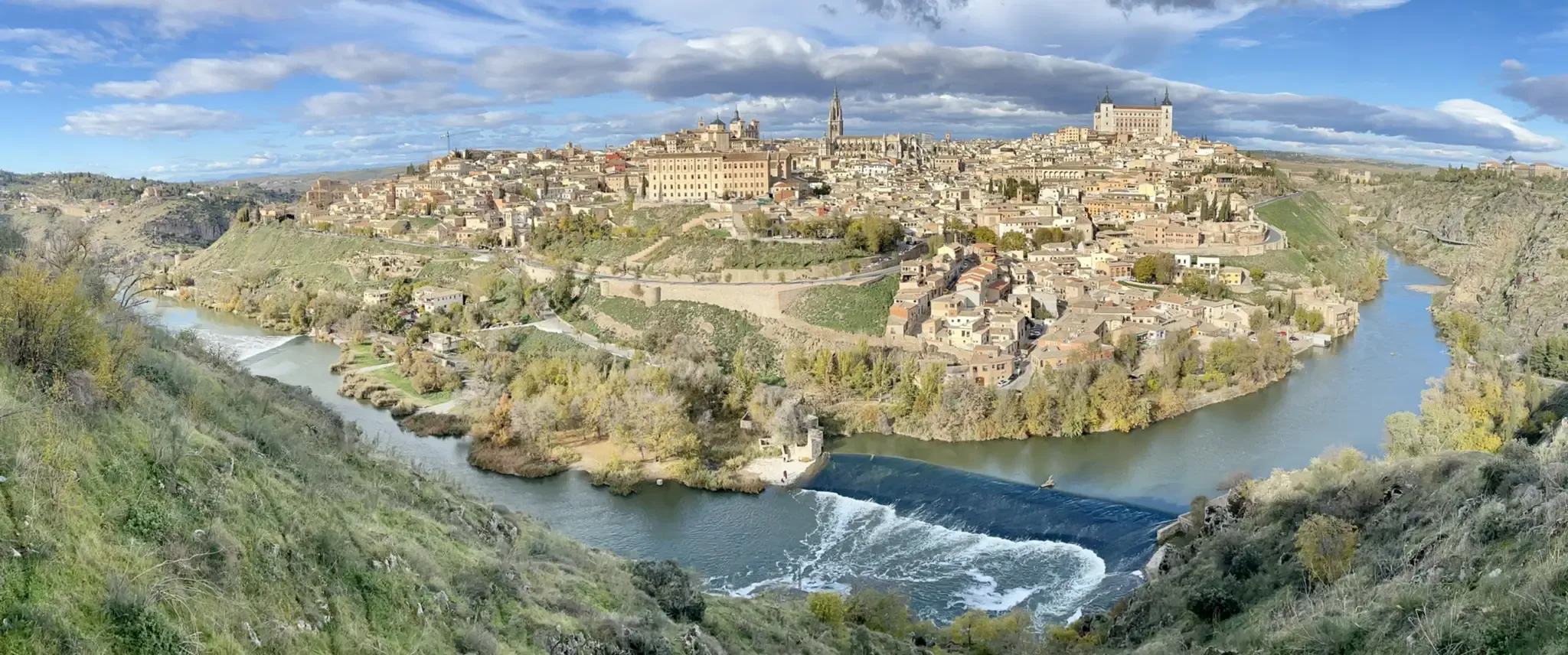
A journey to the interior of the Iberian Peninsula – Levante Way (GR 239)
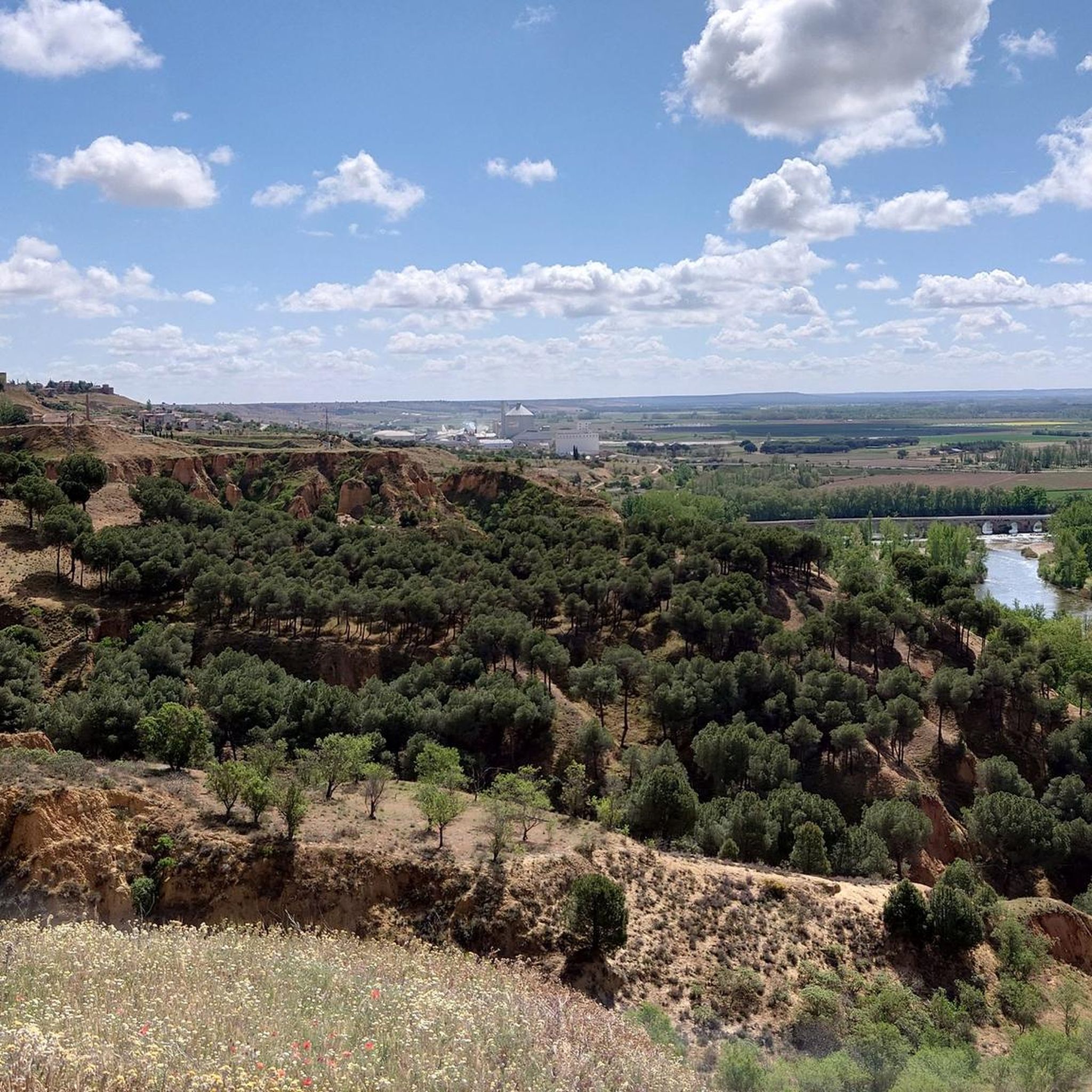
Road Cycling Routes around Duero Bajo
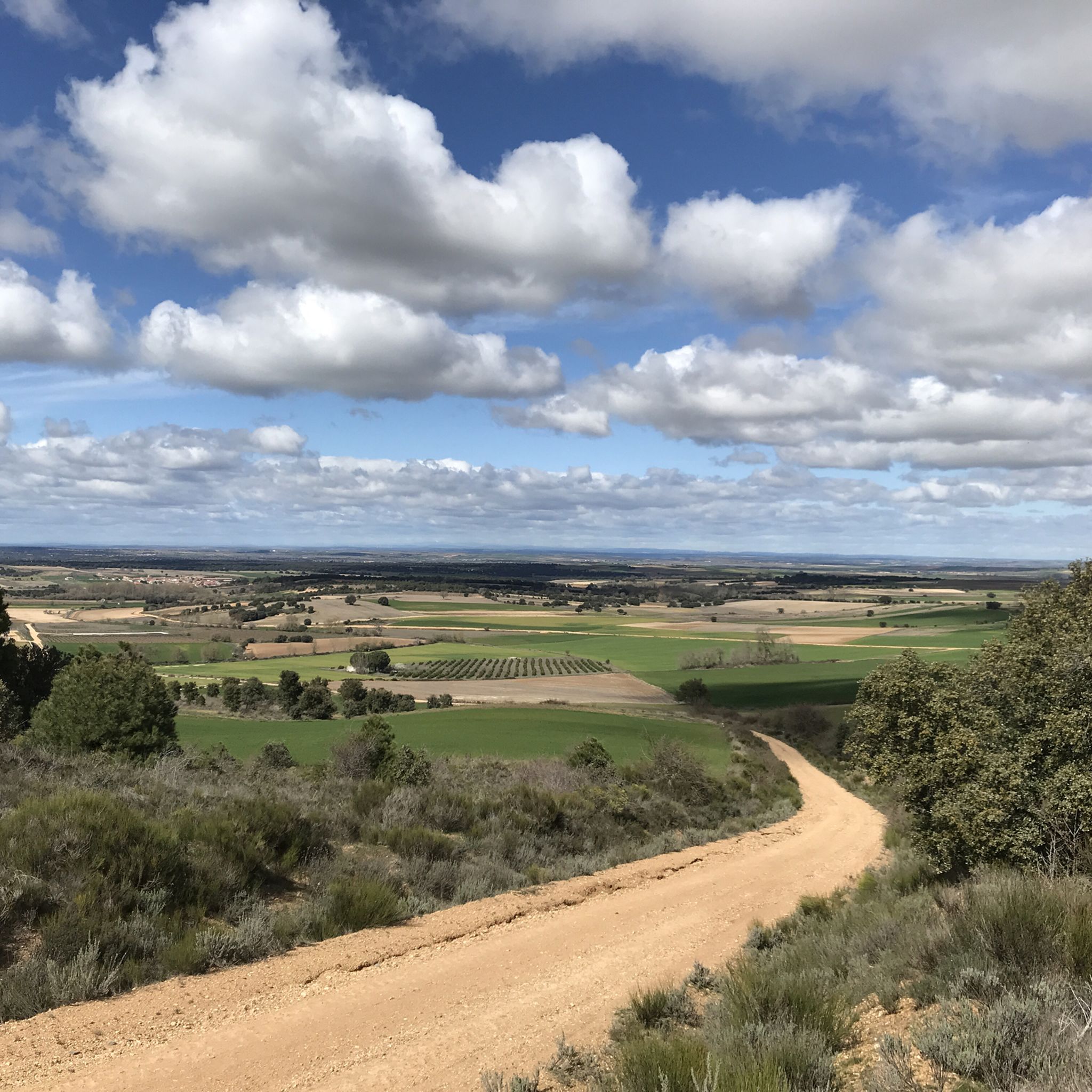
Hiking around Duero Bajo
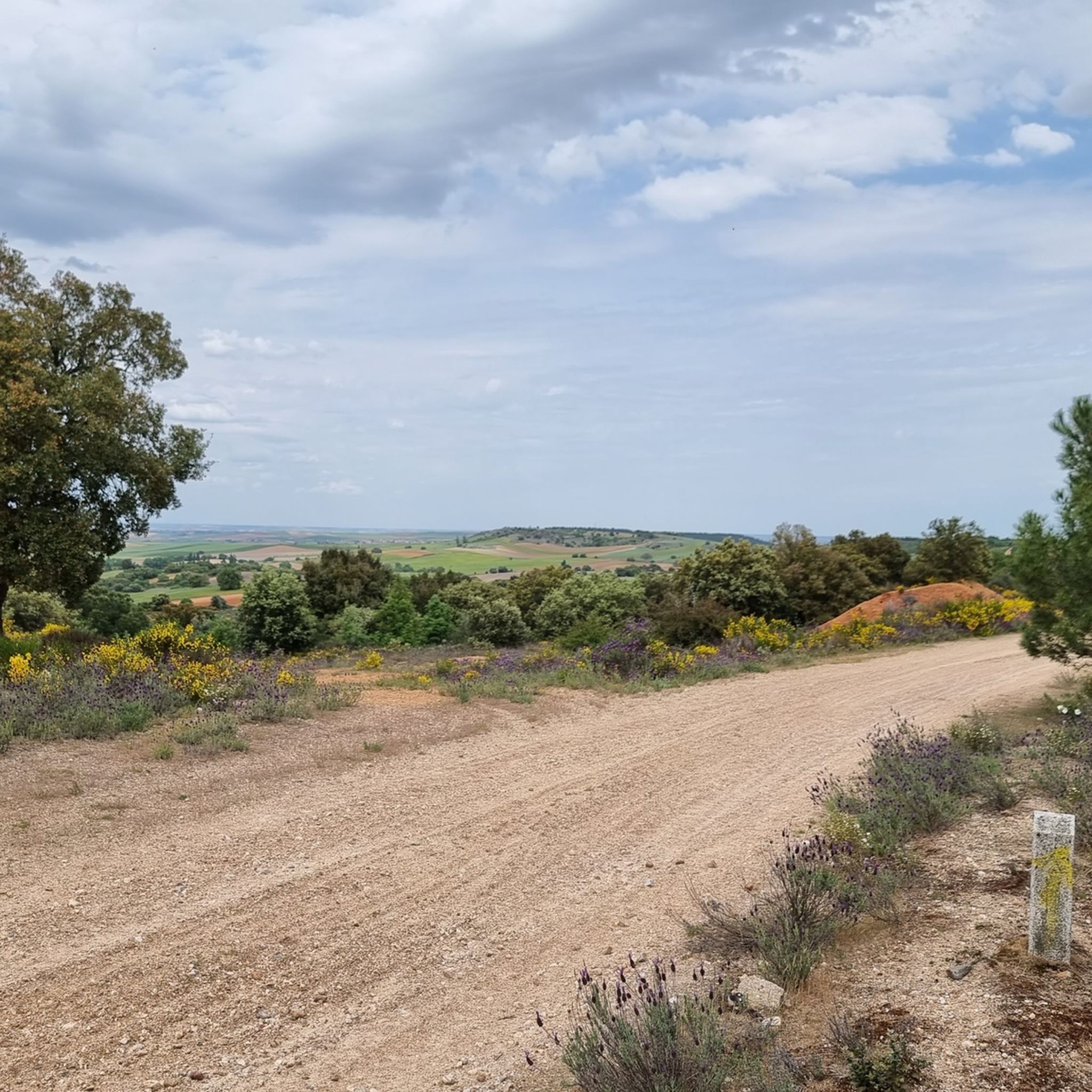
MTB Trails around Duero Bajo
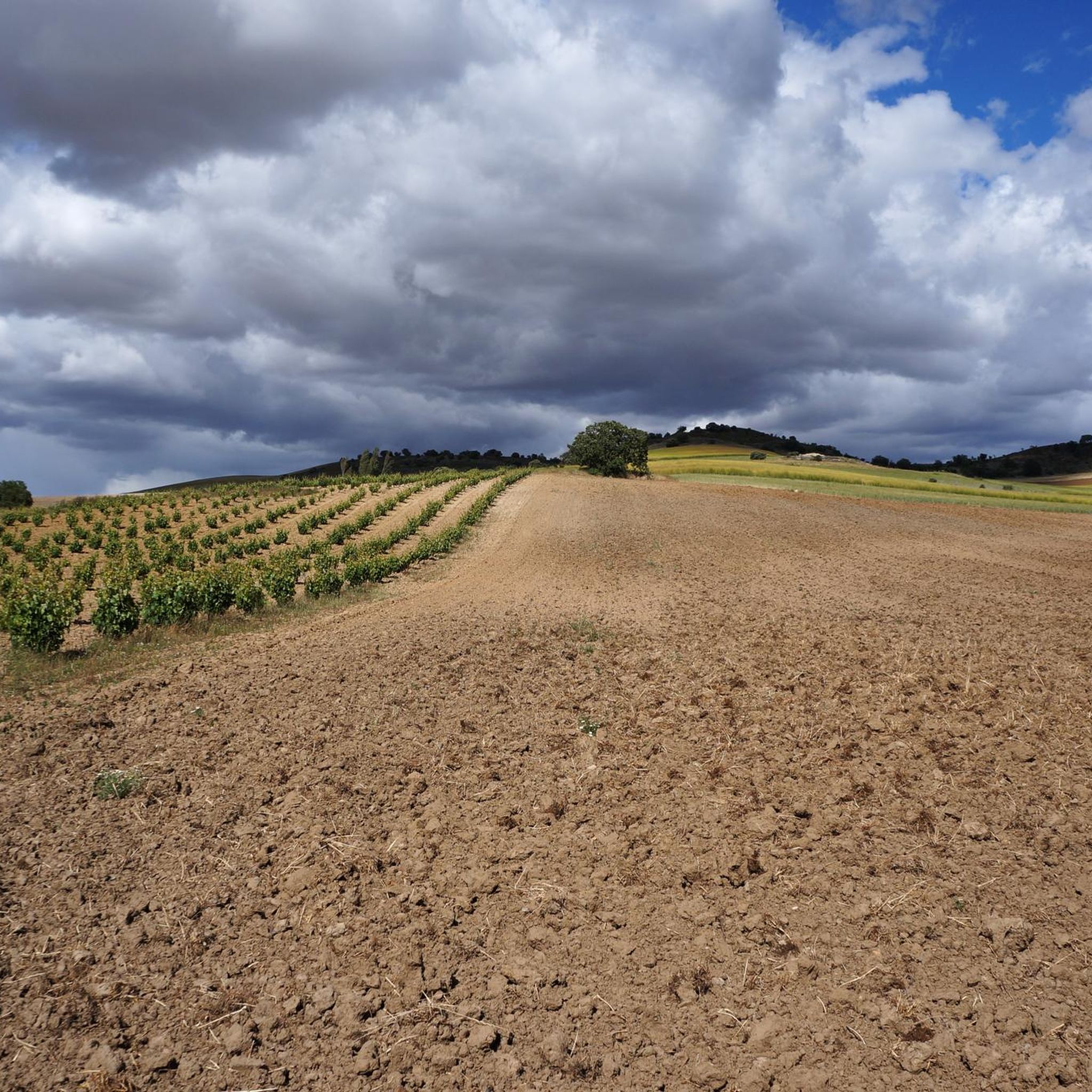
Cycling around Duero Bajo
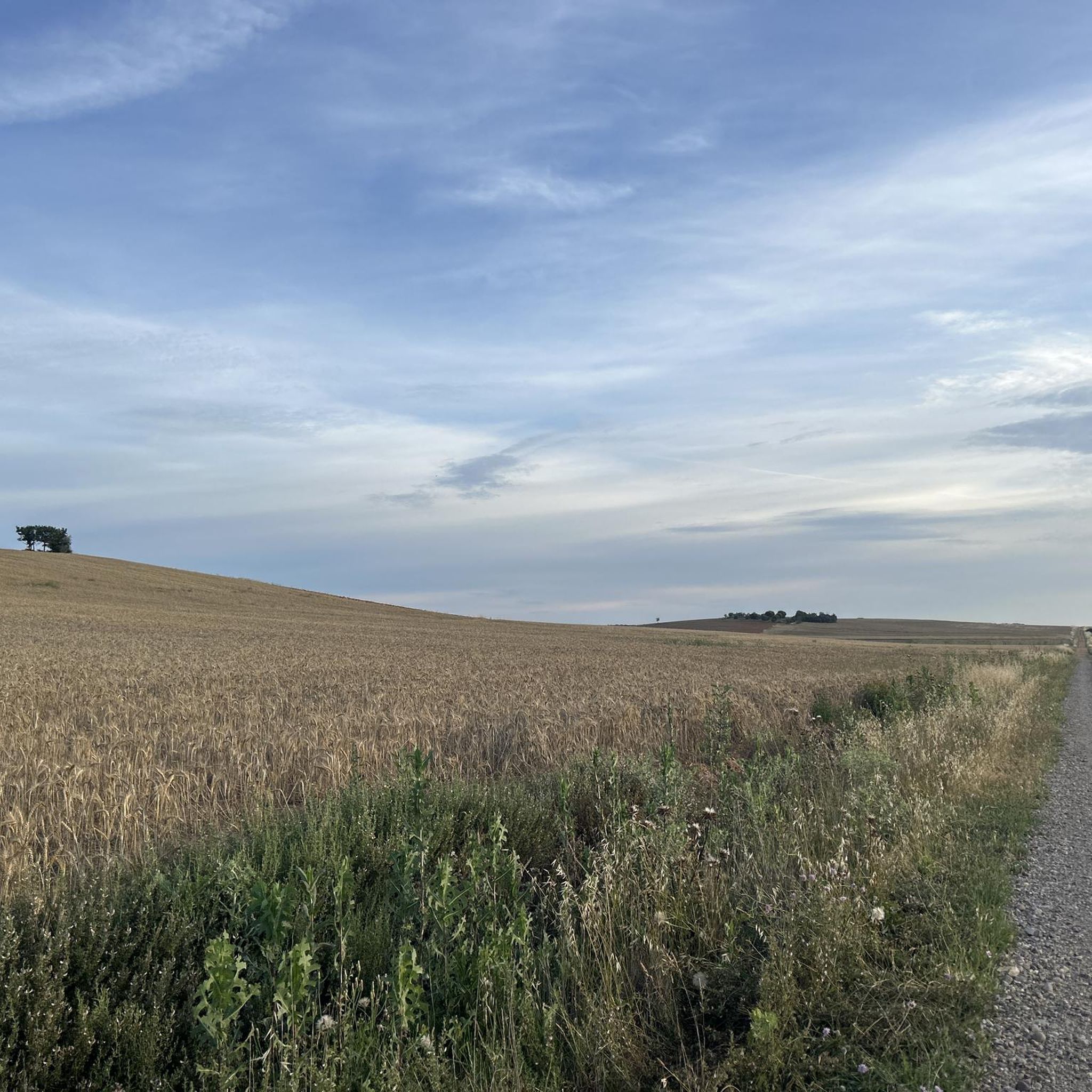
Running Trails around Duero Bajo
Other adventures around Duero Bajo


Tips from the Community

It was built between the late 12th and early 13th centuries by Commander Fernán (Hernán) Rodríguez de Valbuena, becoming a funerary chapel for the Order. For centuries, it served as a fortified church overlooking the Duero River, and was linked to the now-vanished castle and other medieval chapels in the town. It suffered several collapses in the 19th and 20th centuries, until the original ruins had practically disappeared; the current structure is the one dedicated to Santa María del Castillo (Saint Mary of the Castle).
4
0
Hermitage of Santa María del Castillo (also known as the Hermitage of Santo Cristo or the Church of the Order of Saint John) in Castronuño: Located on Alto de la Muela, on the banks of the Duero River in Castronuño (Valladolid). A medieval building originally linked to the Military and Hospitaller Order of Saint John of Jerusalem, which established a commandery here.
4
0
It spans the Duero River in Zamora (Castilla y León), connecting Avenida de Portugal (Pinilla neighborhood) with Calle de Salamanca in the city. The project began in 1882, with construction starting in 1892, under the direction of engineer Prudencio Guadalajara, to alleviate the overloading of the old Stone Bridge. Inaugurated in 1900, it represented a significant improvement in handling the growing traffic in the city. It was designed in steel, using a metal lattice structure of the St. Andrew's Cross type, typical of the late 19th century.
3
0

This monument consists of three monoliths representing the three roads that converge at this location: the Via de la Plata, the Calzada Mirandesa, and the Via Dalmacia; and a curb where pilgrims can write a wish on a stone and throw it into the curb for it to come true.
1
0

Bar Peña Unai Simon A great place to stop and have a coffee.
0
0
It's striking to find a church of this size in a small town, but its origin lies in a tradition that dates back to the late 13th century. Tradition tells us that while King Sancho IV was in Zamora recovering from a fever and wanting to escape his boredom, he organized a hunting trip. During the hunt, one of his falcons shot down a partridge and, upon hunting, found it sheltered among some broom bushes, protected by a small statue of the Virgin. The king ordered the statue of the Virgin to be immediately moved to the Church of San Antolín in the city of Zamora and ordered a church dedicated to Santa María la Real to be erected in her honor on the spot where the statue was found.
1
0
The Stone Bridge of Zamora, also known as Puente Nuevo in the Middle Ages, is one of the five bridges that cross the Duero River in Zamora, Castile and León. This Romanesque bridge was built in the early 13th century and has been renovated on several occasions.
3
1
This building houses machinery and utensils used in winemaking and other agricultural tasks typical of the area.
0
0
Frequently Asked Questions
How many gravel bike trails are there in Duero Bajo?
Duero Bajo offers a selection of over 5 gravel bike trails, ranging from moderate to difficult, providing diverse experiences along the Duero River, through vineyards, and historic villages.
What kind of terrain can I expect on gravel bike trails in Duero Bajo?
The terrain in Duero Bajo is highly varied, featuring quiet backroads, unpaved sections, and mixed surfaces ideal for gravel bikes. You'll encounter everything from serene riverside paths and terraced vineyards to rolling hills and agricultural lands, with some routes including significant elevation gains.
Are there any easy gravel bike trails suitable for beginners in Duero Bajo?
While many routes are moderate, Duero Bajo does offer options that are manageable for those newer to gravel biking. For example, the Main Square of Fuentesaúco loop from Fuentesaúco is a moderate 17.9 km trail with less elevation, offering a good introduction to the region's landscapes.
What are some scenic viewpoints or natural features to look out for on gravel routes in Duero Bajo?
Many routes offer stunning views of the Duero River, dramatic gorges, and expansive terraced vineyards. You might also encounter pine forests in areas like Alto Duero. The View of the Salamanca Plains is a notable viewpoint, and the region's reservoir landscapes, such as those around the Embalse de la Cuerda del Pozo, also provide picturesque cycling trails.
Are there any long-distance gravel routes in Duero Bajo?
Yes, Duero Bajo features several longer gravel routes. The Puente Mayor de Toro – Duero River Bridge loop from Toro is a substantial 63.0 km path that follows the Duero River, offering extensive scenic views.
What historical landmarks or attractions can I see along the gravel bike trails?
Gravel biking in Duero Bajo often takes you through picturesque Castilian towns and medieval villages with cobbled streets and historic castles. Notable landmarks include the Collegiate Church of Santa María la Mayor (Toro), the Monoliths of the Three Causeways, and the Monument of the Three Pilgrimage Routes. You might also pass impressive Cistercian monasteries and have opportunities to visit wineries.
What is the best season for gravel biking in Duero Bajo?
The region is generally excellent for outdoor activities. While specific weather data isn't provided, spring and autumn typically offer the most pleasant temperatures for cycling, avoiding the peak heat of summer and potential colder, wetter conditions in winter. These seasons also showcase the vineyards at their most vibrant.
Are there any circular gravel bike routes in Duero Bajo?
Yes, many of the gravel routes in Duero Bajo are designed as loops, allowing you to start and finish in the same location. Examples include the Monoliths of the Three Causeways – Zamora Stone Bridge loop from Zamora and the Puente de Hierro de Zamora – Zamora Stone Bridge loop from Zamora.
What do other gravel bikers enjoy most about gravel biking in Duero Bajo?
With over 10 visitors exploring the region's varied terrain, gravel bikers often praise the diverse landscapes, from the dramatic Duero River gorges to the serene vineyards and historic villages. The mix of quiet backroads and unpaved sections provides an authentic gravel biking experience, allowing riders to immerse themselves in the local culture and natural beauty.
Are there any challenging gravel bike routes for experienced riders in Duero Bajo?
Absolutely. Duero Bajo offers routes with significant elevation gains and varied terrain suitable for advanced riders. The Palomares – Olivares Watermills loop from Zamora is a difficult 61.1 km trail that includes notable climbing, providing a demanding experience for those seeking a challenge.
Are there options for family-friendly gravel cycling in Duero Bajo?
While specific 'easy' routes for families aren't detailed, the region's diverse offerings suggest that flatter, riverside paths or less technical sections of moderate routes could be suitable for families. It's advisable to check the elevation profiles and terrain descriptions of individual routes to find the best fit for your family's skill level.
Most popular routes around Duero Bajo
Most popular attractions around Duero Bajo

Get inspired with the komoot mobile app


Explore more
Browse the best Gravel rides in other regions.
