Attractions and Places To See around Lake Corlo - Top 20
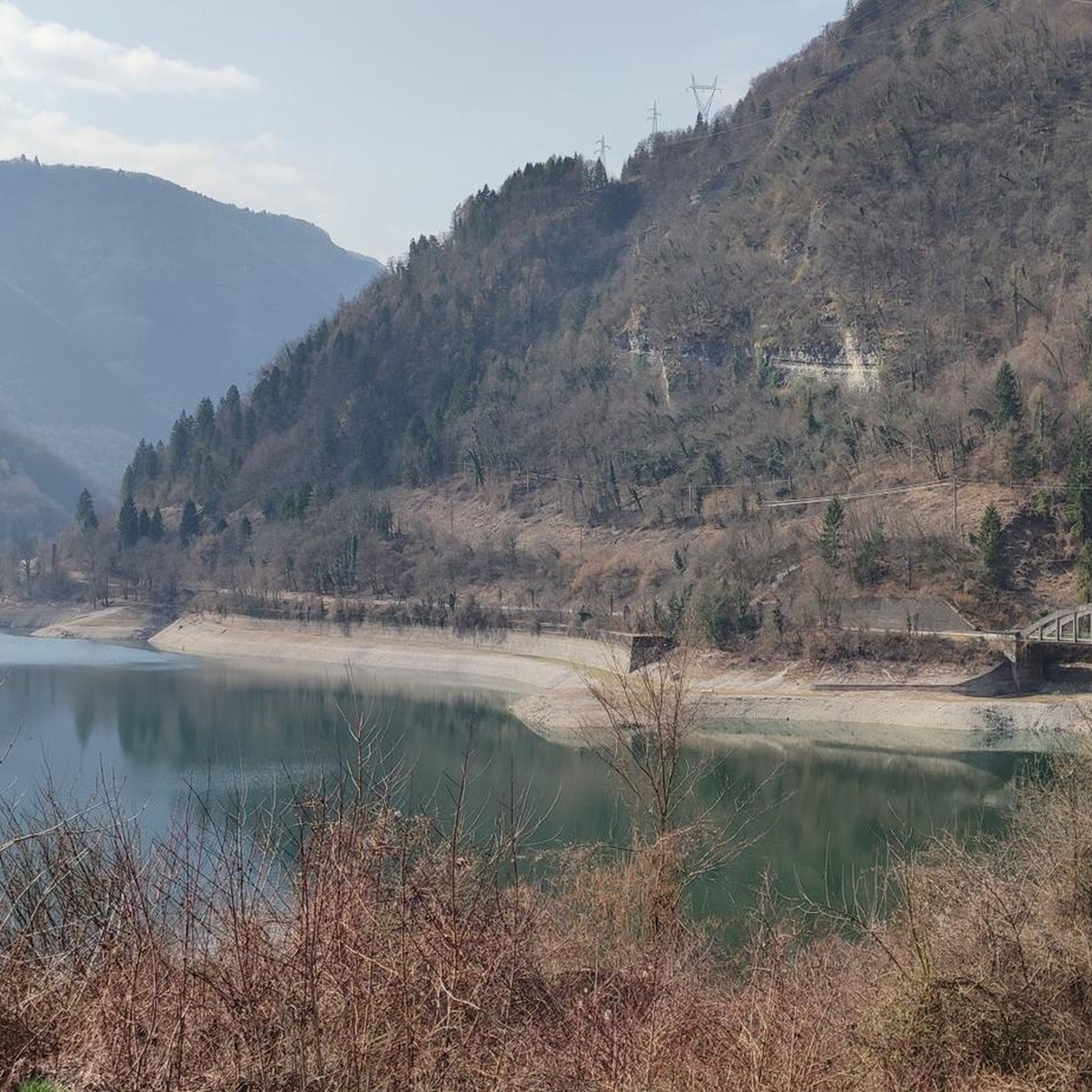
Best attractions and places to see around Lake Corlo, also known as Lake Arsiè, is an artificial basin in Veneto, Italy, created by damming the Cismon River. Its elongated shape and dramatic setting between vertical rocks give it a fjord-like appearance. The region offers a blend of natural beauty, historical intrigue, and recreational activities, with tranquil western shores contrasting with rugged eastern cliffs. It is situated near the Dolomites, providing views of towering peaks and verdant landscapes.
Best attractions and…
Last updated: May 25, 2026
Victory Bridge
Highlight • Bridge
Translated by Google •
Tip by

Lake Corlo
Highlight • Lake
Translated by Google •
Tip by

Sign up now to discover places like this
Get recommendations on the best single tracks, peaks, & plenty of other exciting outdoor places.
Sign up for free
Corlo Dam
Highlight • Monument
Translated by Google •
Tip by

Ruins of Contrada Le Coste
Highlight • Historical Site
Translated by Google •
Tip by

Lake Corlo
Highlight • Lake
Translated by Google •
Tip by

Sign up for free to discover even more attractions around Lake Corlo.
Sign up for free
Already have an account?
Start today with a free account
Your next adventure awaits.
Login or Signup

Tips from the Community

The Corlo lake dam blocks the Cismon stream which flows towards the Brenta river.
0
0


This ancient ruined building stands on the left bank of Lake Corlo. It is difficult to imagine what it was used for, but it is a fascinating spot along the artificial lake, which owes its name to the village of Corlo, which is still located near the dam.
0
0

Dam immersed in the narrow gorge of the Cismon torrent, completed in 1953. Crossable, cycle/pedestrian. Pleasant walk with a view and the peculiarity of ending right inside a small tunnel in the rock, which then connects to the road to Corlo, very steep!
2
0

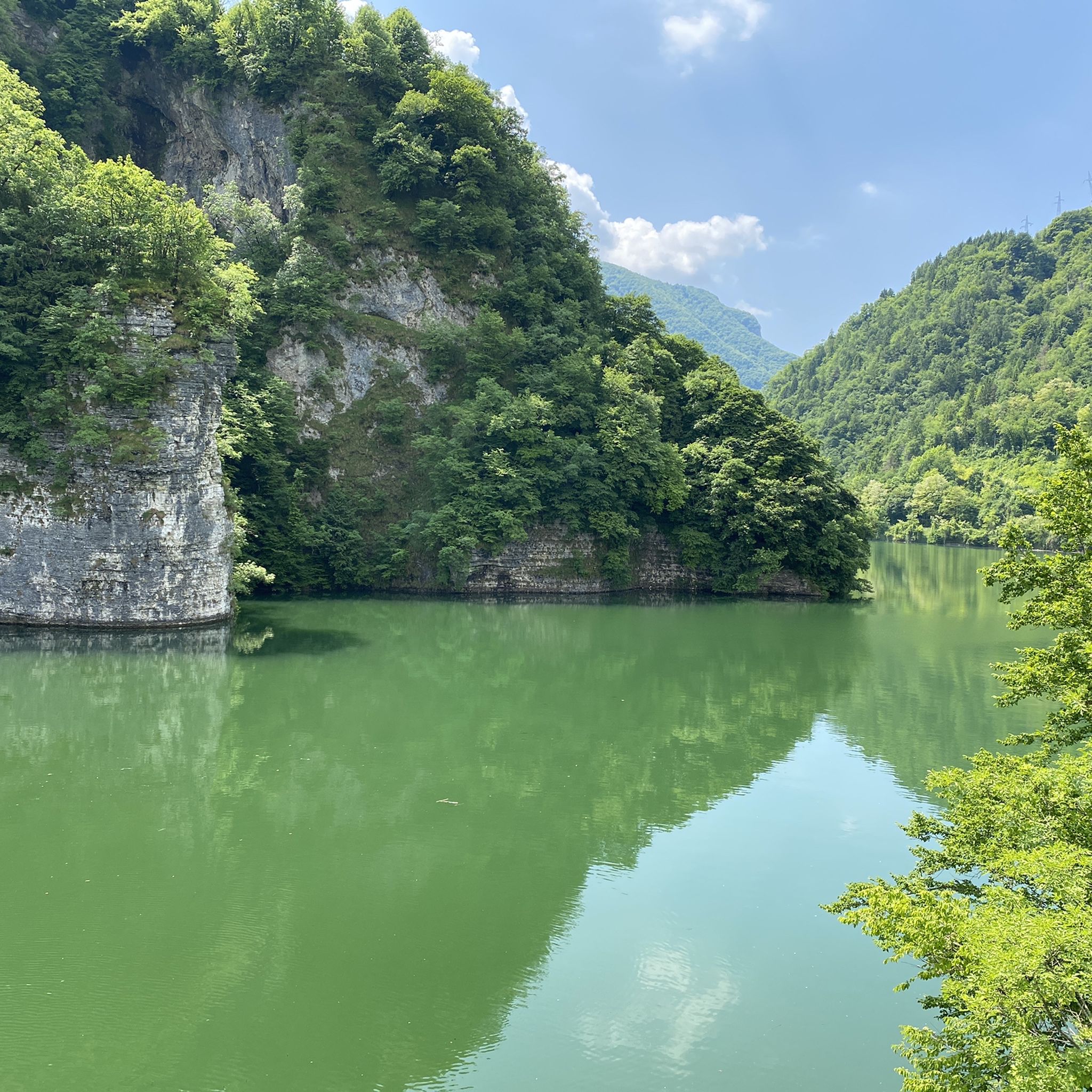
Lake Corlo (or Arsiè) is an artificial basin. Between 1951 and 1954, a massive dam was built at its southern end, damming the Cismon River to power several hydroelectric plants. The area now occupied by the reservoir was once known as 'el Ligònt': a broad, fertile plain, crossed by the stream, with several bustling hamlets. The construction of the dam significantly disrupted the valley: many villages were forcibly evacuated and submerged; many were deprived of their main source of livelihood (cultivated fields and pastures); the village of Rocca d'Arsié was largely engulfed by the water; of the 3,000 inhabitants scattered among the various factions, 2,500 were forced to emigrate; on the eastern slope, several farmhouses found themselves completely isolated from the outside world and were soon abandoned. Various promises were made to residents, such as free electricity, jobs, the construction of roads and new homes (which were indeed built, but quickly proved to be quite shoddy): promises that were submerged along with the valley. The solitary bell tower of Rocca, on the shores of the lake, has become the symbol of this story: it was left in its original site, while the church was demolished and rebuilt 500 meters to the south, at a higher altitude, protected from the waters; for this reason, it is said that the bell tower and the church have "divorced"! Today, the lake is very evocative and fascinating: the tranquil and flat western shores, a destination for recreation and summer activities (camping, SUP, canoeing, pedal boats, and swimming), contrast with the steep and desolate eastern side, with rocky cliffs overlooking the water. The water level can vary greatly, depending on the season and the weather. https://it.wikipedia.org/wiki/Lago_del_Corlo
0
0
The Corlo dam (which takes its name from the village above) was built in the years 1951-53 to dam the Cismon stream and form the artificial lake, for hydroelectric use. The area occupied today by the basin was once known as the 'Ligònt plain': a fertile area, almost entirely cultivated with corn cobs and tobacco, with several inhabited hamlets. With the construction of the dam, many towns were forcibly abandoned, demolished and submerged; others, on the eastern side, found themselves isolated from the world and soon depopulated too. This civil engineering work amazes for its dizzying height of 71m, for the construction expertise thanks to which it slips into the mountain and for the view of the very narrow Cismon canyon. The crown of the dam can also be explored by car: after the tunnel, a very narrow and winding asphalt road ends in Contrà Corlo. When the bulkheads are raised, the power of the waterfall coming down the discharge chute is impressive and spectacular! https://it.wikipedia.org/wiki/Lago_del_Corlo
1
0
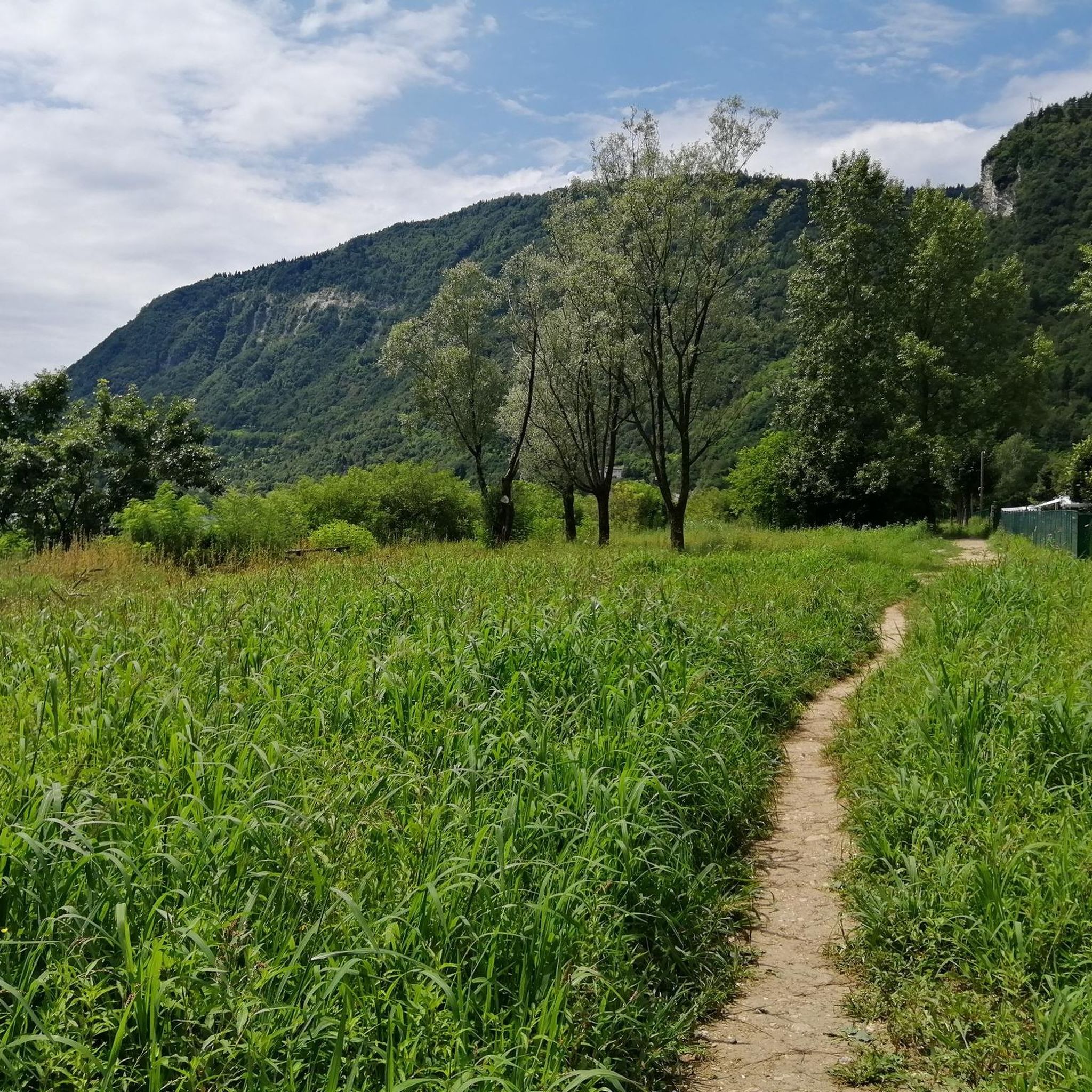
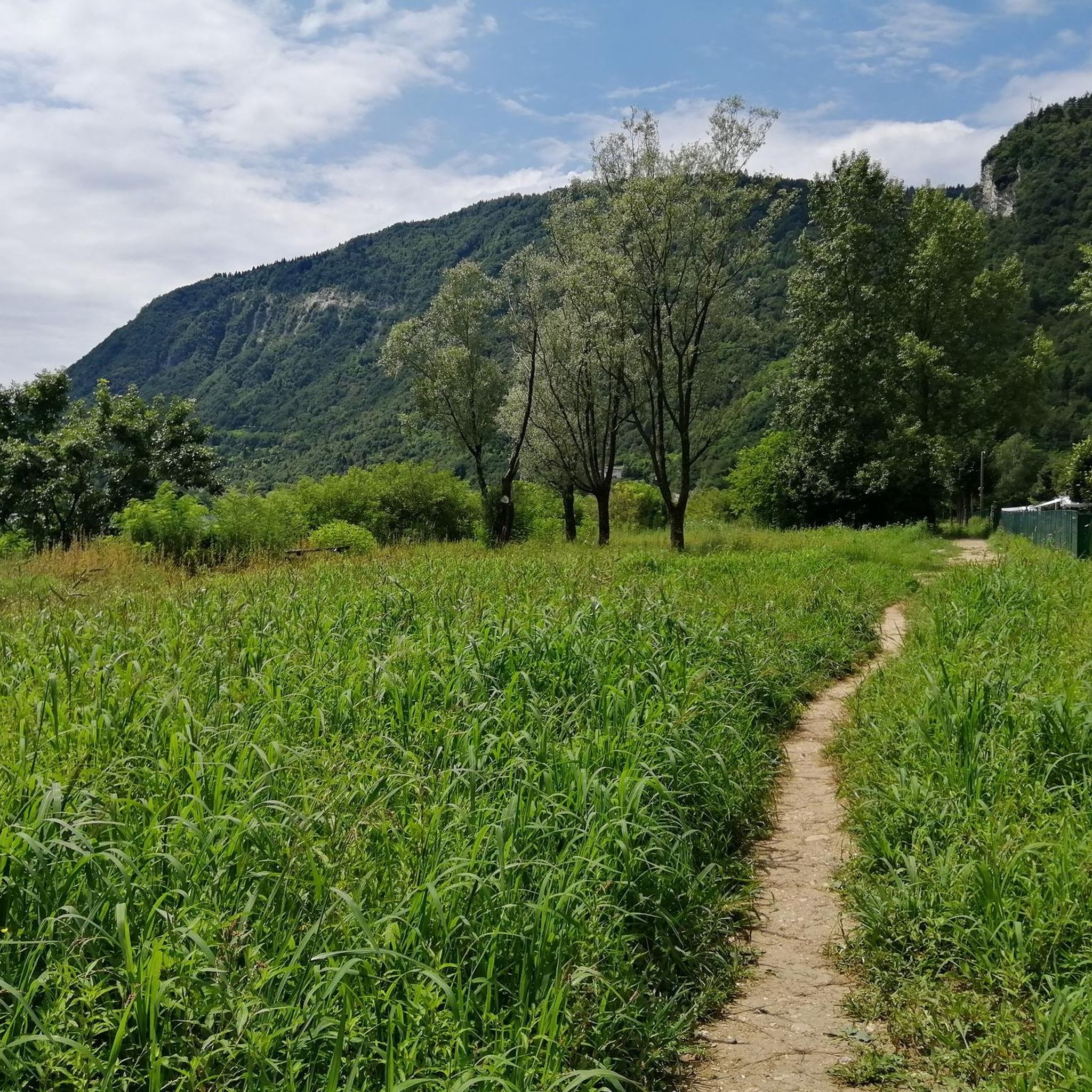
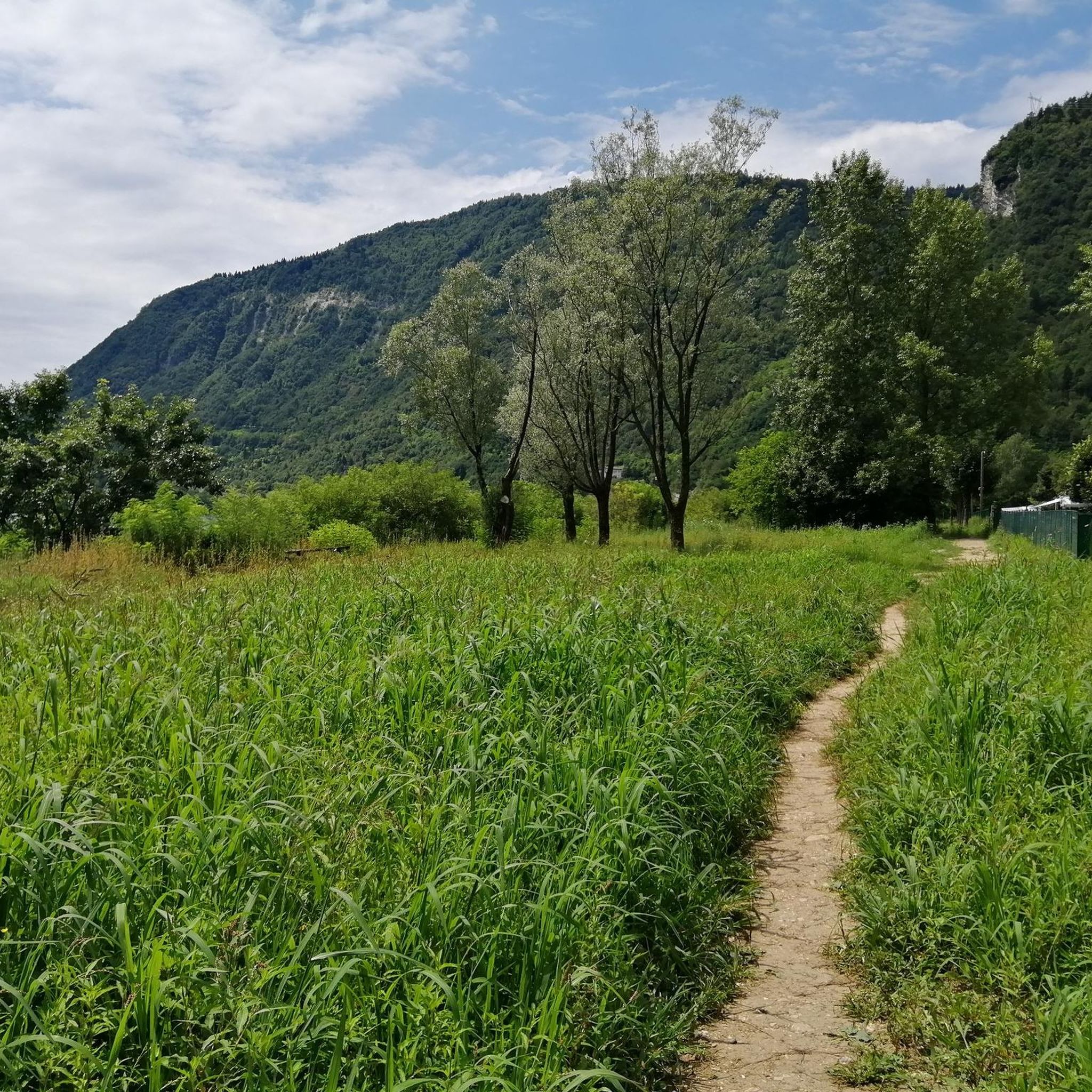
Contrada Le Coste, abandoned in the middle of the woods, completely ruined and engulfed by vegetation: this slope was once inhabited and cultivated with great care and effort. The construction of the artificial lake was likely the final blow, isolating it and making it uninhabitable, forcing its inhabitants to emigrate. A desolate and fascinating place, evocative and melancholic, that now seems so inaccessible; but that was once teeming with life. The pragmatic craftsmanship with which these multi-story houses, with stone walls and wooden balconies, were built is admirable.
0
0
Lake Corlo is crossed by 3 bridges close together, at the Rocca d'Arsiè bottleneck: the Polo Bridge, the Bassane Bridge and the Vittoria Bridge. The Ponte della Vittoria (also called Ponte delle Corde) is the southernmost bridge, as well as the most evocative and characteristic: cycle-pedestrian, with a maximum capacity of 12 people (as per the sign), and consists of a wooden walkway supported by ropes metal, fixed to stone towers; although it is absolutely safe, you feel a wobble at every step and under your feet, between the cracks in the boards, you can glimpse emptiness and water! Crossing it, some might suffer from dizziness... It was built in 1928, before the artificial lake was created, to replace an old, much lower bridge, often submerged by the floods of the Cismon torrent; dedicated to the victory of the First World War.
1
0
Frequently Asked Questions
What unique natural features define the landscape around Lake Corlo?
Lake Corlo is renowned for its striking fjord-like scenery, with tranquil, flat western shores contrasting dramatically with rugged, rocky cliffs on the eastern side. The lake beautifully reflects the surrounding green landscape and blue sky. Visitors can also enjoy views of the nearby Dolomites, a UNESCO World Heritage site, and witness the 'Enrosadira' phenomenon where peaks glow red at sunrise and sunset.
Are there any historical landmarks or ruins to explore near Lake Corlo?
Yes, the area is rich in history. A notable landmark is the solitary bell tower of Rocca d'Arsiè, which remains in its original location despite the village being largely submerged when the lake was created. You can also visit the fascinating Ruins of Contrada Le Coste, an ancient ruined building on the left bank of the lake, once a thriving area that became isolated and abandoned. Further above the lake lies the abandoned village of Fumegai, adding another layer of historical intrigue.
What kind of bridges can I find around Lake Corlo?
Lake Corlo features several interesting bridges. The most popular is the Victory Bridge, also known as Ponte delle Corde, a unique wooden cycle-pedestrian walkway supported by metal ropes, offering a slightly wobbly crossing experience and panoramic views. Near Rocca d'Arsiè, you'll also find the Polo Bridge and the Bassane Bridge, providing additional viewpoints and connectivity across the lake.
What water activities are available on Lake Corlo?
Lake Corlo is ideal for various water sports. You can enjoy activities such as SUP (Stand-Up Paddleboarding), canoeing, pedal boating, and swimming. Fishing is also a popular pastime on the lake.
Are there hiking trails around Lake Corlo?
Absolutely, numerous trails wind around the lake and its surrounding areas, offering opportunities to explore its natural beauty and history. For a variety of options, including moderate and easy routes, you can explore the hiking guide for Lake Corlo. One popular route is a 5.2 km trail around Rocca di Arsiè.
What cycling opportunities are there near Lake Corlo?
The region offers excellent cycling opportunities. You can find various routes, from moderate to difficult, that take you around the lake and into the surrounding areas. For detailed routes and difficulty levels, check out the cycling guide for Lake Corlo.
What is the best time of year to visit Lake Corlo?
The best time to visit Lake Corlo largely depends on your preferred activities. Summer is ideal for water sports, relaxing on the grassy beaches, and picnics. The spring and autumn months offer pleasant temperatures for hiking and cycling, with beautiful foliage in autumn. The 'Enrosadira' phenomenon on the Dolomites is particularly moving at sunrise and sunset, visible year-round but often more dramatic in clear weather.
Are there any family-friendly attractions or activities around Lake Corlo?
Yes, Lake Corlo offers several family-friendly options. The gentle northern shores provide vast grassy beaches perfect for relaxation and summer activities like swimming and pedal boating. The Victory Bridge offers a fun and unique crossing experience for all ages. Many of the trails around the lake are also suitable for families, with some being easy to moderate in difficulty.
What cultural sites are located near Lake Corlo?
Beyond the immediate lake area, you can explore several cultural sites. These include the 'Casel de Melam' Museum of Dairy Art in Mellame di Arsiè, the Imperina Valley Mining Center, the Carthusian Monastery of Vedana, and the Ancient Medieval Hospices of the Cordevole Valley. For a unique experience, the Oliero Caves offer fascinating boat trips into an underground world.
Can I visit a castle or medieval town nearby?
Yes, you can travel back to the Middle Ages at Zumelle Castle, where you can experience the atmosphere of an old manor house with artisans, ladies, and knights, and enjoy views from its tower. Additionally, the historic town of Feltre, nestled between mountains, boasts a walled Citadel and Alboino's Castle, and is known for its vibrant medieval Palio.
What do visitors enjoy most about Lake Corlo?
Visitors particularly appreciate the stunning natural beauty, especially the lake's fjord-like appearance and the surrounding Dolomite views. The unique experience of crossing the Victory Bridge and the tranquil atmosphere of the lake are frequently highlighted. Many also enjoy the diverse opportunities for outdoor activities like hiking, cycling, and water sports, as well as exploring the area's rich history.
Most popular routes around Lake Corlo
Most popular attractions around Lake Corlo

Get inspired with the komoot mobile app


Explore more
Still not found the Highlight you’re looking for? See guides of the top attractions in other regions:
