The best walks and hikes in the Mekong Delta
4.1
(37)
368
hikers
20
hikes
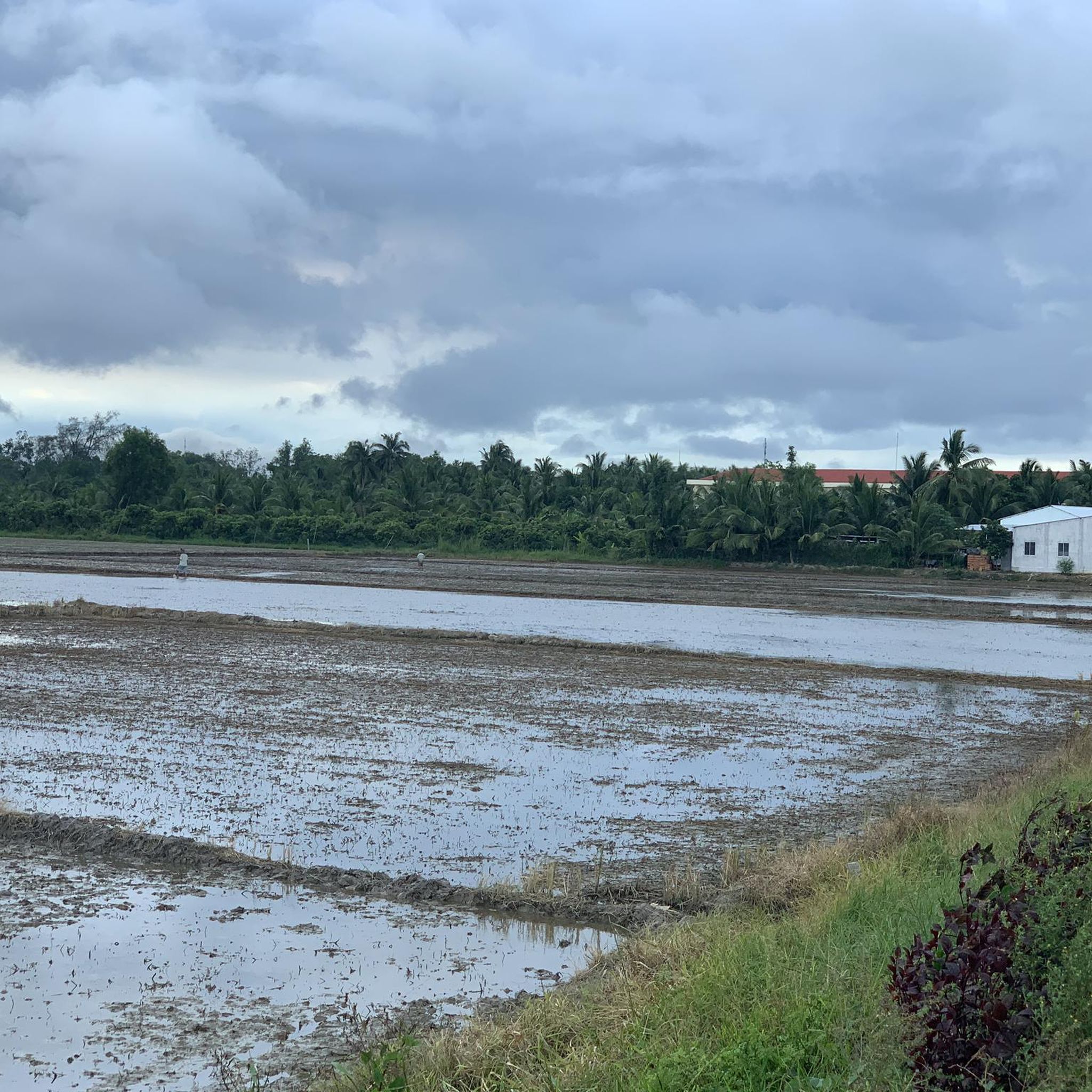
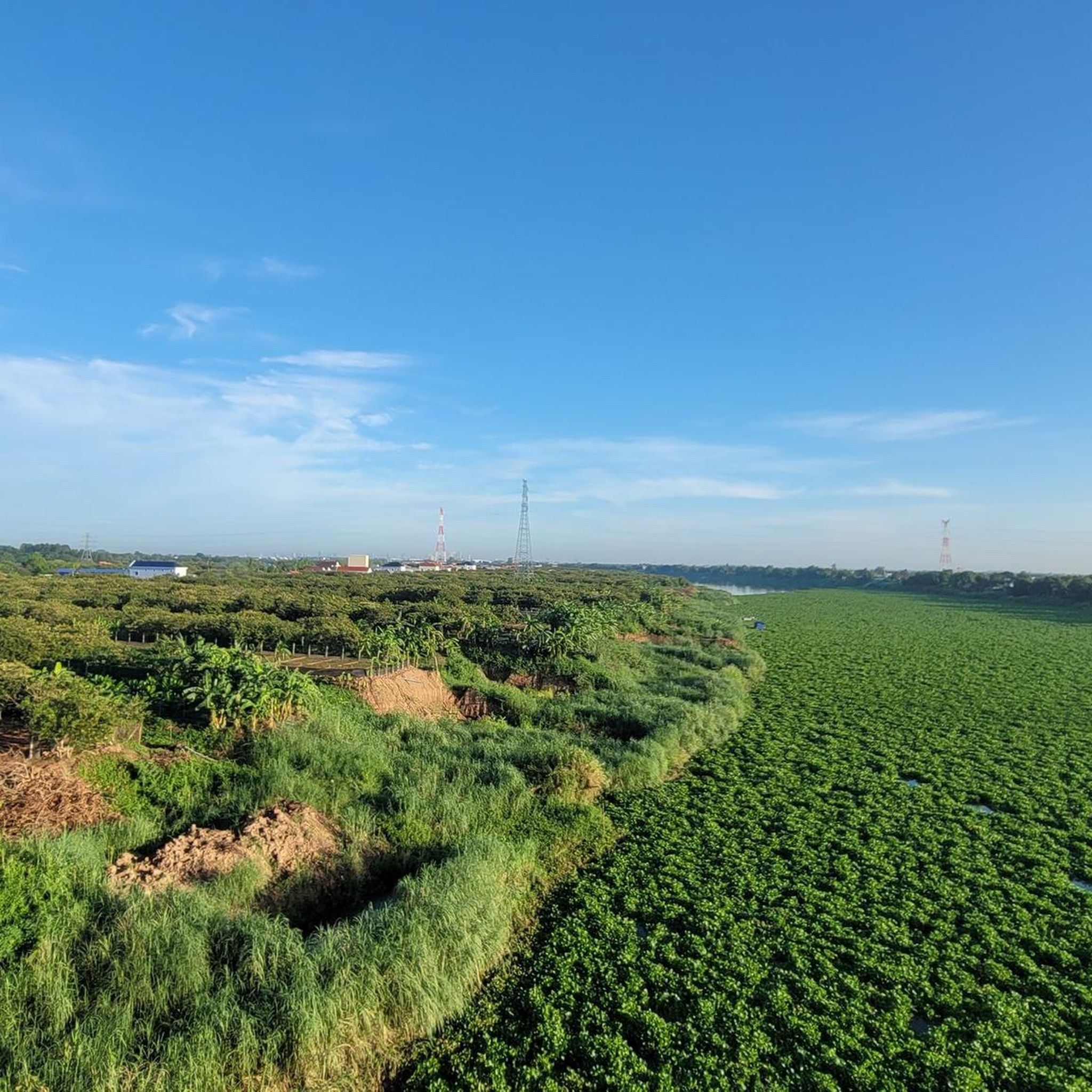
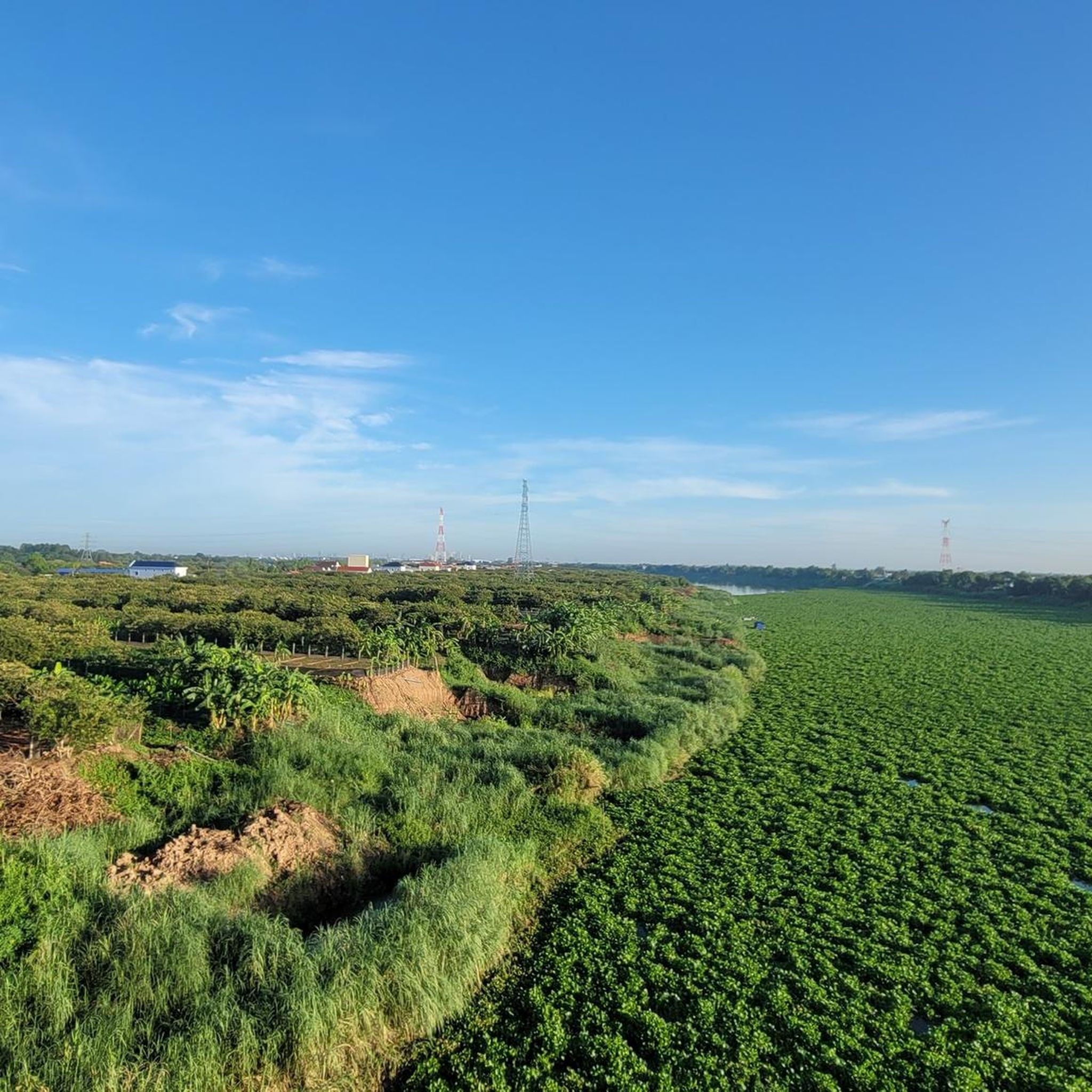
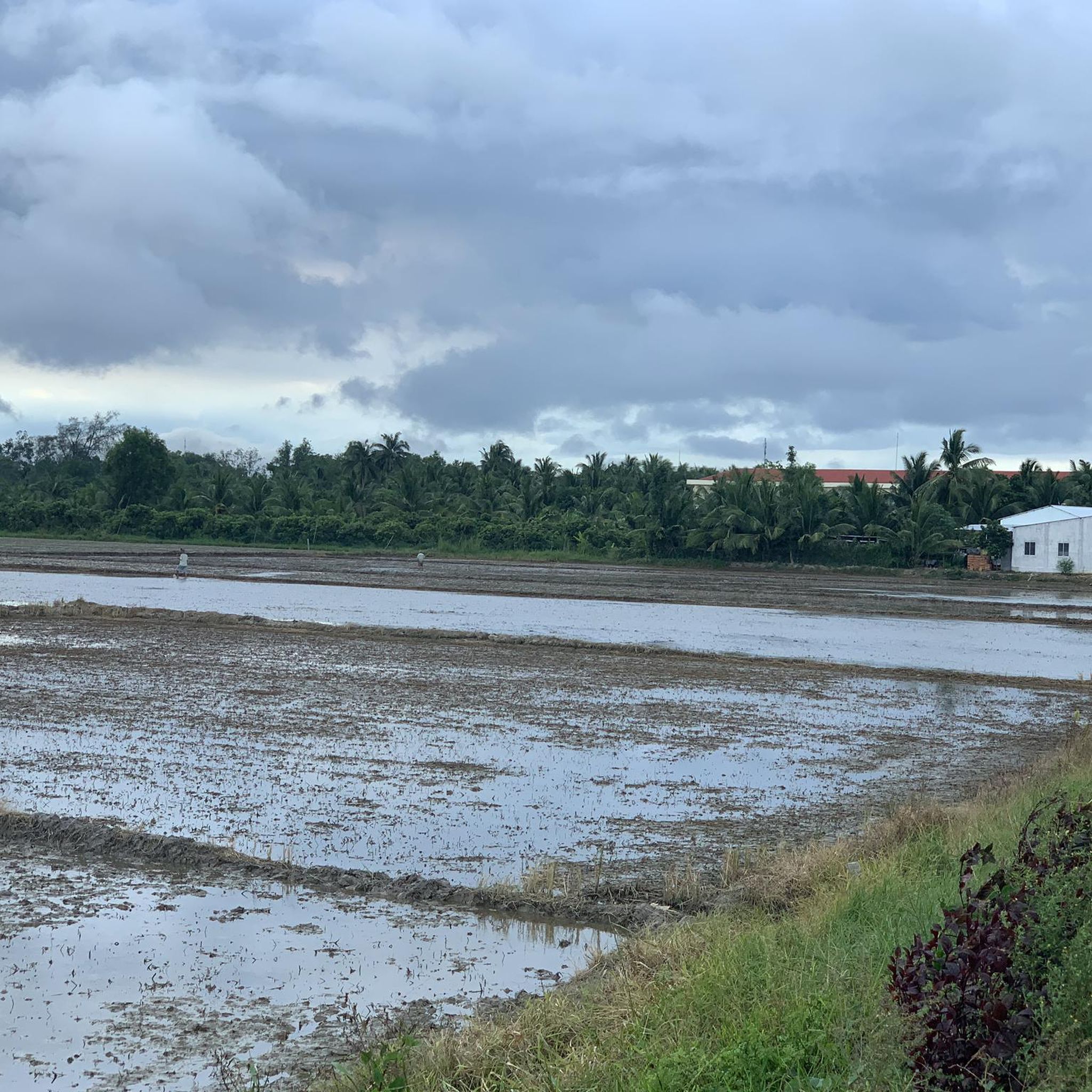
Hiking in the Mekong Delta primarily involves exploring a landscape characterized by its flat topography, extensive network of rivers, canals, and rice paddies. While traditional strenuous mountain trails are less common, the region offers opportunities for gentle walks through rural scenery, fruit orchards, and mangrove forests. Notable exceptions include isolated hills like Sam Mountain, which provide distinct elevation and panoramic views. The terrain is largely defined by its waterways and agricultural lands, with some protected wetland areas offering elevated paths.
Best hiking trails in the Mekong Delta
- The most popular hiking route is Royal Palace Phnom Penh – Royal Palace Phnom Penh loop from Sangkat Olympic, a 9.3 miles (15.0 km) trail that takes 3 hours 49 minutes to complete. This moderate route offers urban exploration with views along the river.
- Another top favourite among local hikers is Núi Sam loop from Mount Sam, an easy 1.7 miles (2.7 km) path. This trail ascends Mount Sam, providing views of the surrounding plains and access to temples.
- Local hikers also love the Cần Thơ Night Market – Ho Chi Minh Statue loop from Cần Thơ, a 3.1 miles (5.0 km) trail leading through urban areas and along the river, often completed in about 1 hour 15 minutes.
- Hiking in the Mekong Delta is defined by riverine landscapes, agricultural fields, and occasional hills, with options for different ability levels.
- The routes in Mekong Delta are highly rated by the komoot community with an average score of 4.0 stars from around 30 reviews. More than 300 hikers have used komoot to explore Mekong Delta's varied terrain.
Last updated: July 1, 2026
4.0
(3)
31
hikers
Moderate hike. Good fitness required. Easily-accessible paths. Suitable for all skill levels.
2.0
(1)
41
hikers
6.42km
01:38
20m
20m
Easy hike. Great for any fitness level. Easily-accessible paths. Suitable for all skill levels.

Sign up for free
3.0
(1)
17
hikers
Moderate hike. Good fitness required. Easily-accessible paths. Suitable for all skill levels.
3
hikers
Moderate hike. Good fitness required. Easily-accessible paths. Suitable for all skill levels.
26
hikers
Easy hike. Great for any fitness level. Easily-accessible paths. Suitable for all skill levels.
Get access to more routes and recommendations from other explorers.
Sign up for free
Already have an account?
Our route recommendations are based on thousands of hikes, rides, and runs completed by other people on komoot.
Start today with a free account
Your next adventure awaits.
Login or Signup
Tips from the Community

The museum is bordered to the north by 178th Street, to the east by 13th Street, and to the south by 184th Street. The museum buildings were erected between 1917 and 1924, and the museum was inaugurated in 1920. The central part of the east facade was renovated in 1968 under the direction of Cambodian architect Vann Molyvann. https://cambodiamuseum.info/
0
0
Two Khmer soldiers on horses, bronze, life-size. Placed on a rock on the Tonle Sap waterfront.
0
0

Central Market (Phnom Penh) – Wikipedia https://share.google/rXBjQLSs0gnvPBVJz
0
0
Wat Ounalom – Wikipedia https://share.google/AKLqixpZdD3NbNJcw
0
0

The Moonlight Pavilion (aka Preah Thineang Chan Chhaya) is a stage for classical Khmer dance performances in the Royal Palace.
2
0
It was built in 1892 under King Norodom. The floor of this pagoda is covered with silver tiles, which is why it is also called the Silver Pagoda.
2
0

In addition to a monument and some fountains, the park also includes a 1 km long circular route.
1
0
The Imperial Palace is located on Phnom Penh's promenade. The king and his mother still live here today in their own residence, which is not open to visitors but is located on the grounds. The palace has several entrances: one for the king, one for state visits, and one for the general public. The buildings are breathtakingly beautiful. The palace buildings are decorated with countless details and colors.
2
0
Frequently Asked Questions
How many hiking trails are available in the Mekong Delta?
You'll find over 20 hiking routes in the Mekong Delta, ranging from easy strolls to moderate urban and natural explorations. These trails offer diverse experiences, from city walks to ascents of the region's few elevated points.
What kind of terrain can I expect on hikes in the Mekong Delta?
The Mekong Delta is predominantly flat, characterized by an intricate network of rivers, canals, and vast rice paddies. Most hikes involve gentle paths through rural scenery, fruit orchards, and along waterways. However, exceptions like Sam Mountain and the Seven Mountains region offer more elevated terrain with panoramic views, providing a different kind of hiking experience.
Are there any challenging hikes in the Mekong Delta?
While the Mekong Delta is known for its gentle, flat landscapes, there are a few areas that offer more elevation. Most routes are classified as easy or moderate, with no difficult trails listed. For a hike with noticeable elevation, consider the Núi Sam loop from Mount Sam, which ascends Mount Sam and provides rewarding views.
Are there family-friendly hiking options in the Mekong Delta?
Yes, many of the trails in the Mekong Delta are suitable for families due to their generally flat and easy terrain. Paths through rural villages, fruit orchards, and wetland reserves like Tra Su Cajuput Forest offer engaging experiences for all ages. The Núi Sam loop from Mount Sam is an easy 1.7-mile path that can be a fun, short ascent for active families.
Can I bring my dog on the hiking trails in the Mekong Delta?
While specific regulations for dogs on trails can vary, many of the rural paths and less formal routes in the Mekong Delta are generally dog-friendly. It's always advisable to keep your dog on a leash and be mindful of local customs and wildlife, especially in protected areas like national parks. For urban walks, ensure your dog is well-behaved and consider the crowds.
What are some interesting natural attractions or landmarks to see while hiking?
The Mekong Delta offers unique natural and cultural sights. You can explore the lush Hoang Viet Park, or discover significant religious sites like Wat Phnom Temple. The region is also home to several protected wetland ecosystems, such as Tram Chim National Park and Tra Su Cajuput Forest, which are excellent for birdwatching and experiencing the Delta's biodiversity.
Are there any circular hiking routes in the Mekong Delta?
Yes, many routes in the Mekong Delta are designed as loops, allowing you to start and end at the same point. Examples include the Royal Palace Phnom Penh – Royal Palace Phnom Penh loop from Sangkat Olympic, a 9.3-mile route, and the shorter Núi Sam loop from Mount Sam. These circular paths are convenient for exploration without needing return transport.
What is the best time of year to go hiking in the Mekong Delta?
The dry season, from November to April, is generally considered the best time for hiking in the Mekong Delta. During these months, the weather is cooler and drier, making outdoor activities more comfortable. The wet season (May to October) brings higher humidity and more rain, which can make some paths muddy, but also offers lush green landscapes and full waterways.
What do other hikers enjoy most about hiking in the Mekong Delta?
The hiking experiences in the Mekong Delta are highly rated by the komoot community, with an average score of 4.0 stars. Reviewers often praise the unique riverine landscapes, the opportunity to observe local life, and the tranquility of the rural paths. The gentle nature of most trails makes them accessible and enjoyable for a wide range of hikers.
Are there opportunities for wildlife spotting on hikes?
Absolutely. The Mekong Delta is rich in biodiversity, especially in its protected wetland areas. National parks like Tram Chim and Tra Su Cajuput Forest are renowned for birdwatching, including migratory species. Exploring these areas, often by boat or elevated walkways, provides excellent chances to spot various bird species, fish, and other aquatic life in their natural habitats.
How can I get to the hiking trails using public transport?
Public transport in the Mekong Delta primarily consists of buses connecting major towns and cities, and local ferries or boats for navigating the waterways. For urban trails like the Cần Thơ Night Market – Ho Chi Minh Statue loop from Cần Thơ, local buses or taxis are readily available. For more remote trails, reaching the starting point might require a combination of bus travel and local motorbike taxis or pre-arranged transport.
Are there places to eat or get refreshments near the trails?
Yes, especially in and around towns or popular tourist areas. Along many rural paths, you'll find small local eateries, fruit stalls, and cafes where you can sample regional specialties and refresh yourself. In larger cities like Cần Thơ, there are numerous options ranging from street food to restaurants. It's always a good idea to carry water, especially on longer or more remote routes.
Most popular routes in the Mekong Delta
Most popular attractions in the Mekong Delta

Get inspired with the komoot mobile app


Explore more
Browse the best Hikes in other regions.
