The best traffic-free bike rides around Les Artigues-De-Lussac
4.4
(344)
2,069
riders
114
rides
No traffic touring cycling routes around Les Artigues-De-Lussac are set within the Gironde department of Nouvelle-Aquitaine, characterized by extensive vineyards and a rolling countryside. The area features a network of waterways, including the De Lavie and Petit Palais Creeks, which contribute to a varied landscape. The terrain primarily consists of gentle undulations suitable for touring cyclists, with elevations generally under 200 meters. This region offers a blend of viticultural scenery and historical sites, providing a consistent backdrop for cycling.
Best…
Last updated: November 5, 2026
4.7
(17)
79
riders
20.2km
01:14
140m
140m
Easy bike ride. Mostly paved surfaces.
4.0
(1)
22
riders
26.8km
01:41
160m
160m
Moderate bike ride. Good fitness required. Mostly paved surfaces.

4.8
(4)
16
riders
13.0km
00:49
130m
130m
Easy bike ride. Mostly paved surfaces.
4.6
(5)
19
riders
55.7km
03:17
200m
200m
Moderate bike ride. Good fitness required. Mostly paved surfaces.
5.0
(2)
12
riders
30.8km
01:56
260m
250m
Moderate bike ride. Good fitness required. Mostly paved surfaces.
Get access to more routes and recommendations from other explorers.
Already have an account?
Our route recommendations are based on thousands of hikes, rides, and runs completed by other people on komoot.
Start today with a free account
Your next adventure awaits.
Popular around Les Artigues-De-Lussac

Tips from the Community

For centuries, this former "Camp Fortet" (small fortress) has overlooked the historic town of Saint-Émilion, guarding it in times of prosperity and defending it in times of war. Its 20-hectare vineyard is located on the highest slopes to the west of Saint-Émilion. The surrounding walls and the building originate from the distinctive limestone plateau on which they are built. Since the beginning of the classification in 1956, Clos Fourtet has belonged to the elite of Saint-Émilion's Premiers Grands Crus Classés.
2
0
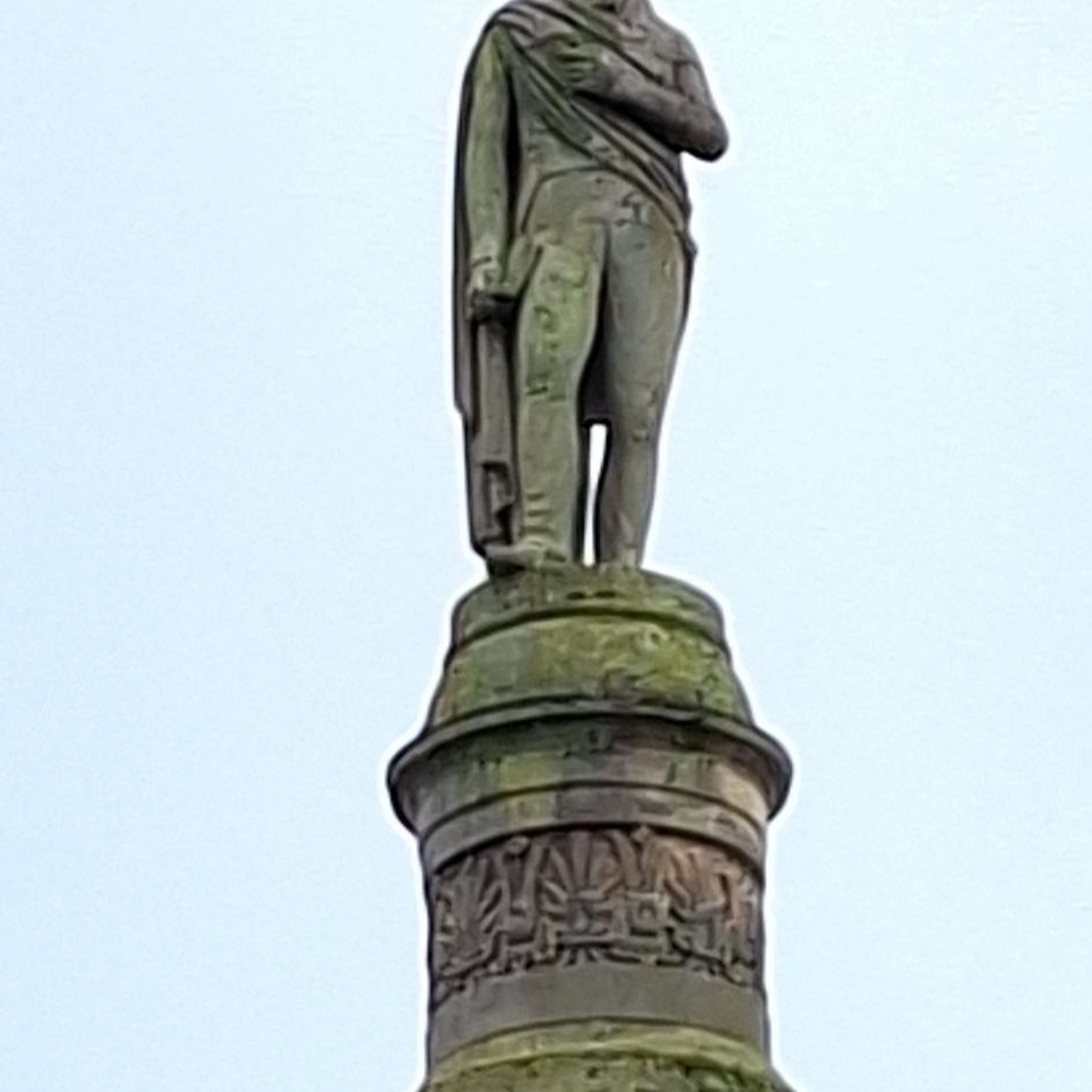
He quickly made a career in politics. At 36, he had already been minister three times in Paris, in January 1912 he became Prime Minister and Foreign Minister for the first time; his policy aimed at close connection with Great Britain, a strengthening of the alliance with Russia and confrontation with Germany.
2
0

Here you can admire very beautiful windmills.
0
0

The TV series – available only in German – »Schätze der Welt – Erbe der Menschheit« documents in short episodes, each lasting a quarter of an hour, important places that have been honored as World Heritage Sites by UNESCO. The accompanying text states: "Saint- Emilion is one of the most romantic wine towns in the world. The small town lies on a limestone plateau, framed by vineyards where the grapes for the famous 'grands crus' grow. With this important wine-growing region in southwestern France, UNESCO has also declared wine a World Heritage Site. Rightly so, because Saint- Emilion represents the perfection of wine." Follow this link to the film =>> https://www.ardmediathek.de/video/schaetze-der-welt/saint-emilion-frankreich-folge-226/swr/Y3JpZDovL3N3ci5kZS83Nzg1MTUw
0
0


Register at the tourist office in St. Émilion for a visit to a Château of the Day. We visited this small château, with Grand Cru and Grand Cru Classé wines.
1
0
If you'd like to visit a château, visit or call the St. Émilion tourist office. They'll list three châteaux you can visit that day. You can then call a château and make a reservation for the same day. In our case, it took just 10 minutes. This château is small. It has a grand cru and a grand cru classé. A bottle costs between €32 and €69.
1
0
The name of Saint-Christophe, to whom this church in the village, which also bears his name, is dedicated, translates as "Christ-bearer." According to the saint's legend, he was a giant man who carried people across a river. One day, a small child called to him, and he carried it on his shoulders to the other bank. Amazingly, the child became heavier and heavier, and he said he felt as if the weight of the entire world were resting on his shoulders. Then the child revealed himself to him as Jesus Christ, Savior and Redeemer of the world.
1
0
Frequently Asked Questions
How many no-traffic touring cycling routes are available in Les Artigues-De-Lussac?
There are over 100 dedicated no-traffic touring cycling routes around Les Artigues-De-Lussac. These routes cater to various skill levels, with a good mix of easy, moderate, and some more challenging options to explore the region's vineyards and historical sites.
What kind of terrain can I expect on no-traffic cycling routes in Les Artigues-De-Lussac?
The terrain around Les Artigues-De-Lussac is characterized by a beautiful rolling countryside, primarily through extensive vineyards. While generally not mountainous, you can expect gentle ascents and descents as you navigate the patchwork of fields and charming villages. The region's 'ocean climate' also means varied conditions, but the routes themselves are designed for enjoyable touring.
Are there family-friendly no-traffic cycling routes in Les Artigues-De-Lussac?
Yes, the region offers several family-friendly options. Many routes are designed to be 'fairly easy' and traverse dedicated paths, making them suitable for cyclists of all ages. The wider Gironde department, where Les Artigues-De-Lussac is located, is known for its 300 km of car-free routes, ensuring a safe and pleasant experience for families. Look for routes with lower elevation gain and shorter distances for the best family experience.
What are some scenic highlights along the no-traffic touring cycling routes?
The routes are renowned for their picturesque vineyard landscapes, particularly those of the Bordeaux and Montagne Saint-Emilion appellations. You'll cycle past historic châteaux and charming villages. For example, the Vines – Château Angélus loop from Montagne offers stunning views of the viticultural heritage. You can also explore routes that pass by the Sacré Coeur parish church or the remains of the Abbey of Faize.
Can I visit vineyards or historical sites directly from the cycling routes?
Absolutely! The region's cycling routes are often intertwined with its viticultural and historical heritage. Many châteaux in the Saint-Émilion region offer tours and tastings, and some are directly accessible from the routes. For instance, Château Haut Piquat in Lussac offers guided tours and free tastings of its wines. You can also easily access historical sites like the Saint-Émilion Village, a UNESCO World Heritage site, which is just 5 km from Les Artigues-De-Lussac.
What is the best time of year for no-traffic touring cycling in Les Artigues-De-Lussac?
The best time for touring cycling in Les Artigues-De-Lussac is typically from spring through early autumn (April to October). During these months, the weather is generally pleasant, and the vineyards are at their most beautiful, either budding in spring, lush in summer, or vibrant with autumn colors. Summer can be warm, but the 'ocean climate' often provides comfortable conditions. Always check the local forecast before heading out.
Are there any circular no-traffic cycling routes available?
Yes, many of the no-traffic touring cycling routes in the area are designed as loops, allowing you to start and end at the same point. Examples include the Winery – Vines loop from Montagne, which covers nearly 28.4 km, or the longer Dordogne River – Saint-Émilion Village loop from Montagne at 45.7 km. These loops are perfect for exploring without needing to retrace your steps.
What do other touring cyclists enjoy most about cycling in Les Artigues-De-Lussac?
The area is highly rated by the komoot community, with an average score of 4.4 stars. Reviewers often praise the serene, traffic-free nature of the routes, the stunning vineyard scenery, and the opportunity to combine cycling with wine tasting and historical exploration. The well-maintained paths and the charming atmosphere of the villages are also frequently highlighted.
Are there options for longer no-traffic touring cycling routes?
Yes, while many routes are suitable for day trips, you can find longer options. For instance, the Château Angélus – Saint-Émilion Village loop from Saint-Denis de Pile extends to over 55 km. The wider Gironde department also features the 'Gironde Cycle Tour,' a comprehensive 486-kilometer loop, much of which is on dedicated paths, offering extensive touring possibilities.
Where can I find parking for no-traffic cycling routes in Les Artigues-De-Lussac?
Parking is generally available in and around the main villages and starting points of the routes. Many local communes and tourist offices provide designated parking areas for visitors. For specific route starting points, it's advisable to check local signage or consult detailed maps provided by the intercommunal tourist office, which can guide you to convenient parking near trailheads.
Are there cafes or places to eat along the no-traffic cycling routes?
Yes, as you cycle through the charming villages and vineyard areas, you'll find opportunities to stop at local cafes, bakeries, and restaurants. The region is known for its gastronomy and wine, so you can easily incorporate refreshment stops into your tour. Saint-Émilion, being a major tourist hub, offers numerous dining options, and smaller villages will have local establishments.
Most popular routes around Les Artigues-De-Lussac
Most popular attractions around Les Artigues-De-Lussac

Get inspired with the komoot mobile app


Explore more
Browse the best Cycling routes in other regions.
