The best road cycling routes around Les Artigues-De-Lussac
4.3
(99)
3,111
riders
470
rides
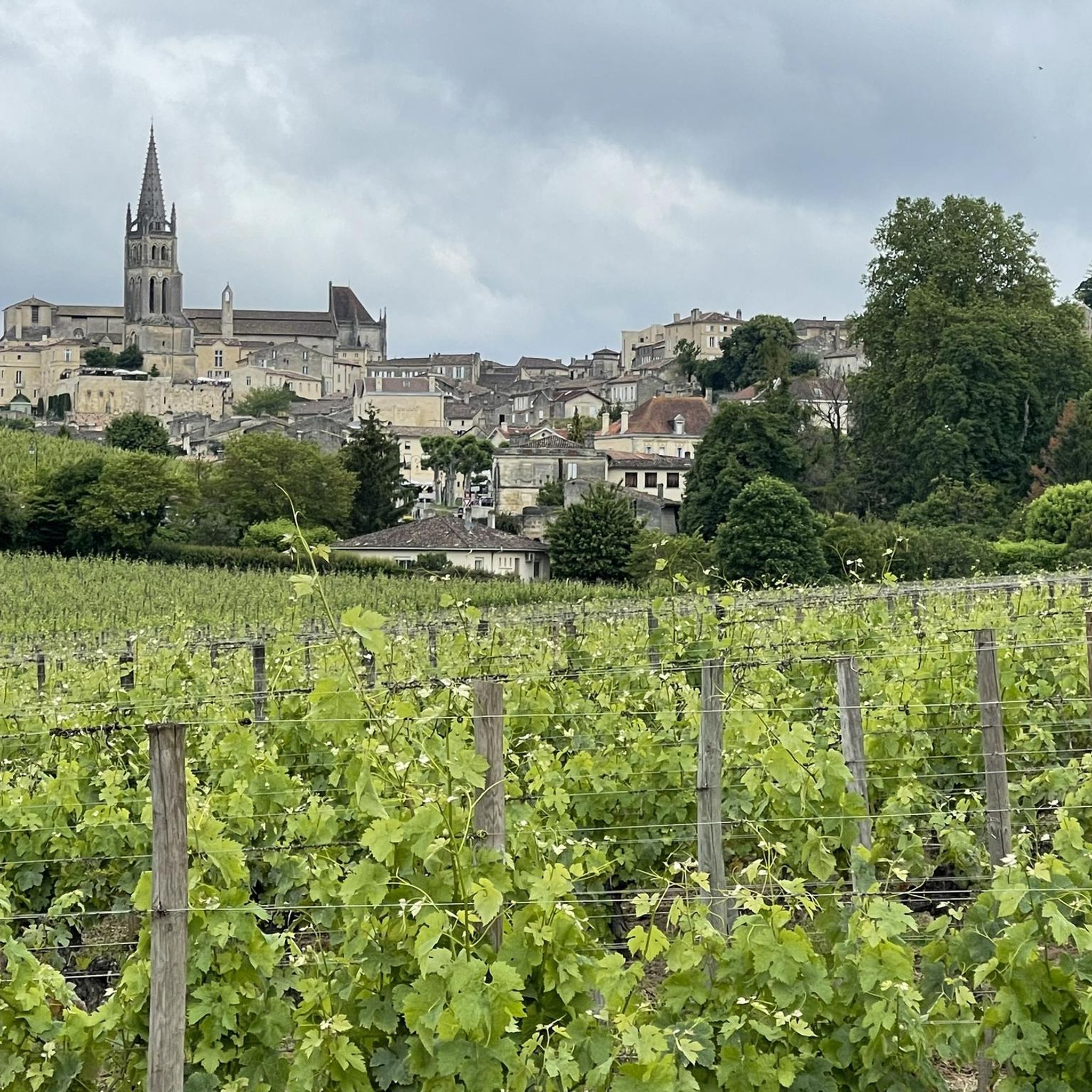
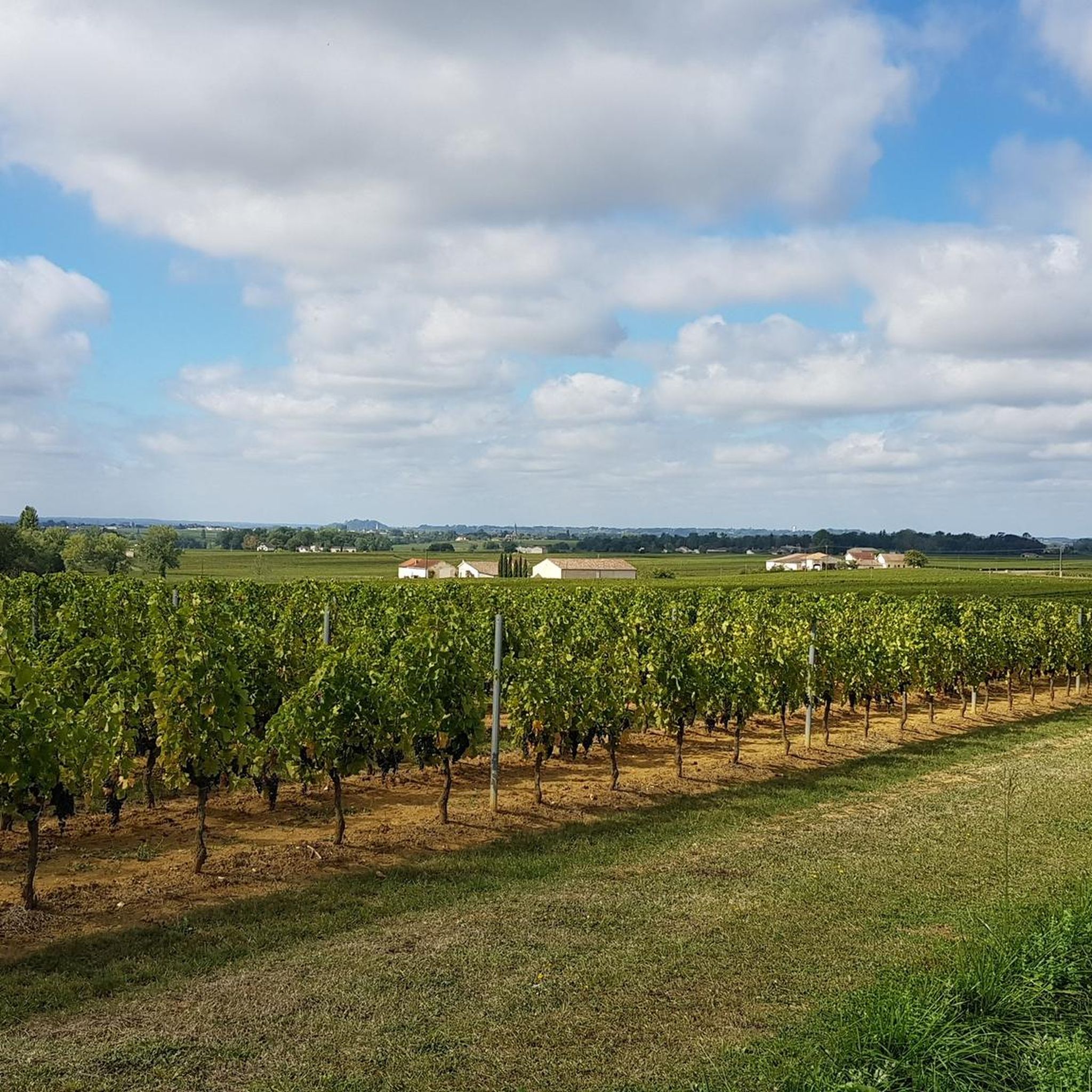
Road cycling routes around Les Artigues-De-Lussac traverse the undulating terrain of the Greater Saint-Émilion wine region. The landscape is characterized by expansive vineyards and gentle rolling hills, with occasional more challenging climbs. Natural features include the De Lavie and Petit Palais Creeks, contributing to the area's scenic appeal. This region offers a blend of viticultural attractions and historic villages, providing varied cycling experiences.
Best road cycling routes around Les Artigues-De-Lussac
- The most popular road cycling route is Saint-Émilion – Saint-Émilion…
Last updated: May 30, 2026
23
riders
58.5km
02:36
430m
430m
Moderate road ride. Good fitness required. Mostly well-paved surfaces and easy to ride.
24
riders
26.3km
01:09
170m
170m
Easy road ride. Great for any fitness level. Mostly well-paved surfaces and easy to ride.

Sign up for free
19
riders
48.3km
02:03
330m
330m
Moderate road ride. Good fitness required. Mostly well-paved surfaces and easy to ride.
11
riders
19.9km
00:56
60m
60m
Easy road ride. Great for any fitness level. Mostly well-paved surfaces and easy to ride.
5
riders
58.7km
02:30
450m
450m
Moderate road ride. Good fitness required. Mostly well-paved surfaces and easy to ride.
Get access to more routes and recommendations from other explorers.
Sign up for free
Already have an account?
Our route recommendations are based on thousands of hikes, rides, and runs completed by other people on komoot.
Start today with a free account
Your next adventure awaits.
Login or Signup


Tips from the Community

Built by John Lackland, Duke of Normandy (1199-1204), Duke of Aquitaine (1199-1216) and King of England from 1199 to 1216, the castle was built on a rock occupied since antiquity. Witness to the Hundred Years' War, the castle of Rauzan was taken twice by the French, including by Bertrand Du Guesclin in 1377. Classified as a historic monument in 1862, it was only revived in people's minds from the 1970s onwards when the municipality of Rauzan, owner since 1900, and some enthusiasts of medieval architecture undertook clearing and restoration work. (sources Wikipedia)
0
0

The Saint-Étienne church of Branne is a true haven of peace in the heart of the village, offering a setting conducive to recollection and prayer. The architecture, both sober and majestic, bears witness to the deep faith that has inhabited these places through the centuries. The beauty of the sanctuary naturally invites the elevation of the soul and contemplation of the divine mysteries. One feels an atmosphere of serenity that helps each faithful to find themselves before the Lord in silence and dignity. It is a living place of worship where the presence of Christ is felt, recalling the importance of our Christian roots in the Gironde landscape. A spiritual stopover highly recommended for all those who seek to nourish their faith within a beautifully maintained church.
0
0

The name of Saint-Christophe, to whom this church in the village, which also bears his name, is dedicated, translates as "Christ-bearer." According to the saint's legend, he was a giant man who carried people across a river. One day, a small child called to him, and he carried it on his shoulders to the other bank. Amazingly, the child became heavier and heavier, and he said he felt as if the weight of the entire world were resting on his shoulders. Then the child revealed himself to him as Jesus Christ, Savior and Redeemer of the world.
1
0

pretty ridge road with views of the Dordogne valley and beautiful castles
0
0


Superb property of great classified growths.
1
1

Crossing the Pont de Branne by bike is a delightful experience, as you cross the picturesque Dordogne River. During the crossing, you will enjoy the breathtaking view of the village of Branne.
1
0

Château Angélus, located in the heart of the prestigious Saint-Émilion vineyard, is a renowned wine estate that combines tradition and modernity. Surrounded by perfectly maintained vines, this iconic château offers a sumptuous setting where you can discover the art of winemaking for its Grands Crus Classés. The view of the vineyard from the château is simply magnificent, with its rows of vines stretching as far as the eye can see. Wine lovers will appreciate the guided tours and tastings.
2
0
Frequently Asked Questions
What kind of terrain can I expect when road cycling around Les Artigues-De-Lussac?
The region is characterized by the undulating terrain of the Saint-Émilion wine area. You'll find a mix of gentle rolling hills and occasional more challenging climbs, especially as you approach historic villages like Saint-Émilion. The primary landscape features expansive vineyards, offering picturesque views throughout your ride.
Are there road cycling routes suitable for beginners or families in Les Artigues-De-Lussac?
Yes, the area offers routes for various ability levels. While many routes traverse rolling hills, there are options with less elevation gain. For example, the Libourne loop from Saint-Denis de Pile is rated as easy and covers a shorter distance, making it suitable for those seeking a less strenuous ride.
What are some notable landmarks or attractions I can see while cycling in the region?
You can explore a rich historical and cultural landscape. Highlights include the UNESCO World Heritage site of Saint-Émilion Village, the historic Abbey of Faize, and the 19th-century neoclassical Sacré Coeur parish church. Routes often pass by charming châteaux and vineyards, such as those seen on the Château de Monbadon – Branne Bridge loop from Lussac, which also goes near Château de Monbadon.
How many road cycling routes are available in Les Artigues-De-Lussac?
There are over 480 road cycling routes available around Les Artigues-De-Lussac, catering to various preferences and fitness levels. This includes 133 easy routes, 338 moderate routes, and 16 more challenging options.
What is the best time of year to go road cycling in Les Artigues-De-Lussac?
The region benefits from an oceanic climate, with warm summers. Spring and early autumn are generally ideal, offering pleasant temperatures and beautiful vineyard scenery. While autumn can bring fog, the moderate rainfall and mild conditions often extend the cycling season.
Are there any longer distance road cycling routes for experienced cyclists?
Yes, for those seeking longer excursions, routes connect Les Artigues-De-Lussac to the wider Saint-Émilion and Bordeaux regions. The Château de Monbadon – Branne Bridge loop from Lussac is a moderate 58.5 km path, and many other routes offer similar or greater distances through the countryside and vineyards.
What do other road cyclists enjoy most about cycling in this area?
The area is highly rated by the komoot community, with an average score of 4.3 stars from 100 reviews. Cyclists often praise the scenic vineyard-covered hills, the charm of historic villages, and the quiet rural roads that make for a pleasant riding experience.
Are there circular road cycling routes available?
Yes, many of the routes in the area are designed as loops, allowing you to start and finish in the same location. Examples include the Saint-Émilion – Saint-Émilion Climb loop from Montagne and the Cordeliers Cloister – Saint-Émilion loop from Saint-Denis de Pile, both offering a circular journey through the vineyards and historic sites.
Is public transport an option for reaching cycling routes in Les Artigues-De-Lussac?
While specific public transport options directly to trailheads in Les Artigues-De-Lussac might be limited, the region is well-connected to larger towns like Saint-Émilion and Bordeaux. From these hubs, you might find local transport or cycling-friendly services to get closer to your desired starting point. It's advisable to check local transport schedules in advance.
Where can I find parking for my car when starting a road cycling route?
Given the rural nature of Les Artigues-De-Lussac and surrounding villages, parking is generally available in village centers or near popular attractions. For routes starting from specific towns like Montagne or Saint-Denis de Pile, you can usually find public parking areas. It's always a good idea to check maps or local information for designated parking spots near your chosen route's starting point.
Are there any challenging climbs for experienced road cyclists?
Yes, while the region is known for its rolling hills, there are occasional more challenging climbs, particularly on the approaches to historic villages like Saint-Émilion. Routes such as the Saint-Émilion Wall – Saint-Émilion loop from Montagne feature significant elevation gain, offering a good test for experienced riders.
Most popular routes around Les Artigues-De-Lussac
Most popular attractions around Les Artigues-De-Lussac

Get inspired with the komoot mobile app


Explore more
Browse the best Road cycling routes in other regions.
