The best traffic-free bike rides around Saint-Benoît-Sur-Seine
4.4
(374)
2,383
riders
83
rides
No traffic touring cycling routes around Saint-Benoît-Sur-Seine are situated within an agricultural zone characterized by Champagne chalk hills, woods, and wind farms, alongside an urban area along the Seine valley. The region is embraced by the River Seine, offering varied terrain suitable for cycling. This area is also part of the broader "La Seine à Vélo" cycling route, providing extensive paths through diverse landscapes.
Best no traffic touring cycling routes around Saint-Benoît-Sur-Seine
- The most popular no traffic touring cycling route…
Last updated: July 5, 2026
4.4
(7)
31
riders
Easy bike ride. Great for any fitness level. Mostly paved surfaces. Suitable for all skill levels.
4.8
(4)
23
riders
Easy bike ride. Great for any fitness level. Mostly paved surfaces. Suitable for all skill levels.

Sign up for free
5.0
(1)
15
riders
18.9km
01:06
20m
20m
Easy bike ride. Great for any fitness level. Mostly paved surfaces. Suitable for all skill levels.
8
riders
19.4km
01:13
190m
190m
Moderate bike ride. Good fitness required. Mostly paved surfaces. Suitable for all skill levels.
6
riders
13.3km
00:45
20m
20m
Easy bike ride. Great for any fitness level. Mostly paved surfaces. Suitable for all skill levels.
Get access to more routes and recommendations from other explorers.
Sign up for free
Already have an account?
Our route recommendations are based on thousands of hikes, rides, and runs completed by other people on komoot.
Start today with a free account
Your next adventure awaits.
Login or Signup
Popular around Saint-Benoît-Sur-Seine

Tips from the Community

Troyes Cathedral (in French: Cathédrale Saint-Pierre-et-Saint-Paul de Troyes) is the main religious building in the French city of Troyes. The cathedral is dedicated to the holy apostles Peter and Paul. Construction of the cathedral began in 1208 and was not completed until the 17th century, in the Gothic style. The church is the seat of the bishopric of Troyes in the Roman Catholic Church. In 1420, the cathedral was the solemn meeting place for the signing of the Treaty of Troyes. Nine years later, Joan of Arc visited the cathedral when she accompanied King Charles VII to Reims. The building was protected as immovable heritage and was given the status of a French classified monument historique in 1862.
3
0

The impressive Troyes Cathedral was begun in the 12th century and completed in the 17th century. The structure is truly impressive. Don't miss a visit to the interior.
1
0

A "chemin de halage", in German "treidelpfad", which runs alongside the waterway right next to the bed of the river or canal, was an indispensable part of the transport infrastructure in earlier times. Before ships could move using motor power, horses ran along the bank and pulled the ship against the current. This was called "treideln", and this is how the "treidelpfads" got their name, which has been passed down to this day. Where these paths directly on the bank have been preserved, they are often used by hikers and cyclists.
0
0
The cathedral in Troyes was dedicated to Saints Peter and Paul (SAINTS PIERRE et PAUL), also known as the "Prince of the Apostles." Their common feast day in the calendar of saints is June 29th. * Simon, nicknamed Peter (Rock), was a fisherman on the Sea of Galilee when he, along with his brother Andrew, was called by Jesus Christ to be a "fisher of men." According to Catholic understanding, he is the highest apostle, and the two-millennia-long line of popes—currently Francis—follows his succession. In statues and paintings, Peter is almost always depicted with two keys in his hand; this attribute refers to the biblical passage in Matthew: "I will give you the keys of the kingdom of heaven; whatever you bind on earth will be bound in heaven, and whatever you loose on earth will be loosed in heaven." (Chapter 16, Verse 19). * Paul was initially an opponent of the Christian movement and, unlike the other apostles, was not called to the apostleship by Jesus Christ during his lifetime. Instead, he was converted later with the famous "Damascus Experience." His attribute is the sword with which he was executed. According to Roman law at the time, such a sentence was a "privilege" (a quick death, not a long, painful death struggle like other forms of execution) reserved for the citizens of Rome.
3
1

Troyer is famous for its half-timbered houses. Some of these houses are incredibly crooked. You have to see them! A feast for the eyes!
1
0
The quarter-hour chime is very, very unusual. This is due to the very old bells that strike it. Where are you from? - I'm from Troyes. What do people do there? - They ring the bells there: This saying was true throughout France for six centuries! Source: https://www.jschweitzer.fr/la-religion/les-cloches/
1
1

do not hesitate to return to the main road then onto the canal at each crossing
0
0

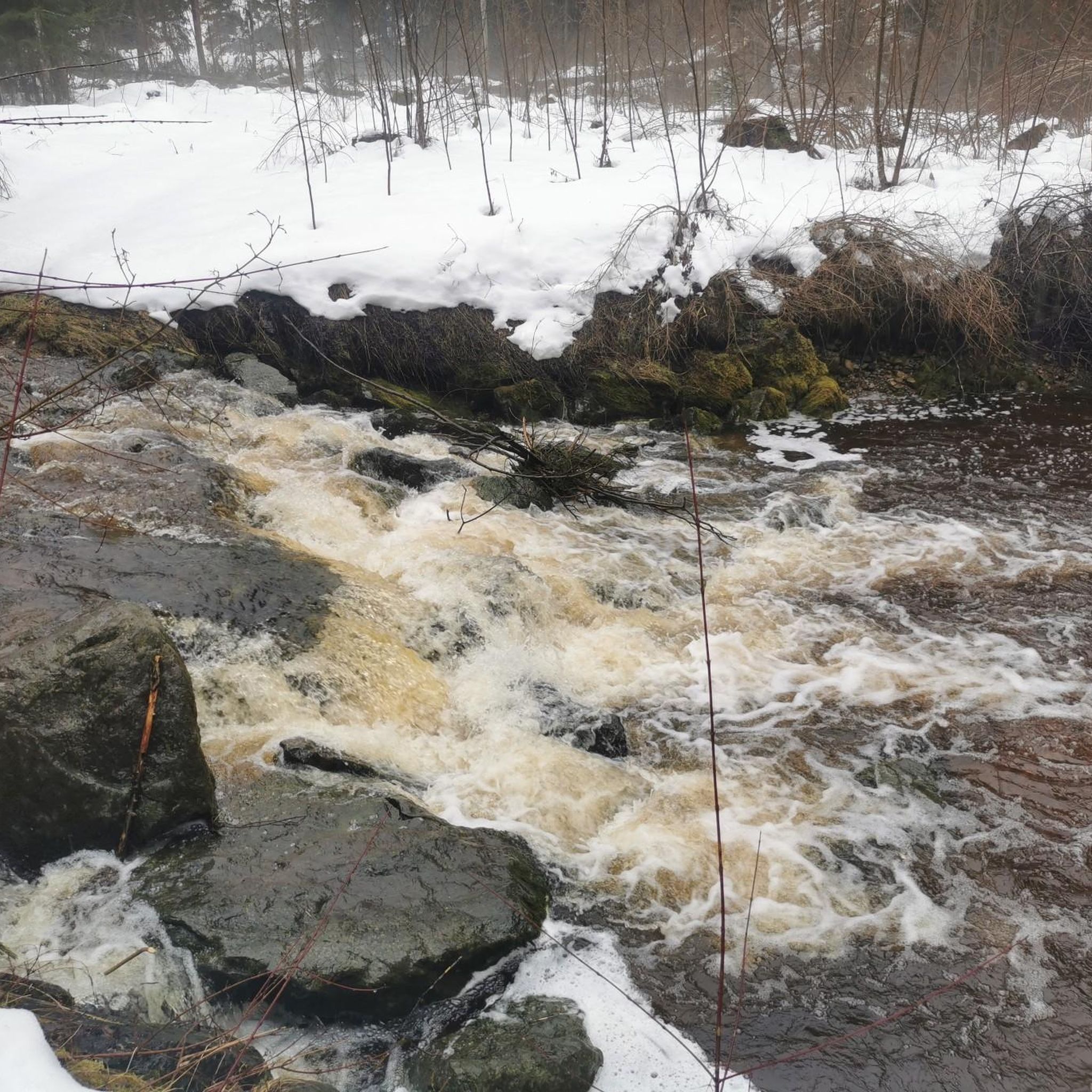
Relaxing stroll along the canal
0
0
Frequently Asked Questions
How many traffic-free touring cycling routes are available around Saint-Benoît-Sur-Seine?
There are over 80 dedicated traffic-free touring cycling routes around Saint-Benoît-Sur-Seine. These routes cater to various skill levels, with a good mix of easy, moderate, and challenging options.
What do other touring cyclists enjoy most about the routes in Saint-Benoît-Sur-Seine?
The area is highly rated by the komoot community, with an average score of 4.4 stars from over 330 ratings. Reviewers often praise the peaceful, car-free environment, the scenic views along the waterways, and the well-maintained paths that make for a relaxing cycling experience.
Are there any easy, family-friendly traffic-free cycling routes?
Yes, there are 28 easy routes perfect for families or those seeking a relaxed ride. A great option is the Bike loop from Troyes, which is just over 9 km long with minimal elevation gain, making it very accessible for all ages.
What landmarks or attractions can I see along the no-traffic cycling routes?
Many routes offer glimpses of the region's rich heritage. For example, while cycling near Troyes, you can explore highlights such as the impressive Cathedral of Saint Peter and Saint Paul in Troyes, the charming Cats' Alley, and the historic Saint-Jean-au-Marché Church.
Are there any circular no-traffic cycling routes available?
Yes, many of the traffic-free routes are designed as loops, allowing you to start and end at the same point. An example is the 7th Company Bridge! – Small weir loop from Troyes, an easy 33 km route that offers a pleasant circular tour.
What is the best time of year to go touring cycling in Saint-Benoît-Sur-Seine?
The spring and autumn months generally offer the most pleasant cycling conditions, with mild temperatures and beautiful scenery. Summer can also be enjoyable, especially along the riverbanks where shade is available, but it's advisable to cycle earlier in the morning or later in the afternoon to avoid the midday heat.
Are the traffic-free routes suitable for cycling with dogs?
Many of the greenways and towpaths that form the traffic-free network are suitable for cycling with dogs, provided they are kept on a leash. Always ensure your dog is comfortable with cycling distances and that you carry enough water for both of you. Specific rules may vary, so it's always good to check local signage.
Where can I find parking for these no-traffic cycling routes?
Parking is generally available near the starting points of many routes, especially in towns like Troyes or Saint-Lyé. For instance, routes like the Café de l'Écluse No. 8 – Historic Center of Troyes loop from Saint-Lyé often have designated parking areas in the nearby villages or towns.
Is public transport accessible to the starting points of these routes?
Public transport options, particularly regional buses, can connect you to some of the towns and villages that serve as starting points for these routes. For routes originating near Troyes, local bus services might be available. It's recommended to check the local transport schedules and bicycle carriage policies in advance.
Are there places to eat or stay along the traffic-free cycling routes?
Yes, the region offers various cafes, restaurants, and accommodation options, particularly in the larger towns and villages along the routes. Many routes follow canals or rivers, where you can often find charming eateries or guesthouses. For example, the Towpath loop from Payns passes through areas where you can find local amenities.
Can you recommend a moderate-difficulty traffic-free route?
For a moderate challenge, consider the Café de l'Écluse No. 8 – Historic Center of Troyes loop from Saint-Lyé. This 46 km route offers a good distance and some varied terrain, allowing you to explore more of the scenic countryside and historic areas without vehicle traffic.
Most popular routes around Saint-Benoît-Sur-Seine
Most popular attractions around Saint-Benoît-Sur-Seine

Get inspired with the komoot mobile app


Explore more
Browse the best Cycling routes in other regions.
