The best traffic-free bike rides around Chiry-Ourscamp
4.2
(121)
1,037
riders
91
rides
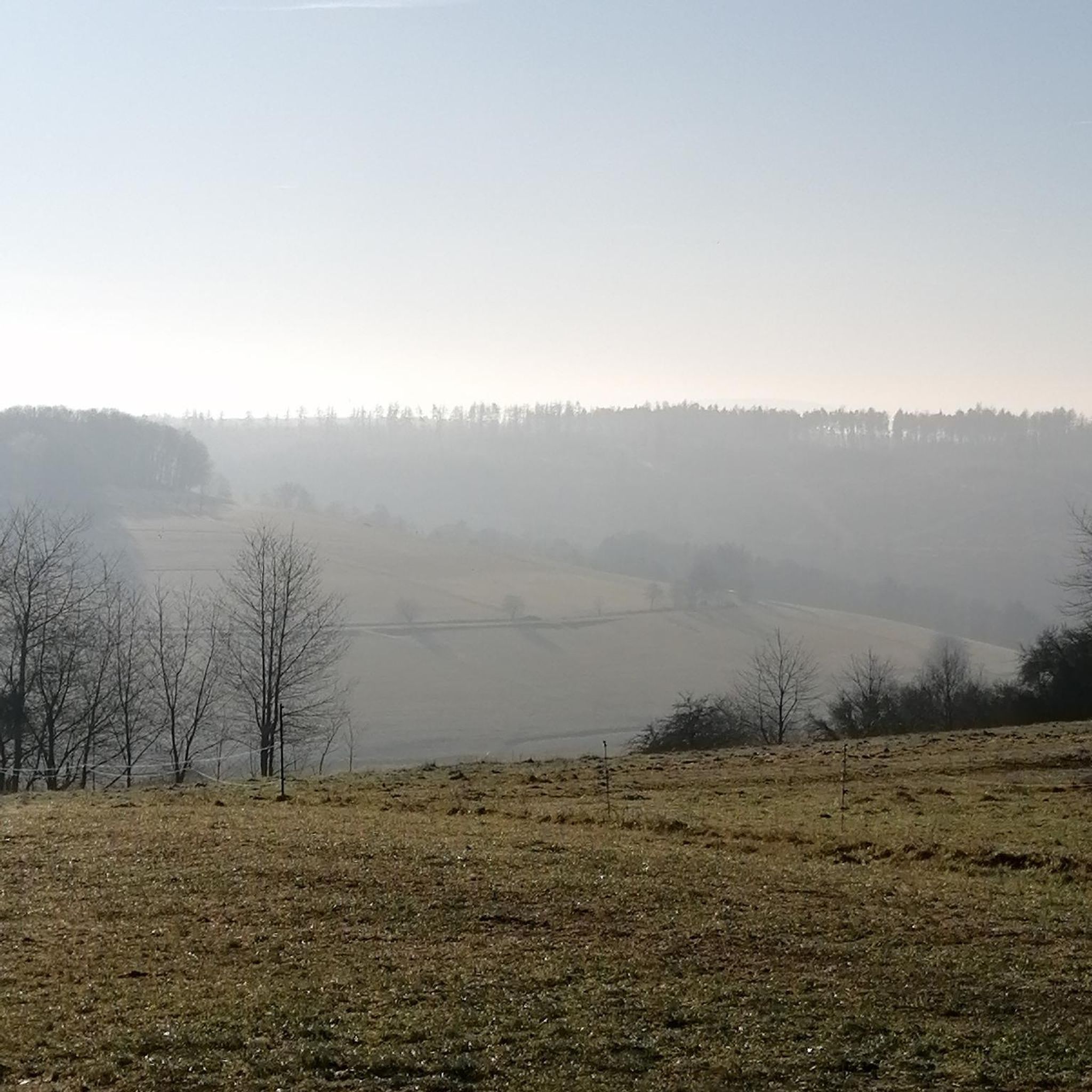
No traffic touring cycling routes around Chiry-Ourscamp traverse the Oise Valley, an area recognized for its rich biodiversity and environmental protections. The region features diverse landscapes, including the Ourscamp-Carlepont state forest on the left bank of the Oise river and the wooded hillside of Mont Conseil. Cyclists can explore routes that wind through forests and along waterways, offering varied terrain. The nearby Forest of Compiègne also provides an extensive network of trails, including historical paths.
Best no traffic touring cycling…
Last updated: July 4, 2026
4.6
(5)
23
riders
29.6km
01:41
30m
30m
Easy bike ride. Great for any fitness level. Mostly paved surfaces. Suitable for all skill levels.
4.5
(2)
19
riders
23.6km
02:12
250m
260m
Hard bike ride. Good fitness required. You may need to push your bike for some segments of this route.

Sign up for free
12
riders
34.8km
03:00
340m
340m
Hard bike ride. Good fitness required. You may need to push your bike for some segments of this route.
4.0
(2)
9
riders
35.4km
03:03
470m
470m
Hard bike ride. Very good fitness required. You may need to push your bike for some segments of this route.
8
riders
40.8km
03:01
230m
230m
Hard bike ride. Good fitness required. You may need to push your bike for some segments of this route.
Get access to more routes and recommendations from other explorers.
Sign up for free
Already have an account?
Our route recommendations are based on thousands of hikes, rides, and runs completed by other people on komoot.
Start today with a free account
Your next adventure awaits.
Login or Signup
Popular around Chiry-Ourscamp

Tips from the Community


The square itself houses a statue of Joan of Arc, a tribute to the city's historical connection to this iconic figure. The Town Hall, with its rich history and stunning architecture, continues to captivate visitors, offering a glimpse into the past while remaining a vibrant part of Compiègne's present.
2
0
The architecture of the town hall is a true feast for the eyes. The central structure is dominated by a tall bell tower, flanked by two turrets connected by a decorative railing. This imposing façade, 47 meters high and 24 meters wide, is decorated with striking Gothic elements such as pinnacles and basket arches. The large niche now houses a high relief depicting the equestrian statue of Louis XII. It is an original creation from 1869 by the sculptor Henri-Alfred Jacquemart in the realistic style so prevalent at the time. However, contrary to the usual appearance of equestrian statues during the reign of Louis XII, Henri-Alfred Jacquemart chose not to build a horse walking "à l'amble," that is, with both straight legs raised simultaneously. On October 12, 1530, a clock was placed on the summit of the bell tower. From that time on, every quarter of an hour, she animated three wooden jaquemarts with bell hammers. The Compiègneis quickly gave them three nicknames corresponding to the enemies of the time: Langlois for the English, Flandrin for the Flemish, and Lansquenet for the Germans. Even today, they chant the life of the city by "punching the time," that is, by striking their hammer to strike the hours.
2
0

Rethondes is associated with the armistice of 1918. On Sunday 10 November, Foch and Weygand attended mass in the small church. Outside hangs a commemorative plaque. Inside, the portraits of the two commanders are included in the stained glass window of the apse.
4
0
The Château du Francport is an historic château in Choisy-au-Bac, Oise, Hauts-de-France. It was built in the 19th century. A photograph taken by Count Olympe Aguado is in the collection of the J. Paul Getty Museum in Los Angeles, California. According to photographer Edward O. Haars for the War Department, this building is where German emissaries were housed during the Armistice negotiations in November 1918 at the Forest of Compiègne. See photos attached with NARA source on the images. Acquired by the Anglo-French Hotel Management Limited to turn it into a luxury hotel, the project fell through in 2009. However, by 2014 it was owned by Terres de Kéops and run as a restaurant known as the Château des Bonshommes.
5
0
The Aisne is a river in northern France that rises in the Argonne massif and joins the Oise near Compiègne in the Oise department. The Aisne department is named after the river. The Romans already knew the river in ancient times as the Axona; in 57 BC, Caesar defeated a large Belgian coalition in the Battle of the Aisne during the Gallic War. Battles were also fought there during the First World War.
6
0
The Église Saint-Rémi in Ribécourt is a neo-Gothic church originally consecrated in 1887. During the First World War, the building suffered severe damage, as so many others in this region close to the front. Between 1927 and 1930, the church was rebuilt almost identically, as a symbol of resilience and reconstruction. Architecturally, the church is a fine example of neo-Gothic, with clear references to the Gothic style of the 13th century. Inside, the pillars are particularly striking, each made up of four half-columns, with capitals decorated with leaf motifs. The five-lobed rose windows and the high pointed arches reinforce the vertical character of the building. A special feature are the stained glass windows, dating from 1954-1955. They were designed by the French master glassmaker Pierre-François Chevalley and give the church a colourful, spiritual atmosphere that reinforces the liturgical character of the building.
5
0
Frequently Asked Questions
How many no-traffic touring cycling routes are available around Chiry-Ourscamp?
There are nearly 100 dedicated no-traffic touring cycling routes around Chiry-Ourscamp. These routes cater to various skill levels, with over 20 easy options, more than 40 moderate routes, and nearly 30 challenging trails for experienced cyclists.
What kind of landscapes can I expect on these traffic-free cycling routes?
The routes primarily traverse the beautiful Oise Valley, offering picturesque views along the Oise river. You'll cycle through lush areas like the Ourscamp-Carlepont state forest and the expansive Forest of Compiègne, known for its diverse flora and fauna. Many routes also feature charming villages and historical sites.
Are there any family-friendly no-traffic cycling routes in the area?
Yes, many of the easy routes are suitable for families. The region's greenways and forest paths provide safe, car-free environments. For example, the Pont-l'Évêque – Schleuse bei Appilly loop from Ourscamps is an easy 29.5 km route that offers a pleasant, traffic-free experience for all ages.
What historical attractions can I visit along the cycling routes?
The region is rich in history. You can cycle past sites like the ancient Ourscamp Abbey, founded in 1129, or the intriguing ruins of Château Mennechet, which offers panoramic views. The Saint-Rémi Church in Ribécourt – Mennechet Castle loop from Ribécourt is one route that incorporates historical points of interest.
Are the no-traffic cycling routes suitable for dogs?
Many forest paths and greenways in the Oise region are dog-friendly, provided your dog is kept on a leash. The Forest of Compiègne, for instance, welcomes dogs. Always ensure your dog is well-behaved and that you clean up after them to maintain the natural environment for everyone.
What is the best time of year to cycle in Chiry-Ourscamp?
Spring and autumn generally offer the most pleasant cycling conditions with mild temperatures and beautiful scenery, especially when the forest foliage changes color. Summer can also be enjoyable, particularly on shaded forest routes, but be prepared for warmer weather. Winters are typically colder and may have less predictable conditions.
Are there circular no-traffic cycling routes available?
Yes, many of the routes are designed as loops, allowing you to start and end at the same point without retracing your steps. The Wild Oise – View of Tracy-le-Mont loop from Ribécourt is an example of a circular route, offering a diverse experience.
Where can I find parking for these no-traffic cycling routes?
Parking is often available near the start points of many routes, especially in villages or at designated forest entrances. For routes near Ourscamp Abbey, you can typically find parking facilities close by. Always check local signage for specific parking regulations.
Can I access these cycling routes using public transport?
While Chiry-Ourscamp itself is a smaller commune, nearby larger towns may offer better public transport connections. From there, you might need to cycle a short distance to reach the dedicated no-traffic routes. It's advisable to check regional bus or train schedules to plan your access points.
What do other touring cyclists say about the routes in Chiry-Ourscamp?
The no-traffic touring cycling routes in Chiry-Ourscamp are highly regarded by the komoot community, with an average rating of 4.2 out of 5 stars. Reviewers often praise the tranquility of the routes, the beautiful natural surroundings, and the historical points of interest along the way.
Are there any cafes or restaurants along the no-traffic cycling trails?
While the dedicated no-traffic sections, especially deep within forests or along greenways, may not have direct amenities, you will find cafes and restaurants in the villages and towns that these routes pass through or start from. It's a good idea to plan your stops in advance or pack snacks and water.
What are some other notable natural features to look out for while cycling?
Beyond the Oise Valley and the Compiègne Forest, keep an eye out for the Mont Conseil hillside, which offers expansive views from its former water tower. The region is also a Natura 2000 protected area, meaning you might spot diverse wildlife and unique plant species, especially along the riverbanks.
Most popular routes around Chiry-Ourscamp
Most popular attractions around Chiry-Ourscamp

Get inspired with the komoot mobile app


Explore more
Browse the best Cycling routes in other regions.
