The best city hikes and walks around Marseille
4.5
(14480)
114,198
hikers
202
hikes
Urban hiking trails around Marseille offer a unique blend of city exploration and natural coastal landscapes. The city is situated along the Mediterranean Sea, featuring a diverse topography that includes historic districts, elevated viewpoints, and proximity to limestone cliffs. Routes often provide views of the sea, islands, and the city's urban fabric. The terrain varies from paved city paths to more rugged coastal sections.
Best urban hiking trails around Marseille
- The most popular urban hiking route is Fort Saint-Jean –…
Last updated: August 12, 2026
4.6
(71)
628
hikers
17.8km
04:52
270m
270m
Moderate hike. Good fitness required. Easily-accessible paths. Suitable for all skill levels.
4.6
(54)
395
hikers
14.3km
03:56
250m
250m
Moderate hike. Good fitness required. Easily-accessible paths. Suitable for all skill levels.

Sign up for free
4.7
(30)
355
hikers
8.39km
02:17
130m
120m
Moderate hike. Good fitness required. Easily-accessible paths. Suitable for all skill levels.
4.6
(25)
306
hikers
7.30km
01:58
90m
90m
Easy hike. Great for any fitness level. Easily-accessible paths. Suitable for all skill levels.
4.8
(11)
171
hikers
9.96km
02:39
100m
100m
Moderate hike. Good fitness required. Easily-accessible paths. Suitable for all skill levels.
Get access to more routes and recommendations from other explorers.
Sign up for free
Already have an account?
Our route recommendations are based on thousands of hikes, rides, and runs completed by other people on komoot.
Start today with a free account
Your next adventure awaits.
Login or Signup
Popular around Marseille
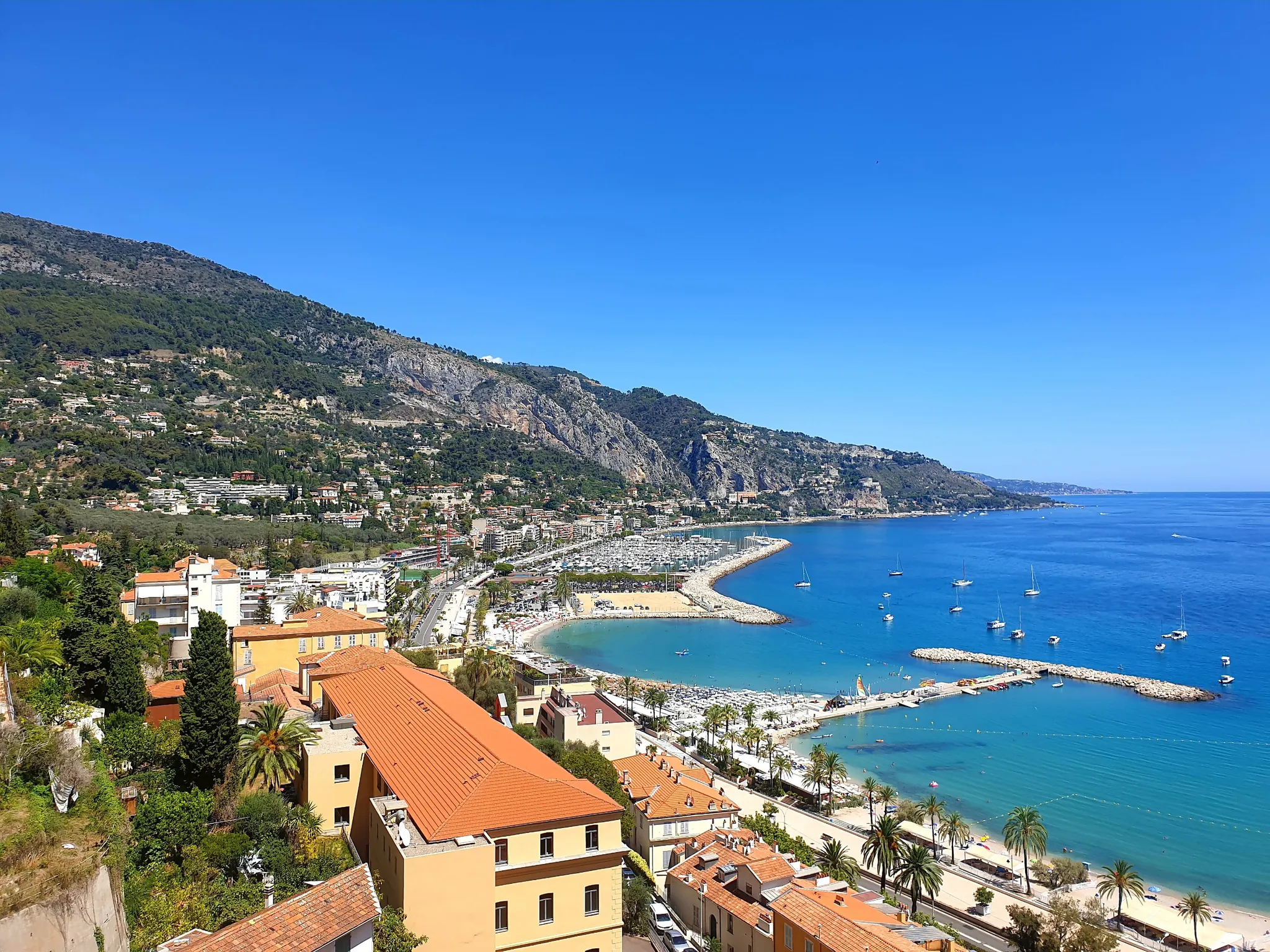
Between sea and mountains – other balcony of the Mediterranean
GR 51 - Balcony of the Mediterranean

Tarmac, trails and flow – Europe's best road to trail runs

Graffiti & Street Art Trails through Europe’s Coolest Cities
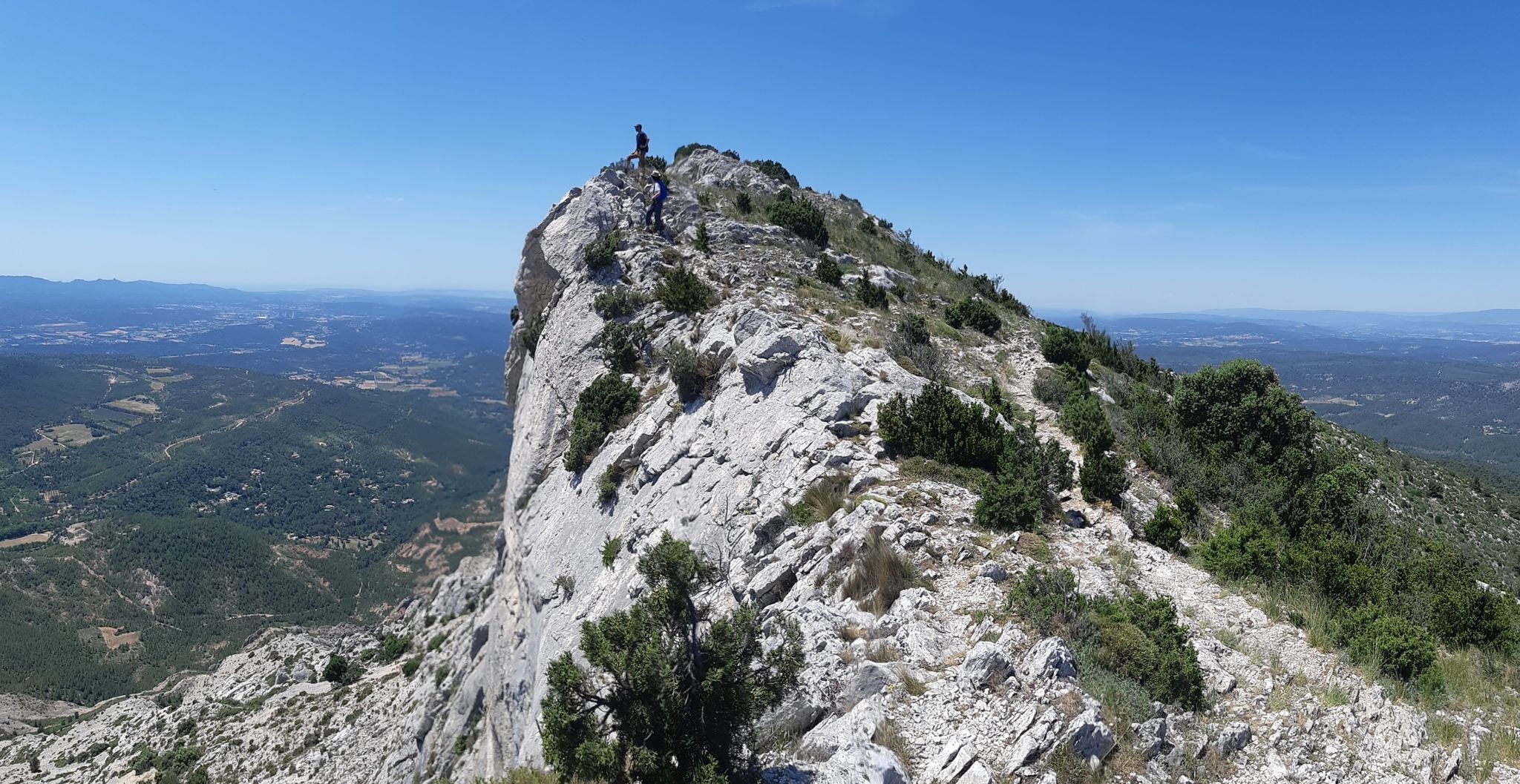
Pays d'Aix to Cap Canaille – Seven Provençal walks
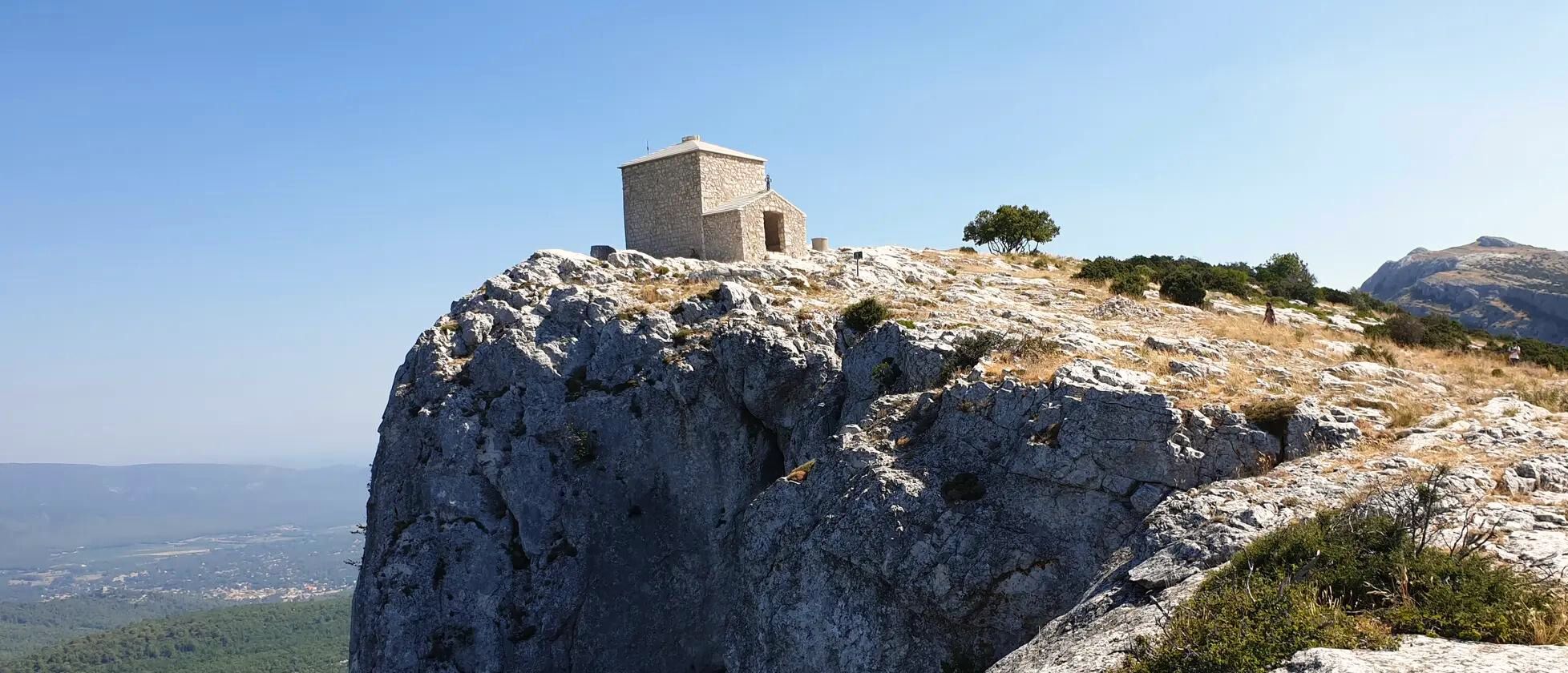
La Madrague to the Sainte-Baume – GR 98
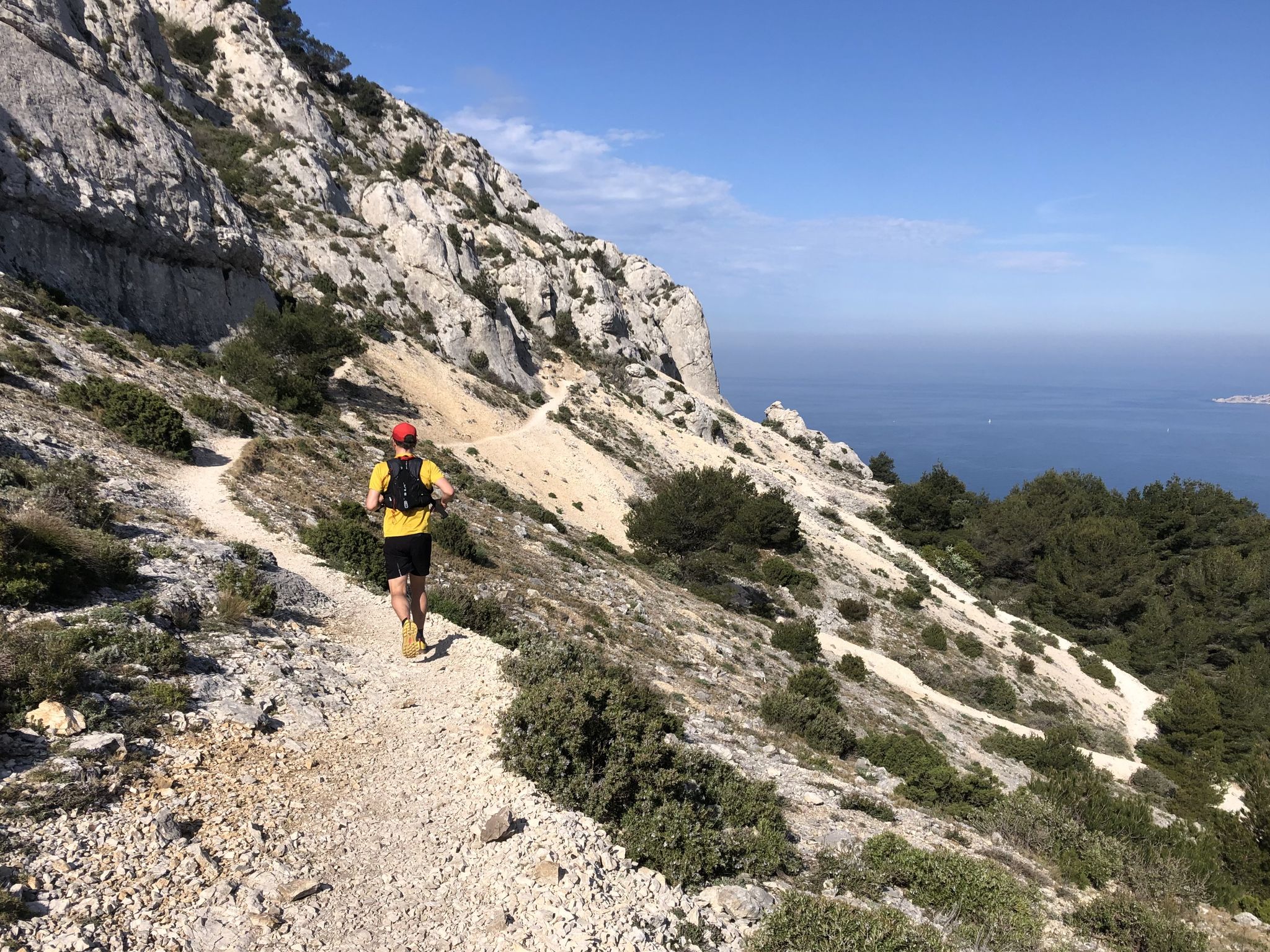
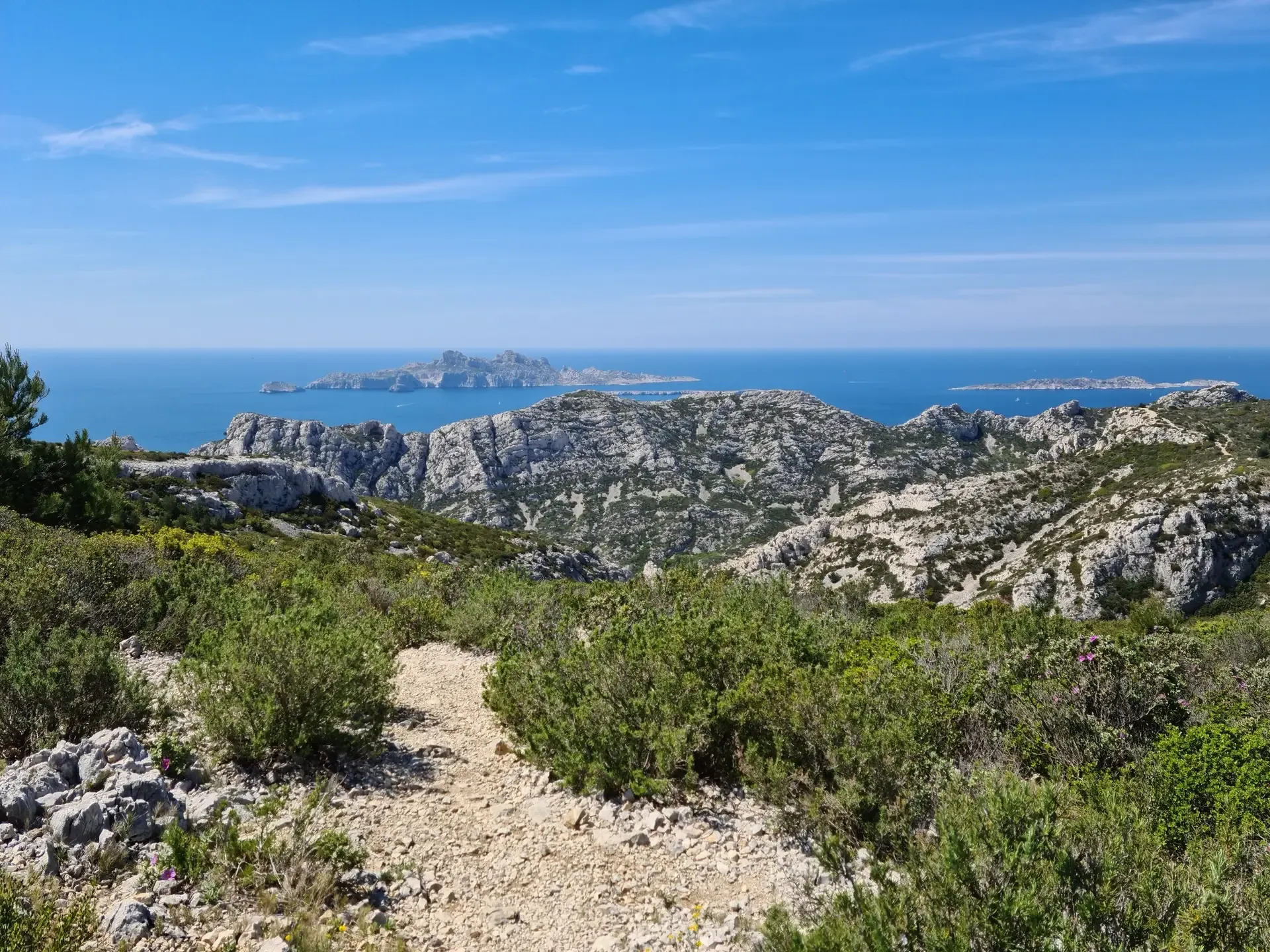
Cliffs, creeks and ridges – 10 sporty hikes in France’s Calanques
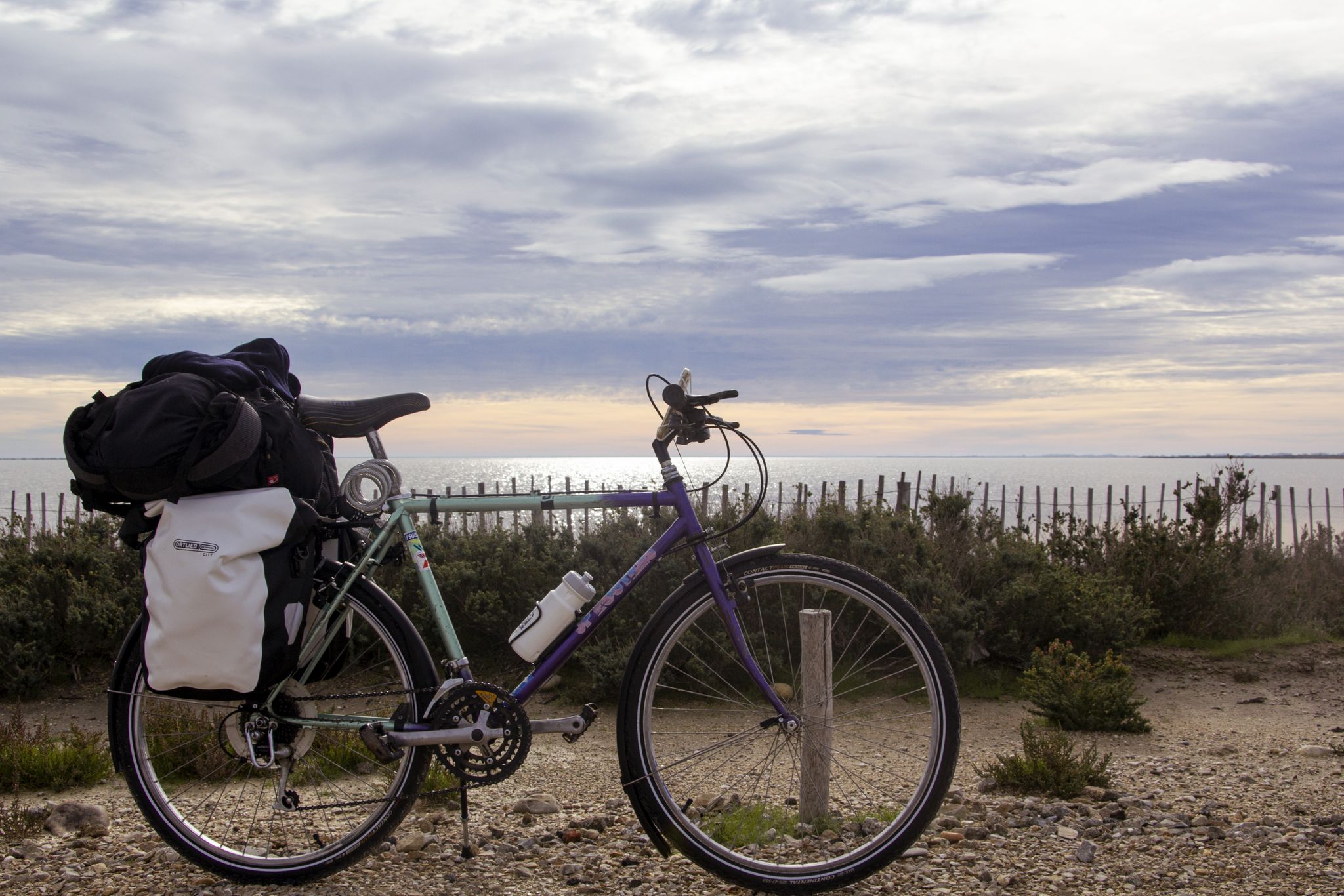
From Marseille to Montpellier — France's south coast by bike
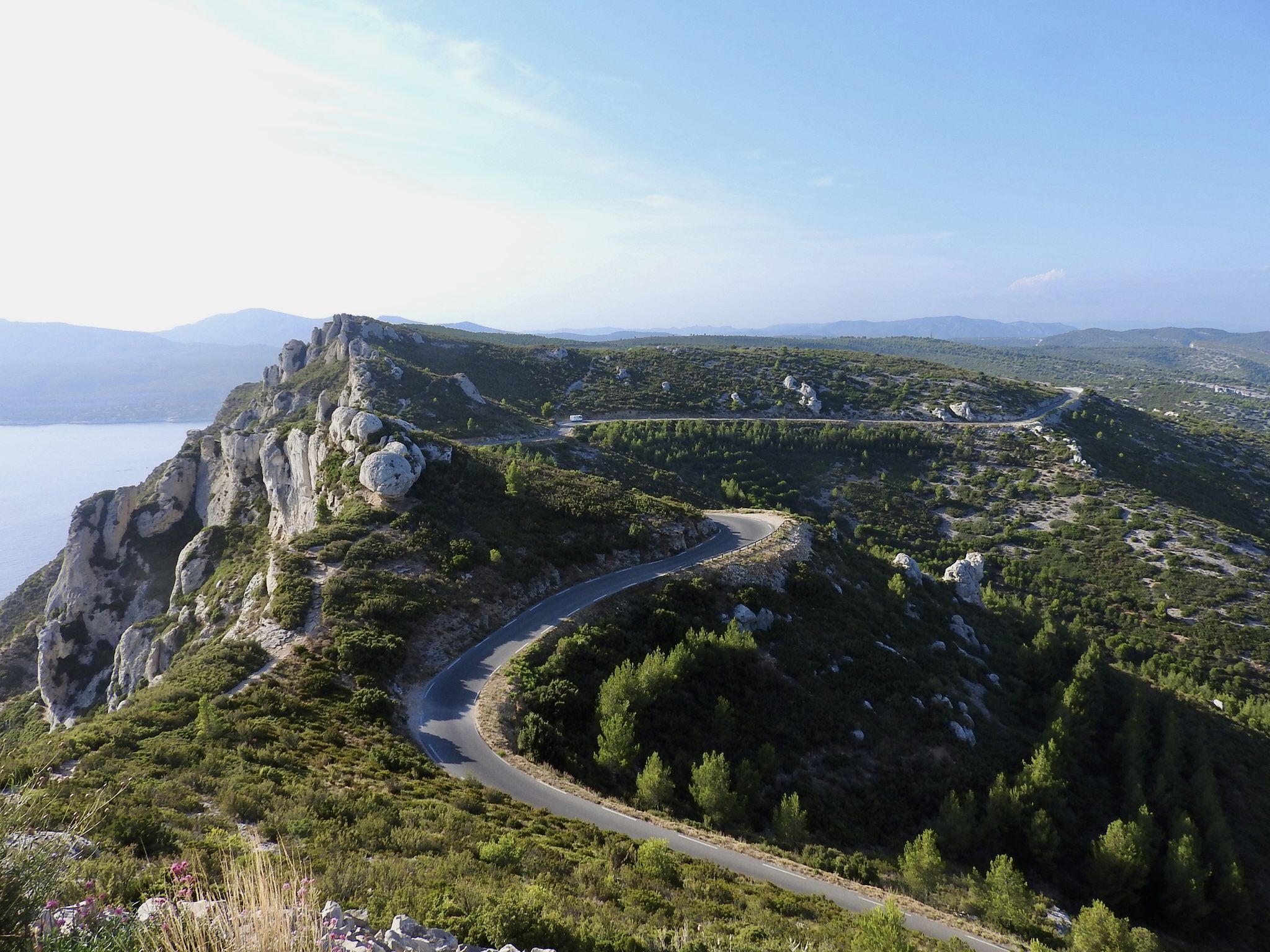
From the Calanques to Cézanne – discover the countryside of France’s Provence
Other adventures around Marseille


Tips from the Community

The port of Marseille is one of the largest and most important seaports in Europe. It plays a central role in trade, industry, and ferry traffic in the Mediterranean and connects France with many international ports.
0
0

You don't have to look far to see urban art throughout the streets above the Vieux Port.
0
0


Very lively atmosphere with nice places to eat and have coffee, highly recommended
2
0

Fort Saint-Jean was built on a site previously occupied by the military branch of the Order of St. John, from which the new building takes its name. At the same time, Fort Saint-Nicolas was being built on the opposite side of the harbor. Louis XIV said of its construction: "We noticed that the people of Marseille are very fond of beautiful fortresses. We wanted to have one of our own at the entrance to this great harbor." In fact, the two new fortresses were built more in response to a local revolt against the governor than for the defense of the city. Their cannons faced inward toward the city, not outward toward the sea. Two earlier buildings were incorporated into the fort's structure: the 12th-century Commandery of the Knights of St. John of Jerusalem, which served as a monastic hospital during the Crusades, and the 15th-century Tower of René I, Count of Provence.
0
1
Fort Saint-Jean is a fort in Marseille, built in 1660 under Louis XIV at the entrance to the Old Port. Since 2013, it has been connected by two footbridges to the historic Le Panier district and the Museum of European and Mediterranean Civilizations.
0
1
The Bustling Heart of Marseille For 2,600 years, the historic port has been the bustling heart of the city. The Vieux-Port still stands where the ancient Greek market once stood. Today, it is one of Marseille's most popular neighborhoods.
1
0
Around 620 to 600 BC, Greeks founded a permanently inhabited settlement (Apoikie) at this port thanks to a land donation from the Ligurian princes and called it Massalia (ancient Greek Мασσαλία, Latin Massilia), today's Marseille.
1
0
Frequently Asked Questions
How many urban hiking trails are available in Marseille?
Marseille offers a wide variety of urban hiking experiences, with over 200 routes available. These range from leisurely strolls through historic districts to more challenging paths that blend cityscapes with natural coastal beauty.
What do other hikers say about the urban trails in Marseille?
The urban hiking trails in Marseille are highly regarded by the komoot community, boasting an average rating of 4.56 out of 5 stars. Hikers frequently praise the unique blend of historical architecture, vibrant city life, and stunning Mediterranean views that these routes provide.
Are there easy urban hikes suitable for beginners in Marseille?
Yes, Marseille has many easy urban hikes perfect for beginners or those looking for a relaxed stroll. Over 150 routes are classified as easy, allowing you to explore the city's charm without significant physical exertion. An example is the Pharo Palace – Vallon des Auffes loop from Noailles, which offers pleasant coastal views.
Are there family-friendly urban hikes in Marseille?
Many urban hikes in Marseille are suitable for families, offering accessible paths and interesting sights to keep everyone engaged. Look for routes that explore parks, waterfronts, or historic districts with plenty of opportunities for breaks and exploration. The city's relatively flat areas and well-maintained paths make for enjoyable family outings.
Can I bring my dog on urban hikes in Marseille?
Many urban areas and parks in Marseille are dog-friendly, especially if your dog is on a leash. However, it's always best to check local regulations for specific parks or natural areas, as some protected zones, like parts of the Calanques National Park, may have restrictions on dogs, especially during certain seasons. Always ensure your dog is well-behaved and pick up after them.
Are there urban hikes in Marseille that offer great viewpoints?
Absolutely! Marseille's hilly terrain and coastal location provide numerous opportunities for breathtaking viewpoints. Many urban routes will lead you to elevated spots offering panoramic vistas of the city, the Old Port, the Mediterranean Sea, and even the nearby islands. The Fort Saint-Jean – Le Panier District loop from Marseille-Saint-Charles, for instance, offers diverse perspectives of the city and its historic heart.
Are there circular urban walks in Marseille?
Yes, many urban hikes in Marseille are designed as circular routes, allowing you to start and end at the same point without retracing your steps. This is ideal for exploring different neighborhoods and attractions efficiently. Routes like the Le Panier District – Le Panier loop from Noailles are excellent examples of circular walks that immerse you in the city's character.
How can I reach urban hiking trailheads in Marseille using public transport?
Marseille has an extensive public transport network, including metros, trams, and buses, making it very easy to access urban hiking trailheads. Many routes start near major transport hubs or easily reachable stops. For example, routes exploring the Le Panier district often begin close to metro stations like Joliette or Jules Guesde, such as the Le Panier – Le Panier District loop from Joliette.
What are some interesting landmarks or natural sights I can explore on urban hikes in Marseille?
Marseille's urban hikes are rich with cultural and natural highlights. You can explore historic districts like Le Panier, visit iconic sites such as the Old Port and Notre-Dame de la Garde, or discover natural wonders. Nearby attractions include stunning calanques like Morgiou Cove and Sugiton Cove, or even reach summits like Marseilleveyre summit for expansive views.
What is the best time of year for urban hiking in Marseille?
The best time for urban hiking in Marseille is typically during spring (April to June) and autumn (September to October). During these seasons, the weather is pleasantly mild, with comfortable temperatures and less rainfall, making it ideal for exploring the city on foot. Summers can be very hot, especially in July and August, so if hiking then, it's best to go early in the morning or late in the afternoon.
Are there urban hikes in Marseille that include stops for food or drinks?
Yes, Marseille's urban trails often weave through vibrant neighborhoods filled with cafes, restaurants, and bakeries. You'll find plenty of opportunities to stop for a coffee, a traditional Provençal meal, or a refreshing drink. Exploring areas like the Old Port, Le Panier, or along the Corniche offers numerous culinary delights to punctuate your hike.
Most popular routes around Marseille
Most popular attractions around Marseille

Get inspired with the komoot mobile app


Explore more
Browse the best Hikes in other regions.
