The best traffic-free bike rides around Moya
4.5
(166)
6,405
riders
5
rides
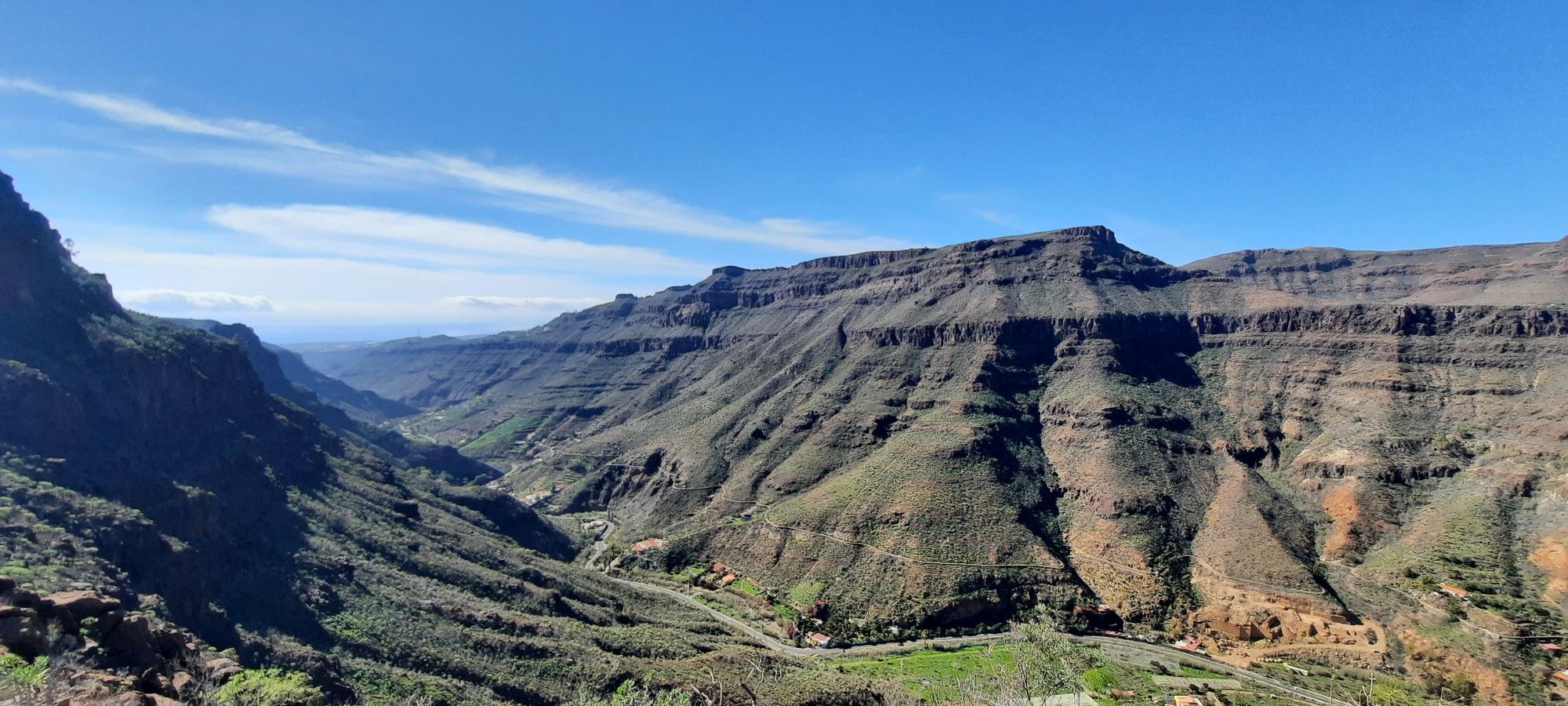
No Traffic road bike trails Moya Gran Canaria are characterized by a diverse and rugged volcanic terrain, featuring deep valleys and dramatic ravines. The region's landscape includes significant elevation changes, offering challenging routes for road cyclists. Moya's northern location on Gran Canaria provides a mix of inland volcanic formations and accessible coastal stretches. This varied geography ensures a range of no traffic road cycling routes with distinct characteristics.
Best no traffic road cycling routes around Moya
- The most popular no…
Last updated: August 26, 2026
91
riders
44.8km
02:41
840m
840m
Moderate road ride. Good fitness required. Some segments of this route may be unpaved and difficult to ride.
15
riders
27.0km
01:44
640m
640m
Moderate road ride. Good fitness required. Mostly well-paved surfaces and easy to ride.

Sign up for free
11
riders
27.2km
02:08
440m
440m
Moderate road ride. Good fitness required. Some segments of this route may be unpaved and difficult to ride.
13
riders
17.9km
00:59
350m
360m
Moderate road ride. Good fitness required. Mostly well-paved surfaces and easy to ride.
125
riders
39.6km
02:21
820m
820m
Moderate road ride. Good fitness required. Mostly well-paved surfaces and easy to ride.
Our route recommendations are based on thousands of hikes, rides, and runs completed by other people on komoot.
Start today with a free account
Your next adventure awaits.
Login or Signup

Other adventures around Moya

Tips from the Community

Here you will find a small "park" or rest area with seating - and a beautiful view of Agaete. There is a large public car park nearby
0
0

Beautiful and impressively situated lighthouse.
1
0

The museum is located in the historic center of the town of Gáldar. Its mission is to protect the historical sites there, to conduct scientific research and to communicate the findings to the general public. The institution is named after the Cueva Pintada (painted cave), which was probably created in the 7th century AD by the island's original inhabitants, the Canarios. This cave was forgotten and buried after the conquest of the Canary Islands in the 15th century. It was only rediscovered in the second half of the 19th century. Its cultural and historical significance was already recognized by foreign experts at that time. It was not until the 1970s that a detailed scientific study of the cave began. After the site was declared a Bien de Interés Cultural in 1972, it was protected against environmental influences, which caused damage, among other things, from the irrigation of the surrounding fields. In 1982, access to the cave was closed to the public and in 1987 excavations began in the surrounding area. They revealed that the cave was not an isolated object, but part of a prehistoric settlement with more than 50 houses and other caves. To protect the site, construction began on a new type of museum. An area of 5700 m² was covered. Visitors now have the opportunity to walk through and view the archaeological site on footbridges. Reconstructed aboriginal dwellings were set up and exhibition, information and laboratory rooms were created. The new museum was opened in 2006. It displays objects found on site in separate exhibition rooms, such as pintaderas, statuettes, everyday objects and jewelry made of various materials.
4
0

The museum is more than just the painted cave. it is an archaeological park with real excavation sites where you can imagine what the oldest city in Gran Canaria looked like in indigenous times.
3
0

The highlight is not the lighthouse but the black rock with the many small swimming opportunities (natural swimming pools) protected from the very heavy surf a few meters behind it. You can also observe red crabs here, even if they are a bit shy of people...
0
0

From December to the Three Kings, there are many events by and for the locals in Agaete.
0
0
Nice view of the old town center, for example. In the old town center, which is dominated by Canarian mansions with typical wooden balconies, the parish church Iglesia de la Concepción rises in the central plaza. The structurally simple church was built in 1875 on the site of an older previous building that was destroyed by fire the year before. Source: https://de.m.wikipedia.org/wiki/Agaete
1
0
Nice view of the old town center, for example. In the old town center, which is dominated by Canarian mansions with typical wooden balconies, the parish church Iglesia de la Concepción rises in the central plaza. The structurally simple church was built in 1875 on the site of an older previous building that was destroyed by fire the year before. Source: https://de.m.wikipedia.org/wiki/Agaete
1
0
Frequently Asked Questions
How many no traffic road cycling routes are available around Moya?
There are 4 dedicated no traffic road cycling routes around Moya featured in this guide. These routes offer a mix of moderate and difficult challenges, perfect for experiencing the region's diverse landscapes without vehicle interference.
What kind of terrain can I expect on these no traffic road cycling routes in Moya?
The routes around Moya feature varied terrain, characterized by deep volcanic valleys and dramatic ravines. You'll encounter significant elevation changes, providing both challenging climbs and scenic descents. The region's rugged volcanic landscape ensures a dynamic and engaging ride.
Are there any challenging no traffic road cycling routes for experienced riders?
Yes, for experienced riders seeking a challenge, routes like the Cenobio de Valerón – Limon y Miel loop from Agaete offer a difficult grade with substantial elevation gain. Another demanding option is the Agaete Valley loop from Gáldar, which also presents a difficult challenge with over 1000 meters of ascent.
What are the best seasons for no traffic road cycling in Moya?
Moya, located in Gran Canaria, generally offers pleasant cycling conditions year-round. However, the best seasons are typically spring and autumn when temperatures are milder and the weather is most stable. Winter can also be a good option, providing a warm escape from colder climates, though occasional rain showers are possible.
What interesting landmarks or natural features can I see along the no traffic road cycling routes?
While cycling these routes, you'll be surrounded by Moya's rich natural heritage. You might encounter views of the ancient laurel forests of Los Tilos de Moya Natural Reserve or the dramatic Barranco de Moya. For specific points of interest, consider exploring nearby highlights such as the stunning Roque Nublo or the impressive Roque Bentayga.
Are there any circular no traffic road cycling routes available?
Yes, all the no traffic road cycling routes listed in this guide are circular, allowing you to start and finish at the same point. For example, the Decorative Street Lamp – Cenobio de Valerón loop from Gáldar is a moderate circular route that takes you through diverse landscapes.
What do other road cyclists enjoy most about cycling in Moya?
The no traffic road cycling routes around Moya are highly rated by the komoot community, with an average score of 4.68 stars. Cyclists often praise the stunning natural scenery, the challenging yet rewarding climbs, and the peaceful experience of riding on roads with minimal vehicle traffic.
Are there any coastal views on these no traffic road cycling routes?
Moya's coastline, though relatively short, offers routes that extend towards the Atlantic. While not all routes are directly coastal, you can find options like the Playa Punta del Clavo – Playa de las Nieves, Agaete loop from Gáldar that provide scenic ocean views and access to features like La Caleta beach and the natural pools of Charco San Lorenzo.
Can I find any waterfalls or natural pools near the cycling routes?
Yes, the region around Moya is home to several natural water features. While cycling, you might be able to visit highlights such as El Charco de la Paloma, which is a waterfall, or the natural pools of Charco San Lorenzo along the coast, perfect for a refreshing stop.
What are the options for parking when accessing these no traffic road cycling routes?
Many of the routes start from towns like Gáldar or Agaete, where you can typically find public parking facilities. It's advisable to check local parking regulations and availability in these areas before your ride. Specific parking details for each route are often available on the individual route pages.
Are there any easier or moderate no traffic road cycling routes for less experienced riders?
Yes, there are moderate options suitable for riders looking for a less strenuous experience while still enjoying the no traffic roads. The Decorative Street Lamp – Punta Sardina Lighthouse loop from Gáldar is a good example of a moderate route with beautiful scenery and manageable elevation.
Most popular attractions around Moya

Get inspired with the komoot mobile app


Explore more
Browse the best Road cycling routes in other regions.
