The best traffic-free bike rides around Castro Del Río
4.3
(11)
1,446
riders
35
rides
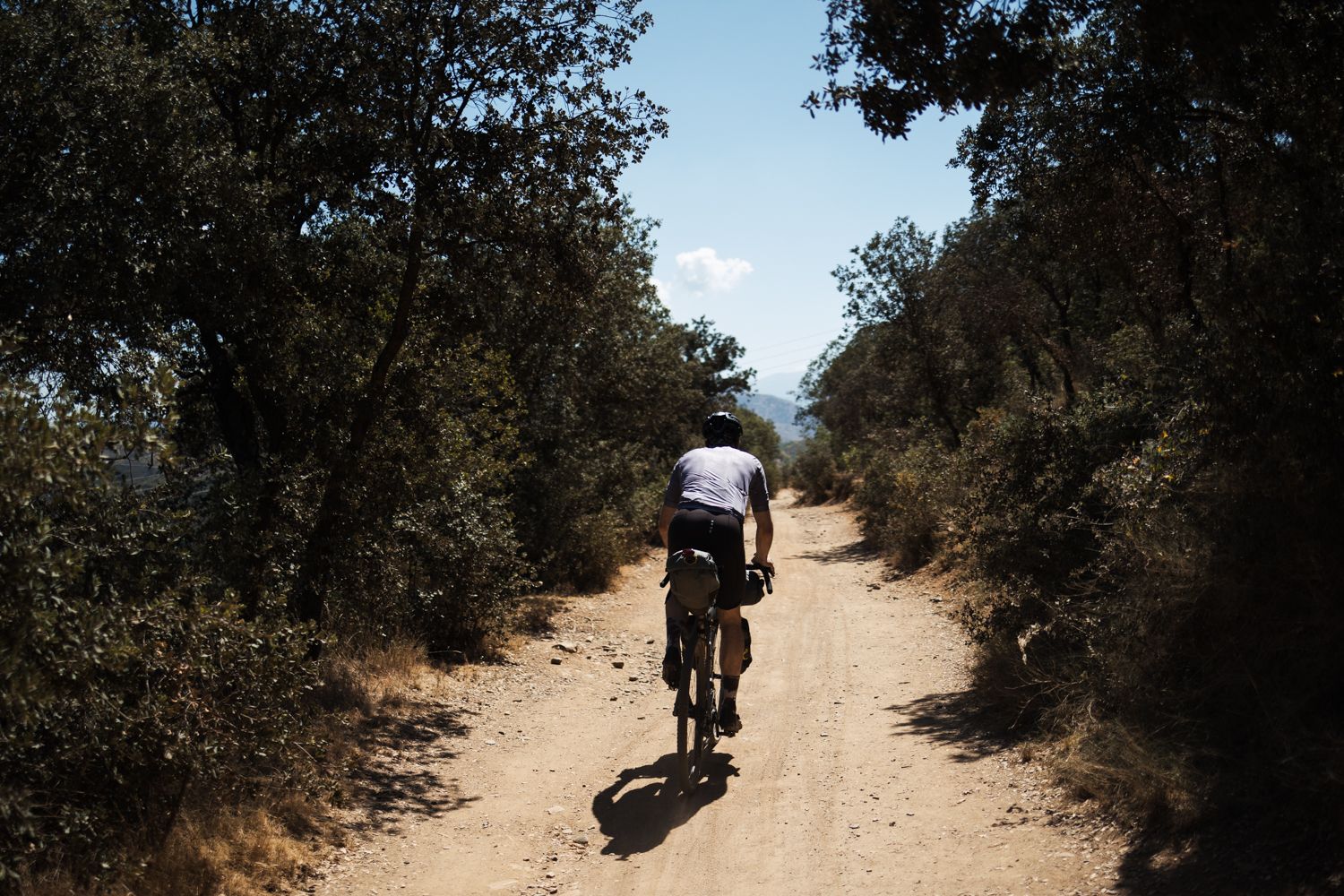
No traffic road cycling routes around Castro Del Río traverse a landscape characterized by extensive cereal fields and ancient olive groves, which stretch across irrigated lands. The terrain is gracefully bisected by the Guadajoz River, contributing to the region's distinctive agricultural scenery. The Cordovan countryside offers varied topography, with a mix of flat sections along the river and gently undulating hills, providing diverse cycling experiences. Rural roads with minimal traffic offer a tranquil environment for cyclists to explore the picturesque…
Last updated: July 2, 2026
5.0
(1)
24
riders
63.4km
02:58
730m
730m
Moderate road ride. Good fitness required. Mostly well-paved surfaces and easy to ride.
20
riders
57.7km
02:49
810m
810m
Moderate road ride. Good fitness required. Mostly well-paved surfaces and easy to ride.

Sign up for free
38
riders
60.9km
02:56
780m
780m
Moderate road ride. Good fitness required. Some segments of this route may be unpaved and difficult to ride.
34
riders
61.7km
02:49
690m
690m
Moderate road ride. Good fitness required. Some segments of this route may be unpaved and difficult to ride.
25
riders
92.3km
04:37
1,320m
1,320m
Hard road ride. Very good fitness required. Some segments of this route may be unpaved and difficult to ride.
Get access to more routes and recommendations from other explorers.
Sign up for free
Already have an account?
Our route recommendations are based on thousands of hikes, rides, and runs completed by other people on komoot.
Start today with a free account
Your next adventure awaits.
Login or Signup



Tips from the Community


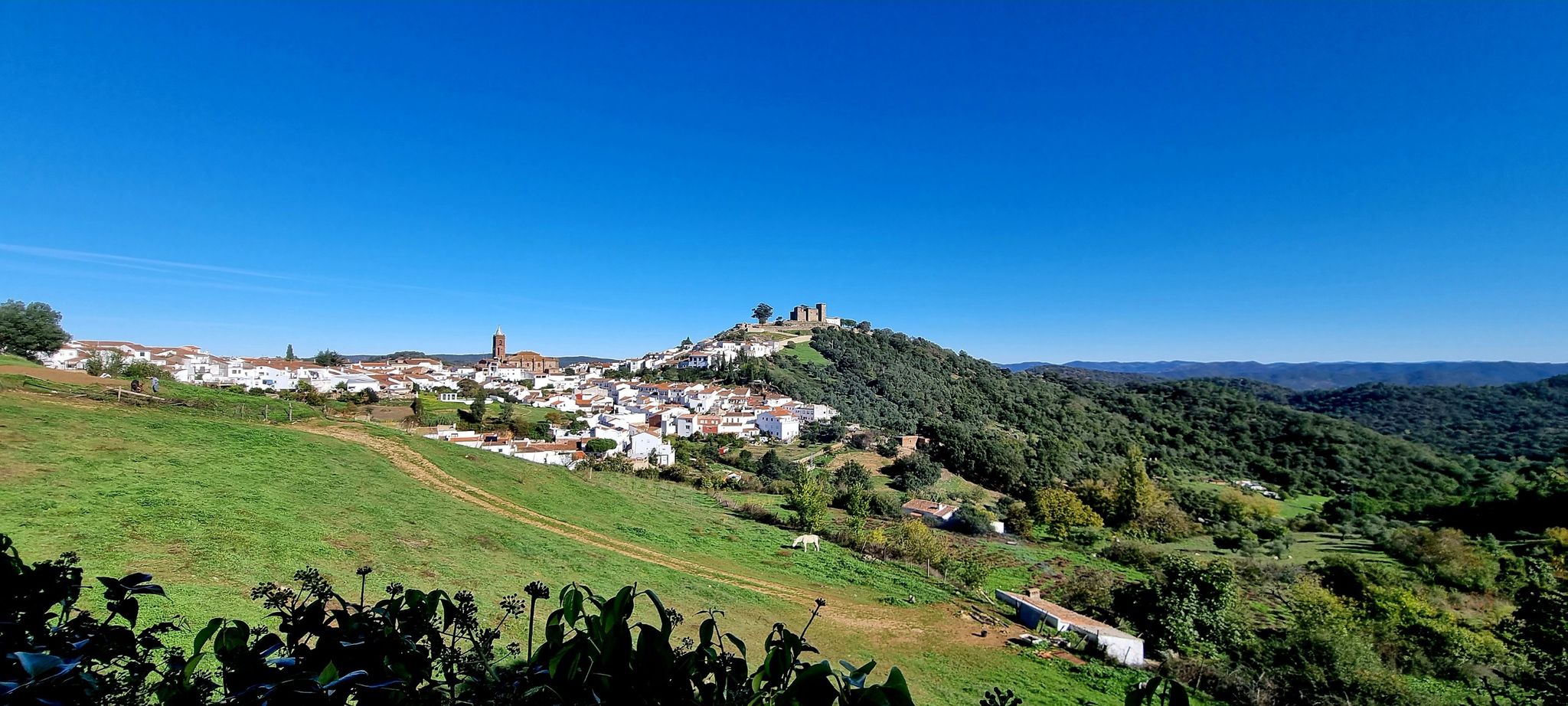
The castle of Castro del Rio, known locally as Castillo de Castro del Rio, is located in the centre of the village of the same name. The village of Castro del Rio already existed in Roman times when it was known as Postumianus Castra, Castra Soricaria or Castra Julia. In Moorish times the town was called Qasida or Qasrut and described as a 'strong'. In the 11th century the town fell under the rule of the Taifa of Granada. In the 12th century, under the rule of the Almohads, a walled medina was built. The castle was part of and situated on a corner of the city walls and probably dates from this time. In 1232 the town was conquered by Saint Ferdinand III, King of Castile. He used this border fortress as a stronghold against recurring Moorish attacks. In 1565 the town and castle of Castro del Rio were sold to the Marquis of Priego. It remained the property of the Marquis until the reign of Ferdinand VI, King of Spain, in the mid-18th century. The current ruins of the Castro del Río castle look very dilapidated. The interior of the castle cannot be visited.
8
0
New mural by Baenen artist Javier Castilla Sake. Dedicated to one of the symbols of the municipality: craftsmanship in olive wood
9
0

From Zuheros Lucena is about 90 minutes by bike, it's on the same Via Verde as Zuheros.
2
0
Impression of the Greenway and view of Zuheros. @Kermit: Lucena however, goes a lot further.
8
1

Greenway. Bridge over the greenway near Zuheros.
0
0

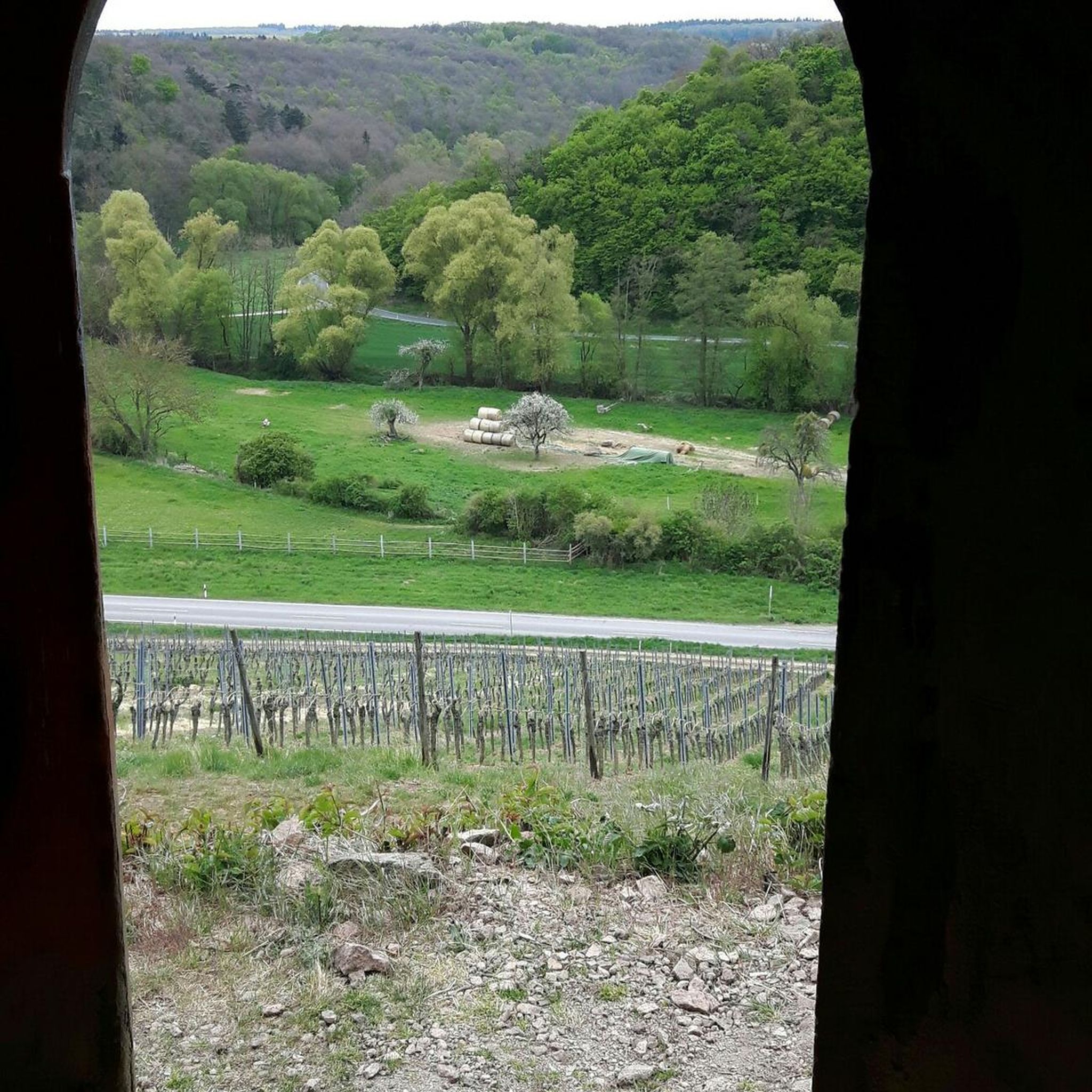
The viewpoint gives you impressive views of the canyon formed by the Bailón River and the town of Zuheros.
1
0

Frequently Asked Questions
How many no-traffic road cycling routes are available around Castro del Río?
There are over 30 no-traffic road cycling routes available around Castro del Río on komoot. These routes are designed to offer a tranquil cycling experience through the region's picturesque landscapes.
What kind of terrain can I expect on no-traffic road cycling routes in Castro del Río?
The terrain around Castro del Río is characterized by extensive cereal fields and ancient olive groves, often bisected by the Guadajoz River. You can expect a mix of flat sections along the river and gently undulating hills, providing varied gradients suitable for different skill levels. The rural roads offer a serene environment away from heavy traffic.
What is the typical difficulty level of no-traffic road cycling routes in Castro del Río?
The no-traffic road cycling routes in Castro del Río are predominantly classified as moderate or difficult. Approximately half of the routes are moderate, while the other half are difficult, offering challenges for experienced cyclists. For example, the route Puente Genil from Montilla — circular via Aguilar de la Frontera is a moderate option, while the challenging View of Zuheros – Bat Cave loop from Montilla features significant elevation gain.
Are there any circular no-traffic road cycling routes in the area?
Yes, many of the no-traffic road cycling routes around Castro del Río are circular, allowing you to start and end your ride in the same location. An example is the Puente Genil from Montilla — circular via Aguilar de la Frontera route, which offers a scenic loop through the countryside.
What natural features or landmarks can I see along no-traffic road cycling routes in Castro del Río?
You'll encounter diverse natural features and historical landmarks. The routes often follow the Guadajoz River, known as the 'river of bread' due to the surrounding cereal fields. You can also pass through ancient olive groves and enjoy views of the Cordovan countryside. Historically significant sites like the Castro del Río Castle are often visible or accessible from these routes.
Are there any historical sites to visit while road cycling near Castro del Río?
Absolutely. Castro del Río and its surroundings are rich in history. You can cycle past the impressive Castro del Río Castle, a medieval fortress. Further afield, you might consider a detour to the well-preserved Castle of Espejo or the Baena Olive and Oil Museum, which highlights the region's agricultural heritage.
Is there parking available for cyclists near the start points of these routes?
While specific parking areas for each route are not always designated, Castro del Río and nearby towns like Montilla typically offer public parking facilities. It's advisable to check local parking options in the town where you plan to start your ride, especially if you're driving to the area.
Can I reach the starting points of these routes using public transport with my bike?
Public transport options with bikes can be limited in rural areas of Andalusia. While some regional buses might accommodate bikes, it's not guaranteed. For the most flexibility, driving to a starting point or checking specific bus routes and their bike policies in advance is recommended.
Are there family-friendly no-traffic road cycling routes in Castro del Río?
Given that most routes are classified as moderate to difficult, dedicated family-friendly routes specifically designed for very young children might be limited. However, the quiet rural roads with minimal traffic can be suitable for families with older children or those comfortable with longer distances and some elevation. Always check the route details, including distance and elevation, before setting out with family.
What is the best time of year for no-traffic road cycling in Castro del Río?
The best time for road cycling in Castro del Río is typically during the spring (March to May) and autumn (September to November). During these seasons, the weather is milder and more pleasant, avoiding the intense heat of summer and the cooler, potentially wetter days of winter. This allows for comfortable rides through the olive groves and cereal fields.
Are there places to stop for refreshments or food along these routes?
Many routes pass through or near small towns and villages where you can find local cafes, bars, and restaurants. For example, the Montilla and Nueva Carteya Wine Route will take you through areas known for their culinary offerings. It's always a good idea to carry sufficient water and snacks, especially on longer stretches between villages.
What do other road cyclists enjoy the most about road cycling in Castro del Río?
The area is highly rated by the komoot community, with an average score of 5.0 stars. Reviewers often praise the tranquility of the rural roads, the stunning views of the olive groves and cereal fields, and the opportunity to explore historical towns and landmarks away from heavy traffic. The varied terrain also offers satisfying challenges for different skill levels.
Most popular routes around Castro Del Río
Most popular attractions around Castro Del Río

Get inspired with the komoot mobile app


Explore more
Browse the best Road cycling routes in other regions.
