The best cycling routes around Castro Del Río
3.7
(19)
204
riders
67
rides
Touring cycling routes around Castro Del Río traverse the heart of the Cordoban countryside, characterized by expansive olive groves and rolling hills. The region's terrain is shaped by the winding Guadajoz River, which creates picturesque riverside landscapes and valleys. This area offers a diverse backdrop for exploration, with a mix of cultivated lands and natural features. The landscape provides varied elevation changes suitable for touring cyclists.
Best touring cycling routes around Castro Del Río
- The most popular touring cycling route…
Last updated: June 27, 2026
30
riders
36.1km
02:16
400m
400m
Moderate bike ride. Good fitness required. Mostly paved surfaces. Suitable for all skill levels.
6
riders
65.7km
04:14
830m
830m
Hard bike ride. Very good fitness required. Mostly paved surfaces. Suitable for all skill levels.

Sign up for free
5
riders
27.7km
02:32
430m
430m
Moderate bike ride. Good fitness required. Mostly paved surfaces. Suitable for all skill levels.
7
riders
31.1km
02:04
470m
470m
Hard bike ride. Very good fitness required. Mostly paved surfaces. Suitable for all skill levels.
5
riders
38.5km
03:22
650m
650m
Hard bike ride. Very good fitness required. Mostly paved surfaces. Suitable for all skill levels.
Get access to more routes and recommendations from other explorers.
Sign up for free
Already have an account?
Our route recommendations are based on thousands of hikes, rides, and runs completed by other people on komoot.
Start today with a free account
Your next adventure awaits.
Login or Signup
Popular around Castro Del Río
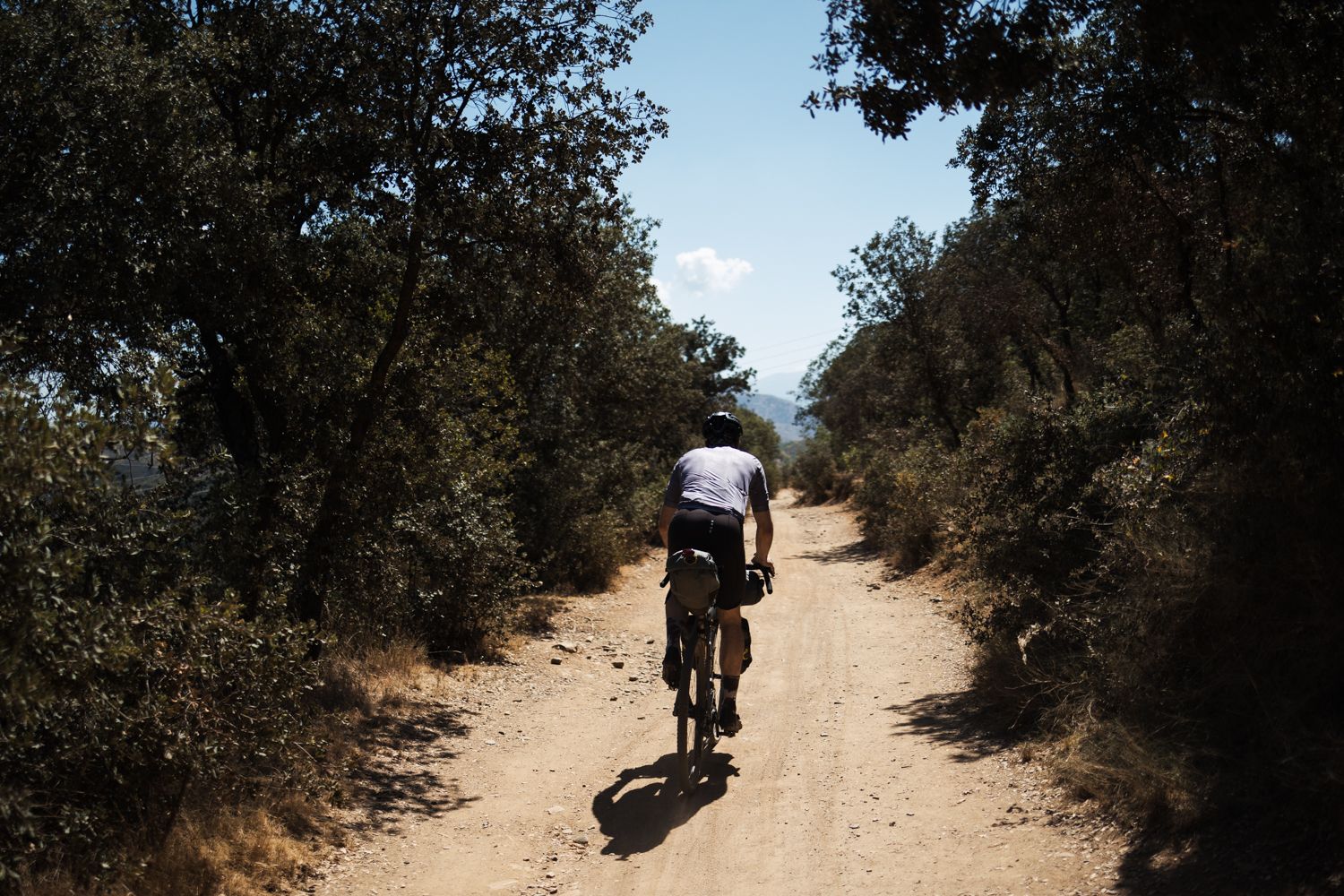
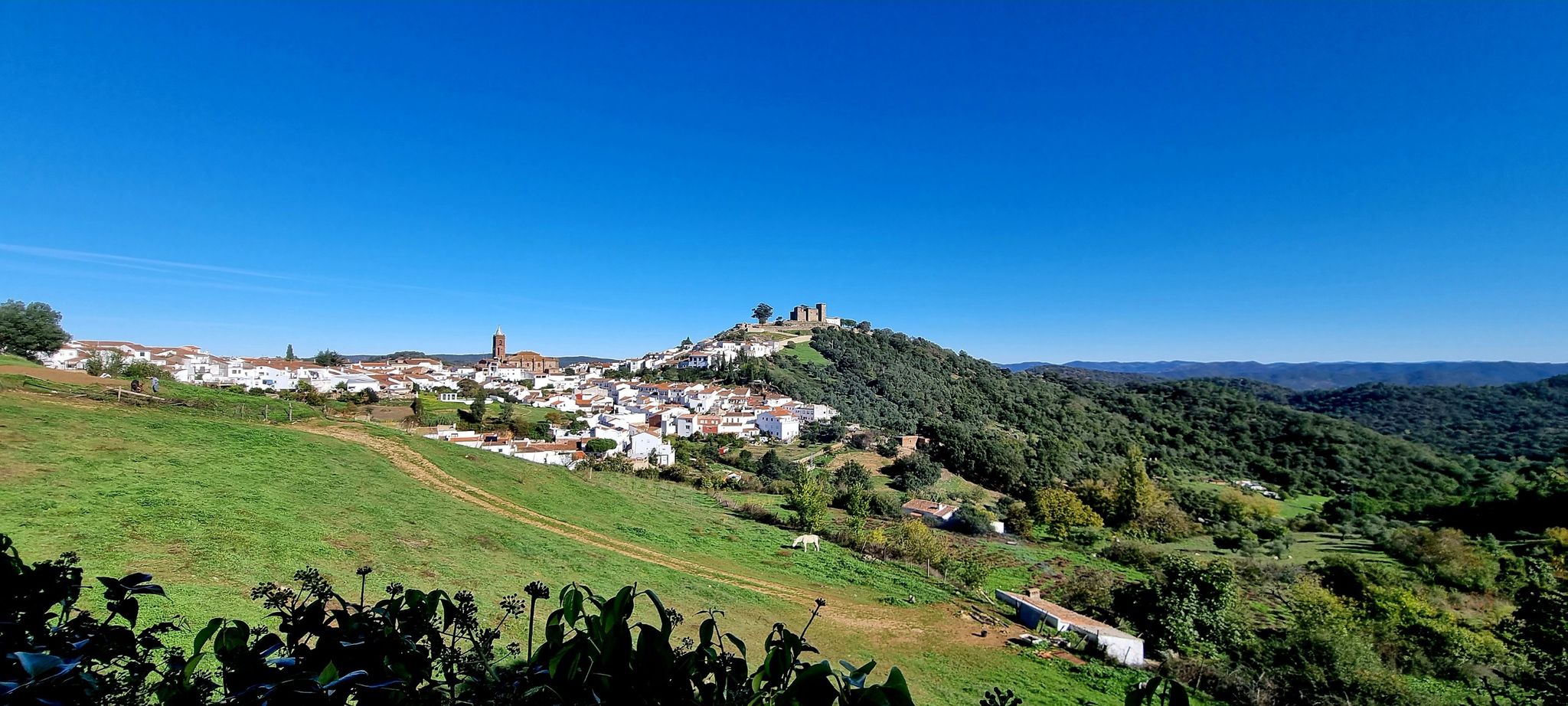
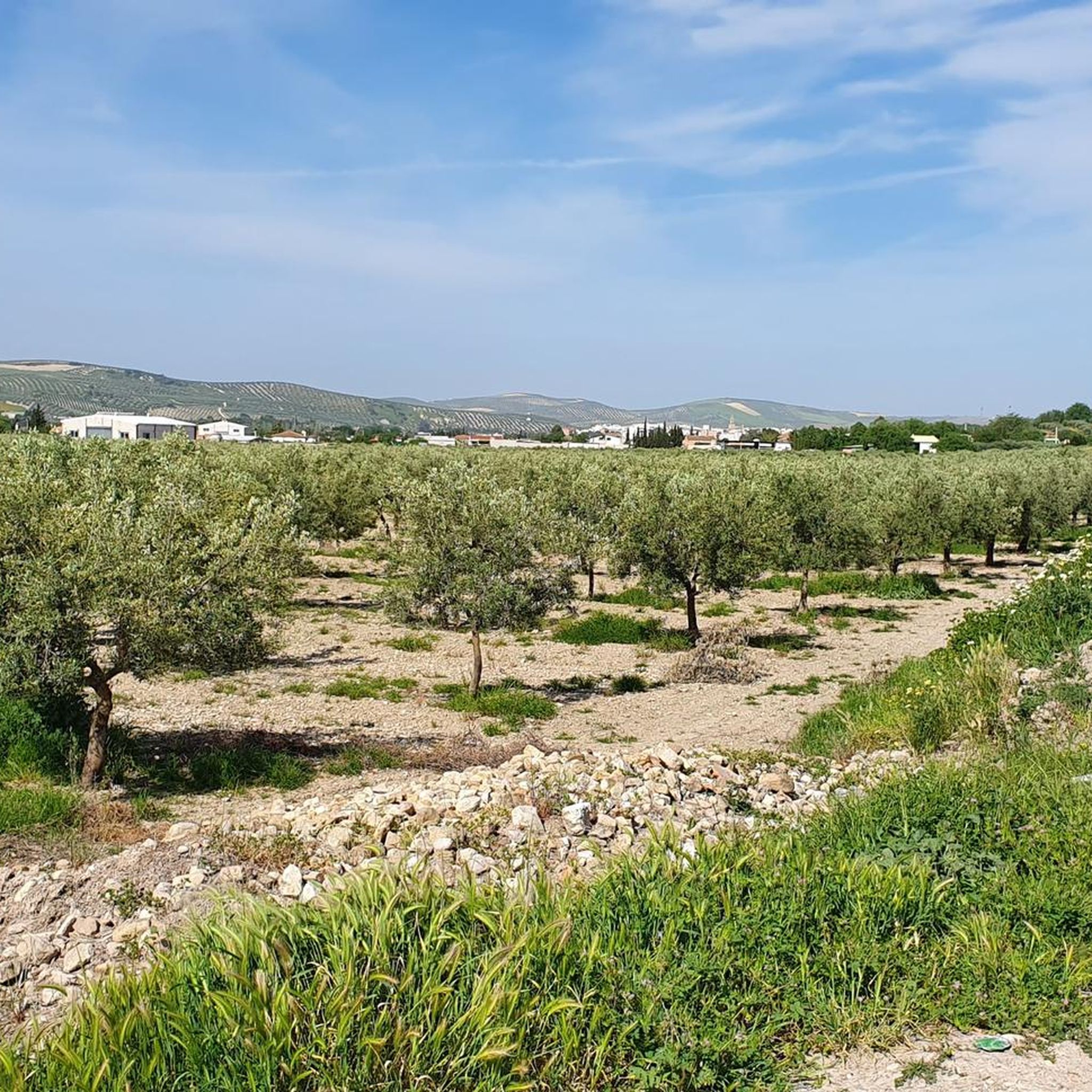
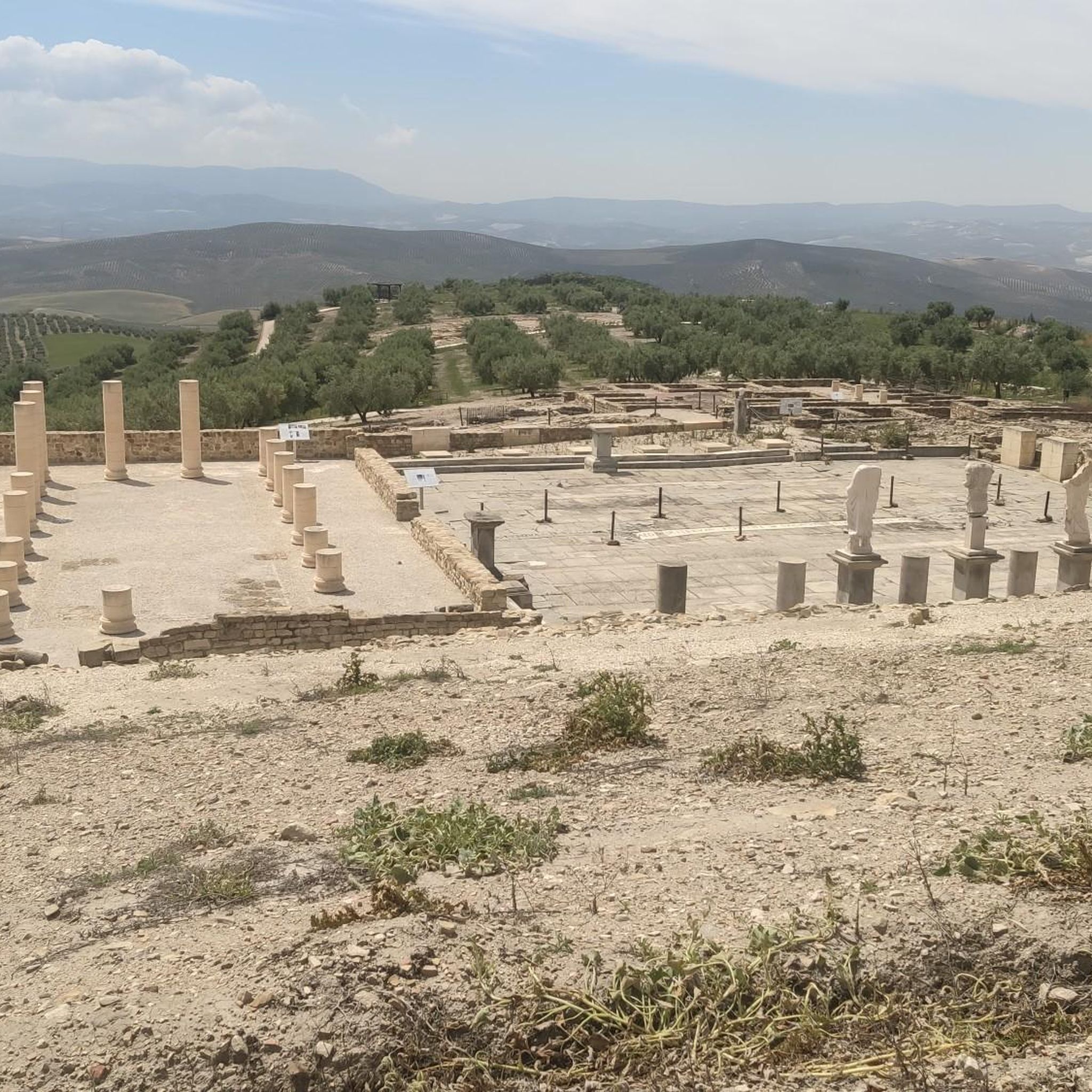
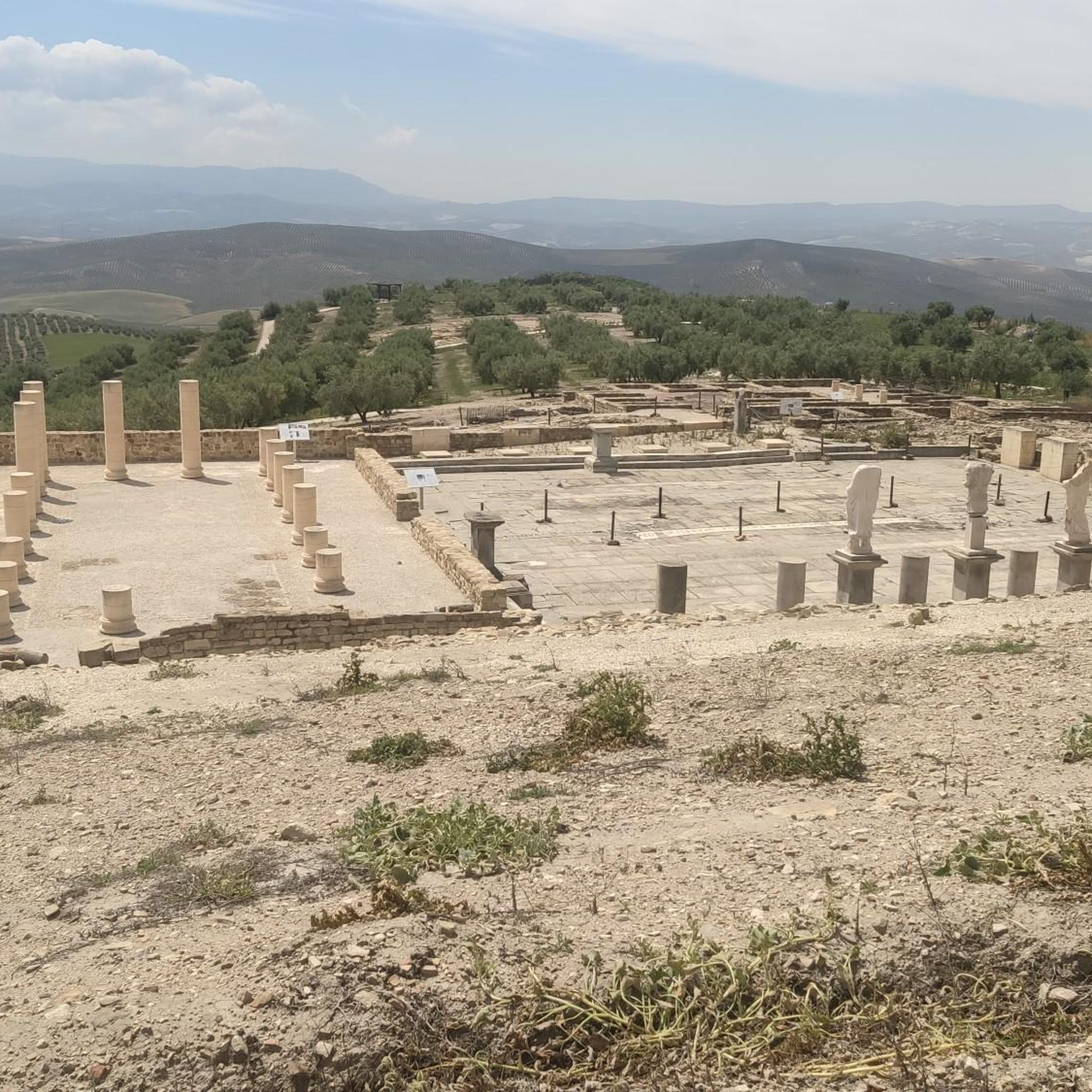



Tips from the Community

The municipality was founded under the leadership of the enlightened Pablo de Olavide and, by 1767, had a Central European population. Funded by the state at the request of King Charles III, the colonization was intended to promote agriculture and industry in an uninhabited area threatened by bandits, as well as to increase the security of the royal road connecting Madrid with Cadiz. Initially, the municipality belonged administratively to La Carlota, which, along with other municipalities, was also founded on this occasion.
1
0

Municipality founded in 1767 with a Central European population, mainly from Germany, when the 57 families took possession of these lands. Artistic and monumental heritage: the King's mill, the Church of the Immaculate Conception.
1
0
Town that belongs to the Montilla-Moriles Wine Route. Being agriculture its axis of economic activity thanks to the fertility of its lands, among its main crops are garlic, onion, olive and melon.
2
0
Birthplace of Gonzalo Fernández de Córdoba, the Great Captain, born in 1453 in the castle of Montilla. City famous for the quality of its Pedro Ximénez grape, integrating the region with the Montilla-Moriles Designation of Origin. Passing through the oldest part of Montilla, it is worth visiting the 16th century church of Santiago.
0
0
Birthplace of Gonzalo Fernández de Córdoba, the Great Captain, born in 1453 in the castle of Montilla. City famous for the quality of its Pedro Ximénez grape, integrating the region with the Montilla-Moriles Designation of Origin. Passing through the oldest part of Montilla, it is worth visiting the 16th century church of Santiago.
2
0
Church from the 16th century, probably built on the site of an old mosque, which after various modifications lost its Gothic-Mudejar appearance, becoming a classic Andalusian Baroque-style church. The church is located in the oldest part of the town, within the old castle enclosure.
2
0
Neoclassical style palace, from the 18th century, declared an Asset of Cultural Interest. Inspiration for the design of the palace was the façade of the Palacio de las Necesidades, where the Spanish embassy in Lisbon was located.
2
0

In the heart of the Cordoba countryside, this town is especially known for its vineyards, even having its own designation of origin: Montilla-Moriles. Olive trees and cereals are also cultivated. The town is located in a sea of hills among which the Sierra de Montilla timidly stands out.
2
1
Frequently Asked Questions
How many touring cycling routes are available in Castro Del Río?
There are over 75 touring cycling routes around Castro Del Río, offering a wide range of options for different skill levels and preferences. You'll find everything from easy rides to more challenging excursions through the Cordoban countryside.
What kind of terrain can I expect on touring cycling routes around Castro Del Río?
The terrain around Castro Del Río is characterized by expansive olive groves and rolling hills, with the winding Guadajoz River creating picturesque riverside landscapes. You'll encounter a mix of cultivated lands and natural features, providing varied elevation changes suitable for touring cyclists. Specific areas like the Arroyo de Heguera also feature refreshing gallery forests.
What is the best time of year for touring cycling in Castro Del Río?
Castro Del Río, located in Andalusia, generally experiences hot summers. The most comfortable times for touring cycling are typically spring (March to May) and autumn (September to November), when temperatures are milder and the landscape is often at its most vibrant. Winters are generally mild, making cycling possible year-round, though some days might be cooler.
Are there routes suitable for beginners or those looking for an easy ride?
Yes, there are routes suitable for beginners. While many routes are moderate or difficult, you can find easier options. For example, the region offers at least one easy touring cycling route, allowing less experienced riders to enjoy the scenic countryside at a comfortable pace.
Are there any challenging touring cycling routes for experienced riders?
Absolutely. For experienced riders seeking a challenge, Castro Del Río offers over 45 difficult touring cycling routes. These often feature significant elevation changes and longer distances. An example is the Walk around Montilla – Bar Bujerillo loop from Montilla, which covers 34.1 km with considerable elevation through agricultural landscapes.
Can I find circular touring cycling routes in the area?
Yes, many touring cycling routes in Castro Del Río are designed as loops, allowing you to start and finish in the same location. A popular example is the Montilla – Walk around Montilla loop from Montilla, a 36.1 km route offering scenic views of the Cordoban countryside.
What historical landmarks or natural features can I see while cycling around Castro Del Río?
The region is rich in history and natural beauty. You can encounter landmarks such as the 14th-century Castro del Río Castle, the historic Barrio de La Villa with its Almohad walls, and the Parish Church of Nuestra Señora de la Asunción. Natural features include the picturesque Guadajoz River and extensive olive groves. Further afield, you might pass by the Castle of Espejo or the archaeological site of Torreparedones.
Are there family-friendly touring cycling routes in Castro Del Río?
While specific 'family-friendly' designations can vary, routes with lower difficulty ratings and flatter sections are generally suitable for families. Look for the easy-rated routes, which provide a gentler experience. Always check the route details for distance and elevation to ensure it matches your family's capabilities.
Is parking available near the touring cycling routes in Castro Del Río?
Yes, parking is generally available in and around Castro Del Río, particularly in the town center or near popular starting points for routes. It's advisable to check local signage for specific parking regulations and availability, especially during peak seasons.
What do other cyclists say about touring cycling in Castro Del Río?
Touring cyclists highly rate the routes in Castro Del Río, with an average score of 3.5 stars from over 15 reviews on komoot. More than 200 touring cyclists have used komoot to explore the varied terrain, often praising the scenic olive groves and the tranquil Cordoban countryside.
Are touring cycling routes in Castro Del Río dog-friendly?
While many outdoor areas in Spain are generally welcoming to dogs, specific rules can vary. It's always best to keep dogs on a leash, especially in agricultural areas or near wildlife. Ensure your dog is well-behaved and that you carry water for them. Always check local regulations for any restrictions on specific trails or natural parks.
Are there places to eat or stay along the touring cycling routes?
Castro Del Río and nearby towns like Montilla offer various options for refreshments and accommodation. You'll find local cafes, restaurants, and guesthouses where you can refuel and rest. Many routes pass through or near these towns, making it convenient to plan stops. For example, the Montilla Town Center – La Rambla, Pottery City loop from Montilla starts and ends in Montilla, providing easy access to amenities.
How can I access the touring cycling routes using public transport?
Castro Del Río is connected by regional bus services, which can be an option for reaching the town. However, transporting bicycles on public transport can sometimes be restricted or require specific arrangements. It's recommended to check with local bus operators in advance regarding their bicycle policies if you plan to use public transport to access the routes.
Most popular routes around Castro Del Río
Most popular attractions around Castro Del Río

Get inspired with the komoot mobile app


Explore more
Browse the best Cycling routes in other regions.
