The best traffic-free bike rides around La Puebla De Valverde
4.9
(20)
1,081
riders
3
rides
No traffic road cycling routes around La Puebla De Valverde traverse a diverse landscape situated between the Sierra de Gúdar and Macizo de Javalambre mountain ranges. The region features a blend of mountainous terrain, picturesque valleys like Barranco del Val and Barranco del Hocino, and expansive plains. Cyclists encounter varied elevations, including the town's altitude of 1,118 meters and nearby peaks reaching 2,020 meters, alongside tranquil pine forests. The area also incorporates sections of the Vía Verde de Ojos Negros,…
Last updated: July 15, 2026
28
riders
25.0km
02:02
910m
910m
Hard road ride. Very good fitness required. Mostly well-paved surfaces and easy to ride.
43
riders
Moderate road ride. Good fitness required. Mostly well-paved surfaces and easy to ride.

Sign up for free
16
riders
56.0km
03:14
580m
580m
Moderate road ride. Good fitness required. Some segments of this route may be unpaved and difficult to ride.
14
riders
84.1km
04:14
1,380m
1,380m
Hard road ride. Very good fitness required. Mostly well-paved surfaces and easy to ride.
5
riders
56.8km
02:46
830m
830m
Moderate road ride. Good fitness required. Mostly well-paved surfaces and easy to ride.
Our route recommendations are based on thousands of hikes, rides, and runs completed by other people on komoot.
Start today with a free account
Your next adventure awaits.
Login or Signup
Popular around La Puebla De Valverde
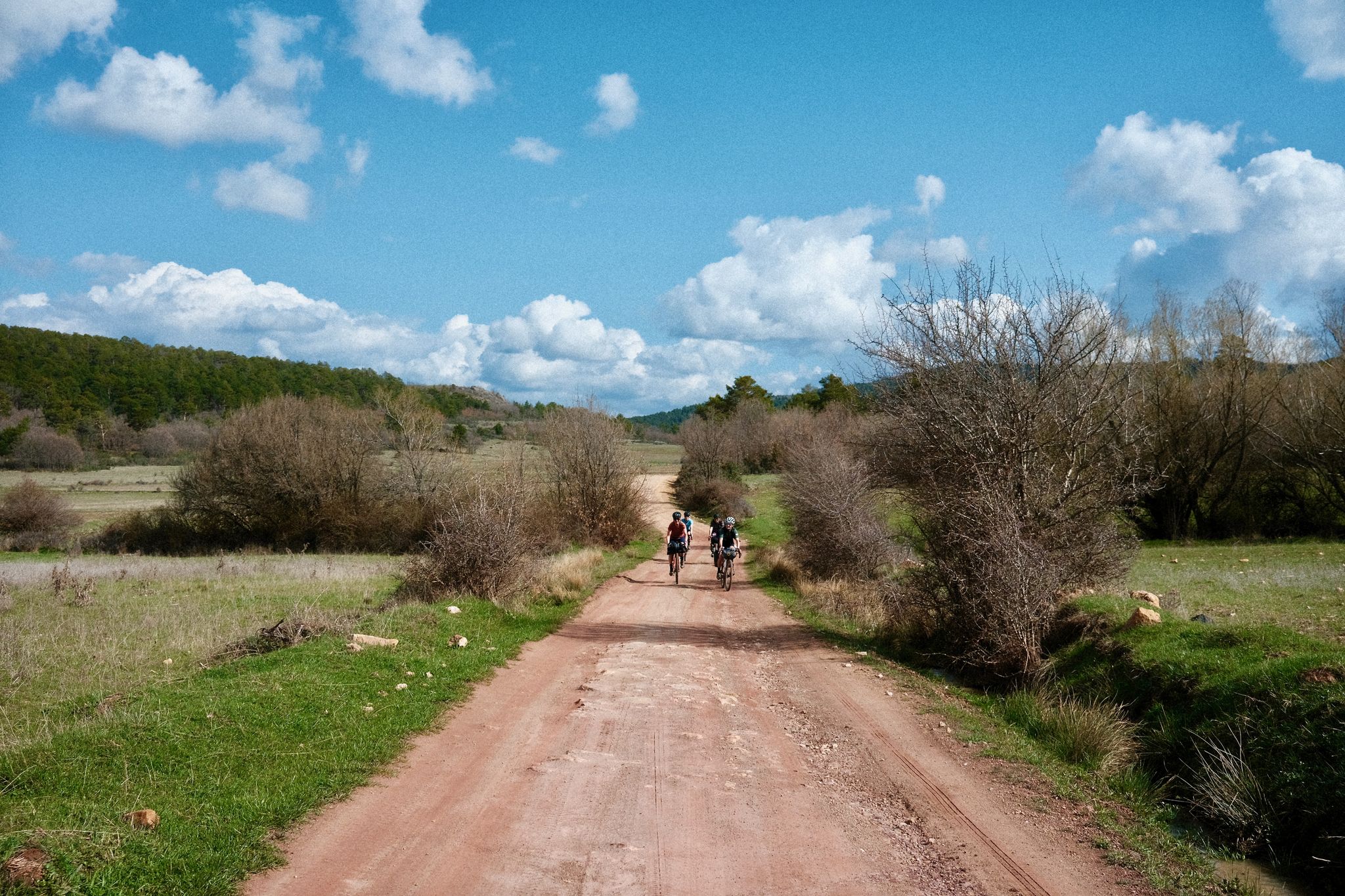
Women's Montañas Vacías 2022 — bikepack in rural Spain
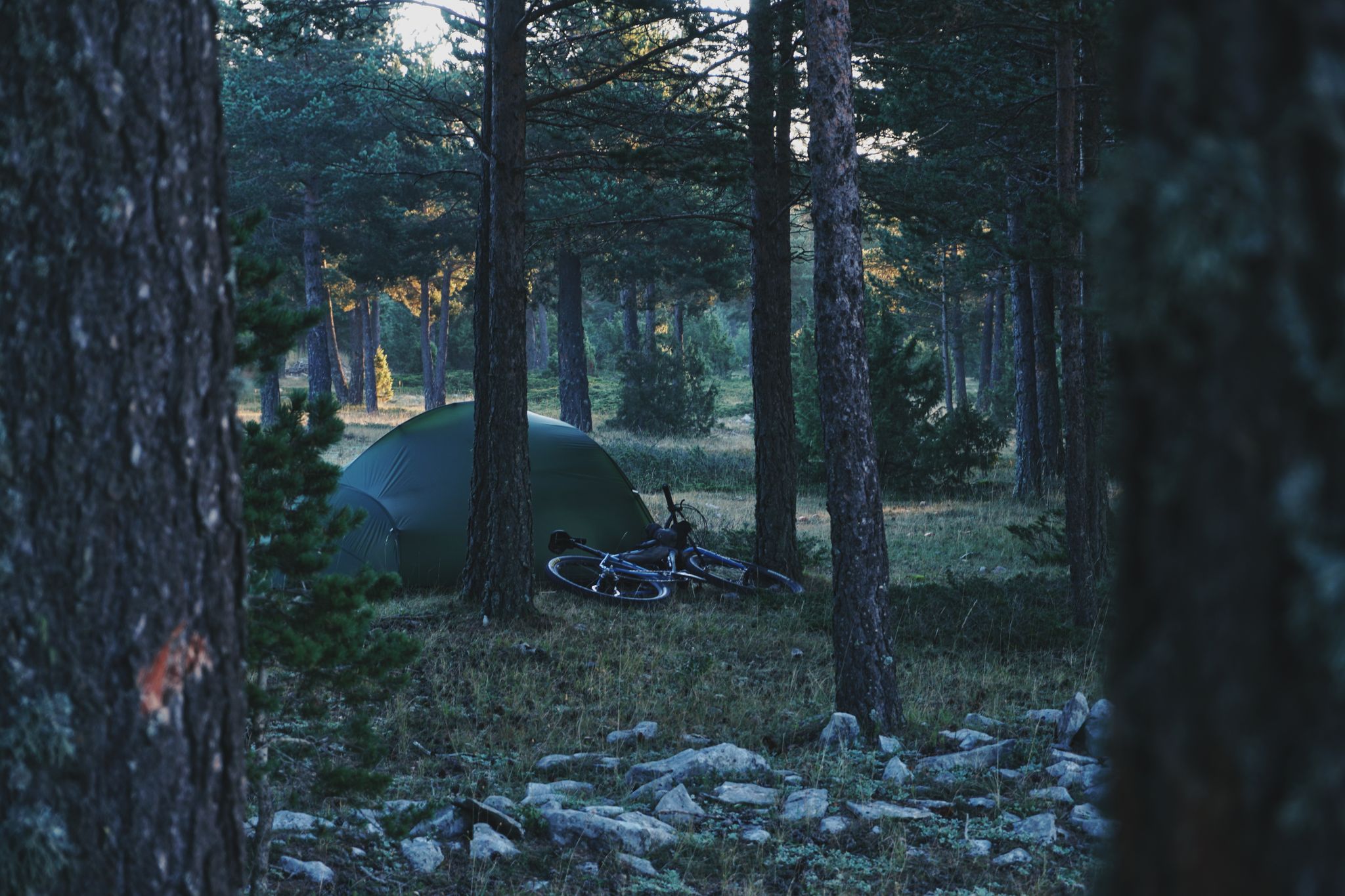
MontañasVacías official — bikepacking across the Spanish Lapland
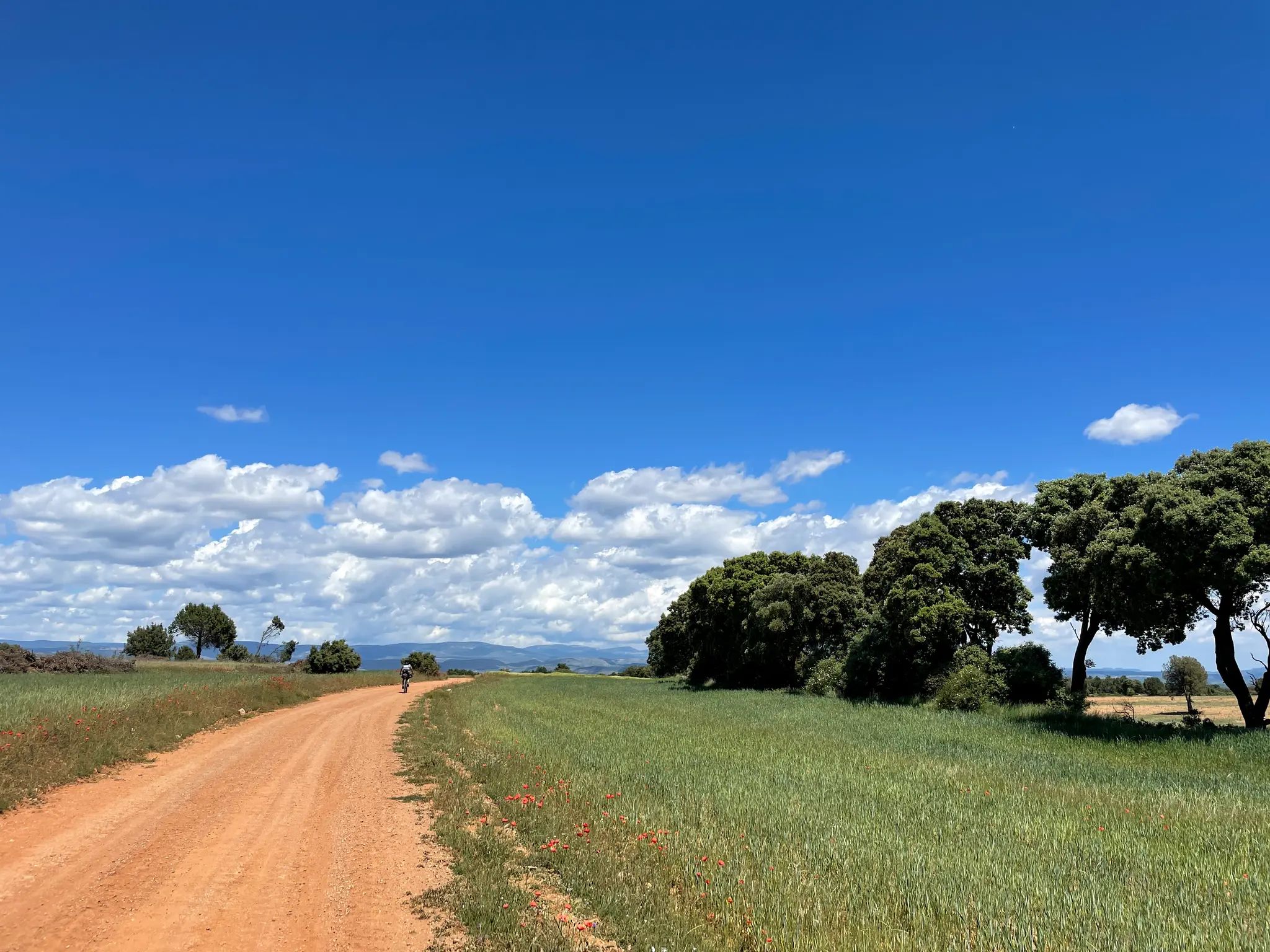
El Camino del Cid – The Conquest of Valencia on MTB
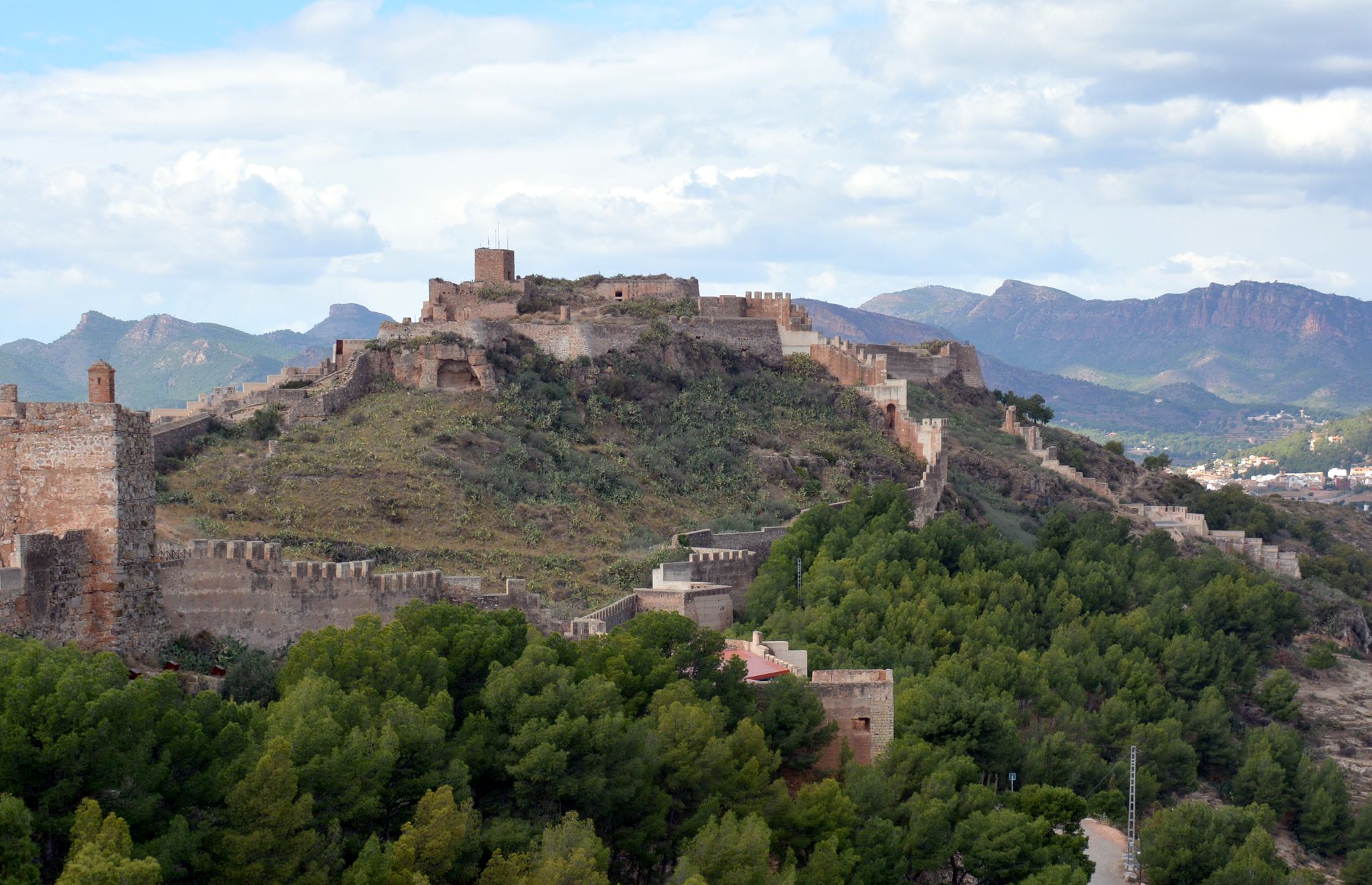
The Way of El Cid by bicycle – Conquest of Valencia

Traffic-free bike rides around La Puebla De Valverde

Traffic-free bike rides around La Puebla De Valverde
Other adventures around La Puebla De Valverde


Tips from the Community

Wonderful for refilling water, cooling your feet, and taking a short break.
0
0
Easy to overlook, as it is not very large, it is located right next to the main street. A visit is worthwhile, as it was created by Pablo Monguió from 1910-1912 in the modernist style.
0
0

The entrance fee of €5 combined with the Museum of Sacred Art is definitely worth it.
1
0

What to see in Teruel (must-sees) Oval Staircase Monumental entrance to the historic center in Neo-Mudéjar style, with reliefs of the Lovers of Teruel. Plaza del Torico The heart of the city, surrounded by Modernist buildings and bars. Mudéjar Towers Torre del Salvador (open to visitors, with a viewpoint). San Martín and San Pedro Churches. Cathedral of Santa María de Mediavilla Spectacular Mudéjar roof and unique dome. Mausoleum of the Lovers Romantic and tragic story, next to the Church of San Pedro. Los Arcos Aqueduct Historical walk along the Renaissance aqueduct. Teruel Provincial Museum To discover local archaeology and art. Dinópolis Dinosaur theme park, ideal if you are traveling with children.
8
0
Visiting Teruel is a highly recommended experience if you enjoy history, architecture, and charming villages. It's a small city, easy to explore on foot, and is renowned for its Mudéjar art, a UNESCO World Heritage Site, and for the famous legend of the Lovers of Teruel.
7
0


Arcos de las Salinas is a small village in the Javalambre Mountains, ideal for hiking and nature lovers. Surrounded by mountains and crossed by the Arcos and Torrijano rivers, it is part of a protected area designated as a Site of Community Interest. Its scattered villages and farmhouses give it a very authentic rural feel, perfect for unwinding. Thanks to its altitude, the climate is cool, and snow is not uncommon in winter, making it a good starting point for excursions at any time of year.
1
0
The Los Arcos aqueduct, located in Alpuente, is a 16th and 17th-century hydraulic structure that supplied water to the town and its orchards. With its thirteen pointed arches and a length of 265 meters, the arcade bridged the uneven level of the Reguero River, although the main arch was lost in a flood in 1880. Today, it is preserved as a Site of Cultural Interest and can be easily visited from the road to La Yesa. It is an interesting spot for combining history and hiking; good footwear is recommended to explore the surroundings.
2
0
Frequently Asked Questions
What kind of terrain can I expect on the no-traffic road cycling routes around La Puebla de Valverde?
The region offers a diverse mix of terrain, from challenging mountain passes in the Sierra de Gúdar and Macizo de Javalambre to picturesque valleys and tranquil plains. You'll find routes that climb to significant altitudes, like the Javalambre climb, as well as gentler sections through pine forests and along wide valleys such as the Barranco del Val. The area's altitude, with La Puebla de Valverde itself at 1,118 meters, means many routes involve considerable elevation changes.
Are there any easy, traffic-free road cycling routes suitable for beginners or families?
While many routes in the mountainous terrain offer challenges, the Red Plain – View of the "Wild West" loop from Puebla de Valverde is a moderate option that provides a unique visual experience with its striking red earth. For a truly car-free and gentle experience, consider sections of the Vía Verde de Ojos Negros, which utilizes a decommissioned railway line and is known for its mild gradients, tunnels, and viaducts, making it suitable for all skill levels.
What are some notable natural features or viewpoints I can see along these routes?
You'll encounter a variety of stunning natural features. The Barranco del Hocino is known for its wild roses, oaks, maples, and wild pear trees. The 'Red Plain' area, including the Charcos ravine, offers a 'Wild West'-like vista. For panoramic views, routes often lead to or pass by significant peaks and passes. For instance, the Climb to Picón del Buitre offers views towards the Javalambre Astrophysical Observatory.
What is the best time of year for traffic-free road cycling in La Puebla de Valverde?
The region is generally appealing for cycling outside of the winter ski season, when some higher mountain roads might be affected by snow. Spring and autumn offer pleasant temperatures and vibrant landscapes, making them ideal. Summer can be warm, especially at lower altitudes, but the higher elevations provide cooler conditions. Always check local weather forecasts before heading out.
Are there any circular road cycling routes that start and end in the same place?
Yes, there are several circular options. For example, the Red Plain – View of the "Wild West" loop from Puebla de Valverde is a 56 km route that begins and ends in La Puebla de Valverde. Another option is the Camarena de la Sierra – Modernist Church of Villaspesa loop from Camarena de la Sierra, which is a 47.8 km moderate route.
What kind of historical or cultural landmarks can I discover near the cycling routes?
Beyond the natural beauty, the area is rich in history. You might encounter remnants of Roman roads, medieval churches, and archaeological sites like Los Castillejos. The town of La Puebla de Valverde itself boasts architectural heritage, including the Gothic-Renaissance Santa Emerenciana church and traditional 17th and 18th-century houses. The nearby city of Teruel, renowned for its Mudejar art (a UNESCO World Heritage Site), is also easily accessible for cultural excursions.
How challenging are the road cycling routes in this area?
The routes around La Puebla de Valverde cater to various fitness levels. While some, like the Climb to Picón del Buitre, are classified as 'difficult' due to significant elevation gains, there are also 'moderate' routes available. The region's mountainous backdrop means that most road cycling will involve climbs, but the Vía Verde de Ojos Negros offers a much gentler, car-free experience.
What do other road cyclists enjoy most about cycling in La Puebla de Valverde?
The area is highly rated by the komoot community, with an average score of 4.9 stars. Reviewers often praise the quiet roads, the dramatic mountain scenery of the Sierra de Gúdar and Macizo de Javalambre, and the unique landscapes like the 'Red Plain.' The variety of terrain, from challenging climbs to more relaxed greenways, is also frequently highlighted.
Are there any specific mountain passes or climbs that are popular among road cyclists?
Yes, the region is known for its challenging and scenic mountain passes. The Javalambre climb is a notable ascent, offering a good road surface and quiet conditions outside of winter. Other significant passes include Escandón pass, Puerto de Cabigordo, and Puerto Javalambre. These passes often feature in longer, more demanding routes like the Peñas de Dios Pass – Arcos de las Salinas loop.
Is there public transport access to the cycling routes, or is parking available for cars?
La Puebla de Valverde is a strategic point for accessing many routes. While specific public transport options directly to trailheads might be limited, the town itself is accessible. For those arriving by car, parking is generally available within La Puebla de Valverde, providing a convenient starting point for many of the circular routes in the area.
Can I find cafes or restaurants along the no-traffic road cycling routes?
While the focus is on quiet, traffic-free roads, many routes pass through or near small villages and towns where you can find local cafes and restaurants. La Puebla de Valverde itself offers dining options. It's always a good idea to plan your route and check for amenities in advance, especially on longer or more remote sections, to ensure you have refreshment stops.
Most popular routes around La Puebla De Valverde
Most popular attractions around La Puebla De Valverde

Get inspired with the komoot mobile app


Explore more
Browse the best Road cycling routes in other regions.
