The best road cycling routes around La Puebla De Valverde
4.8
(31)
1,055
riders
55
rides
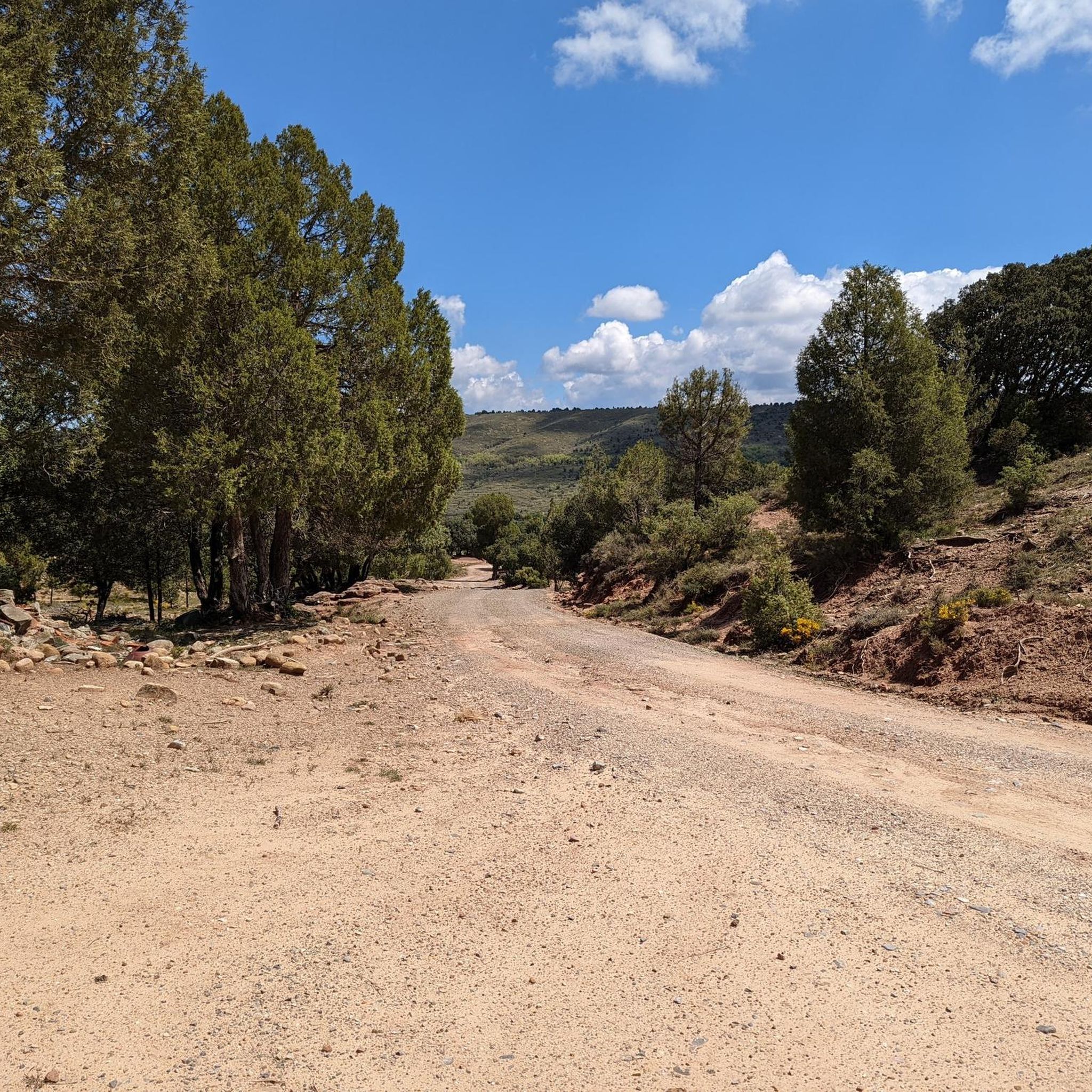
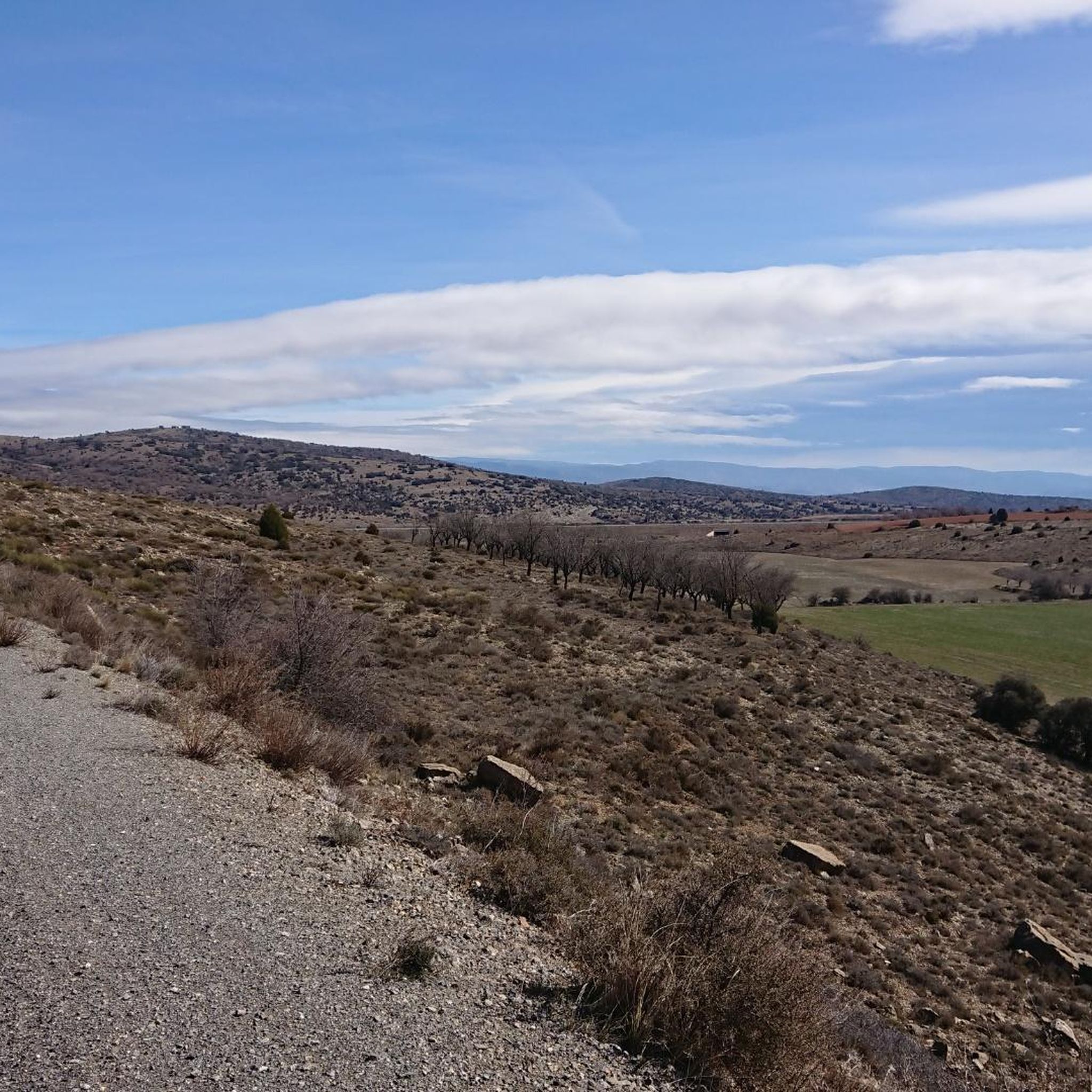
Road cycling routes around La Puebla De Valverde are situated between the Sierra de Gúdar and Macizo de Javalambre mountain ranges, offering varied topography for cyclists. The region features a mountainous backdrop with diverse terrain, including challenging ascents and more accessible greenways. Notable natural features include pinewoods, viaducts, and red gorges, providing a range of environments for road cycling.
Best road cycling routes around La Puebla De Valverde
- The most popular road cycling route is Puerto de Javalambre - ascent from Puebla de Valverde, a 30.9 miles (49.8 km) trail that takes 2 hours 48 minutes to complete. This difficult route features a significant ascent to a prominent peak.
- Another top favourite among local road cyclists is Fuente del Cabrito – The Staircase of Teruel loop from Puebla de Valverde, a difficult 55.5 miles (89.3 km) path. This challenging loop offers extensive riding through varied terrain.
- Local road cyclists also love the Camarena de la Sierra – Modernist Church of Villaspesa loop from Camarena de la Sierra, a 29.7 miles (47.8 km) trail leading through rural landscapes, often completed in about 2 hours 26 minutes.
- Road cycling around La Puebla De Valverde is defined by mountainous backdrops, varied terrain, and sections of the Vía Verde Ojos Negros. The network offers options for both experienced cyclists seeking challenging ascents and those looking for less demanding rides.
- The routes in La Puebla De Valverde are highly rated by the komoot community with an average score of 4.9 stars from nearly 20 reviews. More than 1000 road cyclists have used komoot to explore La Puebla De Valverde's varied terrain.
Last updated: November 2, 2026
26
riders
49.8km
02:48
1,080m
1,080m
Hard road ride. Very good fitness required. Mostly well-paved surfaces and easy to ride.
92
riders
91.0km
04:43
1,550m
1,550m
Hard road ride. Very good fitness required. Mostly well-paved surfaces and easy to ride.

5.0
(1)
43
riders
Hard road ride. Very good fitness required. Mostly well-paved surfaces and easy to ride.
22
riders
46.9km
02:40
970m
970m
Hard road ride. Very good fitness required. Some segments of this route may be unpaved and difficult to ride.
76
riders
72.8km
03:42
1,220m
1,220m
Hard road ride. Very good fitness required. Mostly well-paved surfaces and easy to ride.
Get access to more routes and recommendations from other explorers.
Already have an account?
Our route recommendations are based on thousands of hikes, rides, and runs completed by other people on komoot.
Start today with a free account
Your next adventure awaits.
Popular around La Puebla De Valverde
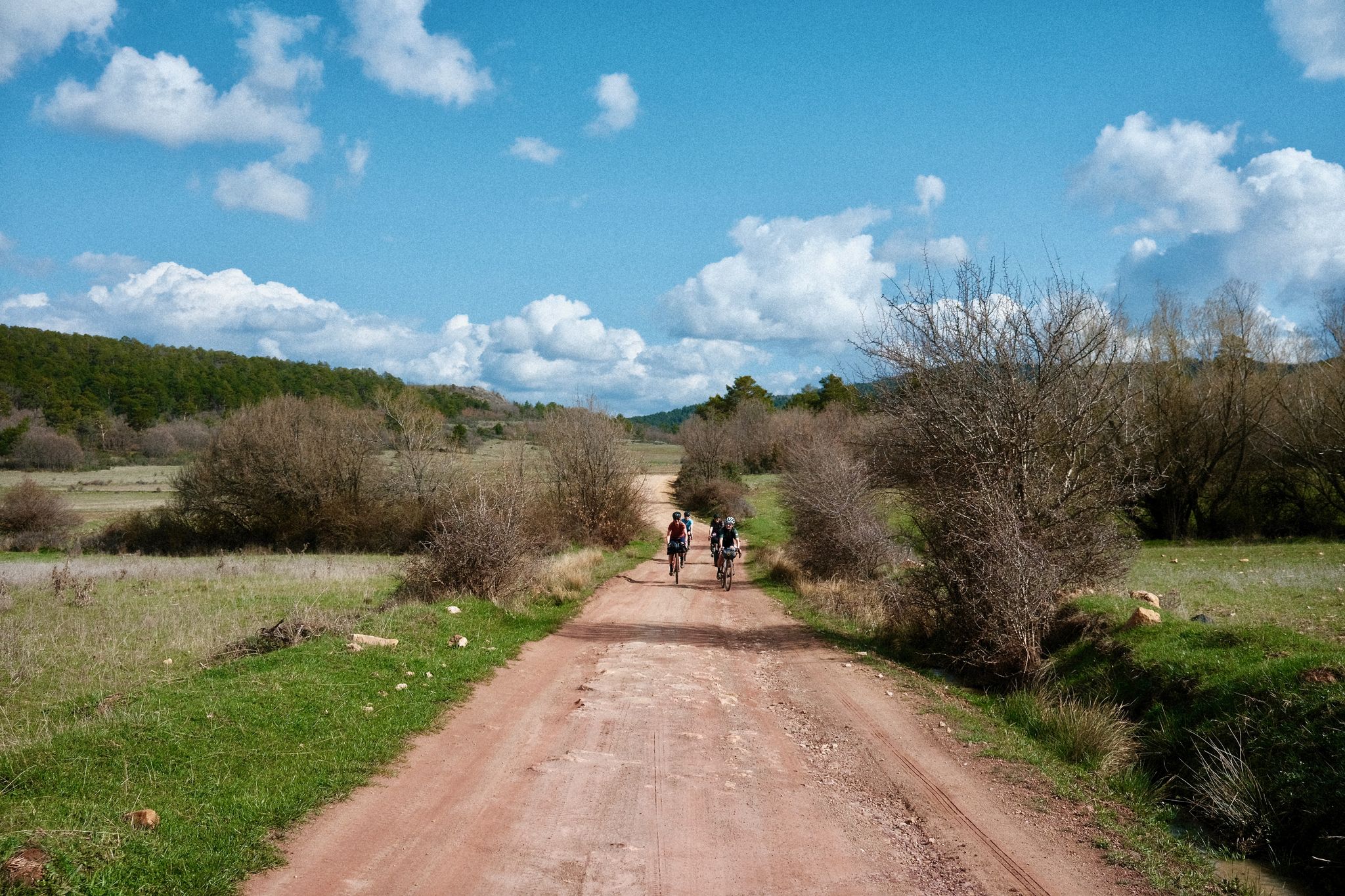
Women's Montañas Vacías 2022 — bikepack in rural Spain
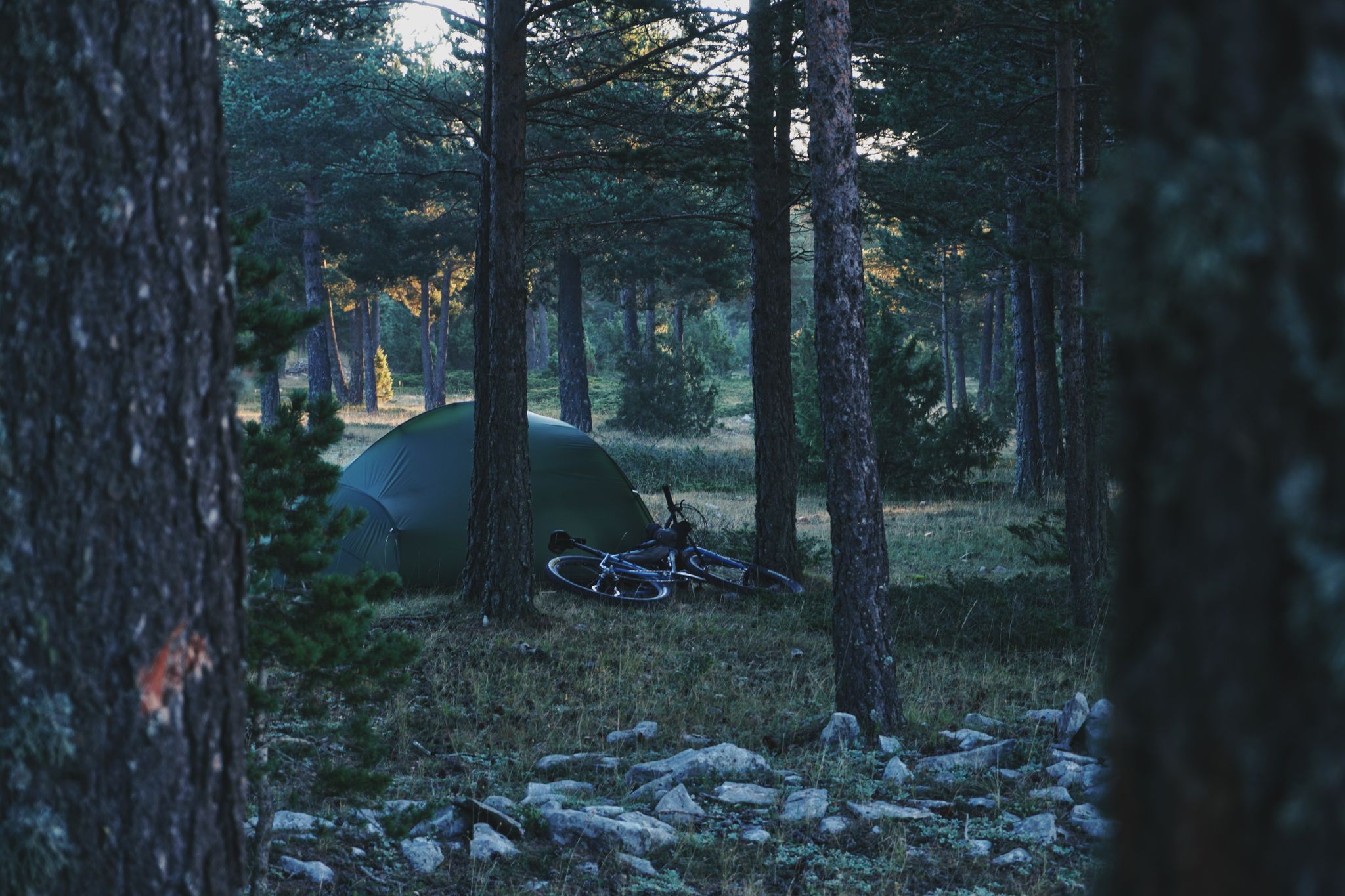
MontañasVacías official — bikepacking across the Spanish Lapland
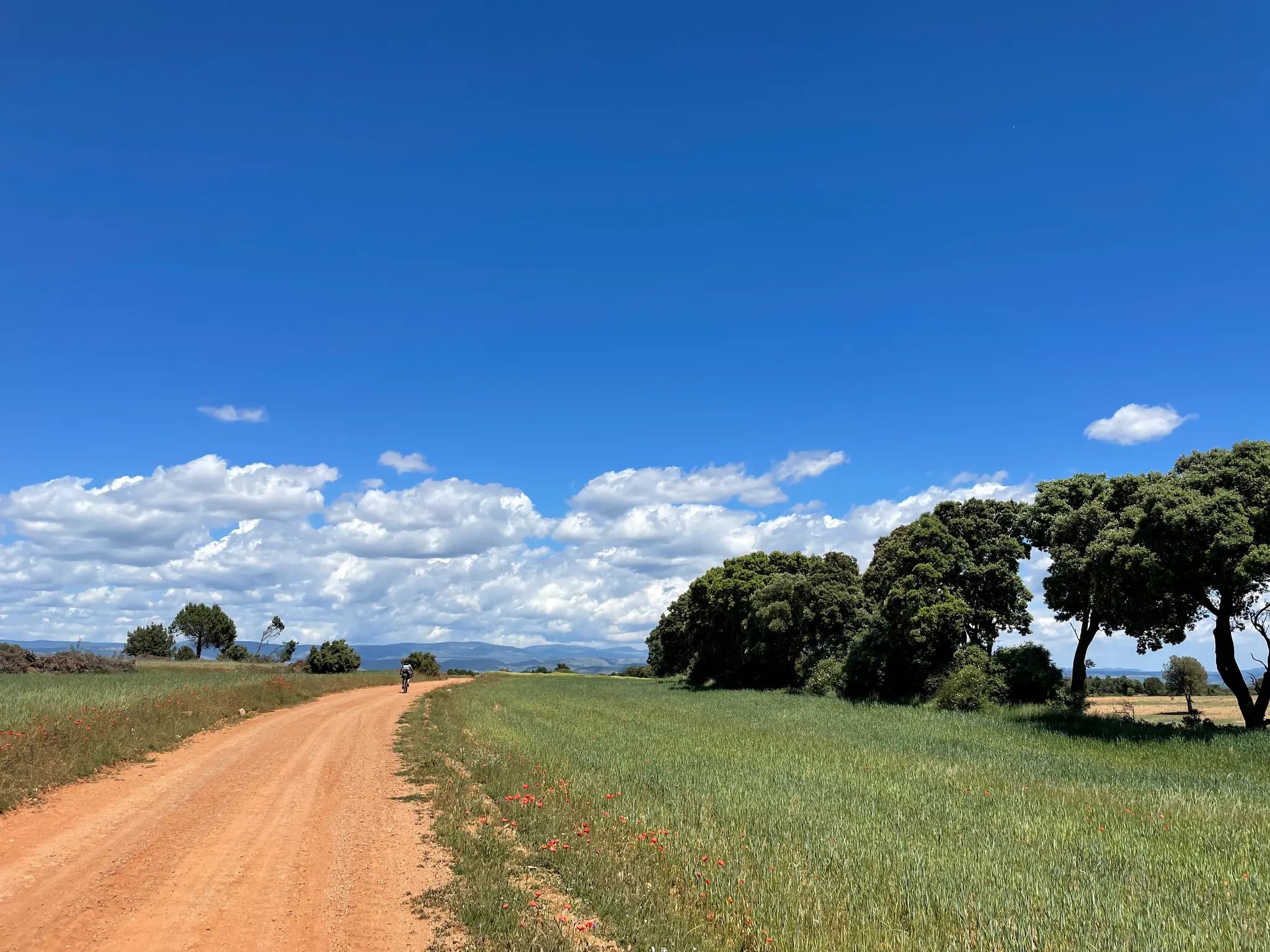
El Camino del Cid – The Conquest of Valencia on MTB
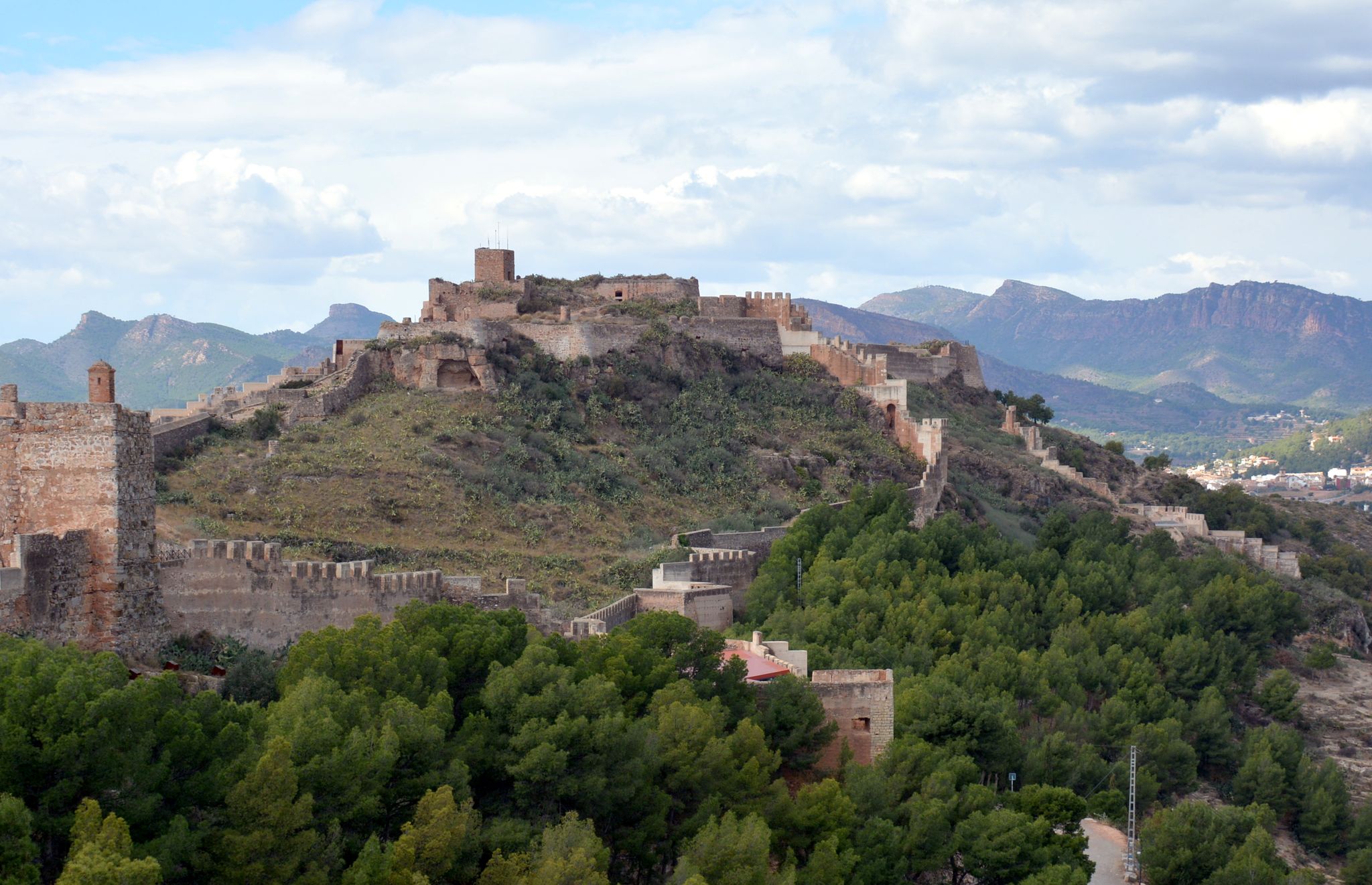
The Way of El Cid by bicycle – Conquest of Valencia
Hiking around La Puebla De Valverde
Cycling around La Puebla De Valverde
MTB Trails around La Puebla De Valverde
Running Trails around La Puebla De Valverde

Gravel biking around La Puebla De Valverde
Other adventures around La Puebla De Valverde


Tips from the Community

In the heart of Aras, the Fuente Vieja (Old Fountain) was for centuries the main source of drinking water for the neighborhood. With a simple spout but a generous soul, this fountain continues to gush fresh and pure water, a legacy of the village's relationship with the land. Its importance as an element of identity is undeniable, as rest, work, and tradition mingled here. Visiting these fountains and washhouses is to immerse oneself in the living history of Aras de los Olmos, where water is not just a resource, but also a symbol of life, community, and memory. One more reason to let yourself be carried away by the rural charm of this village in the Alto Turia.
0
0
This temple of simple forms presides over the village of Losilla, forming the religious nucleus of the population. It is located in the village square. Its style is difficult to determine, as Gothic-Mudejar is spoken of in its original structure and construction, while its exterior appearance is neoclassical. In the center of the lintel of the entrance, an inscription with the year 1851 can be read, although the origin of the building is certainly much older, albeit not with the appearance it presents today. The floor plan of the building is rectangular, approximately 170 square meters. On the sides, forming a Latin cross, there are two chapels resolved in a groin vault. At the beginning of the 20th century, in 1924, the square bell tower was finished, in which the bells ordered the time with the prayer tolls and the Angelus and alerted the population in case of fire. Next to the church, in the garden, was the old cemetery, which was moved to the outskirts of the town after an epidemic that took place at the beginning of the 20th century.
0
0

The main points of interest in La Puebla de Valverde are the remains of its walls, the preserved entrance gates, the Church of Santa Emerenciana, and the surroundings of the town.
0
0

Wonderful for refilling water, cooling your feet, and taking a short break.
0
0
Easy to overlook, as it is not very large, it is located right next to the main street. A visit is worthwhile, as it was created by Pablo Monguió from 1910-1912 in the modernist style.
0
0

Aras de los Olmos is a mountain village surrounded by mountains and ravines, perfect for those seeking hiking and biking trails surrounded by nature. It is known for its clear skies, recognized with the Starlight Destination certification, making it one of the best places in Europe for astronomical observation. Its heritage includes the parish church, hermitages, a Muslim tower, and a medieval oven that can be visited, as well as paleontological finds such as the Losillasaurus dinosaur. The local cuisine, with dishes such as gachas (porridge), ajoarriero (a garlic stew), and artisanal honey, completes the visit.
0
0
Arcos de las Salinas is a small village in the Javalambre Mountains, ideal for hiking and nature lovers. Surrounded by mountains and crossed by the Arcos and Torrijano rivers, it is part of a protected area designated as a Site of Community Interest. Its scattered villages and farmhouses give it a very authentic rural feel, perfect for unwinding. Thanks to its altitude, the climate is cool, and snow is not uncommon in winter, making it a good starting point for excursions at any time of year.
1
0
The Los Arcos aqueduct, located in Alpuente, is a 16th and 17th-century hydraulic structure that supplied water to the town and its orchards. With its thirteen pointed arches and a length of 265 meters, the arcade bridged the uneven level of the Reguero River, although the main arch was lost in a flood in 1880. Today, it is preserved as a Site of Cultural Interest and can be easily visited from the road to La Yesa. It is an interesting spot for combining history and hiking; good footwear is recommended to explore the surroundings.
3
0
Frequently Asked Questions
How many road cycling routes are available around La Puebla De Valverde?
There are over 50 road cycling routes around La Puebla De Valverde, offering a wide range of options for different skill levels and preferences.
What kind of terrain can I expect on road cycling routes in this region?
The region offers varied topography, situated between the Sierra de Gúdar and Macizo de Javalambre mountain ranges. You'll find everything from challenging ascents, such as the climb to Javalambre, to more accessible greenways like sections of the Vía Verde Ojos Negros. Expect picturesque pinewoods, impressive tunnels, viaducts, and unique Teruel landscapes including red gorges and vast plains.
Are there routes suitable for beginners or less experienced road cyclists?
Yes, while many routes are challenging, there are options for less experienced riders. The Vía Verde Ojos Negros, for instance, offers a predominantly mild gradient, making it accessible. Out of the over 50 routes, 1 is easy and 17 are moderate, providing good choices for those seeking a less demanding ride.
What is the best time of year for road cycling in La Puebla De Valverde?
The best time for road cycling is generally outside of the busy winter season. Spring and autumn offer pleasant temperatures and beautiful scenery. During these times, routes like the climb to Javalambre experience little traffic, making for a more enjoyable ride.
Can I cycle on the Vía Verde Ojos Negros with a road bike?
Yes, the Vía Verde Ojos Negros is suitable for road bikes. Built on a former railway line, it features a predominantly mild gradient and well-maintained surfaces, making it accessible for both beginners and experienced cyclists looking for a scenic and less challenging ride through pinewoods and impressive viaducts.
Are there challenging climbs for experienced road cyclists?
Absolutely. The region is known for its challenging ascents, particularly the climb to Javalambre. Routes like Puerto de Javalambre - ascent from Puebla de Valverde offer significant elevation gain, providing a rewarding experience for those seeking higher altitudes and demanding rides. Over 30 routes in the area are rated as difficult.
What scenic viewpoints or natural features can I see along the road cycling routes?
You'll encounter diverse natural beauty. Highlights include the unique Desert landscape in Teruel, the impressive The Amanaderos of Riodeva waterfall, and panoramic views from Pico Javalambre. The Vía Verde Ojos Negros also offers views of red gorges and peaceful pine forests.
Are there any historical or cultural points of interest accessible by road bike?
Yes, the area is rich in history. You can explore ancient Roman roads, medieval churches, and paleontological sites. La Puebla de Valverde itself has historical landmarks like the parish church of Santa Emerenciana. The broader Teruel region, known for its Mudejar art and iconic structures, is also accessible and offers cultural excursions.
Are there any circular road cycling routes in the area?
Yes, there are several excellent circular routes. For a challenging loop, consider Fuente del Cabrito – The Staircase of Teruel loop from Puebla de Valverde. Another popular option is the Camarena de la Sierra – Modernist Church of Villaspesa loop from Camarena de la Sierra, which takes you through rural landscapes.
What do other road cyclists enjoy the most about road cycling in La Puebla De Valverde?
The area is highly rated by the komoot community, with an average score of 4.9 stars from nearly 20 reviews. Reviewers often praise the varied terrain, from challenging mountainous backdrops to accessible greenways, and the opportunity to experience diverse landscapes and quiet rural environments.
Where can I find parking for my road bike trip in La Puebla De Valverde?
La Puebla de Valverde, as a town, typically offers public parking spaces. For specific route starting points, it's advisable to check local signage upon arrival. Many routes, especially those starting directly from the town, will have convenient parking nearby.
Are there any cafes or restaurants along the road cycling routes?
While specific cafes along every route are not detailed, La Puebla de Valverde and other villages along the routes offer various establishments where cyclists can refuel and rest. It's always a good idea to carry sufficient water and snacks, especially on longer or more remote sections.
Can I rent a road bike in La Puebla De Valverde?
While this guide focuses on the routes themselves, bike rental services are often available in larger towns or tourist-focused areas. It's recommended to search locally or contact tourist information centers in La Puebla de Valverde for current rental options.
Most popular routes around La Puebla De Valverde
Most popular attractions around La Puebla De Valverde

Get inspired with the komoot mobile app


Explore more
Browse the best Road cycling routes in other regions.
