The best traffic-free bike rides around St. Minver Highlands
3.8
(4)
228
riders
10
rides
No traffic road cycling routes around St. Minver Highlands traverse a landscape characterized by its blend of coastal and countryside features in North Cornwall. The region is bordered by the River Camel estuary to the south and west, and the Atlantic coast to the north, offering varied terrain for road cyclists. Routes often feature coastal vistas, with some elevation changes as they navigate the rolling hills and headlands. The area provides a mix of paved surfaces, suitable for road bikes,…
Last updated: July 1, 2026
11
riders
20.6km
01:12
410m
410m
Moderate road ride. Good fitness required. Mostly well-paved surfaces and easy to ride.
6
riders
39.3km
02:09
620m
620m
Moderate road ride. Good fitness required. Mostly well-paved surfaces and easy to ride.

Sign up for free
5
riders
23.8km
01:22
380m
380m
Moderate road ride. Good fitness required. Mostly well-paved surfaces and easy to ride.
3.0
(1)
4
riders
20.1km
01:11
290m
290m
Easy road ride. Great for any fitness level. Mostly well-paved surfaces and easy to ride.
3
riders
47.1km
02:39
700m
700m
Moderate road ride. Good fitness required. Some segments of this route may be unpaved and difficult to ride.
Get access to more routes and recommendations from other explorers.
Sign up for free
Already have an account?
Our route recommendations are based on thousands of hikes, rides, and runs completed by other people on komoot.
Start today with a free account
Your next adventure awaits.
Login or Signup
Popular around St. Minver Highlands
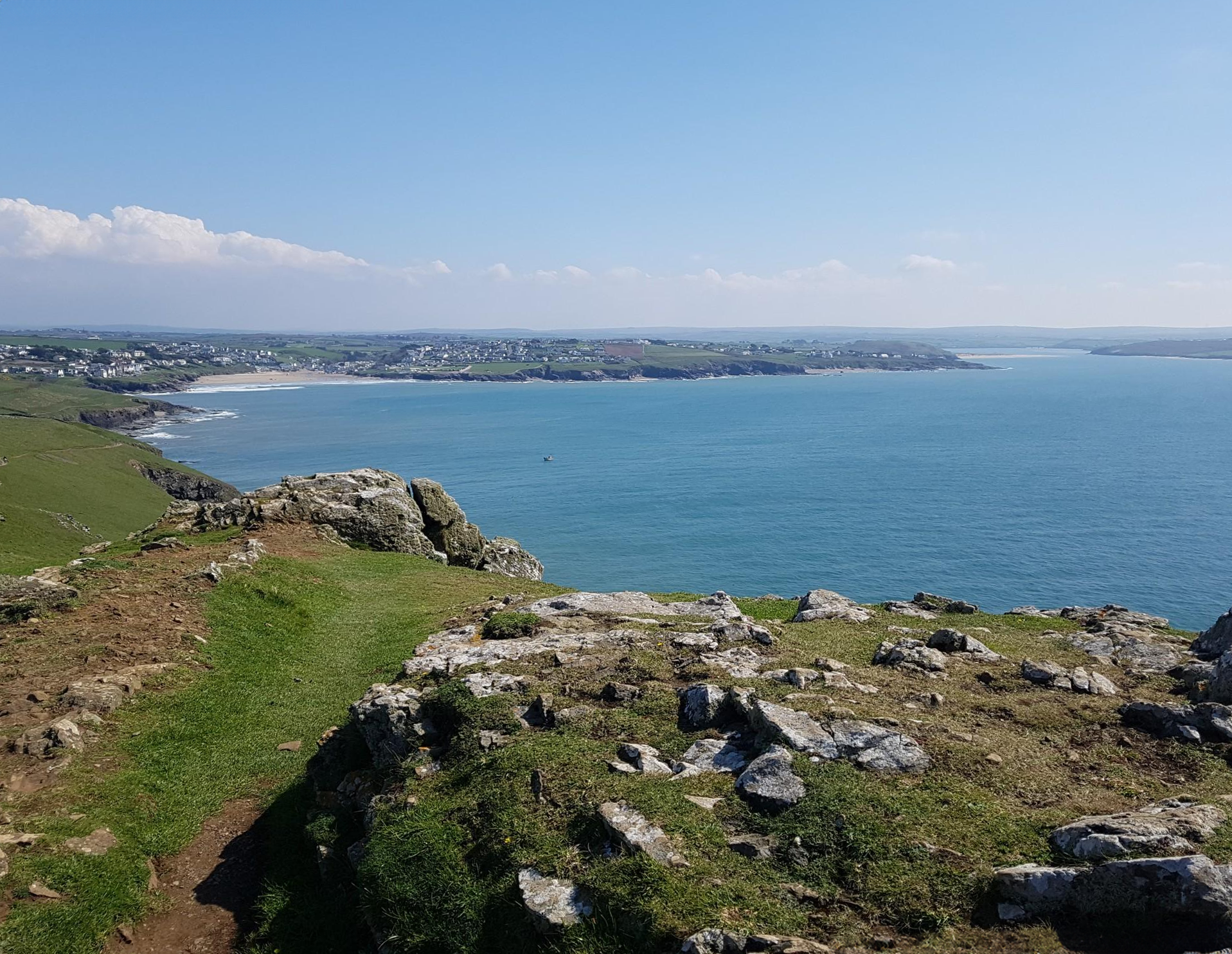
Other adventures around St. Minver Highlands

Tips from the Community

Nice run, sometimes narrow paths for a trail run but beautiful route!
0
0

Beautiful hike well worth the effort and experience. It’s called the roller coaster for a reason 😁
0
0

The name of the village is believed to come from the Cornish words "Porth" (harbour) and "gwynn" (white). Its earliest mention is when Laurence de Porquin took his name from the village in 1327. During the medieval period, boats from Port Quin often sailed to Wales trading coal, manure, antimony, lead and building ashlar. The cove was from where granite from Lundy Island - used to build the tower of the parish church at St Endellion - was unloaded. The local economy was based primarily upon the pilchard season that operated from August to December. Fresh catches were pressed in several large sheds in the village before the separated fish oil and flesh were transported for sale. Farming and small mines were also important sources of revenue. Ots has the most amazing beach you honestly think you in the med.
1
0
The origins of Port Isaac are likely Celtic and the development of the town can be roughly divided into three phases. Through the Middle Ages and up to the coming of the railways, Port Isaac was a thriving port serving the area inland. During the Tudor period the harbour was dredged, a good illustration of its importance. Once goods from locations further inland were better served by the North Cornwall Railway, the economy of the port relied on pilchard fishing, probably a centuries-old industry. However the pilchard shoals began to decline, and after World War I tourism became the mainstay of the economy.
0
0

Almost every episode features the small, beautiful harbor of Portwenn
1
0
In the series, the Portwenn School is located here
1
0

Have a look at the b/w photos (here pic #2) - impressive how they had to manouver the life boat through the narrow streets before the new station was build 🫢.
0
0
Frequently Asked Questions
How many no-traffic road cycling routes are available in St. Minver Highlands?
There are 12 dedicated no-traffic road cycling routes around St. Minver Highlands featured in this guide. These routes vary in difficulty, offering options for different fitness levels.
What is the best time of year to go road cycling in St. Minver Highlands?
The St. Minver Highlands area, with its coastal and countryside blend, is enjoyable for road cycling throughout much of the year. Spring and autumn offer pleasant temperatures and fewer crowds, while summer provides longer daylight hours. Winter cycling is possible, but be prepared for potentially wetter and windier conditions, especially along the coast.
Are there any family-friendly no-traffic road cycling options?
Yes, the region offers routes suitable for families. The famous Camel Trail, while not exclusively a road cycling route, is a largely traffic-free path that is very popular with families. For dedicated road cycling, you'll find easier routes like the Port Quin Cove – Port Quin loop from Polzeath, which is rated as easy and covers 17 km with moderate elevation changes.
What kind of terrain and elevation can I expect on these routes?
The no-traffic road cycling routes in St. Minver Highlands offer a diverse experience. While many are paved, the region's coastal and estuarial geography means you can expect varied terrain with significant elevation changes. Routes often require good to very good fitness, with some climbs reaching over 600 meters of elevation gain, such as the Port Quin – Port Quin Cove loop from Polzeath.
What attractions can I see along the no-traffic road cycling routes?
Many routes offer stunning views and pass by notable attractions. You might cycle past the charming Padstow Harbour, the scenic Port Quin Cove, or catch glimpses of the historic Stepper Point Daymark Tower. The dramatic headland of The Rumps (Iron Age fort) also offers extensive Atlantic views.
Are there any circular no-traffic road cycling routes?
Yes, several routes are designed as loops, allowing you to start and finish in the same location. An example is the Port Isaac Harbour – Port Gaverne Cove loop from Polzeath, which offers a 20.6 km ride with beautiful coastal scenery.
What do other road cyclists enjoy most about cycling in St. Minver Highlands?
The komoot community highly rates the road cycling experience in St. Minver Highlands, with an average score of 3.8 stars. Reviewers often praise the breathtaking coastal vistas, the challenge of the varied terrain, and the opportunity to explore charming villages and natural landmarks away from heavy traffic.
Are there cafes or pubs accessible from the no-traffic road cycling routes?
Yes, the routes often pass through or near villages like Polzeath, Port Quin, and Port Isaac, where you can find cafes and pubs. The Galleon Beach Cafe loop from Polzeath, for instance, is named after a local establishment, indicating opportunities for refreshments along the way.
Is the Camel Trail suitable for road bikes, and is it traffic-free?
The Camel Trail is a seventeen-mile, mostly off-road path that traces the River Camel. While it's largely traffic-free and popular, its surface is not always ideal for narrow road bike tires, as it can include unpaved sections. It's best suited for hybrid or touring bikes, but some road cyclists do use it cautiously. It offers a scenic and very low-traffic experience.
Are there any routes that connect to Padstow?
While this guide focuses on routes originating around St. Minver Highlands, the nearby Camel Trail provides excellent traffic-free access to Padstow. You can cycle from areas like Polzeath towards the Camel Trail and then follow it to Padstow Harbour, which is a charming fishing town rich in history.
What are some of the longer no-traffic road cycling routes available?
For those seeking a longer ride, routes like the Port Quin – Port Quin Cove loop from Polzeath offer a substantial challenge. This route covers over 39 km with significant elevation gain, providing an extended experience through the region's beautiful landscapes.
Most popular routes around St. Minver Highlands
Most popular attractions around St. Minver Highlands

Get inspired with the komoot mobile app


Explore more
Browse the best Road cycling routes in other regions.
