The best family-friendly hikes and walks around Corfe Castle
4.7
(418)
4,648
hikers
72
hikes
Family friendly hiking trails around Corfe Castle are set within the Isle of Purbeck peninsula, characterized by rolling hills, coastal cliffs, and expansive heathlands. The region is part of the Jurassic Coast, a UNESCO World Heritage Site, featuring ancient chalk ridges and unique geological formations. Hikers can experience diverse terrains, including open heathland, woodlands, and paths offering views over the English Channel. Corfe Common, a sandstone ridge, also provides interesting landscapes and wildlife.
Best family friendly hiking trails around Corfe…
Last updated: August 11, 2026
4.9
(73)
447
hikers
15.3km
04:16
280m
280m
Moderate hike. Good fitness required. Mostly accessible paths. Sure-footedness required.
4.9
(16)
197
hikers
15.1km
04:15
290m
310m
Moderate hike. Good fitness required. Mostly accessible paths. Sure-footedness required.

Sign up for free
4.8
(36)
119
hikers
11.2km
03:05
180m
180m
Moderate hike. Good fitness required. Mostly accessible paths. Sure-footedness required.
5.0
(6)
21
hikers
3.70km
00:58
30m
30m
Easy hike. Great for any fitness level. Easily-accessible paths. Suitable for all skill levels.
2.29km
00:40
50m
50m
Easy hike. Great for any fitness level. Easily-accessible paths. Suitable for all skill levels.
Get access to more routes and recommendations from other explorers.
Sign up for free
Already have an account?
Our route recommendations are based on thousands of hikes, rides, and runs completed by other people on komoot.
Start today with a free account
Your next adventure awaits.
Login or Signup


Tips from the Community

The "Why" Behind the Hill Burt didn't just put it there because it looked nice. He dedicated it to his uncle and mentor, John Mowlem (another massive figure in Swanage history). But there was a practical side, too: A Landmark: It served as a waypoint for ships navigating the tricky waters around Old Harry Rocks. The View: Burt was obsessed with showing off the beauty of his hometown. By placing it on the ridge, he essentially gave people a reason to climb the hill and look down at the town he was helping to build. The Great Disappearing Act (WWII) If you look closely at the obelisk today, it looks remarkably "clean." That’s because the one you see now is a reconstruction. During World War II, the original stone obelisk was considered a "navigational hazard." The British military was worried that German pilots would use the tall, white stone pillar as a landmark to help them find their bearings for bombing raids on nearby Bournemouth or Poole. So, in 1941, they knocked it down. For decades, it lay in pieces in the grass. It wasn't until 1973 that the Encombe Estate and local residents gathered the resources to rebuild it (using a mix of the original stone and some fresh Purbeck masonry) to celebrate "Plant a Tree in '73"—though ironic, as there isn't a tree in sight on that windy ridge!
0
0
If you’ve been hiking those ridges, that lone stone pillar standing guard over Swanage has likely caught your eye. It’s officially known as the Ballard Down Obelisk (or the Burt Memorial), and the story behind it is a classic tale of Victorian pride, a bit of eccentricity, and some very literal "re-gifting." The "Stolen" Monument The obelisk wasn't originally built for the Purbeck Hills. It actually started its life in London. In the mid-1800s, it served as a monument to a man named James Thompson, standing near the entrance to the Vauxhall Bridge. However, when the bridge was being rebuilt in the late 19th century, the obelisk became an "obstruction" and was destined for the scrap heap. Enter George Burt: The Man Who Moved London Swanage looks the way it does today largely because of George Burt, a local businessman who ran a massive masonry firm in London. He had a habit of taking "architectural leftovers" from London and shipping them back to Swanage as ballast on his empty stone boats. When he saw the obelisk was going to be demolished in 1892, he stepped in. He didn't just save it; he dismantled it, shipped it down the coast, and hauled it all the way to the top of Ballard Down.
0
0
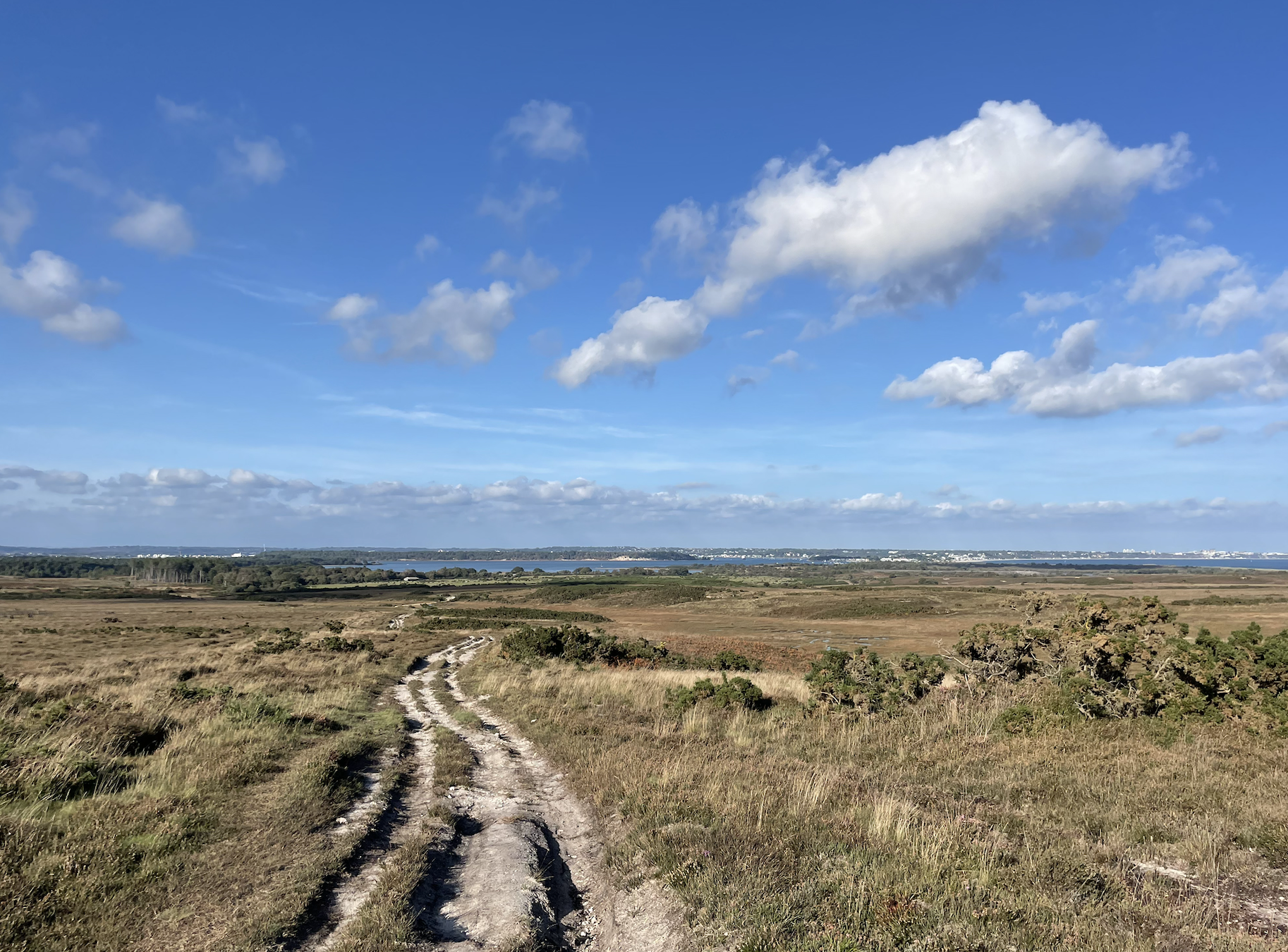
If the view from Studland Hill is a grand "reveal," the view from Rollington Hill is more of a slow, scenic immersion into the Purbeck countryside. While Studland Hill (part of the Nine Barrow Down ridge) looks at Swanage from the north/northeast, Rollington Hill sits a bit further west, closer to Corfe Castle. From here, you’re looking down the "barrel" of the valley toward the sea.
0
0
On June 15, 1945. A RAF Liberator JT985 flying to India crashed into a ridge in the Purbeck Hills shortly after takeoff from RAF Holmsley South, killing all 27 occupants (24 passengers, 3 crew) on board. The cause was likely the pilot flying too low in poor visibility.
1
0

- Built in **1830** as a folly by Reverend John Clavell, likely as an observatory or romantic coastal landmark. - Moved **25 meters inland** in 2008 to save it from cliff erosion—an engineering feat involving dismantling and rebuilding stone-by-stone. - Inspired writer **Thomas Hardy**, who featured it in his novel *The Well-Beloved*. - Now a unique **holiday rental** managed by the Landmark Trust, offering panoramic views of Kimmeridge Bay and the Jurassic Coast. - Its Tuscan-style design and mysterious history (no clear original purpose) add to its allure as a coastal curiosity.
1
0

If you can climb it without getting off, you're already a pro.
0
0

Beautiful view. Good footwear for the walk is recommended.
0
0
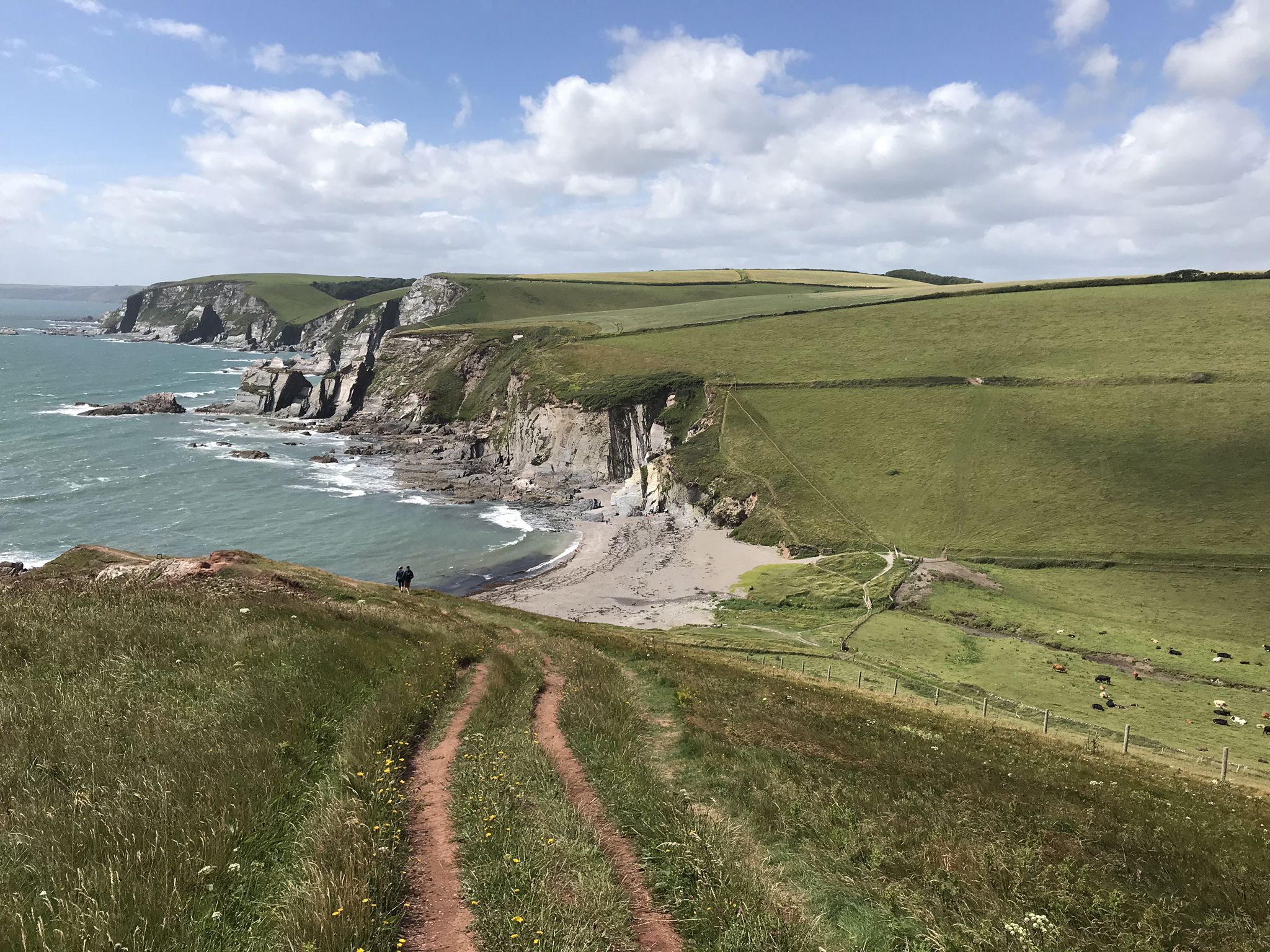
Ballard Down is an area of chalk downland on the Purbeck Hills in the English county of Dorset. The hills meet the English Channel here, and Ballard Down forms a headland, Ballard Point, between Studland Bay to the north and Swanage Bay to the south. Cliffs are prone to eroding so care must be taken if going near the cliff edges.
1
0
Frequently Asked Questions
How many family-friendly hiking trails are there around Corfe Castle?
There are over 70 family-friendly hiking trails around Corfe Castle, ranging from easy strolls suitable for toddlers to more moderate adventures for older children. You'll find a diverse selection of routes to explore the stunning landscapes of the Isle of Purbeck.
What kind of terrain can we expect on family hikes in the Corfe Castle area?
The terrain around Corfe Castle is wonderfully varied, offering something for everyone. You can expect rolling hills, dramatic coastal cliffs, expansive heathlands, and woodlands. Many trails traverse ancient chalk ridges, providing breathtaking views. Some paths, like those on Corfe Common, are generally flatter and easier for little legs, while others might involve gentle ascents and descents.
Are there any easy, short walks suitable for families with young children or toddlers?
Absolutely! For families with young children or toddlers, the Corfe Common Walk is an excellent choice. It's a relatively short and easy trail that meanders through historic common land, offering lovely views of the castle without being too strenuous. Another great option is the Corfe Castle loop, which is also easy and provides fantastic views of the iconic ruins.
What are some popular circular family walks around Corfe Castle?
Many of the family-friendly routes around Corfe Castle are circular, allowing you to start and finish in the same spot. The Corfe Common Walk is a popular easy circular option. For a slightly longer, moderate circular route, consider The Blue Pool loop from Corfe Castle, which takes you through heathland and woodland to a unique natural attraction.
What interesting landmarks or natural attractions can we see on family hikes?
The Corfe Castle area is rich in history and natural beauty. Many trails offer stunning views of the iconic Corfe Castle Ruins. You can also discover natural wonders like Old Harry Rocks, dramatic chalk sea stacks, or the unique, ever-changing colors of The Blue Pool. The Kimmeridge Bay and Clavell Tower loop offers coastal views and the chance to explore a beautiful bay.
Are the family-friendly trails around Corfe Castle dog-friendly?
Yes, many of the trails around Corfe Castle are dog-friendly, making it a great destination for the whole family, including your furry friends. However, it's always best to keep dogs on a lead, especially when passing through farmland with livestock or in areas with ground-nesting birds, particularly on the heathlands. Always remember to clean up after your dog.
What is the best time of year to go hiking with family in Corfe Castle?
Spring and autumn are often considered the best times for family hikes around Corfe Castle. The weather is generally milder, and the landscapes are beautiful, with wildflowers in spring and vibrant foliage in autumn. Summer offers longer daylight hours but can be busier, while winter walks can be crisp and clear, though some paths might be muddy. Always check the weather forecast before heading out.
Are there cafes or places to eat near the family-friendly walks?
Yes, the village of Corfe Castle itself has several charming cafes, pubs, and eateries where you can refuel after your hike. Many routes start or pass through the village, making it convenient to grab a snack, a warm drink, or a full meal. You'll find options suitable for families right in the heart of the village.
How can we get to the family-friendly walks using public transport?
Corfe Castle village is accessible by public transport. Local bus services connect Corfe Castle with nearby towns like Wareham and Swanage. From Wareham, you can reach Corfe Castle by bus, and Wareham itself has a train station. The Swanage Railway, a heritage steam railway, also runs between Swanage and Corfe Castle, offering a unique and fun way to arrive, especially with children.
What do other hikers enjoy most about the family-friendly trails in Corfe Castle?
The area is highly rated by the komoot community, with an average score of 4.67 stars. Reviewers often praise the stunning views of the iconic castle, the diverse landscapes ranging from heathland to coast, and the well-maintained paths suitable for various ages. The sense of history and the opportunity to spot local wildlife are also frequently highlighted as enjoyable aspects for families.
What should we wear for hiking with kids in Corfe Castle?
Layering is key for hiking in the Corfe Castle area, as the weather can change quickly. We recommend waterproof jackets, comfortable walking shoes or boots with good grip, and appropriate clothing for the season. Even on sunny days, a hat and sun cream are advisable. For kids, sturdy footwear is essential, and bringing extra layers is always a good idea, especially if you're exploring the more exposed ridgeways.
Most popular routes around Corfe Castle
Most popular attractions around Corfe Castle

Get inspired with the komoot mobile app


Explore more
Browse the best Hikes in other regions.
