The best walks and hikes around Corfe Castle
4.7
(430)
4,589
hikers
84
hikes
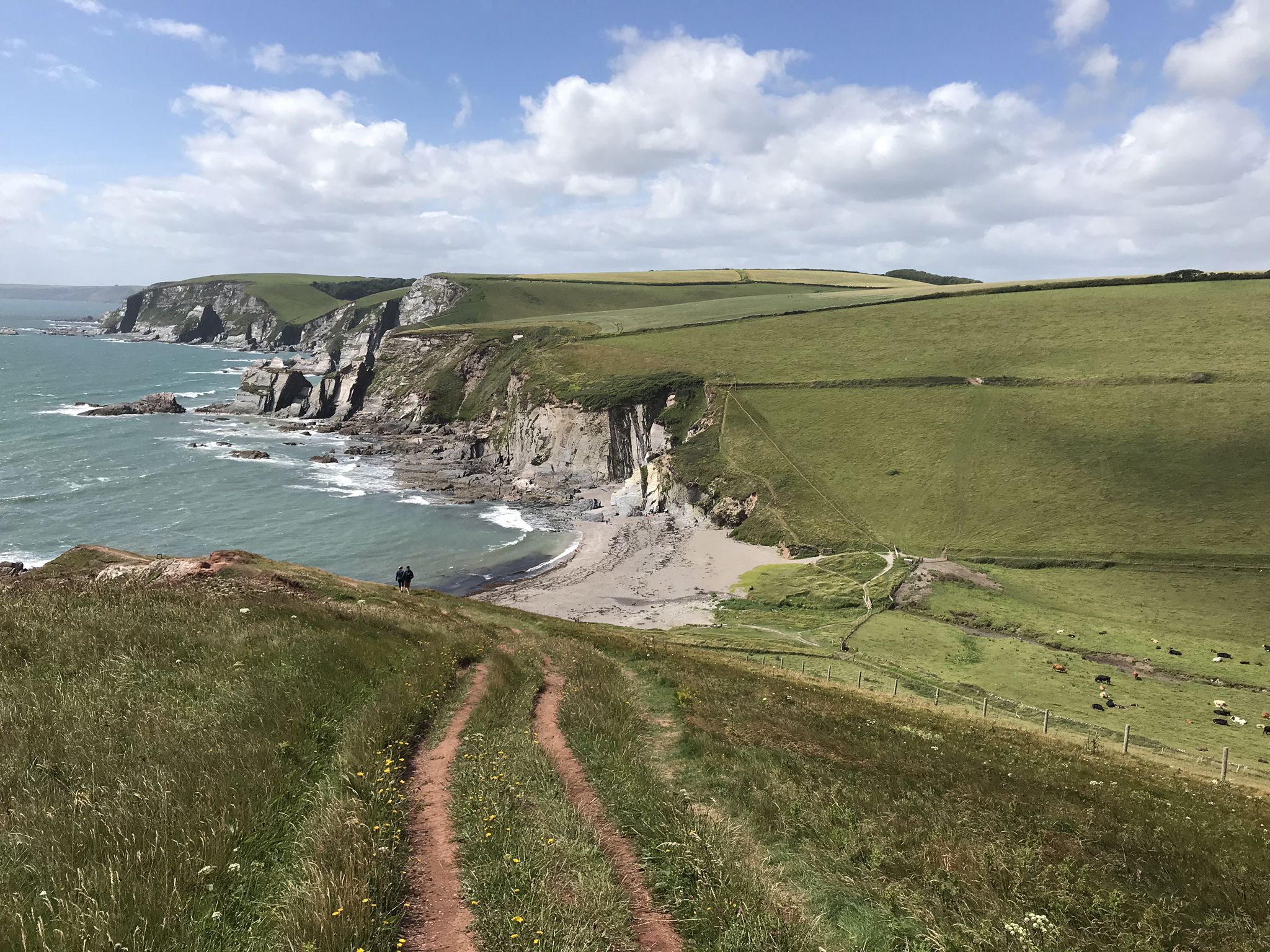
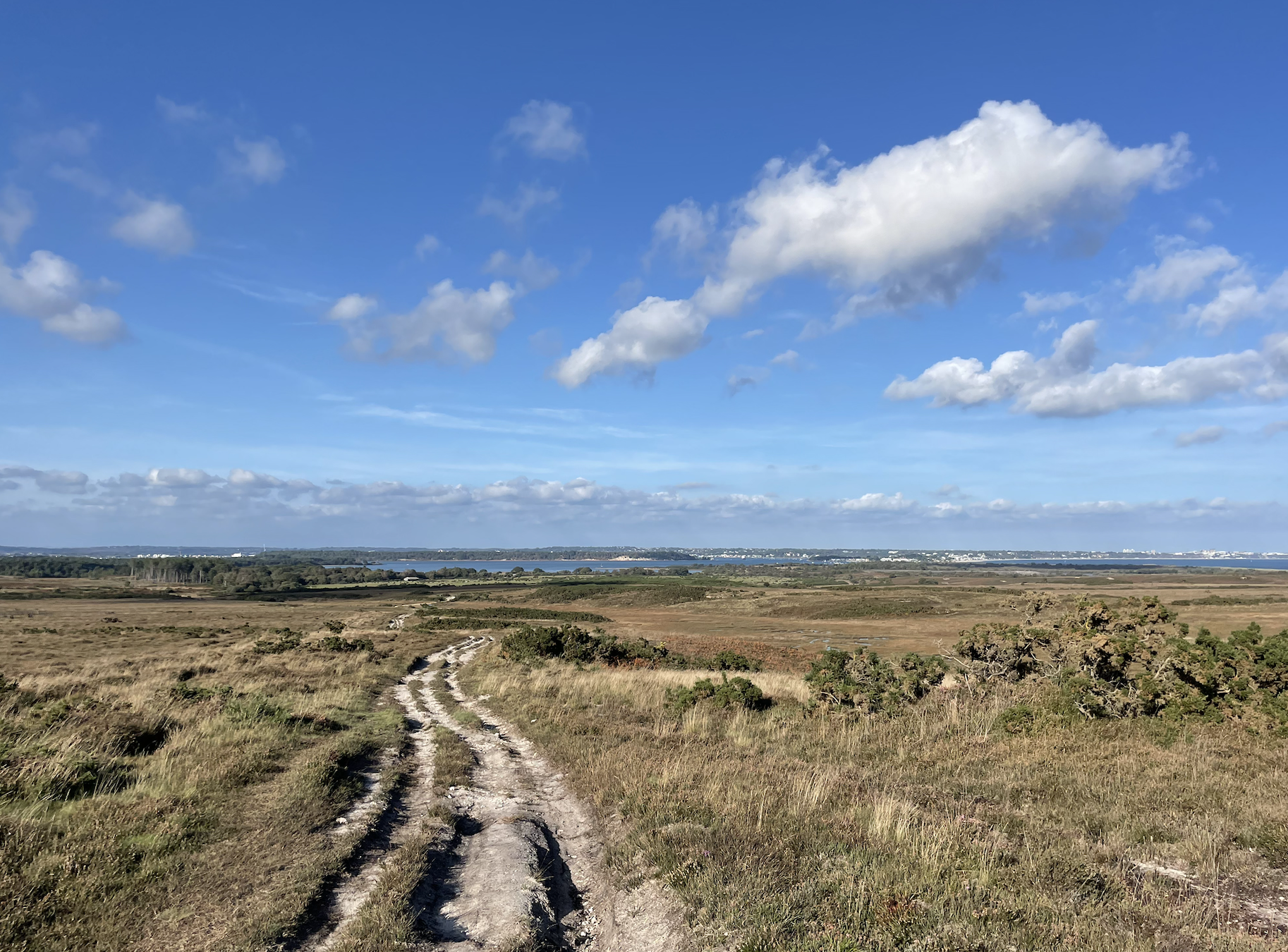
Hikes around Corfe Castle explore the Isle of Purbeck peninsula, a landscape defined by rolling hills, coastal cliffs, and heathlands. The region is part of the Jurassic Coast, a UNESCO World Heritage Site, offering trails that traverse chalk ridges and provide views over the English Channel. The terrain varies from gentle common land to more challenging coastal paths with significant elevation changes.
Best hiking trails around Corfe Castle
- The most popular hiking route is the Purbeck Ridgeway, a 9.4 mile (15.1 km) trail that takes about 4 hours 15 minutes to complete. This moderate route follows a prominent ridge, offering expansive views over Poole Harbour and the surrounding countryside.
- Another top favourite among local hiking enthusiasts is the The Obelisk & Old Harry Rocks loop from Corfe Castle — Dorset, a difficult 13.5 mile (21.8 km) path. The route leads to the iconic chalk sea stacks of Old Harry Rocks along the Jurassic Coast.
- Local hiking enthusiasts also love the Corfe Common Walk, a 2.3 mile (3.7 km) trail leading through historic common land, often completed in about 1 hour.
- Hiking around Corfe Castle is defined by its coastal paths, chalk ridges, and open heathlands. The network of trails provides options for various fitness levels, from short, easy walks on common land to more demanding treks along the coastline.
- The routes in Corfe Castle are highly rated by the komoot community with an average score of 4.7 stars from over 300 reviews. More than 2,500 hikers have used komoot to explore Corfe Castle's varied terrain.
Last updated: September 28, 2026
4.9
(71)
449
hikers
15.3km
04:16
280m
280m
Moderate hike. Good fitness required. Mostly accessible paths. Sure-footedness required.
4.9
(17)
199
hikers
15.1km
04:15
290m
310m
Moderate hike. Good fitness required. Mostly accessible paths. Sure-footedness required.

4.8
(38)
122
hikers
11.2km
03:05
180m
180m
Moderate hike. Good fitness required. Mostly accessible paths. Sure-footedness required.
4.8
(19)
153
hikers
21.8km
06:09
450m
440m
Hard hike. Very good fitness required. Mostly accessible paths. Sure-footedness required.
5.0
(6)
23
hikers
3.70km
00:58
30m
30m
Easy hike. Great for any fitness level. Easily-accessible paths. Suitable for all skill levels.
Get access to more routes and recommendations from other explorers.
Already have an account?
Our route recommendations are based on thousands of hikes, rides, and runs completed by other people on komoot.
Start today with a free account
Your next adventure awaits.
Popular around Corfe Castle


Tips from the Community

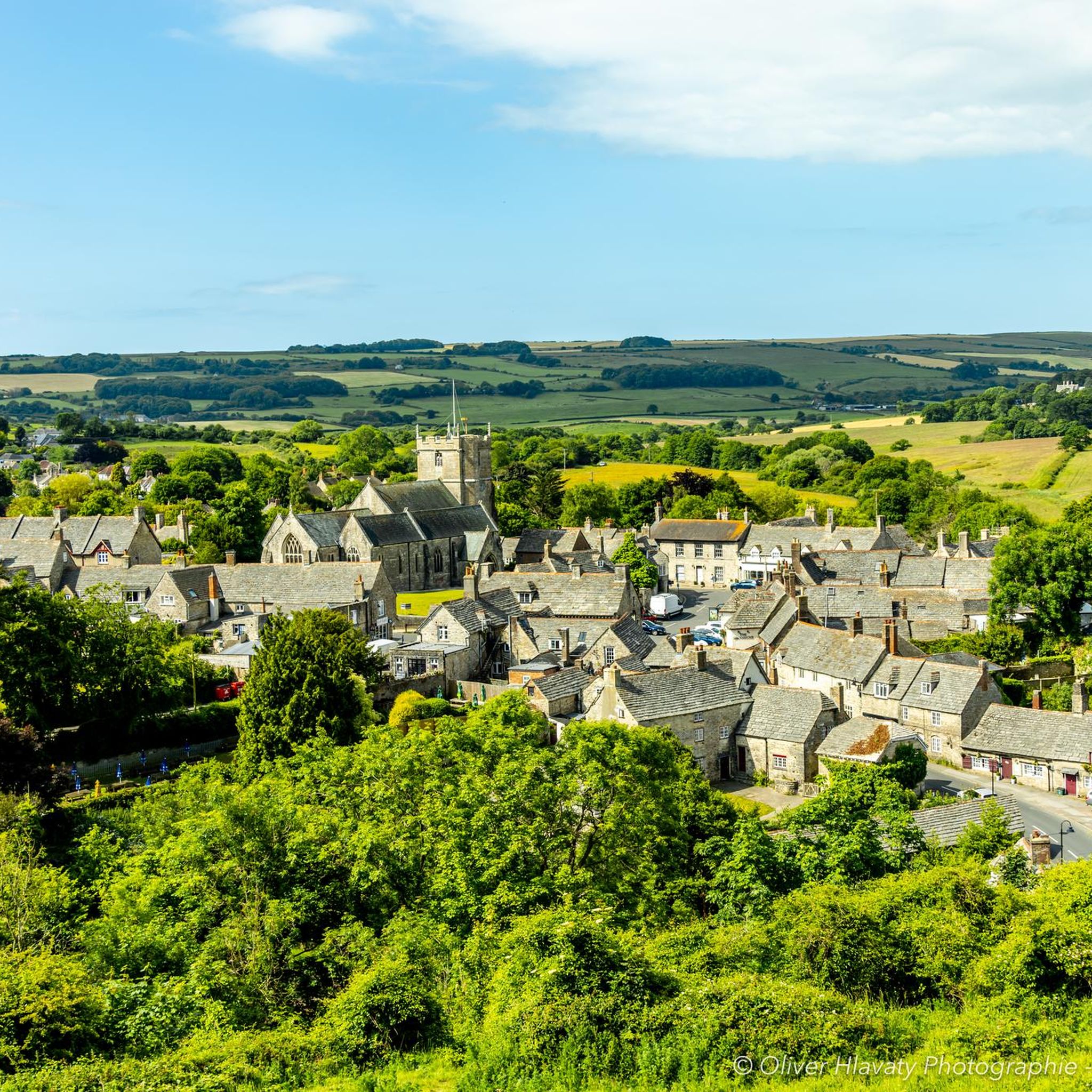
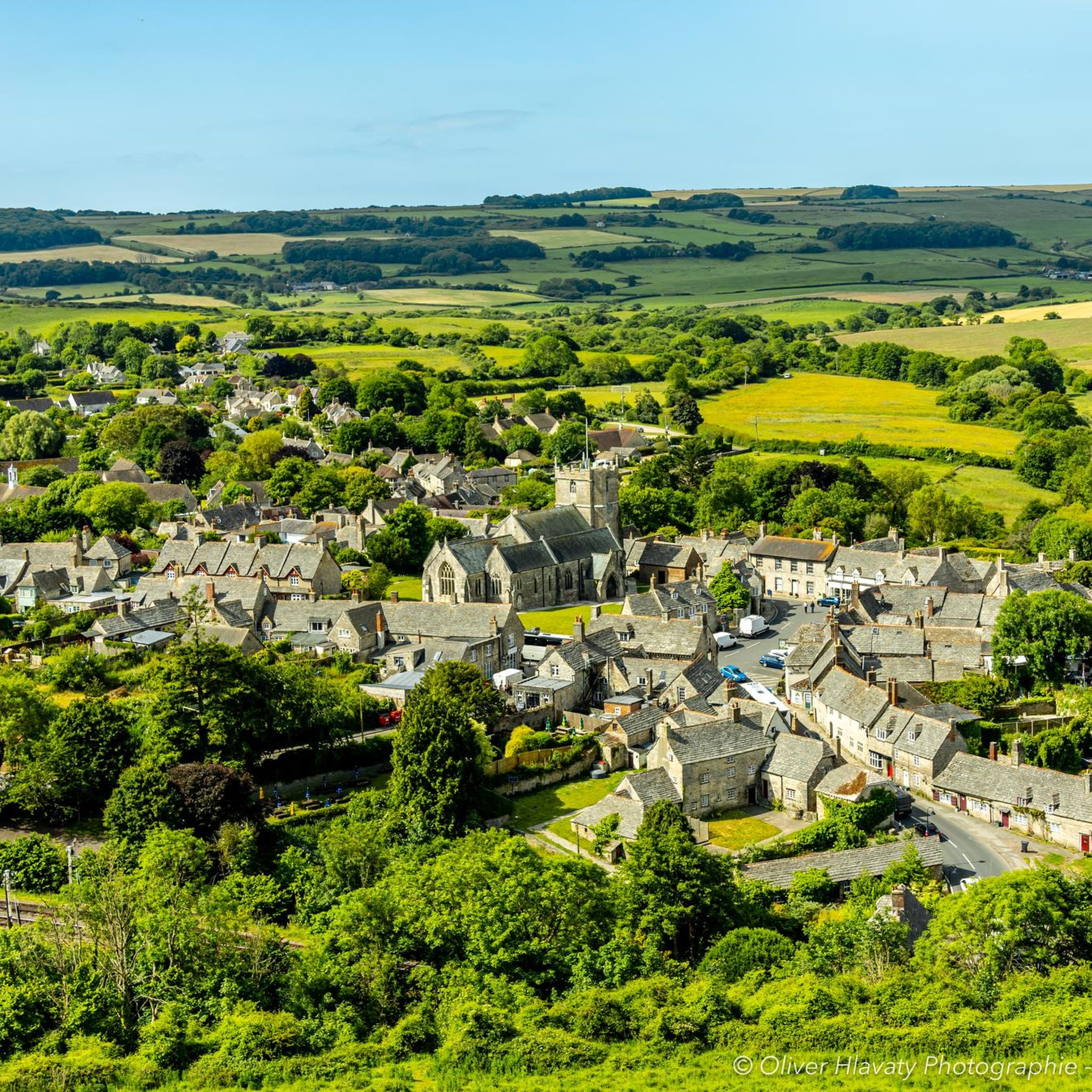
The Parish Church of St Edward the Martyr sits prominently in the square at the heart of Corfe Castle village, Dorset. Granted Grade II* listed status, this historic Anglican church is named after the teenage Saxon King, Edward the Martyr, who was murdered nearby in 978 AD on the orders of his stepmother, Queen Alfthryth. Local folklore asserts that the church stands directly on the site of a blind woman's hovel where the king's body was initially concealed, miraculously restoring her sight upon its discovery. While the first stone church on the site was constructed during the 12th century and later expanded in the 13th century, the building has survived immense turmoil. During the English Civil War (1642–1646), Parliamentary troops besieged the nearby royal fortress and used the church to billet men and stable horses. The soldiers caused severe damage, using the masonry for target practice, burning parish records, and stripping lead from the roof to melt into musket balls. Musket shot marks are still visible on the stone walls today. Between 1859 and 1860, architect T.H. Wyatt oversaw a major Victorian reconstruction because the medieval walls were bulging severely. Apart from the majestic 15th-century West Tower built by the Beaufort family, the entire church was pulled down and rebuilt. Notable surviving interior treasures include a 15th-century font carved from local Purbeck Marble and ten intricately carved medieval roof bosses preserved over the sanctuary.
0
0
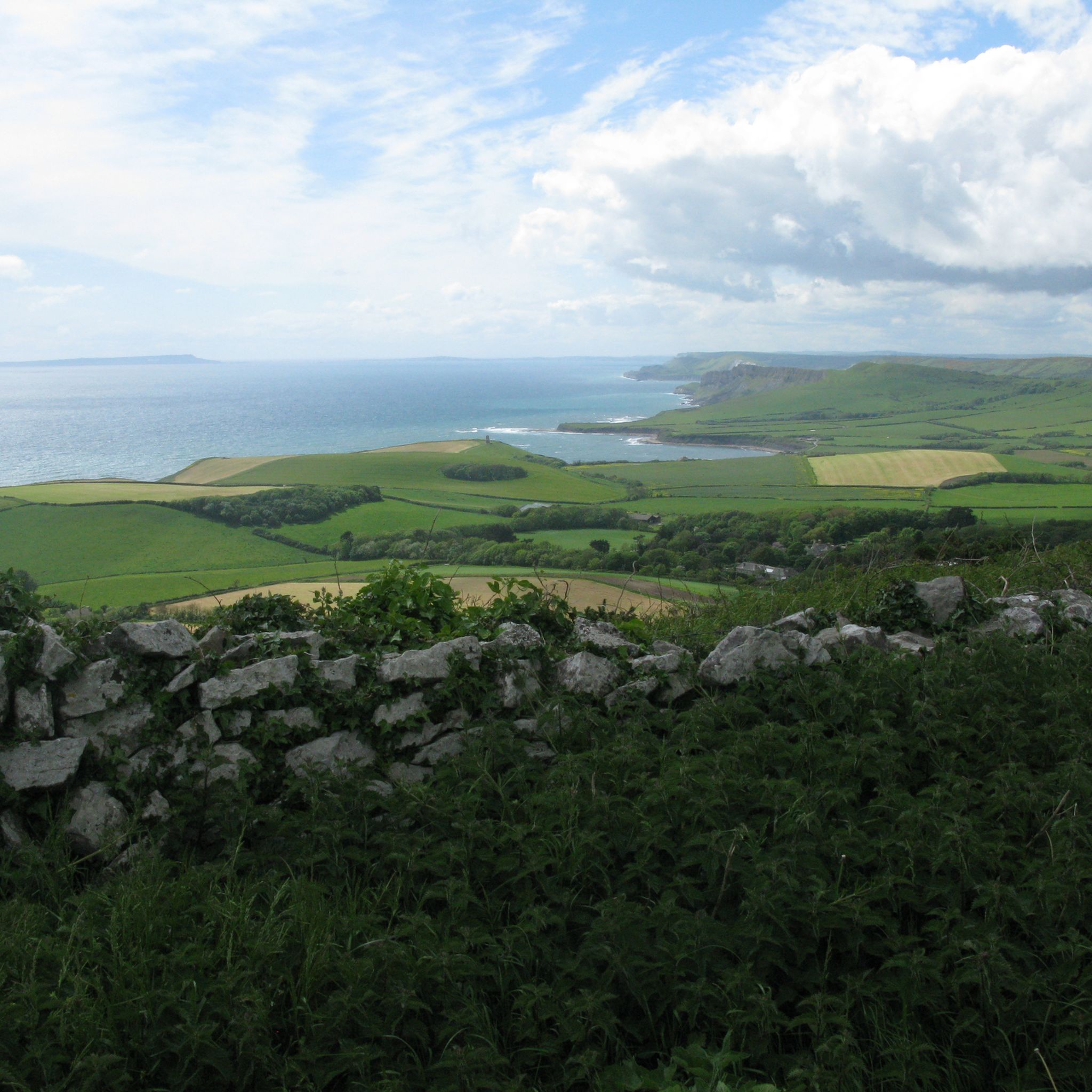
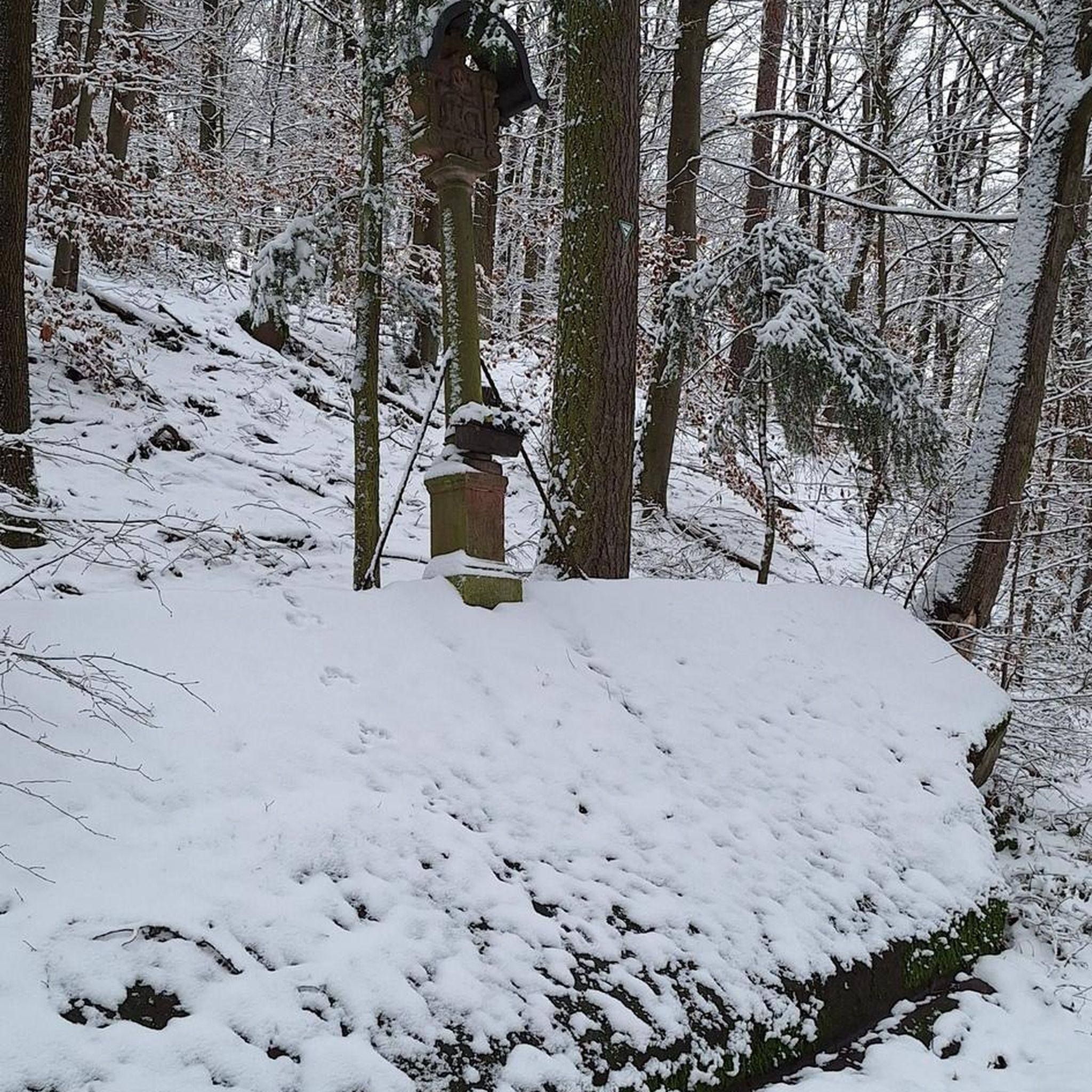
The Mary Baxter Memorial sits on the crest of Knowle Hill along the Purbeck Way. Erected by the Ramblers' Association, this unique hexagonal monument honors a dedicated Dorset conservationist (1919–1988). Its six foundational stones uniquely align with the six public footpaths that converge at this panoramic viewpoint.
0
0
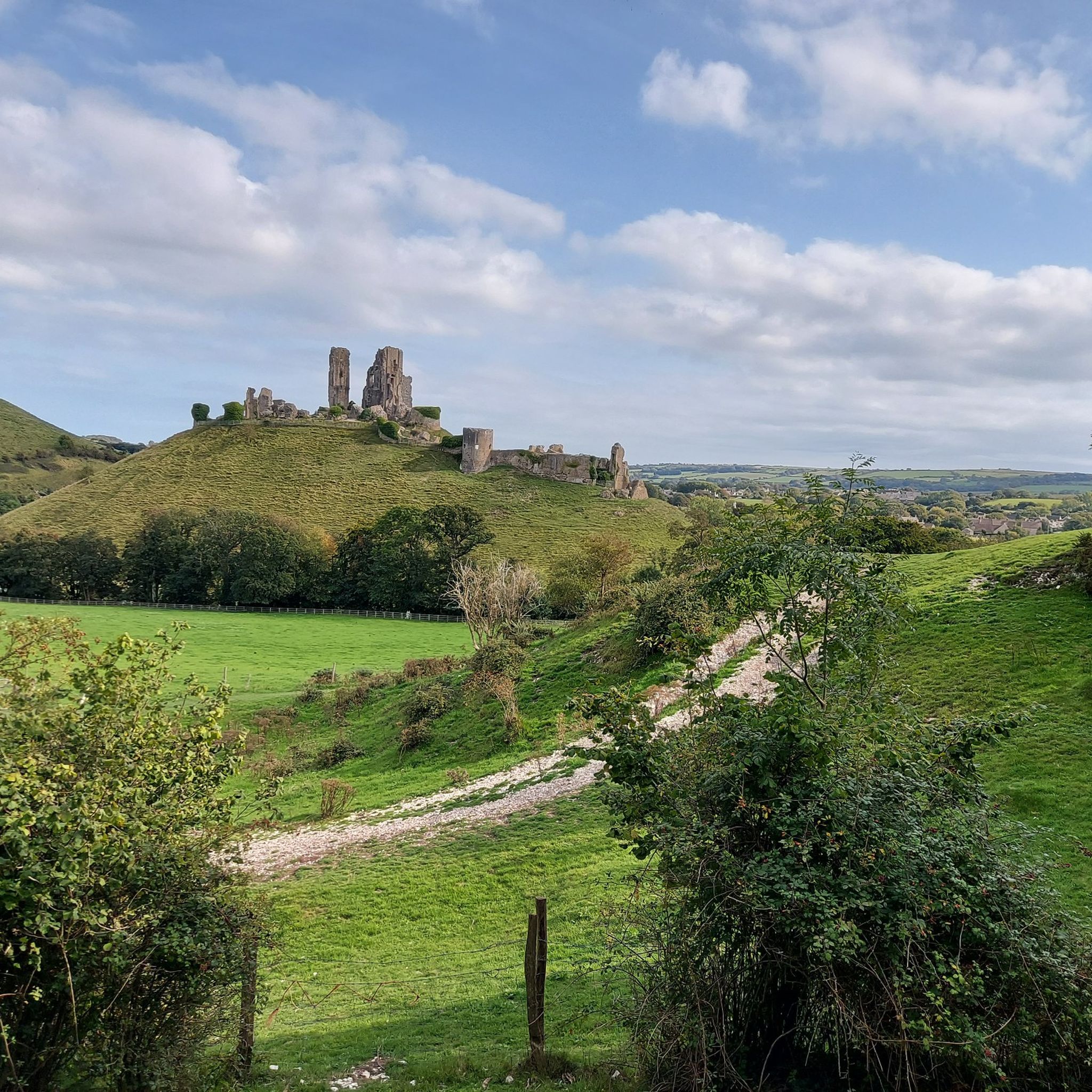
From the rolling hillside of the Purbeck Hills, Corfe Castle emerges like a shattered crown against the Dorset skyline. The elevated vantage point reveals the dramatic scale of the 11th-century fortress, its fractured stone keeps and crumbling ramparts clinging to a steep mound. Below, the historic village wraps neatly around the castle base, its gray limestone roofs smoking gently. Depending on the hour, the view shifts dramatically: morning mist often isolates the ruins above a sea of white, while the setting sun casts long, haunting shadows across the surrounding vibrant green valley.
0
0
The Old Town Hall in Corfe Castle, Dorset, is famous as the smallest town hall in England. Rebuilt around 1774 following a fire, its ground floor utilizes stone salvaged from the historic castle ruins. The tiny building features a 350-square-foot former council chamber on the first floor. Today, it is managed by the Corfe Castle Town Trust and houses a free local history museum on its ground floor.
0
0
The "Why" Behind the Hill Burt didn't just put it there because it looked nice. He dedicated it to his uncle and mentor, John Mowlem (another massive figure in Swanage history). But there was a practical side, too: A Landmark: It served as a waypoint for ships navigating the tricky waters around Old Harry Rocks. The View: Burt was obsessed with showing off the beauty of his hometown. By placing it on the ridge, he essentially gave people a reason to climb the hill and look down at the town he was helping to build. The Great Disappearing Act (WWII) If you look closely at the obelisk today, it looks remarkably "clean." That’s because the one you see now is a reconstruction. During World War II, the original stone obelisk was considered a "navigational hazard." The British military was worried that German pilots would use the tall, white stone pillar as a landmark to help them find their bearings for bombing raids on nearby Bournemouth or Poole. So, in 1941, they knocked it down. For decades, it lay in pieces in the grass. It wasn't until 1973 that the Encombe Estate and local residents gathered the resources to rebuild it (using a mix of the original stone and some fresh Purbeck masonry) to celebrate "Plant a Tree in '73"—though ironic, as there isn't a tree in sight on that windy ridge!
0
0
If you’ve been hiking those ridges, that lone stone pillar standing guard over Swanage has likely caught your eye. It’s officially known as the Ballard Down Obelisk (or the Burt Memorial), and the story behind it is a classic tale of Victorian pride, a bit of eccentricity, and some very literal "re-gifting." The "Stolen" Monument The obelisk wasn't originally built for the Purbeck Hills. It actually started its life in London. In the mid-1800s, it served as a monument to a man named James Thompson, standing near the entrance to the Vauxhall Bridge. However, when the bridge was being rebuilt in the late 19th century, the obelisk became an "obstruction" and was destined for the scrap heap. Enter George Burt: The Man Who Moved London Swanage looks the way it does today largely because of George Burt, a local businessman who ran a massive masonry firm in London. He had a habit of taking "architectural leftovers" from London and shipping them back to Swanage as ballast on his empty stone boats. When he saw the obelisk was going to be demolished in 1892, he stepped in. He didn't just save it; he dismantled it, shipped it down the coast, and hauled it all the way to the top of Ballard Down.
0
0
If the view from Studland Hill is a grand "reveal," the view from Rollington Hill is more of a slow, scenic immersion into the Purbeck countryside. While Studland Hill (part of the Nine Barrow Down ridge) looks at Swanage from the north/northeast, Rollington Hill sits a bit further west, closer to Corfe Castle. From here, you’re looking down the "barrel" of the valley toward the sea.
0
0
The Bay: You’ll see the curve of Swanage Bay, dotted with colorful buoys and the occasional fishing boat or yacht making its way toward the pier. The Steam Train: If you time it right, you’ll see a literal plume of white steam puffing across the valley. The Swanage Railway runs right through the landscape below, looking like a high-end model railway set from this height. Peveril Point: To the far left of the town, the land juts out into the sea. You can often see the "white water" where the tides churn around the ledge—it’s a great reminder of how powerful the coast is, even when it looks peaceful from your perch. The Isle of Wight: On a crisp day, look straight out past the cliffs. You’ll see the Needles rising out of the water like jagged white teeth in the distance.
0
0
Frequently Asked Questions
Are the hiking trails around Corfe Castle suitable for dogs?
Yes, many trails in the Corfe Castle area are dog-friendly. The open spaces of Corfe Common are particularly good for a walk with your dog. However, be aware that you will likely encounter livestock, so it's important to keep your dog under control or on a lead, especially on farmland and during nesting season for ground birds.
Are there any easy, family-friendly walks in the area?
Absolutely. The area offers several gentle walks perfect for families. A great option is the West Ridgeway circular walk, an easy 3-mile route with fantastic views of the castle. For something different, the walk to the historic Church Hill Lime-kiln is also a manageable and interesting outing for all ages.
Where is the best place to park for hikes starting in Corfe Castle?
The main starting point for many walks is the National Trust car park on East Street. It's a large, well-regarded car park that provides direct access to trails leading up to the castle and onto the surrounding hills. From there, a pleasant path leads you through fields into the village itself.
Can you recommend a good circular walk from Corfe Castle?
For a scenic circular route with varied terrain, consider the loop to The Blue Pool. This moderate 7-mile (11.2 km) hike takes you through heathland and woodland to a unique, colourful pool in a former clay pit, before returning towards the village.
What is the hike along the Purbeck Ridgeway like?
The Purbeck Ridgeway is a rewarding moderate hike that follows a chalk ridge. It's known for its incredible panoramic views stretching over Poole Harbour, the town of Swanage, and even to the Isle of Wight on clear days. The path is well-defined but does involve some steady climbs.
What do other hikers enjoy most about the trails around Corfe Castle?
The area is highly rated by the komoot community, with an average score of 4.7 stars. Hikers frequently praise the stunning coastal scenery of the Jurassic Coast, the dramatic views of the castle from the surrounding ridges, and the rich sense of history you feel when walking among ancient burial mounds and trackways.
How many hiking trails are there around Corfe Castle?
There are over 90 curated hiking routes around Corfe Castle available on komoot. These range from short, easy strolls across common land to challenging all-day treks along the dramatic coastline, offering plenty of options for every fitness level.
Can I reach the Jurassic Coast on foot from Corfe Castle?
Yes, you can access spectacular sections of the Jurassic Coast from Corfe Castle. A popular but challenging route is the hike to Old Harry Rocks, the famous chalk stacks. For a different coastal experience, the trail to Kimmeridge Bay offers fascinating geology and fossil hunting opportunities.
What kind of terrain should I expect on these hikes?
The terrain is quite varied. You'll find gentle, grassy paths on Corfe Common, rolling hills, and steep, sometimes strenuous, climbs and descents along the coastal paths. The Purbeck Ridgeway follows a chalk ridge, which can be slippery when wet. Good hiking footwear is recommended for most routes.
Are there any good viewpoints for photographing the castle?
For one of the most iconic views, take the path up West Hill. From this vantage point, you get a classic panoramic shot of the castle ruins with the village nestled below and the Purbeck Hills in the background. The early morning or late afternoon light is particularly beautiful from here.
Can I get to the trailheads using public transport?
Yes, Corfe Castle is well-served by public transport. The village has a bus stop with regular services from Wareham, Swanage, and Poole. Additionally, the historic Swanage Railway, a heritage steam train, has a station in Corfe Castle, offering a scenic way to arrive for your hike.
Most popular routes around Corfe Castle
Most popular attractions around Corfe Castle

Get inspired with the komoot mobile app


Explore more
Browse the best Hikes in other regions.
