The best traffic-free bike rides around Introd
4.4
(70)
1,355
riders
20
rides
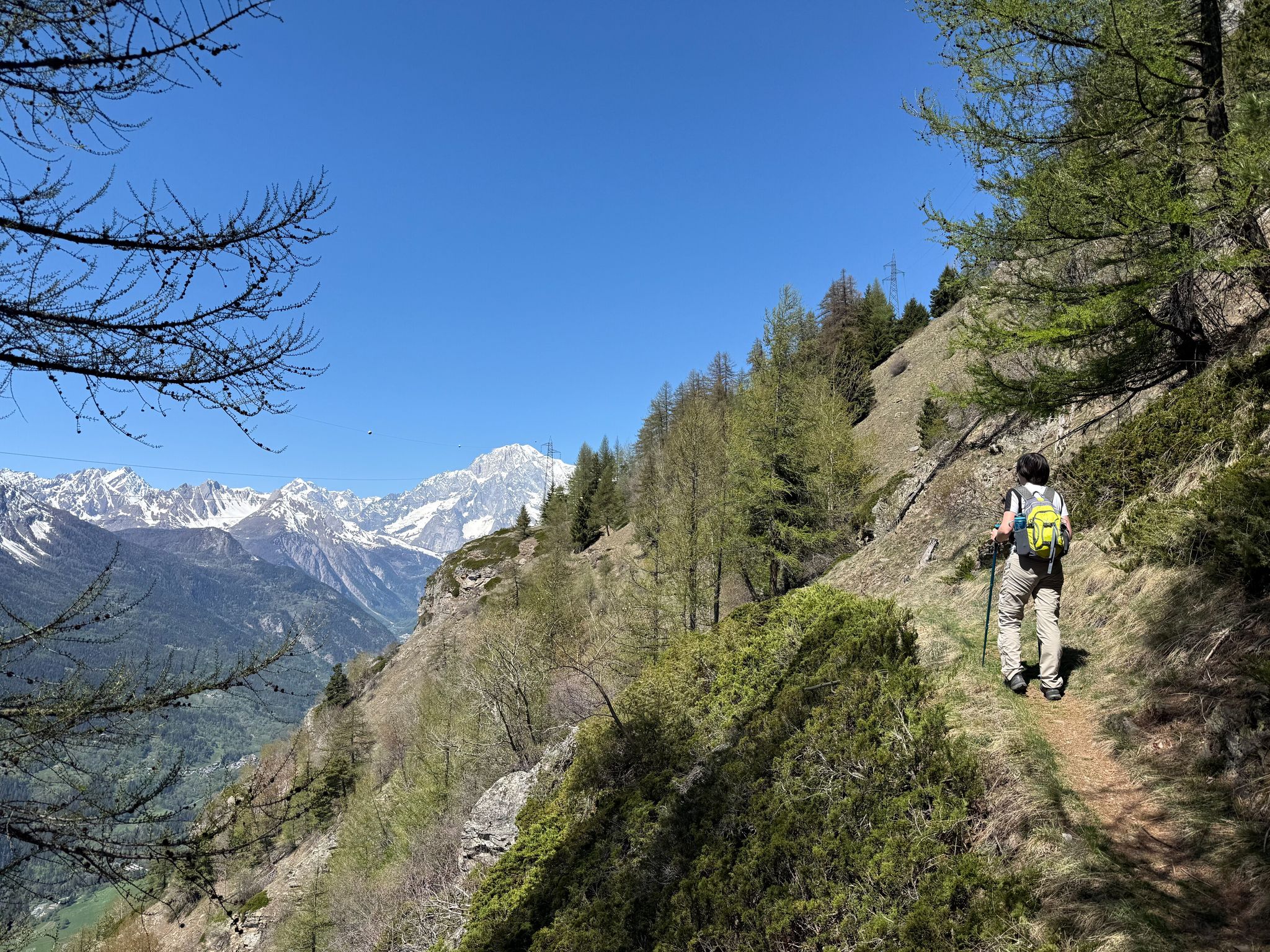
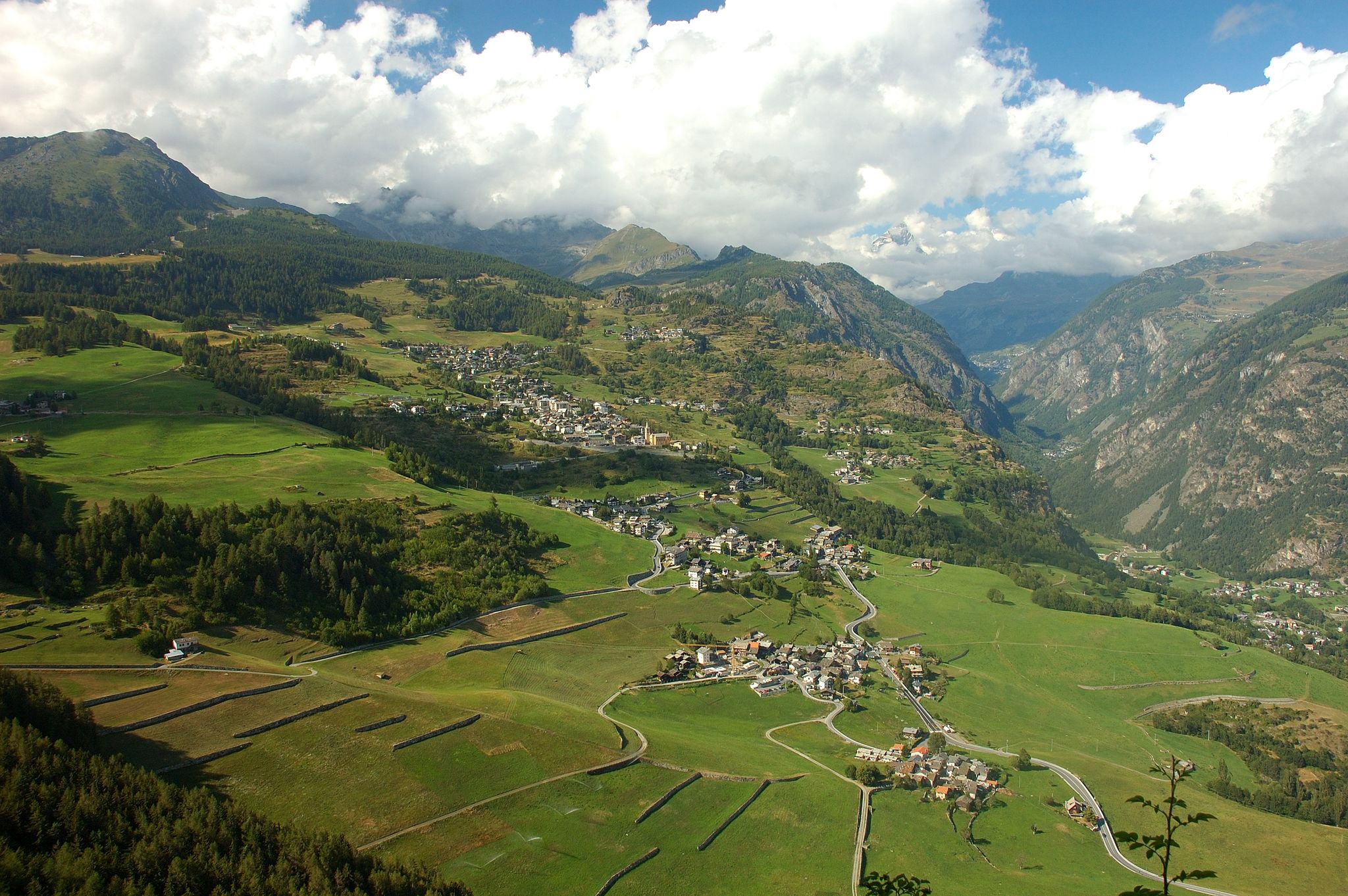
No traffic touring cycling routes around Introd offer a diverse landscape for exploration, nestled in Italy's Aosta Valley. The region is characterized by stunning alpine scenery, featuring imposing peaks, wooded hills, and verdant valleys, with the Dora of Rhêmes river and Savara torrent contributing to its unique natural setting. Cyclists can expect varied terrain, from challenging ascents to gentler routes winding through picturesque villages and past historic castles. The area's proximity to the Gran Paradiso National Park provides access to unspoiled wilderness and extensive elevation gains.
Best no traffic touring cycling routes around Introd
- The most popular no traffic touring cycling route is Arch of Augustus – Porta Pretoria (Aosta) loop from Sarre, a 9.5 miles (15.2 km) trail that takes 55 minutes to complete, offering an easy ride through historical landmarks.
- Another top favourite among local touring cyclists is Ponte di Introd – Introd Castle loop from Arvier, a difficult 11.5 miles (18.5 km) path. This route features significant elevation gain and passes by the historic Introd Castle.
- Local touring cyclists also love the Lago delle Rane – Mont Fallère Refuge loop from Villeneuve, a 26.9 miles (43.3 km) trail leading through alpine landscapes and towards mountain refuges, often completed in about 4 hours 27 minutes.
- Touring cycling around Introd is defined by alpine valleys, wooded hills, and historic sites, with routes offering both gentle rides along valley floors and more challenging ascents into the mountains.
- The routes in Introd are highly rated by the komoot community with an average score of 4.6 stars from over 60 reviews. More than 2000 touring cyclists have used komoot to explore Introd's varied terrain.
Last updated: June 30, 2026
5.0
(1)
65
riders
14.8km
01:51
650m
650m
Hard bike ride. Very good fitness required. Mostly paved surfaces. Suitable for all skill levels.
4.6
(7)
89
riders
Hard bike ride. Very good fitness required. Mostly paved surfaces. Suitable for all skill levels.

Sign up for free
5.0
(2)
37
riders
42.3km
04:20
1,710m
1,710m
Hard bike ride. Very good fitness required. You may need to push your bike for some segments of this route.
5.0
(2)
27
riders
33.3km
03:22
1,400m
1,400m
Hard bike ride. Very good fitness required. You may need to push your bike for some segments of this route.
23
riders
15.4km
01:41
770m
770m
Hard bike ride. Very good fitness required. You may need to push your bike for some segments of this route.
Get access to more routes and recommendations from other explorers.
Sign up for free
Already have an account?
Our route recommendations are based on thousands of hikes, rides, and runs completed by other people on komoot.
Start today with a free account
Your next adventure awaits.
Login or Signup




Tips from the Community


Ancient connecting road that runs halfway up the Aosta plain, already used in pre-Roman and then Roman times to cross the valley. Today it is a quiet secondary road, ideal for cycling away from traffic, among terraced vineyards, small villages and open views of the valley floor.
1
0

The Mont Fallère Refuge, at 2,385 m, is located in the valley between Mont Fallère and Monte Rosso di Vertosan. It offers 50 beds in rooms with bathrooms, and has a restaurant with typical cuisine. Open in summer, it can be reached on foot or by mountain bike.
1
1

Good gravel path, you can do it with a MTB or Gravel bike
1
0


splendid walk with exceptional landscape views.
0
0

Vetan, a hamlet in the municipality of Saint Pierre, is located on the northern slope of the Aosta Valley in the upper part, at an altitude of 1,700 meters. Step by step, curiosity will guide visitors on a treasure hunt among wooden statues and mountain scents. Most of the works (around 100/120) were created by the sculptor from the Aosta Valley, and owner of the refuge, Siro Viérin.
1
2

History The castle stands in the Lalex area, on a promontory overlooking the Aosta plain above the state road to Mont Blanc, just beyond the crossroads for Cogne. Built in 1710 by Giovanni Francesco Ferrod of Arvier on the remains of a strong house from 1242, after various changes of ownership it was purchased in 1869 by the King of Italy Vittorio Emanuele II, who renovated it and used it as a residence during his hunting trips in the Aosta Valley. The royal castle of Sarre, which became part of His Majesty's private heritage, then became the headquarters used by the king of Italy for his expeditions in the valleys of Cogne, Rhêmes and Valsavarenche. To host the first king of Italy, the residence underwent some modifications, including the raising of the tower and the construction of a new stable. Inside, the rooms were completely renovated and modernized. The conservator of the Royal Palace of Milan was specifically entrusted with the furnishings, which he arranged by transferring the furnishings from other royal residences. Vittorio Emanuele's successor, Umberto I (1844-1900), also assigned the Alpine castle to uses linked to hunting. In the last years of his reign, Umberto I paid particular attention to the residence of Sarre, whose internal renovation he promoted. The works carried out on that occasion include the important decorative campaigns of the monumental environments, decorated with ibex and chamois trophies. The castle was inhabited as a holiday by Queen Maria José even in the years following the monarchy. In 1989 the Valle d´Aosta Region purchased the complex to restore it. The castle, which appears as a longitudinal body with a square tower in the centre, can be considered a museum of the Savoy presence in the Aosta Valley. Visit The visit itinerary unfolds on three floors: the ground floor is set up as a museum and introduces a guided tour of the upper floors; some rooms are dedicated to the hunting theme and illustrate the territory, the management methods and the technical specificities of real hunts. the first floor, which still retains the furnishings and the appearance it took on in the second half of the 19th century, recalls the residential dimension of the Umbertine phase of the castle; the rooms are presented, with some exceptions, with the furniture documented by the 1890 inventory and with the textile furnishings described by the same inventory and reproduced on the basis of some original samples preserved in the State Archives of Turin. on the second floor, the exhibition presents a chronological setting linked to the members of the Savoy dynasty who lived in the castle from the beginning of the twentieth century to the post-World War II period.
1
0
Frequently Asked Questions
How many no-traffic touring cycling routes are available around Introd?
Komoot offers 12 no-traffic touring cycling routes around Introd. These routes vary in difficulty, with 2 easy, 3 moderate, and 7 difficult options, ensuring there's something for every skill level.
What kind of terrain can I expect on no-traffic touring cycling routes near Introd?
The terrain around Introd is wonderfully varied, offering stunning alpine scenery. You'll find routes winding through wooded hills and alpine meadows, with breathtaking backdrops of peaks like Mont Blanc and the Matterhorn. While some routes are paved, others might take you through more natural paths, often alongside rivers and past historic castles. Expect a mix of gentle stretches and more challenging ascents, typical of the Aosta Valley.
What is the best time of year for no-traffic touring cycling in Introd?
The best time for touring cycling in Introd is typically from late spring through early autumn (May to October). During these months, the weather is generally mild, and the alpine landscapes are at their most vibrant. Always check local weather conditions before heading out, especially for higher elevation routes.
Are there any easy no-traffic touring cycling routes suitable for beginners or families?
Yes, there are easy options available. For instance, the Arch of Augustus – Porta Pretoria (Aosta) loop from Sarre is an easy route covering about 15 km with minimal elevation gain, perfect for a relaxed ride. The region's network includes routes suitable for various fitness levels, often along valley floors.
Can I find routes that offer wildlife spotting opportunities?
Absolutely! The proximity to the Gran Paradiso National Park means many routes pass through areas rich in wildlife. Consider visiting the Mont Fallère Refuge area, or exploring routes that wind through the natural landscapes where you might spot typical Alpine animals like ibex, chamois, or marmots, especially in quieter, less trafficked areas.
Are there any circular no-traffic touring cycling routes around Introd?
Yes, many of the no-traffic routes around Introd are designed as loops. An example is the Arch of Augustus – Porta Pretoria (Aosta) loop from Sarre, which offers a convenient circular journey. These loops allow you to start and end at the same point, making logistics easier.
What interesting landmarks or attractions can I see along these routes?
Introd and its surroundings are rich in historical and natural attractions. You can cycle past the historic Introd Castle, an impressive 13th-century fortified residence. The Ponte di Introd – Introd Castle loop from Arvier specifically highlights this landmark. Other points of interest include the Parc Animalier d'Introd for observing alpine animals, and the Maison Bruil ethnographic museum. The Introd Bridge, an architectural marvel from WWI, also offers impressive views.
What do other touring cyclists enjoy most about cycling in Introd?
The area is highly rated by the komoot community, with an average score of 4.56 stars. Reviewers often praise the stunning alpine scenery, the variety of routes catering to different skill levels, and the peaceful, traffic-free experience that allows for immersive exploration of the Aosta Valley's natural beauty and historical sites.
Are there any routes that pass by huts or refuges for a break?
Yes, several routes offer access to huts and refuges. For example, the difficult Lago delle Rane – Mont Fallère Refuge loop from Villeneuve includes the Mont Fallère Refuge, providing a perfect spot for a rest and refreshments amidst your ride. Other highlights like the Vetan Open-Air Museum – Mont Fallère Hut are also accessible.
Are there any specific routes that offer challenging climbs for advanced cyclists?
For advanced cyclists seeking a challenge, Introd offers several difficult routes with significant elevation gains. The Pollein Green Area – Porta Pretoria (Aosta) loop from Saint-Pierre, for instance, features over 860 meters of ascent over 56 km. Another demanding option is the Oratory at the Border – View of the Castle of Sarre loop from Sarre, with over 800 meters of climbing.
Is it possible to access these no-traffic routes using public transport with a bike?
While specific public transport options for bikes can vary, the Aosta Valley generally has regional bus services that may accommodate bicycles, especially outside peak hours or with prior arrangement. It's advisable to check with local transport providers like SVAP or Arriva for their current policies and schedules regarding bicycle transport to Introd and surrounding areas.
Where can I find parking for these no-traffic touring cycling routes?
Parking is generally available in and around Introd, particularly in the main village areas or near popular trailheads. Many routes, such as those starting from Sarre or Villeneuve, have designated parking areas. Always look for official parking signs and respect local regulations.
Most popular attractions around Introd

Get inspired with the komoot mobile app


Explore more
Browse the best Cycling routes in other regions.
