The best traffic-free bike rides around Marsciano
4.1
(240)
5,997
riders
8
rides
Road cycling around Marsciano offers diverse terrain across rural plains, gently rolling hills, and river valleys. The region is characterized by fertile fields, olive groves, and vineyards, providing varied landscapes for cyclists. Routes navigate the Tiber and Nestore river valleys, transitioning into more elevated areas towards Monte Peglia. This blend of features ensures options for different cycling preferences.
Best no traffic road cycling routes around Marsciano
- The most popular no traffic road cycling route is Green Route of Perugia –…
Last updated: October 31, 2026
5.0
(2)
12
riders
Moderate road ride. Good fitness required. Some segments of this route may be unpaved and difficult to ride.
5
riders
21.2km
01:09
430m
430m
Moderate road ride. Good fitness required. Mostly well-paved surfaces and easy to ride.

5
riders
34.1km
01:44
560m
560m
Moderate road ride. Good fitness required. Mostly well-paved surfaces and easy to ride.
4
riders
19.4km
01:04
370m
370m
Moderate road ride. Good fitness required. Mostly well-paved surfaces and easy to ride.
5.0
(3)
4
riders
25.2km
01:26
560m
570m
Moderate road ride. Good fitness required. Mostly well-paved surfaces and easy to ride.
Get access to more routes and recommendations from other explorers.
Already have an account?
Our route recommendations are based on thousands of hikes, rides, and runs completed by other people on komoot.
Start today with a free account
Your next adventure awaits.
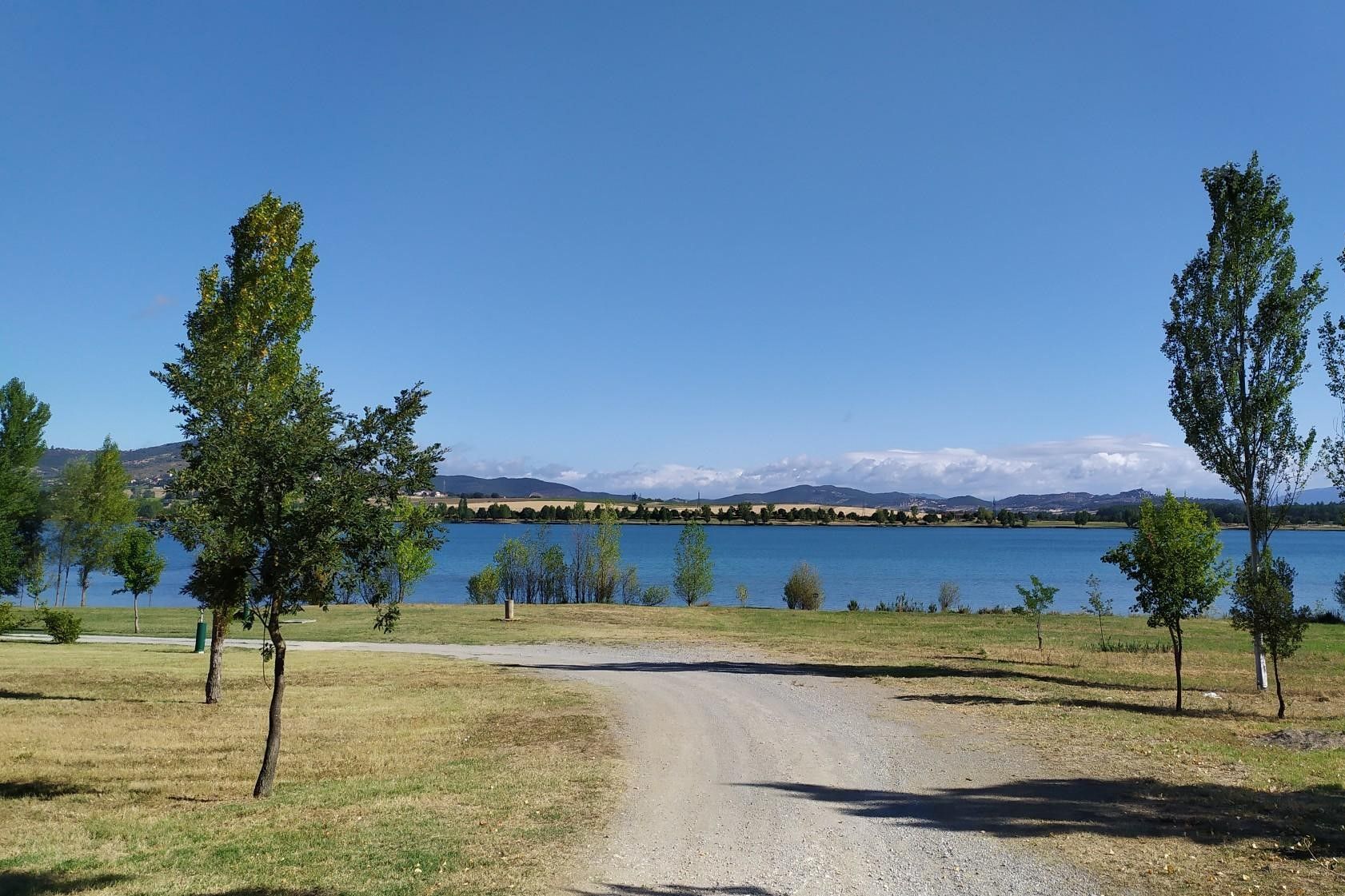

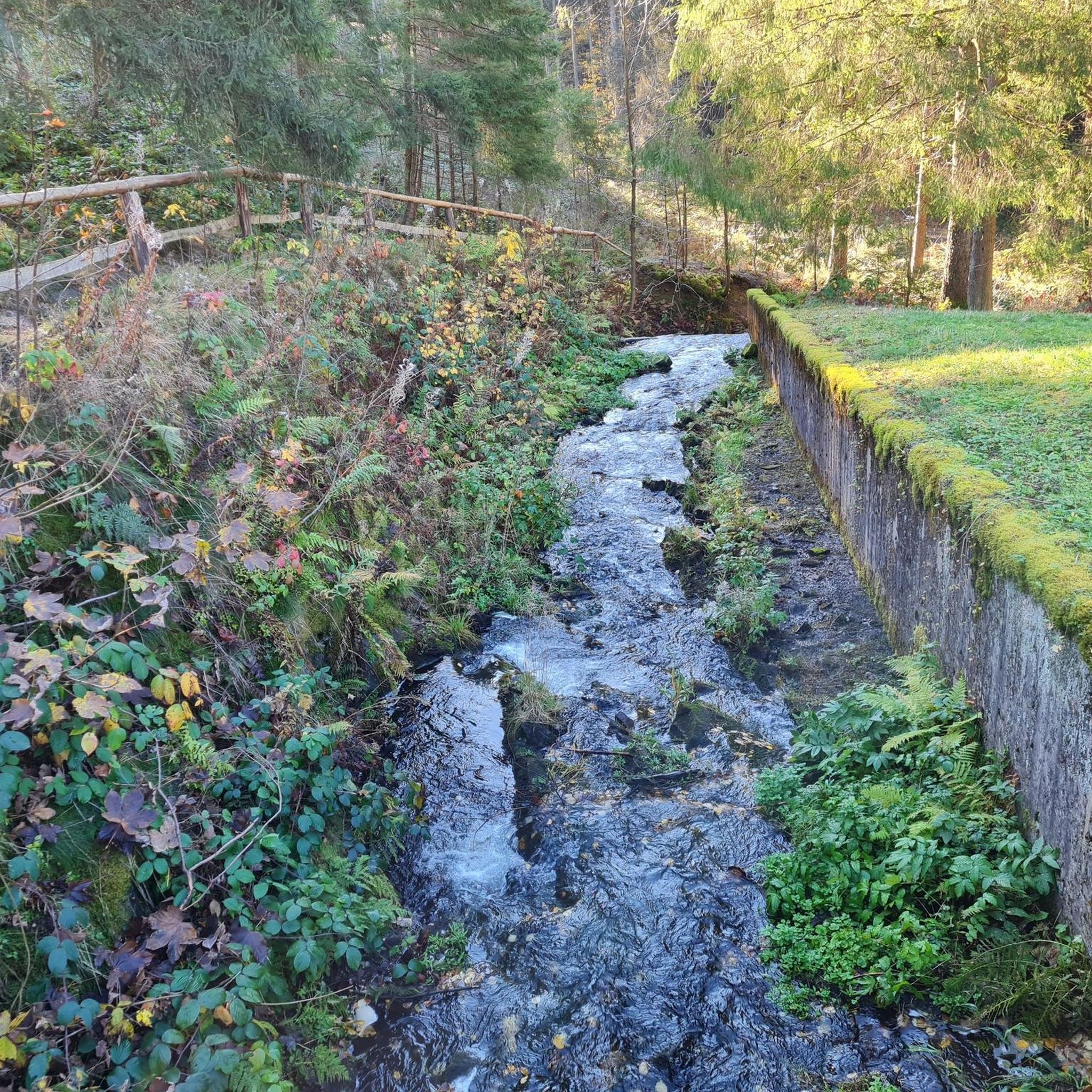
Other adventures around Marsciano

Tips from the Community

On the road from San Marino to San Marco, the view is beautiful in all seasons. The road, though not very well maintained, is drivable, and car traffic is very limited.
1
0
A beautiful road, which connects the neighborhoods to the north of the city of Perugia with the area of the Ponti della Valle del Tevere. Lots of shade, practically non-existent traffic, when you get to the San Marino crossroads you can choose whether to go down from Cordigliano or from Ponte Rio, both panoramic views not to be missed. The same of course if you want to go up towards Perugia from these roads. The asphalt is not wonderful, but acceptable even for racing bikes
2
0
The road from San Marco to San Marino is surrounded by greenery, with little traffic and easy slopes. Fresh and quiet, and full of suggestive views. From San Marino you can go to Montebagnolo, Ponte Rio or take some paths in the surrounding area
1
0
A populous hamlet of the municipality of Collazone, it is a medieval village that stands on a hill overlooking the Tiber Valley, while most of the houses are located on the plain, up to the edge of the Tiber River.
0
0

The Church of San Fortunato is only a small landmark. Many tourists would never even notice it, but fortunately, it is located right next to the Etruscan Arch, and most tourists will either walk to the arch or pass by it at some point. The Church of San Fortunato was built in 1163 and is one of the oldest churches in Perugia. The gabled roof and bell gable are practically all that remain of the medieval church. Most of what you can see today was rebuilt in 1634. The main features—the round-arched entrance and the rose window—were added at that time.
1
0
Beautiful road that goes from Collazzone to San Terenziano, Grutti, Massa Martana, and arrives towards Todi, or towards Perugia. Challenging slopes, fresh wind, breathtaking landscapes. Seeing Todi from above gives a beautiful emotion
1
0

According to tradition, the church was built on the ruins of an Etruscan building not far from the Arch of Augustus. However, the presence of the church has been attested since 1163. Around 1630, the Sylvestrines, Congregazione Silvestrina, moved here from the church of Santa Maria Nuova, which in turn was sold to the Servants of Mary. The church of San Fortunato was rebuilt starting in 1634. After long restoration work following the 1997 earthquake, the church was reopened for worship in 2017 and also became a multipurpose space for cultural activities.
9
0

On the road that leads to Collesecco and Marcellano da Bastardo, you can enjoy spectacular views of the green hills and fields. Just before arriving at the small villages, the view of the countryside becomes particularly enchanting.
1
0
Frequently Asked Questions
How many traffic-free road cycling routes are available around Marsciano?
There are 6 dedicated traffic-free road cycling routes around Marsciano listed in this guide. These routes offer a variety of distances and elevations, allowing you to explore the picturesque Umbrian countryside without heavy vehicle traffic.
What kind of terrain can I expect on traffic-free road cycling routes in Marsciano?
The region around Marsciano offers a diverse landscape for road cycling. You can expect a mix of rural plains along the Tiber and Nestore river valleys, transitioning into gently rolling hills. This provides routes ranging from relatively flat sections to more challenging paths with significant climbs, all set amidst fertile fields, olive groves, and vineyards.
Are there routes suitable for beginners or families looking for traffic-free road cycling?
While many routes in this guide are rated moderate, the varied terrain of Marsciano means there are options that can be enjoyed by those seeking a less strenuous ride. For example, the area offers paths through typical Umbrian countryside and rural hamlets, which can be adapted for easier excursions. Always check the route details for elevation and distance to ensure it matches your group's fitness level.
Are there challenging traffic-free road cycling routes for experienced riders?
Yes, experienced riders will find challenging options. The region is a great starting point for exploring areas like Monte Peglia, which offers significant elevation gains and panoramic vistas. Routes like the "Marsciano Historic Center – Monte Peglia Pass loop from Marsciano" are known for their considerable elevation and require very good fitness.
Are the traffic-free road cycling routes around Marsciano typically circular?
Many of the traffic-free road cycling routes around Marsciano are designed as loops, allowing you to start and end your ride in the same location. Examples include the Collepepe – Collazzone loop from Collepepe and the Caiana Chapel loop from Ellera-Corciano, providing convenient round trips through the scenic landscape.
What historical sites or landmarks can I see along traffic-free road cycling routes near Marsciano?
The Marsciano area is rich in history. Along your rides, you can encounter medieval castles and villages such as Sant'Apollinare, offering panoramic views over the Fersinone Valley, or the well-preserved medieval hamlet of Papiano. Other notable castles include Castle of St. Apollinaris, Montali Castle, and Cibottola Castle. The historic center of Marsciano itself, with its narrow streets and old defensive walls, is also a cultural highlight.
Are there any scenic viewpoints on the traffic-free road cycling routes?
Yes, the rolling hills and river valleys of Umbria provide numerous scenic viewpoints. Routes often pass through areas with breathtaking views of fertile fields, olive groves, and vineyards. For example, you might find stunning vistas over Lake Trasimeno, such as the View over Lake Trasimeno, or panoramic sights of the Apennines from higher elevations like Monte Peglia.
Can I find natural attractions like lakes or waterfalls near the routes?
Yes, the region offers natural beauty beyond the cycling paths. While cycling, you might find yourself near Lake Trasimeno, with highlights like the Lake Trasimeno Cycle Path. There are also unique natural features such as Natural Pools and Waterfall, offering refreshing stops or points of interest for exploration.
Where can I find parking for traffic-free road cycling routes in Marsciano?
Marsciano and its surrounding villages typically offer public parking options. For specific routes, it's advisable to check the starting point on the komoot route planner, as many routes begin from towns or accessible areas where parking is available. Larger towns like Marsciano or Cerqueto will have more designated parking facilities.
Are there places to stop for refreshments or cafes along the traffic-free routes?
Yes, the routes often pass through or near charming Umbrian villages and towns where you can find cafes, restaurants, and small shops. These provide excellent opportunities to refuel with local delicacies or simply enjoy a coffee break. The historic centers of Marsciano and other hamlets are good places to look for such amenities.
What do other cyclists say about the traffic-free road cycling routes in Marsciano?
The traffic-free road cycling routes around Marsciano are highly rated by the komoot community, with an average score of 3.76 stars from 44 ratings. Reviewers often praise the scenic beauty of the Umbrian countryside, the quiet roads, and the diverse terrain that caters to various fitness levels, making for an enjoyable and peaceful cycling experience.
What is the best time of year for traffic-free road biking in Marsciano?
The best time for traffic-free road biking in Marsciano is generally during the spring (April to June) and autumn (September to October). During these seasons, the weather is typically mild and pleasant, with less extreme heat than summer and fewer crowds. The landscapes are also particularly beautiful, with blooming flowers in spring and vibrant colors in autumn.
Most popular attractions around Marsciano

Get inspired with the komoot mobile app


Explore more
Browse the best Road cycling routes in other regions.
