The best traffic-free bike rides in Sierra De Gredos
5.0
(1)
63
riders
9
rides
Gravel biking in Sierra De Gredos offers extensive no traffic gravel bike trails through a diverse and rugged landscape. This region is characterized by impressive granite formations, deep valleys, and pristine rivers, all sculpted by glacial erosion. Cyclists will find a mix of challenging mountain passes and varied terrain, including both light gravel and rougher sections, alongside quiet paved roads. The area provides remote exploration opportunities with stunning views across its natural features.
Best no traffic gravel bike trails in…
Last updated: June 29, 2026
6
riders
44.0km
04:08
1,190m
1,190m
Hard gravel ride. Very good fitness required. Mostly paved surfaces. Suitable for all skill levels.
6
riders
67.0km
06:05
1,580m
1,580m
Hard gravel ride. Very good fitness required. Mostly paved surfaces. Suitable for all skill levels.

Sign up for free
3
riders
19.6km
01:51
510m
520m
Hard gravel ride. Very good fitness required. Mostly paved surfaces. Suitable for all skill levels.
6
riders
Hard gravel ride. Very good fitness required. Mostly paved surfaces. Suitable for all skill levels.
1
riders
36.8km
03:07
720m
720m
Hard gravel ride. Very good fitness required. Mostly paved surfaces. Suitable for all skill levels.
Get access to more routes and recommendations from other explorers.
Sign up for free
Already have an account?
Our route recommendations are based on thousands of hikes, rides, and runs completed by other people on komoot.
Start today with a free account
Your next adventure awaits.
Login or Signup
Other adventures in Sierra De Gredos


Tips from the Community

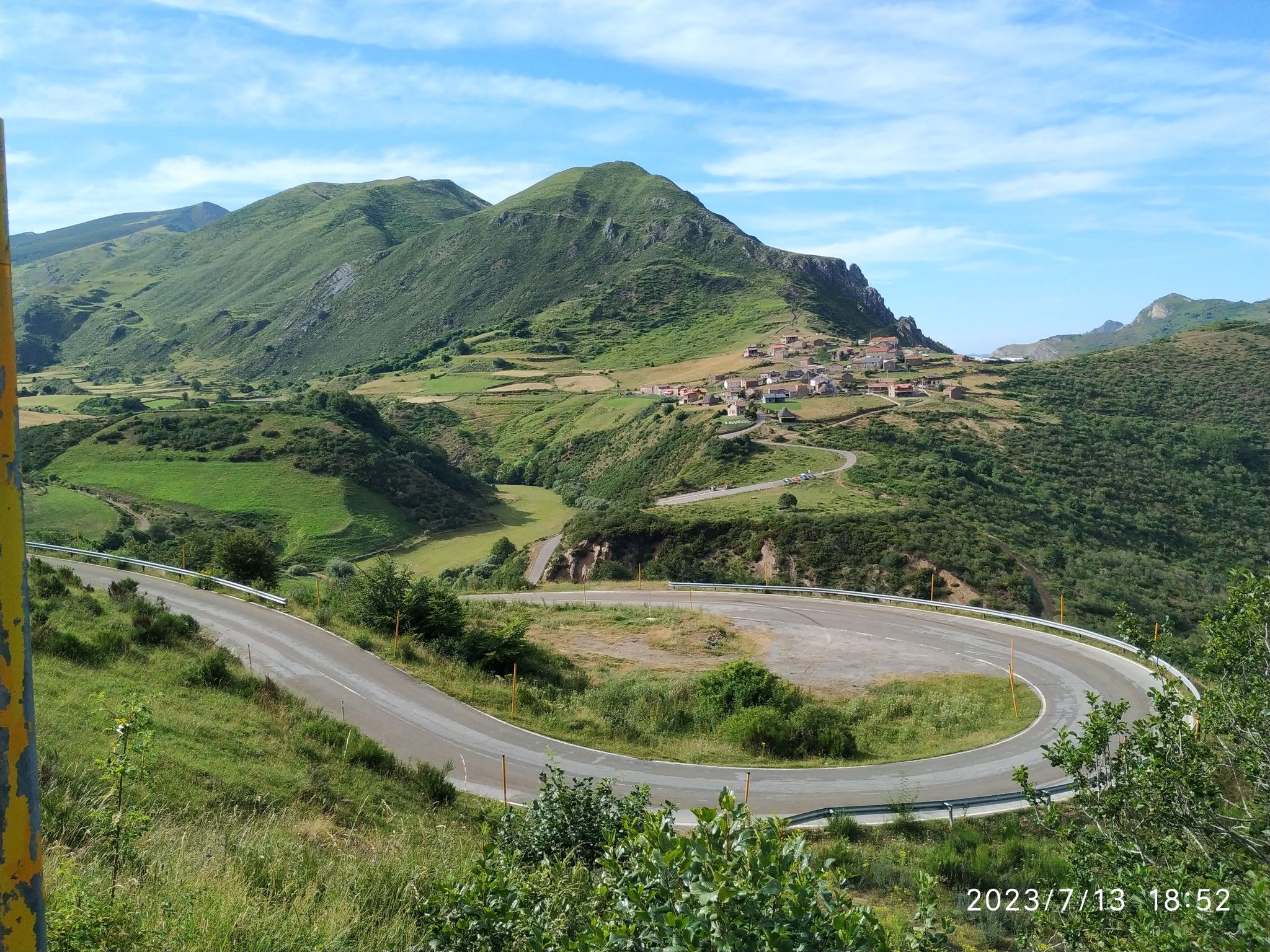
The Pedro Bernardo Pass is one of the classic climbs in the Sierra de Gredos mountains, highly prized by cyclists and a regular feature of races like the Vuelta a España. First section: Up to the village (Pedro Bernardo), with gradients of 5-6%, a road in good condition, and spectacular views of the Tiétar Valley. Urban section: In the village, the gradient eases, even offering some flatter sections. Second section: After the village, the asphalt becomes rougher, and the toughest kilometer (7-8%) appears, followed by a "balcony" section with incredible views and a sustained 5% gradient to the summit.
1
0
What to see in El Arenal Church of San Bartolomé A 16th-century building with Gothic and Renaissance details. It houses Baroque altarpieces and religious paintings. A place full of history and architectural beauty. "Entre Ríos" Walk and Starry Viewpoint A stroll alongside the murmur of the water and a perfect viewpoint to contemplate the Gredos landscape. Natural Pools Charco Nogales and Charco de Najarro are ideal for cooling off in summer. The Arenal River forms crystal-clear pools where swimming is a unique experience. Traditional Architecture Still streets, typical balconies, and stone houses with large chimneys. Neighborhoods like La Corrala and Los Balcones preserve their traditional essence.
7
0
El Arenal is a beautiful mountain village in the Tiétar Valley, within the Sierra de Gredos Regional Park, ideal for lovers of nature, traditional architecture and tranquility.
7
0
This village is located in the Sierra de Gredos mountains (Ávila) and is famous for its natural surroundings, the Castle of Constable Dávalos, the Mosquera Palace, and the Eagle Caves. It is also ideal for hiking and rural tourism.
7
0

Mombeltrán Castle is situated in a beautiful spot in the Sierra de Gredos mountains, just south of the Puerto del Pico Pass (altitude 1352 m).
0
0
The Old Bridge of El Barco de Ávila, also known as the Medieval Bridge, is one of the most representative symbols of this town in Ávila. It crosses the Tormes River and connects the historic center with the old communication route to Castile and León. Although its current structure is medieval (12th–13th centuries), it is believed to have been built on Roman foundations.
1
0
The Old Bridge of El Barco de Ávila, also known as the Medieval Bridge, is one of the most representative symbols of this town in Ávila. It crosses the Tormes River and connects the historic center with the old communication route to Castile and León. Although its current structure is medieval (12th–13th centuries), it is believed to have been built on Roman foundations.
2
0
Valdecorneja Castle, located in El Barco de Ávila, is a medieval gem that dominates the Tormes River valley from a strategic, elevated position. It is one of the most emblematic monuments in the province of Ávila and a must-see for history and architecture lovers.
2
0
Frequently Asked Questions
How many no-traffic gravel bike trails are available in Sierra De Gredos?
There are 8 dedicated no-traffic gravel bike trails in Sierra De Gredos featured in this guide. These routes offer a challenging experience, with varied terrain perfect for gravel biking.
What kind of terrain can I expect on no-traffic gravel bike trails in Sierra De Gredos?
Sierra de Gredos offers a diverse and rugged landscape. You can expect a mix of surfaces, from light to chunky gravel, alongside quiet paved sections. The region is known for its impressive granite formations, deep valleys, and challenging mountain passes, providing varied conditions for an adventurous gravel biking experience.
Are there any circular no-traffic gravel bike routes in Sierra De Gredos?
Yes, many of the no-traffic gravel routes in Sierra De Gredos are circular. For example, you can explore the challenging Puerto de Pedro Bernardo – Mombeltrán loop from Arenas de San Pedro, which covers nearly 67 km with significant elevation gain, or the shorter La Pichona loop from Arenas de San Pedro.
What are some natural features or landmarks I can see along these routes?
Sierra de Gredos is rich in natural beauty. Along the trails, you might encounter stunning glacial cirques, pristine rivers, and picturesque waterfalls. Notable natural attractions include the Elola Refuge – Laguna Grande de Gredos, Laguna de la Nava, or the dramatic Garganta de la Nava. The region is also home to charming traditional villages like El Barco de Ávila.
What is the best time of year for gravel biking in Sierra De Gredos to avoid traffic?
While these routes are selected for their low traffic, the best time to visit Sierra de Gredos for gravel biking is generally during the spring and autumn months. The weather is milder, and the natural landscapes are particularly vibrant. Summer can be hot, especially at lower elevations, while winter brings colder temperatures and potential snow at higher altitudes.
Are there any routes that pass by historical sites or interesting villages?
Absolutely. Many routes offer a glimpse into the region's rich history and culture. For instance, the Valdecorneja Castle – El Barco de Ávila loop from El Barco de Ávila takes you past the historic Valdecorneja Castle. You can also find routes that explore areas near traditional villages like Arenas de San Pedro, known for their local charm and architecture.
What is the difficulty level of the no-traffic gravel bike trails in Sierra De Gredos?
The no-traffic gravel bike trails in Sierra De Gredos are generally considered difficult. They feature significant elevation gains and varied terrain, making them suitable for experienced gravel bikers looking for a challenging adventure. For example, the Centenera Pass – Aquelcabos Medieval Bridge loop from Arenas de San Pedro involves over 900 meters of ascent.
Are there any routes that feature medieval bridges or ancient structures?
Yes, you can find routes that incorporate historical elements. The Bike Repair Station – Aquelcabos Medieval Bridge loop from Arenas de San Pedro is a great example, allowing you to cycle past the historic Aquelcabos Medieval Bridge, offering a blend of natural beauty and cultural heritage.
What do other gravel bikers enjoy most about these trails?
The komoot community highly rates the gravel biking experience in Sierra De Gredos, with an average score of 5.0 stars. Reviewers often praise the region's stunning natural beauty, the challenging and diverse terrain, and the sense of remote exploration offered by its extensive network of quiet trails and deserted backroads.
Are there any specific passes or viewpoints worth seeking out on these routes?
Sierra de Gredos is famous for its challenging mountain passes and spectacular views. Routes often traverse passes like Pedro Bernardo Pass, known for its significant gradients and panoramic vistas of the Tiétar Valley. While specific viewpoints are numerous, the overall experience of climbing these passes offers breathtaking scenery.
What kind of wildlife might I encounter on the trails?
Sierra de Gredos is a haven for wildlife. While cycling, you might spot the iconic Iberian ibex, which is abundant in the park. Other species include otters, wildcats, and various birds of prey such as imperial eagles and cinereous vultures, especially in the higher mountain and forested areas.
Most popular routes in Sierra De Gredos
Most popular attractions in Sierra De Gredos

Get inspired with the komoot mobile app


Explore more
Browse the best Gravel rides in other regions.
