The best traffic-free bike rides in Sierra De Camarolos
4.7
(49)
4,031
riders
39
rides
No traffic road cycling routes in Sierra De Camarolos are characterized by diverse landscapes and quiet roads, offering a compelling destination for cyclists. The region features mountainous terrain with dramatic limestone peaks and winding roads, providing both challenging climbs and serene paths. Cyclists can expect significant elevation gains across varied terrain, reflecting the area's geographical and environmental diversity. This area is part of a "Bike Territory," indicating a focus on cycling with well-developed routes.
Best no traffic road cycling routes…
Last updated: August 23, 2026
12
riders
Hard road ride. Very good fitness required. Some segments of this route may be unpaved and difficult to ride.
7
riders
51.2km
02:41
800m
800m
Moderate road ride. Good fitness required. Some segments of this route may be unpaved and difficult to ride.

Sign up for free
5
riders
158km
09:46
3,570m
3,570m
Hard road ride. Very good fitness required. Some segments of this route may be unpaved and difficult to ride.
4
riders
74.5km
03:51
1,250m
1,250m
Hard road ride. Very good fitness required. Some segments of this route may be unpaved and difficult to ride.
9
riders
53.5km
02:39
850m
840m
Moderate road ride. Good fitness required. Mostly well-paved surfaces and easy to ride.
Get access to more routes and recommendations from other explorers.
Sign up for free
Already have an account?
Our route recommendations are based on thousands of hikes, rides, and runs completed by other people on komoot.
Start today with a free account
Your next adventure awaits.
Login or Signup


Tips from the Community

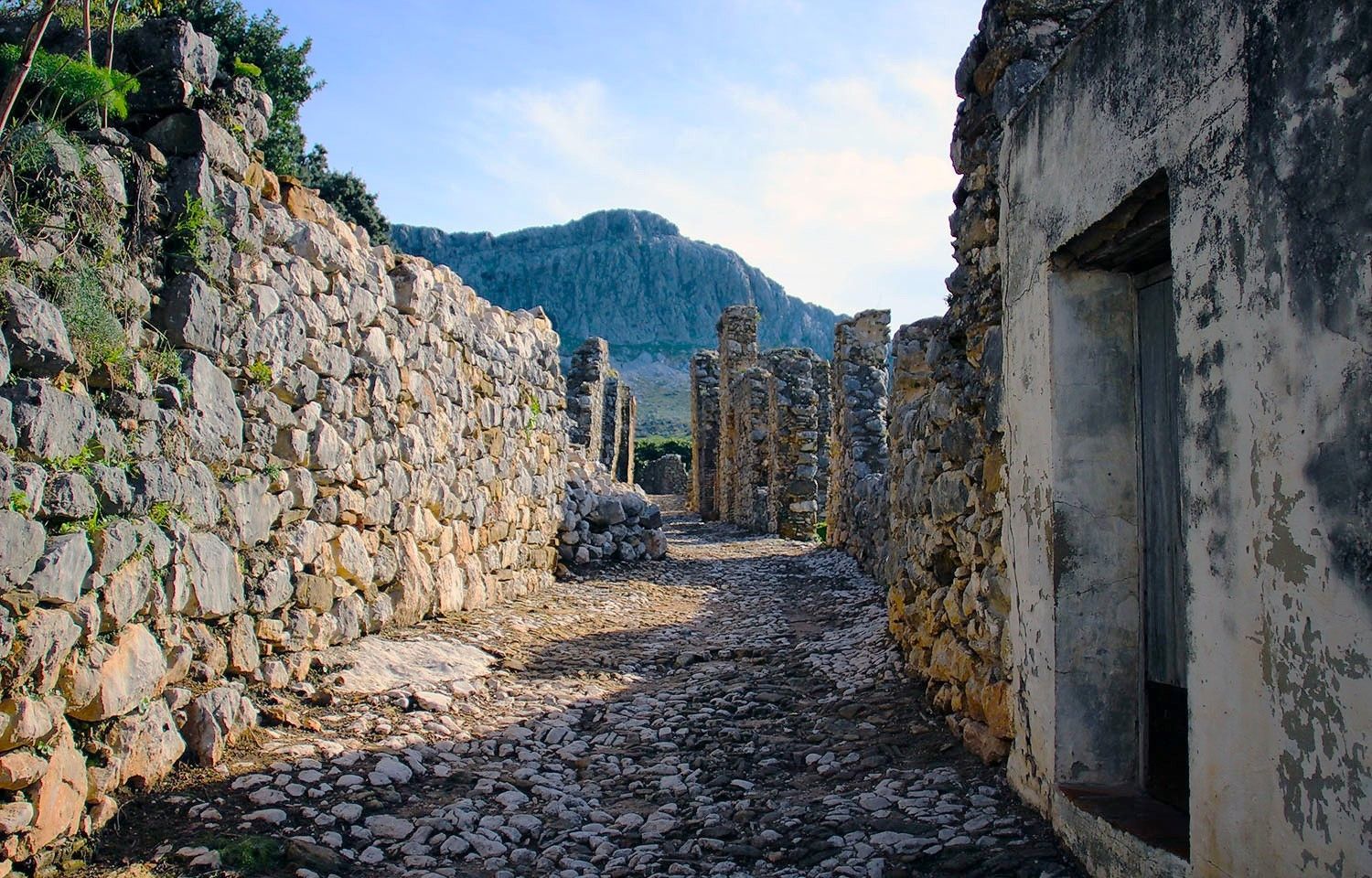
The last three miles up to the top are tough, very tough, especially if you start out in malaga. But, it is a crazy looking place, super cool. Big slog to get up there, even with a tailwind!
0
0
The Mirador Niña de Antequera offers excellent views over the eastern part of the old town of Antequera and the surrounding mountains.
0
0

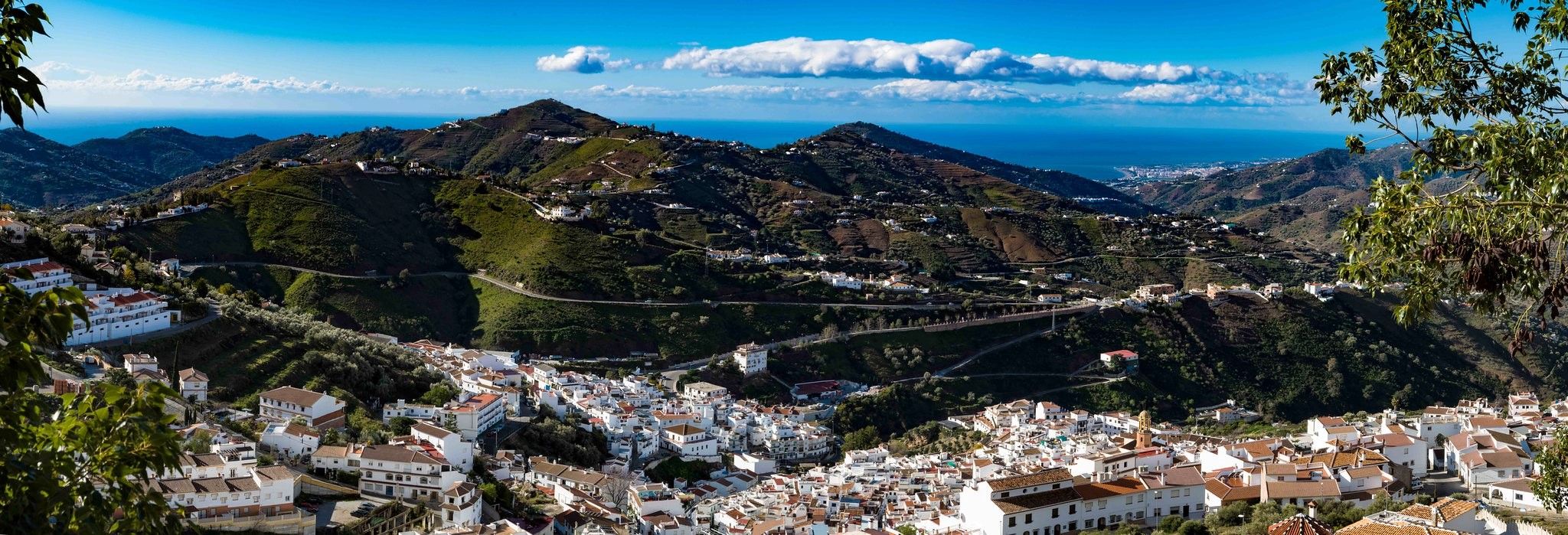
Colmenar, a picturesque village in the Andalusian province of Málaga, was founded at the end of the 15th century after the Christian reconquest of the region. The village's name derives from the Spanish word colmena ("beehive") and recalls the long tradition of beekeeping, which once played a central role here. Thanks to its favorable location in the Montes de Málaga mountains and the lush vegetation, beekeeping was one of the most important sources of income for the population for centuries. Even today, Colmenar is known as the "Village of Honey" and proudly maintains this cultural heritage. Among the village's most important landmarks is the Ermita de la Candelaria, a small 17th-century chapel perched on a hill overlooking the village, offering sweeping views of the surrounding mountains. In the town center stands the Iglesia de Nuestra Señora de la Asunción, a church dating from the 16th and 17th centuries, which impresses with its simple Andalusian style and tranquil atmosphere. At the town entrance, visitors are greeted by the Puerta de la Cruz, a symbolic gate featuring a monolith bearing the village's coat of arms – adorned with a bee and a honeycomb, representing Colmenar's history and identity. A particular highlight is the Museo de la Miel, the "Honey Museum," where visitors can learn all about beekeeping, the work of bees, and honey production. Thus, Colmenar harmoniously blends history, nature, and tradition – a place where the region's past and a deep love for its landscape are reflected in every street and every scent of wild rosemary.
6
0
The monument commemorates Don Alfonso Molina Padilla, one of the town's most important figures. Born in Colmenar in 1875, Molina Padilla was a lawyer and politician of the liberal left. He represented the Archidona constituency in the Spanish Parliament and dedicated his life to social causes and education. Having no children, he bequeathed his entire fortune to a foundation he established in his will – the "Fundación Molina Padilla – Orfanato de Jesús y Candelaria." The foundation's aim was to provide underprivileged children and young people from Colmenar with access to education. To this day, the foundation awards scholarships to pupils and students, ensuring the continued impact of his work across generations. A monument honoring his legacy was erected in Colmenar, located in the plaza at the end of Calle Camino de Málaga, near Calle La Nora. The statue depicts Don Alfonso Molina Padilla as a symbol of charity and community spirit – values that he deeply rooted in his home community.
0
0
The Alcazaba de Antequera is a 14th-century Moorish fortress in the heart of the Andalusian city of Antequera. Built on the remains of an ancient Roman settlement, it served as a defensive fortification during the Muslim rule, protecting the city and the surrounding valley. After the Christian conquest in 1410 by Infante Ferdinand of Castile, the fortress became a key strategic point in the Kingdom of Castile. The imposing Torre del Homenaje (Tower of Homage) is particularly impressive, one of the largest keeps in Andalusia, offering panoramic views of the city, the Peña de los Enamorados (Peño de los Enamorados rock formation), and the surrounding landscape. A bell tower was later added to the tower, housing a large bell dating from 1582. Within the walls, remnants of residential buildings, cisterns, and fortifications can still be seen. Today, the Alcazaba is open to the public, offering a fascinating glimpse into the history of Antequera and Andalusia through its panoramic views and audio guides.
1
1

I was there mid november and the fountain was empty...
0
1
The climb to El Torcal de Antequera takes you by bike up into one of Andalusia's most impressive natural parks, known for its bizarre karst formations. The winding road climbs steadily and leads through a diverse rocky landscape, where vegetation becomes sparser with increasing altitude. At the top, expansive views, fresh mountain air, and an almost surreal rock world open up. The destination is the Torcal Alto Visitor Center, from where the extraordinary landscape can be experienced with particular impact – a challenging but rewarding climb for experienced cyclists.
2
0
The Alcazaba de Antequera is a 14th-century Moorish fortress in the heart of the Andalusian city of Antequera. Built on the remains of an ancient Roman settlement, it served as a defensive fortification during the Muslim rule, protecting the city and the surrounding valley. After the Christian conquest in 1410 by Infante Ferdinand of Castile, the fortress became a key strategic point in the Kingdom of Castile. The imposing Torre del Homenaje (Tower of Homage) is particularly impressive, one of the largest keeps in Andalusia, offering panoramic views of the city, the Peña de los Enamorados (Peño de los Enamorados rock formation), and the surrounding landscape. A bell tower was later added to the tower, housing a large bell dating from 1582. Within the walls, remnants of residential buildings, cisterns, and fortifications can still be seen. Today, the Alcazaba is open to the public, offering a fascinating glimpse into the history of Antequera and Andalusia through its panoramic views and audio guides.
2
1
Frequently Asked Questions
How many no-traffic road cycling routes are available in Sierra de Camarolos?
There are over 30 dedicated no-traffic road cycling routes in Sierra de Camarolos, offering a variety of experiences for different skill levels. You'll find a mix of moderate and challenging rides, with a few easier options as well.
Are there easy no-traffic road cycling routes for beginners in Sierra de Camarolos?
While many routes in Sierra de Camarolos feature significant elevation gains, there is at least one easier no-traffic road cycling route available. These routes are designed to be more accessible for those new to road cycling or looking for a less strenuous ride.
What kind of terrain can I expect on no-traffic road cycling routes in Sierra de Camarolos?
The region is known for its varied and often challenging mountainous terrain. You can expect a mix of steep climbs and winding roads, offering dramatic limestone peaks and sweeping valley views. The roads are generally peaceful with minimal traffic, providing a serene cycling experience.
Are there challenging no-traffic road cycling routes for experienced cyclists?
Absolutely. Sierra de Camarolos is ideal for experienced cyclists seeking a challenge. Many routes feature significant elevation gains and demanding ascents. For example, the route "View of Villanueva de Tapia – Plaza Ochavada of Archidona loop from Villanueva del Rosario" covers over 73 km with more than 1200 meters of climbing, providing a substantial workout.
Can I find circular no-traffic road cycling routes in the area?
Yes, many of the no-traffic road cycling routes in Sierra de Camarolos are designed as loops, allowing you to start and finish at the same point. An example is the "Upper Guadalhorce River Valley – Plaza Ochavada of Archidona loop from Alfarnatejo" which offers a substantial circular ride through scenic landscapes.
What natural features or landmarks can I see along these routes?
The region is rich in natural beauty and historical sites. You might encounter the unique karst landscape of El Torcal de Antequera nearby, or the dramatic peaks of Sierra de Grazalema. Within the immediate vicinity, consider visiting the "Hundred‑Spout Fountain" at the birthplace of the Guadalhorce River, or the "Pilas de La Alhajuela Roman Water Troughs and Ruins" for a glimpse into the past.
Are there any viewpoints on the no-traffic road cycling routes in Sierra de Camarolos?
Yes, the mountainous terrain offers numerous opportunities for breathtaking vistas. You can often find stunning views of the valleys and surrounding peaks. A notable spot is the "Alto del Hondonero Viewpoint", which provides expansive panoramas of the landscape.
What is the best time of year to go road cycling in Sierra de Camarolos?
Sierra de Camarolos offers good cycling conditions for much of the year. Spring and autumn generally provide the most pleasant temperatures for cycling, avoiding the intense heat of summer and the cooler, potentially wetter conditions of winter. However, the region's mild climate means cycling is often possible year-round.
Are there options for family-friendly no-traffic road cycling?
While many routes involve significant climbs, some of the easier sections or shorter loops might be suitable for families with older, more experienced children. It's always recommended to check the route's elevation profile and distance carefully to ensure it matches your family's cycling ability.
Where can I park my car to access these no-traffic road cycling routes?
Many routes start from towns and villages like Alfarnatejo, Villanueva del Rosario, or Archidona, where you can typically find public parking. These locations serve as convenient trailheads for accessing the network of no-traffic roads in the Sierra de Camarolos area.
What do other cyclists say about the no-traffic road cycling experience in Sierra de Camarolos?
The no-traffic road cycling routes in Sierra de Camarolos are highly rated by the komoot community, with an average score of 4.7 stars. Reviewers often praise the serene, quiet roads, the challenging climbs, and the stunning natural beauty and panoramic views encountered along the way.
What is the typical length and elevation gain of these no-traffic routes?
The routes vary significantly. You can find shorter, moderate rides like the "Plaza Ochavada of Archidona – Archidona loop from Villanueva del Rosario" at around 37 km with 475m of elevation gain. Longer, more challenging routes, such as the "Plaza Ochavada of Archidona – Upper Guadalhorce River Valley loop from Alfarnatejo", can extend to over 74 km with more than 1200m of climbing.
Are there any charming villages to visit along the no-traffic routes?
Yes, the Sierra de Camarolos region is dotted with picturesque whitewashed villages that add to the cultural charm of your rides. These villages often provide opportunities for a break, a coffee, or to simply soak in the local atmosphere, offering a glimpse into traditional Andalusian life.
Most popular routes in Sierra De Camarolos
Most popular attractions in Sierra De Camarolos

Get inspired with the komoot mobile app


Explore more
Browse the best Road cycling routes in other regions.
