The best hikes from bus stations in Sierra De Camarolos
4.3
(1376)
7,460
hikers
41
hikes
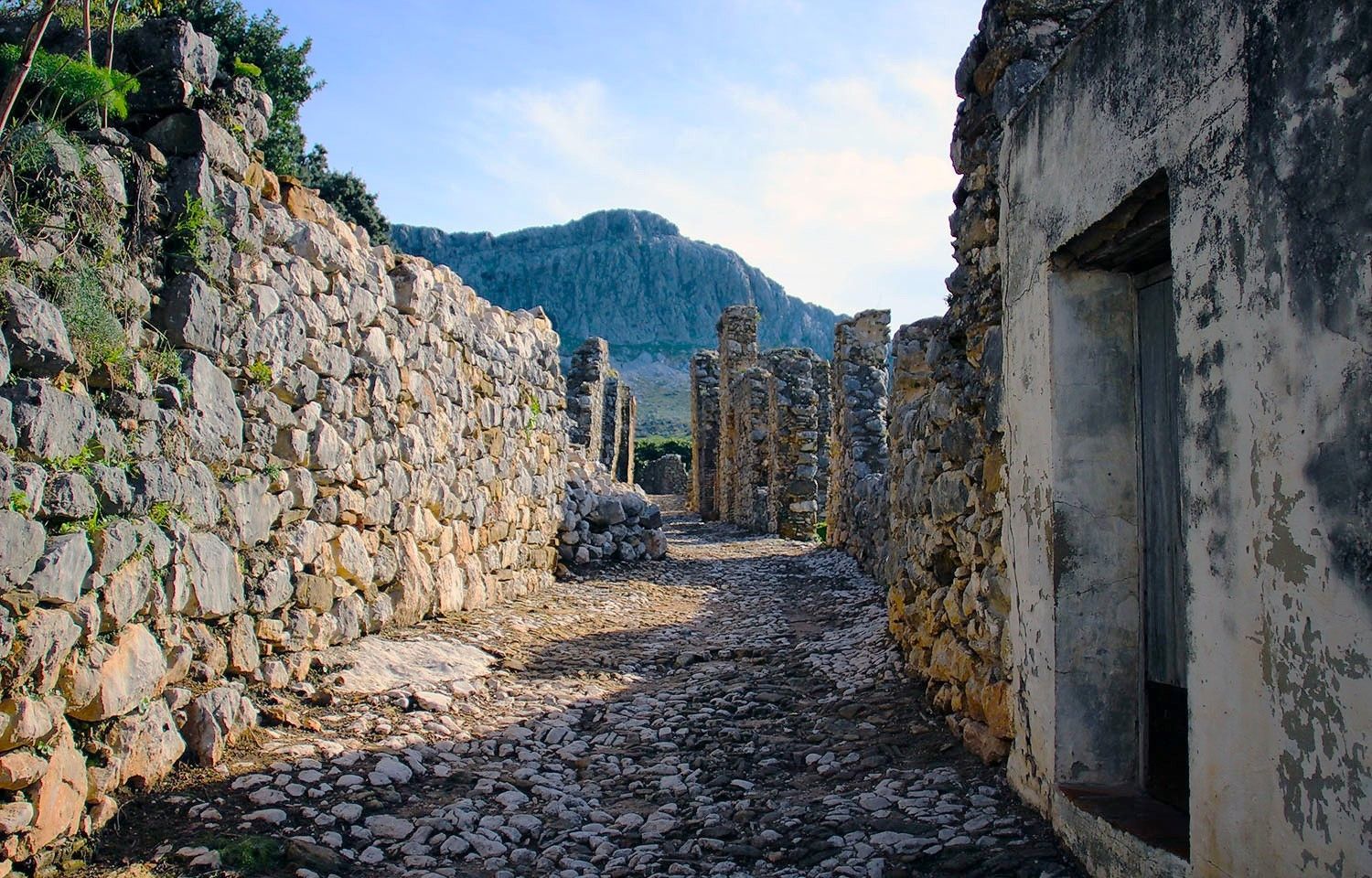
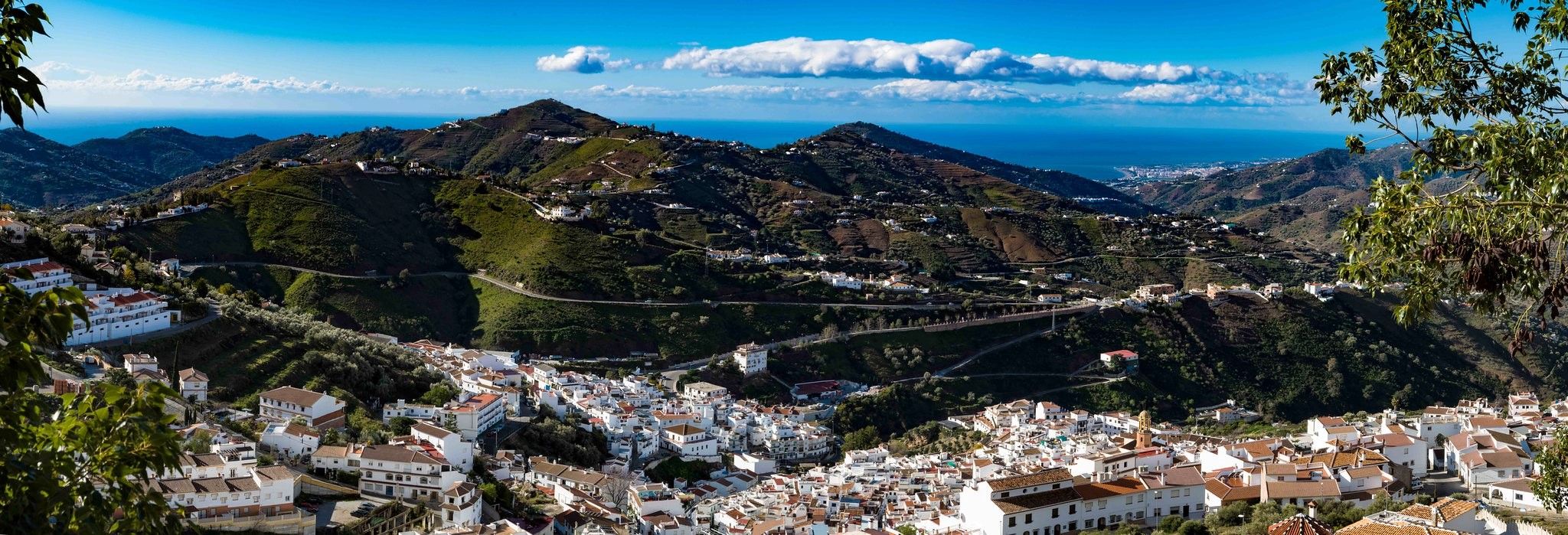
Bus station hiking trails in Sierra De Camarolos offer access to a landscape characterized by prominent limestone mountains and significant karstic formations. The region features varied terrain, including soft slopes, rugged areas, meadows, and managed pine forests. Hikers can explore scenic limestone formations and enjoy views from peaks like Chamizo, which stands at 1641 meters. The area provides a network of tracks and well-marked trails suitable for different skill levels.
Best bus station hiking trails in Sierra De Camarolos
- The…
Last updated: August 23, 2026
3.8
(10)
30
hikers
12.0km
03:22
230m
230m
Moderate hike. Good fitness required. Easily-accessible paths. Suitable for all skill levels.
3
hikers
Moderate hike. Good fitness required. Easily-accessible paths. Suitable for all skill levels.

Sign up for free
5.0
(1)
10
hikers
4.64km
01:15
60m
60m
Easy hike. Great for any fitness level. Easily-accessible paths. Suitable for all skill levels.
5.0
(1)
7
hikers
Moderate hike. Good fitness required. Easily-accessible paths. Suitable for all skill levels.
6
hikers
7.33km
01:56
60m
60m
Easy hike. Great for any fitness level. Easily-accessible paths. Suitable for all skill levels.
Get access to more routes and recommendations from other explorers.
Sign up for free
Already have an account?
Our route recommendations are based on thousands of hikes, rides, and runs completed by other people on komoot.
Start today with a free account
Your next adventure awaits.
Login or Signup
Popular around Sierra De Camarolos

Tips from the Community

The Mirador Niña de Antequera offers excellent views over the eastern part of the old town of Antequera and the surrounding mountains.
0
0

The Alcazaba de Antequera is a 14th-century Moorish fortress in the heart of the Andalusian city of Antequera. Built on the remains of an ancient Roman settlement, it served as a defensive fortification during the Muslim rule, protecting the city and the surrounding valley. After the Christian conquest in 1410 by Infante Ferdinand of Castile, the fortress became a key strategic point in the Kingdom of Castile. The imposing Torre del Homenaje (Tower of Homage) is particularly impressive, one of the largest keeps in Andalusia, offering panoramic views of the city, the Peña de los Enamorados (Peño de los Enamorados rock formation), and the surrounding landscape. A bell tower was later added to the tower, housing a large bell dating from 1582. Within the walls, remnants of residential buildings, cisterns, and fortifications can still be seen. Today, the Alcazaba is open to the public, offering a fascinating glimpse into the history of Antequera and Andalusia through its panoramic views and audio guides.
1
1
The city gate of Antequera was built in 1749 in the Baroque style, demolished in the 19th century, and faithfully reconstructed in the 1990s. Today, the Puerta de Estepa is a symbolic gateway to the city.
3
0
In the heart of the historic cityscape rises the Plaza de Toros de Antequera, one of the oldest and most prestigious bullrings in Andalusia. Opened in 1848, the arena seats approximately 8,000 spectators and exemplifies 19th-century Andalusian architecture with its clean, circular form and light-colored facades. For decades, it has been the venue for important corridas as well as social and cultural events. An integrated bullfighting museum commemorates this long tradition and Antequera's role in the history of Spanish bullfighting.
2
0
The Antequera Bullring (Plaza de Toros de Antequera) is one of the oldest and most important bullrings in Andalusia. Opened in 1848, after construction began in 1847, it is a prime example of 19th-century Andalusian architecture. The arena seats approximately 8,000 spectators and is distinguished by its elegant, circular shape and white facades accented with sandstone. The facility was built on the initiative of local nobles and citizens, as bullfighting was an important part of the regional culture at the time. Over the years, numerous important corridas were held there, featuring renowned matadors from all over Spain. Besides bullfighting, the arena also served as a venue for festivals and cultural events. Today, a small bullfighting museum (Museo Taurino de Antequera), housed within the arena itself, commemorates this long tradition. The arena displays costumes, bullfighting posters, and historical photographs documenting the development of Andalusian bullfighting. To this day, the arena remains a symbol of Antequera's historical significance in the Spanish bullfighting tradition.
2
0
The "Monumento a los vecinos de la Madina Antaqira" in Antequera was inaugurated on September 24, 2010, and commemorates the inhabitants of the Moorish town of Madina Antaqira who were expelled from their homeland during the Reconquista. Many of these families moved to Granada, where they founded the historic district of La Antequeruela. The monument is located in the Plaza del Carmen, in front of the Torre del Asalto, and consists of a sculptural group depicting the Muslim families in traditional clothing. It is one of the few monuments in Spain that does not celebrate the Christian conquest, but rather preserves the memory of the expelled Muslim population and keeps their history alive.
0
0
The Monument to Captain Vicente Moreno Bautista in Antequera honors a prominent military figure in the region, who became known as a hero of the Spanish Wars of Independence. The statue was created by the sculptor Francisco Palma Toledo and erected near the Church of San Juan Bautista in the early 20th century, around 1910. The monument depicts the captain in a traditional military pose and is an important symbol of Antequera's military history. It is treasured by the local community and is considered an important example of Andalusian public sculpture from this period.
1
0
The Puerta de Estepa city gate is one of Antequera's most striking buildings and marks the historic entrance to the city. It is located at the end of the Alameda de Andalucía, very close to the Plaza de la Constitución, where the modern city merges into the historic old town. The gateway with its three round arches was built in 1749 in the Baroque style and once served as a welcoming gateway for travelers coming from the direction of Estepa. The structure was demolished in the 19th century but faithfully rebuilt in the 1990s. Today, the Puerta de Estepa city gate is a popular photo opportunity and a symbolic gateway to the city. The view of the old town through the arches is particularly impressive.
4
0
Frequently Asked Questions
How many bus-accessible hiking trails are available in Sierra De Camarolos?
There are over 40 hiking trails in Sierra De Camarolos that are accessible from bus stations, offering a wide range of options for different preferences and skill levels.
What kind of terrain and natural features can I expect on these trails?
The Sierra de Camarolos region is characterized by prominent limestone mountains and significant karstic formations. You'll encounter varied terrain, from soft slopes to rugged areas, alongside meadows and pine forests. Notable features include the impressive views from peaks like Chamizo (1641m) and scenic limestone formations, particularly around Hondonero.
Are there easy, family-friendly routes accessible by bus?
Yes, a significant number of trails are easy, with 26 routes suitable for beginners or families. A great option is the Hundred-Spout Fountain loop, an easy 4.21 km hike suitable for all fitness levels. You can explore more about this natural monument here: Hundred‑Spout Fountain.
Are there more challenging bus-accessible hikes for experienced trekkers?
Yes, for those seeking a greater challenge, there are 13 moderate and 1 difficult route. The Cruz de Camarolos Summit – Pilas del Señorito loop, at 13.5 km, is noted as a hard hike requiring good fitness and sure-footedness, offering rewarding views.
What are some notable landmarks or points of interest along the bus station hiking trails?
Hikers can discover several interesting points. Besides the Hundred‑Spout Fountain, you might encounter the Alto del Hondonero Viewpoint, offering scenic vistas, or the historical Pilas de La Alhajuela Roman Water Troughs and Ruins.
What do other hikers say about the trails in Sierra De Camarolos?
The area is highly rated by the komoot community, with an average score of 4.23 stars. Hikers often praise the diverse landscapes, well-marked trails, and the stunning panoramic views from the higher peaks.
Can I find circular routes starting from bus stops?
Yes, many of the trails in Sierra de Camarolos are designed as loops, making them convenient for public transport users. Examples include the Hundred-Spout Fountain loop and the Alfarnatejo Water Wheel – Kiss Me in This Corner loop.
What is the best time of year to hike in Sierra De Camarolos?
The region is appealing for outdoor activities year-round. Spring and autumn generally offer the most pleasant temperatures for hiking. Summers can be hot, especially at lower elevations, while winters can bring cooler weather to the higher peaks.
Are dogs allowed on the hiking trails accessible by bus?
While many trails in Sierra de Camarolos are generally dog-friendly, it's always advisable to check local regulations for specific routes or protected areas. Always keep your dog on a leash and clean up after them.
Are there places to eat or stay near the bus-accessible trailheads?
Villanueva del Rosario and Alfarnatejo are nearby towns that offer amenities such as cafes, pubs, and accommodation options. The Venta de Alfarnate & Museum is a notable spot for food and history.
How do I find bus stops close to the trailheads?
Komoot routes often provide detailed starting points. We recommend checking local bus schedules and routes for Villanueva del Rosario and Alfarnatejo, as these towns serve as key access points to many trailheads in Sierra de Camarolos.
Is there parking available near bus stops for those who drive partway?
In many towns and villages that serve as bus hubs for the region, you can often find public parking areas. It's best to research specific locations like Villanueva del Rosario or Alfarnatejo for parking availability near their main bus stops if you plan to combine driving with public transport.
Most popular routes in Sierra De Camarolos
Most popular attractions in Sierra De Camarolos

Get inspired with the komoot mobile app


Explore more
Browse the best Hikes in other regions.
