The best traffic-free bike rides around Parco naturale di Montevecchia e della Valle di Curone
4.2
(573)
19,555
riders
40
rides
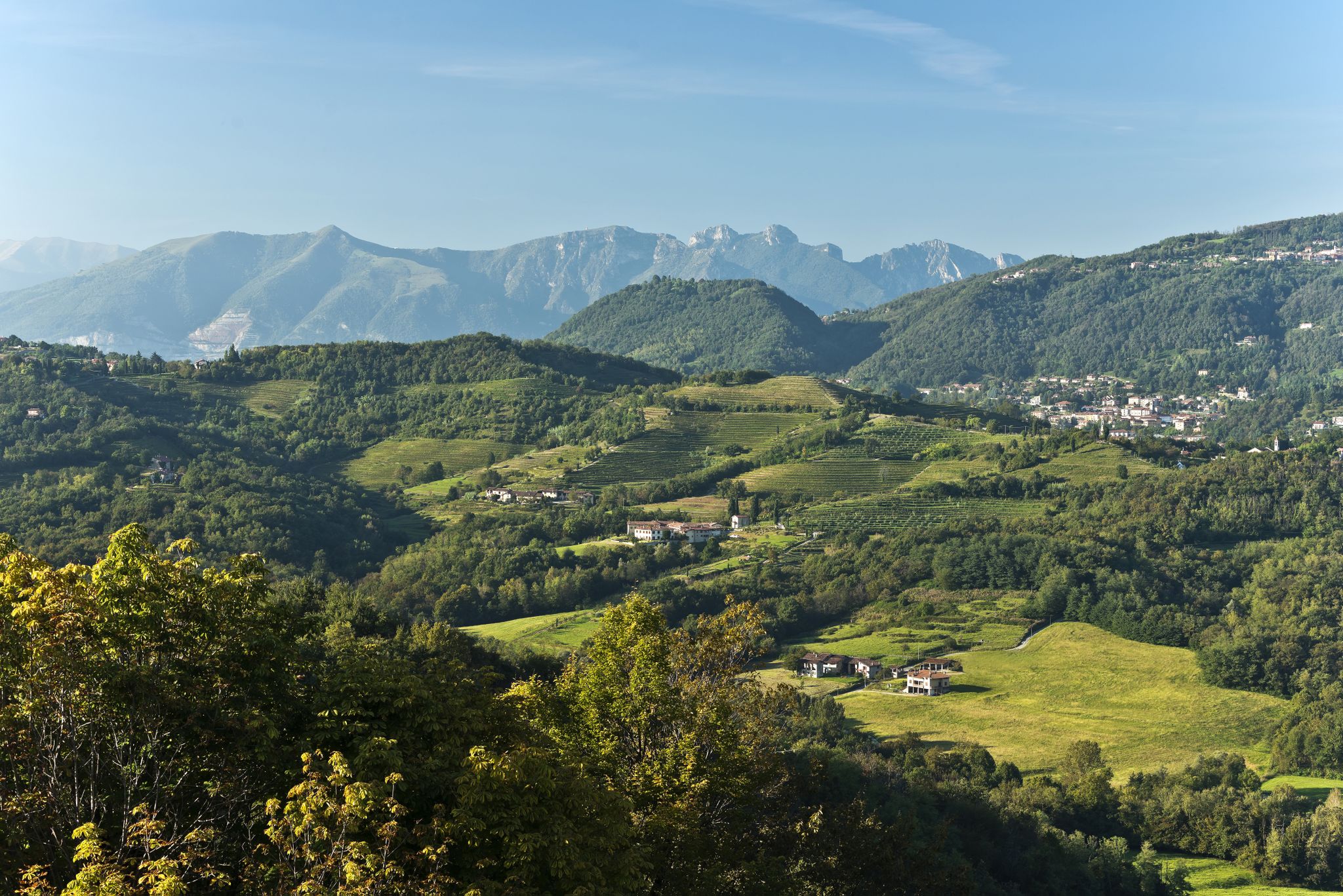
No traffic road cycling routes around Parco naturale di Montevecchia e della Valle di Curone traverse a landscape characterized by rolling hills, valleys, and a mix of extensive woods, vineyards, and agricultural fields. The region's undulating topography provides varied terrain for road cyclists, from gentle stretches through cultivated areas to routes featuring significant climbs. The highest point, Montevecchia hill, offers panoramic views across the surrounding area. This natural park is defined by its blend of natural beauty and rural heritage,…
Last updated: July 13, 2026
26
riders
50.9km
02:32
200m
200m
Moderate road ride. Good fitness required. Some segments of this route may be unpaved and difficult to ride.
20
riders
36.2km
01:40
240m
240m
Moderate road ride. Great for any fitness level. Some segments of this route may be unpaved and difficult to ride.

Sign up for free
5.0
(1)
11
riders
19.5km
00:54
230m
230m
Easy road ride. Great for any fitness level. Mostly well-paved surfaces and easy to ride.
9
riders
41.8km
01:42
180m
180m
Easy road ride. Great for any fitness level. Mostly well-paved surfaces and easy to ride.
4.5
(2)
107
riders
53.4km
03:04
1,150m
1,160m
Hard road ride. Very good fitness required. Mostly well-paved surfaces and easy to ride.
Get access to more routes and recommendations from other explorers.
Sign up for free
Already have an account?
Our route recommendations are based on thousands of hikes, rides, and runs completed by other people on komoot.
Start today with a free account
Your next adventure awaits.
Login or Signup
Popular around Parco naturale di Montevecchia e della Valle di Curone
Other adventures around Parco naturale di Montevecchia e della Valle di Curone

Tips from the Community

A valuable 17th-century monument of Lombard Baroque, but also a bulwark that rises in a panoramic position overlooking the Adda Valley in Imbersago, in the province of Lecco. A perfect blend of religious devotion, commemoration of a mystical past, and immersion in lush nature, a symbol of vitality and timeless beauty. The history of the Sanctuary of Imbersago is rooted in a past of apparitions and miraculous events. It all began on May 9, 1617, when three shepherds who were grazing their flock in the woods saw a celestial figure among dazzling lights and harmonious melodies on the three large chestnut trees that stood around the Sorgente del Lupo (so named for the animals that roamed there). At that point, Pietro, one of the children, with great wonder, spotted and picked up a ripe hedgehog, an unlikely event in the middle of spring. And for all the people, this represented the prodigious sign that the Blessed Virgin wished to be honored in that very place. From here, from this miraculous vision, began the devotion to the Madonna del Bosco, also known as Madonna del Riccio, referring precisely to the miracle just narrated, or Madonna dei Miracoli di Imbersago.
1
0

Inside Monza Park, the Lambro River is crossed by four bridges along its course (the Chain Bridge, the Cavriga Bridge, the Bertoli Bridge and the Neoclassical Bridge).
1
0
Bertoli Bridge Architect: Giacomo Tazzini Built in 1838 Location: Viale Mulini San Giorgio
1
0
Entering the Park from the Dosso gate in Villasanta, after a few dozen meters of dirt road, you come across the Bertoli Bridge (also known as "del Dosso"). The bridge, designed by architect Giacomo Tazzini in the 1840s, owes its name to the family who owned the nearby land, and even today the bridge connects Viale Mulino del Cantone to Viale dei Molini Asciutti. Originally made of wood, due to repeated floods, it was rebuilt using a technique that was innovative for the time. The project modified the bridge's structure, replacing the multiple arches with a single pillar to support the structure and facilitate water flow in the event of river floods. The abutments and central pier of the bridge are made of masonry with a facing of ceppo, a type of stone widely used as an ornamental stone in all existing hydraulic structures within the Park.
1
0

The climb with its hairpin bends is nice. It's a miniature, cyclable mountain pass.
0
0
You never forget your first climb as a teenager. It felt like a real climb. I always enjoy going back. It's a great way to warm up your legs and move on to other climbs.
0
0
The 700 hectares of the Monza Park are strongly marked by the presence of the Lambro: a resource primarily for fishing and a determining factor in the local flora, the river also became the protagonist of the artistic embellishment of the area. Thanks to precise canalizations, it was possible to build eclectic nineteenth-century mills and create picturesque water features in the gardens of the Villa Reale between the end of the 18th and 19th centuries.
1
0
Frequently Asked Questions
How many no-traffic road cycling routes are available in Parco naturale di Montevecchia e della Valle di Curone?
There are over 40 dedicated no-traffic road cycling routes in Parco naturale di Montevecchia e della Valle di Curone, offering a variety of experiences for all skill levels.
Are there any easy no-traffic road cycling routes suitable for beginners or families?
Yes, the park offers 15 easy no-traffic road cycling routes. A good option to start with is the Roadbike loop from Osnago, which is just under 20 km long and features gentle elevation changes, perfect for a relaxed ride.
What kind of views can I expect on these no-traffic road cycling routes?
The routes offer diverse and picturesque views. You'll cycle through a mosaic of extensive woods, vineyards, cornfields, and olive groves. Many routes, especially those climbing the Montevecchia hill, provide breathtaking panoramic views that, on clear days, can stretch to the skyscrapers of Milan and even the Duomo's Madonnina. Don't miss viewpoints like Cypress Peak or The Hill of the Cypresses.
Are there challenging no-traffic road cycling routes for advanced cyclists?
Absolutely. The park's undulating topography includes significant climbs and descents, with 7 routes rated as difficult. While not explicitly listed as 'difficult' in the guide data, routes like the FSA Headquarters loop from Cernusco-Merate offer a moderate challenge over 50 km with notable elevation, providing a stimulating ride for experienced cyclists.
What natural attractions can I discover along the no-traffic road cycling routes?
Beyond the scenic landscapes, you can encounter unique natural features. The park is home to 'sorgenti pietrificanti' (petrifying springs) where limestone deposits create intriguing stone formations. You might also pass by the Oasis of Galbusera Bianca or the Bagaggera Spring, showcasing the park's rich biodiversity.
Are there any cultural or historical landmarks to see while cycling?
Yes, the region is rich in cultural heritage. The Montevecchia hill is crowned by the Santuario della Beata Vergine del Carmelo, a medieval sanctuary offering stunning views. You'll also encounter numerous historic farmsteads (cascine), some beautifully restored, adding to the charm of your ride.
What is the best season for no-traffic road cycling in Parco naturale di Montevecchia e della Valle di Curone?
Spring and autumn are generally ideal for road cycling in the park. The weather is mild, and the landscapes are particularly vibrant with blooming flowers or rich autumn colors. Summer can be pleasant, but it's advisable to ride in the cooler morning or late afternoon hours. Winter rides are possible, but check local conditions for frost or ice.
Can I find loop routes for no-traffic road cycling?
Many of the no-traffic road cycling routes in the park are designed as loops, allowing you to start and end at the same point. Examples include the Villa Mirabello – Gerno Climb loop from Maresso and the Lake Sartirana loop from Osnago.
What do other road cyclists say about the no-traffic routes in this park?
The no-traffic road cycling routes in Parco naturale di Montevecchia e della Valle di Curone are highly rated by the komoot community, with an average score of 4.2 out of 5 stars from over 500 reviews. Cyclists often praise the quiet roads, varied terrain, and the beautiful blend of natural and cultivated landscapes, making it a favorite for those seeking peaceful rides.
Are there places to eat or drink along the no-traffic road cycling routes?
Yes, the park's rural heritage means you'll find historic farmsteads (cascine), some of which have been restored into agritourism establishments and restaurants. These offer opportunities to taste local cuisine and wines, such as the Terre Lariane IGT, providing perfect spots for a break during your ride.
How long are the no-traffic road cycling routes on average?
The routes vary significantly in length to suit different preferences. You can find shorter, easy routes like the Roadbike loop from Osnago at around 19 km, up to longer, more challenging rides such as The Skittles of Brugarolo – Ronco Briantino Town Hall loop from Osnago, which covers over 40 km.
Is there parking available near the no-traffic road cycling routes?
While specific parking areas for each route are not detailed here, the park is well-accustomed to visitors. You can typically find parking in the towns and villages surrounding the park, such as Osnago, Cernusco-Merate, or Maresso, which serve as common starting points for many routes.
Most popular routes around Parco naturale di Montevecchia e della Valle di Curone
Most popular attractions around Parco naturale di Montevecchia e della Valle di Curone

Get inspired with the komoot mobile app


Explore more
Browse the best Road cycling routes in other regions.
