Attractions and Places To See around Réserve Naturelle de Moëze-Oléron - Top 5
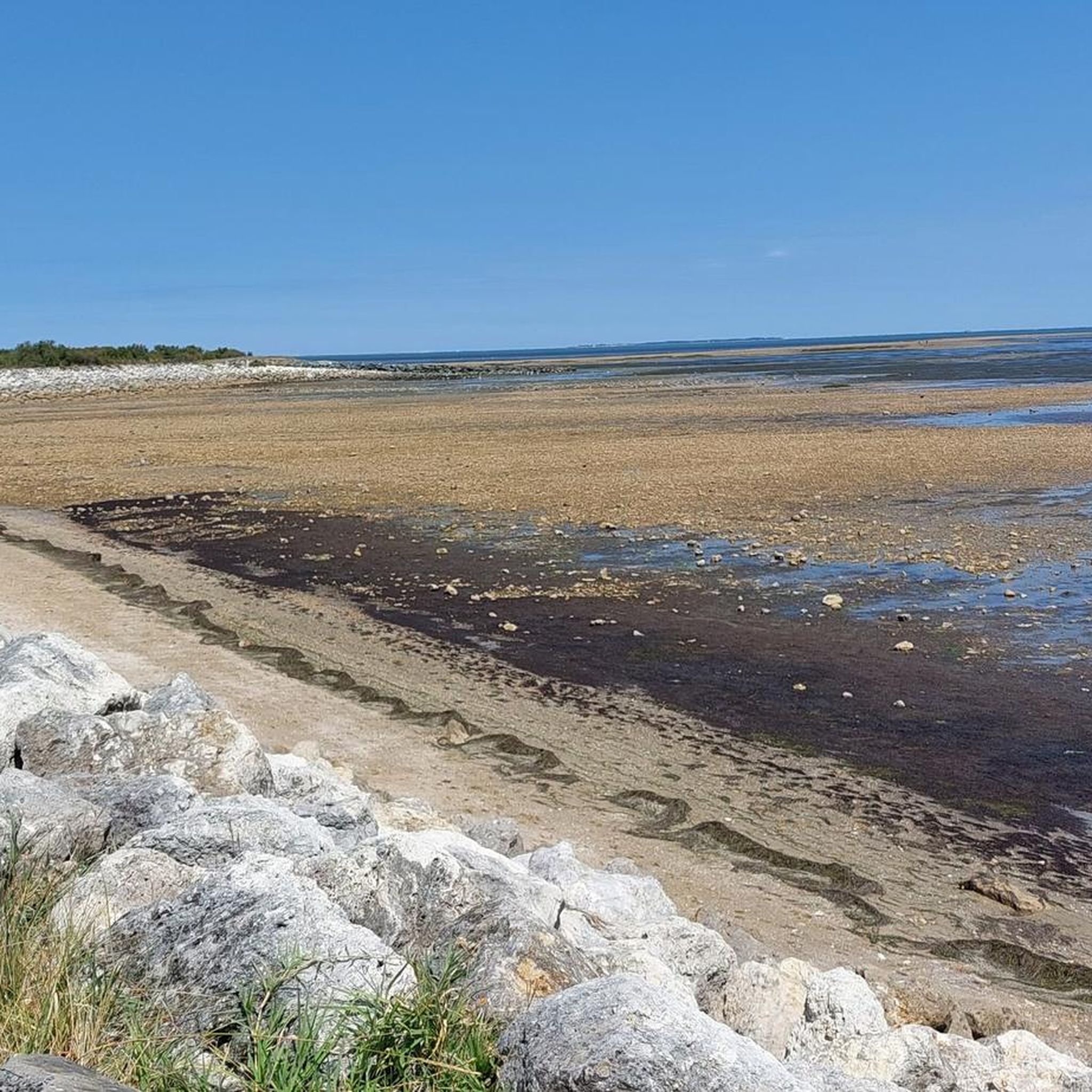
Best attractions and places to see around Réserve Naturelle de Moëze-Oléron include a diverse range of natural habitats within the Marennes-Oléron bay. This protected area features wet meadows, former salt marshes, lagoons, and mudflats, serving as a significant stopover for migratory birds. The reserve also encompasses 13 km of shoreline on Eastern Oléron Island and extends into the Brouage marsh. Visitors can explore these varied landscapes, which are home to many bird species and other wildlife.
Best attractions and places…
Last updated: July 1, 2026
Château-d'Oléron Citadel
Highlight • Castle
Translated by Google •
Tip by

Baudissière Huts
Highlight (Segment) • Other
Here you should set the pace and enjoy the scenery. The small, nicely made huts are very charming. Apparently, there are nice handcraft shops …
Translated by Google •
Tip by

Sign up now to discover places like this
Get recommendations on the best single tracks, peaks, & plenty of other exciting outdoor places.
Sign up for free
Oyster Route
Highlight (Segment) • Trail
Translated by Google •
Tip by

Fort Royer
Highlight • Other
The site is located in the Moëze-Oléron marshes …
Translated by Google •
Tip by

Boulevard Philippe Daste
Highlight (Segment) • Other
Translated by Google •
Tip by
Start today with a free account
Your next adventure awaits.
Login or Signup
Popular around Réserve Naturelle de Moëze-Oléron
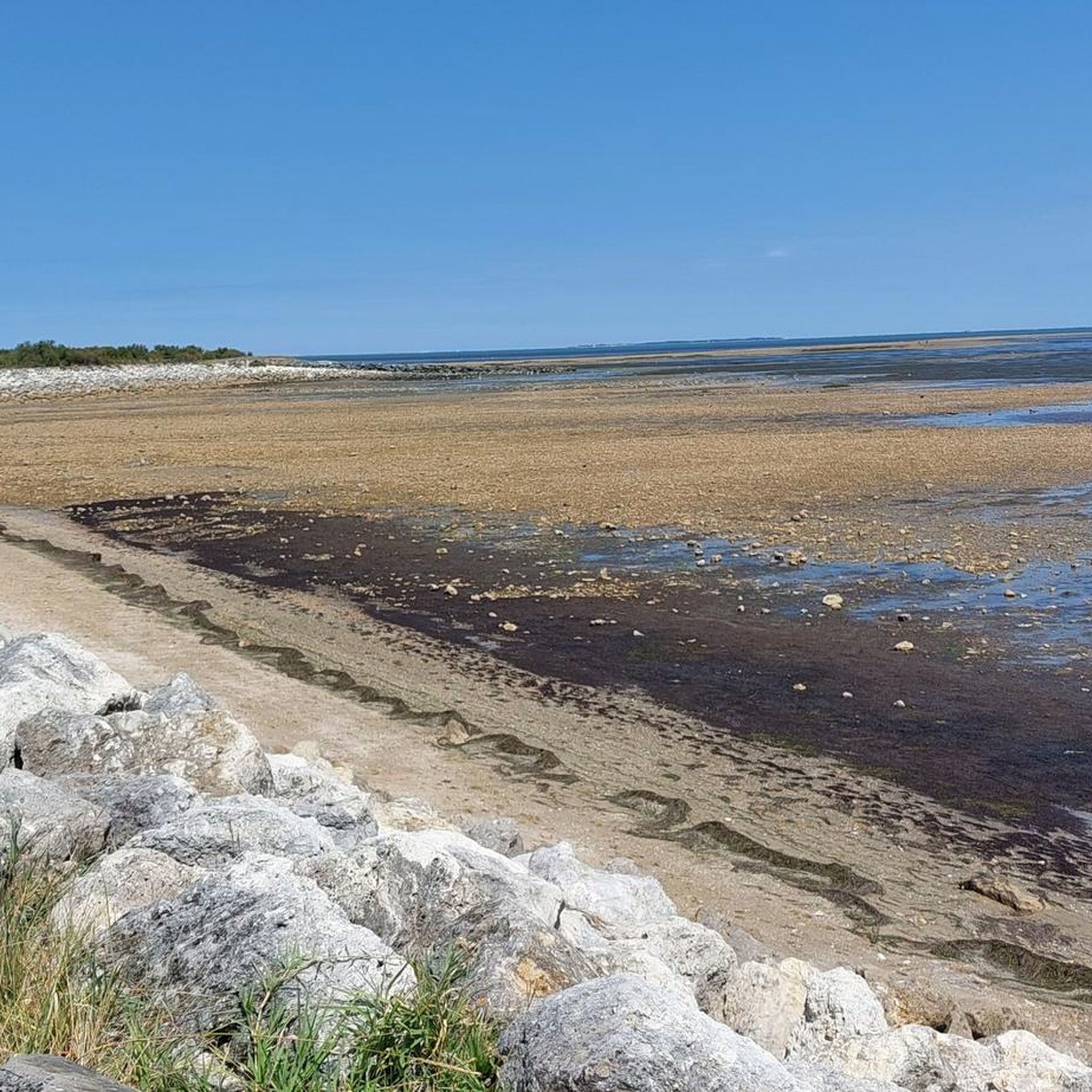
Cycling around Réserve Naturelle de Moëze-Oléron
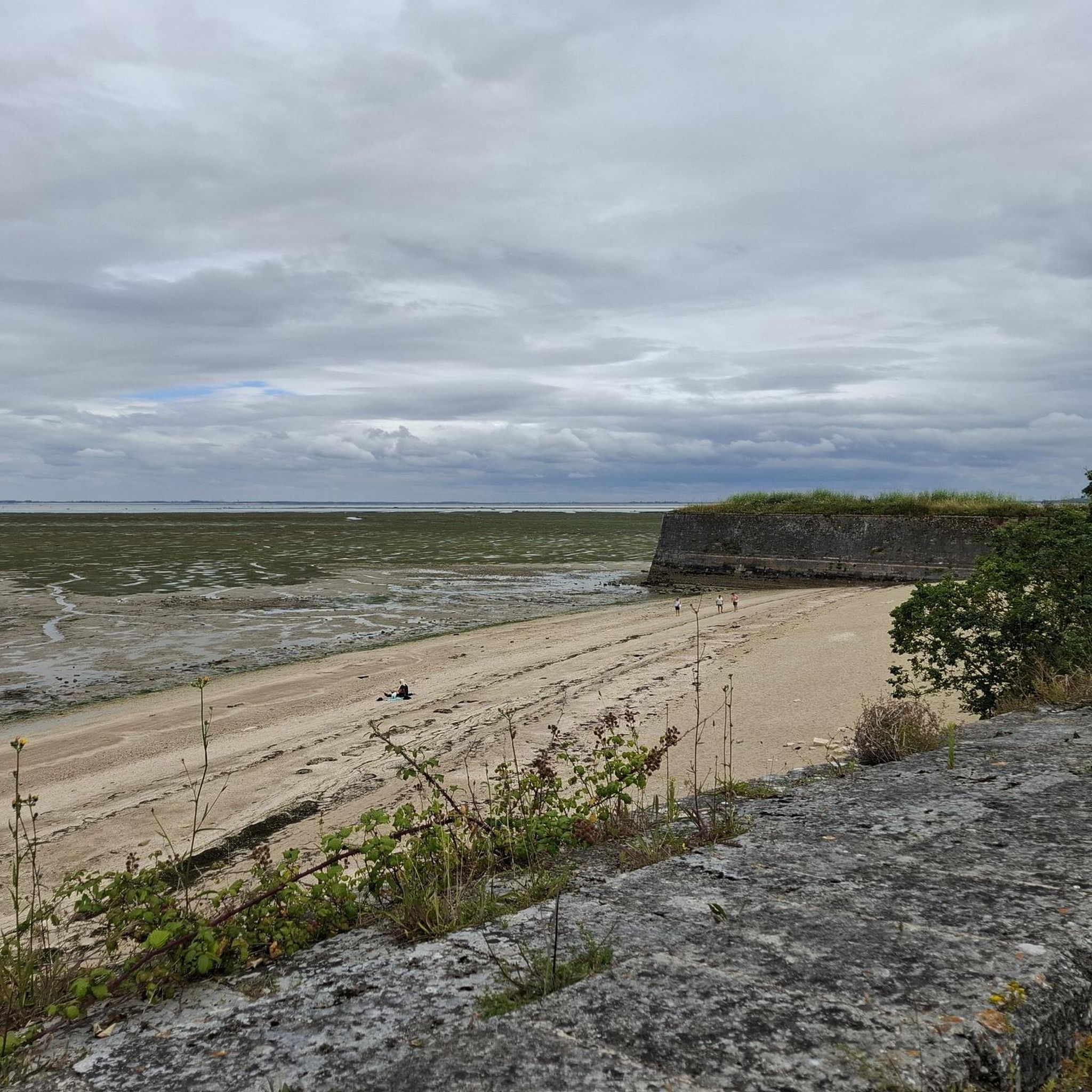
Running Trails around Réserve Naturelle de Moëze-Oléron
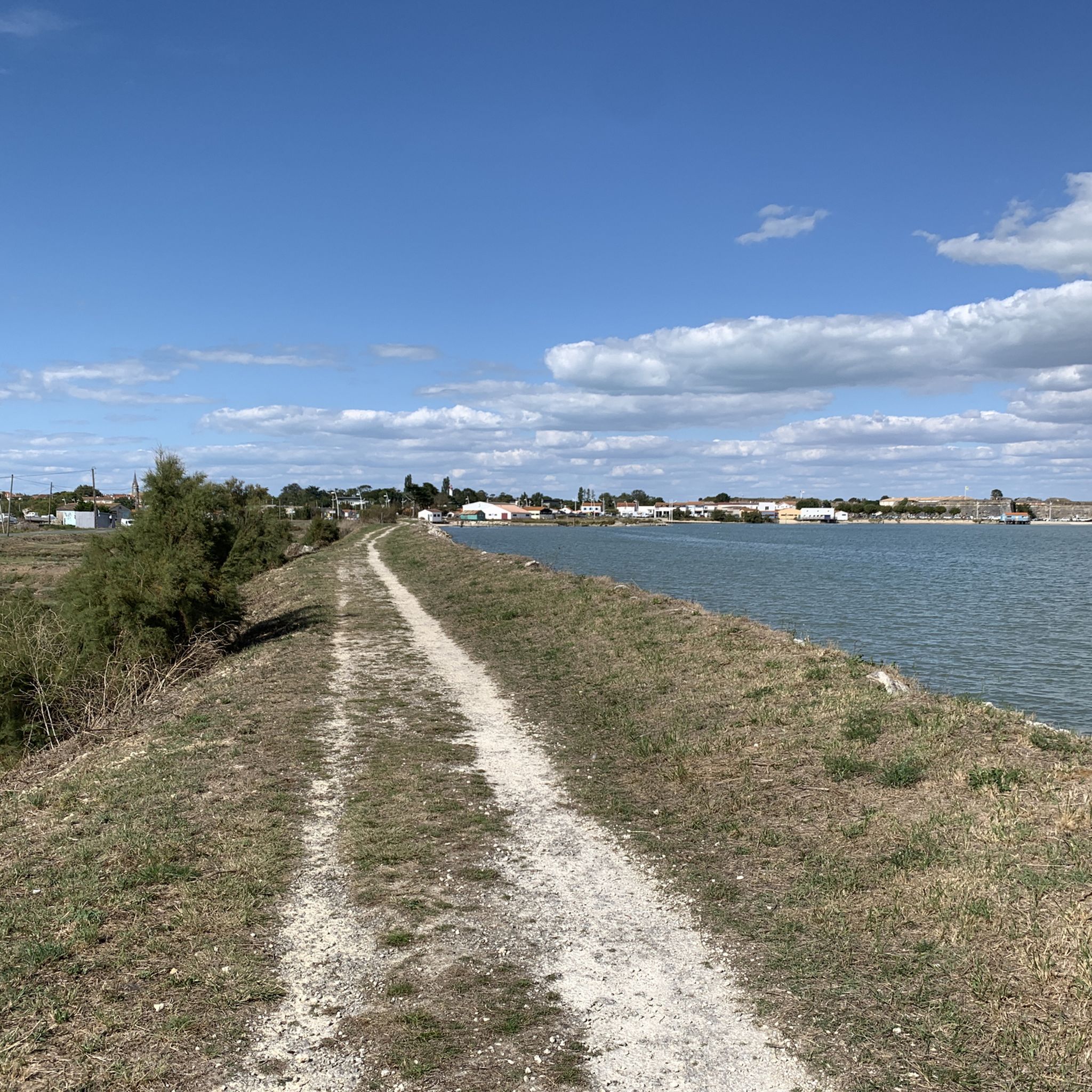
Hiking around Réserve Naturelle de Moëze-Oléron
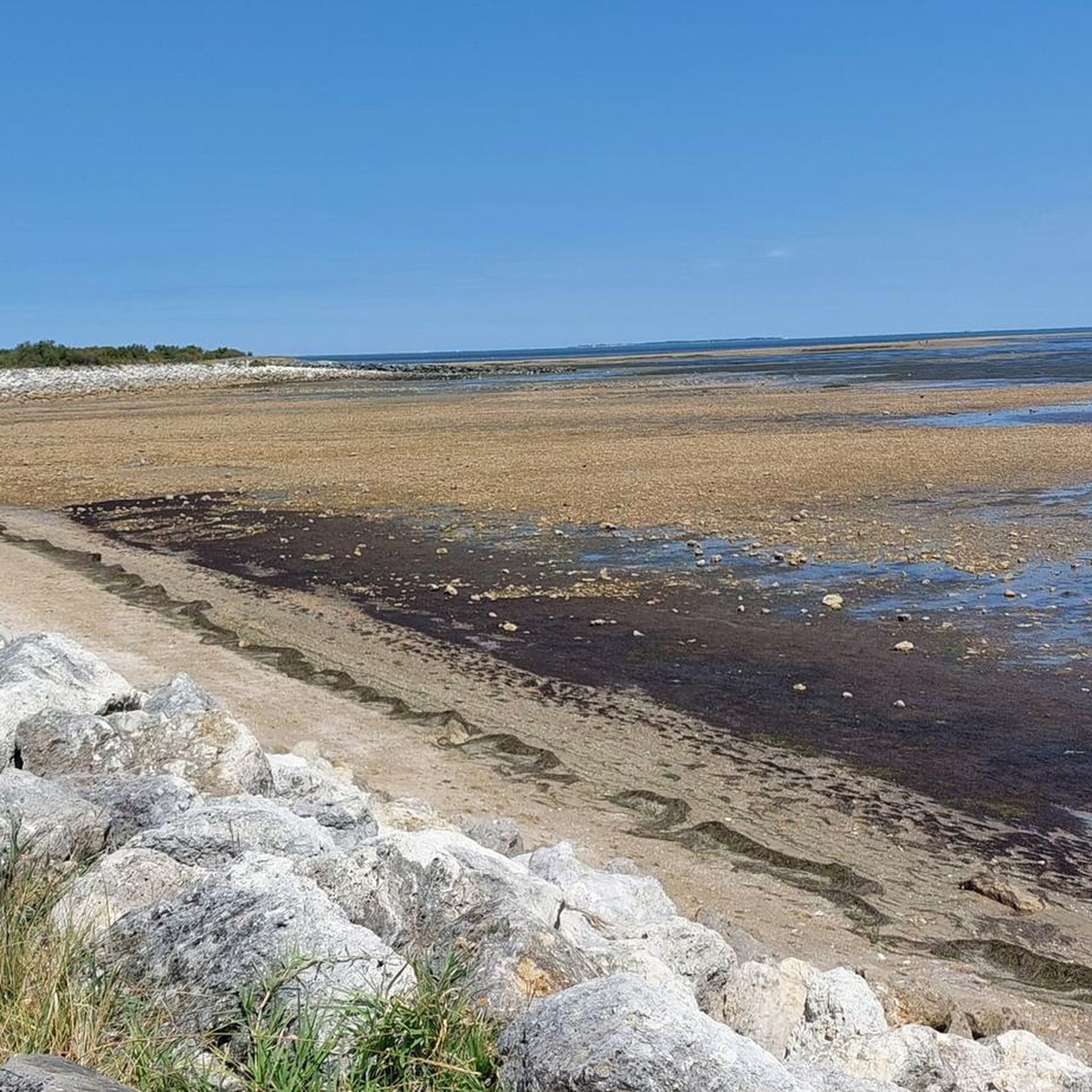
Road Cycling Routes around Réserve Naturelle de Moëze-Oléron
MTB Trails around Réserve Naturelle de Moëze-Oléron

Gravel biking around Réserve Naturelle de Moëze-Oléron
Tips from the Community

The citadel of Château-d'Oléron is a military fortress
0
0

A must-see for anyone visiting the island of Oléron. Richelieu ordered its construction, which began in 1630 on the remains of the old medieval castle. The work was led by the engineer Pierre d'Argencourt, who ordered the first bastion, and Louis Nicolas de Clerville later modified and enlarged the structure. The citadel and the town were completed in 1700 under the orders of Vauban. During this final phase of construction, part of the old village was razed to make way for a new fortified town, built on a grid pattern around the parade ground. A fortress with a defensive function, the citadel also housed disciplinary bodies, civilian and religious inmates during the Reign of Terror, and political prisoners in 1870. On April 17, 1945, an aerial bombardment destroyed many parts of the citadel. From 1959 to 1970, an initial restoration began. The stronghold was restored from 1988.
1
0

Very beautiful and picturesque!
0
0

During this magnificent tour of the island of Oléron, you will be amazed and see all the diversity of this magical place. I recommend the Gravel, because there are some passages in the undergrowth.
0
0

nice walk to do in and around the fort
0
0

beautiful place
1
0

The Fort-Royer site is a traditional oyster farming village located on the island of Oléron, in the heart of a nature reserve. The site is located in the Moëze-Oléron marshes nature reserve, an area rich in biodiversity, particularly avifauna. It is a great place to observe birds and local wildlife. The association that manages the site offers guided tours and activities to discover the history and techniques of oyster farming. It is a fascinating place for those interested in nature and local traditions.
0
0

Heavy attachment for a nice patch of earth.
1
0
Frequently Asked Questions
What natural features can I explore within the Réserve Naturelle de Moëze-Oléron?
The reserve boasts a diverse range of natural habitats, including wet meadows, former salt marshes, vast lagoons, and mudflats that stretch over 6000 hectares. You can also find 13 km of shoreline on Eastern Oléron Island, sand dunes, and the continental Brouage Marsh. These areas are crucial for migratory birds and other wildlife.
Are there specific trails for walking or cycling in the reserve?
Yes, the reserve offers several interpretive trails, such as the 'Polder Trail,' 'Tannes Trail,' 'Sea Slats Trail,' and 'Sand Pland Trail.' For cycling, the Oyster Route is a magnificent path through the marshes along the seaside, known for its traditional oyster farmers. You can find more cycling routes in the area by checking our guide to Cycling around Réserve Naturelle de Moëze-Oléron.
What historical sites are near the Réserve Naturelle de Moëze-Oléron?
Close to the reserve, you can visit the impressive Château-d'Oléron Citadel, a 17th-century fortified site surrounded by charming fishermen's houses. The Citadelle de Brouage, another significant historical fortification, is also situated near the continental part of the reserve.
What activities are available for families with children?
Families can enjoy exploring the interpretive trails, such as the 'Polder Trail,' which is particularly accessible. The Château-d'Oléron Citadel and the Oyster Route are also considered family-friendly attractions. The LPO often organizes guided tours and educational activities adapted for different age groups.
Where can I go birdwatching in the Réserve Naturelle de Moëze-Oléron?
The reserve is a prime location for birdwatching, especially during migration periods. Dedicated observation points, such as the one on the 'route des Tannes,' allow visitors to watch shorebirds and waterfowl. The Fort Royer site, an oyster farming village within the reserve, is also noted for its rich avifauna.
What is the best time of year to visit the reserve for wildlife observation?
The reserve is a crucial stopover for migratory birds, making autumn and spring excellent times to observe a wide variety of species. Winter is also popular for observing wintering shorebirds and waterfowl, including Brent geese and white spoonbills. The LPO offers seasonal guided tours like 'Symphonie hivernale' (winter symphony) and 'Concert printanier' (spring concert).
Are there easy hiking options near the attractions?
Yes, there are several easy hiking trails in the vicinity. For example, you can find routes like the 'Château-d'Oléron Citadel – View of the fort loop' or the 'Pont des Rêves – Citadel of Château d'Oléron loop.' More options are available in our guide to Easy hikes around Réserve Naturelle de Moëze-Oléron.
What are the colorful huts I've heard about near the reserve?
You're likely referring to the Baudissière Huts. These very photogenic, colorful cottages often house artists and craftsmen, offering a pleasant corner to explore and find unique souvenirs. They are a popular spot for visitors.
Can I find places to eat or drink near the attractions?
Yes, the area around the reserve and its attractions offers dining options. The Baudissière Huts are known for having restaurants, with 'Chez Mamelou' being a local favorite for seafood and mussels. The Château-d'Oléron Citadel area also features many restaurants.
What is the Ferme de Plaisance?
The Ferme de Plaisance in Saint-Froult serves as the main reception and information point for the Réserve Naturelle de Moëze-Oléron. It's often the starting point for visits and guided tours, providing an introduction to the reserve's ecology and conservation efforts.
Are there opportunities for gravel biking in the area?
Absolutely! The region offers excellent gravel biking opportunities. Routes like the 'Oyster Route – Saumonards State Forest loop' and various loops around the Île d'Oléron provide diverse terrain. You can explore more options in our guide to Gravel biking around Réserve Naturelle de Moëze-Oléron.
What unique cultural experiences can I find related to the local traditions?
The Oyster Route offers an exceptional selection of traditional oyster farmers, allowing you to experience the local oyster farming culture. Additionally, the Fort Royer site is a traditional oyster farming village where you can learn about the history and techniques of oyster cultivation through guided tours and activities.
Most popular routes around Réserve Naturelle de Moëze-Oléron

Get inspired with the komoot mobile app


Explore more
Still not found the Highlight you’re looking for? See guides of the top attractions in other regions:
