The best cycling routes around Réserve Naturelle de Moëze-Oléron
4.4
(3354)
24,747
riders
443
rides
Touring cycling routes around Réserve Naturelle de Moëze-Oléron traverse a protected natural landscape characterized by extensive wet meadows, salt marshes, and mudflats. The region features a 13 km shoreline on the eastern side of Oléron, along with lagoons, mudflats, and sandbanks. Many routes are flat, including dedicated paved paths like "Le sentier des Tannes à vélo," which is closed to automobile traffic. This provides a safe cycling environment through diverse maritime and continental ecosystems.
Best touring cycling routes around Réserve…
Last updated: July 4, 2026
4.2
(75)
411
riders
23.0km
01:19
30m
30m
Easy bike ride. Great for any fitness level. Mostly paved surfaces. Suitable for all skill levels.
4.6
(20)
169
riders
Easy bike ride. Great for any fitness level. Mostly paved surfaces. Suitable for all skill levels.

Sign up for free
5.0
(6)
108
riders
Easy bike ride. Great for any fitness level. Mostly paved surfaces. Suitable for all skill levels.
4.5
(20)
118
riders
Moderate bike ride. Good fitness required. Mostly paved surfaces. Suitable for all skill levels.
4.4
(16)
95
riders
Easy bike ride. Great for any fitness level. Mostly paved surfaces. Suitable for all skill levels.
Get access to more routes and recommendations from other explorers.
Sign up for free
Already have an account?
Our route recommendations are based on thousands of hikes, rides, and runs completed by other people on komoot.
Start today with a free account
Your next adventure awaits.
Login or Signup
Popular around Réserve Naturelle de Moëze-Oléron

Tips from the Community

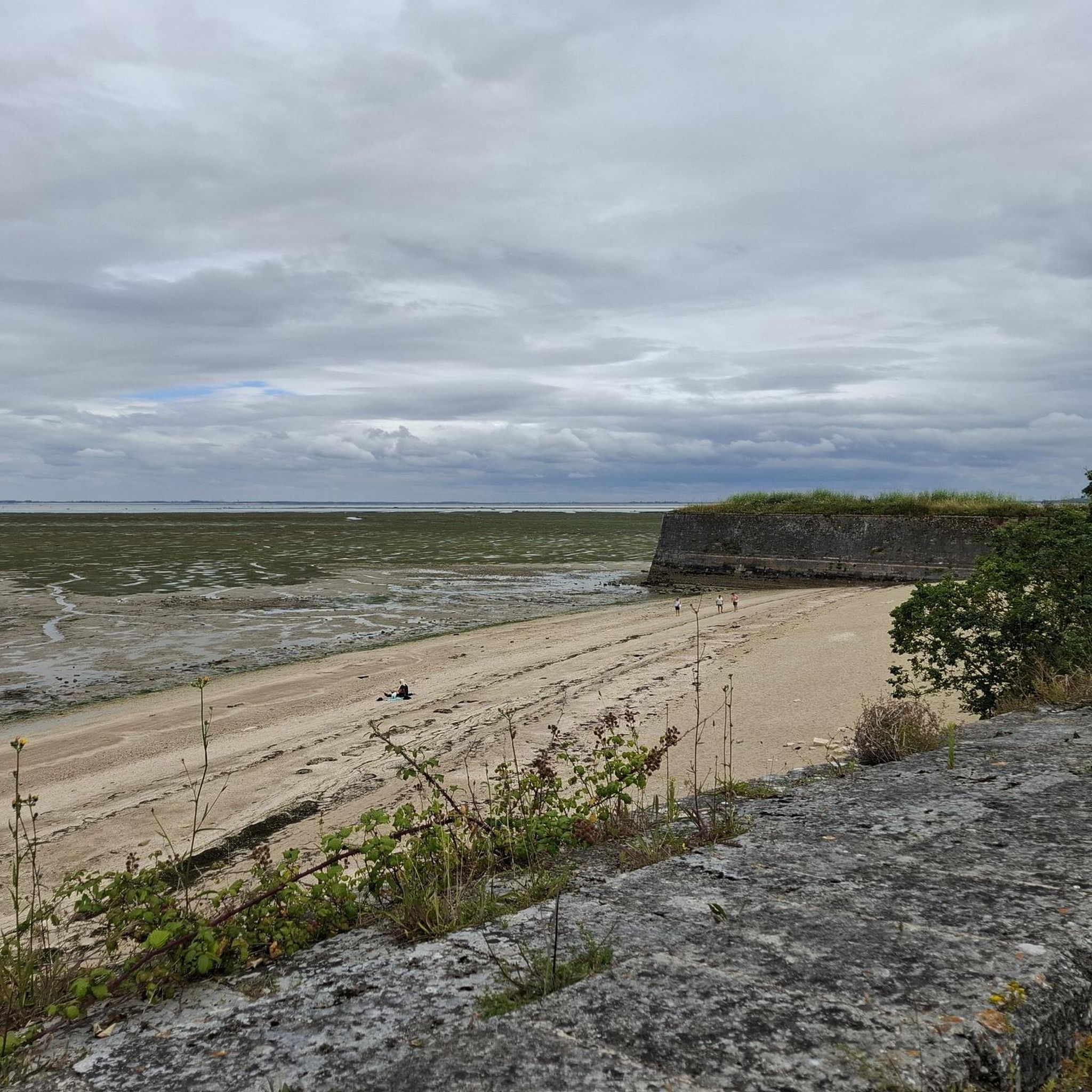
Perfectly accessible on foot or by bike from the Port du Douet parking lot, this beach is sublime like all those on the island of Oleron
0
0
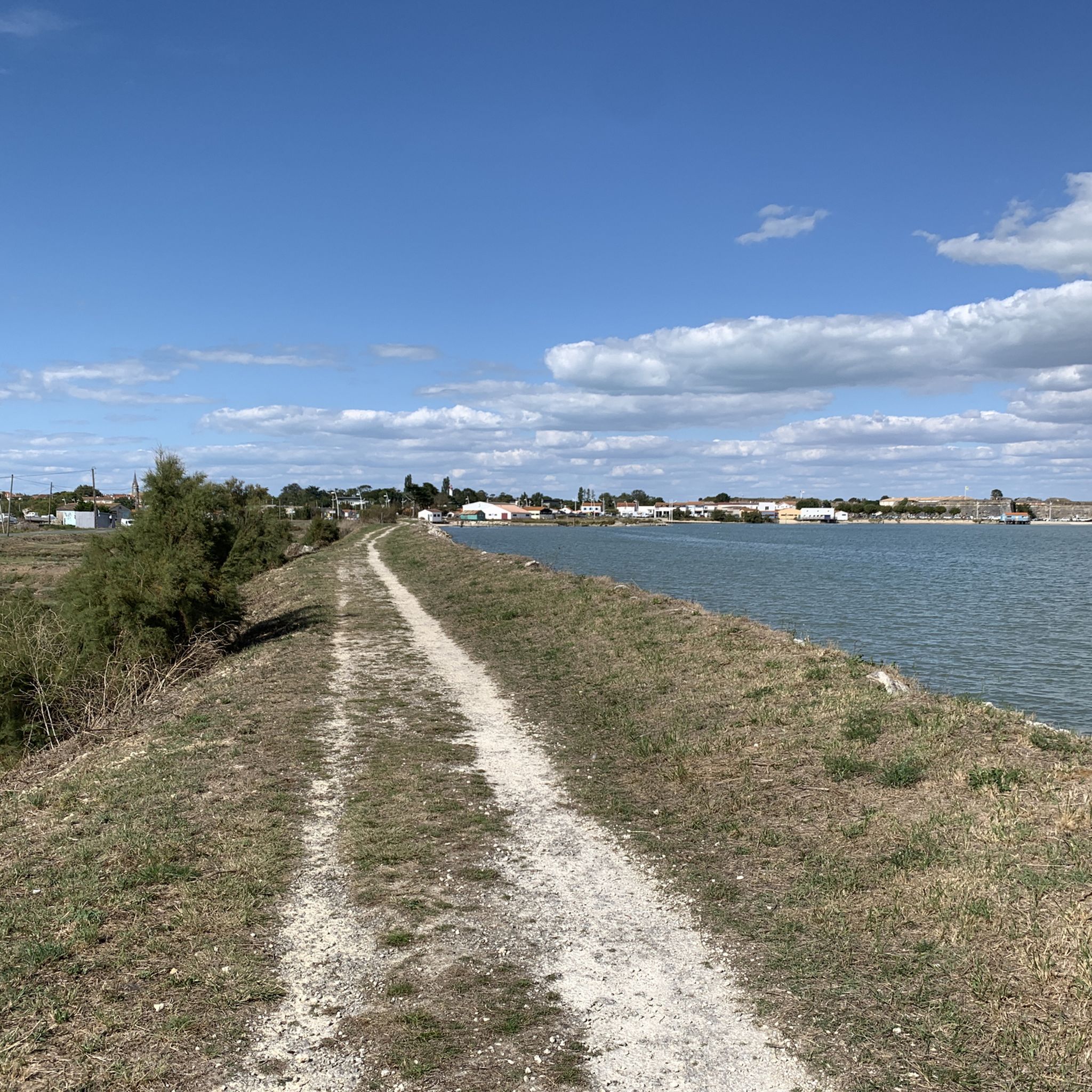
The port of Douhet, located in the commune of Saint-Georges-d’Oléron, is today a pleasant marina, but its history is intimately linked to the salt and wine trade. Origins Until the 19th century, the region's products (notably salt from the salt marshes and wine from Oléron) were difficult to transport by sea. To remedy this, a vast project was launched in the 1840s: a channel over 3 km long was dug between Saint-Georges-d’Oléron and the ocean, opening onto the new port of Douhet. An active commercial port The port quickly became an export center: * barges loaded salt and wine barrels there; * boats also brought building materials and various goods intended for the island. In the 1870s, there were around 400 ship movements per year, with several thousand tons of goods imported and exported. The decline At the end of the 19th century, several factors led to its decline: * the gradual abandonment of the salt marshes; * the improvement of roads and then the arrival of the tram on the island; * the regular silting up of the channel. After the First World War, the channel silted up almost completely and commercial traffic gradually disappeared. The revival In the late 1980s, the basin was completely rehabilitated and transformed into a marina. It now accommodates around 350 to 400 boats and is one of the main marinas on the island of Oléron. Its location, in the cove of Malconche, offers a remarkable view of Fort Boyard and the Île d’Aix. The old channel, although no longer navigable to the village, continues to supply seawater to the old salt marshes and today constitutes a pleasant walking or cycling route. It is a place where the traces of Oléron's maritime past can still be read in the landscape: the quays, the bridge, the channel, and the old hydraulic structures bear witness to the era when salt was the island's main wealth.
0
0

Enjoy cycling in this remarkable dune forest, covering almost 700 hectares. It's the result of a large-scale reforestation campaign in the 19th century, aimed at halting the dune advance, which was gradually encroaching on villages.
1
0

The port of Douhet is essentially the mouth of the Douhet Canal. There are several nice restaurants nearby.
1
0

Summer in the air & aroma of the forest
0
0

Pleasant walk ending in Boyardville,lots of great restaurants.
0
0

Frequently Asked Questions
How many touring cycling routes are available in Réserve Naturelle de Moëze-Oléron?
There are over 450 touring cycling routes available in Réserve Naturelle de Moëze-Oléron, offering a wide variety of options for all skill levels.
What kind of terrain can I expect on touring cycling routes in Réserve Naturelle de Moëze-Oléron?
The terrain is generally flat, traversing picturesque scenery including wet meadows, salt marshes, and mudflats. You'll also find coastal sections, lagoons, sandbanks, and dunes. Dedicated paved paths, like "Le sentier des Tannes à vélo," are closed to automobile traffic, providing a safe and pleasant cycling experience.
Are there any family-friendly touring cycling routes in the reserve?
Yes, many routes are suitable for families due to their flat nature and dedicated paths. An excellent easy option is the La Baudissière Huts – Oyster Route loop from Camping Ostréa Vacances, which is 14.6 miles (23.6 km) long and offers views of the natural environment and oyster farms.
What are some notable natural features or landmarks I can see while cycling?
While cycling, you can explore diverse landscapes such as salt marshes, mudflats, and coastal dunes. Keep an eye out for the Oyster Route, which showcases the region's oyster farming heritage. You might also pass by historical sites like the Château-d'Oléron Citadel or the Baudissière Huts.
Can I find circular touring cycling routes in Réserve Naturelle de Moëze-Oléron?
Yes, many of the touring cycling routes in the reserve are circular. For example, the Château-d'Oléron Citadel – Oyster Route loop from Le Château-d'Oléron is a popular 31.2 miles (50.1 km) loop that takes you through coastal areas and past the historic citadel.
What is the best time of year to go touring cycling in the reserve?
The reserve is a crucial stopover point for migratory birds, making it excellent for wildlife spotting year-round. While cycling is enjoyable in many seasons, spring and autumn offer pleasant temperatures and opportunities to observe a wide variety of bird species. The flat terrain makes it accessible even in cooler months.
Are dogs allowed on the touring cycling trails in Réserve Naturelle de Moëze-Oléron?
The Réserve Naturelle de Moëze-Oléron is a protected natural area. While specific regulations for dogs on cycling trails can vary, it's generally recommended to keep dogs on a leash to protect the local wildlife, especially ground-nesting birds. Always check local signage for the most current rules.
Where can I find information or a visitor center for the reserve?
The Plaisance de Saint-Froult farm serves as an essential welcome and information point for visitors to the Réserve Naturelle de Moëze-Oléron. You can find details about the reserve and its activities there. For more general information about the area, you can also visit the local tourism website: dolus-oleron-tourisme.fr.
What kind of wildlife can I expect to see while cycling in the reserve?
The reserve is a paradise for birdwatchers, with around 270 bird species, including storks, bluethroats, stilts, godwits, and oystercatchers, observable throughout the year. You might also spot Scottish blackface sheep, which help maintain the reserve's natural environment.
Where can I park my car when visiting the reserve for cycling?
Parking facilities are typically available near popular access points and visitor centers, such as the Plaisance de Saint-Froult farm. For specific parking locations related to individual routes, it's best to check the route details on komoot or local signage upon arrival.
What do other touring cyclists say about their experience in Réserve Naturelle de Moëze-Oléron?
The touring cycling routes in Réserve Naturelle de Moëze-Oléron are highly rated by the komoot community, with an average score of 4.4 stars from over 2900 reviews. Cyclists often praise the flat, accessible paths, the stunning natural scenery, and the abundance of wildlife.
Are there any longer touring cycling routes for more experienced riders?
While many routes are easy to moderate, there are options for longer rides. For instance, the Saltworks Port – Oyster Route loop from Boyardville is a moderate 27.5 miles (44.2 km) trail that takes about 2 hours 35 minutes to complete, passing through characteristic saltworks and oyster farming areas.
Most popular routes around Réserve Naturelle de Moëze-Oléron
Most popular attractions around Réserve Naturelle de Moëze-Oléron

Get inspired with the komoot mobile app


Explore more
Browse the best Cycling routes in other regions.
