The best traffic-free bike rides around Laacher Lake
4.4
(409)
6,420
riders
8
rides
Road cycling around Laacher Lake offers diverse terrain within the Volcanic Eifel region of Germany, characterized by its unique geological formations. The landscape features a volcanic caldera lake, surrounded by dense forests and rolling hills, providing engaging routes with both ascents and descents. Cyclists can explore mostly paved surfaces that navigate the lake and the wider region, encountering reminders of its volcanic past. The area is part of the National Geopark Laacher See, ensuring a blend of natural beauty and…
Last updated: May 17, 2026
5.0
(2)
58
riders
41.6km
02:11
340m
340m
Moderate road ride. Good fitness required. Some segments of this route may be unpaved and difficult to ride.
4.4
(34)
251
riders
39.8km
01:49
430m
430m
Moderate road ride. Good fitness required. Some segments of this route may be unpaved and difficult to ride.

Sign up for free
24
riders
20.2km
00:55
120m
120m
Moderate road ride. Great for any fitness level. Some segments of this route may be unpaved and difficult to ride.
16
riders
45.0km
02:18
550m
550m
Hard road ride. Good fitness required. You may need to push your bike for some segments of this route.
3.7
(3)
20
riders
31.9km
01:28
340m
340m
Moderate road ride. Good fitness required. Mostly well-paved surfaces and easy to ride.
Get access to more routes and recommendations from other explorers.
Sign up for free
Already have an account?
Our route recommendations are based on thousands of hikes, rides, and runs completed by other people on komoot.
Start today with a free account
Your next adventure awaits.
Login or Signup


Tips from the Community

The northern gate of the city fortifications, which still exists today, is the gatehouse located on the Nette river, built between 1299 and 1354. It secured the crossing of the Nette and primarily served as the city entrance from the direction of Koblenz, which is why it also bears the name "Koblenzer Tor" (Koblenz Gate). Since there are no signs of a slot in the wall for a portcullis, it is assumed that a drawbridge to the bridge pier on the Nette was used to secure the gate. Due to the flood in 1598, the gatehouse collapsed along with the outer gate. However, the chiseled number 1599 testifies that the gatehouse was rebuilt just one year later. From the beginning of the 19th century until 1855, the gatehouse was used as a prison. The city coat of arms, added in 1911, is still visible today. Source: Jonas Breithaupt, University of Koblenz-Landau, 2015
2
0

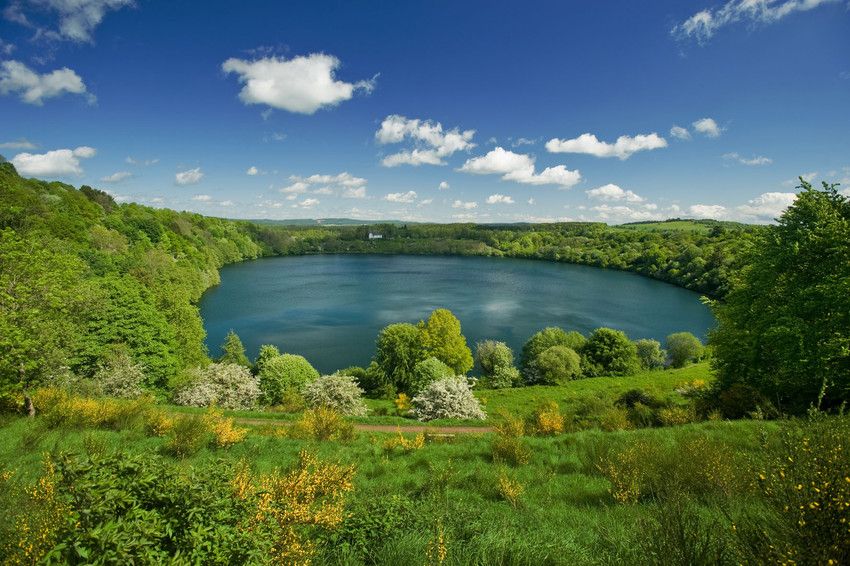
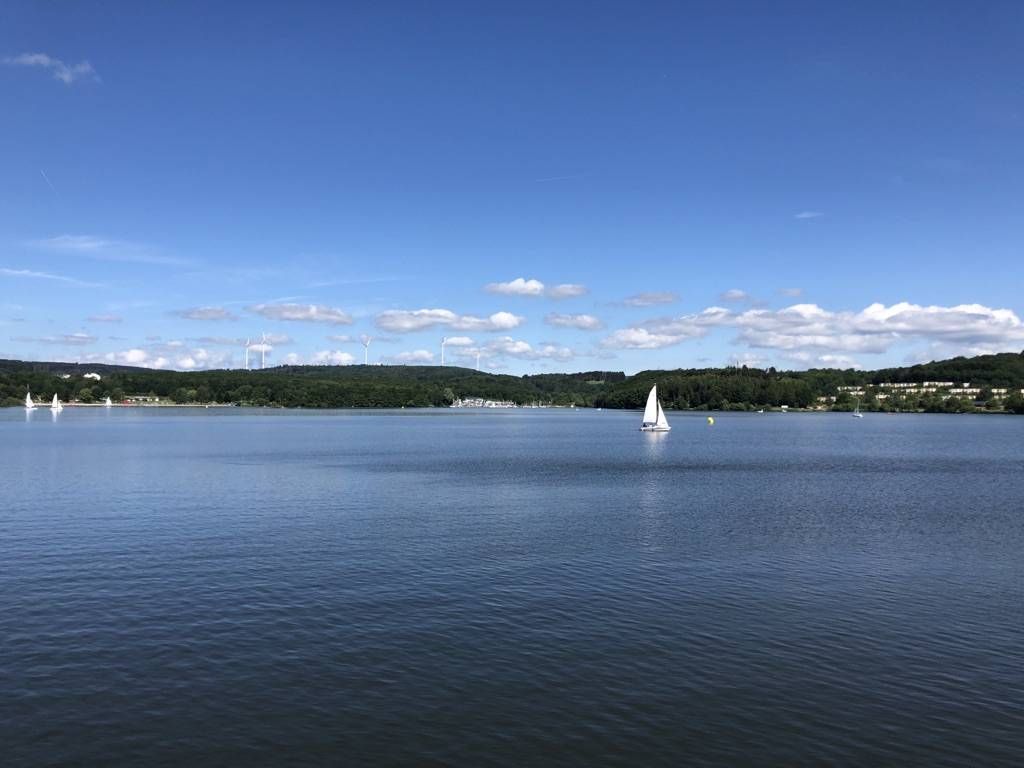
There are a variety of birds to observe at the lake
3
0

Very beautiful pond landscape in the Thürer meadows.
1
0
The Streckenhäuschen restaurant in Mertloch is highly recommended. In summer, you can sit on the terrace and enjoy views of the bike path, playground, and barbecue area.
11
0

nice place to drive past comfortably
1
0

The Brückentor (Bridge Gate) is one of Mayen's few remaining medieval city gates and once served as the most important entrance for travelers coming from Koblenz. Today, this historic building houses the Mayen Carnival Museum, which brings the city's long tradition of "Faasenaacht" (Carnival Night) to life.
0
0

The late Gothic castle was besieged, destroyed, and rebuilt several times over the course of its eventful history. The current complex consists of the upper castle with the 34-meter-high Golo Tower and the slightly lower outer castle. The castle is protected from the city by a large castle gate, and on the other side by the keep and a moat complex. The former moat is now a ring road spanned by a 20-meter-long Gothic stone bridge. The Genovevaburg Castle houses two exhibitions of the Eifel Museum: EifelTotal and the German Slate Mine.
9
0
The Holy Spirit Chapel is a former hospital chapel that was part of a hospital in the Middle Ages. Foundations discovered in 1935 suggest that a chapel connected to the then hospital already stood here earlier. According to tradition, the chapel was looked after around 1380 by a priest and a chaplain who received a house near the hospital from the estate of a Pastor Wienand. Since 1592, the chapel has belonged to the Clemensstift.
9
1
Frequently Asked Questions
How many no-traffic road cycling routes are available around Laacher See?
There are over 10 dedicated no-traffic road cycling routes around Laacher See, offering a variety of distances and difficulty levels for you to explore the unique volcanic landscape.
What kind of terrain can I expect on these no-traffic road cycling routes?
The routes primarily feature paved surfaces, ideal for road cycling. You'll encounter engaging terrain with both ascents and descents, characteristic of the Volcanic Eifel region. This provides a picturesque and often challenging experience, all while enjoying car-free sections.
Are there any easy no-traffic road cycling routes suitable for beginners?
Yes, there are at least 2 easy no-traffic road cycling routes around Laacher See. These are perfect for those new to road cycling or looking for a more relaxed ride, allowing you to enjoy the scenery without significant climbs.
Can I find challenging no-traffic road cycling routes around Laacher See?
Absolutely. For experienced road cyclists seeking a challenge, there is at least 1 difficult no-traffic route available. An example is the Hausen-1 Tunnel – Hansen Tunnel loop from Kottenheim, which covers 46.3 km with over 560 meters of elevation gain.
What natural attractions can I see while road cycling around Laacher See?
Many routes offer stunning views of Laacher Lake itself, the largest lake in Rhineland-Palatinate. You might also encounter fascinating geological features like mofettes (volcanic gas vents) along the eastern shore, or the dramatic Alte Burg Volcanic Rock Face.
Are there any cultural landmarks accessible by road bike on these routes?
Yes, the region is rich in history. The impressive Benedictine Maria Laach Abbey, an 11th-century Romanesque structure, is located on the southwestern shore of the lake and is often accessible from nearby cycling routes. The broader Volcano Park also offers numerous points of interest related to the region's volcanic past.
Are there circular no-traffic road cycling routes available?
Many of the no-traffic road cycling routes around Laacher See are designed as loops, allowing you to start and end at the same point. For instance, the Hansen Tunnel – Hausen-1 Tunnel loop from Bell is a popular circular option.
What do other road cyclists enjoy the most about road cycling in Laacher See?
The area is highly rated by the komoot community, with an average score of 4.4 stars. Reviewers often praise the unique volcanic landscapes, the peaceful car-free sections, and the well-maintained paved paths that make for an excellent road cycling experience.
Are these no-traffic routes suitable for families with children?
While the guide focuses on road cycling, some of the easier, shorter, and truly car-free sections can be suitable for families. Always check the specific route details for distance, elevation, and surface conditions to ensure it matches your family's abilities.
What are the options for parking near these no-traffic road cycling routes?
Parking is generally available in towns and villages surrounding Laacher See, such as Bell, Thür, or Kottenheim, which serve as common starting points for many routes. Look for designated parking areas, especially near trailheads or local amenities.
Can I access these no-traffic road cycling routes using public transport?
Public transport connections to the Laacher See region are available, primarily by bus services connecting to nearby train stations. It's advisable to check local public transport schedules and bike carriage policies in advance, as options may vary depending on the specific starting point of your chosen route.
Are there cafes or restaurants along the no-traffic road cycling routes?
While the routes prioritize car-free sections, you'll find cafes and restaurants in the towns and villages you pass through or near the lake itself, such as around the Maria Laach Abbey. These offer opportunities for refreshments and meals during your ride.
Are cycling permits required for road biking in the Laacher See region?
Generally, no specific cycling permits are required for road biking on public roads and designated cycle paths in the Laacher See region or Rhineland-Palatinate. However, always respect local regulations, especially within nature reserves or private properties.
Most popular routes around Laacher Lake
Most popular attractions around Laacher Lake

Get inspired with the komoot mobile app


Explore more
Browse the best Road cycling routes in other regions.
