The best traffic-free bike rides around Østerø Sø
4.9
(8)
516
riders
32
rides
No traffic road cycling routes around Østerø Sø traverse a landscape characterized by its coastal proximity, salt meadows, and protected natural areas. The region features mostly paved surfaces, offering varied terrain suitable for road cycling, often running alongside the sea. The area, including the peninsula at Knudshoved and Østerø Lake, is a protected Natura 2000 site, ensuring a preserved environment for cycling.
Best no traffic road cycling routes around Østerø Sø
- The most popular no traffic road cycling route is…
Last updated: June 29, 2026
27
riders
Moderate road ride. Good fitness required. Mostly well-paved surfaces and easy to ride.
4.0
(1)
30
riders
Easy road ride. Great for any fitness level. Mostly well-paved surfaces and easy to ride.

Sign up for free
21
riders
Moderate road ride. Good fitness required. Some segments of this route may be unpaved and difficult to ride.
18
riders
42.3km
01:44
190m
190m
Easy road ride. Great for any fitness level. Mostly well-paved surfaces and easy to ride.
8
riders
76.3km
03:08
370m
370m
Moderate road ride. Good fitness required. Mostly well-paved surfaces and easy to ride.
Get access to more routes and recommendations from other explorers.
Sign up for free
Already have an account?
Our route recommendations are based on thousands of hikes, rides, and runs completed by other people on komoot.
Start today with a free account
Your next adventure awaits.
Login or Signup
Popular around Østerø Sø
Tips from the Community

Schloss Ulriksholm is an idyllic Renaissance manor house just a few kilometers from Kerteminde. It is picturesquely situated at the foot of the Kerteminde Nor bay and is considered one of the most historic places in the region. The castle was named after one of Christian IV's illegitimate sons. The castle is privately owned today and is not regularly open to the public. An exception is made for occasional garden events and the "Herregårdsspil" performances (Danish open-air summer theatre), where visitors are allowed to enter the grounds. You can find out when these performances take place via Facebook.
0
0

It was really fun to try out the old bikes. A lovely opportunity to take a short break, have coffee and cake, and look around the old house a bit.
0
0

Broholm Castle is located in the beautiful landscape of South Funen. With its towers, moat, and park, it seems to have stepped straight out of a fairytale. Broholm's history can be dated back to 1326. Over time, the castle changed owners several times, finally coming into the possession of the Sehested family in 1730, to whom it now belongs in the 13th generation. The castle gave its name to a rare Danish dog breed, the Broholmer. Chamberlain N.F.B. Sehested bred this breed until 1850, thus ensuring its spread in Denmark. The castle also gave its name to the apple variety Broholm Æblet, also called Broholm Rosenæble. The mother tree, whose age could be traced back to 1866, stood in the castle park. Today, several of these apple trees can be found in the park and meadows around the castle. The small, juicy apples are used, among other things, to make apple brandy, which is available at the castle. https://www.visitfyn.de/fyn/reise-ideen/schloss-broholm
2
0
In Nyborg, there is a square called Gammeltorv (Old Square). Originally, this was the square donated to the city by King Frederik II as a market square after the original, smaller market square near the church had become too small. Gammeltorv was an important location in the city before it underwent significant transformation in the 1930s. For example, in 1935, the Hotel Postgaarden, which was located there, was demolished. Today, the square has relinquished its central role as the main market to the newer, larger Torvet (simply "the square"), located directly in front of Nyborg Slot.
2
0
The old customs house (“Gammel Toldbod”) in Nyborg is located at Havnegade 2 and holds historical significance for the town. Today, the building houses the “Kiropraktorhuset Gammel Toldbod” (Chiropractic Practice Old Customs House). In earlier times, the building served as a customs house. This was because Nyborg was situated on an important waterway, the Great Belt, where ships had long been required to pay tolls to Denmark. The old customs house in Nyborg, like other similar buildings in Denmark, played a crucial role in monitoring shipping traffic to prevent the smuggling of goods. The building in its current form was constructed during a period when these customs controls were of paramount importance.
2
0
"Stenblomsten" (in English: "Stone Flower") is a granite sculpture by the sculptor Flemming Knudsen, located in front of the Church of Our Lady (Vor Frue Kirke) in Nyborg. The sculpture was erected in 1994 and is an example of modern art in the historic city. Flemming Knudsen, who moved to Nyborg in 1983, created several works of art in the region. The Church of Our Lady itself, also known simply as Nyborg Kirke, is a significant building in the city. Built between 1388 and 1428, it is one of the oldest churches in Denmark.
2
0
Rosenbækken is a historic path in the Danish city of Nyborg. It runs along the former medieval city moat that once surrounded the city. This moat was formerly called "Skidtrenden," which means "dirt ditch." Today, Rosenbækken is a landscaped path that has been restored and designed as a green passage. It allows walkers to explore the remains of the medieval city fortifications, including sections of Denmark's longest preserved city wall. The path is part of the "Green Clover Trail," a popular hiking route in Nyborg that passes historical sites and through nature.
2
0
Ulriksholm is a privately owned castle that formerly belonged to the king's illegitimate son, Ulrik Christian Gyldenløve. In 1616, King Christian IV bought the main estate Skinnerup at the foot of Kerteminde Nor. In 1632, the king decided to erect new, stately buildings, which were to serve as a residence for the king's then two-year-old illegitimate son, Ulrik Christian Gyldenløve. Therefore, the name of the castle was changed to Ulriksholm. After the death of Christian IV, his mistress and mother of Ulrik Christian Gyldenløve, Vibeke Kruse, fell into disgrace. After her death, Vibeke Kruse was buried on a poor farm outside the city walls of Copenhagen. Ulrik Christian Gyldenløve, however, ensured that his mother's body was brought to the Kølstrup Church. He himself died at the age of only 28 after a brave engagement in the Swedish War. The castle is privately owned today. There is no public access to the castle or garden, except during the castle's open garden events and when the castle is visited as part of the Herregårdsspil. https://www.visitkerteminde.de/kerteminde/reiseplanung/ulriksholm-schloss-gdk613635
2
0
Frequently Asked Questions
How many traffic-free road cycling routes are available around Østerø Sø?
There are over 35 dedicated traffic-free road cycling routes around Østerø Sø, offering a wide range of distances and difficulty levels for you to explore.
Are there easy, beginner-friendly traffic-free road cycling routes in the Østerø Sø area?
Yes, the Østerø Sø region offers several easy, beginner-friendly traffic-free road cycling routes. For example, the Nordenhuse Beach and Pier loop from Nyborg is an excellent choice, covering just under 38 km with minimal elevation gain, perfect for a relaxed ride. Another great option is the Holckenhavn Castle – Nyborg Castle loop from Nyborg, which is around 47 km and also rated as easy.
What kind of scenery can I expect on traffic-free road cycling routes around Østerø Sø?
The routes around Østerø Sø offer picturesque views, frequently running alongside the sea and through charming Danish landscapes. You'll experience dedicated cycling lanes with beautiful coastal vistas, salt meadows, and the tranquil Østerø Lake itself. The area is part of a protected Natura 2000 site, ensuring unspoiled natural beauty.
Are there any family-friendly traffic-free road cycling routes in Østerø Sø?
Many of the easy and moderate traffic-free routes are suitable for families, especially those with dedicated cycling lanes away from car traffic. The shorter, flatter loops provide a safe and enjoyable experience for all ages. Consider routes like the Nordenhuse Beach and Pier loop from Nyborg for a pleasant family outing.
What are some notable landmarks or attractions I can see along the traffic-free road cycling routes?
You can combine your ride with visits to historical and natural attractions. Routes often pass by significant sites such as Nyborg Castle and Holckenhavn Castle. You might also spot the impressive Great Belt Bridge or the 'knaldfyret' (lighthouse). The Østerø Lake area itself is a highlight, known for its rich birdlife and unique flora.
What is the typical length and duration of traffic-free road cycling routes in the region?
The routes vary significantly in length and duration. You can find shorter rides, like the Nordenhuse Beach and Pier loop at approximately 38 km (around 1.5 hours), up to longer, more challenging tours such as the Kerteminde Old Town and Harbor – Hverringe Manor loop, which is over 85 km and can take more than 3 hours to complete.
When is the best time to cycle the traffic-free routes around Østerø Sø?
The best time to cycle is generally during the spring, summer, and early autumn months when the weather is milder and the natural scenery is at its most vibrant. These periods offer comfortable temperatures and longer daylight hours, ideal for enjoying the coastal and natural landscapes.
Are there opportunities for wildlife spotting on these routes?
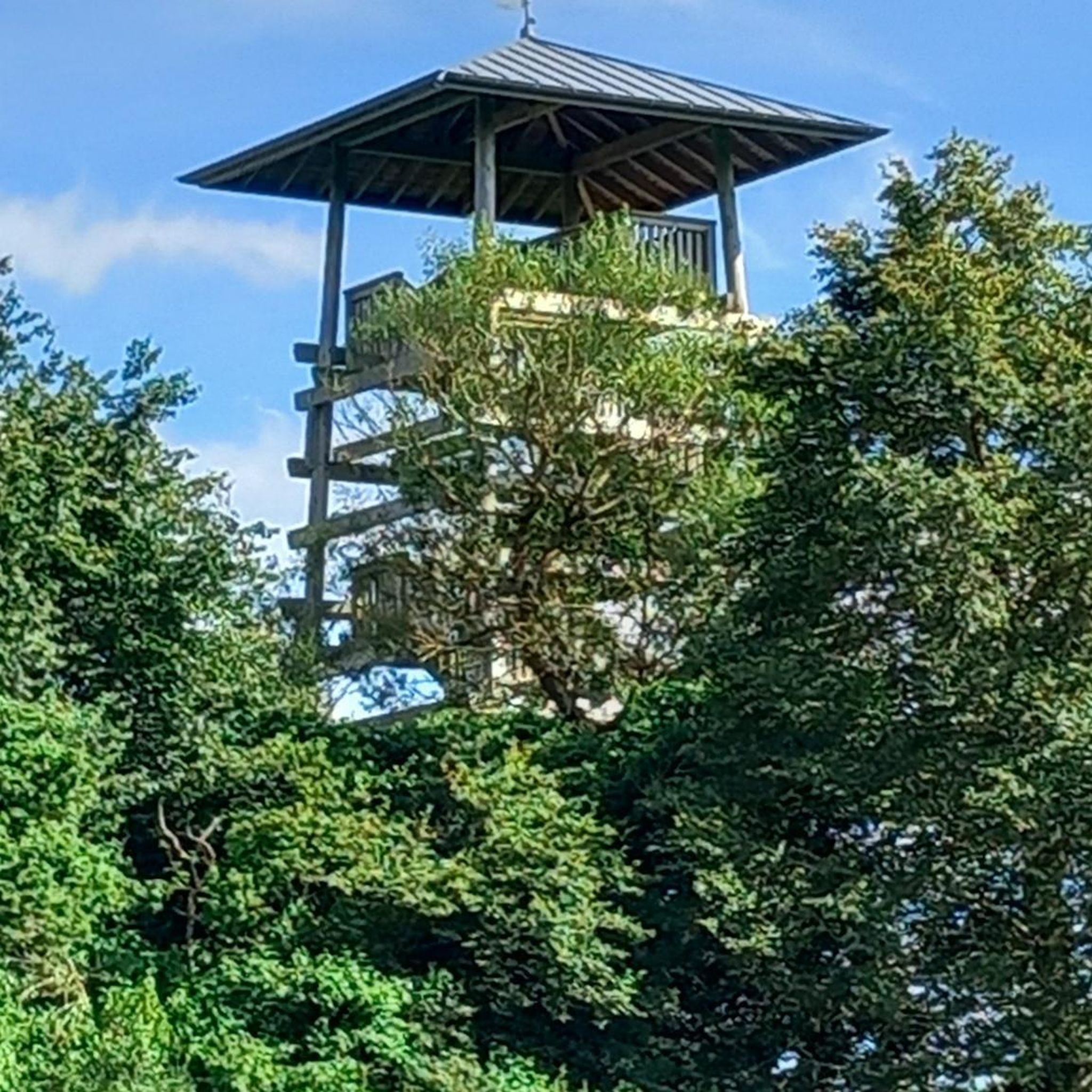
Absolutely. The Østerø Lake and Knudshoved peninsula area is an internationally protected Natura 2000 site, renowned for its diverse birdlife. You can often spot migratory birds, black-headed seagulls, common terns, avocets, and various ducks, swans, and geese. There's even a bird-watching tower near Østerø Lake for undisturbed observation.
What do other cyclists say about road cycling in Østerø Sø?
The komoot community highly rates the road cycling experience around Østerø Sø, with an average score of 5.0 stars. Cyclists often praise the quiet, traffic-free paths, the stunning coastal views, and the well-maintained routes that allow for an immersive experience in nature.
Are there any cafes or places to stop for refreshments along the traffic-free routes?
While specific cafes directly on every traffic-free section might be limited, many routes start or pass through towns like Nyborg, where you'll find various options for refreshments. Planning your stops in advance, especially for longer rides, is recommended.
Can I find circular traffic-free road cycling routes in Østerø Sø?
Yes, many of the routes around Østerø Sø are designed as loops, allowing you to start and finish at the same point. This is ideal for road cyclists who prefer not to retrace their steps. Examples include the Public Water Fountain – Nyborg Castle loop and the Amanda Statue of Kerteminde – Kerteminde Old Town and Harbor loop.
Most popular routes around Østerø Sø

Get inspired with the komoot mobile app


Explore more
Browse the best Road cycling routes in other regions.
