The best cycling routes around Østerø Sø
4.5
(293)
1,685
riders
88
rides
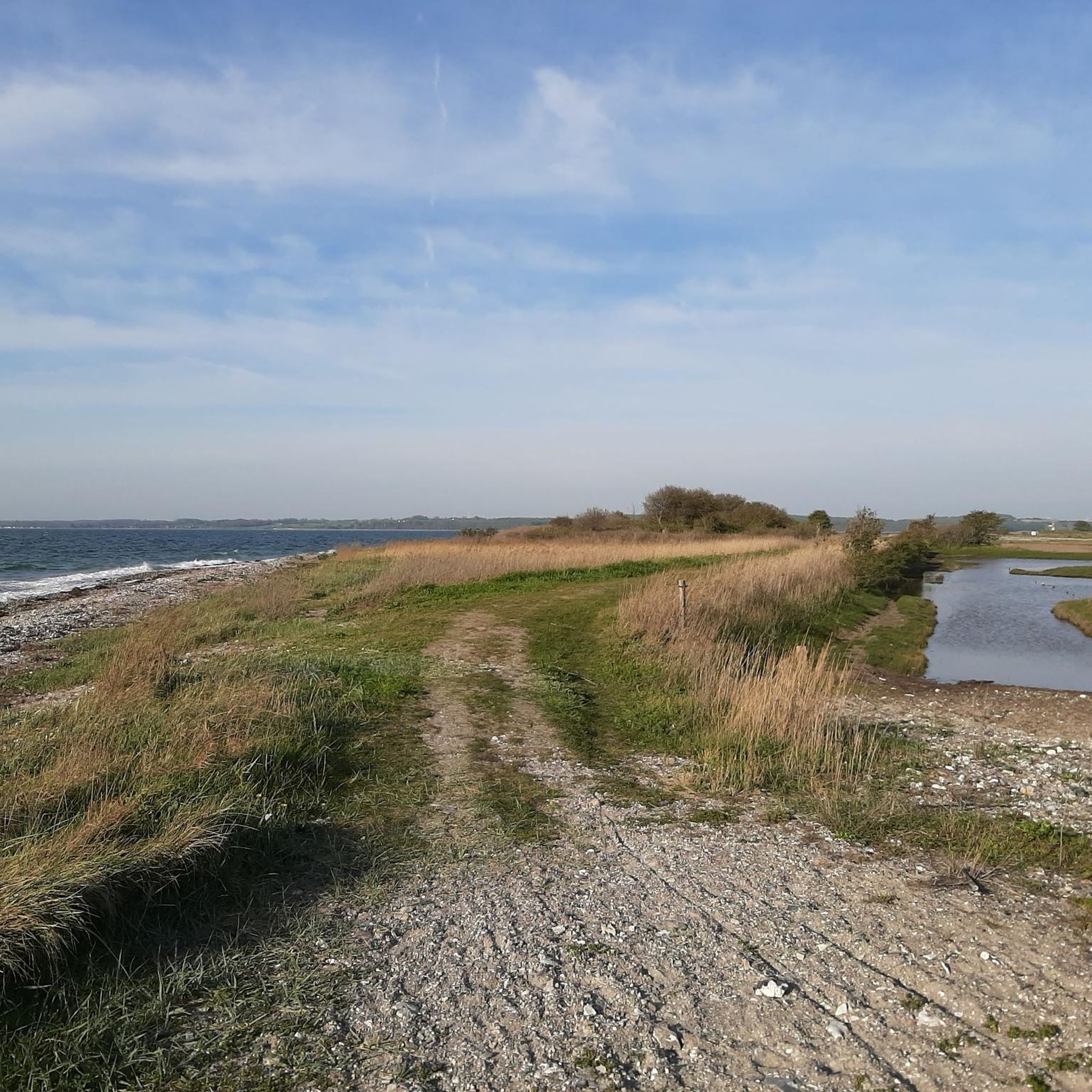
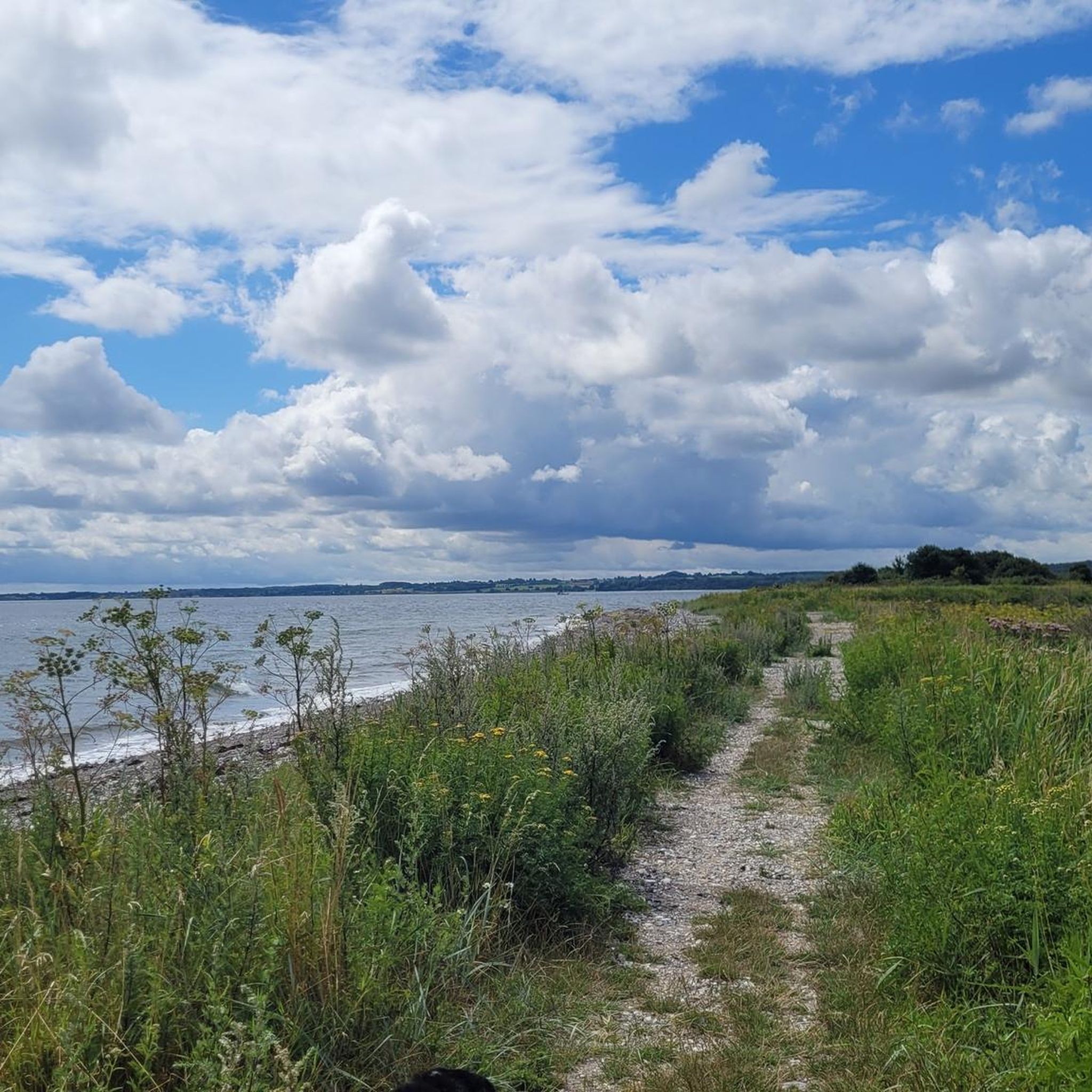
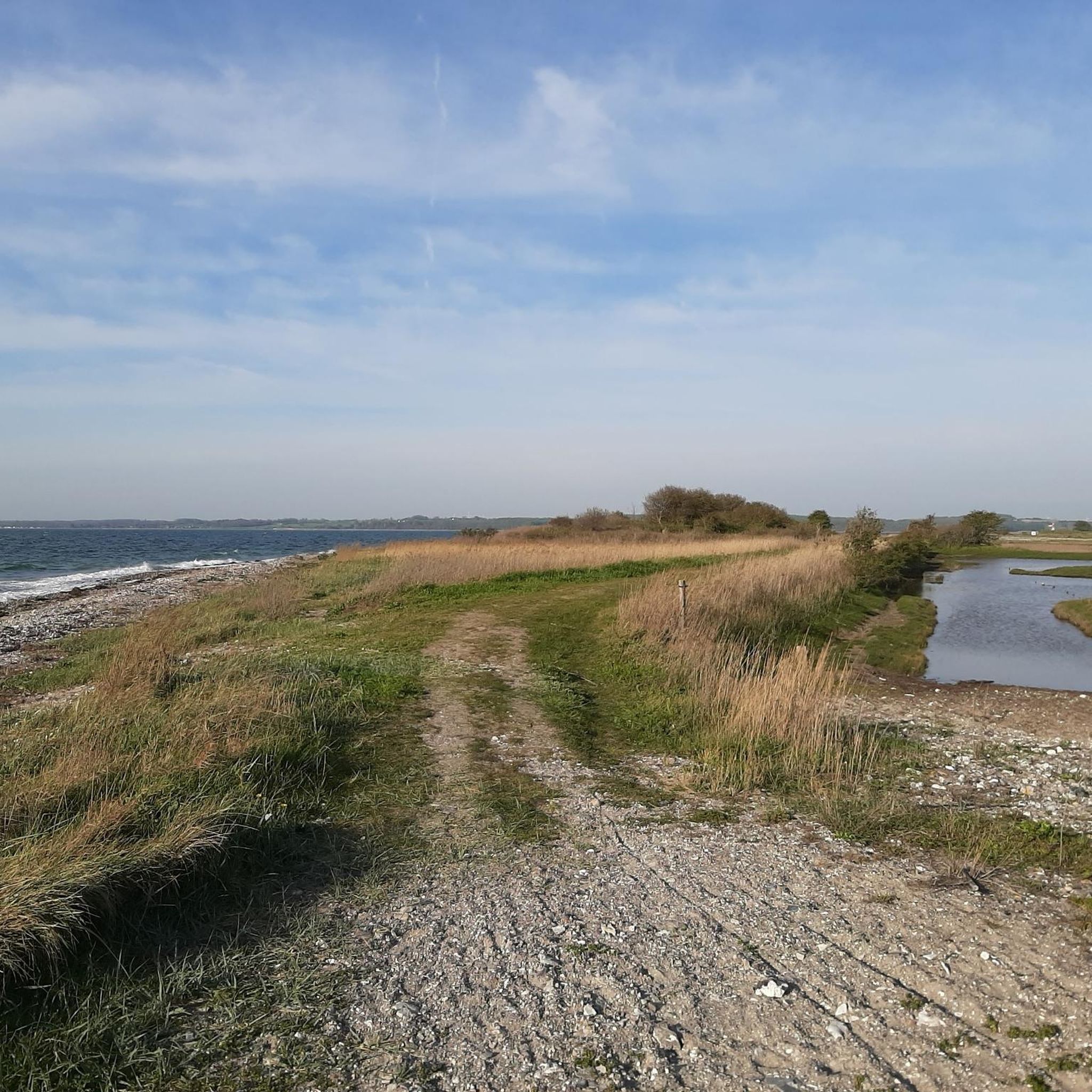
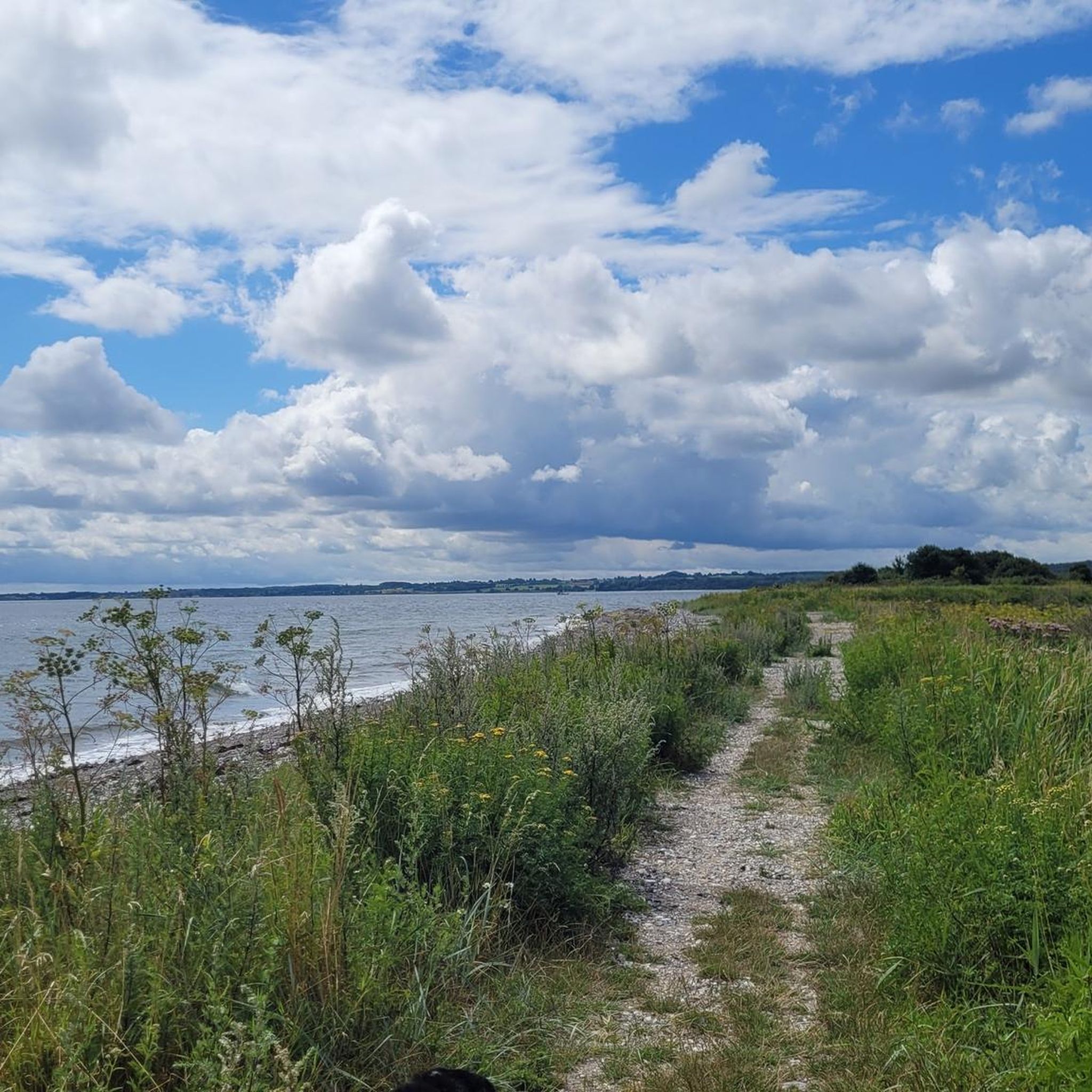
Touring cycling around Østerø Sø offers routes through a diverse landscape characterized by sand and gravel formations, salt meadows, and waterholes. The region is a Natura 2000 site, providing a habitat for a wealth of birds and unique flora. Many routes feature mostly paved surfaces, making them accessible for various skill levels. The area also includes the Knudshoved peninsula, offering scenic views and connecting to historical landmarks.
Best touring cycling routes around Østerø Sø
- The most popular touring cycling route…
Last updated: June 24, 2026
4.0
(2)
15
riders
9.08km
00:32
20m
20m
Easy bike ride. Great for any fitness level. Mostly paved surfaces. Suitable for all skill levels.
4.0
(1)
12
riders
22.5km
01:23
80m
80m
Easy bike ride. Great for any fitness level. Mostly paved surfaces. Suitable for all skill levels.

Sign up for free
5.0
(1)
6
riders
18.1km
01:17
40m
40m
Easy bike ride. Great for any fitness level. Mostly paved surfaces. Suitable for all skill levels.
5.0
(4)
15
riders
Easy bike ride. Great for any fitness level. Mostly paved surfaces. Suitable for all skill levels.
9
riders
Easy bike ride. Great for any fitness level. Mostly paved surfaces. Suitable for all skill levels.
Get access to more routes and recommendations from other explorers.
Sign up for free
Already have an account?
Our route recommendations are based on thousands of hikes, rides, and runs completed by other people on komoot.
Start today with a free account
Your next adventure awaits.
Login or Signup
Tips from the Community


In Nyborg, there is a square called Gammeltorv (Old Square). Originally, this was the square donated to the city by King Frederik II as a market square after the original, smaller market square near the church had become too small. Gammeltorv was an important location in the city before it underwent significant transformation in the 1930s. For example, in 1935, the Hotel Postgaarden, which was located there, was demolished. Today, the square has relinquished its central role as the main market to the newer, larger Torvet (simply "the square"), located directly in front of Nyborg Slot.
2
0
The old customs house (“Gammel Toldbod”) in Nyborg is located at Havnegade 2 and holds historical significance for the town. Today, the building houses the “Kiropraktorhuset Gammel Toldbod” (Chiropractic Practice Old Customs House). In earlier times, the building served as a customs house. This was because Nyborg was situated on an important waterway, the Great Belt, where ships had long been required to pay tolls to Denmark. The old customs house in Nyborg, like other similar buildings in Denmark, played a crucial role in monitoring shipping traffic to prevent the smuggling of goods. The building in its current form was constructed during a period when these customs controls were of paramount importance.
2
0

Holckenhavn Castle, built in 1579 in the Renaissance style with its moat and towers, is still a magnificent sight today
1
0
Nyborg Town Hall was first built in 1586. After the great fire of 1797, it was rebuilt in 1803 and remodeled in 1862, with an additional floor added. Since then, it has been renovated several times, most recently in 1970. Even today, it remains an impressive and worth seeing building. https://www.visitnyborg.dk/nyborg/planlaeg-din-tur/raadhuset-i-nyborg-gdk914692
2
0
The "Dyrehave Mølle" is one of the tallest mills in Denmark, with its 25 meters, seven floors, and a floor. It was built in 1858 using a large number of bricks. The Douglas fir sails measure 32 ells, approximately 20 meters in length, and are fitted with wooden sails. The windmill cap is lined with zinc sheets and features a small mill – a "fan frame" that turns the sails in the direction of the wind. In ancient times, the mill cap was manually turned into the wind, and the sails were covered with canvas. The finished products were loaded onto the wagon from the first floor. The second is a granary. On the third floor, the flour was filled into sacks. The large drive wheel is located on the fourth floor. The sails are also raised from here. The fifth floor is the elevator, the sixth is the dust floor, and the last is in the windmill cap. The mill has been owned by the Jensen family since 1916. https://www.visitnyborg.de/nyborg/reiseplanung/dyrehave-windmuehle-gdk613252
2
0
Nyborg Castle (Danish: Nyborg Slot, also Danehofslottet) is located in the town of Nyborg, about 29 kilometers southeast of Odense on Funen. The castle was built around 1170 by Duke Knud Prislavsen, a nephew of Valdemar the Great, for protection against the Wends. In 1282, Erik V. Glipping signed the first Danish charter (Danehof) here. Through this, the supreme court passed from the king to the Danehof, the first Danish parliament, which convened in Nyborg Castle. When Erik VII. moved to Copenhagen, the castle there became the center of royal power in Denmark until 1416. Nyborg, however, remained another royal residence. Later, the castle was used as an armory and granary. During the Count's Feud (1533–1536), the castle was conquered twice. Christian III. subsequently ensured an expansion of the castle and fortified it with a large rampart system. Christian IV. had the castle further expanded in 1607 by the Italian architect Domenicus Badiaz. During the war with Sweden (1658–1660), three-quarters of the castle was destroyed. The building material was partly reused in 1722 for the new construction of the castle in Odense. Nyborg itself remained a garrison town until 1913. After the dissolution of the garrison, the castle was reconstructed by Morgen Clemmensen from 1917–1923. Today, a museum is housed in the castle. Two half-towers and the gatehouse from Erik's time can still be visited. A wing with a large banqueting hall remains from the former royal palace. Three halls display Nyborg's history during the time of the Danehof, Queen Margarethe I, and Christian III. https://de.wikipedia.org/wiki/Schloss_Nyborg
3
0
Frequently Asked Questions
How many touring cycling routes are available around Østerø Sø?
There are over 90 touring cycling routes around Østerø Sø, offering a wide range of options for different preferences and skill levels. The komoot community has rated these routes highly, with an average score of 4.5 stars.
What is the typical terrain and difficulty level of touring cycling routes in Østerø Sø?
The routes around Østerø Sø feature a diverse landscape, including sand and gravel formations, salt meadows, and coastal paths. Many routes have mostly paved surfaces, making them accessible for easy rides. While most routes are easy or moderate, with 38 easy and 46 moderate options, there are also 8 more challenging routes for experienced cyclists.
Are there any family-friendly touring cycling routes in the Østerø Sø area?
Yes, many of the routes around Østerø Sø are suitable for families, especially those with mostly paved surfaces and gentle elevations. An easy option is the Slotsmøllen Nyborg – Nyborg Castle loop from Østerø Sø, which is just under 9 km and connects to the historic Nyborg Castle, offering an enjoyable ride for all ages.
What natural features and landmarks can I see along the cycling routes?
The Østerø Sø area is rich in natural beauty and historical sites. You can cycle through salt meadows, past waterholes, and along the scenic Knudshoved peninsula. Notable landmarks include Nyborg Castle, Holckenhavn Castle, and the Knudshoved Lighthouse. The area is also a Natura 2000 site, vital for birdwatching, with a dedicated tower near Østerø Lake for observing migratory birds.
Are there any circular touring cycling routes around Østerø Sø?
Yes, many of the touring cycling routes in the area are designed as loops, allowing you to start and end at the same point. Examples include the Nyborg Castle – Holckenhavn Castle loop from Hjulby Dyrehave, which passes two significant castles, and the Knudshoved Lighthouse – Nyborg Castle loop from Østerø Sø, offering scenic views of the peninsula.
What is the best time of year to go touring cycling around Østerø Sø?
The area around Østerø Sø is enjoyable for cycling throughout much of the year. Spring and summer offer pleasant weather for exploring the diverse landscapes and observing wildlife. Autumn can also be beautiful with changing foliage. While some routes are accessible year-round, it's always advisable to check local weather conditions, especially during winter months.
Are there options for parking near the touring cycling routes?
Yes, there are various parking options available in and around Nyborg and near popular starting points for the cycling routes. Specific parking information can often be found on local tourism websites or within the details of individual komoot tours.
Can I reach the Østerø Sø cycling routes using public transport?
Nyborg, being a central town, is well-connected by public transport, including train services. From Nyborg, many of the cycling routes are easily accessible. It's recommended to check local bus schedules and train connections to plan your journey to the starting points of the routes.
Are there any cafes or places to eat along the touring cycling routes?
Yes, especially in and around Nyborg town and along some of the more popular routes, you will find cafes, restaurants, and other establishments. For example, the Den Smalle Fish & Chips – View of the Great Belt Bridge loop from Nyborg suggests a specific eatery, and Nyborg Marina also offers dining options.
What makes the Østerø Sø area unique for touring cyclists?
The Østerø Sø area offers a unique blend of natural beauty and historical significance. Cyclists can enjoy diverse landscapes from salt meadows to coastal paths, observe rare flora and abundant birdlife, and visit historic sites like Nyborg Castle. The region is also part of the larger Baltic Sea Cycle Route, providing opportunities for both shorter loops and more extensive touring adventures.
What do other touring cyclists enjoy most about cycling in Østerø Sø?
The area is highly rated by the komoot community, with an average score of 4.5 stars from over 280 reviews. Reviewers often praise the varied terrain, the combination of natural beauty and historical landmarks, and the accessibility of many routes. The peaceful environment and scenic views, particularly along the coast and near the Great Belt Bridge, are frequently highlighted.
Can I cycle near the Great Belt Bridge?
Yes, some touring cycling routes offer views of the impressive Great Belt Bridge. For instance, the Den Smalle Fish & Chips – View of the Great Belt Bridge loop from Nyborg provides an opportunity to cycle with views of this significant landmark.
Most popular routes around Østerø Sø

Get inspired with the komoot mobile app


Explore more
Browse the best Cycling routes in other regions.
