The best traffic-free bike rides around Völkermarkter Stausee
4.6
(206)
5,911
riders
2
rides
Road cycling around Völkermarkter Stausee offers diverse landscapes, from rolling hills and green forests to the scenic Drau River valley. The region is characterized by well-maintained roads that traverse idyllic valleys and provide views of the Völkermarkt Reservoir. Cyclists can find routes that combine athletic challenge with serene scenery, often leading through charming villages and past cultural sites.
Best no traffic road cycling routes around Völkermarkter Stausee
- The most popular no traffic road cycling route is Klopeiner See – Stein Church loop from Kühnsdorf-Klopeiner See, a 46.9 miles (75.4 km) trail that takes 3 hours 23 minutes to complete. This moderate route explores the area around Lake Klopein and passes through varied Carinthian landscapes.
- Another top favourite among local road cyclists is Völkermarkt Reservoir Bridge – View of Griffen Castle Ruins loop from Kühnsdorf-Klopeiner See, a moderate 29.1 miles (46.9 km) path. This route offers views of the Völkermarkt Reservoir and the historic Griffen Castle ruins.
- Local road cyclists also love the Tainach Bridge over the Drava – View from Magdalensberg loop from Kühnsdorf-Klopeiner See, a 43.6 miles (70.2 km) trail leading through the Drava River valley, often completed in about 3 hours 25 minutes.
- Road cycling around Völkermarkter Stausee is defined by scenic reservoir views, river valleys, and rolling hills, with options for both leisurely rides and more demanding routes. The network offers options for different ability levels, from moderate to difficult.
- The routes in Völkermarkter Stausee are highly rated by the komoot community with an average score of 4.5 stars from over 180 reviews. More than 5000 road cyclists have used komoot to explore Völkermarkter Stausee's varied terrain.
Last updated: June 29, 2026
4.7
(3)
18
riders
Moderate road ride. Good fitness required. Mostly well-paved surfaces and easy to ride.
13
riders
Moderate road ride. Great for any fitness level. Some segments of this route may be unpaved and difficult to ride.

Sign up for free
3
riders
21.1km
01:09
190m
190m
Easy road ride. Great for any fitness level. Mostly well-paved surfaces and easy to ride.
Our route recommendations are based on thousands of hikes, rides, and runs completed by other people on komoot.
Start today with a free account
Your next adventure awaits.
Login or Signup
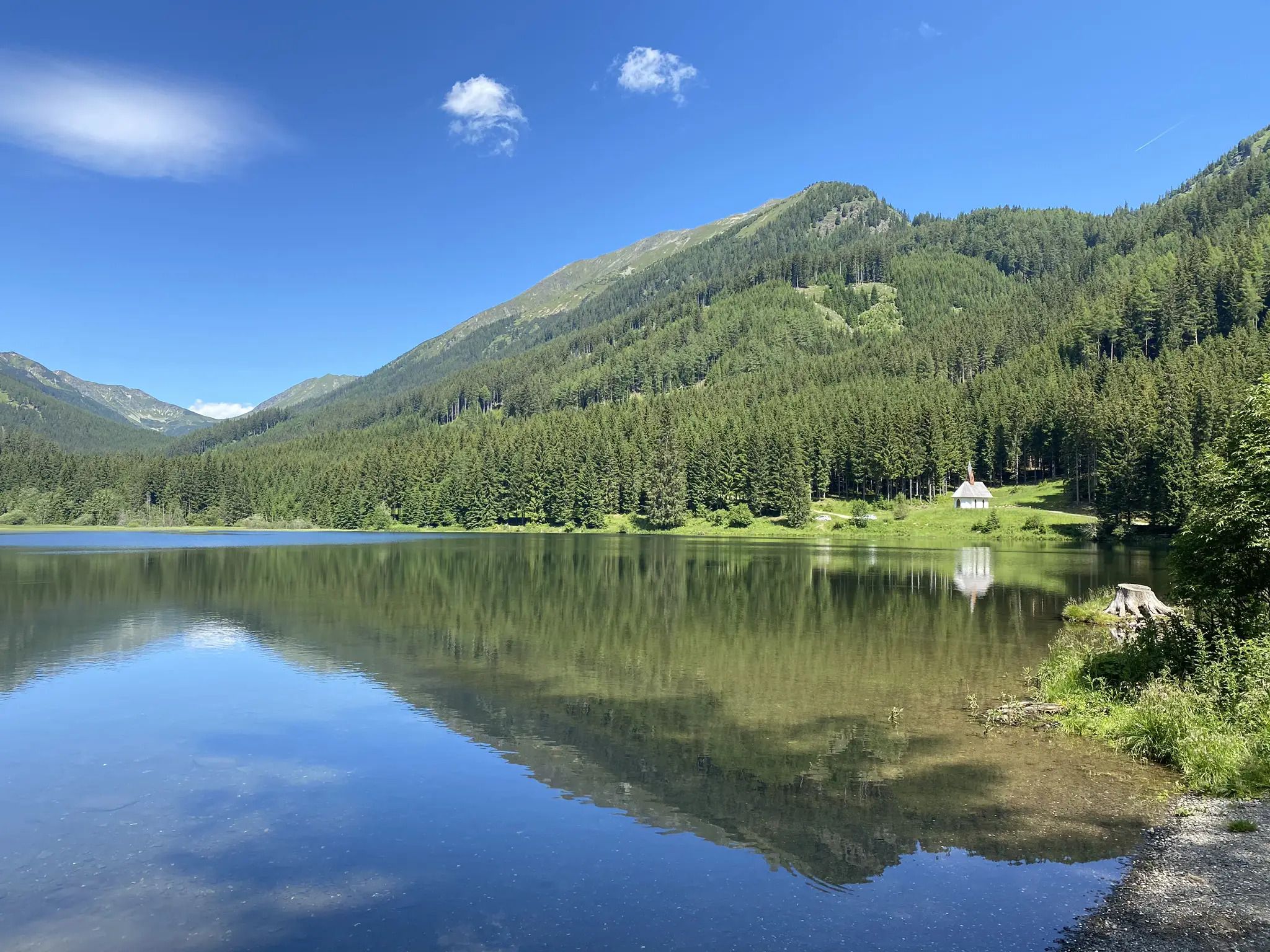
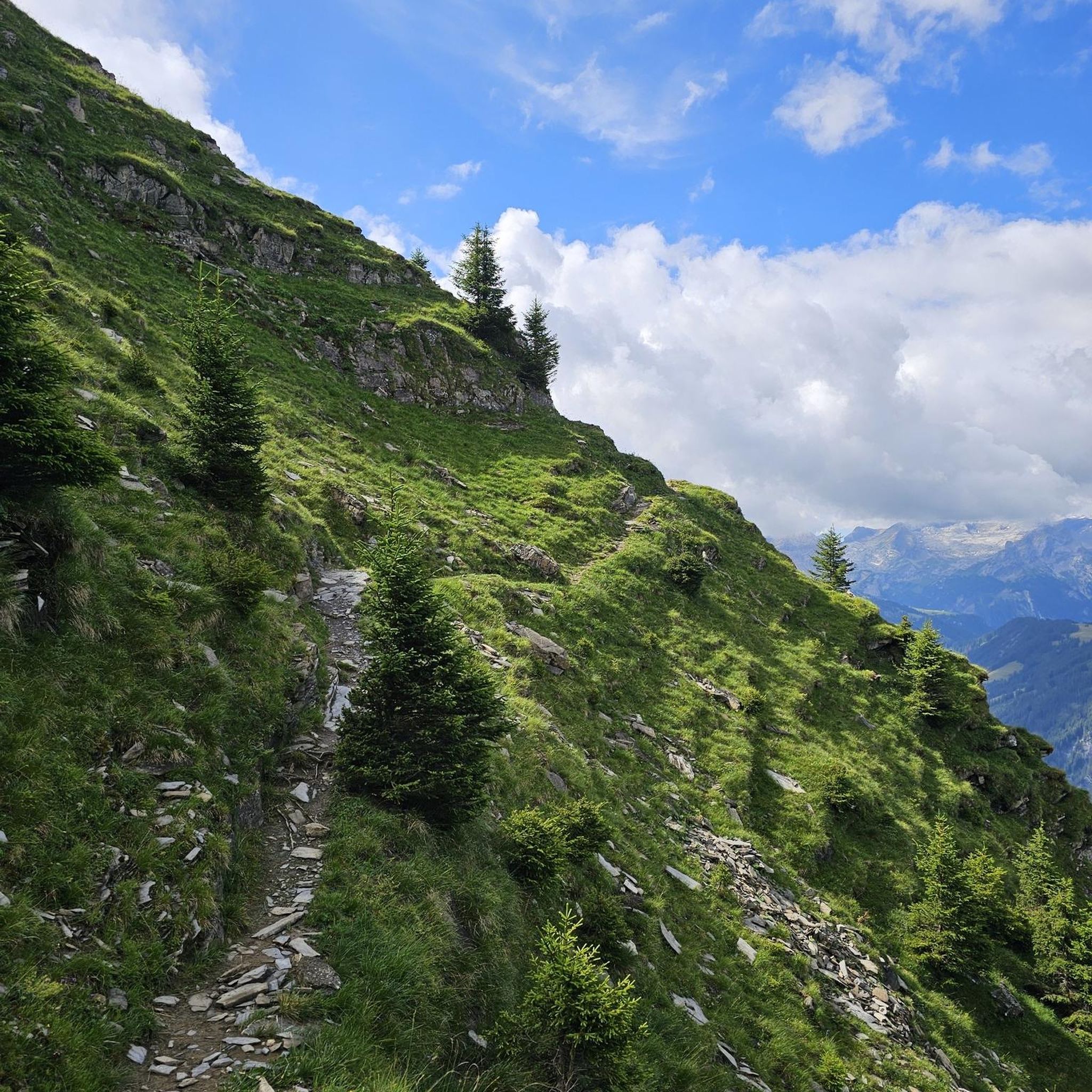
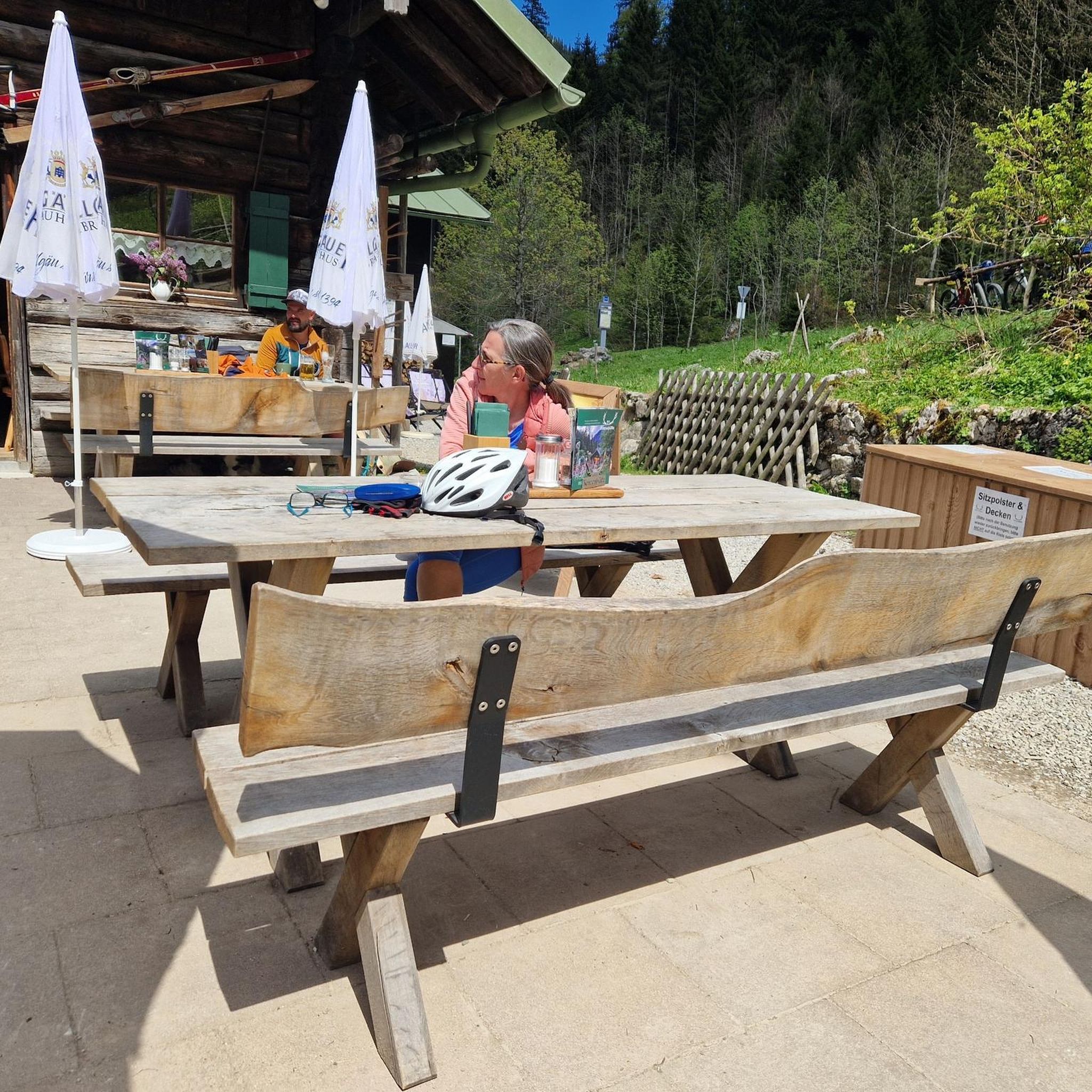
Other adventures around Völkermarkter Stausee

Tips from the Community

The Devil's Stone in the Jauntal valley near Globasnitz in Carinthia. According to legend, the rock was broken off the Petzen (a 2126 meter high mountain peak a little further south) by the devil in anger over an escaped soul and hurled into the Jauntal valley. The devil's thumbprint can still be seen on the front today.
3
0

Schloss Elberstein Fairy-tale castle built by oneself: Some build a house, others a castle. Ludmilla and Johann Elbe from Globasnitz show how to get a sweet castle with a coat of arms and a resounding name, even without millions in the bank.
2
0
Its name already suggests that the approximately six-meter-high structure made up of three rock blocks piled on top of each other cannot simply be a freak of nature. According to legend, the devil is not only the eponym, but is said to have had a hand in the construction of the stone himself. Seen from a distance, the walls of the stone initially appear quirky and crooked. Up close, however, a flat surface is revealed. This could have been formed either by the weather or by human hands. Several scientific studies have already dealt with this question as well as the question of the astronomical significance of the stone. Measurements have shown that the Teufelstein, together with the Königskogel and four old churches in the area, forms a geometric pattern in the shape of a dragon or deltoid. Another astronomical peculiarity is the orientation of the large, flat wall, which points to the axis of the great lunar solstice as well as that of the winter and summer solstices. According to scientists, this cannot be just a coincidence, but rather the stone tower was precisely aligned. (Source: http://www.calendersign.com/de/aa_teufelstein.php.3.8.2014) Perhaps it was the devil himself who placed the rocks on top of each other in exactly this way? In any case, the legend of the Devil's Stone says that the fallen angel Lucifer tried to build a tower to heaven on Christmas Eve. He would have had time until the second bell rang during communion to be taken back to heaven. When this attempt failed, he is said to have left the unfinished tower on earth in a rage and returned to hell himself. In any case, it seems certain that the Devil's Stone, as it is popularly known, has always had a special attraction for people. The Styrian poet Peter Rosegger once reported on a mass, the so-called "Teufelsteinkirtag", which is said to have taken place annually on St. Lawrence's Day at least until 1890. Now, more than 100 years later, around 500 people gather at the Teufelstein on the morning of the winter solstice to watch the sunrise. For a long time, the Teufelstein was considered a pagan cult site and was demonized by the church, but today the site is a mystical place that many people find to be filled with a unique atmosphere and power and that still poses a mystery to science.
2
0
The baroque church has a high ridge turret, a polygonal choir from 1678, a southern sacristy extension from 1717 and a western porch. The baroque architectural polychromy was restored during the restoration in 1998. A half-height pillar of a choir screen with a vine motif, birds and a cross is walled into the southern outer wall, which probably comes from one of the early Christian churches of the 5th/6th century on the Hemmaberg.
2
0
The Jaunstein branch church stands on a small wooded hill southeast of Jaunstein in the community of Globasnitz. The sacred building, dedicated to John the Baptist, belongs to the parish of Globasnitz. It is a listed building
2
0

Beautiful transition to the Gurktal, and connection to Christofberg or Magdalensberg
1
0
The Teufelsstein is a 6 m high carbonate rock that has come to rest in the middle of a field. The rock is flanked by a small-leaved linden tree and a pedunculate oak and surrounded by hazel bushes, on top of which there is a crucifix. The rock is overgrown with numerous drought-loving herbaceous plant species such as meadow sage, privet, blood-red dogwood, blackberries and raspberries.
2
0
The Roman Catholic branch church in Köcking in the market town of Eberndorf in Carinthia is dedicated to Saints Hermagoras and Fortunat. The church, first mentioned in 1454, belongs to the parish of Eberndorf.
1
0
Frequently Asked Questions
How many no-traffic road cycling routes are available around Völkermarkter Stausee?
There are currently 5 carefully curated no-traffic road cycling routes around Völkermarkter Stausee featured in this guide. These routes are designed to offer a serene cycling experience away from heavy vehicle traffic, allowing you to fully enjoy the beautiful Carinthian landscapes.
What is the best time of year for no-traffic road cycling in the Völkermarkter Stausee region?
The best seasons for road cycling around Völkermarkter Stausee are spring and summer, when temperatures are mild and nature is vibrant. Autumn also offers beautiful tours with colorful foliage, making for a picturesque ride. Winter conditions may make some routes less accessible or enjoyable for road cycling.
Are there any circular no-traffic road cycling routes around Völkermarkter Stausee?
Yes, several routes offer circular experiences, allowing you to start and end at the same point. For instance, the Klopeiner See – Stein Church loop from Kühnsdorf-Klopeiner See is a longer circular route, while the Völkermarkt Reservoir Bridge – View of Griffen Castle Ruins loop from Kühnsdorf-Klopeiner See offers a moderate circular option with scenic views.
What kind of terrain can I expect on these no-traffic road cycling routes?
The region around Völkermarkt offers diverse terrain. You can expect a mix of rolling hills and green forests, with routes traversing idyllic valleys and sometimes including more demanding climbs. While focused on no-traffic roads, some routes may still present elevation changes, such as the challenging Tainach Bridge over the Drava – View from Magdalensberg loop which features over 900 meters of elevation gain.
What are some notable landmarks or viewpoints along the no-traffic road cycling routes?
You'll encounter several interesting sights. The Völkermarkt reservoir bridge itself is a point of interest, offering great views of the Stausee. The Völkermarkt Reservoir Bridge – View of Griffen Castle Ruins loop provides glimpses of the historic Griffen Castle ruins. The region is also known for its natural beauty, including the Drau River where you might even spot beavers near the Beaver highlight.
Are there any easy no-traffic road cycling routes suitable for beginners?
While most routes are moderate, the Schloss Elberstein – Junction to Pirkdorfer See loop from St. Michael ob Bleiburg/Šmihel pri Pliberku is a shorter, moderate route with less elevation gain (around 147 meters), making it a good option for those looking for a less strenuous ride while still enjoying the no-traffic experience.
What do other road cyclists enjoy most about cycling in Völkermarkter Stausee?
The area is highly rated by the komoot community, with an average score of 4.5 stars from over 180 ratings. Reviewers often praise the quiet roads, the stunning natural scenery of the reservoir and surrounding lakes, and the well-maintained paths that make for an enjoyable and peaceful cycling experience.
Can I find places to eat or stay near the no-traffic road cycling routes?
Yes, the Völkermarkt region, including areas around Klopeiner See and Kühnsdorf, offers various amenities. You'll find charming communities with cafes, pubs, and accommodation options suitable for cyclists. The town of Völkermarkt itself serves as a gateway to Carinthian adventures and provides services for visitors.
Is public transport available to reach the starting points of these routes?
The Völkermarkt region is generally well-connected within Carinthia. While specific public transport options to each trailhead can vary, major towns like Völkermarkt and areas around Klopeiner See are accessible. It's advisable to check local bus or train schedules for the most up-to-date information on reaching your desired starting point.
Where can I park my car when starting a no-traffic road cycling route?
Parking is typically available in the towns and villages near the starting points of these routes, such as Kühnsdorf-Klopeiner See or Sankt Kanzian am Klopeiner See. Look for designated parking areas, especially near popular attractions or trailheads, to ensure convenient access to your chosen route.
Are there any cultural or historical sites to see while cycling?
Beyond the natural beauty, the Völkermarkt region has a rich history. The Völkermarkt Cultural Cycle Path, though not explicitly listed here, highlights the area's cultural significance, passing by sites like Neolithic settlements and ruined castles. You can also explore the historic town of Völkermarkt itself, which has a town museum.
Are there any routes that connect to the Drau Cycle Path?
Yes, the region around Völkermarkter Stausee is closely connected to the famous Drau Cycle Path (R1). The R6 Völkermarkter Radweg, for example, leads to the Völkermarkter Stausee at Neudenstein, where it connects with the Drau Cycle Path. This allows for extended cycling adventures along one of Carinthia's most scenic routes.
Most popular routes around Völkermarkter Stausee
Most popular attractions around Völkermarkter Stausee

Get inspired with the komoot mobile app


Explore more
Browse the best Road cycling routes in other regions.
