The best family-friendly hikes and walks around Venetian Lakeon
4.4
(3380)
42,243
hikers
119
hikes
Family friendly hiking trails around Venetian Lakeon offer a diverse landscape, primarily characterized by the unique wetland ecosystems of the Venetian Lagoon itself, alongside coastal paths and nearby rolling hills. The region features a complex network of islands, mudflats, and tidal shallows, providing flat, accessible terrain. Further inland, the landscape transitions to gentle hills and agricultural areas, offering varied scenery for family outings. This area is defined by its blend of aquatic environments and accessible land routes, making it suitable…
Last updated: July 12, 2026
8
hikers
1.35km
00:21
0m
0m
Easy hike. Great for any fitness level. Easily-accessible paths. Suitable for all skill levels.
3.8
(4)
25
hikers
2.45km
00:37
10m
10m
Easy hike. Great for any fitness level. Easily-accessible paths. Suitable for all skill levels.

Sign up for free
5
hikers
2.11km
00:32
0m
0m
Easy hike. Great for any fitness level. Easily-accessible paths. Suitable for all skill levels.
4.8
(65)
594
hikers
Moderate hike. Good fitness required. Easily-accessible paths. Suitable for all skill levels.
4.8
(86)
490
hikers
Moderate hike. Good fitness required. Easily-accessible paths. Suitable for all skill levels.
Get access to more routes and recommendations from other explorers.
Sign up for free
Already have an account?
Our route recommendations are based on thousands of hikes, rides, and runs completed by other people on komoot.
Start today with a free account
Your next adventure awaits.
Login or Signup
Popular around Venetian Lakeon
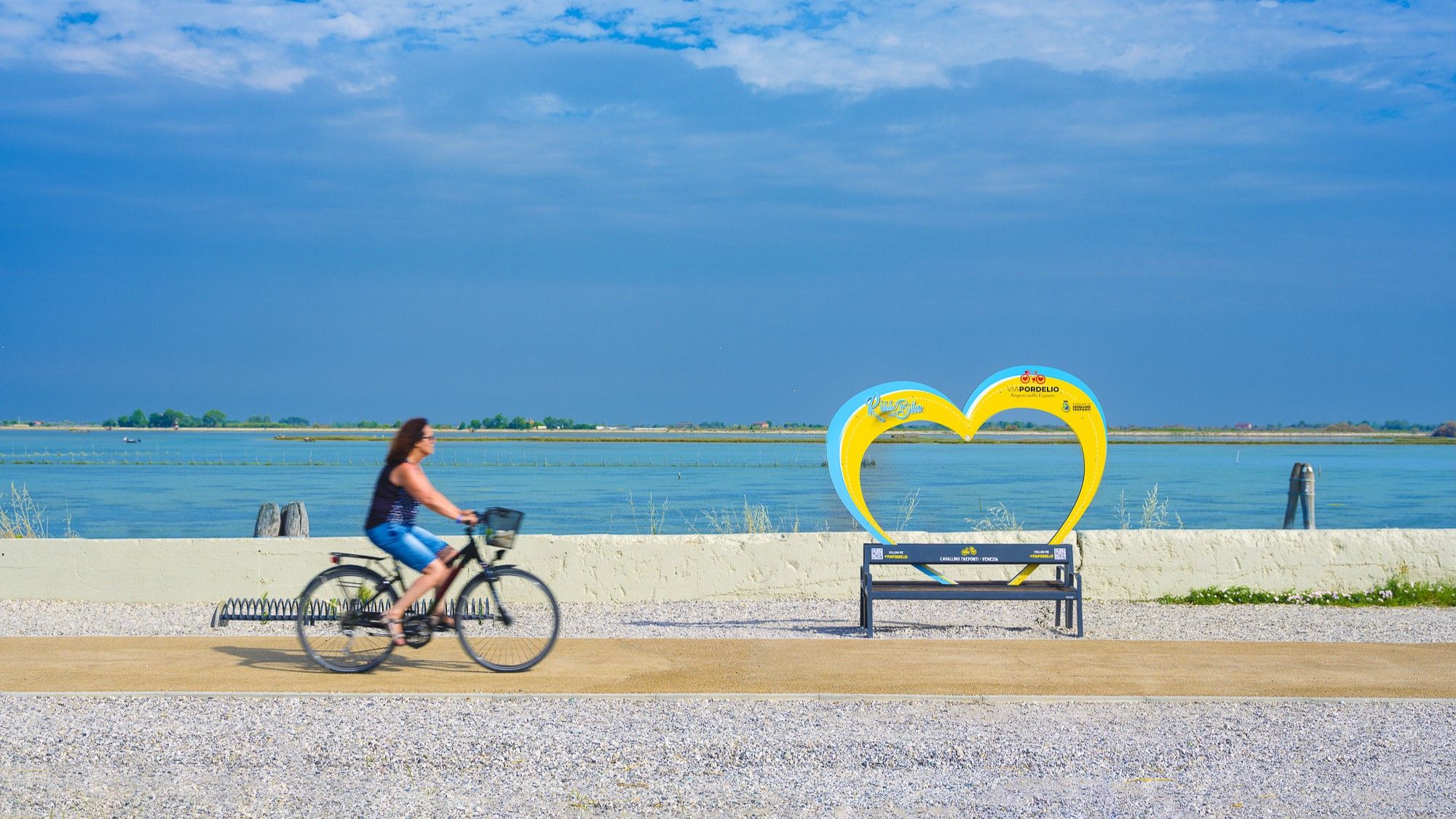
Cavallino Treporti by bike – routes to experience the lagoon
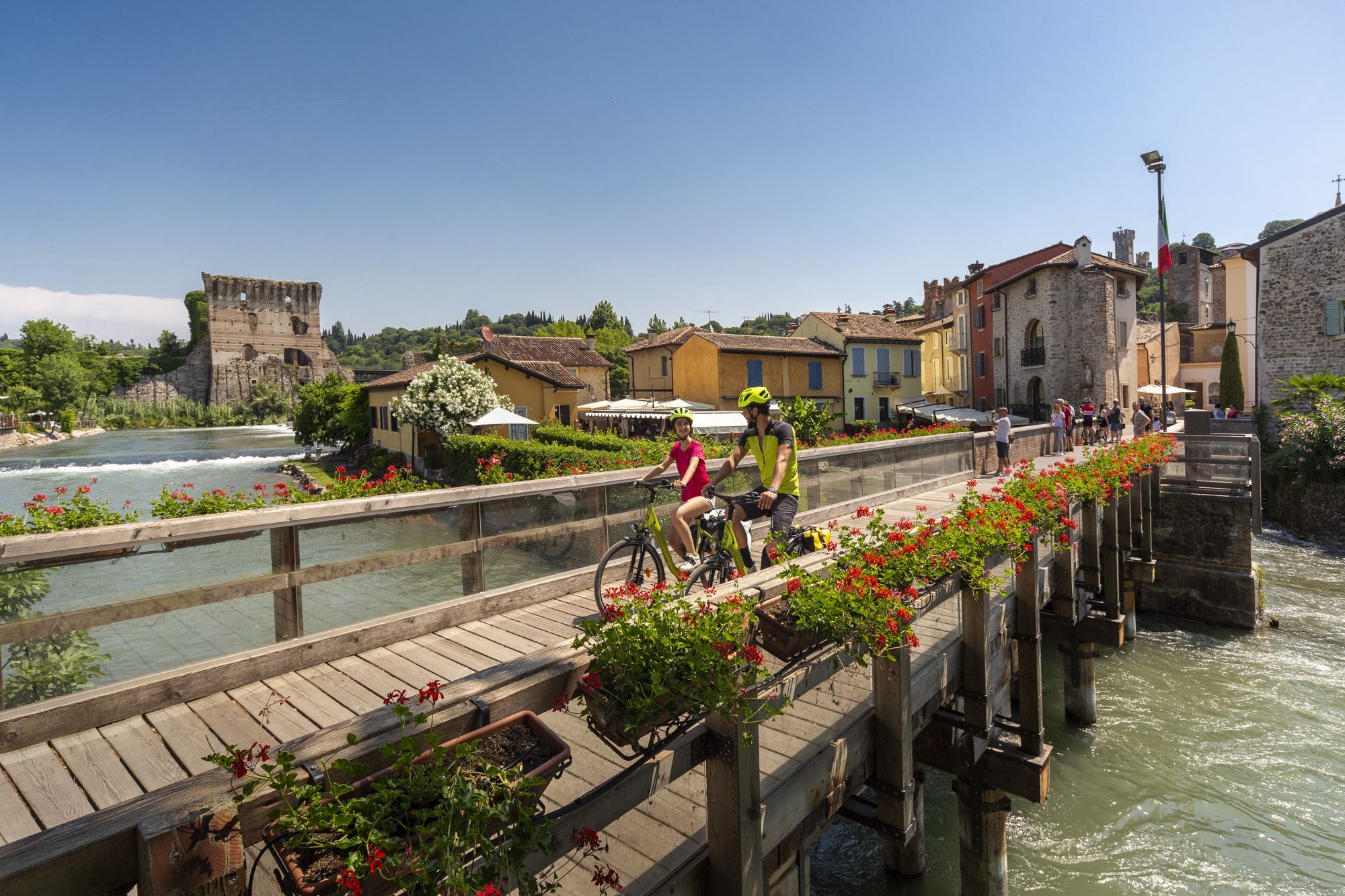
Explore Veneto at a slow pace – day trips by bike
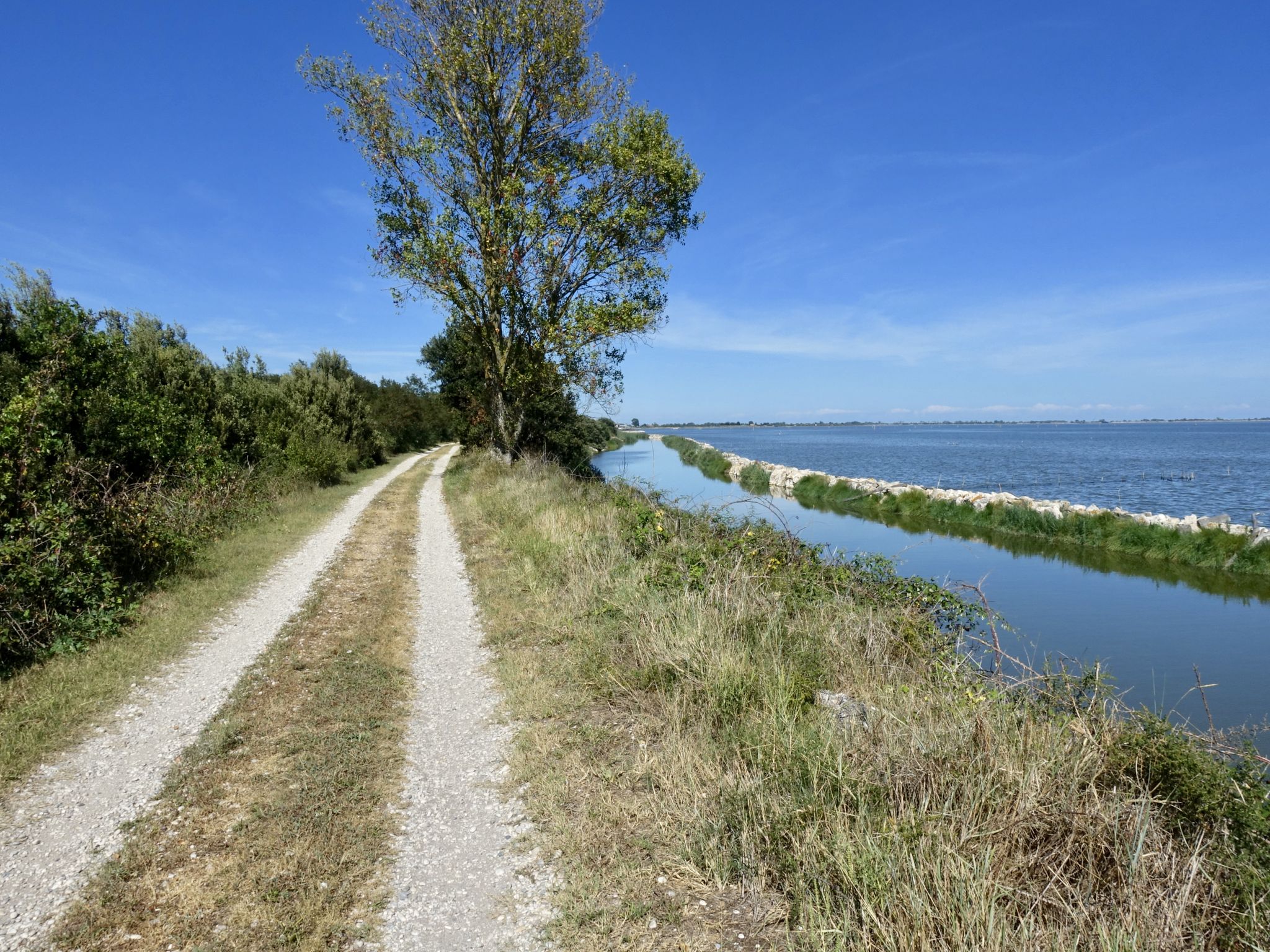
Bologna to Venice – along the waterways
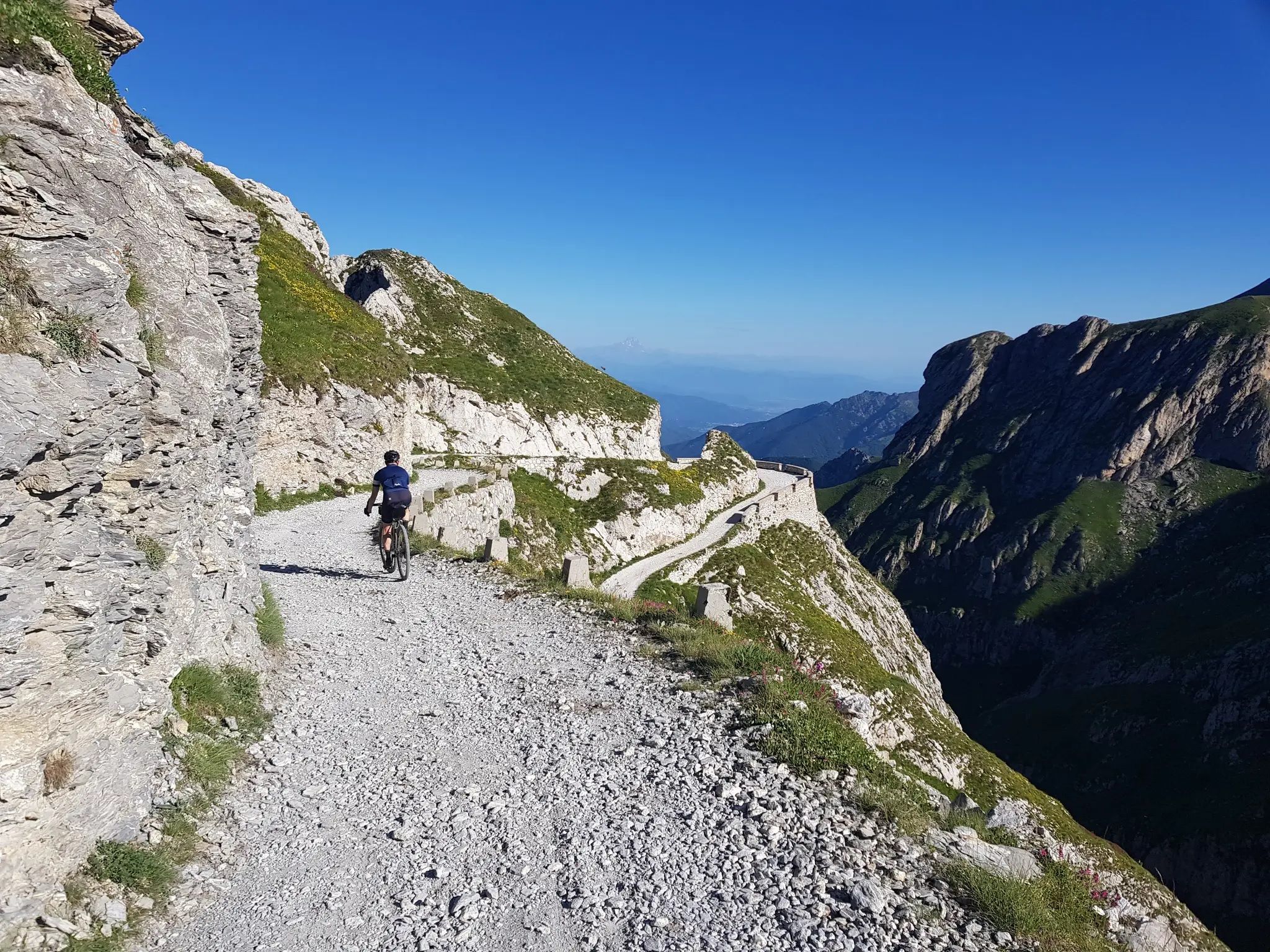
From the boot’s toe to the heel – the most beautiful cycling Tours in Italy
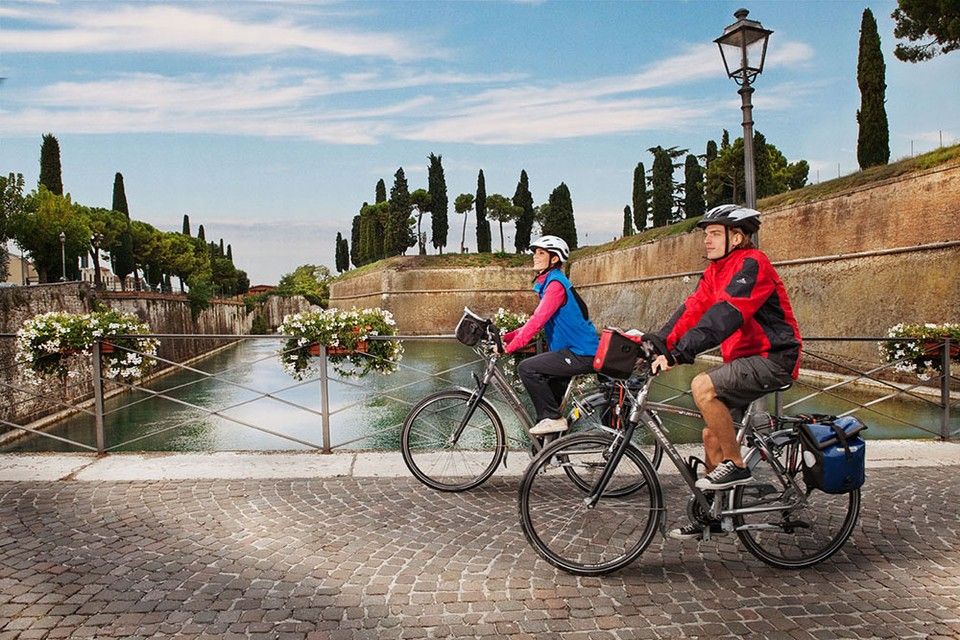
Between Lake Garda and the Adriatic Sea – cycle Tours in Italy’s Veneto
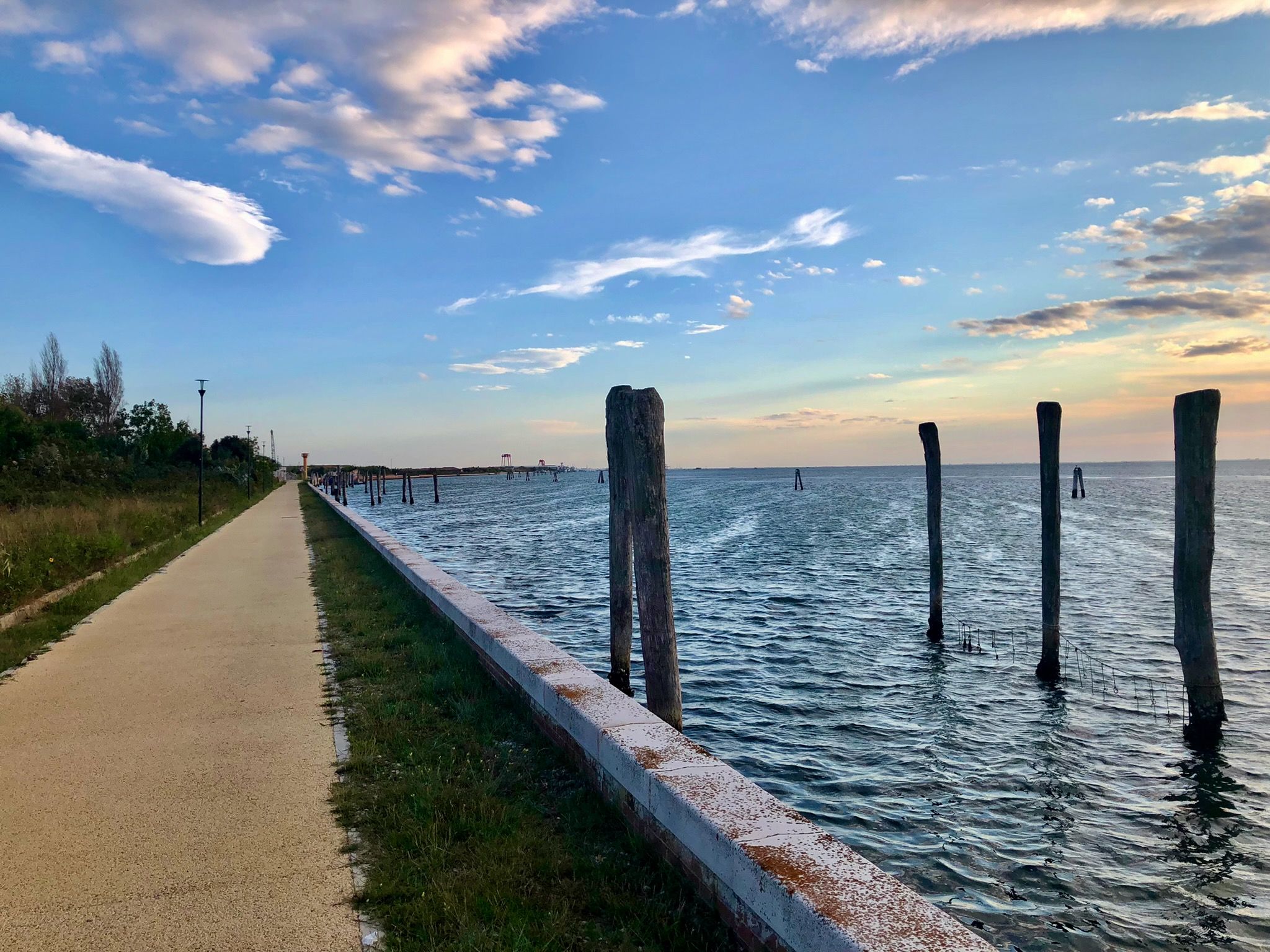
A different Venice – cycling on three lagoon islands
Other adventures around Venetian Lakeon


Tips from the Community

Simply breathtaking. The "Frari" in San Polo, along with "Zanipolo" in the north of Castello, is one of the two Gothic giants of the Serinissima. Impressive facade and an interior that has made art history. Among the most famous works are Titian's Assumption of the Virgin and Bellini's Madonna and Child; the list of remarkable paintings, sculptures, and architectural elements is long. Perhaps noteworthy are the fantastic choir stalls (15th century) or the pyramid planned by Canova for Titian's tomb. One can spend hours in this church studying the details and furnishings.
0
0
No Venice visit without the Grand Canal, that's clear. During peak hours during the day, it can indeed become quite annoying, all the selfie and posing fuss. For Venice newcomers: you can't beat a trip from the airport or train station with a private boat taxi, which travels along the Grand Canal and passes the Rialto Bridge. Then you've also seen the magnificent palace facades in peace, because it can get crowded on the Vaporetto.
0
0

The main artery of Venice, into which almost all other smaller canals flow
0
0

The Cathedral of Santa Maria Assunta represents the monumental heart of Chioggia, located at the southern end of Corso del Popolo. Rebuilt in the 17th century based on a design by Baldassarre Longhena after a fire destroyed the medieval building, the church features an imposing and sober facade, while the interior is a celebration of Venetian Baroque. The internal space is marked by wide naves housing pictorial masterpieces by artists such as Palma il Giovane and Pietro Liberi. Next to the cathedral stands the 64-meter-high Romanesque bell tower, on top of which is a lantern that historically served as a reference point for sailors. This complex is not just a religious center, but an architectural symbol that blends the solemnity of faith with the maritime history of the city.
0
0

Chioggia Cathedral The bishop's see, which had been located in Malamocco since 1100 after massive coastal erosion and a tsunami rendered the area uninhabitable, was moved to Chioggia. Next to the ancient Porta di Santa Maria, the first cathedral in the Clodiense region was built. Dedicated to the Nativity of the Virgin Mary, it was, according to some legends, erected on the foundations of an old pagan temple dedicated to the goddess Concordia. With the establishment of the bishop's see, in 1264, by order of Bishop Enrico Grancarolo and with the approval of the Doge, the relics of Saints Felice and Fortunato were transferred to this new cathedral, and an altar was dedicated to them. The church remained undamaged even after the Chioggia War and, during that same war, served as a deposit for goods and booty divided among the victors. The building was destroyed by fire at Christmas 1623; only the saints' relics and a few other objects were saved. On the north side of the cathedral, four high reliefs remain, which certainly belong to the medieval church: two made of Istrian stone: the first depicts a warrior martyr saint (S. Felice or S. Fortunato), the second a Madonna and Child, set in a trefoil niche dating from the mid-14th century. Two more from the same period, made of Greek marble and set in a smooth, profiled frame, depict the Virgin of the Annunciation and the Archangel Gabriel. Text / Source: Municipality of Chioggia https://www.comune.chioggia.ve.it/vivere-il-comune/luoghi/cattedrale-santa-maria-assunta/
15
0
Vigo Bridge, Chioggia The Vigo Bridge is one of the most important symbols of Chioggia, also known as Little Venice. A major tourist attraction, the bridge tells the story of the lagoon city's centuries-old past. Already existing in 1408, the old bridge was already present during the war against Genoa. At that time, it was the site of the fighting, so it is inferred that it existed at least by 1379. The majestic bridge was restored in 1424, but it wasn't until 1478 that it was rebuilt in stone. The bridge's balcony is entirely covered with Istrian stone and features a marble balustrade. Rebuilt in stone in 1685, the bridge was designed by Giovanni Francesco Morosini. Its conversion was prompted by the excessively high maintenance costs associated with the wooden structure. Furthermore, the bridge was essential for the city and was considered a symbol of beauty and elegance. Therefore, the year 1685 was engraved in the center of the arch. Text / Source: viaggiamo.it https://www.viaggiamo.it/ponte-vigo-chioggia/
15
0

The Cathedral of Chioggia (Italian: Dom di Chioggia, Cattedrale di Santa Maria Assunta) is the main church in Chioggia, Italy, located in the southern part of the Venetian Lagoon. It dates back to 1627. The Baroque Cathedral of Santa Maria Assunta is also the cathedral of the Diocese of Chioggia and the largest building in the city of Chioggia in Veneto. An initial structure on the site was completed in 1110. From 1623 to 1674, it was reconstructed by the architect Baldassare Longhena, although the façade remains unfinished. Inside the church, there are many interesting works of art by renowned Venetian artists. https://www.venediginformationen.eu/inseln-der-lagune/insel-chioggia/chioggia-dom/chioggia-dom.htm
2
0
Frequently Asked Questions
How many family-friendly hiking trails are available around the Venetian Lagoon?
There are over 100 family-friendly hiking trails and walks around the Venetian Lagoon, with more than 80 of them rated as easy, making them perfect for families with children of all ages.
What do other hikers enjoy most about the family-friendly trails in this region?
The trails around the Venetian Lagoon are highly rated by the komoot community, with an average score of 4.5 stars from over 3,100 ratings. Hikers often praise the unique blend of lagoon scenery, charming island walks, and the accessibility of many routes for families.
Are there easy circular routes suitable for families with young children?
Yes, the region offers several easy circular routes perfect for families. For instance, the Island of Burano — ring tour is a delightful short walk through the colorful streets, and the Murano the Island of Glass — ring tour offers a pleasant stroll through another iconic island.
What interesting sights can we see along the family-friendly trails?
Many trails offer glimpses of the unique Venetian Lagoon ecosystem and historical landmarks. You can explore highlights like the Doge's Palace (Palazzo Ducale), enjoy views of San Giorgio Maggiore, or visit the Punta Sabbioni Lighthouse. The islands themselves, like Burano, are attractions with their vibrant houses and canals.
Are there any stroller-friendly or wheelchair-accessible trails?
While many paths on the islands and coastal areas are relatively flat, specific stroller-friendly or wheelchair-accessible trails can vary. The paved paths on islands like Lido di Venezia and Pellestrina, including the Lagoon Cycle Path between Pellestrina and San Pietro in Volta, are generally suitable for strollers. Always check individual route details for specific accessibility information.
Can I bring my dog on these family hikes?
Many outdoor areas around the Venetian Lagoon are dog-friendly, especially on the mainland and less crowded coastal paths. However, rules may vary on specific islands or in protected natural reserves. It's always best to keep your dog on a leash and check local regulations for each specific trail or island you plan to visit.
When is the best time of year for family hikes around the Venetian Lagoon?
Spring (April-May) and autumn (September-October) are generally the best times for family hikes. The weather is mild and pleasant, avoiding the summer heat and crowds. These seasons also offer beautiful natural scenery, from blooming flowers to vibrant autumn foliage.
Are there less crowded options for family trails away from the main tourist areas?
Yes, to avoid crowds, consider exploring the quieter coastal areas like Cavallino-Treporti or the more remote parts of Lido and Pellestrina, such as the Dune degli Alberoni Oasis or Ca' Roman Nature Reserve. These areas offer serene walks through natural habitats and fishing valleys, providing a peaceful escape.
Is parking available for family hikes, especially if we're driving?
Parking availability varies by location. For mainland access points to the lagoon, such as Punta Sabbioni or Fusina, there are often paid parking lots where you can leave your car before taking a ferry to the islands. For trails on the mainland, like those in the nearby Euganean Hills, parking is typically available at trailheads or nearby villages.
Are there places to eat or cafes along the family-friendly trails?
Yes, especially on the more populated islands like Burano, Murano, and Chioggia, you'll find numerous cafes, restaurants, and snack bars. Even in smaller coastal towns, there are usually options for refreshments. For longer, more remote trails, it's advisable to pack snacks and drinks.
Can you recommend a family-friendly coastal walk?
The Four steps for Chioggia — ring tour offers a lovely coastal experience, exploring the charming fishing town of Chioggia. Another great option is the Porta di Santa Maria – Chioggia bell tower loop from Chioggia, which provides a slightly longer walk with beautiful lagoon views.
How can we reach the trailheads using public transport?
Public transport, primarily vaporetto (water bus) services, is the main way to access many islands and coastal areas around the Venetian Lagoon. From Venice, you can take vaporetto lines to islands like Murano, Burano, Lido, and Pellestrina. Mainland access points like Punta Sabbioni are also well-connected by bus and ferry services.
Most popular routes around Venetian Lakeon
Most popular attractions around Venetian Lakeon

Get inspired with the komoot mobile app


Explore more
Browse the best Hikes in other regions.
