Réserve de biosphère du Mont Ventoux
Réserve de biosphère du Mont Ventoux
Top 3 Natural Monuments around Réserve de biosphère du Mont Ventoux
Best natural monuments around Réserve de biosphère du Mont Ventoux include diverse ecosystems and significant geological features. This UNESCO-designated Biosphere Reserve and Regional Natural Park is known for its varied climates and landscapes, often described as a condensed summary from the Alps to the Mediterranean. The region features the highest peak in the Vaucluse, Mont Ventoux, which presents a unique lunar landscape at its summit due to bare limestone scree. It offers a range of natural environments from Mediterranean vegetation…
Last updated: June 28, 2026
Mont Ventoux summit
Highlight • Summit
Translated by Google •
Tip by

North Viewpoint of Mont Ventoux
Highlight • Viewpoint
Translated by Google •
Tip by

Sign up now to discover places like this
Get recommendations on the best single tracks, peaks, & plenty of other exciting outdoor places.
Sign up for free
View from the Summit of Mont Ventoux
Highlight • Summit
Translated by Google •
Tip by

Mont Ventoux Summit and Scenic Climb
Highlight (Segment) • Summit
Translated by Google •
Tip by

Start today with a free account
Your next adventure awaits.
Login or Signup
Popular around Réserve de biosphère du Mont Ventoux
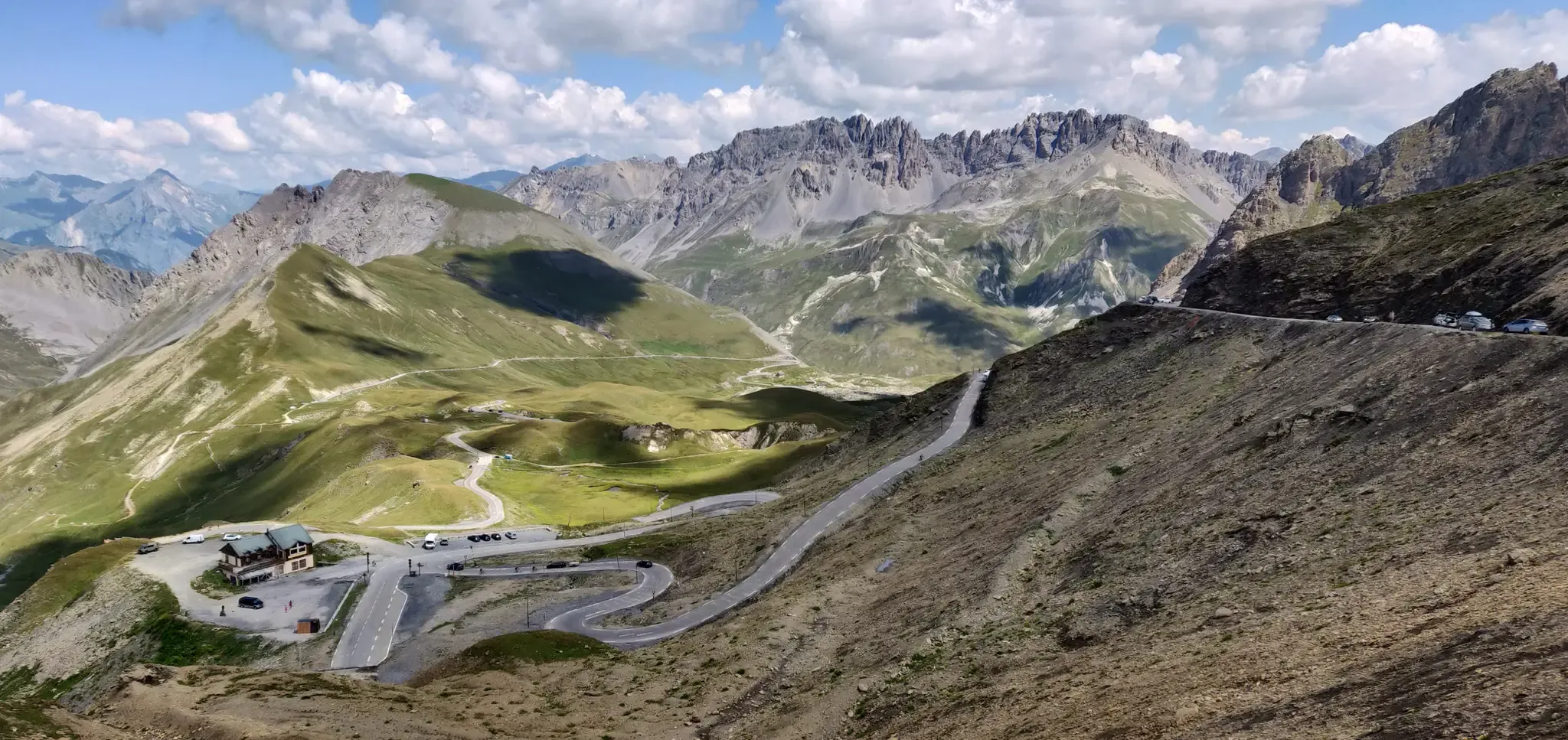
Legendary passes of the Tour de France
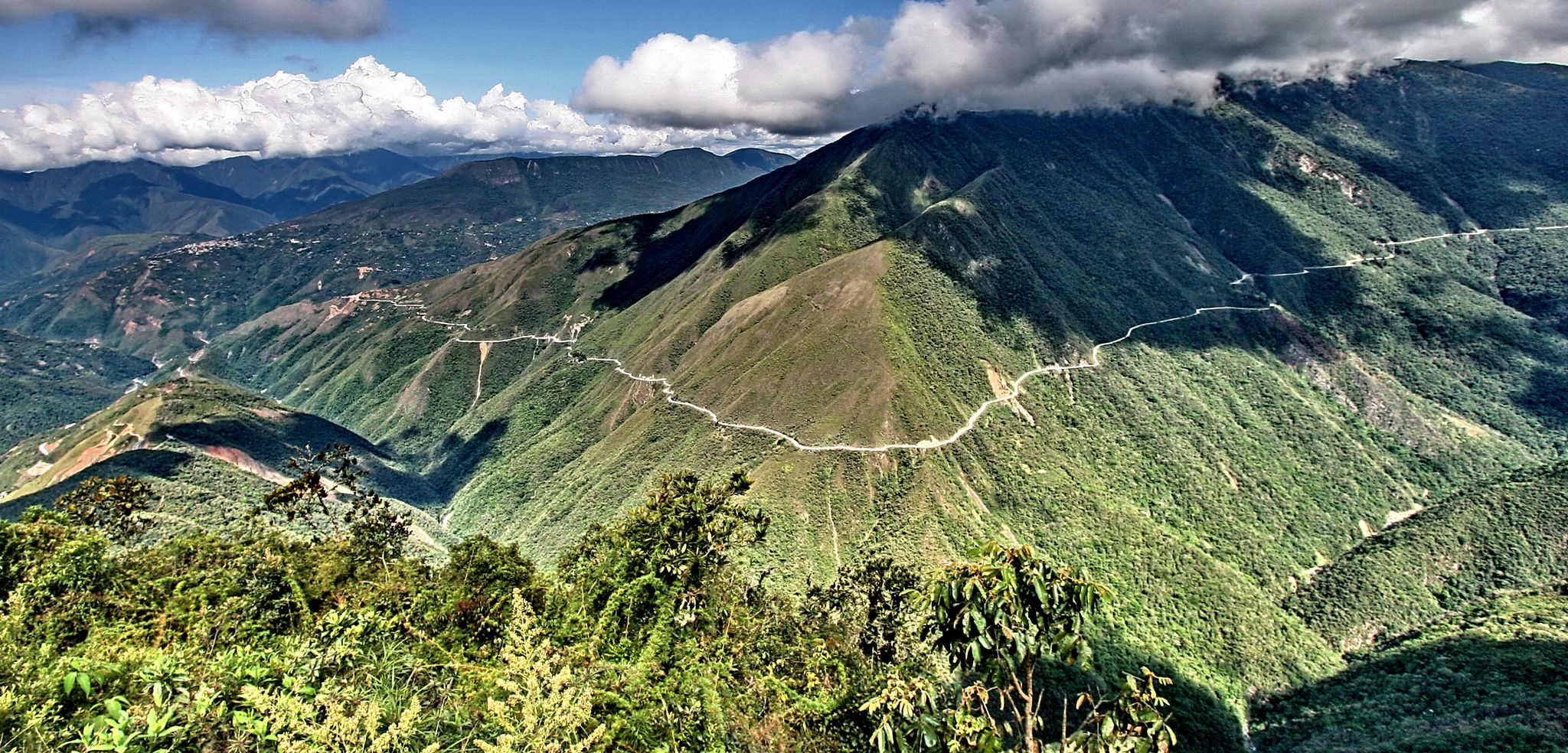
The world's most adventurous cycling passes
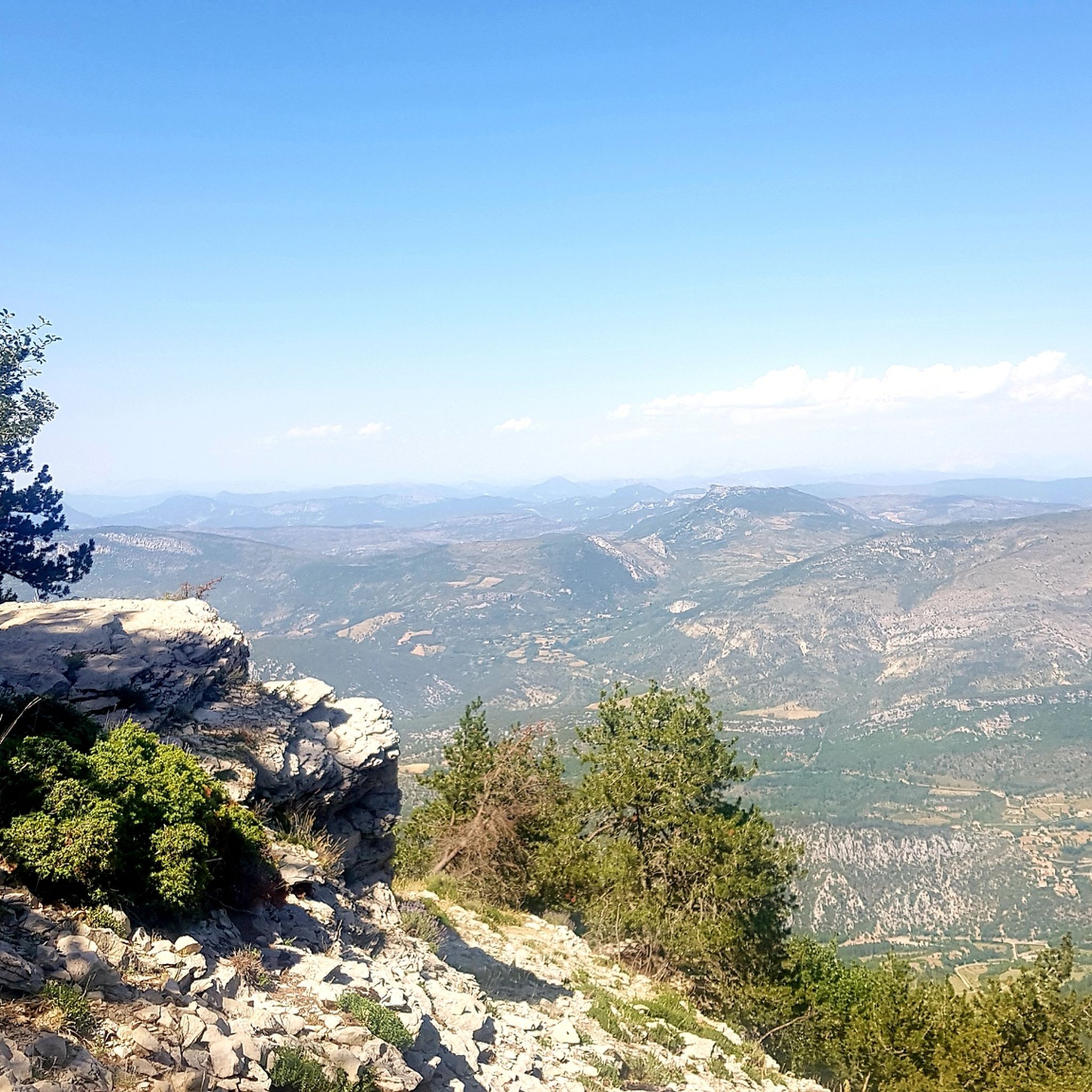
Hiking around Réserve de biosphère du Mont Ventoux
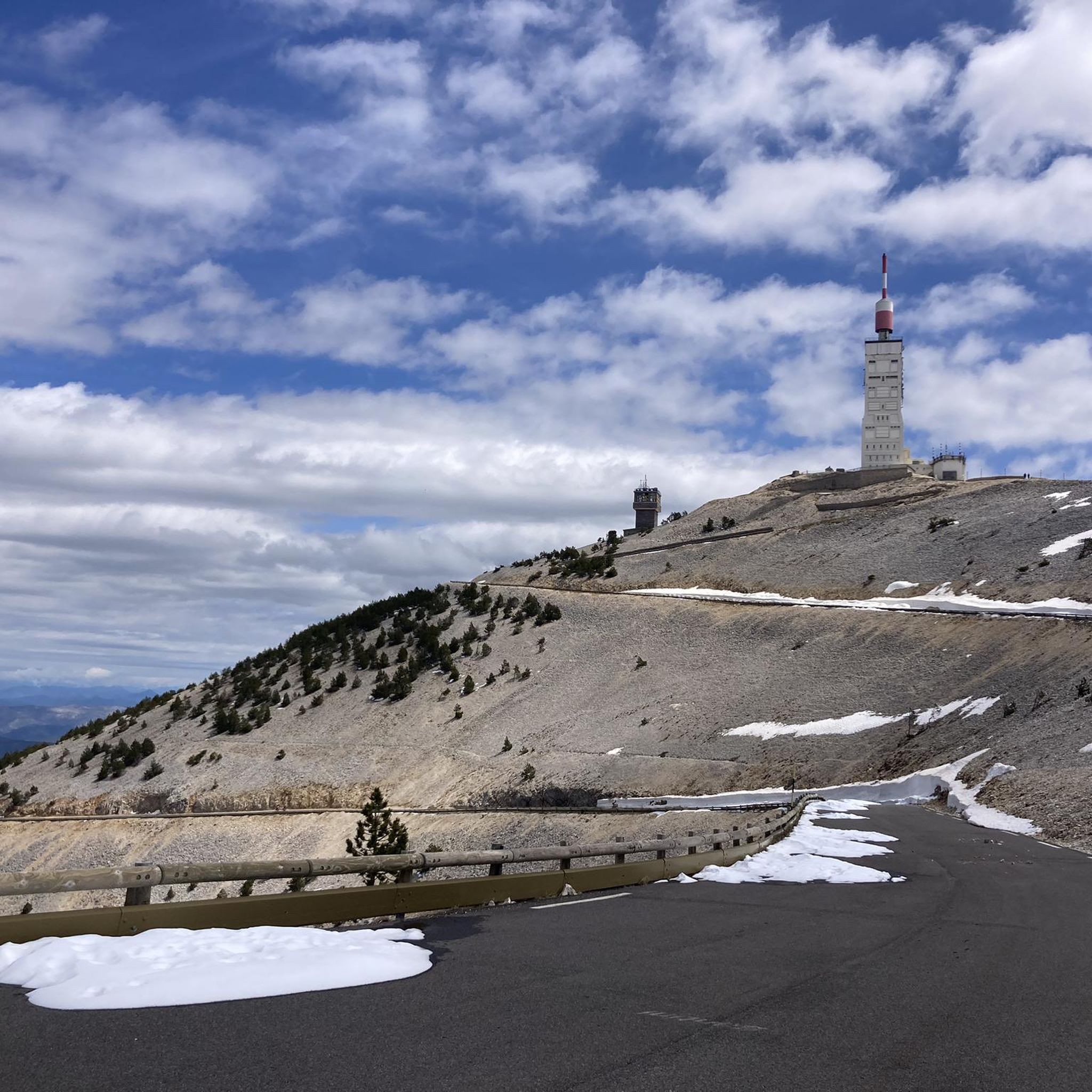
Road Cycling Routes around Réserve de biosphère du Mont Ventoux
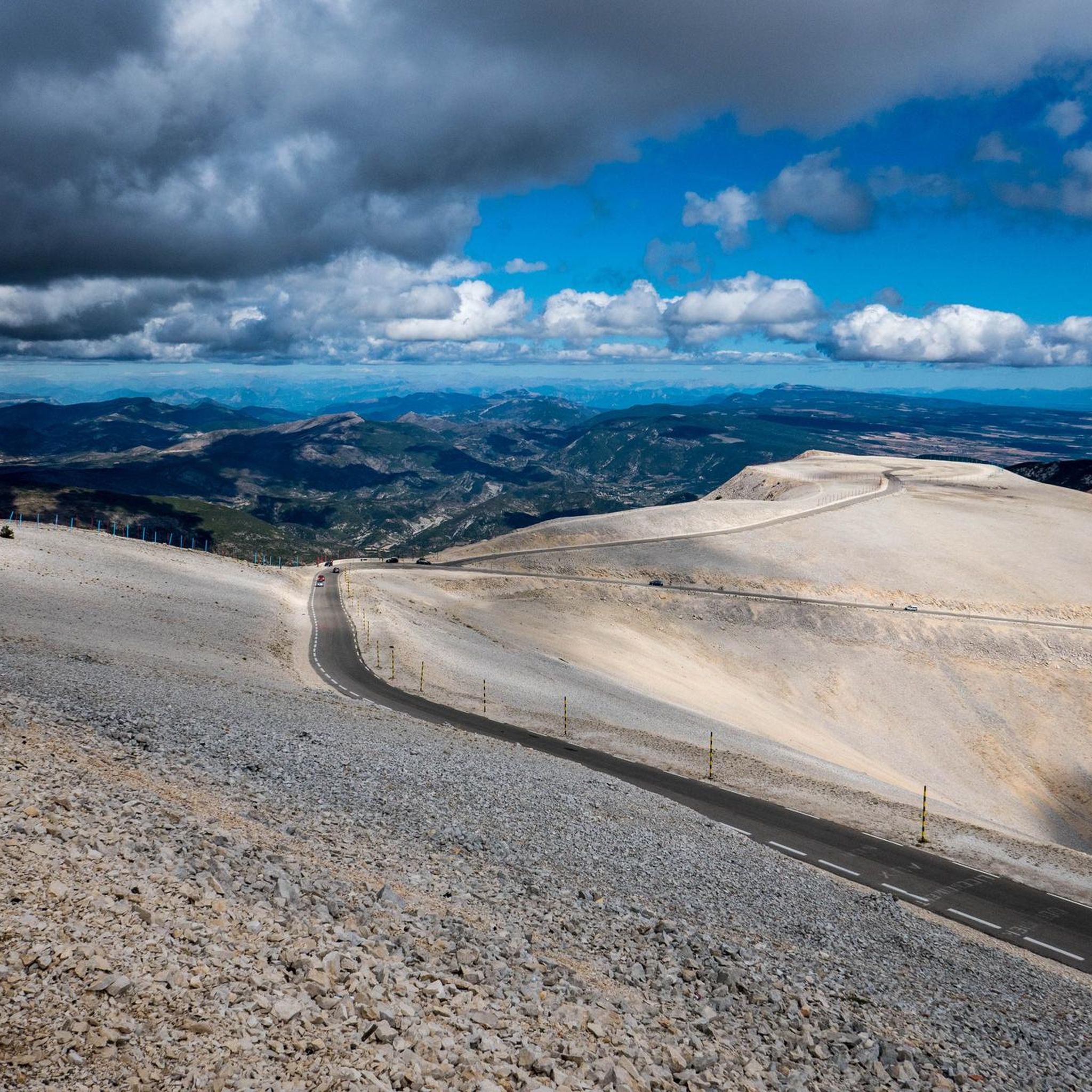
Gravel biking around Réserve de biosphère du Mont Ventoux
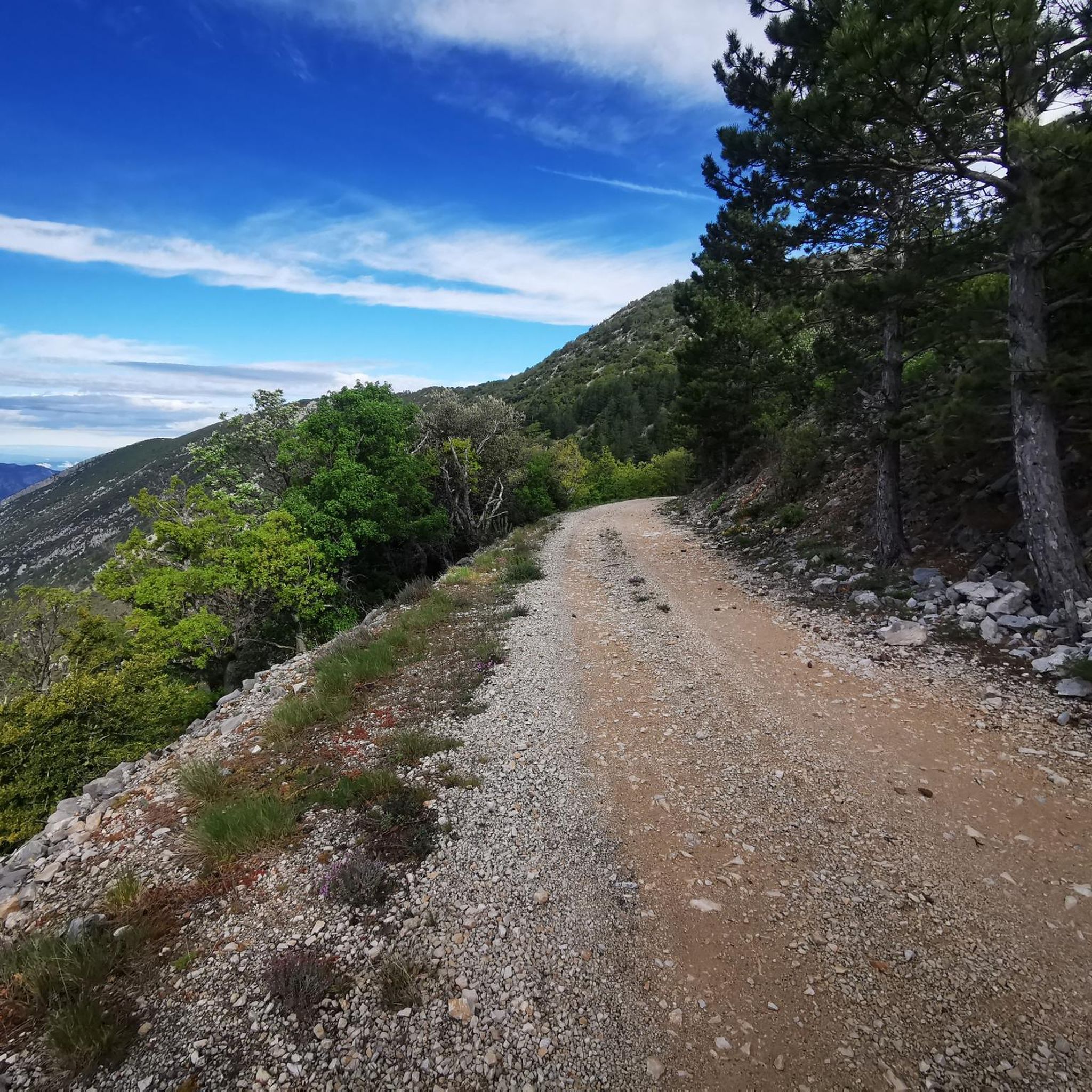
Cycling around Réserve de biosphère du Mont Ventoux
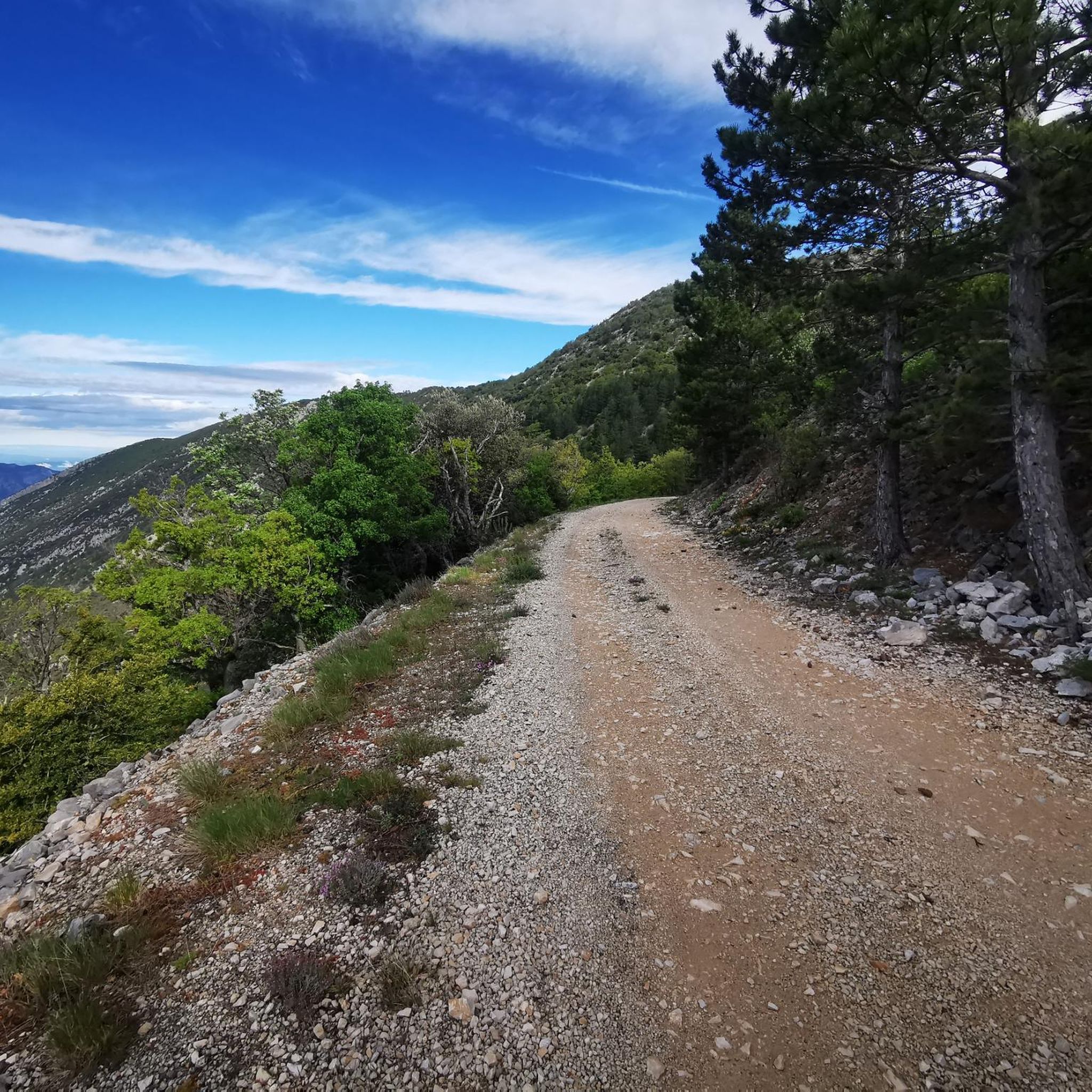
MTB Trails around Réserve de biosphère du Mont Ventoux
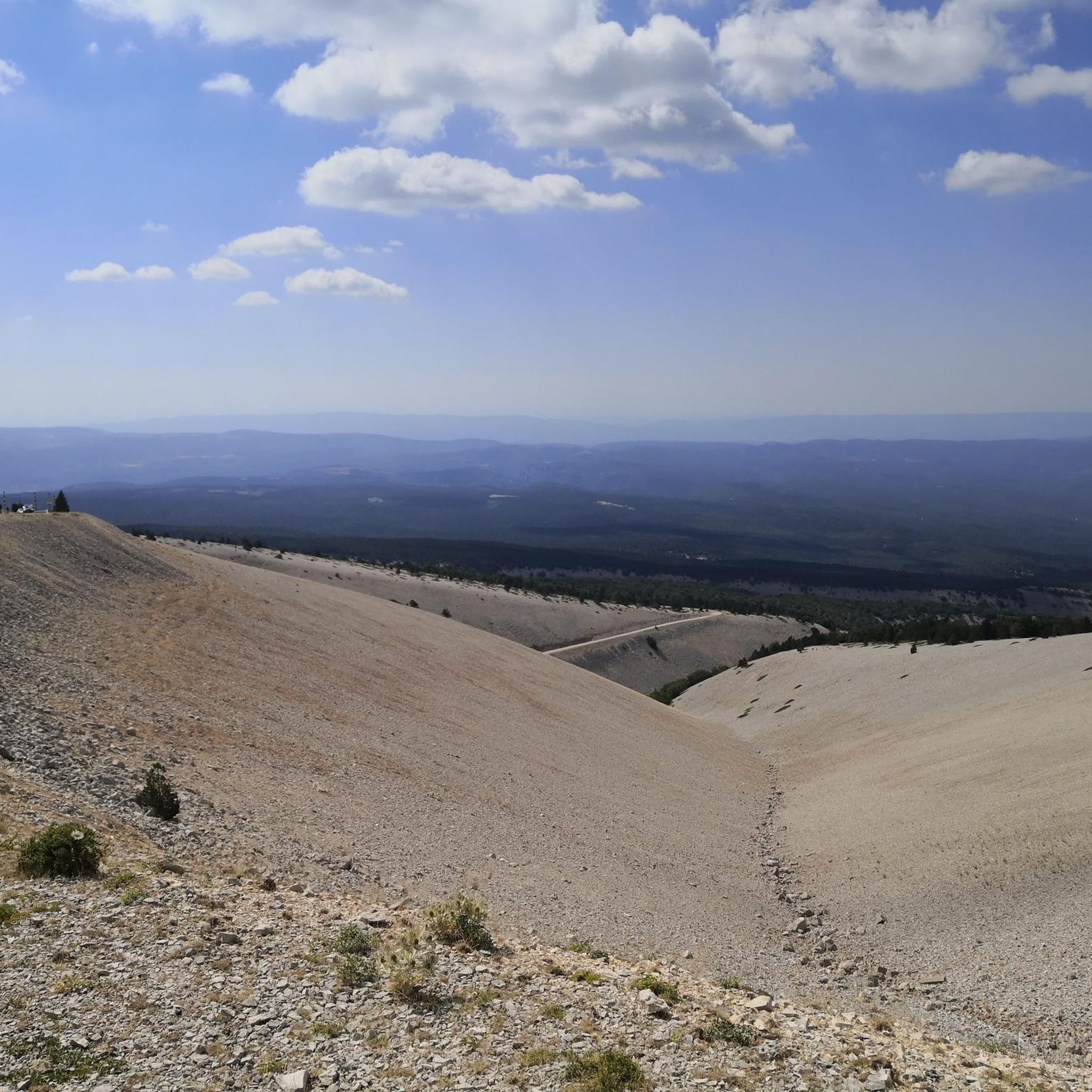
Running Trails around Réserve de biosphère du Mont Ventoux

Mountain Hikes around Réserve de biosphère du Mont Ventoux
Other adventures around Réserve de biosphère du Mont Ventoux

Tips from the Community

Beautiful trails, I recommend it, but you need to be in good physical condition 😆🤪💪💪
0
0

The gorges de la Nesque followed by the ascent of Mont Ventoux is beautiful but also a bit of a struggle.
0
0

The wind can be strong
0
0
Really nice route to drive
3
1

The giant of Provence is incredibly full of character
6
0

From this orientation table you will be able to put a name to the massifs and peaks that stand in front of you. Thus you will get to know the Baronnies or the Ecrins better.
1
0

It is on the square in front of the old summit observatory that most of the cyclists who climb Mont Ventoux meet because the sign “summit of Mont Ventoux 1,912 meters” is there and all the climbers of the whole world wants to take the famous photo. There is sometimes a queue. On this square are the Belvedere of Provence which offers views of the Albion plateau to the Mediterranean and the Belvedere of the Alps which opens onto the northern part. On a clear day, you can clearly see the department of Drôme, the Pre-Alps and the Alps. By climbing slightly to the base of the antenna, you will be able to read below written on the ground, in large figures, the new official measurement of the Giant of Provence by the IGN: 1,910 meters.
4
2
Frequently Asked Questions
What are the most popular natural monuments around Réserve de biosphère du Mont Ventoux?
The most iconic natural monument is undoubtedly Mont Ventoux itself, often called the "Giant of Provence." Its summit offers breathtaking 360-degree panoramic views, extending from the Alps to the Mediterranean Sea. Visitors particularly enjoy the unique "lunar landscape" near the top. You can explore more about the summit views here: View from the Summit of Mont Ventoux.
What kind of unique natural features can I expect to see in the region?
The region is a UNESCO Biosphere Reserve, showcasing a dramatic range of ecosystems. You'll find the barren, limestone scree of the Mont Ventoux summit, which gives it its "Bald Mountain" nickname. Lower down, the slopes transition from Mediterranean vegetation like Aleppo pines and lavender fields to Alpine species and coniferous forests. The area is also home to the spectacular Gorges de la Nesque, with its dramatic cliffside views and the iconic Rocher du Cire.
Are there family-friendly natural monuments or activities in the Réserve de biosphère du Mont Ventoux?
While some areas like the Mont Ventoux summit can be challenging, the lower slopes and other natural monuments offer gentler experiences. The La Cédraie (Cedar Grove), for instance, provides a serene and verdant environment perfect for family walks, showcasing a thriving habitat for wildlife. Exploring the scenic roads and viewpoints around the Gorges de la Nesque can also be a memorable family outing, with many accessible spots to enjoy the views.
What is the best time of year to visit the natural monuments?
The best time to visit depends on your planned activities. Spring (April-May) and autumn (September-October) offer pleasant temperatures for hiking and cycling, with vibrant flora in spring and beautiful colors in autumn. Summer (June-August) is ideal for enjoying the warmer weather, but be prepared for potential heat, especially at lower altitudes. The Mont Ventoux summit can experience extreme winds and cold even in summer, so always check local weather forecasts and bring appropriate layers.
What outdoor activities can I do near these natural monuments?
The region is a paradise for outdoor enthusiasts. You can enjoy extensive hiking, cycling, and gravel biking. Mont Ventoux is legendary for cyclists, and there are numerous trails for hikers of all levels. The Gorges de la Nesque and Toulourenc Valley also offer stunning routes for these activities. For inspiration on routes, check out the hiking guide, cycling guide, and gravel biking guide for the Réserve de biosphère du Mont Ventoux.
Are there specific hiking trails near the natural monuments?
Yes, there are many hiking trails. For example, around Mont Ventoux, you can find routes like the "Mont Ventoux – loop in the Mont-Ventoux Regional Natural Park" or the "Mont Ventoux Radar Dome – View loop." The Toulourenc Valley is also known for its wild character and offers excellent routes for hiking and mountain biking. You can find more detailed hiking routes in the hiking guide for the region.
What should I wear when visiting the natural monuments, especially Mont Ventoux?
Due to the significant altitude changes and varied climates, layering is key. Even if it's warm in the valley, the Mont Ventoux summit can be very cold and windy, sometimes below freezing. Bring warm layers, a windproof jacket, and gloves, especially in spring and autumn. Sturdy hiking shoes are recommended for trails, and sun protection is essential year-round.
What makes the Mont Ventoux summit so special for visitors?
The Mont Ventoux summit is special for several reasons: its unique "lunar landscape" of bare limestone scree, the challenging climb that makes it a legendary destination for cyclists (especially from the Tour de France), and the unparalleled panoramic views. From the top, you can see the Écrins Massif, the Cévennes, and the Rhône Valley, making it a truly unforgettable experience.
Can I explore the Gorges de la Nesque by car or only on foot?
The Gorges de la Nesque can be explored via a scenic cliffside road (D942), which offers numerous viewpoints like the Belvédère de St Hubert and Castellaras, providing magnificent perspectives from your vehicle. However, to truly immerse yourself in the awe-inspiring natural scenery, hiking and cycling routes are highly recommended within the gorges.
What is the ecological significance of the La Cédraie (Cedar Grove)?
The La Cédraie is a significant natural monument resulting from a successful reforestation effort. It's considered one of the largest cedar groves in Europe and is a highly diversified area, providing a complete range of habitats for various animal species. This includes large birds of prey, numerous nesting birds, and bush species, making it a vital ecological hotspot within the biosphere reserve.
Are there any geological features worth noting in the Réserve de biosphère du Mont Ventoux?
Absolutely. The most prominent geological feature is the Mont Ventoux itself, an outpost of the Alps, characterized by its distinctive bare, white limestone summit. This unique geology contributes to its "lunar landscape" appearance. The dramatic cliffs and formations of the Gorges de la Nesque also showcase the powerful geological processes that have shaped the region over millennia.
Most popular routes around Réserve de biosphère du Mont Ventoux
Most popular attractions around Réserve de biosphère du Mont Ventoux

Get inspired with the komoot mobile app


Explore more
Extend your search for the best caves by checking out these guides of the top ones around Réserve de biosphère du Mont Ventoux:
