The best traffic-free bike rides around National Park Serras Aire e Candeeiros
4.4
(60)
3,237
riders
13
rides
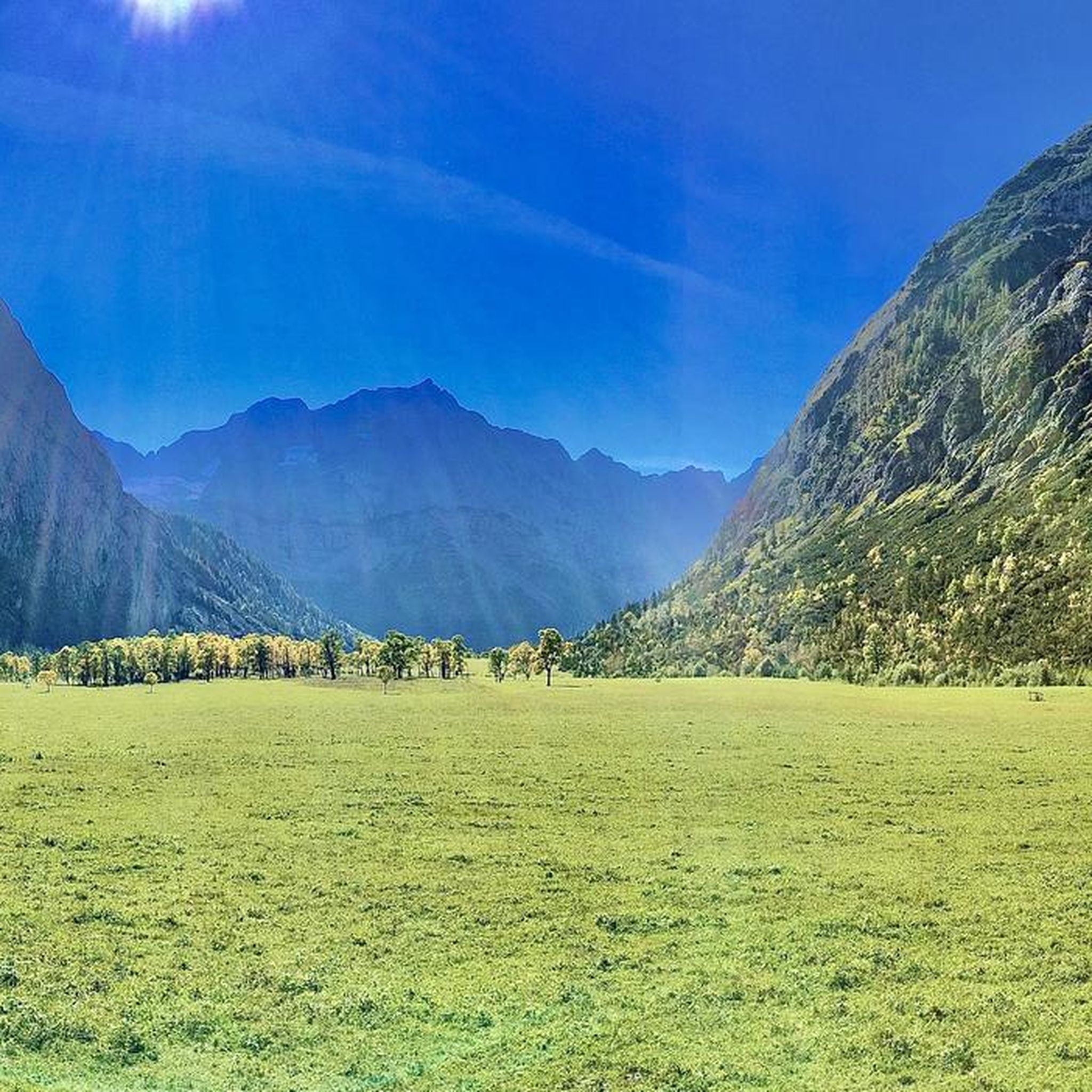
Road cycling around National Park Serras Aire e Candeeiros offers a distinctive experience through its unique karst landscape, shaped by limestone massifs and water erosion. The park features varied topography, from well-paved surfaces suitable for easy rides to more challenging ascents over mountainous clefts. This region in central Portugal provides a diverse environment for cyclists, with routes winding through olive groves and past traditional villages. The terrain includes a mix of gentle gradients and significant elevation gains, catering to a…
Last updated: August 22, 2026
7
riders
27.9km
01:23
420m
420m
Moderate road ride. Good fitness required. Mostly well-paved surfaces and easy to ride.
7
riders
Moderate road ride. Good fitness required. Mostly well-paved surfaces and easy to ride.

Sign up for free
8
riders
44.3km
02:10
630m
630m
Moderate road ride. Good fitness required. Mostly well-paved surfaces and easy to ride.
7
riders
31.4km
01:26
350m
350m
Moderate road ride. Good fitness required. Mostly well-paved surfaces and easy to ride.
3.0
(1)
6
riders
52.3km
02:44
570m
570m
Moderate road ride. Good fitness required. Mostly well-paved surfaces and easy to ride.
Get access to more routes and recommendations from other explorers.
Sign up for free
Already have an account?
Our route recommendations are based on thousands of hikes, rides, and runs completed by other people on komoot.
Start today with a free account
Your next adventure awaits.
Login or Signup
Popular around National Park Serras Aire e Candeeiros

Tips from the Community

Salt is extracted from shallow, concrete or stone pans of varying sizes, where saltwater drawn from a well is conveyed through ditches. Currently, the water is pumped by a motor and distributed according to a system that is generally accepted and respected (not always) by all the owners. Drainpipes, threshing floors, and wooden salt storage houses complete the complex known as the Rio Maior Salt Pans. According to technicians, a large and deep rock salt mine, traversed by an underground stream that feeds a well, makes the extracted water salty, seven times saltier than seawater. The salt is obtained from its exposure to the sun and wind, and the resulting evaporation of the water. This salt is deposited at the bottom of the pans, which are then piled up in pyramid-shaped heaps to dry until harvest. The process is rudimentary and similar to that used in seaside salt mines. The only difference is the picturesque valley that surrounds them, the well, the unique style of the sailors (as the men who work in the salt mines are known), the wooden houses and the country air that you breathe.
0
0

Malhou owes its name to the rhythmic sound of hammers and the shine of forges: in times past, this parish was famous for the talent of its blacksmiths, masters in the art of shaping iron with skill and strength. It was this craft that marked the identity of the land and gave it its name.
1
0
Salt is extracted from compartments – pits – made of cement or stone, of varying sizes and shallow depths, to which salt water is taken from a well through irrigation channels. Currently, the water is raised by means of a motor and distributed according to a system that is jointly accepted and respected (not always) by all the owners. The sewers, threshing floors and wooden houses for storing salt complete the set of what is called the Salt Mines of Rio Maior. According to technicians, a large and deep rock salt mine, crossed by an underground current that feeds a well, makes the water extracted from it salty, seven times saltier than that of the sea. The salt is obtained from its exposure to the sun and wind and the consequent evaporation of the water, deposited at the bottom of the pits, which is then placed in pyramid-shaped piles to dry until it is collected. The process is rudimentary and similar to that used in the salt mines on the seashore. The only difference is the picturesque valley that surrounds them, the well, the unique style of the sailors (as the men who work in the salt mines are known), the wooden houses and the country air that can be breathed.
3
0
Just three kilometres from Rio Maior, on the southern tip of the Serra dos Candeeiros, lie the only inland salt pans in Portugal, and the only ones still active in the whole of Europe. Surrounded by vineyards and cultivated fields, they are a true wonder of nature, as the sea is 30 kilometres away. Their history dates back to at least 1177, but it is said that rock salt has been mined since prehistoric times. The water, seven times saltier than that of the ocean, emerges from a well after passing through an underground deposit, leaving behind the pure vestige of an ancient sea.
1
0
The Rio Maior Salt Pans are located about 3 km from the city centre and are nestled in a valley at the foot of the Serra dos Candeeiros, in the heart of the Serras de Aire e Candeeiros Natural Park. Classified as a Property of Public Interest since December 1997, these are the only inland salt pans in Portugal, and the only ones in full operation in Europe. The first reference to their existence dates back to 1177, but it is thought that the use of rock salt was already being made in prehistoric times.
2
0

The Rio Maior Salt Pans are located about 3 km from the city center and nestled in a valley at the foot of the Serra dos Candeeiros, in the heart of the Serras de Aire e Candeeiros Natural Park. Classified as a Property of Public Interest since December 1997, these are the only inland salt pans in Portugal, and the only ones fully operational in Europe. The first reference to their existence dates back to 1177, but it is thought that rock salt mining has been practiced since prehistoric times. Surrounded by vineyards and farmland, they are considered a natural wonder, as the ocean is 30 km away. The salt is a vestige of the sea's presence in ancient times. The water, about seven times saltier than seawater, comes from a well after passing through a rock salt deposit. Visit the Salinas Tourist Office for information, maps, and guided tours. How to Get There: Latitude +39° 21' 52.57, Longitude -8° 56' 40.62
0
0
After the bridge, a small river beach. A pearl on the banks of the Alviela.
2
0

The Salinas de Rio Maior are located about 3 km from the city center and are located in a valley at the foot of the Serra dos Candeeiros, in the heart of the Serras de Aire e Candeeiros Natural Park. Classified as a Property of Public Interest since December 1997, these are the only inland salt pans in Portugal, and the only ones that are fully operational in Europe. The first reference to its existence dates from 1177, but it is thought that the use of rock salt would have been made since prehistoric times.
5
0
Frequently Asked Questions
How many no-traffic road cycling routes are available in National Park Serras Aire e Candeeiros?
There are over 20 dedicated no-traffic road cycling routes in the National Park Serras Aire e Candeeiros, offering a variety of distances and difficulty levels. This includes routes suitable for easy rides, as well as more challenging options.
Are there easy no-traffic road cycling routes suitable for beginners or families?
Yes, the region offers several easy no-traffic road cycling routes perfect for beginners or families. These routes typically feature mostly well-paved surfaces and manageable elevation gains. An example is the Salinas Rio Major – Salinas de Rio Maior loop from Alcobertas, which covers approximately 28 km with moderate elevation.
What kind of scenery and natural features can I expect to see while cycling?
The National Park Serras Aire e Candeeiros is characterized by its unique karst landscape, featuring limestone massifs, poljes, and rocky outcrops. You'll cycle through diverse flora, including native Portuguese and holm oaks, and may even spot some of the 35 species of orchids that bloom between February and April. Panoramic views, sometimes stretching to the Atlantic Ocean, are also a highlight.
Are there any interesting attractions or landmarks along the no-traffic road cycling routes?
Absolutely. Many routes pass by significant natural and historical sites. You can explore the ancient salt mines near Rio Maior, such as the Rio Maior Salt Pans, or visit historical sites like Porto de Mós Castle. The region is also famous for its extensive cave systems, including the Mira de Aire Caves, and the Fórnea, a natural rock formation with breathtaking views, which you can see near the Fórnea Waterfall.
What is the best time of year to go road cycling in National Park Serras Aire e Candeeiros?
The spring (February to April) is particularly beautiful, with orchids blooming across the landscape. Autumn also offers pleasant temperatures and vibrant colors. Summers can be warm, so early morning or late afternoon rides are recommended. Winters are generally mild, making cycling possible year-round, though some days might be cooler or wetter.
Are there challenging no-traffic road cycling routes for experienced cyclists?
Yes, for experienced cyclists seeking a challenge, there are routes with significant elevation gains. Some routes can extend over five hours and include more than 3,000 feet of elevation. An example of a more difficult route is the Cabeço Vedeiro loop from Alcanena, which covers over 76 km with more than 1200 meters of ascent.
Can I find circular road cycling routes in the park?
Many of the no-traffic road cycling routes in National Park Serras Aire e Candeeiros are designed as circular loops, allowing you to start and end at the same point. This makes planning your ride and logistics, such as parking, much more convenient. For instance, the Grutas de Santo António loop from Moitas Venda is a popular circular option.
Where can I park my car when visiting the no-traffic road cycling routes?
Parking is generally available near the starting points of many routes, especially in or near the villages and towns within the park. For example, you can often find parking facilities when starting routes from places like Rio Maior or near specific attractions. For the Salinas Rio Major loop, there's a starting point from Estacionamento do Parque das Bocas de Rio Maior which implies parking availability.
What do other road cyclists enjoy most about cycling in National Park Serras Aire e Candeeiros?
The area is highly rated by the komoot community, with an average score of 4.66 out of 5 stars. Reviewers often praise the unique karst landscape, the quiet roads perfect for no-traffic cycling, and the opportunity to combine rides with visits to historical sites and natural wonders like the famous caves and salt pans.
Are there cafes, pubs, or accommodation options near the cycling routes?
Yes, the towns and villages within and around the National Park Serras Aire e Candeeiros offer various amenities. You'll find cafes and restaurants where you can refuel, as well as guesthouses and hotels for accommodation. These services are typically concentrated in larger settlements like Rio Maior, Alcanena, and Porto de Mós, which are often starting points or pass-throughs for many routes.
Is public transport an option to access the cycling routes?
While public transport options exist to reach some of the larger towns surrounding the park, direct access to specific trailheads within the more remote areas of the park might be limited. It's advisable to check local bus schedules if you plan to rely on public transport, but having a car often provides more flexibility for reaching various starting points.
Most popular routes around National Park Serras Aire e Candeeiros
Most popular attractions around National Park Serras Aire e Candeeiros

Get inspired with the komoot mobile app


Explore more
Browse the best Road cycling routes in other regions.
