The best traffic-free bike rides around the Elbe
4.4
(1257)
5,963
riders
230
rides
No traffic gravel bike trails around the Elbe are characterized by a diverse landscape, primarily shaped by the Elbe River itself. The region features extensive floodplains, riparian forests, and dikes, offering mostly flat to gently hilly terrain suitable for gravel biking. Sections near the Elbe Sandstone Mountains present dramatic sandstone formations, while other areas include riverside meadows and agricultural lands like the Altes Land. The Elbe Cycle Path forms a core network of routes, often utilizing fine gravel and compact…
Last updated: June 28, 2026
4.6
(35)
260
riders
69.6km
04:41
220m
220m
Moderate gravel ride. Good fitness required. Some segments of this route may be unpaved and difficult to ride.
4.5
(81)
300
riders
58.5km
03:37
70m
70m
Hard gravel ride. Good fitness required. You may need to push your bike for some segments of this route.

Sign up for free
4.8
(58)
168
riders
31.5km
02:03
120m
120m
Moderate gravel ride. Good fitness required. Mostly paved surfaces. Suitable for all skill levels.
4.6
(12)
40
riders
47.2km
03:41
850m
850m
Hard gravel ride. Very good fitness required. You may need to push your bike for some segments of this route.
4.8
(5)
37
riders
30.5km
02:09
380m
380m
Explore the moderate 18.9-mile gravel biking route from Wehlen to Bastei and Königstein, featuring iconic rock formations and historic fortr
Get access to more routes and recommendations from other explorers.
Sign up for free
Already have an account?
Our route recommendations are based on thousands of hikes, rides, and runs completed by other people on komoot.
Start today with a free account
Your next adventure awaits.
Login or Signup
Popular around Elbe
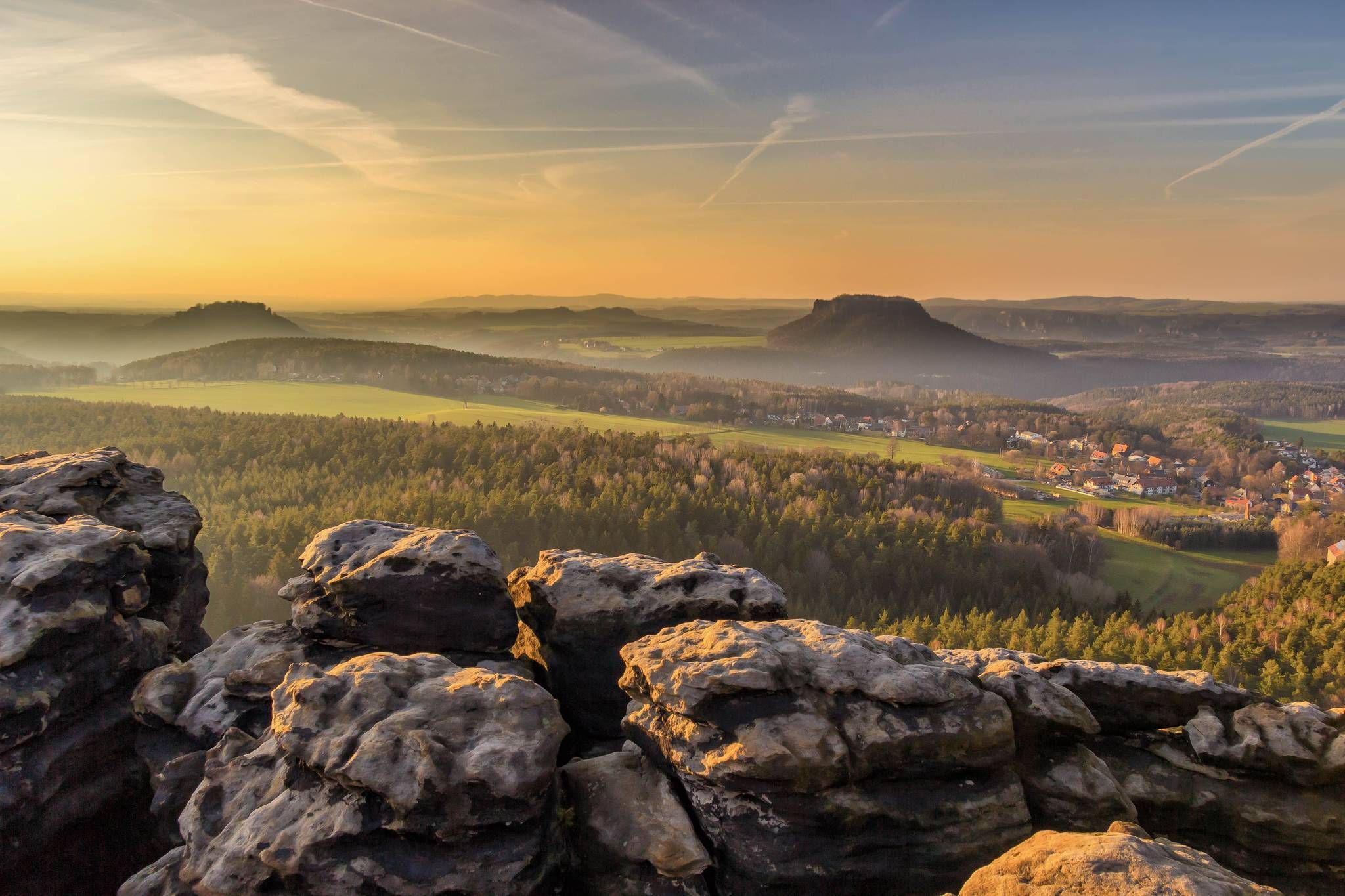
Forststeig – 7 days in the wild, remote sandstone mountains
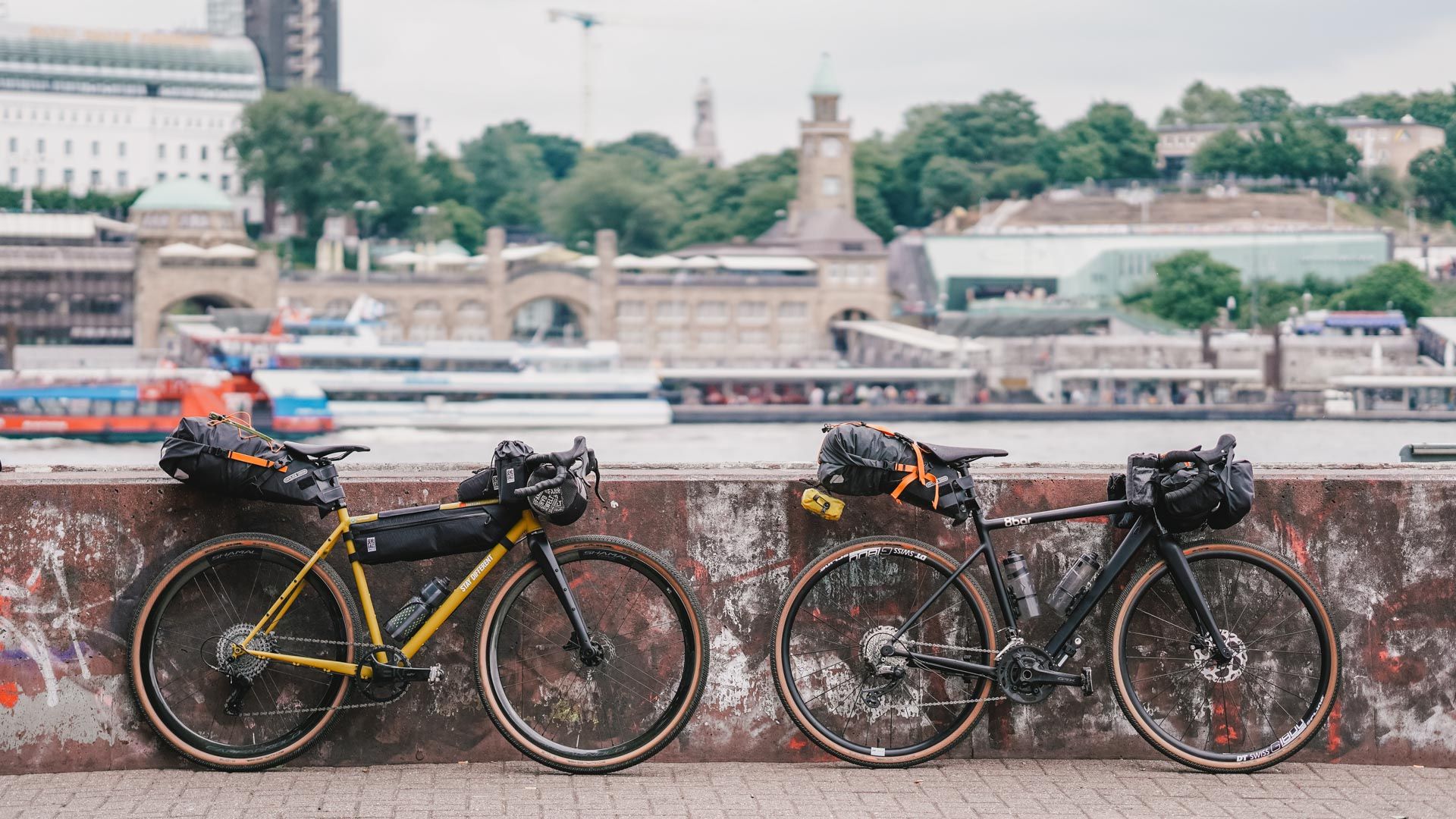
North Sea Deluxe — bikepacking with Radelmädchen
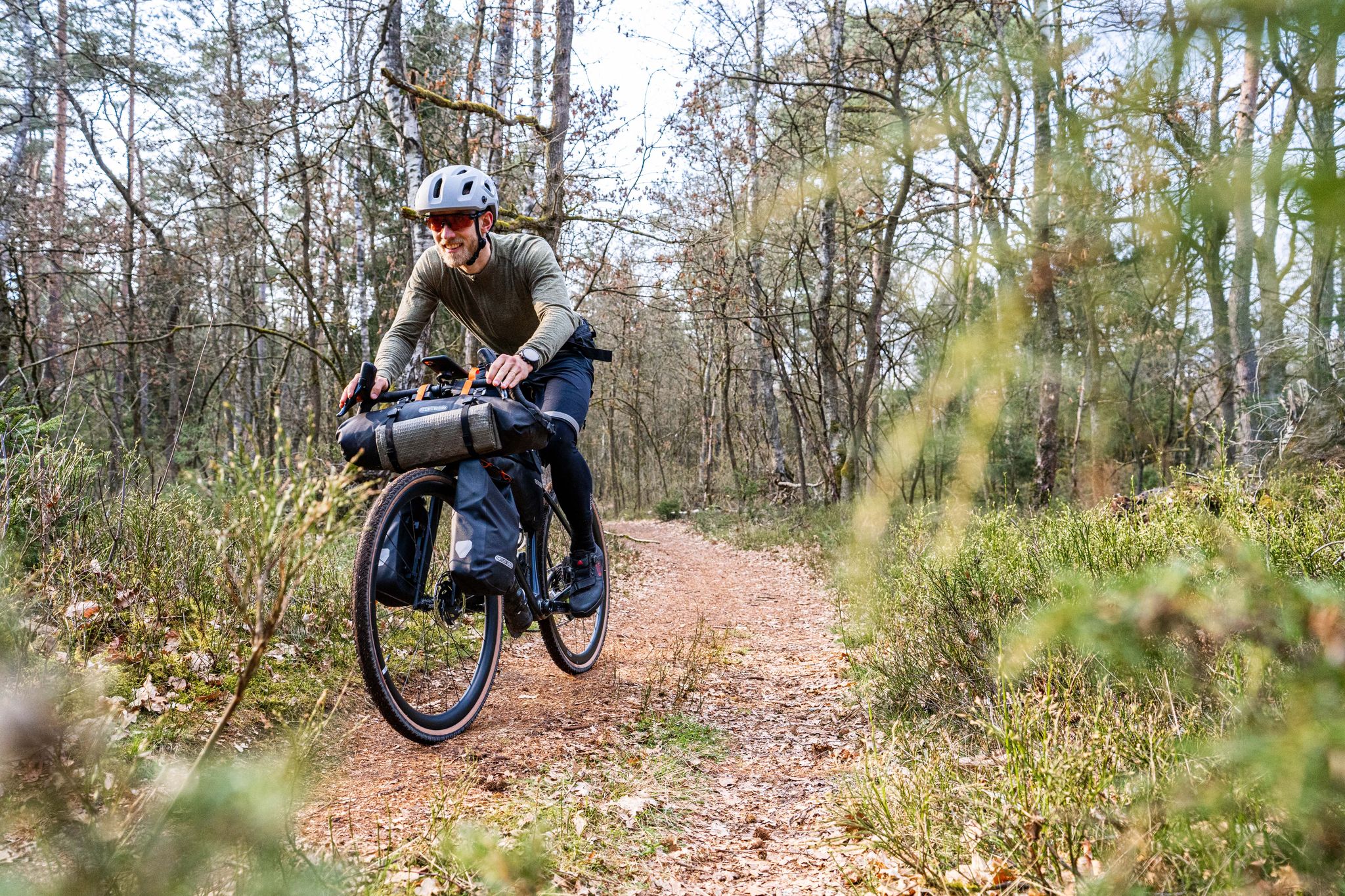
Gravel bikepacking from Hamburg to Munich
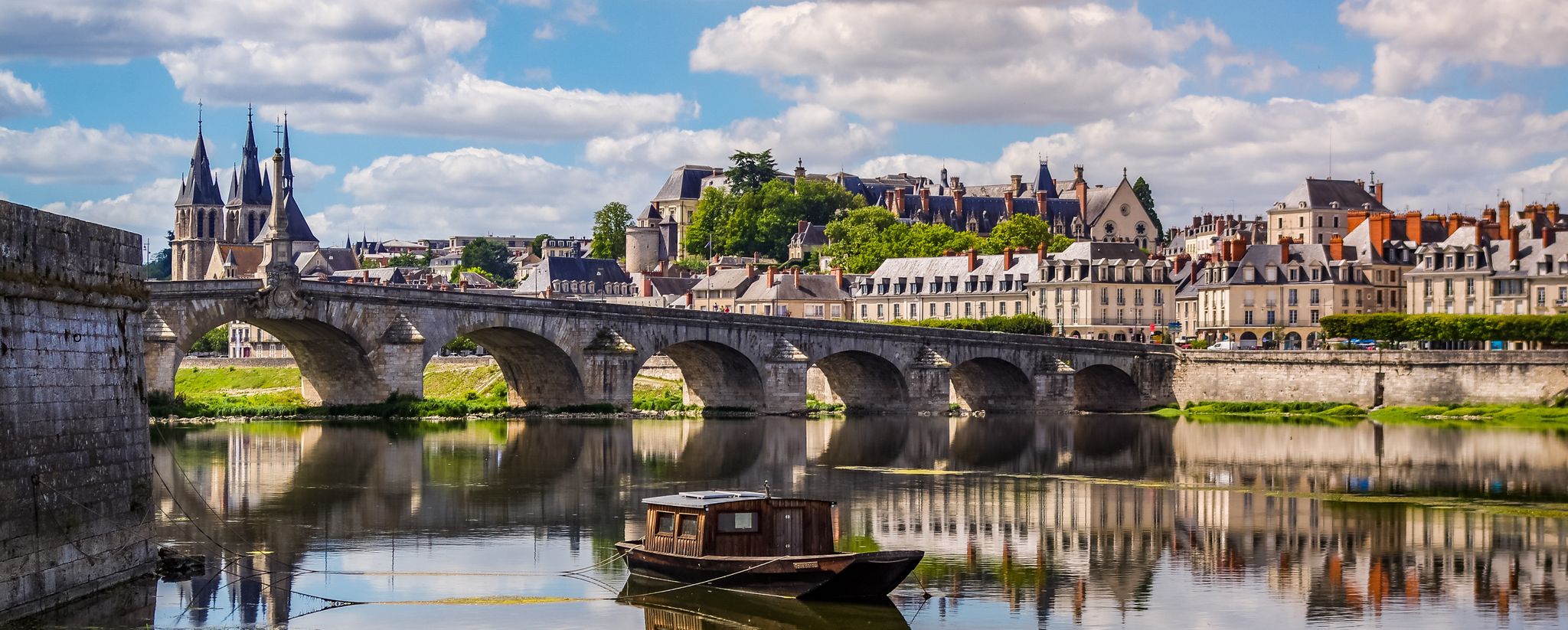
EuroVelo 3 – A cycling pilgrimage from Norway to France
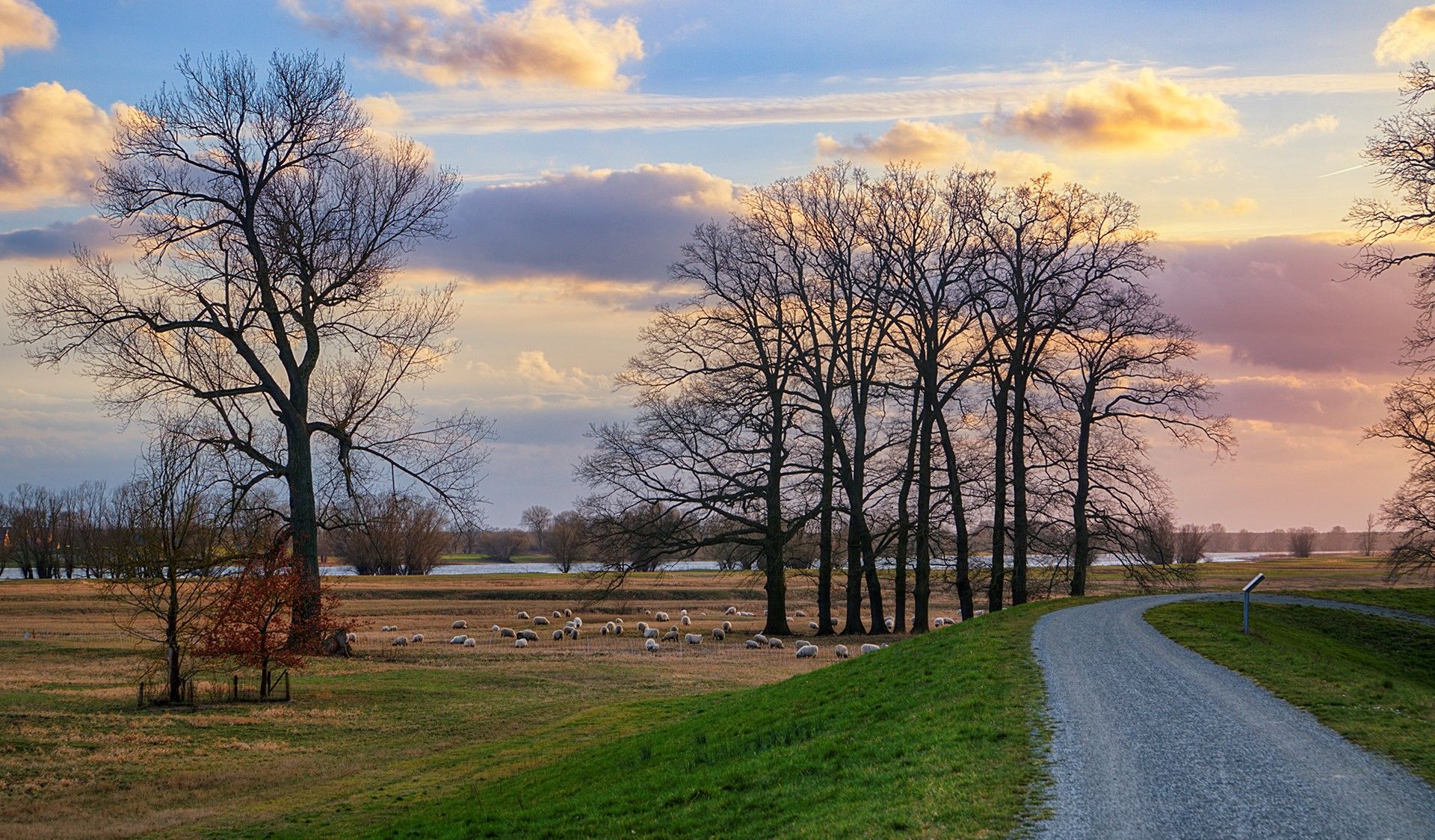
Tour Brandenburg – Cycle around Berlin in 18 stages
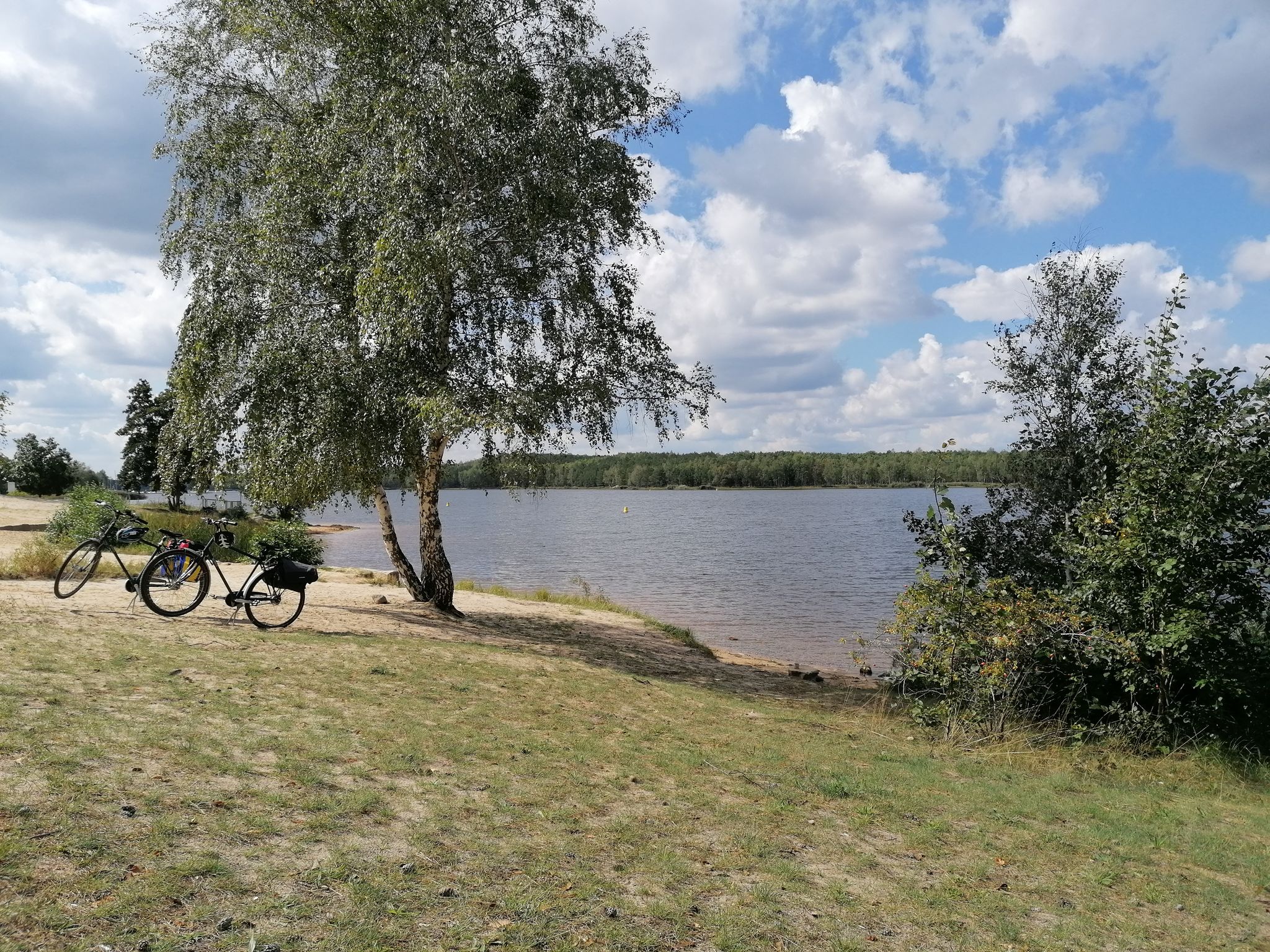
Cycling from Dresden to Berlin – lakes, nature and Sorbian culture
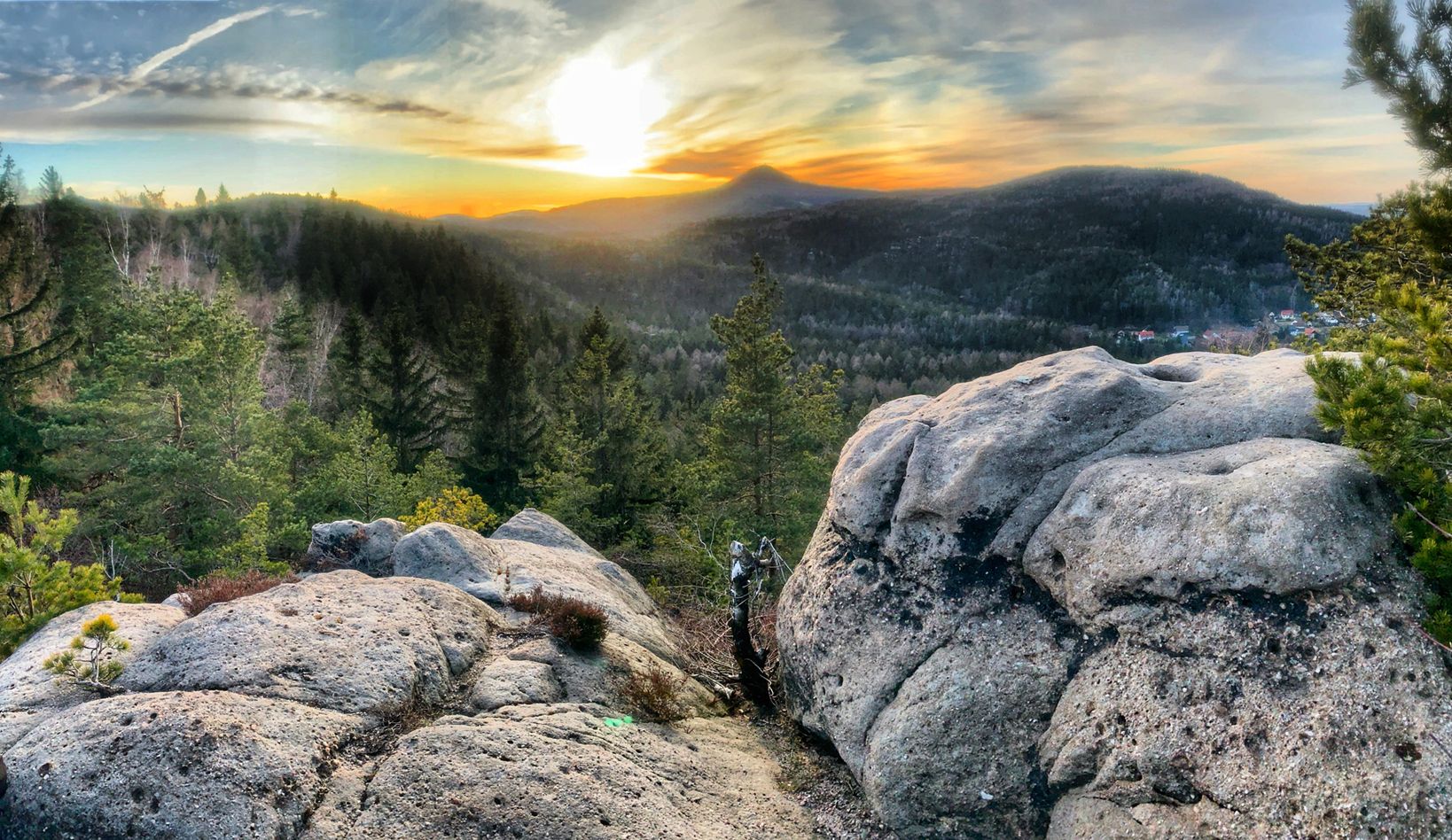
Mountains, heaths & lakes – hiking in Lusatia
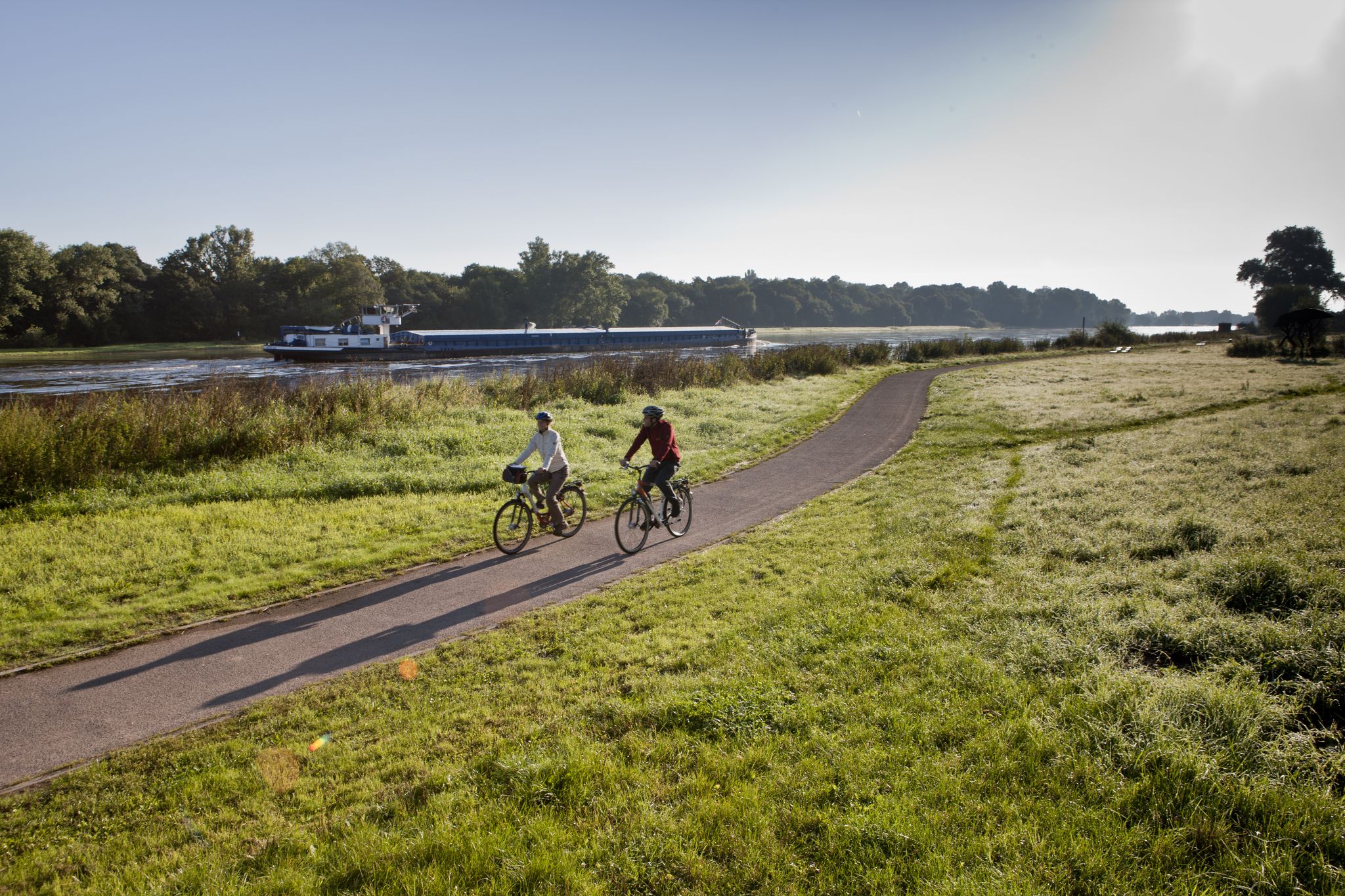
Elbe Cycle Route – Ride through Saxony-Anhalt
The Berlin Leipzig cycle path – Through the East in five stages
The Havel Cycle Path – in 6 stages from its source to its mouth
Other adventures around the Elbe


Tips from the Community

The rock formations of the Bastei are made of heavily fissured sandstone and rise steeply above the Elbe valley. They were formed by erosion and today form one of Germany's most famous landscapes. Typical are slender rock towers, deep gorges, and spectacular viewpoints, which are particularly popular with hikers and tourists.
0
0

Very many visitors here and accordingly not always smooth and relaxed rest.
1
0

View of the Königstein Fortress
0
1

Hohnstein Castle is located in the immediate vicinity of the Saxon Switzerland National Park and not far from the Bastei on a rocky promontory above the romantic Polenztal valley and the town of Hohnstein. The medieval castle complex was first mentioned in a document from 1353, was the seat of the nobility, an office, a state prison and a hunting lodge - and in the 1920s it was the largest and most beautiful youth hostel in Germany. Hohnstein Castle is a picturesque monument just because of its location. The immediate surroundings of the rocks and the deeply cut valleys attracted painters in the 18th and 19th centuries. Caspar David Friedrich was no exception! He was repeatedly inspired by the Elbe Sandstones during his wanderings. Hohnstein Castle is one of these places of inspiration. Above, two impressions from the Polenztal valley, below, a quick study of Hohnstein Castle: a lost sketchbook page from July 8, 1800, tells of a full day of wandering. It is easy to imagine the young Caspar David Friedrich, tired but happy on a warm summer evening after the many impressions of the day, probably sitting in the gazebo of the Gasthaus zum Hirsch inn on Hohnstein square, putting his last drawing to paper. The plan for the next day is probably already made: another trip down to the Schindergraben to draw the ruins at Schinderloch.
2
0

A look at Hamburg is recommended and always beautiful to see.
0
0

From the Königstein village path at the Königsstein, a steep climb (16% gradient) over old cobblestones is not possible due to the risk of slipping. Going down is life-threatening! We pushed our bikes up. Even hikers fell in front of us. Do not ride here under any circumstances.
0
0

A beautiful view of Hohenstein Castle.
2
0

When you come racing up there on your carbon racer, you have to slow down considerably because the pavement, the people running around and the barriers slow you down.
0
0
Frequently Asked Questions
How many traffic-free gravel bike trails are available in the Elbe region?
The Elbe region offers a wide selection of traffic-free gravel bike trails, with over 240 routes available. These range from easy to difficult, ensuring options for all skill levels.
Are there family-friendly traffic-free gravel routes along the Elbe?
Yes, many sections of the Elbe Cycle Path and its surrounding areas are ideal for families. The terrain is often flat to gently hilly, with extensive floodplains and dikes providing safe, car-free paths. Look for routes marked as 'easy' for the most suitable options.
Can I bring my dog on the traffic-free gravel bike trails?
Generally, dogs are welcome on trails in the Elbe region, especially on the wider dikes and paths. However, always keep your dog on a leash, particularly in nature reserves like the Middle Elbe Biosphere Reserve, to protect wildlife. Be mindful of local regulations, especially near agricultural areas or protected zones.
What kind of natural attractions can I expect to see on these routes?
The Elbe region is rich in natural beauty. You can cycle through vast floodplains, extensive riparian forests, and along dikes offering panoramic river views. Highlights include the dramatic sandstone formations of the Elbe Sandstone Mountains, the unique landscapes of the Middle Elbe Biosphere Reserve, and the picturesque fruit-growing areas of the Altes Land closer to the North Sea. For specific natural wonders, consider exploring highlights like the Bastei Bridge or the Schwedenlöcher.
Are there any historical or cultural sights along the traffic-free gravel trails?
Absolutely. The Elbe Cycle Path is dotted with historical cities and charming towns. You can pass by baroque architecture in Dresden, visit the world-famous porcelain town of Meissen, or explore the Reformation history of Wittenberg. Many routes offer views of castles and fortresses, such as Königstein Fortress or the Pillnitz Palace.
What is the best time of year for gravel biking in the Elbe region?
Spring (April-May) and autumn (September-October) are generally the best times for gravel biking. Spring offers pleasant temperatures and blooming landscapes, especially in areas like the Altes Land. Autumn provides cooler weather and beautiful fall foliage. Summer can be warm, but the riverside paths often offer a refreshing breeze. Winter riding is possible, but some paths might be muddy or icy, especially in shaded forest sections.
Are there any loop routes for traffic-free gravel biking?
Yes, several loop routes are available. For example, the Kirchwerder Wiesen nature reserve - loop from Hamburg offers a scenic ride through a nature reserve. Another option is the Schnaakenmoor nature reserve across the Elbe loop from Blankenese, providing a mix of nature and river views.
What do other gravel bikers say about the Elbe region's trails?
The Elbe region is highly rated by the komoot community, with an average score of 4.4 stars. Reviewers often praise the well-maintained, traffic-free paths, the diverse landscapes ranging from dramatic rock formations to serene floodplains, and the abundance of historical sights along the way. Many appreciate the accessibility for all skill levels and the opportunity for multi-day adventures.
Are there options for public transport access to the gravel trails?
Yes, many towns and cities along the Elbe are well-connected by public transport, including regional trains that often allow bikes (check for specific regulations and peak times). This makes it easy to start or end your ride at various points along the Elbe Cycle Path, or to access specific trailheads for shorter loops. Consider starting points near larger cities like Hamburg or Dresden for convenient access.
Where can I find cafes, pubs, or accommodation directly on the Elbe gravel routes?
The Elbe Cycle Path is well-developed for cyclists, meaning you'll find numerous cafes, pubs, and guesthouses in the villages and towns along the route. Especially in popular sections, there are often 'Radlerfreundlich' (cyclist-friendly) establishments offering refreshments and overnight stays. Larger cities like Magdeburg and Hamburg also provide extensive options for dining and accommodation.
What is the typical duration for a traffic-free gravel bike tour in the Elbe region?
Tour durations vary greatly depending on the route and your pace. Shorter loops can be completed in a few hours, while longer routes like From the Alster to the Trave can take a full day or be split into multi-day adventures. The mostly flat terrain allows for steady progress, making it easy to cover significant distances.
Are there any easy, beginner-friendly traffic-free gravel routes?
Yes, the Elbe region is excellent for beginners. Many sections of the Elbe Cycle Path are flat and well-surfaced with fine gravel or compact paths, making them very accessible. Look for routes specifically marked as 'easy' in the guide, which typically have minimal elevation gain and are suitable for those new to gravel biking or seeking a relaxed ride.
Most popular routes around the Elbe
Most popular attractions around the Elbe

Get inspired with the komoot mobile app


Explore more
Browse the best Gravel rides in other regions.
