The best hikes from bus stations in the Rocky Mountains
4.6
(7031)
71,625
hikers
141
hikes
Hiking in the Rocky Mountains offers diverse landscapes characterized by towering peaks, pristine alpine lakes, and varied terrains ranging from dense evergreen forests to expansive alpine tundra. The region features significant elevation changes, with numerous mountains exceeding 11,000 feet, providing a range of experiences from gentle strolls to challenging ascents. Glacial activity has shaped the valleys and created a network of waterways and unique ecosystems. This environment supports a rich variety of flora and fauna, making it a prime destination…
Last updated: May 25, 2026
4.8
(241)
2,516
hikers
9.18km
03:38
460m
460m
Moderate hike. Good fitness required. Mostly accessible paths. Sure-footedness required.
4.9
(117)
895
hikers
Hard hike. Very good fitness required. Mostly accessible paths. Sure-footedness required.

Sign up for free
4.5
(42)
289
hikers
9.42km
02:39
190m
190m
Moderate hike. Good fitness required. Easily-accessible paths. Suitable for all skill levels.
4.9
(12)
114
hikers
23.9km
07:16
730m
730m
Hard hike. Very good fitness required. Easily-accessible paths. Suitable for all skill levels.
4.9
(119)
1,119
hikers
10.4km
04:21
560m
560m
Moderate hike. Good fitness required. Mostly accessible paths. Sure-footedness required.
Get access to more routes and recommendations from other explorers.
Sign up for free
Already have an account?
Our route recommendations are based on thousands of hikes, rides, and runs completed by other people on komoot.
Start today with a free account
Your next adventure awaits.
Login or Signup
Popular around Rocky Mountains
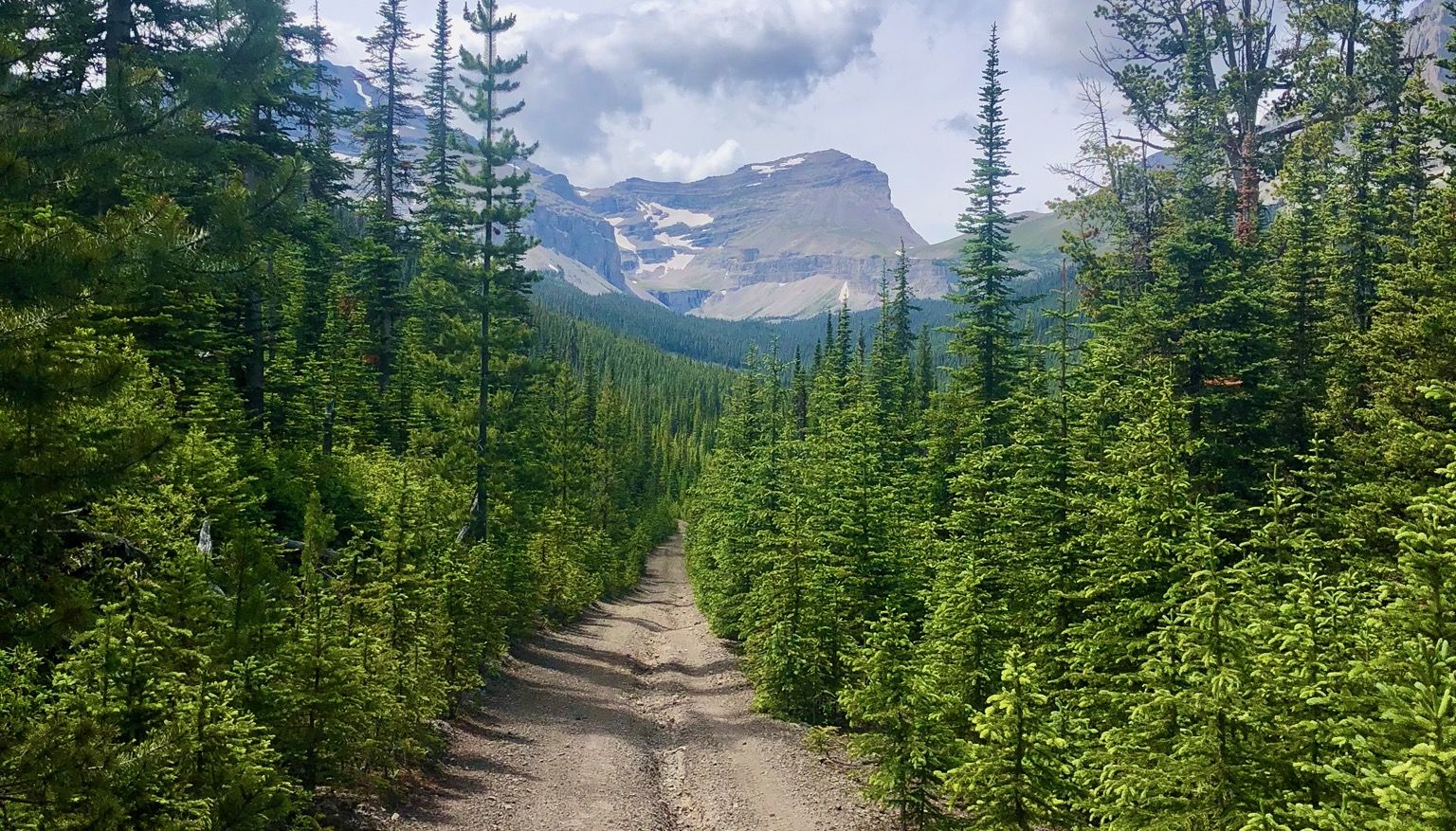
Run the Rockies – mountain range fastpack #5
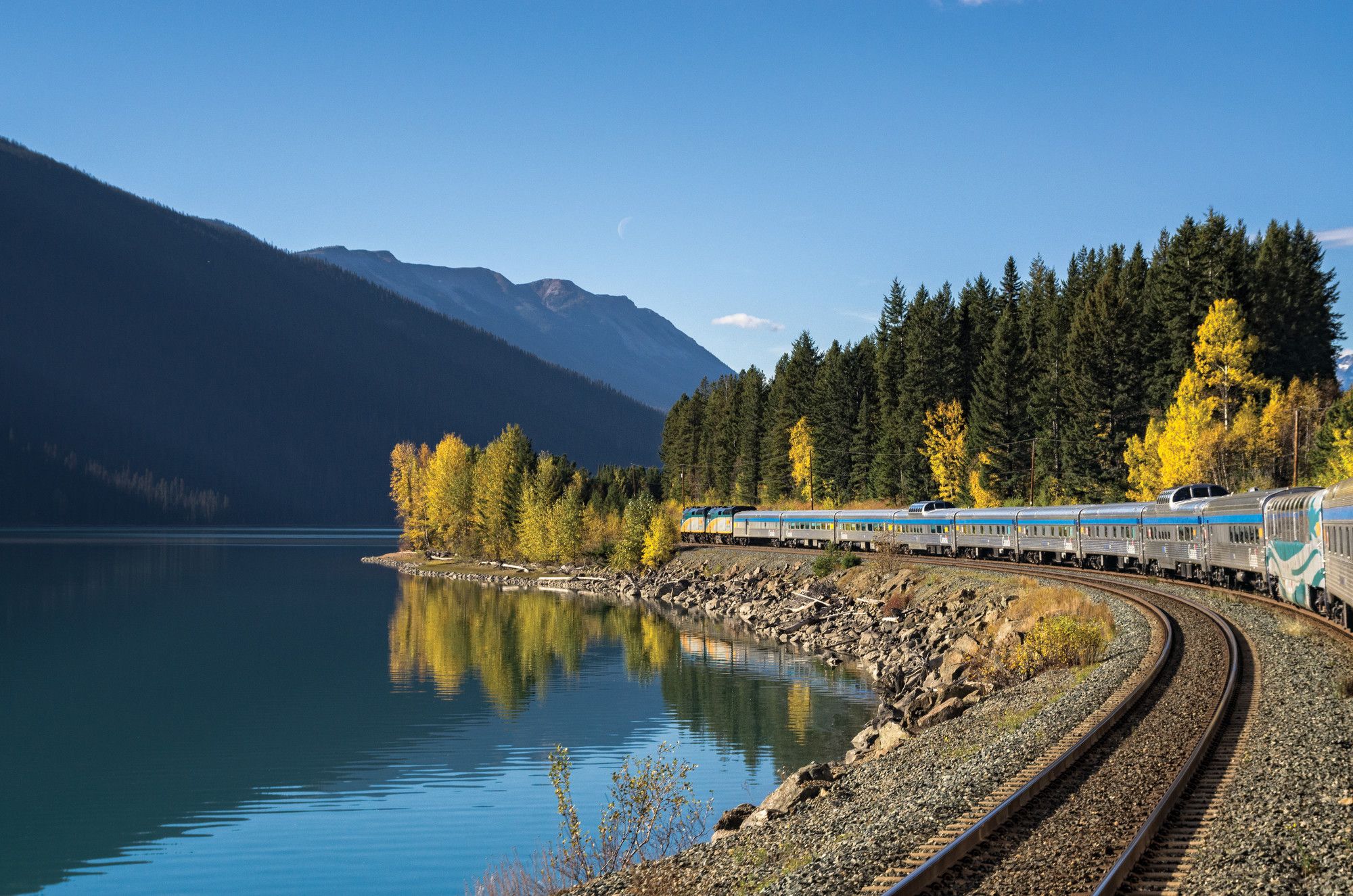
Canada by train – scenic hikes from Western stations
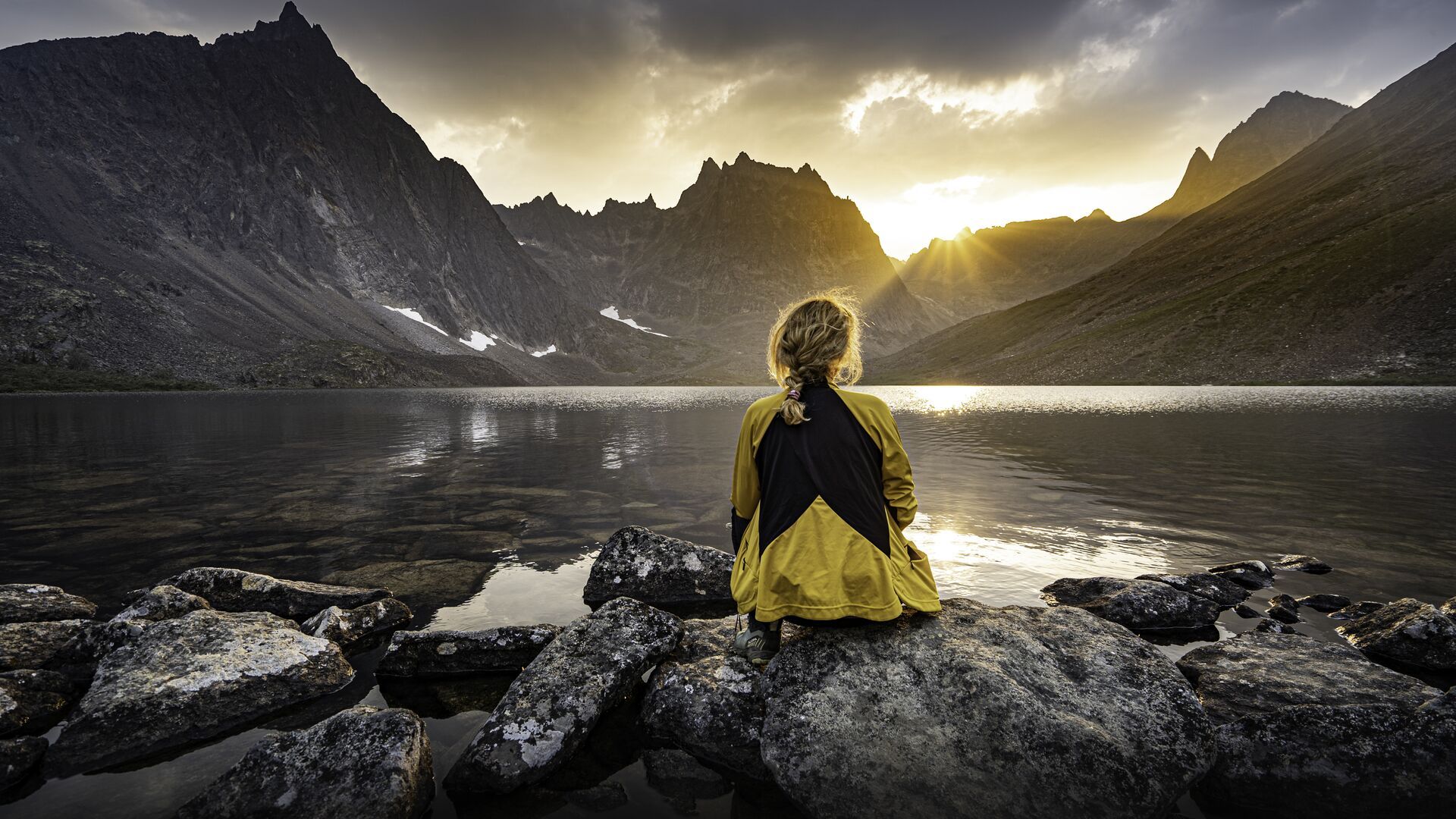
The longest footpath in the world – Trans Canada Trail
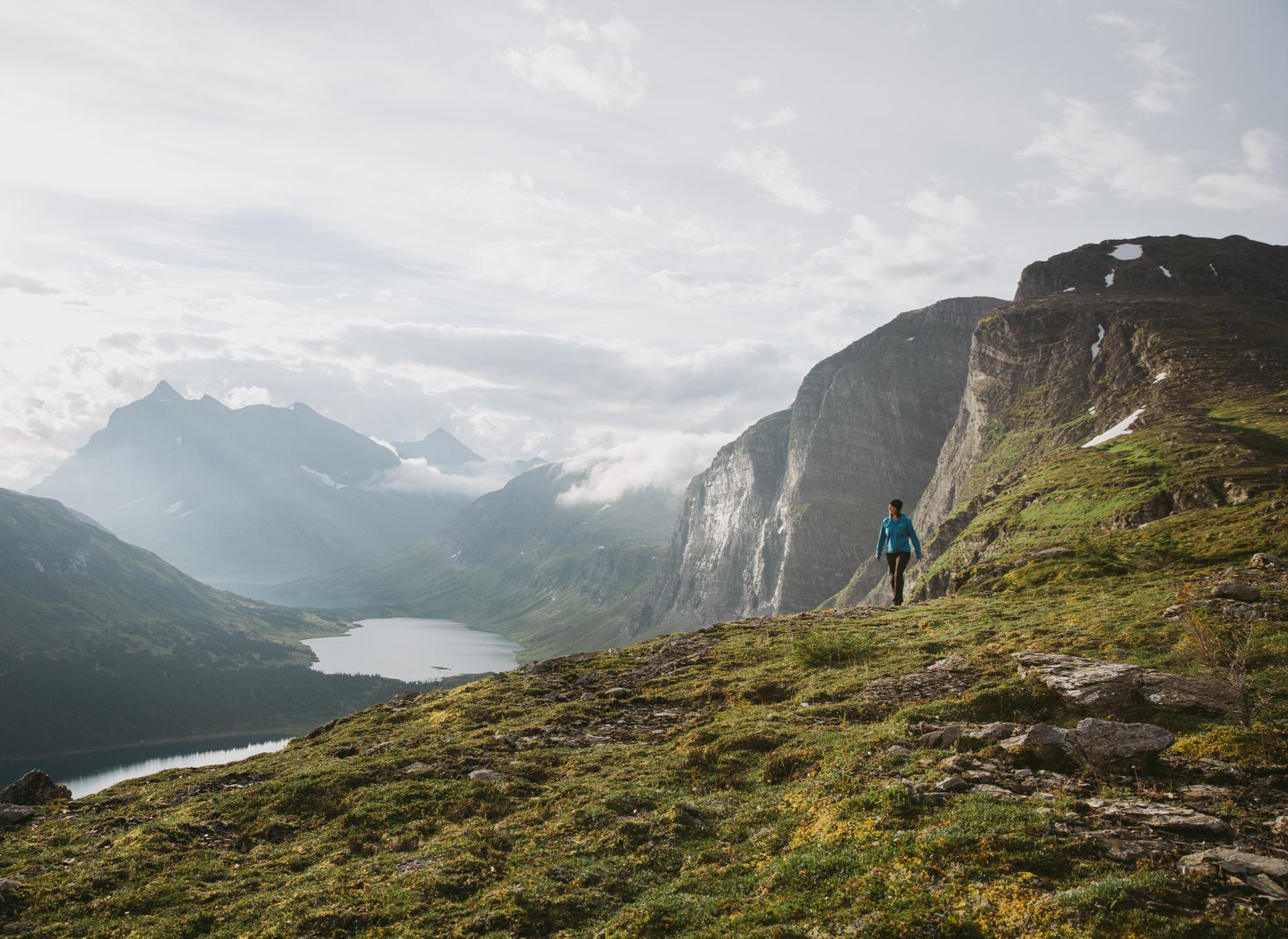
The Great Wilderness – hiking in the vastness of British Columbia
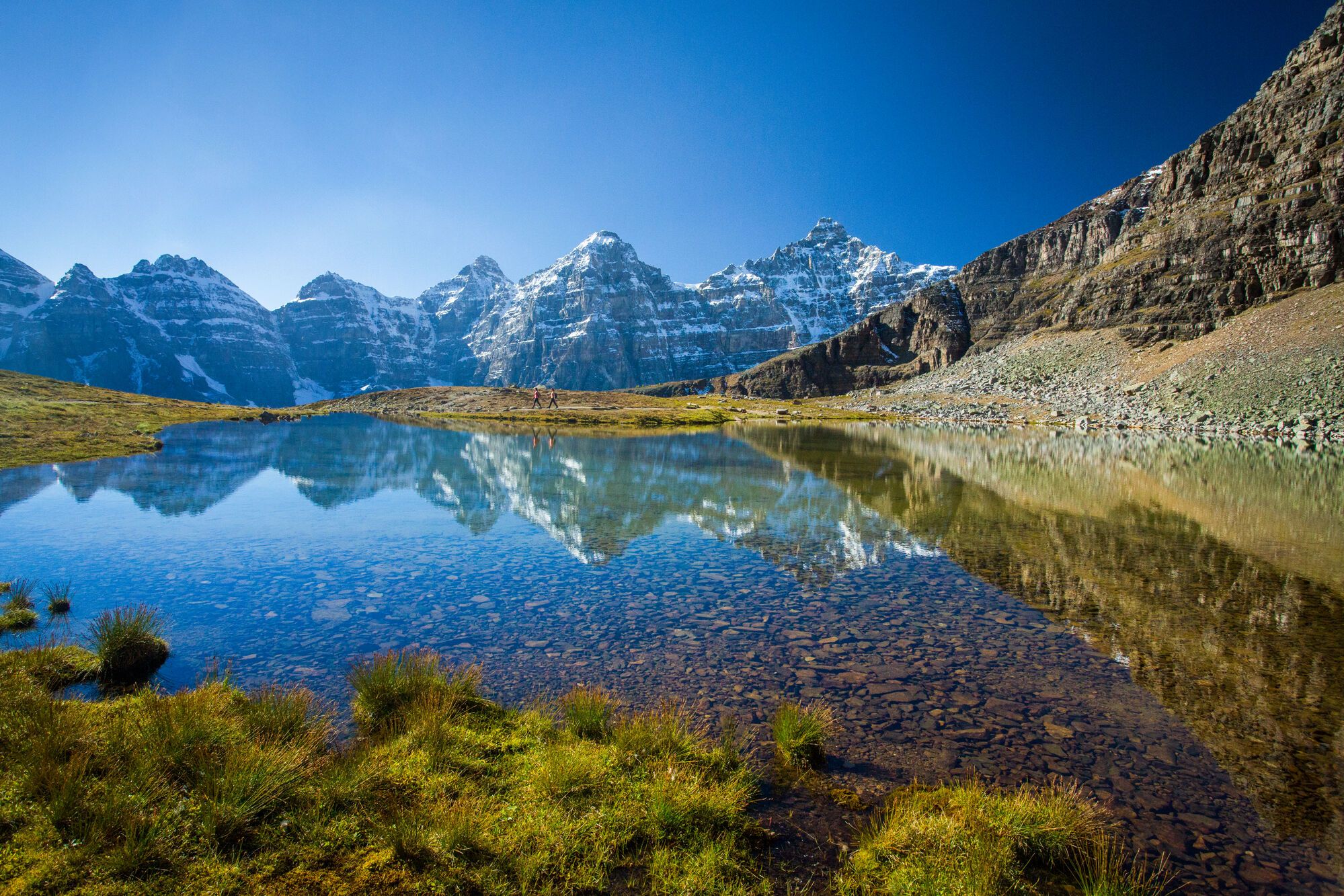
Spectacular road trip hikes – discover Calgary and Southern Alberta
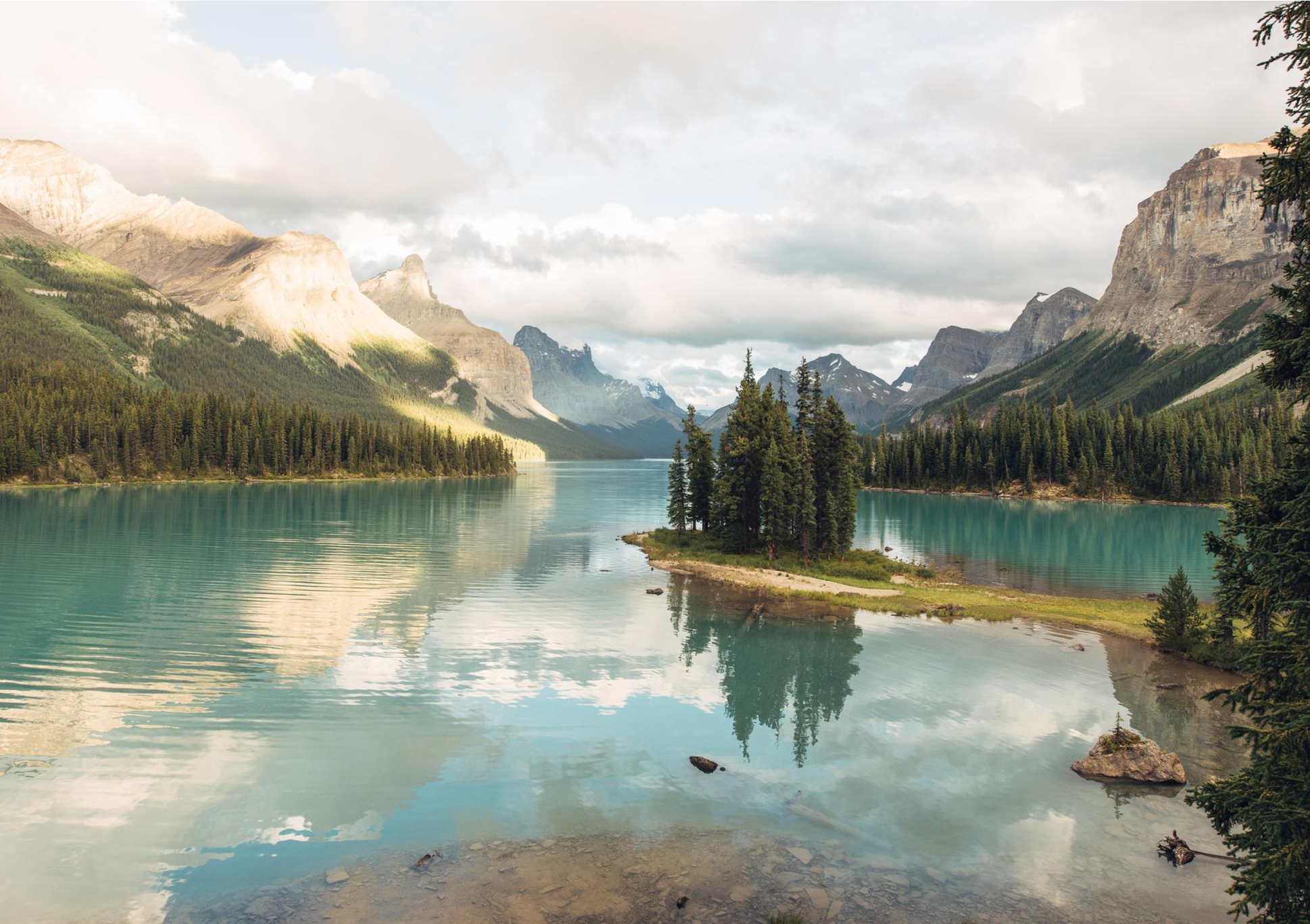
Waterfalls and wild lakes – hiking in Northern Alberta and Jasper
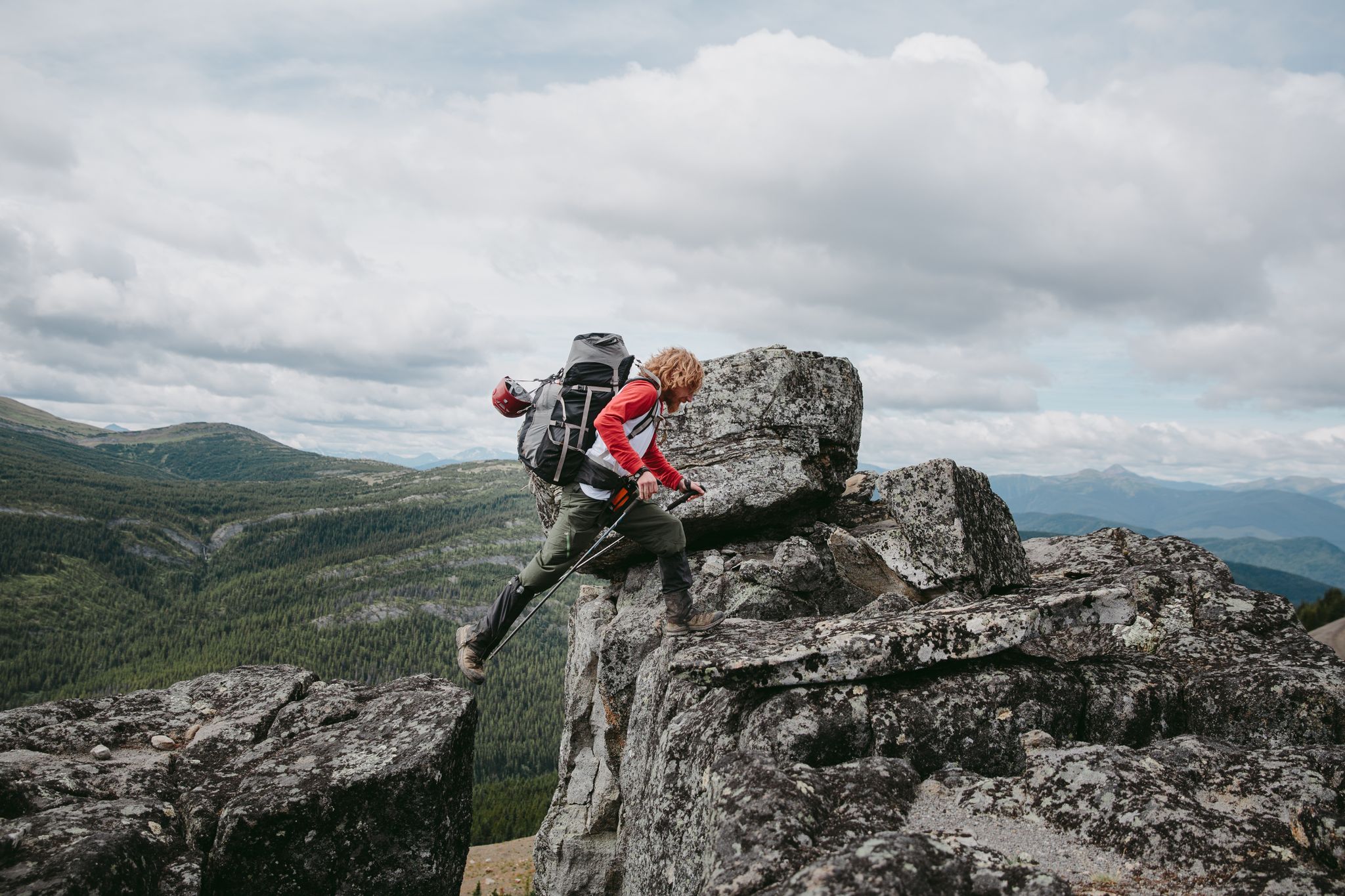
The Great Wilderness – a multi-day route across British Columbia
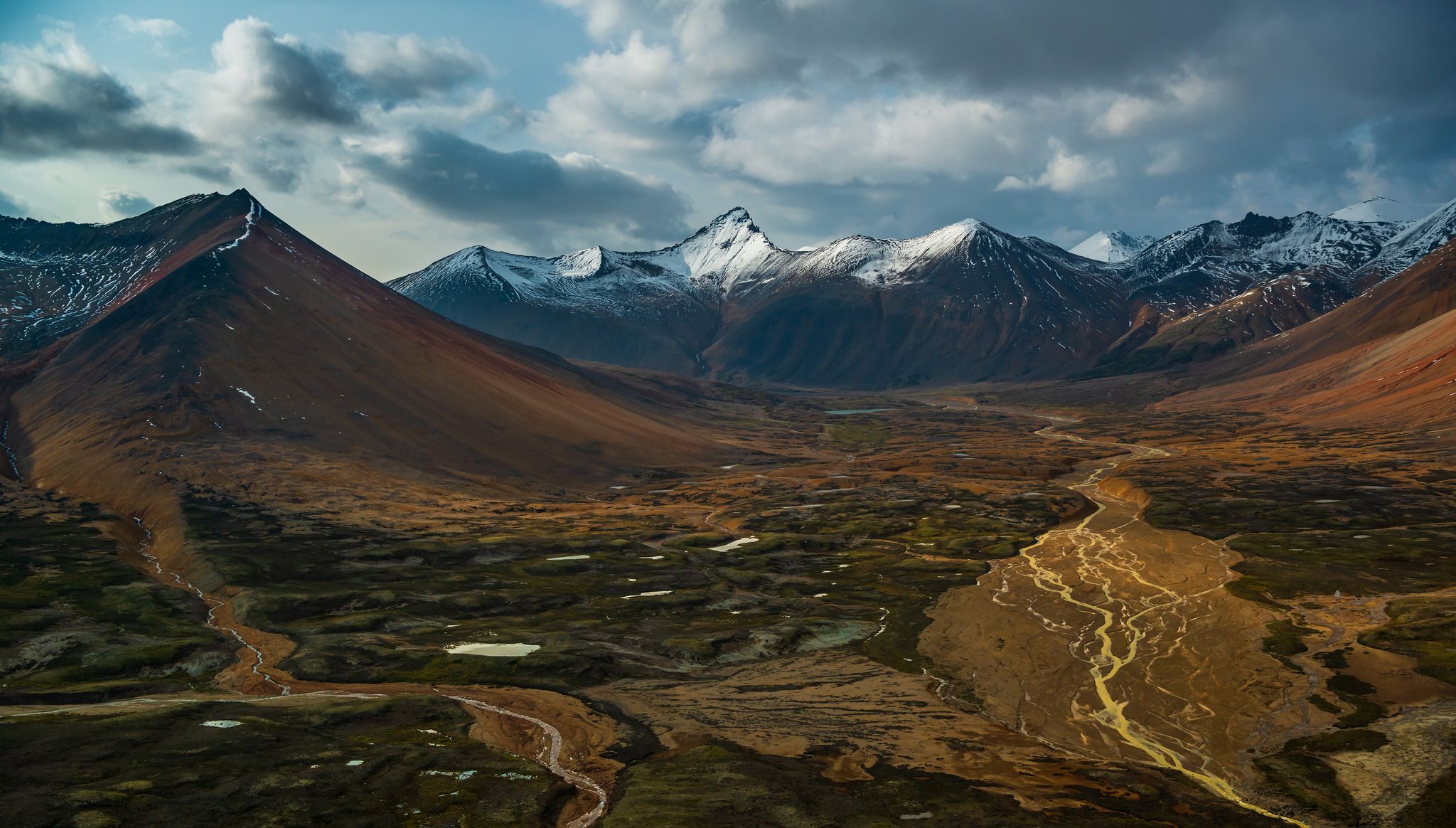
The Great Wilderness – hiking adventures in vast British Columbia
Hiking in Alberta – explore nature, discover indigenous culture
Great Divide Trail – Section A to E: Waterton to Maligne Lake
Other adventures in the Rocky Mountains


Tips from the Community

As the trail wraps around the lower slopes of Devil's Thumb you get a great view over the eastern half of Lake Louise to the mountains of Banff.
0
0

undance Canyon offers an easy escape into nature with a mix of paved pathway and scenic canyon trail. To access the canyon you start along the Bow River before climbing into a narrow gorge filled with waterfalls, mossy rock walls, and lush forest. The paved section to the canyon is perfect for kids, while the short loop inside the canyon might be tough for the really little ones. It’s a great half-day outing for families or anyone seeking a peaceful hike close to town
0
0
Originating from the Bow Glacier on the Wapta Icefield in the Canadian Rockies, the Bow River flows for about 587 kilometers (365 miles) through Banff National Park and the city of Calgary before joining the Oldman River to form the South Saskatchewan River. Within Banff, the river winds through meadows and mountain valleys, its turquoise waters reflecting peaks like Mount Rundle and Cascade Mountain. Visitors can walk along its many trails, admire the cascading Bow Falls, or paddle calm stretches for an up-close view of the park’s stunning scenery.
0
0
The Plain of Six Glaciers Tea House is a classic Banff hiking destination and one of the few backcountry tea houses still operating in the Rockies. The teahouse is a rustic log cabin built in 1927, where hikers can enjoy tea, homemade lunches, and baked goods surrounded by towering icefalls and creaking glaciers. The tea house accepts cash only (Canadian Dollars) and can get busy in summer, so arrive early, pack layers for alpine weather, and savor one of the most scenic cups of tea in the world.
1
0
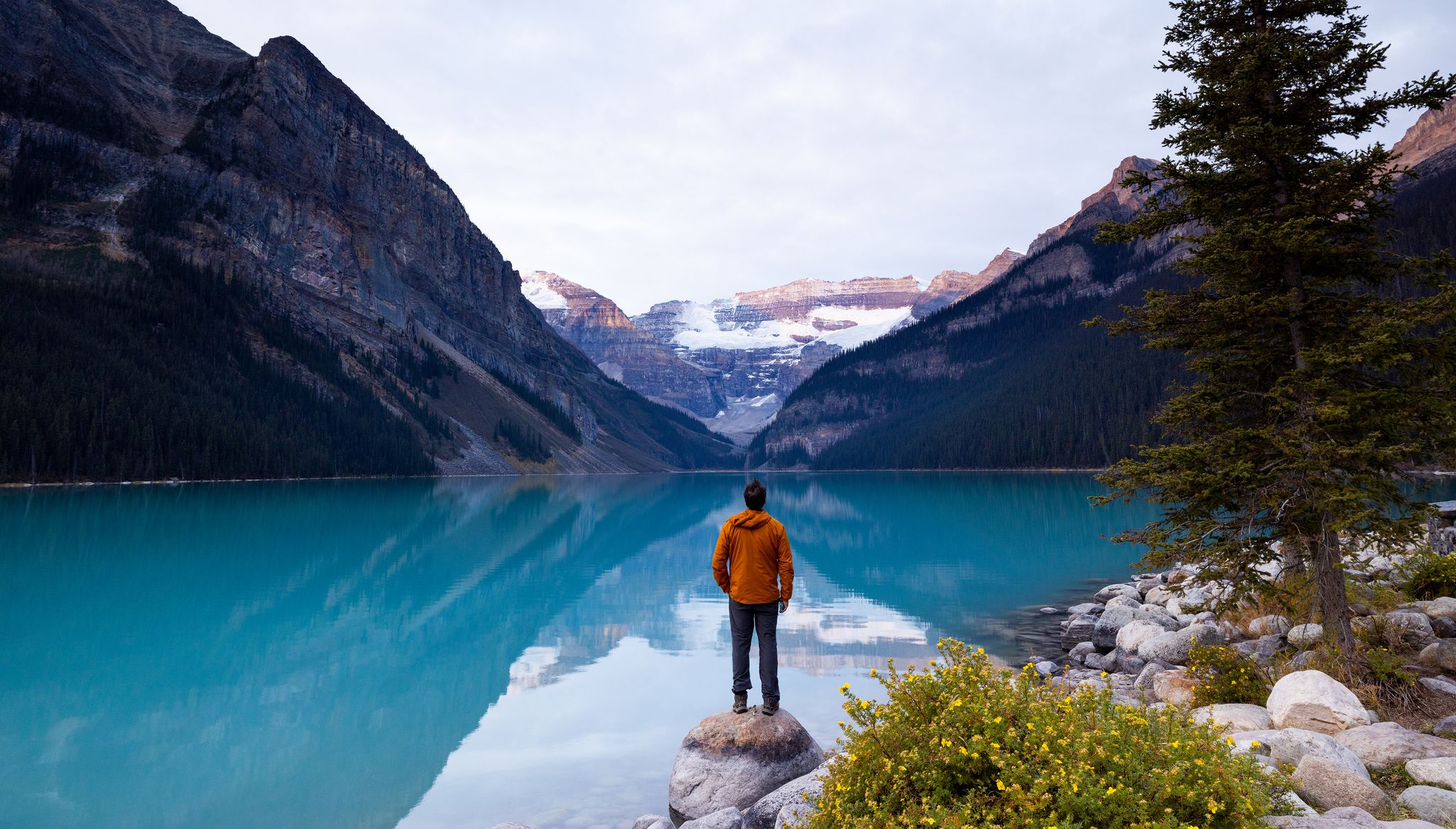
One of Canada's most famous locations, Lake Louise (known in the Stoney Nakoda language as Ho-run-num-nay, meaning “Lake of the Little Fishes”) shines with its glacier-fed turquoise waters. The lake serves as a base for hiking, summer canoeing, and winter skiing. With limited parking and shuttle options required during peak season, planning ahead will turn a visit into a memorable encounter with one of the Rockies’ most iconic landscapes. As others have mentioned, it does get very busy, so arriving early is a great way to beat the crowds and enjoy a bit of solitude along the shoreline.
3
0

Brilliant horse riding trip through the Bow Valley
0
0

Delicious tea, sandwiches, and soup. A wonderful place to recover from the climb.
1
0

Beautiful, small lake, with the Big Beehive towering majestically above it.
0
0
Frequently Asked Questions
How many bus-accessible hiking trails are there in the Rocky Mountains?
There are over 130 hiking routes in the Rocky Mountains that are accessible from bus stations, offering a wide range of experiences for all skill levels.
What kind of difficulty can I expect on bus-accessible trails in the Rocky Mountains?
The bus-accessible trails in the Rocky Mountains cater to various fitness levels. You'll find a good mix, with approximately 67 easy routes, 54 moderate routes, and 11 more difficult options for experienced hikers. For example, the Little Beehive via Lake Agnes Trail is a moderate option, while The Teahouses loop via Lake Agnes and Plain Of Six Glaciers Trails presents a more difficult challenge.
Are there any circular routes accessible by bus in the Rocky Mountains?
Yes, many bus-accessible trails offer the convenience of circular routes, allowing you to start and end your hike at the same point without needing to retrace your steps. An excellent example is the Lake Agnes – Big Beehive Lookout loop from Lake Louise.
What natural attractions can I see along bus-accessible hiking trails in the Rocky Mountains?
The Rocky Mountains are rich in natural beauty. Along these trails, you can discover stunning alpine lakes like Lake Annette, and impressive waterfalls such as Athabasca Falls or Johnston Canyon Waterfalls. The region is known for its diverse ecosystems, from dense evergreen forests to expansive meadows and alpine tundra.
Are there opportunities for wildlife spotting on bus-accessible trails?
Absolutely. The Rocky Mountains are a haven for wildlife. Hikers frequently spot elk, moose, mule deer, and bighorn sheep. Keep an eye out for coyotes, eagles, and various bird species. Early mornings or late afternoons often provide the best chances for wildlife viewing.
What do other hikers enjoy most about bus-accessible trails in the Rocky Mountains?
The komoot community highly rates these trails, with an average score of 4.65 stars from over 6,800 reviews. Hikers frequently praise the breathtaking mountain scenery, the pristine alpine lakes, and the convenience of accessing diverse trailheads via public transport.
Are there family-friendly bus-accessible hikes?
Yes, many bus-accessible trails are suitable for families. Look for routes with lower elevation gain and shorter distances. The region offers gentle lakeside strolls and well-maintained paths that are perfect for an outing with children. Always check the specific trail details for suitability.
Are dogs allowed on bus-accessible hiking trails in the Rocky Mountains?
Dog policies vary by park and specific trail. In general, dogs are often permitted on leash in many areas, but restrictions may apply in sensitive wildlife habitats or on certain shuttle buses. Always check the specific park regulations before heading out with your canine companion. For example, in Rocky Mountain National Park, pets are generally not allowed on trails, but are permitted on roads, in campgrounds, and in picnic areas.
What should I wear for bus station hikes in the Rocky Mountains?
The Rocky Mountains weather can change rapidly. It's best to dress in layers, even in summer. Essential items include sturdy hiking boots, moisture-wicking clothing, a waterproof and windproof outer shell, and sun protection (hat, sunglasses, sunscreen). For cooler seasons or higher elevations, bring warmer layers like a fleece or down jacket.
Do I need permits for bus-accessible hikes in the Rocky Mountains?
Depending on the specific park and time of year, you may need a park entrance pass or a timed entry permit to access certain areas, including those served by shuttle buses. For example, Rocky Mountain National Park often requires timed entry reservations during peak seasons. Always check the official park websites, such as nps.gov/romo, for the most current permit requirements before your visit.
What is the best time of year to hike these bus-accessible trails?
The best time to hike in the Rocky Mountains generally depends on the elevation and your preferred activity. Late spring to early fall (June to September) offers the most accessible trails, with wildflowers blooming in summer and vibrant foliage in autumn. Higher elevation trails may still have snow well into July. Winter hiking is possible but requires appropriate gear and experience.
Can I hike these trails in winter?
Yes, winter hiking is a unique experience in the Rocky Mountains, offering stunning snowy landscapes. However, it requires proper preparation, including warm layered clothing, waterproof boots, and often snowshoes or microspikes. Some bus services may operate on a reduced schedule or cease entirely in winter, so check public transport availability carefully. Always be aware of avalanche risks in mountainous terrain.
Most popular routes in the Rocky Mountains
Most popular attractions in the Rocky Mountains

Get inspired with the komoot mobile app


Explore more
Browse the best Hikes in other regions.
