The best traffic-free bike rides in the Kenai Mountains
4.8
(6)
256
riders
4
rides
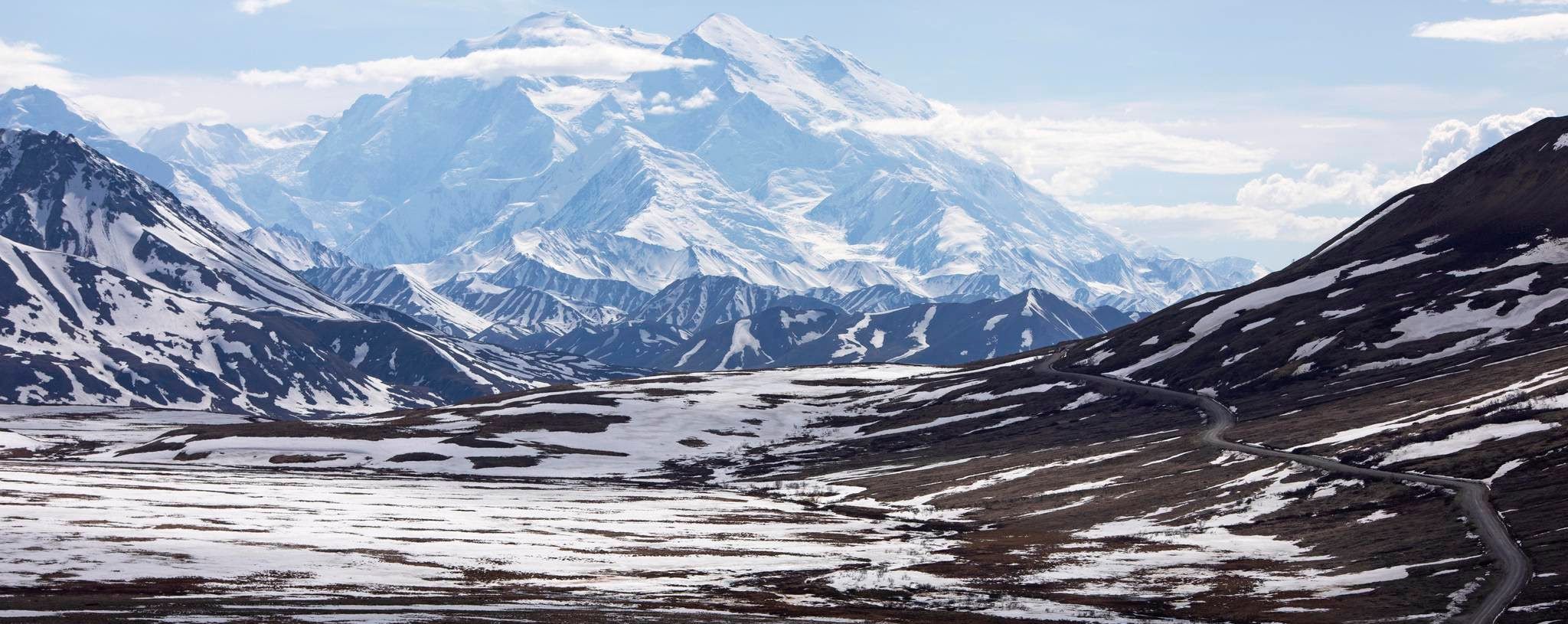
No traffic touring cycling routes in the Kenai Mountains traverse a landscape characterized by a dramatic interplay of mountains, expansive icefields, and deep fjords. The region features prominent mountain ranges, extensive forests, and significant waterways like the Kenai River and various lakes. This diverse terrain provides varied opportunities for touring cyclists, from coastal paths to routes through alpine tundras.
Best no traffic touring cycling routes in the Kenai Mountains
- The most popular no traffic touring cycling route is Tower Power…
Last updated: July 12, 2026
12
riders
23.3km
02:01
220m
220m
Hard bike ride. Good fitness required. You may need to push your bike for some segments of this route.
6
riders
11.0km
01:02
120m
120m
Easy bike ride. Great for any fitness level. Mostly paved surfaces. Suitable for all skill levels.

Sign up for free
24
riders
Easy bike ride. Great for any fitness level. Mostly paved surfaces. Suitable for all skill levels.
4.0
(2)
5
riders
Easy bike ride. Great for any fitness level. Mostly paved surfaces. Suitable for all skill levels.
1
riders
15.9km
01:26
130m
130m
Easy bike ride. Great for any fitness level. Mostly paved surfaces. Suitable for all skill levels.
Our route recommendations are based on thousands of hikes, rides, and runs completed by other people on komoot.
Start today with a free account
Your next adventure awaits.
Login or Signup
Popular around Kenai Mountains

Other adventures in the Kenai Mountains

Tips from the Community

The multi-use trail along Elmore Road starts off looking very urbanized, marked by a curved pedestrian bridge over the first major road intersection. But the farther north you follow this paved trail the more interesting it gets, passing through greenbelts and even sporting a few sculptural and artistic touches. Bikes are welcome here, but please watch out for slower trail users!
1
0
You won't find any big terrain features here. Instead, this is a broad multi-use trail that connects the trail system around Service High School with the Campbell Tract trails, and further beyond into Anchorage. It's also part of the route known as the "Tour of Anchorage." Technically the Tour is an annual ski marathon, but its route is very popular for year-round recreation, and if you don't mind pedaling on snow there is even a fat-tire bike section in the race.
1
0
This packed-gravel doubletrack isn't just part of the trail network here in Campbell Tract. It's also an important part of the route known as the Tour of Anchorage. Technically the Tour of Anchorage is a ski marathon, but there is a bike division and the overall route is very popular for recreation all year 'round. The north end of this trail is very close to another trail known as Rover's Run, which is closed every year to reduce the risk of dangerous (and sometimes fatal) bear encounters. Please respect the warning signs and trail closure, for your safety.
1
0
This dirt/gravel singletrack trail is fun to ride, but it's not the sort of fast, swooping trail you'll find elsewhere. It's also very popular with runners and walkers and once you're past the first, deceptively wide and easy-looking portion, there really isn't room to pass on this narrow track. If you want to beat the (relative) crowds, you can always ride the nearby road to the other end of the trail. Wildlife sightings are very common here, especially when fish are running in the nearby creek.
2
0
This park has open sports fields, a picnic pavilion that is free for use if not reserved by another party (fee applies), and some playground equipment. It's also a great place to access the unpaved, but still pretty easy to ride, network of multi-use trails on this side of town.
1
0
This trail isn't paved, but it is wide and straight and easy to ride, as long as you don't have skinny racing tires on your bike. Use caution in regard to wildlife, especially as you approach the creek, because bear sightings are very common here when fish are running. Because of how common bear encounters can be near the creek, officials close the Rover's Run Trail (which intersects near the east end of this trail) to traffic during the summer. Please respect that closure — it is for your safety.
1
0
This multi-use trail is mostly hard-packed dirt. It's totally non-technical, though, excepting some persistent muddy spots, so as long as you don't have skinny road tires it's pretty easily bikeable. Please keep an eye out for wildlife like bears and moose, as encounters are always possible around here — and watch for oncoming bike traffic and slower walkers, as this is a little narrower than many other multi-use trails in town.
0
0
This is actually several trails cobbled together to create the route for the Tour of Anchorage, a ski marathon that happens every March. There's also a fat-tire-bike division, and these trails are a popular choice for summer biking, too. The riding surface is mostly a mix of wide, hard-packed dirt and gravel that most bikes can handle, as long as you don't have skinny road-racing tires.
1
0
Frequently Asked Questions
How many no-traffic touring cycling routes are available in the Kenai Mountains?
There are 5 dedicated no-traffic touring cycling routes detailed in this guide for the Kenai Mountains, offering a range of experiences from easy to difficult. These routes are carefully selected to provide a serene cycling experience away from vehicular traffic.
What is the best time of year for no-traffic touring cycling in the Kenai Mountains?
The best time for touring cycling in the Kenai Mountains is generally during the summer months, from late May through early September. This period offers the most favorable weather conditions, longer daylight hours, and trails free of snow and ice. While some areas might be accessible year-round for fat biking, the primary touring season is summer.
Are there any easy, family-friendly no-traffic cycling routes?
Yes, several routes are suitable for families looking for an easy, traffic-free experience. For example, the Tower Power loop from Country Lane Estates is an easy option, as is the Abbott Multi-Use Trail – Gasline Trail loop from Jesse Lee Home for Children. These routes offer gentle terrain and scenic views, perfect for a relaxed family outing.
What kind of wildlife can I expect to see along these routes?
The Kenai Mountains are rich in wildlife. Cyclists often spot eagles, moose, and various bird species. If you're lucky, you might even see sea otters along coastal areas or bears, especially near salmon spawning streams. A notable spot for wildlife viewing is Russian River Falls Bear Viewing, where you can observe bears fishing for salmon from designated platforms.
Are there any circular no-traffic touring routes?
Yes, all the routes featured in this guide are designed as loops, providing a convenient circular journey without needing to retrace your steps. Examples include the Tour of Anchorage Trail – Abbott Multi-Use Trail loop from Winchester Heights and the Bike loop from Winchester Heights.
What do other touring cyclists enjoy most about cycling in the Kenai Mountains?
The Kenai Mountains are highly rated by the komoot community, with an average score of 4.65 stars from 19 reviews. Reviewers often praise the breathtaking natural beauty, the quiet and immersive wilderness experience, and the diverse landscapes ranging from glaciers to fjords. The opportunity for wildlife viewing is also a frequently highlighted aspect.
Are there any challenging no-traffic routes for experienced touring cyclists?
Yes, for experienced touring cyclists seeking a challenge, the Service High School – Gasline Trail loop from Winchester Heights is classified as difficult. This route covers a longer distance and features more significant elevation changes, providing a rewarding experience for those looking for a strenuous ride.
What natural attractions can I see along or near these routes?
The Kenai Mountains boast stunning natural attractions. You can visit the iconic Exit Glacier, a part of the vast Harding Icefield, or enjoy the serene beauty of Shoreline of Portage Lake. Other highlights include the scenic Portage Pass and the expansive views from the Harding Icefield Viewpoint.
Is public transport available to access these no-traffic cycling routes?
While specific public transport options directly to the start of every no-traffic route may be limited, the Kenai Peninsula is accessible from Anchorage, and some areas like Exit Glacier are reachable by road. For longer bikepacking routes not covered in this guide, the Alaska Railroad can provide access to certain trailheads, but for the routes listed here, personal vehicle access is generally recommended.
Are there any specific regulations or permits required for cycling in the Kenai Mountains?
For the no-traffic touring routes listed in this guide, which are primarily on established multi-use trails, specific permits are generally not required for day use. However, if you plan to venture into national parks like Kenai Fjords National Park or engage in multi-day bikepacking, it's always advisable to check with the relevant authorities (e.g., National Park Service at nps.gov for general park information) for any specific regulations, permits, or bear safety guidelines, especially if wild camping.
What should I wear for touring cycling in the Kenai Mountains?
Given the variable Alaskan weather, layering is key. Even in summer, temperatures can change quickly. We recommend moisture-wicking base layers, an insulating mid-layer, and a waterproof and windproof outer shell. Don't forget gloves, a hat or helmet liner, and sturdy cycling shoes. Always pack rain gear, regardless of the forecast.
Most popular routes in the Kenai Mountains
Most popular attractions in the Kenai Mountains

Get inspired with the komoot mobile app


