The best traffic-free bike rides in Deux-Sèvres
4.1
(381)
16,558
riders
911
rides
No traffic road cycling routes in Deux-Sèvres traverse a tranquil landscape characterized by river valleys, rolling farmland, and extensive greenways. The department is defined by the Sèvre Nantaise and Sèvre Niortaise rivers, offering routes along their banks and through gently undulating fields. A significant feature is the Marais Poitevin Regional Natural Park, known for its network of canals, dykes, and flat, scenic paths. The region's "Voies Vertes" (greenways) provide car-free cycling opportunities, often on disused railway lines.
Best no traffic…
Last updated: June 28, 2026
2.0
(2)
52
riders
165km
07:24
460m
460m
Hard road ride. Very good fitness required. Some segments of this route may be unpaved and difficult to ride.
4.0
(1)
38
riders
51.9km
02:15
490m
490m
Moderate road ride. Good fitness required. Mostly well-paved surfaces and easy to ride.

Sign up for free
5.0
(2)
39
riders
Moderate road ride. Good fitness required. Some segments of this route may be unpaved and difficult to ride.
43
riders
158km
08:25
1,480m
1,480m
Hard road ride. Very good fitness required. Some segments of this route may be unpaved and difficult to ride.
2.5
(2)
31
riders
98.2km
04:06
630m
630m
Moderate road ride. Good fitness required. Mostly well-paved surfaces and easy to ride.
Get access to more routes and recommendations from other explorers.
Sign up for free
Already have an account?
Our route recommendations are based on thousands of hikes, rides, and runs completed by other people on komoot.
Start today with a free account
Your next adventure awaits.
Login or Signup
Popular around Deux-Sèvres
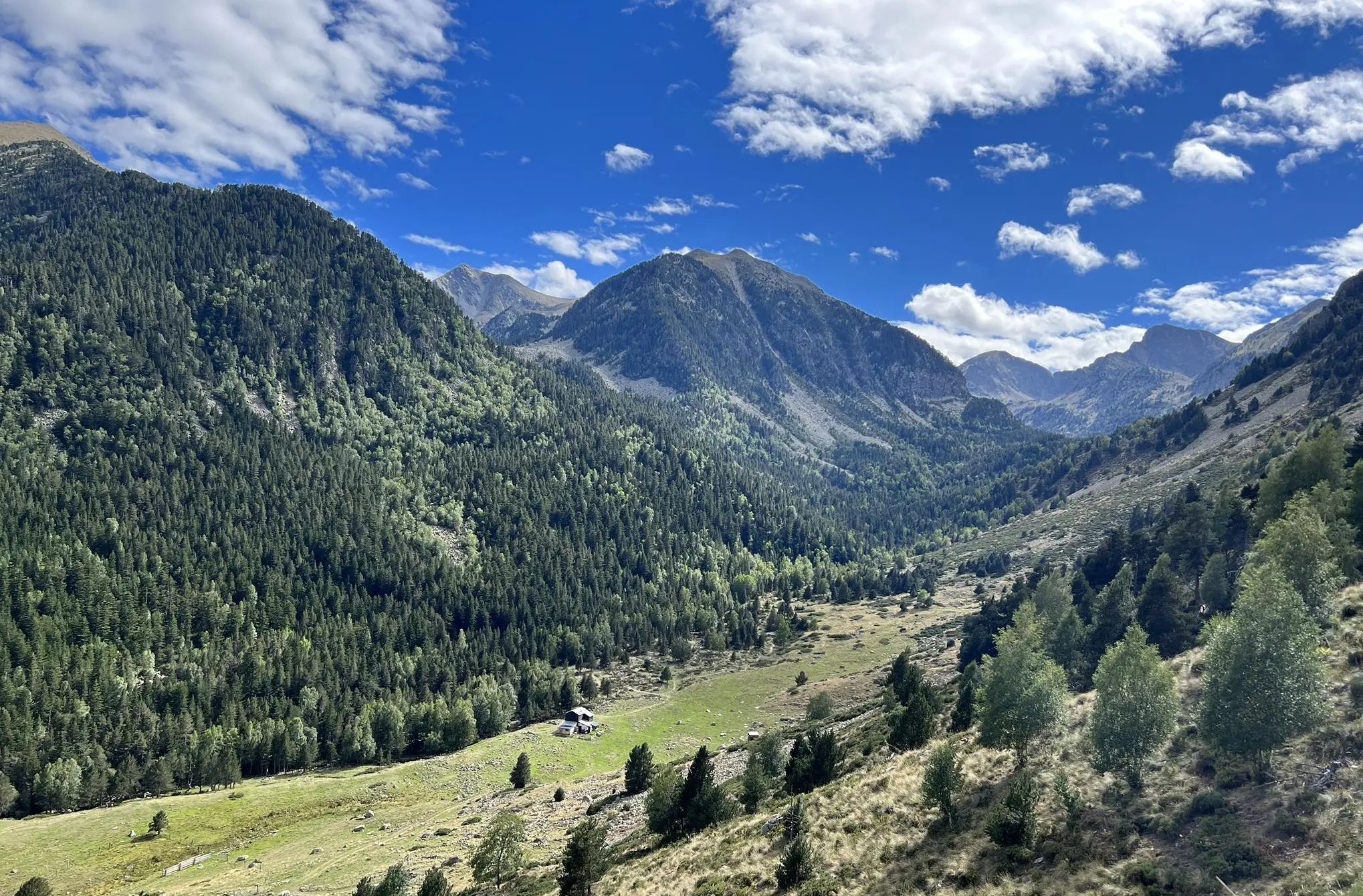
GR 36 long-distance footpath – Cross France from the Channel to the Pyrenees
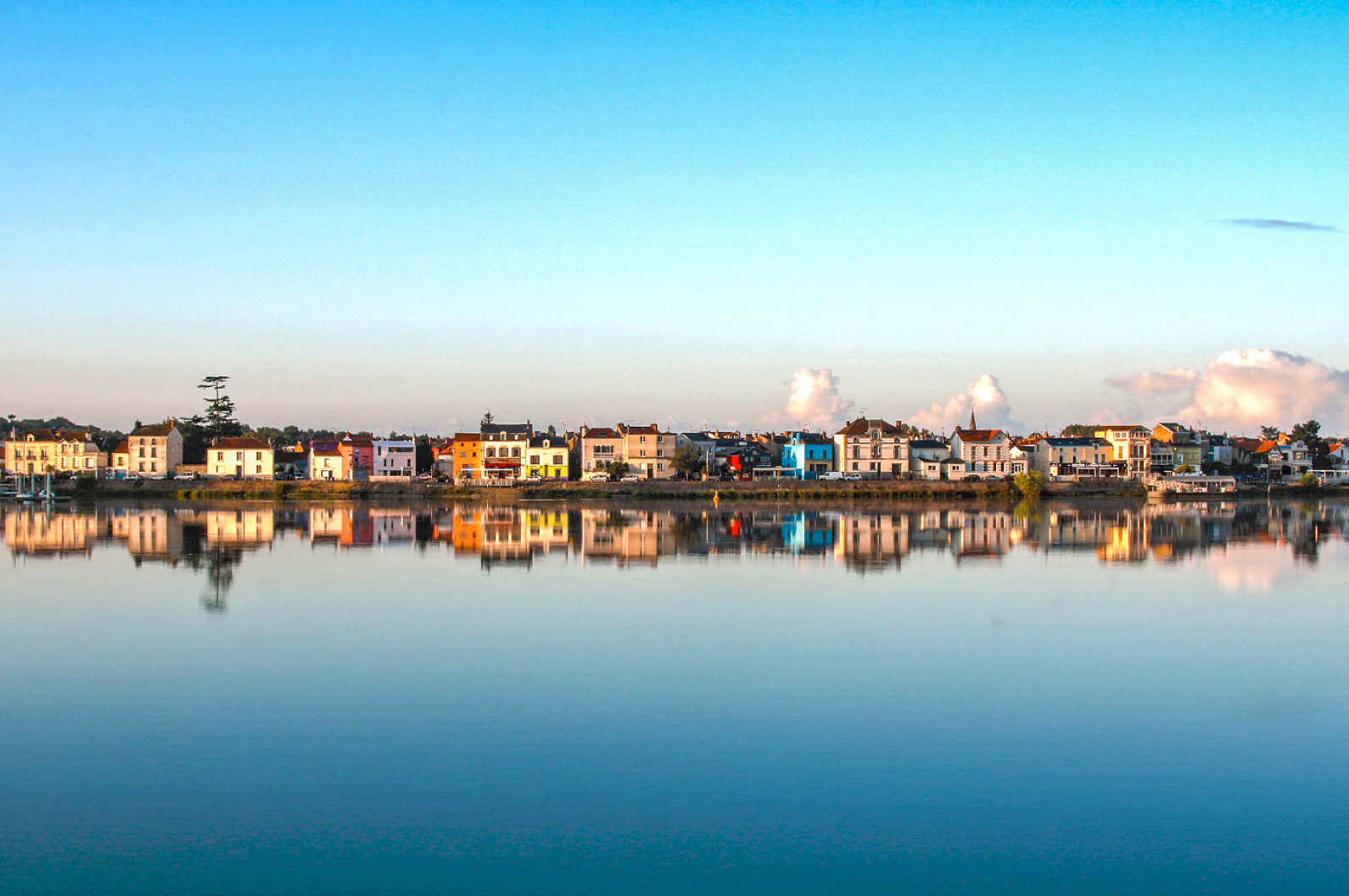
La Vélidéale - From the Limousin to the Atlantic
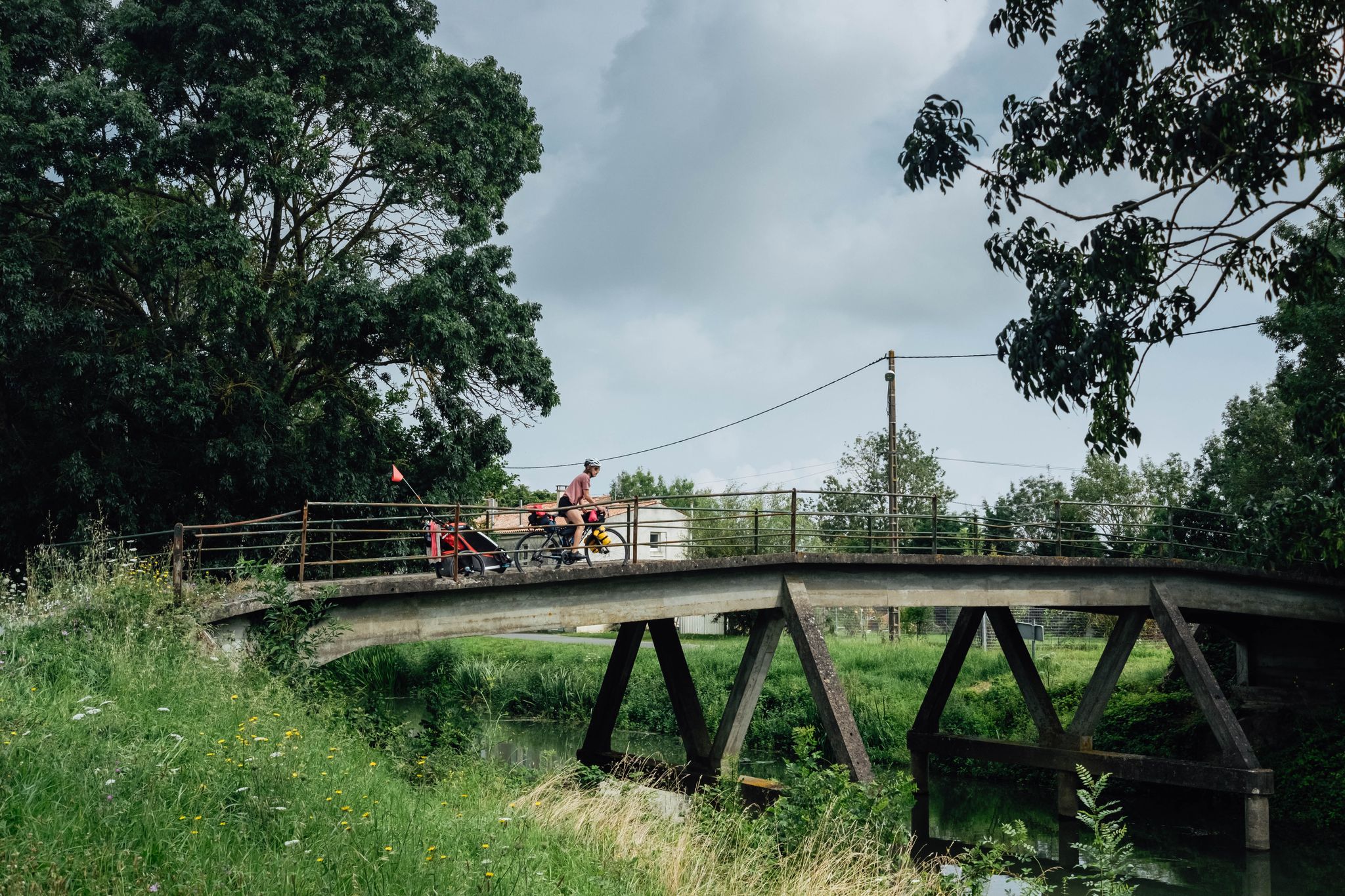
Our first family bike adventure in Western France
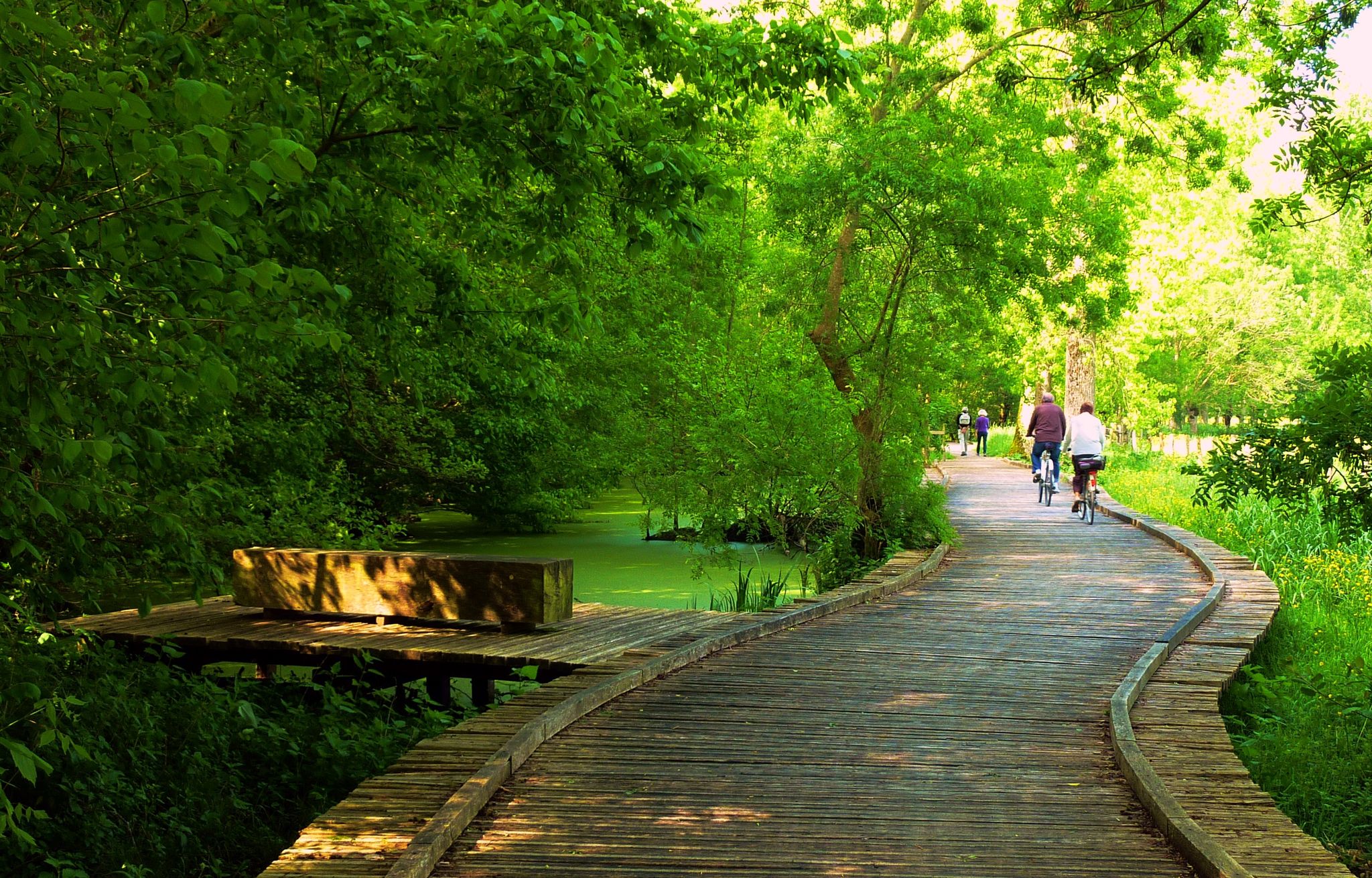
Between Fontenay-le-Comte, Parthenay and Niort – Poitou on the water
From Ouistreham to La Rochelle — riding the Vélo Francette

Traffic-free bike rides in Deux-Sèvres

Traffic-free bike rides in Deux-Sèvres
Other adventures in Deux-Sèvres


Tips from the Community

A church dedicated to Saint Peter is documented in the 9th century in the village. A Romanesque church was then built in the 11th century on the site of the current Saint-Honoré church, but with a different orientation. Initially dedicated to Saint Mathias, it was renamed Saint Honoré in the 15th century, a martyr from the Thénezay area, and houses the relic of his skull. The church was remodeled several times, notably in 1685, 1753, and 1784. The church was closed from 1791 to 1802. Its poor condition forced its complete demolition at the end of the 19th century. It was rebuilt between 1901 and 1903 in the neo-Romanesque style with a tall bell tower, according to plans by the architect Girard de Niort. It was consecrated on October 17, 1903, by Bishop Pelgé. It has three naves lit by richly colored stained-glass windows. The choir stalls, dating from the 18th century, were purchased in 1825 by Abbot de la Roche, parish priest; they came from the deconsecrated Cistercian abbey of Pin de Béruges. They were replaced in the current church in 1903. Two years later, the church was confiscated by law from the diocese and became the property of the municipality, which is now responsible for its maintenance. The white marble high altar with columns, donated in 1903 by the Countess of Talhouët-Roy, was sold in the 1970s and replaced with a wooden table facing the people. The stained-glass windows in the choir come from the Touan house in Paris and depict medallions depicting the life of Jesus. In 2003, the main bell collapsed; A new bell was recast from the old one by the Bollée d'Orléans firm and financed by subscription. The Bishop of Poitiers blessed it on October 11, 2003. Today, the parish of Thénezay no longer exists, and its former territory is part of the parish group of Saint-Jacques-en-Gâtine (comprising about sixty bell towers). Sunday Mass is now celebrated only occasionally in this village of nearly 1,400 inhabitants. The church is open for weddings and funerals.
0
0

Magnificent viewpoint
0
0
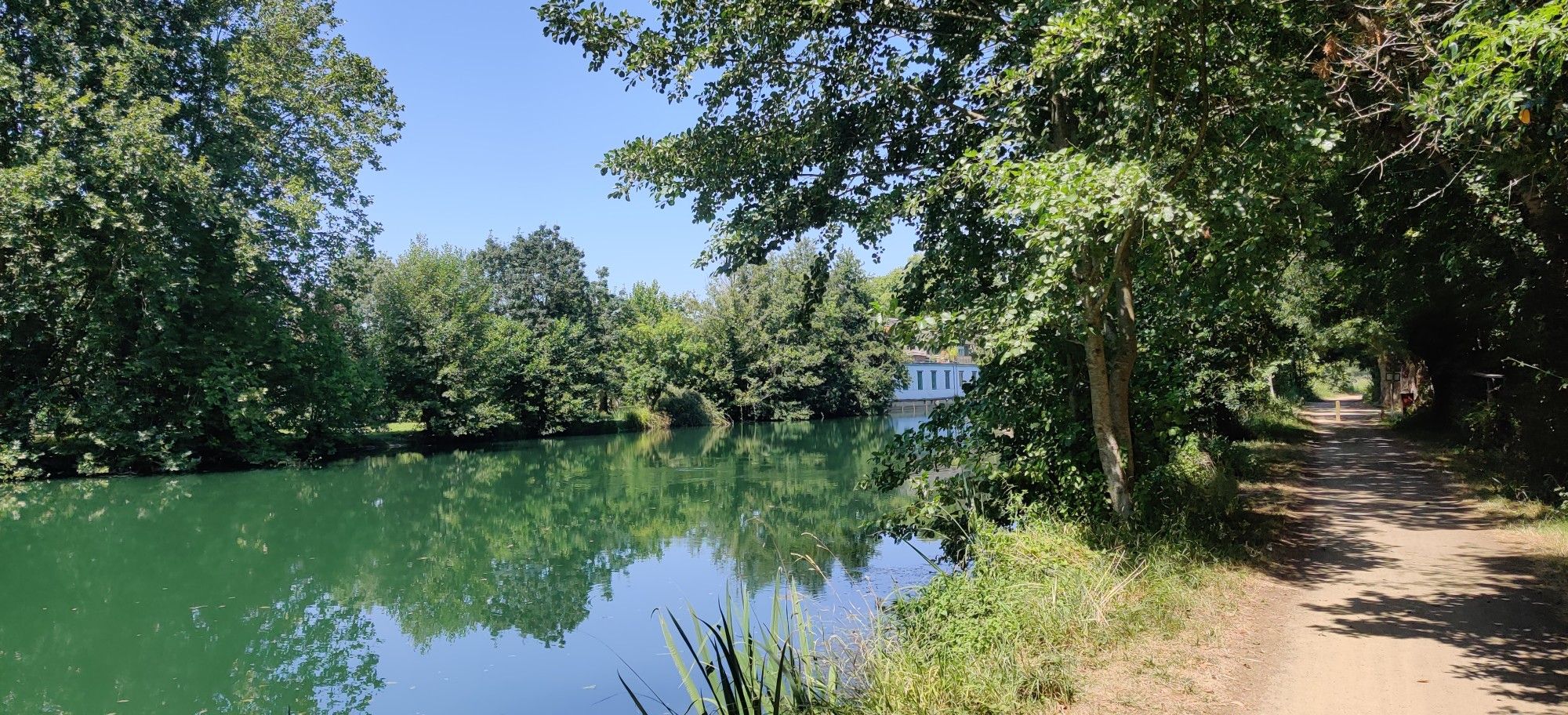
A charming place on the banks of the Sèvre Niortaise
1
0

very pleasant place for walking, cycling or running
0
0

Things to See & Do Ramparts: With approximately 30 semicircular towers, the granite walls symbolize medieval urban robustness. Ruined Castle: All that remains of the castle is a round tower (perhaps the keep) and sections of walls restored since the 1980s. Panoramic Walk: The rampart path offers splendid views of the Thouet Valley and the Saint-Paul district.
1
0
History & Architecture Medieval Construction: Built in the early 13th century under the aegis of John Lackland, the citadel rests on a natural promontory reinforced by three defensive walls, towers, and ramparts. Castle and Bastion: Its original, isolated castle included towers such as the Powder Tower and the Harcourt Tower. In the 15th century, Arthur de Richemont added the bastille and an artillery boulevard. Citadel Gate (or Clock Gate): The gatehouse is flanked by two almond-shaped towers and topped with a clock tower. A granite staircase provides access to the guardroom and the patrol path.
1
0
The citadel of Parthenay, nicknamed the "little Carcassonne of the West", is one of the city's heritage jewels, perched on a rocky spur overlooking the bend of the Thouet River.
1
0

Frequently Asked Questions
How many no traffic road cycling routes are available in Deux-Sèvres?
Komoot offers a wide selection of traffic-free road cycling routes in Deux-Sèvres. You can explore over 870 routes, with more than 220 specifically categorized as easy, making them suitable for various skill levels.
What kind of terrain can I expect on no traffic road cycling routes in Deux-Sèvres?
The Deux-Sèvres region offers diverse terrain for road cycling. You'll find many flat and scenic routes, especially within the Marais Poitevin, often referred to as 'Green Venice,' which is characterized by canals and marshlands. Other areas feature gently undulating fields, wooded paths, and river valleys, providing a mix of easy and moderately challenging rides. Routes often follow disused railway lines, known as Greenways (Voies Vertes), which are typically flat and car-free.
What is the best time of year for no traffic road cycling in Deux-Sèvres?
The best time for road cycling in Deux-Sèvres is generally during spring and autumn. These seasons offer pleasant temperatures and less crowded routes. While summer can also be enjoyable, it's advisable to cycle early in the morning or late afternoon to avoid the midday heat. The region's tranquil nature makes it a good destination for cycling throughout much of the year.
Are there easy no traffic road cycling routes suitable for beginners in Deux-Sèvres?
Yes, Deux-Sèvres has numerous easy no traffic road cycling routes perfect for beginners. Many of these routes are found on Greenways (Voies Vertes) or along the flat sections of the Marais Poitevin. For example, you can find many easy routes around Coulon and the Sèvre Niortaise. Komoot lists over 220 easy routes in the region.
Are there family-friendly no traffic road cycling routes in Deux-Sèvres?
Absolutely. The Greenways (Voies Vertes) and the flat paths within the Marais Poitevin are particularly well-suited for families with children. These car-free routes provide a safe and enjoyable environment for all ages. Look for routes with minimal elevation gain for the most comfortable family experience.
What natural features or landmarks can I see along no traffic road cycling routes in Deux-Sèvres?
Deux-Sèvres offers a wealth of natural beauty and historical landmarks. You can cycle past picturesque lakes like La Touche Poupard Dam or Ballastière Pond. The region also features stunning natural monuments such as Le Puits d'Enfer waterfall and the serene Chizé Forest. Many routes also follow the Sèvre Niortaise river, offering views of charming bridges like La Roussille.
Are there any routes that explore the Marais Poitevin, also known as 'Green Venice'?
Yes, the Marais Poitevin is a highlight for cyclists in Deux-Sèvres. Many no traffic routes traverse this unique wetland landscape, offering flat and scenic rides along canals and rivers. A great example is the long loop from Mauzé, Coulon – The Sèvre Niortaise – Old Port of La Rochelle loop from Mauzé, which takes you through this beautiful area. You can find extensive cycling circuits within the park, often passing through charming villages like Coulon.
Can I find routes that follow Greenways (Voies Vertes) in Deux-Sèvres?
Deux-Sèvres is well-equipped with Greenways (Voies Vertes), which are ideal for no traffic road cycling. These routes are often built on disused railway lines, providing flat, car-free, and well-surfaced paths. An example is the Green Path connecting Parthenay and Bressuire. These routes are perfect for safe and enjoyable cycling away from motorized traffic.
Where can I park my car to access no traffic road cycling routes in Deux-Sèvres?
Many towns and villages along the major cycling routes and Greenways in Deux-Sèvres offer designated parking areas. For routes starting in specific locations, such as Niort, Parthenay, or Coulon, you will typically find public parking facilities. It's always a good idea to check the starting point of your chosen route on komoot for specific parking recommendations.
Are there places to eat or stay along the no traffic road cycling routes?
Yes, Deux-Sèvres is known for its welcoming atmosphere for cyclists. Along many Greenways and popular routes, especially in and around towns like Coulon, Niort, and Parthenay, you'll find various services. These include cafes, restaurants, and accommodations that cater to visitors. Look for establishments displaying the 'Accueil Vélo' brand, which signifies quality services for cyclists.
What do other road cyclists enjoy the most about road cycling in Deux-Sèvres?
The komoot community highly rates road cycling in Deux-Sèvres, with an average score of 4.15 stars. Reviewers often praise the region's tranquil and unspoiled nature, the extensive network of car-free paths, and the charming villages encountered along the way. The peaceful beauty and slower pace of life are frequently highlighted as key attractions for cyclists seeking a relaxing experience.
Are there any longer, more challenging no traffic road cycling routes in Deux-Sèvres?
While Deux-Sèvres is known for its gentle terrain, there are longer routes that offer a greater challenge, often combining flat sections with more undulating countryside. For instance, the View of the Citadel – Sainte-Pezenne Footbridge loop from Parthenay is a difficult route covering over 150 km with significant elevation gain. These routes provide an excellent workout while still minimizing traffic exposure.
Most popular routes in Deux-Sèvres
Most popular attractions in Deux-Sèvres

Get inspired with the komoot mobile app


Explore more
Browse the best Road cycling routes in other regions.
